Many modern Irish homes do not always make the most of the natural beauty surrounding them. A limited connection with nature can reduce opportunities for everyday interaction with the outdoors throughout the year. Garden rooms provide a practical way to utilise an unused area of the garden as a functional living space while maintaining a connection with nature.
What Exactly Is a Garden Room in the Irish Context?
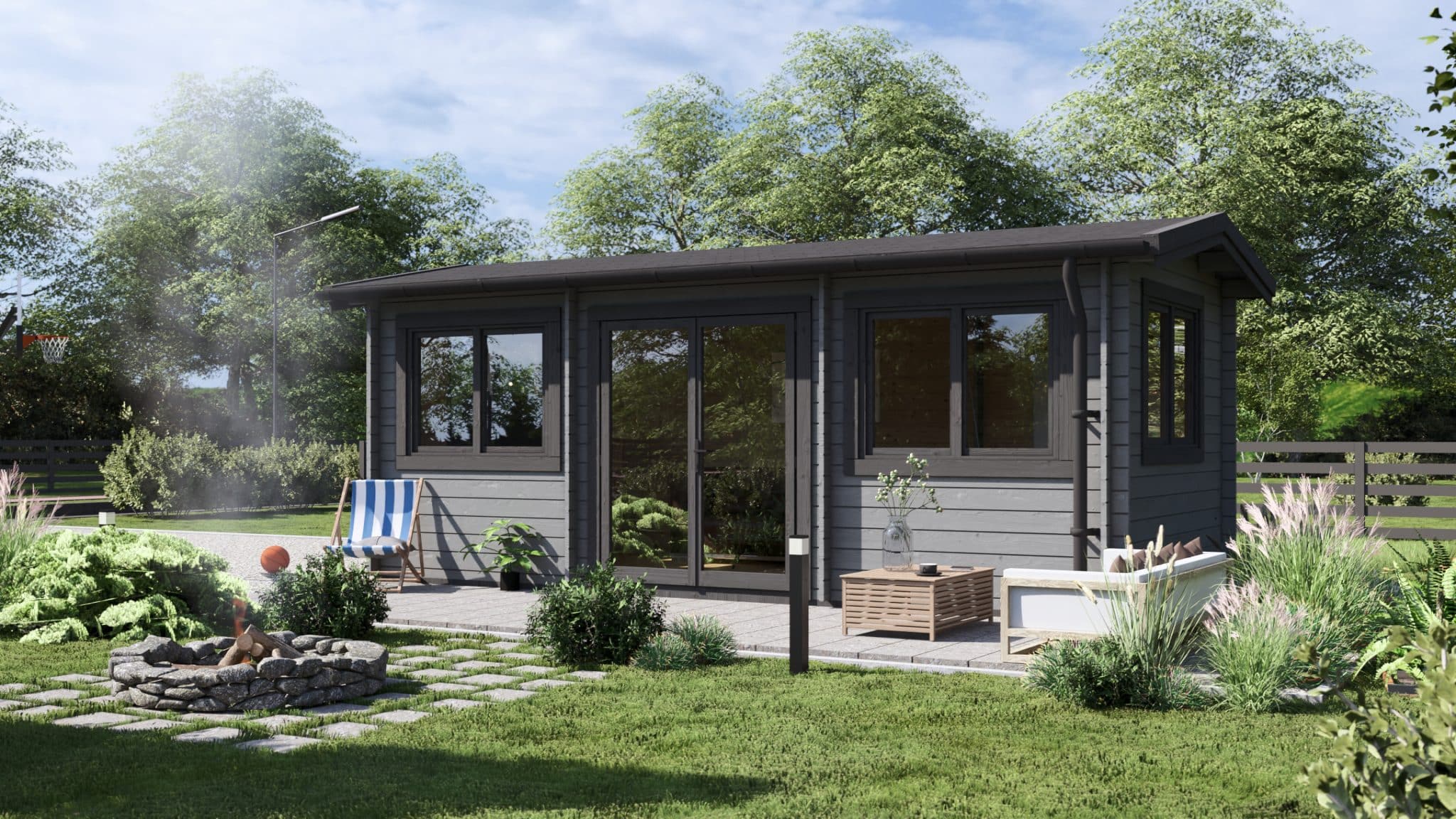
A garden room is a detached structure that can be highly insulated and used year-round as an extension of your living space into the garden. Unlike traditional summer houses and sheds, garden rooms can be designed for use throughout the year. Their construction can also be adapted to suit Ireland’s often unpredictable weather and provide a comfortable environment.
- Fully insulated for year-round use
- Designed for comfort in Irish weather
- Available in a range of sizes
Why Location in Your Garden Matters for Nature Connection
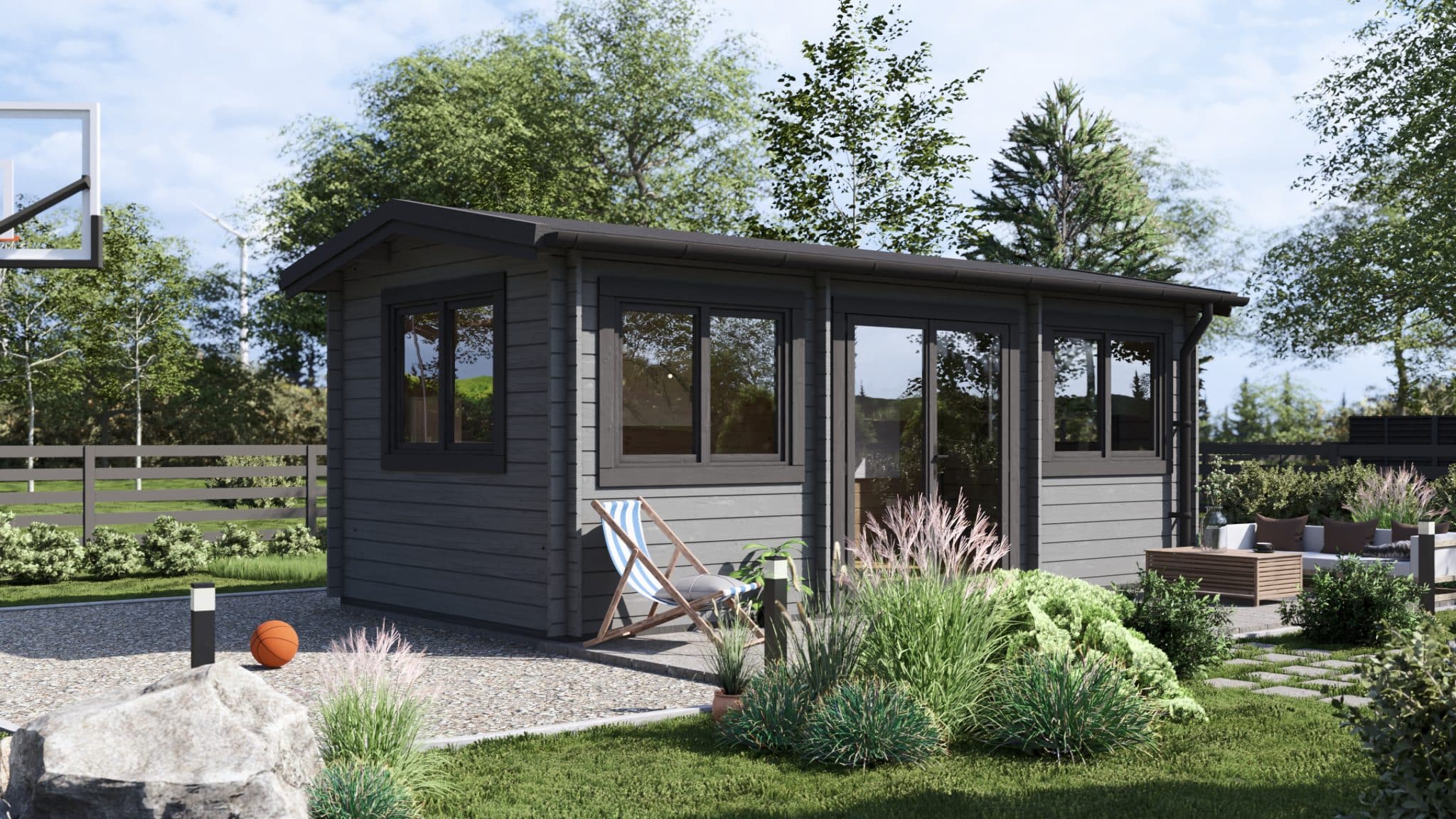
The placement of a garden room matters when creating a stronger connection with nature. Irish homeowners can orient these rooms to maximise natural views and daylight. Designing with the seasons in mind means arranging the room to take advantage of morning light, evening sun or views of a winter garden. Using generous areas of glazing can help connect indoor and outdoor spaces while maximising sightlines to mature trees and planting.
- Prioritise views of mature trees and vibrant planting schemes.
- Consider the sun path for natural light and warmth throughout the day.
- Ensure privacy while maintaining clear sightlines to key garden features.
Environmental Benefits: Garden Rooms as Sustainable Space
Garden rooms can offer a practical way to add functional space whilst maintaining much of the existing garden. Depending on the design and construction approach, these projects can minimise disruption to existing planting and landscaping.
Through insulation and appropriate heating solutions, modern garden rooms can support energy-efficient use. By creating a well-insulated room that is separated from the house, you can enjoy a comfortable space to work, relax or pursue other activities throughout the year.
- Efficient use of additional space.
- Potentially less disruption to existing garden areas.
- Potential for improved energy efficiency with modern insulation and heating.
The 3-Zone Garden Integration Framework
Irish homeowners can use the 3-Zone Garden Integration Framework to connect a garden room with its natural surroundings. The model creates a layered approach to the relationship between the garden room and the garden, from visual connections to spaces that encourage direct interaction with nature.
- Zone 1 – Visual Connection: TThis initial zone focuses on positioning the garden room to provide clear sightlines to the most appealing garden features. Consider the year-round beauty of a mature tree, a vibrant flower bed, or a natural water feature. The goal is to create a living picture frame from within the room.
- Zone 2 – Transition Space: This zone bridges the gap between the room and the garden. Covered decks, pergolas, or well-defined pathways with planting around the entrance encourage movement from indoors to out. This transition space provides shelter from the elements, making it easier to step outside even in less favourable weather.
- Zone 3 – Immersion Experience: The final zone promotes direct interaction and seasonal engagement with the garden. This includes designing spaces for outdoor activities like dining, reading, or gardening, ensuring easy access to seasonal planting, and integrating wildlife-friendly features like bird feeders or pollinator plants. This fosters a deeper, more active relationship with the outdoor environment.
This framework allows for continuous interaction with the garden, adapting to Ireland’s diverse weather patterns and seasons.
Designing Your Garden Room for Nature Connection
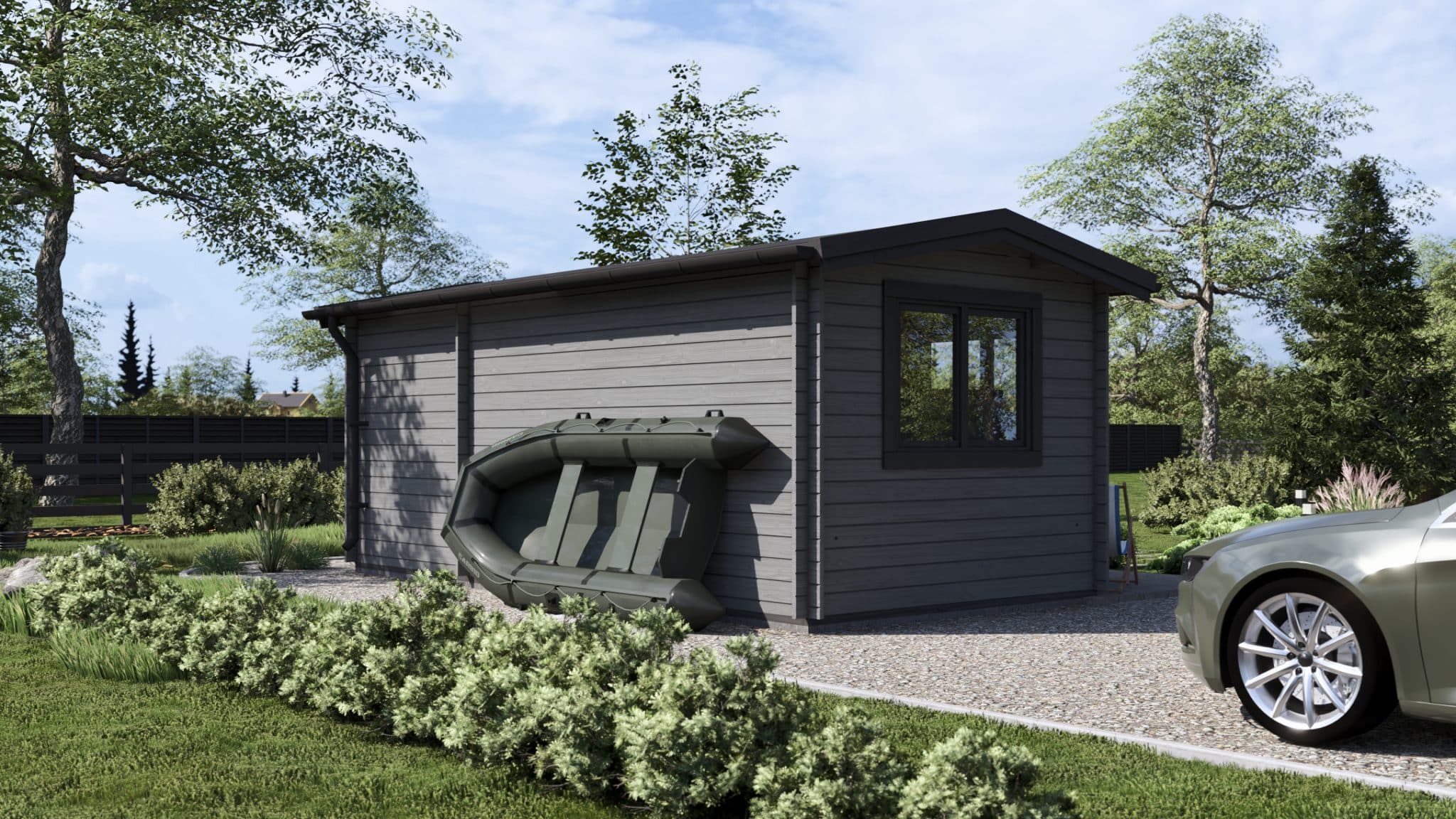
A well-designed garden room can create a strong connection with the outdoor environment while serving its purpose effectively. In Ireland, glazing and window placement need to balance natural light with thermal performance.
When planning, you need to keep in mind the sun path, prevailing winds and existing focal points in the garden. Using natural materials sourced locally or materials that complement the surrounding landscape can help reinforce the connection with nature. Integrating the room with existing landscaping and wildlife-friendly features can further strengthen this relationship, helping the room feel like part of the garden.
- Prioritise appropriately sized, low-e double-glazed windows for good views and thermal performance.
- Incorporate roof lights or clerestory windows to draw light deeper into the space.
- Use natural, locally sourced materials where possible to blend with the landscape.
Conclusion
Garden rooms provide a practical way for Irish homeowners to make use of their gardens throughout the year, rather than only during the summer. By integrating these structures thoughtfully into the landscape, homeowners can create spaces for relaxing, working and interacting with nature. This approach can strengthen the connection between the home and its natural surroundings, while providing a relaxing retreat or a dynamic workspace that changes with the seasons. The first step to creating a garden room that becomes a natural extension of your Irish home is to examine the unique characteristics of your garden and how it can be connected with the new space.