Water demand in industrial areas has surged more than 30 percent in recent years, leaving many companies searching for smarter, more sustainable ways to operate. That growing pressure has sparked a surprising solution: transforming wastewater into a resource that supports greener, more resilient facilities.
More organizations are discovering that treated water can do far more than meet compliance standards. It can nourish workplace gardens, reduce operating costs, and bring sustainability to life in ways employees can actually see. This article explores how recycled water is reshaping industrial spaces and why the shift is accelerating.
Why Wastewater Reuse Matters
Industrial sites have long struggled with water consumption, rising costs, and pressure to meet environmental goals. Sustainable water management helps solve these challenges while offering practical benefits that are easy to see across a facility. Recycled water allows companies to conserve resources, reduce strain on infrastructure, and create opportunities for greener workspaces.
When facilities incorporate closed-loop systems, they often discover that treated water is cleaner and more predictable than their traditional sources. This reliability opens the door to new uses around the workplace that go far beyond compliance. Many organizations now design sustainability programs that make water reuse feel like a daily part of operations instead of a distant goal.
There are a few core advantages that drive interest in recycled water across industries. Here are some of the biggest motivators behind these initiatives:
- Lower operating costs
- Reduced pressure on local water systems
- More flexibility in meeting sustainability targets
Turning Wastewater Into a Workplace Asset
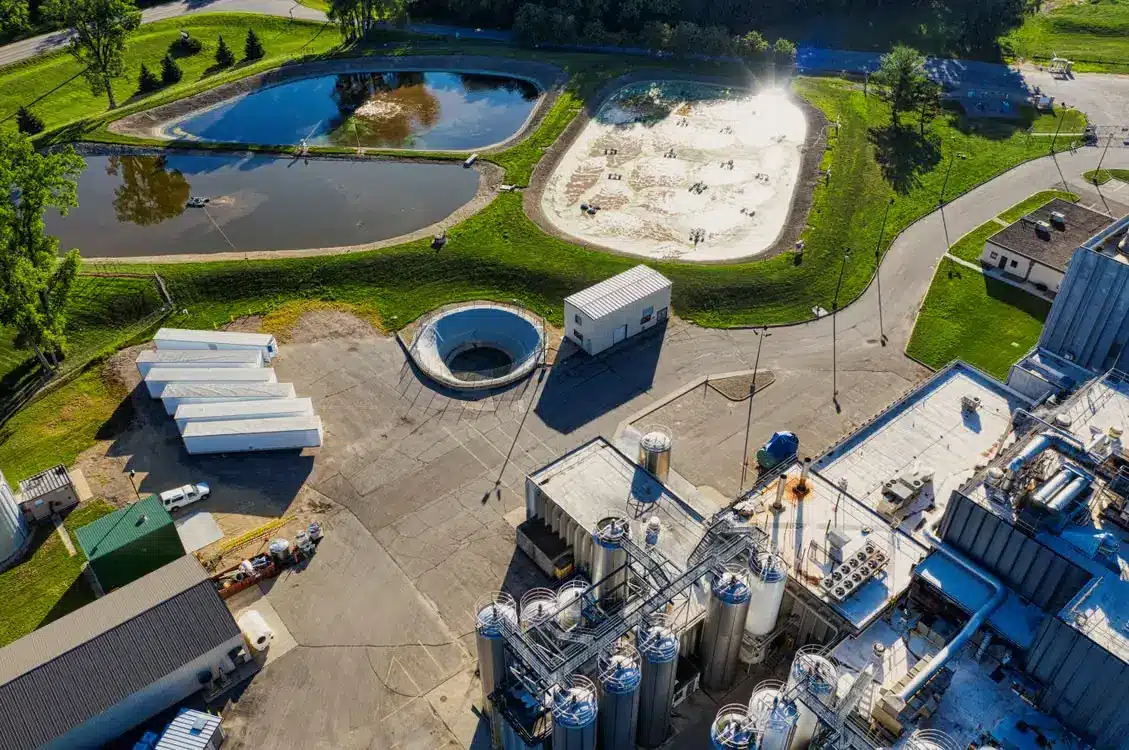
Creating value from wastewater starts with careful treatment and thoughtful planning. When facilities invest in technology that supports water reuse, they often gain access to water pure enough for irrigation, cooling, and landscape needs. Once that foundation is in place, companies can use reclaimed water to create natural spaces that support employee engagement.
One example of a company offering solutions for these types of projects is Bioprocess H2O, which provides treatment systems that help organizations safely reuse water throughout their facilities. This type of technology makes it easier for businesses to integrate sustainability into daily operations, especially when they want visible, meaningful results.
Many teams begin by focusing on outdoor spaces because they show the impact of water reuse immediately. Landscapes, planter walls, and garden areas all thrive on a consistent supply of clean, recycled water. Some organizations also explore greenhouse setups or small hydroponic installations that stay connected to their broader sustainability goals.
How Treated Water Supports Workplace Gardens
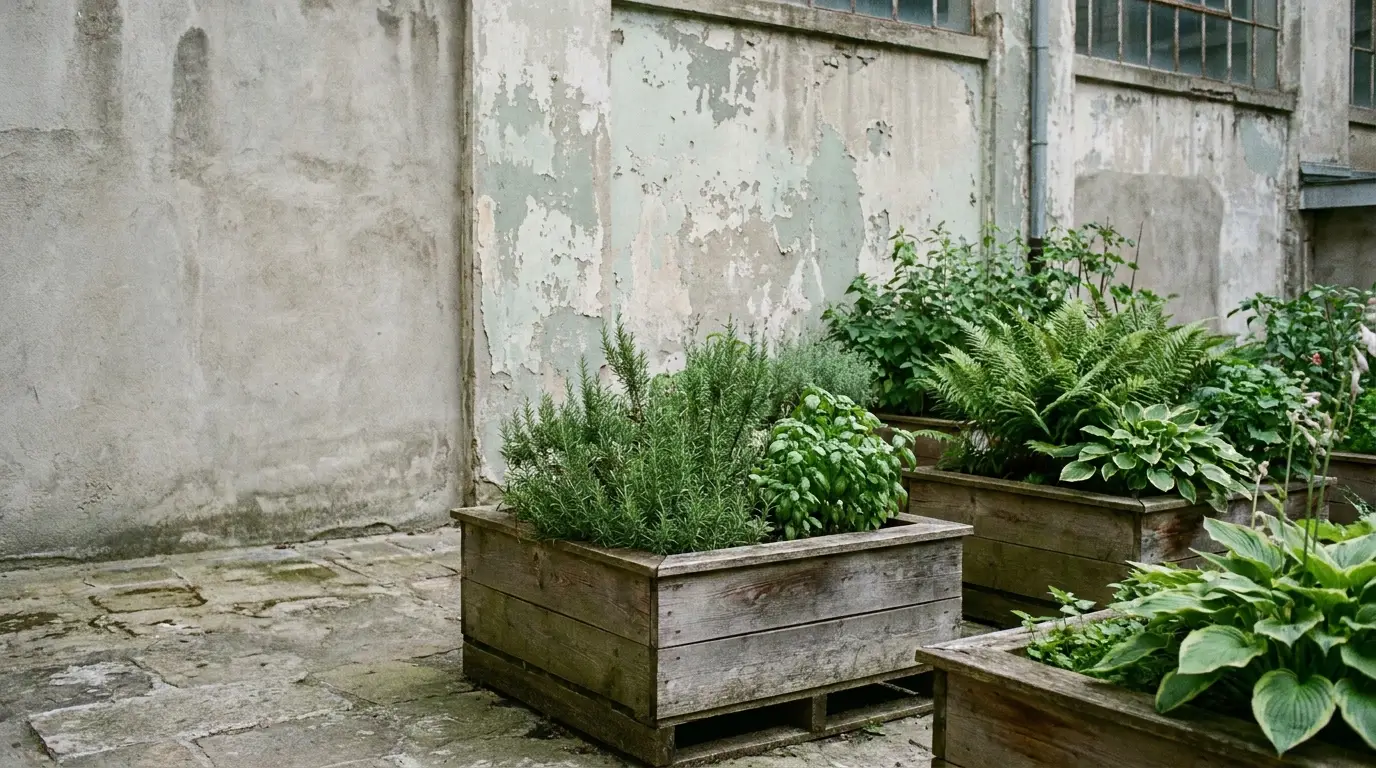
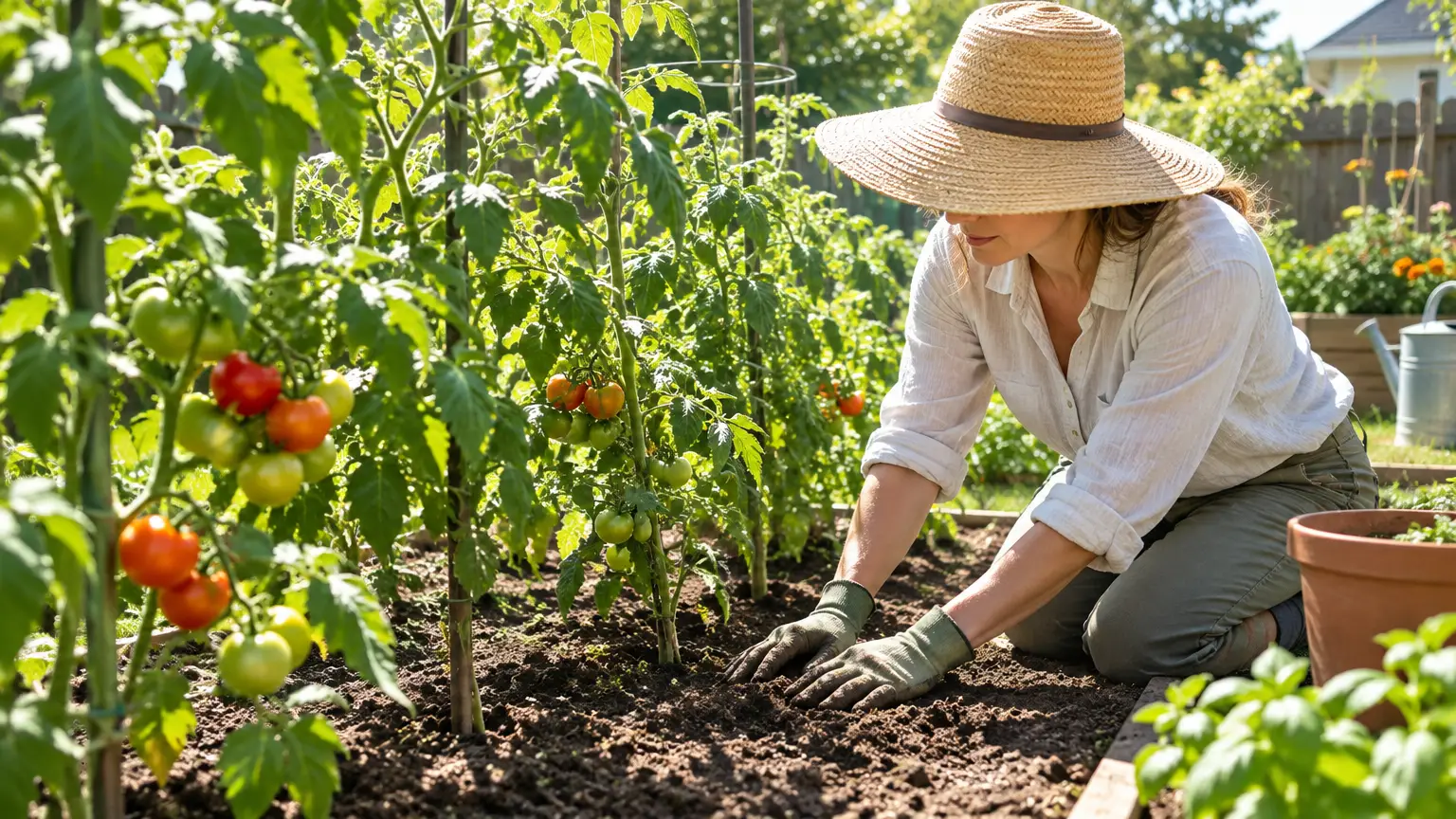
Workplace gardens have gained popularity because they blend environmental responsibility with real quality of life improvements. They give employees a place to relax, decompress, or take a break outdoors. Treated wastewater plays an essential role in keeping these gardens thriving in climates where freshwater resources are limited.
Gardens help facilities build a stronger connection between operations and the natural world. They demonstrate how sustainable practices can produce something tangible for employees instead of existing only in reports or metrics. Even small installations can become a conversation starter that keeps sustainability visible and approachable.
Some gardens focus on aesthetic value, while others highlight biodiversity or grow produce for community programs. No matter the design, they benefit from a dependable water source. These are a few common ways facilities use treated water to support their on-site green spaces:
- Irrigating rooftop or courtyard gardens
- Sustaining native plants to support pollinators
- Supplying water for small hydroponic stations
Designing Sustainability Programs Employees Can See
A major reason companies adopt water reuse is the opportunity to help employees feel connected to their workplace in a greener, healthier way. When teams see gardens, trees, or landscaping that thrive because of recycled water, sustainability stops feeling abstract. It becomes something people can enjoy during lunch breaks or while walking between buildings.
A strong program usually begins with a clear vision that aligns operational needs with employee experience. Companies that communicate these goals often see higher engagement because the impact is easy to understand. The more transparent the process is, the more employees want to get involved and support future initiatives.
Creating visible green spaces also reflects well on a company’s brand. Visitors, partners, and customers notice when a facility integrates natural elements into its design. That impression reinforces the idea that sustainability isn’t just a requirement but a core part of how the business operates.
Where Industrial Sustainability Goes Next
Industrial sustainability is evolving fast, and workplace gardens powered by reclaimed water are becoming a clear sign of that progress. These spaces show employees and visitors what responsible resource use looks like in everyday operations. They also help companies connect environmental goals with real, visible impact.
If you’re exploring ways to strengthen your sustainability strategy, now is a great time to consider how water reuse can support your goals. Look for opportunities that bring both practical value and a greener, more engaging workplace environment.