An herb garden can add beauty, fragrance, and everyday usefulness to an outdoor space. It gives homeowners a way to grow fresh ingredients while also improving the look and feel of the yard. Herb gardens can work in large backyards, compact patios, and narrow side areas. With the right plan, they become practical and attractive. Thoughtful placement, smart plant choices, and simple upkeep can turn a basic garden into one of the most rewarding features in a landscape.
Start With a Plan That Fits Your Space
A successful herb garden starts with realistic planning. Before planting, think about sunlight, drainage, access to water, and how the area connects with the rest of the yard. This is also where garden maintenance services can help, especially for homeowners who want a cleaner layout and a polished result from the start. A strong plan should make the herb section feel like a natural part of the landscape instead of an afterthought. When the layout fits the space well, the garden becomes easier to enjoy and maintain.
Choose Herbs That Match Your Climate and Routine
One of the smartest herb garden ideas is to choose plants that suit the local climate and the amount of care you can realistically give. Basil, mint, parsley, rosemary, thyme, and oregano are common choices because they are useful and visually appealing. Some herbs spread quickly, while others prefer drier soil and less frequent watering. A good garden design takes these differences into account. Grouping plants with similar needs helps the garden grow more evenly and reduces the effort needed to keep everything healthy.
Raised Beds and Containers Make Design Easier
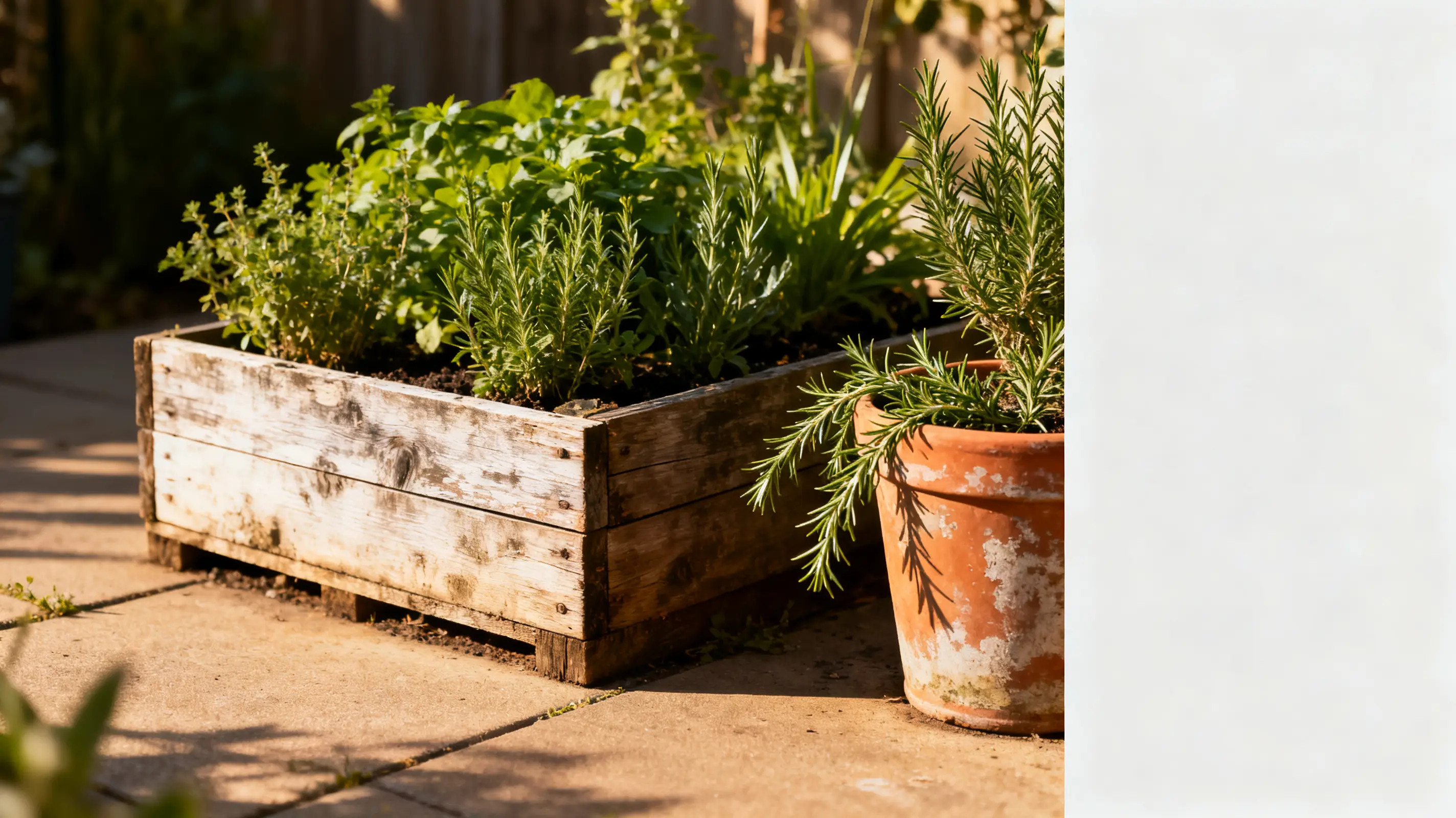
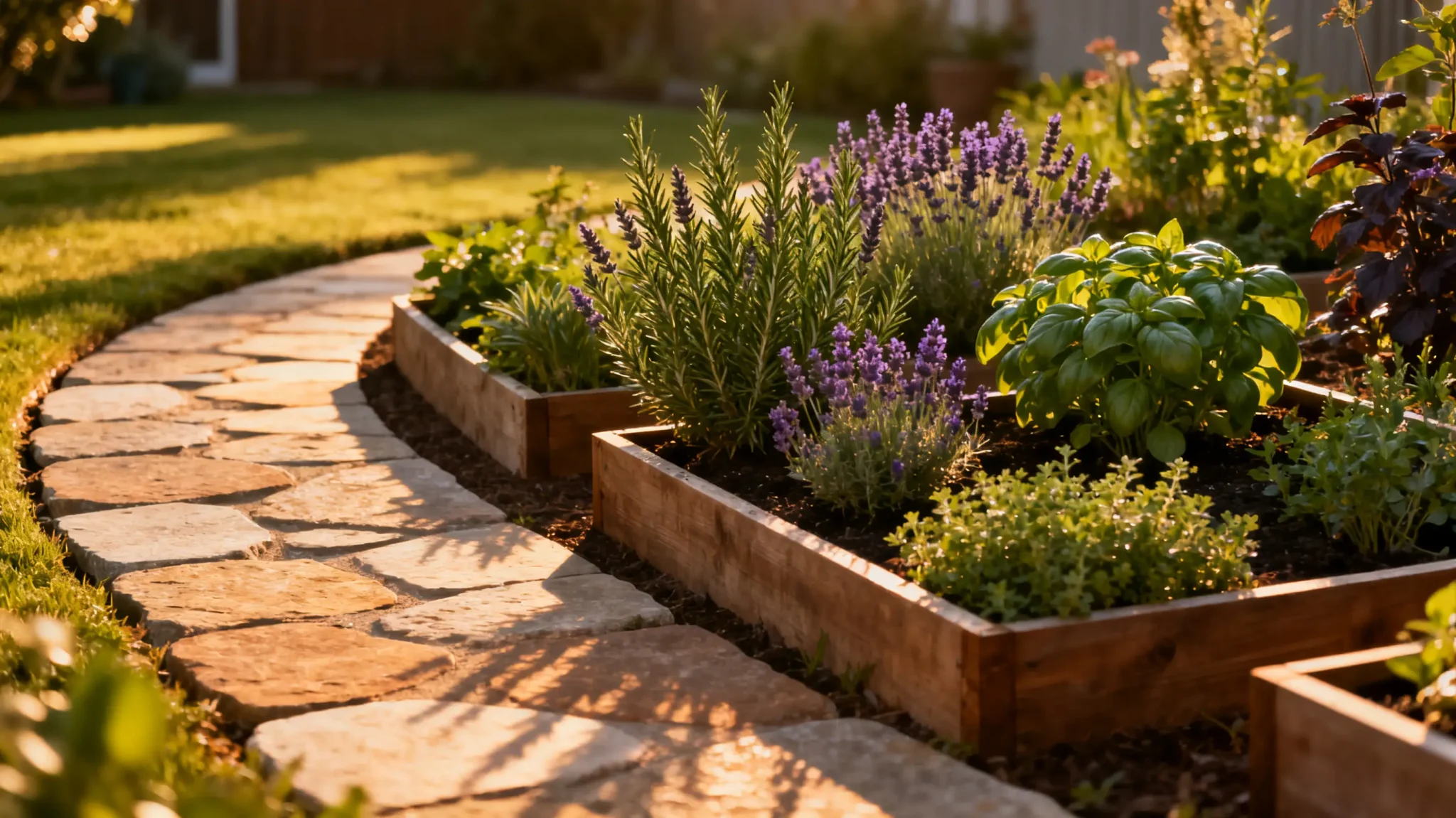
Raised beds and containers are some of the most practical herb garden ideas for small spaces. They make it easier to control soil quality, improve drainage, and create a tidy appearance. For patios, balconies, and compact yards, containers can turn an unused corner into a productive garden without taking up much room. Raised beds also work well in larger landscaping plans because they create clear structure and help define the space. These features can make the herb garden feel intentional and organized.
Think About Access as Much as Appearance
A beautiful herb garden should also be convenient. If herbs are planted too far from the kitchen or tucked into an awkward part of the yard, people may use them less often. Good placement improves both function and maintenance. Paths, edging, and easy reach all make a difference. In garden design, usability matters just as much as appearance. A small planting area near a walkway, seating zone, or back door can be more effective than a larger bed placed where it is harder to reach. The easier the access, the more likely the garden will stay active and cared for.
Mix Practical Value With Landscape Appeal
Herbs can do more than provide flavor. They also add texture, color, and structure to the outdoor setting. Rosemary can create shape, lavender adds softness, and basil brings fullness to planting beds. When placed thoughtfully, herbs blend well into a wider landscape instead of feeling separate from it. This is why landscaping with herbs works so well. It combines utility with visual interest. Homeowners can use herbs along borders, inside mixed beds, or in decorative pots to bring freshness and character into the overall garden.
Keep Maintenance Simple and Consistent
The best herb gardens are the ones people can actually keep up with. That is why simple routines matter. Regular watering, light pruning, harvesting, and checking for overcrowding will usually do more good than complicated care routines. Useful garden maintenance tips include trimming herbs often to encourage fuller growth, removing dead leaves before they spread problems, and watching for plants that outgrow their space. Good garden maintenance does not have to be difficult. It just needs to be steady enough to support healthy growth over time.
Small Space Gardens Can Still Feel Creative
Homeowners with limited space should not assume they have fewer options. Some of the most creative herb garden ideas for small spaces come from vertical planters, tiered containers, window boxes, and narrow side yards. These solutions can make a compact area feel functional and stylish at the same time. The key is to use the space with purpose. Even a modest setup can support cooking herbs, add greenery, and improve the atmosphere of a patio or courtyard. Smart use of space often matters more than size.
Conclusion
The best herb garden ideas combine beauty, usefulness, and easy care. With the right planning, herbs can become a natural part of the landscape while also supporting daily life in practical ways. Whether the goal is a full garden bed or a few containers near the door, strong design choices make a big difference. A well planned herb garden adds charm, flavor, and lasting value to the outdoor space.