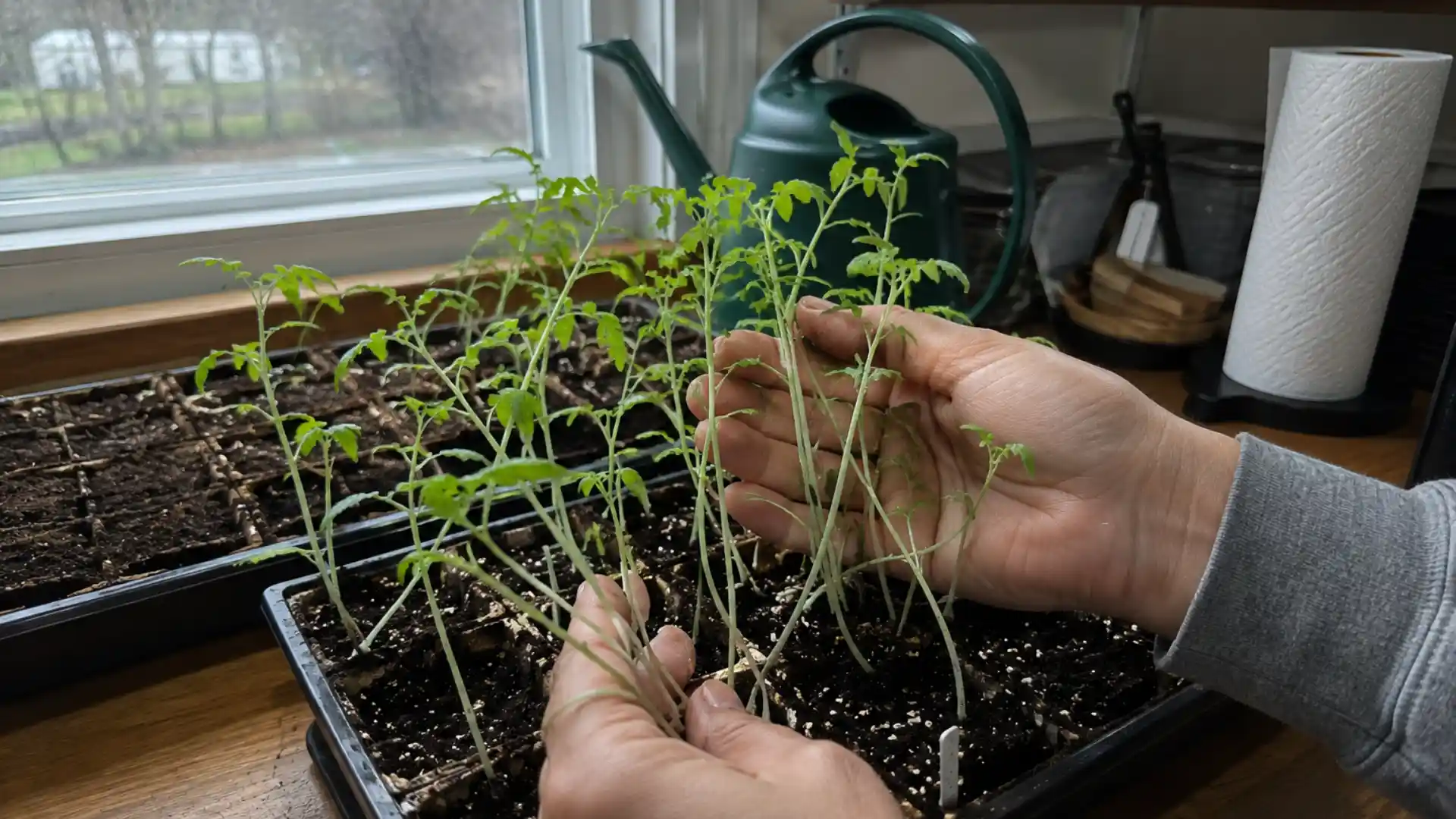
For people drawn to gardening, sustainability begins with the soil. Planting seeds, nurturing growth, and harvesting food are tangible ways to reconnect with nature and live more intentionally. But what happens after you step inside?
A truly values-driven lifestyle doesn’t stop at the garden gate. It extends into the spaces where we rest, gather, and recharge. The modern sustainable home is not just about what you grow, but how you live. From the materials in your furniture to the way you design your living space, every choice becomes an opportunity to align your environment with your beliefs.
Creating a home that reflects your values is less about perfection and more about intention, bridging the gap between outdoor sustainability and indoor living.
The Garden as a Foundation for Conscious Living
Gardening often serves as the entry point into a more mindful lifestyle. It teaches patience, resourcefulness, and respect for natural systems. According to a study published in the Sustainability Journal, individuals who engage in home gardening are significantly more likely to adopt eco-conscious habits in other areas of life.
“Growing your own food fosters a deeper awareness of consumption patterns and environmental impact,” notes environmental psychologist Dr. Linda Steg.
This awareness naturally spills over into the home. Once you begin questioning where your food comes from, it’s only a matter of time before you ask the same about your furniture, textiles, and everyday products.
Extending Sustainability Indoors
While gardens are inherently sustainable spaces, interiors often fall behind. Fast furniture, synthetic materials, and short product lifespans contribute significantly to environmental waste. The EPA estimates that over 12 million tons of furniture waste end up in landfills annually in the U.S. alone.
Bringing your outdoor values inside means rethinking how you furnish and design your home.
Choose Longevity Over Convenience
One of the most impactful shifts is moving away from disposable design. Investing in durable, adaptable pieces reduces waste and promotes long-term use.
For example, modular furniture, such as the options available through Soulfa couches online, allows homeowners to reconfigure their living spaces without replacing entire pieces, supporting both flexibility and sustainability.
Prioritize Natural and Low-Impact Materials
Look for materials that echo the natural world you cultivate outside:
- Solid wood from responsibly managed forests
- Organic cotton, linen, or hemp textiles
- Non-toxic finishes and low-VOC paints
These choices not only reduce environmental impact but also contribute to healthier indoor air quality.
Designing Spaces That Reflect Your Values
A home aligned with your values should feel cohesive, not compartmentalized. The transition from garden to living room can be seamless when design choices reinforce your connection to nature.
Bring the Outdoors In
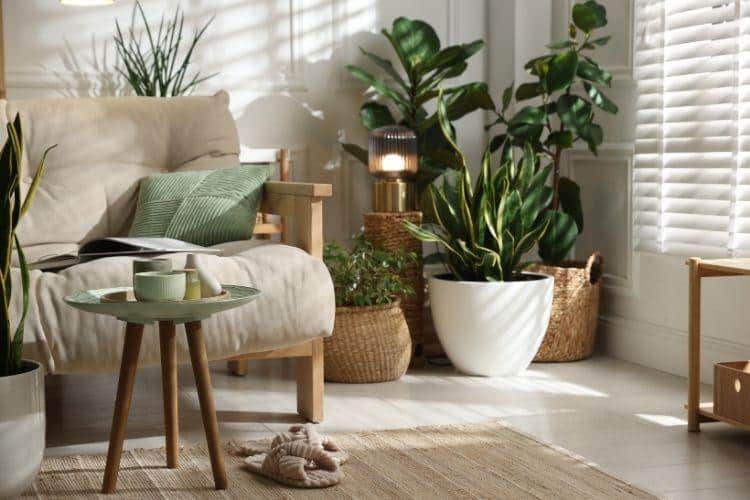
Biophilic design, the practice of incorporating natural elements into interiors, has been shown to improve well-being and reduce stress. A 2019 report by Human Spaces found that people working in environments with natural elements reported a 15% increase in overall well-being.
Simple ways to integrate this include:
- Indoor plants that mirror your garden ecosystem
- Natural light optimization
- Earth-toned color palettes
- Silk flowers that look great but don’t need constant maintenance
Create Functional, Intentional Spaces
Just as a garden is planned with purpose, your home should reflect how you live. Ask yourself:
- Does this space encourage connection or distraction?
- Are items serving a purpose or just filling space?
Intentional design reduces clutter and promotes mindfulness, echoing the simplicity often found in gardening.
The Role of Comfort in Sustainable Living
Sustainability is creating systems that are both responsible and enjoyable. Comfort plays a critical role in this balance.
If a space feels inviting, you’re more likely to use it fully and maintain it over time. This reduces the impulse to constantly replace or upgrade. Thoughtful seating, adaptable layouts, and durable materials all contribute to a home that supports daily life without excess consumption.
Reducing Waste Through Mindful Consumption
The connection between gardening and home design becomes especially clear when considering waste. Gardeners understand cycles—growth, decay, and renewal. Applying this mindset indoors can dramatically reduce household waste.
Adopt a “Grow, Use, Reuse” Philosophy
- Compost organic waste from your kitchen
- Repurpose containers and materials
- Choose items designed for repair rather than replacement
Buy Less, Choose Better
Minimalism and sustainability often overlap. Rather than filling your home with items, focus on selecting fewer, higher-quality pieces that align with your values.
Research from the Journal of Cleaner Production highlights that extending the lifespan of household goods by just nine months can reduce their environmental impact by up to 30%.
Building a Holistic Sustainable Lifestyle
The most powerful shift happens when sustainability becomes a mindset rather than a checklist. Your garden and your home are not separate—they are parts of the same ecosystem.
Align Daily Habits with Your Environment
- Use what you grow in your meals
- Create spaces that encourage slow living (reading nooks, shared dining areas)
- Reduce reliance on energy-intensive appliances where possible
Foster Community and Shared Values
Gardening often brings people together, whether through seed sharing or community plots. Your home can extend that sense of connection:
- Host gatherings that celebrate seasonal food
- Share knowledge about sustainable practices
- Create welcoming spaces that reflect your ethos
As sustainability advocate Anna Lappé puts it, “Every time you spend money, you’re casting a vote for the kind of world you want.”
The Emotional Impact Home That’s Aligned With Your Values
Beyond environmental benefits, there is a profound emotional reward in living in a space that reflects your beliefs. When your surroundings align with your values, daily life feels more grounded and intentional.
A study from the University of Surrey found that people who perceive their homes as aligned with their personal values report higher levels of life satisfaction and reduced stress.
This alignment creates a sense of continuity, from the seeds you plant to the spaces you inhabit.
Conclusion
Creating a home that reflects your values is an evolving process, not a final destination. It begins in the garden, where you learn to nurture life and respect natural systems, and continues indoors, where your choices shape how you live every day.
By prioritizing durability, embracing natural materials, and designing with intention, you can build a living environment that mirrors the care you invest in your garden. The result is a home that feels not only sustainable but deeply personal; a space where your values are visible, tangible, and lived.
In the end, sustainability isn’t confined to a single room or activity. It’s a thread that weaves through every aspect of life, connecting what we grow with how we live.
References
- Steg, L., et al. (2014). Environmental Psychology and Sustainable Behavior. Journal of Environmental Psychology.
- United States Environmental Protection Agency (EPA). Advancing Sustainable Materials Management Report.
- Human Spaces (2019). The Global Impact of Biophilic Design in the Workplace.
- Journal of Cleaner Production (2018). Product Longevity and Environmental Impact.
- University of Surrey (2020). Home Environment and Well-being Study.