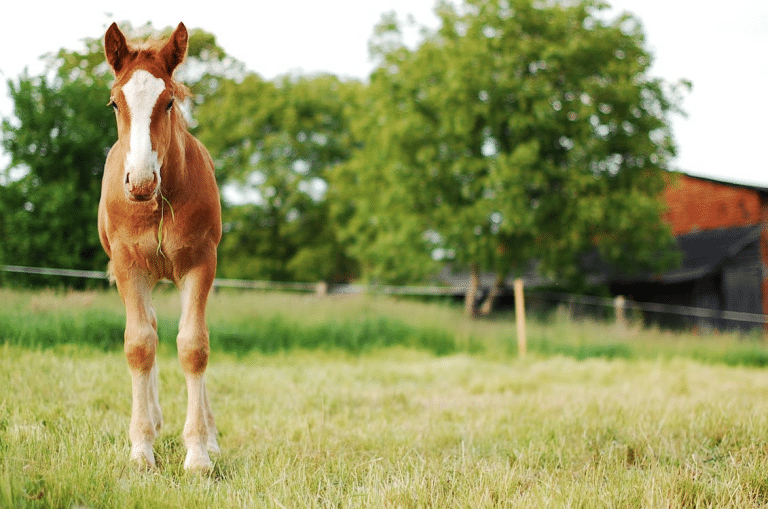
Long before supplements lined tack room shelves, horses roamed pastures where wild chamomile, clover, and dandelion grew freely. They nibbled selectively, drawn to plants that supported digestion, calmed nerves, or eased joint stiffness. That instinct for self-selection hints at something worth paying attention to.
Today, horse owners can tap into that same natural wisdom by growing or sourcing specific herbs for horses. The key is knowing which plants actually contribute to equine health, how to cultivate them, and where caution is warranted. This guide breaks it all down, from garden bed to stable.
Herbs Worth Growing for Your Horse
The herbs that follow are grouped by their primary benefit, though many overlap categories. Horse owners can grow these at home, buy from local suppliers, or order from specialists like SilverLiningHerbs.com to access quality blends year-round.
Digestive and Calming Herbs
A horse’s gut is surprisingly delicate for an animal of its size. Stress, dietary changes, and even travel can throw digestion off balance. That is where a handful of well-known herbs come in, offering digestive support alongside gentle calming properties.
- Chamomile soothes the digestive tract, eases mild cramping, and supports relaxation without sedation. For horses that tend to be anxious at feeding time or during transport, chamomile can help settle both the stomach and the mind.
- Peppermint aids digestion by encouraging healthy gut motility and reducing gas. Many horses find the flavor appealing, which makes it a useful addition to feed mixes.
- Slippery elm coats and protects the gut lining, forming a mucilage layer that can help buffer irritation. Horses prone to gastric sensitivity or recovering from digestive upset often benefit from this herb.
- Dandelion supports liver and kidney function, acting as a gentle detoxifier. The leaves are mineral-rich, and the root encourages healthy bile production.
Anti-Inflammatory and Immune Herbs
Once digestive needs are addressed, the next consideration is long-term joint health, respiratory function, and seasonal immune resilience. A different set of herbs steps in here.
- Turmeric has become one of the most talked-about anti-inflammatory options in equine circles. Peer-reviewed research on herbal supplementation in horses points to curcumin, the active compound in turmeric, as a meaningful contributor to joint health. Pairing it with black pepper improves absorption significantly.
- Nettle provides mineral-rich support, particularly iron and calcium, while also helping horses manage seasonal allergies. It is especially useful during spring when pollen counts spike.
- Echinacea bolsters the immune system during seasonal transitions, when horses are most vulnerable to infections. It is best used in short cycles rather than year-round, as prolonged use can diminish its effectiveness.
- Garlic supports respiratory health and acts as a natural insect deterrent during warmer months. However, dosage must be carefully controlled since excessive garlic intake can damage red blood cells in horses.
Calming Herbs That Need Extra Caution
Not every calming herb belongs in the same category as chamomile or peppermint. Valerian is a prime example. It is genuinely effective for anxiety and nervousness, producing a noticeable sedative effect in many horses.
However, valerian is classified as a prohibited substance under FEI competition rules. Any horse competing under FEI governance cannot have valerian in its system on show day. Even trace amounts can trigger a positive test, which means withdrawal timelines must be taken seriously.
For horse owners who compete, this distinction matters. Calming herbs are not interchangeable, and assuming they carry the same regulatory status can lead to disqualification. Valerian still has a place in non-competitive settings, but it requires informed, deliberate use rather than casual inclusion in a daily feed routine.
Planning a Herb Garden Near the Paddock

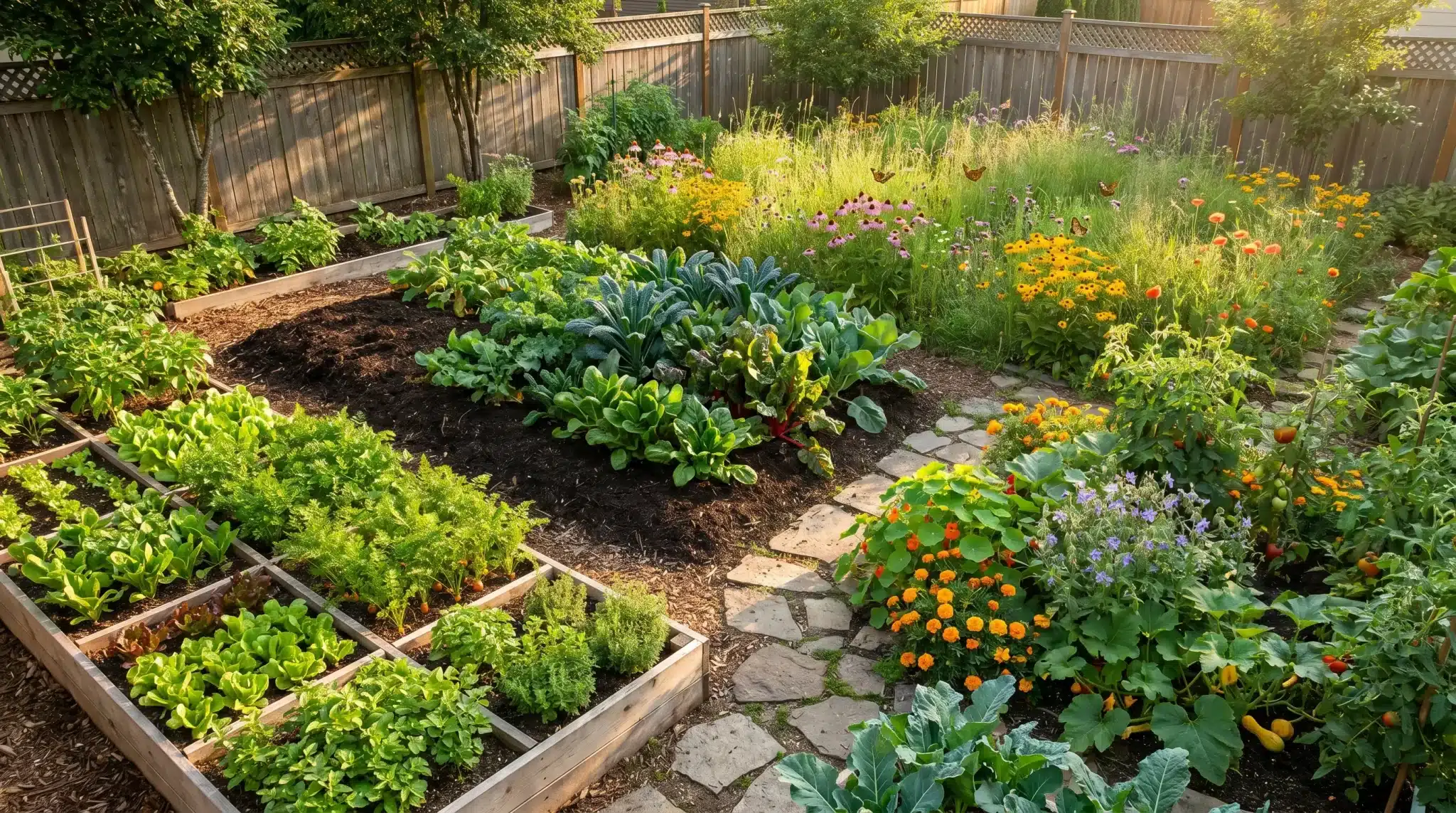
With the right herbs identified, the next step is figuring out how to grow them close to where they will actually be used. Raised beds or fenced herb plots positioned near the paddock offer a practical setup. Horses can browse safely without trampling or destroying the plantings, and the owner keeps a steady, fresh supply on hand.
Some owners take this a step further with what is sometimes called a “doctor garden.” The idea is simple: plant a variety of equine herbs along a paddock border and let horses self-select what they are drawn to. It mirrors the instinct described earlier, where horses naturally gravitate toward plants that meet a physiological need.
For the garden itself, hardy and low-maintenance options tend to work best. Peppermint, chamomile, dandelion, and nettle all grow reliably in most temperate climates. Growing fresh mint is particularly straightforward, though it spreads aggressively and benefits from being contained in its own bed or pot.
Soil quality directly affects herb potency and yield. Preparing garden beds properly before planting makes a measurable difference, especially for herbs like chamomile that prefer well-drained, moderately fertile soil.
Of course, not every herb thrives in every region. When local growing conditions fall short, dried herbs serve as a reliable alternative. The key to preserving their usefulness is proper storage: airtight containers kept away from heat and direct light will maintain potency far longer than loosely sealed bags left in a warm tack room.
Safety Rules Before You Start Feeding Herbs
Even the most beneficial herb can cause problems when introduced carelessly. Before adding anything new to a horse’s diet, a veterinarian consultation should come first. This is especially important if the horse is already on medication, since certain herbs can interfere with drug absorption or amplify side effects.
Key safety points to keep in mind:
- Start with one herb at a time, in small amounts, to monitor for adverse reactions such as skin irritation, loose stools, or behavioral changes.
- Valerian, devil’s claw, and several other common herbs are classified as prohibited substances under FEI rules.
- Even chamomile can require attention to withdrawal timelines before a show for competition horses.
- Dosage guidelines vary significantly depending on the herb, the horse’s body weight, and whether the preparation is fresh, dried, or extracted.
- Pregnant or nursing mares need particular caution, as many herbs that are safe for adult horses can affect fetal development or milk composition.
Checking the current FEI Clean Sport guidelines before using any herb on a competition horse is a non-negotiable step.
Start Small, Grow With Confidence
The most effective approach to equine herbs does not require a dramatic overhaul. Starting with one or two well-chosen options, whether chamomile for digestion or nettle for seasonal support, gives owners a clear picture of how their horse responds. Natural support works best when paired with regular veterinary care, filling in the gaps rather than replacing professional oversight.