Gardening is an art as much as it is a science—there’s no one way to approach things. But while that means you can do whatever you want, it can also leave beginners unsure where to start.
Do you plant in neat rows, let nature take the lead, or find somewhere in between? Or maybe do things completely differently?
There are many different approaches to gardening you can adopt, and you’ll reap the various benefits of gardening regardless!
Whether you’re starting from scratch or an experienced gardener looking for a fresh way of doing things, here are some of the most popular gardening philosophies you can try out today.
Square Foot Gardening
Square foot gardening is exactly what it sounds like: you divide your available gardening space into a grid of one-foot squares, and plant each square with a specific number of plants based on their size.
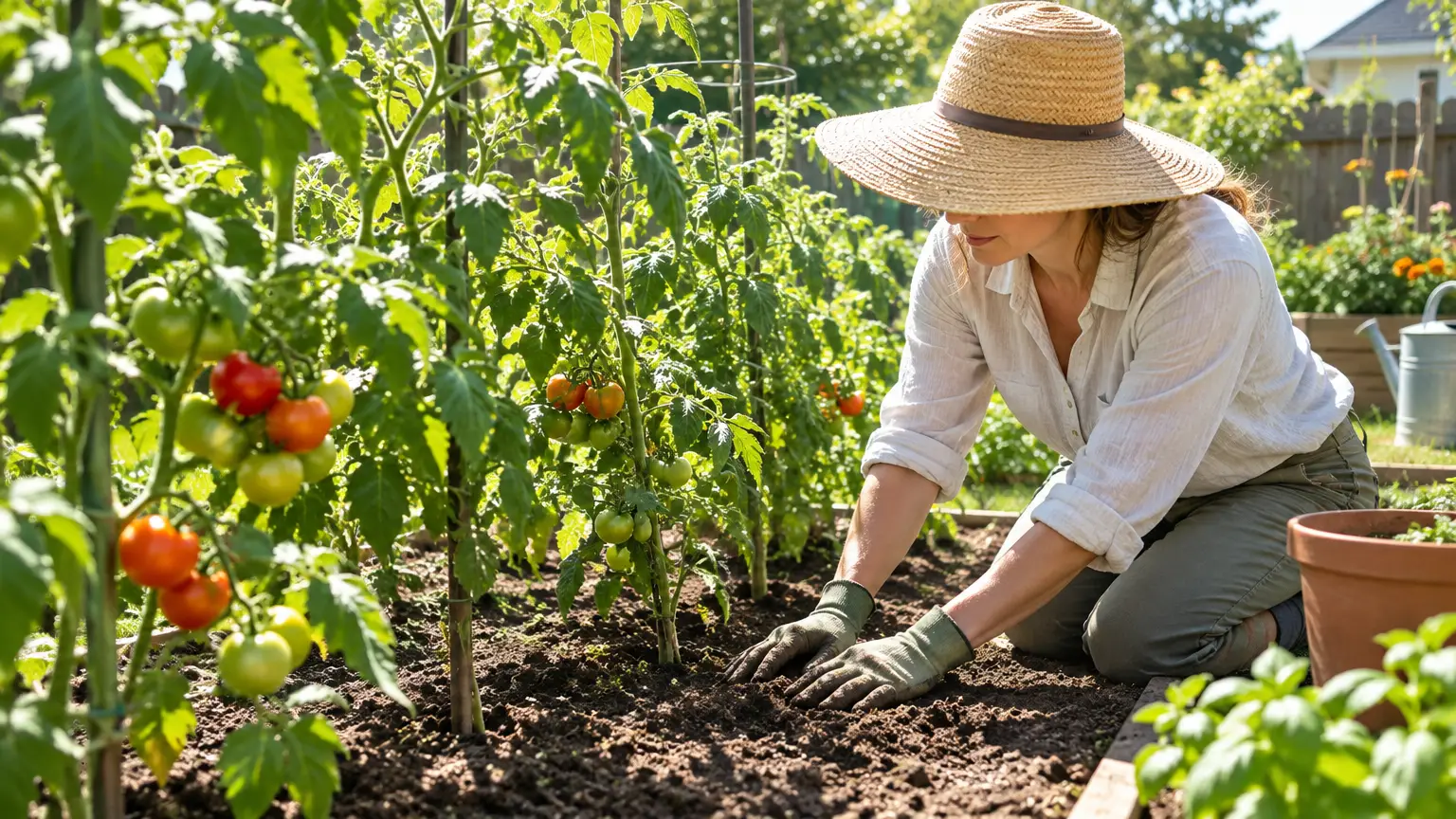
You can begin with a single tomato plant in each square. Or you can also fit up to 16 carrots in another.
The method is rooted in organisation and maximising yield in a small space while minimising wasted soil, water, and effort.
It’s one of the most beginner-friendly approaches out there. The grid takes the guesswork out of spacing, and since the garden is neatly divided, it’s easier to stay on top of.
The No-Dig Method
The no-dig method does not disturb your existing soil. Instead, no-dig gardeners typically lay a layer of organic matter (usually compost) on top.
The goal is to help protect the web of fungi, bacteria, or other microorganisms that already exists in your soil. After all, digging the soil up unavoidably disturbs it.
Over time, the soil—healthier and more intact than it would have been otherwise—mixes with the layer of compost above it, creating an overall healthier growing environment for your plants.
While there’s the additional step of putting down a layer of compost, no-dig gardening is actually quite low-effort once established.
Organic Gardening
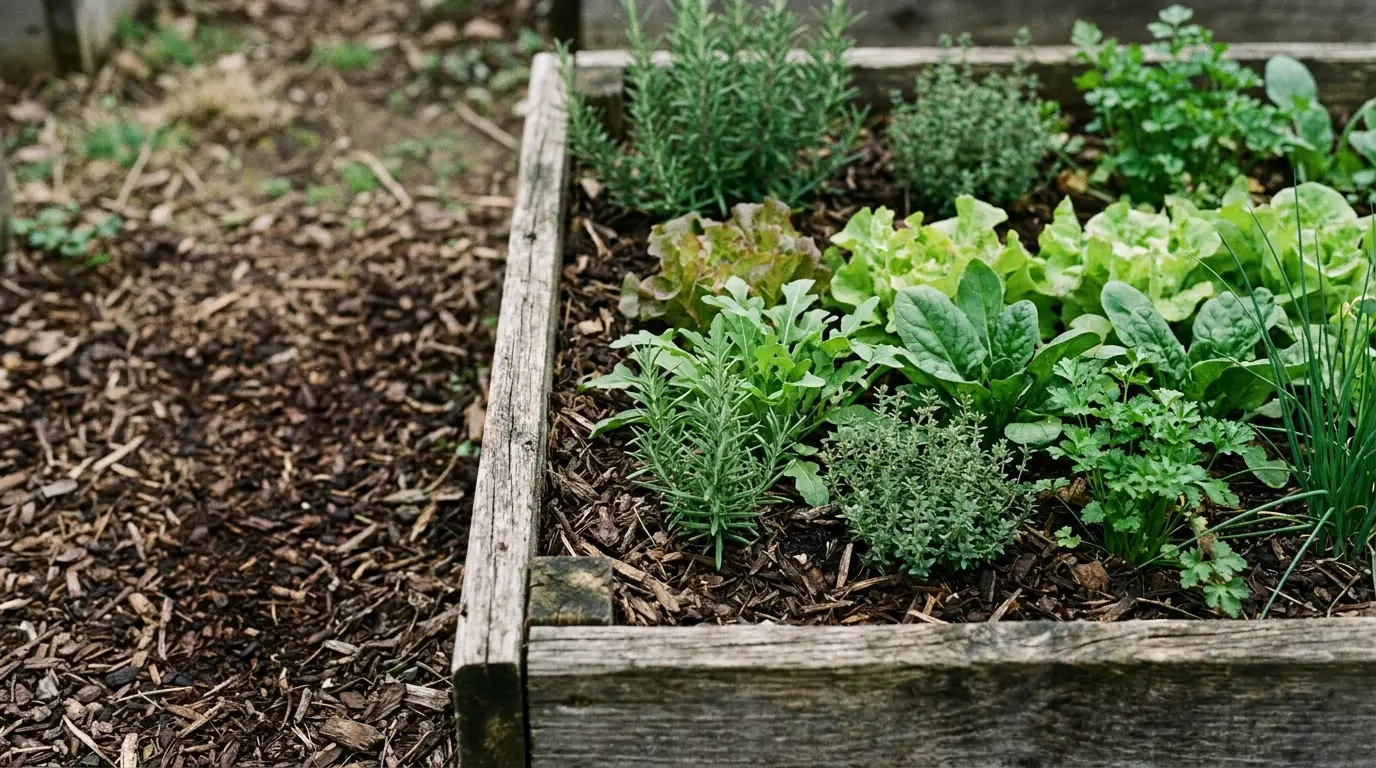
If you’re interested in no-dig gardening, then consider going organic as well. Organic gardening is all about growing food and flowers without synthetic chemicals. The two approaches go hand-in-hand, as healthy, undisturbed soil is naturally more resistant to disease and less hospitable to pests.
Instead of reaching for chemical sprays and synthetic fertilisers, you can opt to feed your soil naturally with compost and mulch. For pests, you can manage them via natural methods, such as encouraging predators like ladybirds, using companion planting, or putting up physical barriers.
This lends itself naturally to a kitchen garden setup—where everything you grow has a place on your plate. Focusing on edible crops like salad leaves, tomatoes, courgettes, and herbs keeps things purposeful and rewarding, encouraging you to continuously tend to your plants.
Permaculture
Permaculture asks you to go beyond thinking of gardening as merely the act of planting plants. Instead, it asks you to design your garden as a whole ecosystem—one that works with nature rather than against it, involving principles of water cycling, natural zones, and companion planting.
More concretely, this means thinking beyond the individual plants you want to grow and considering the bigger picture:
- Which plants grow well together?
- How does water move through my garden?
- Which insects and wildlife do I want to attract?
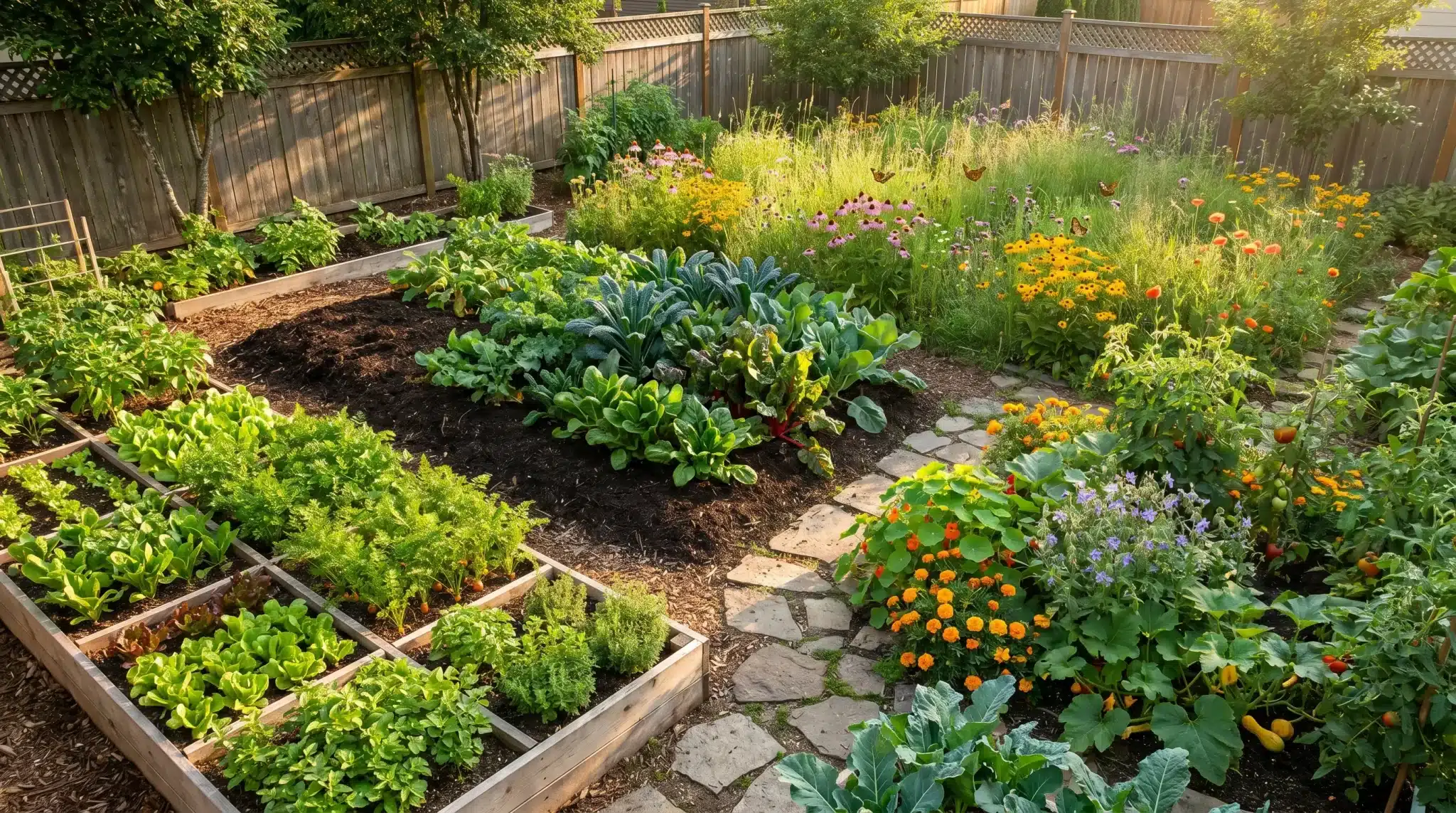
For example, you can plant flowers with your vegetables to draw in pollinators. Or positioning taller plants beside more delicate plants that need their shade. Or collecting rainwater in a barrel to feed your garden rather than relying on the tap.
While going for this approach might be overwhelming for someone new to gardening, it pays off long-term as it makes your garden more resilient.
Rewilding Your Space
You can also garden by… well, not gardening. By this, we mean that not every corner of your backyard needs to be tamed.
Rewilding simply means giving a portion of your garden back to nature—letting a patch of grass grow long, leaving seedheads standing through winter for the birds, or creating a log pile to shelter beetles and hedgehogs.
Rewilding has gathered real momentum in the UK in recent years, with organisations and landowners increasingly dedicating space to it. We can see this in projects like Rewilding Britain or the Knepp Estate in West Sussex.
There are plenty of other inspiring examples of rewilding to be found on BBC iPlayer. If you’re outside the UK, check these shows via a BBC iPlayer VPN.
Finding Your Fit
The best gardening approach for you depends on your preferences and circumstances.
- How much effort do you want to put into your garden?
- What kind of plants do you want to grow?
- How much space do you have?
In fact, many gardeners end up blending many styles: a no-dig bed here, a rewilded corner there, and a row of tomatoes somewhere in the middle.
So if you don’t know where to begin, the best advice we can give you is not to overthink it. Start small with a few plants, pay attention to what’s working, and let your patch evolve right alongside you.