

Think shade means giving up on vibrant blooms? Not even close.
That spot under the old oak tree, the north-facing wall, or the corner where sunlight plays hard to get; these are perfect homes for flowers that like shade.
Full shade, partial shade, dappled light filtering through leaves: each creates its own microclimate where the right plants will absolutely thrive.
This guide brings you perennials that return year after year, annuals for seasonal pops of color, and options for everything from deep forest-floor darkness to bright, indirect light.
Low-maintenance beauties included, because who has time for fussy plants?
Understanding Shade in the Garden
Not all shade is created equal. Full shade means less than three hours of direct sun daily; think dense tree cover or north-facing spots.
Partial shade gets three to six hours of sun, often morning light with afternoon protection. Dappled shade is that lovely filtered light dancing through the tree canopy all day long.
Why does this matter? Plant a sun-worshipper in deep shade, and you’ll get leggy stems and zero flowers.
Pick a true shade lover for each spot, and you’ll see lush foliage and blooms that actually show up. Match the plant to your light conditions, and your garden practically takes care of itself.
What Makes a Flower Shade-Loving?
Shade plants have evolved clever tricks to survive with less light.
Here’s what sets them apart:
- Larger, thinner leaves that capture every photon of available light.
- Darker green foliage packed with extra chlorophyll for maximum energy production.
- Shallow root systems that spread wide rather than deep, perfect for competing under trees.
- Higher moisture needs since they’re adapted to forest floors, where soil stays damp.
These plants actually struggle in direct sun; their delicate leaves scorch easily, and they can’t handle the heat stress.
They’ve traded sun tolerance for the ability to photosynthesize efficiently in low light, which is why they look their absolute best tucked into shady corners.
35 Flowers That Like Shade
Ready to fill those shadowy spots with serious color?
These shade-loving champions range from delicate woodland wildflowers to bold tropical stunners, each perfectly adapted to thrive where sun-hungry plants fail.
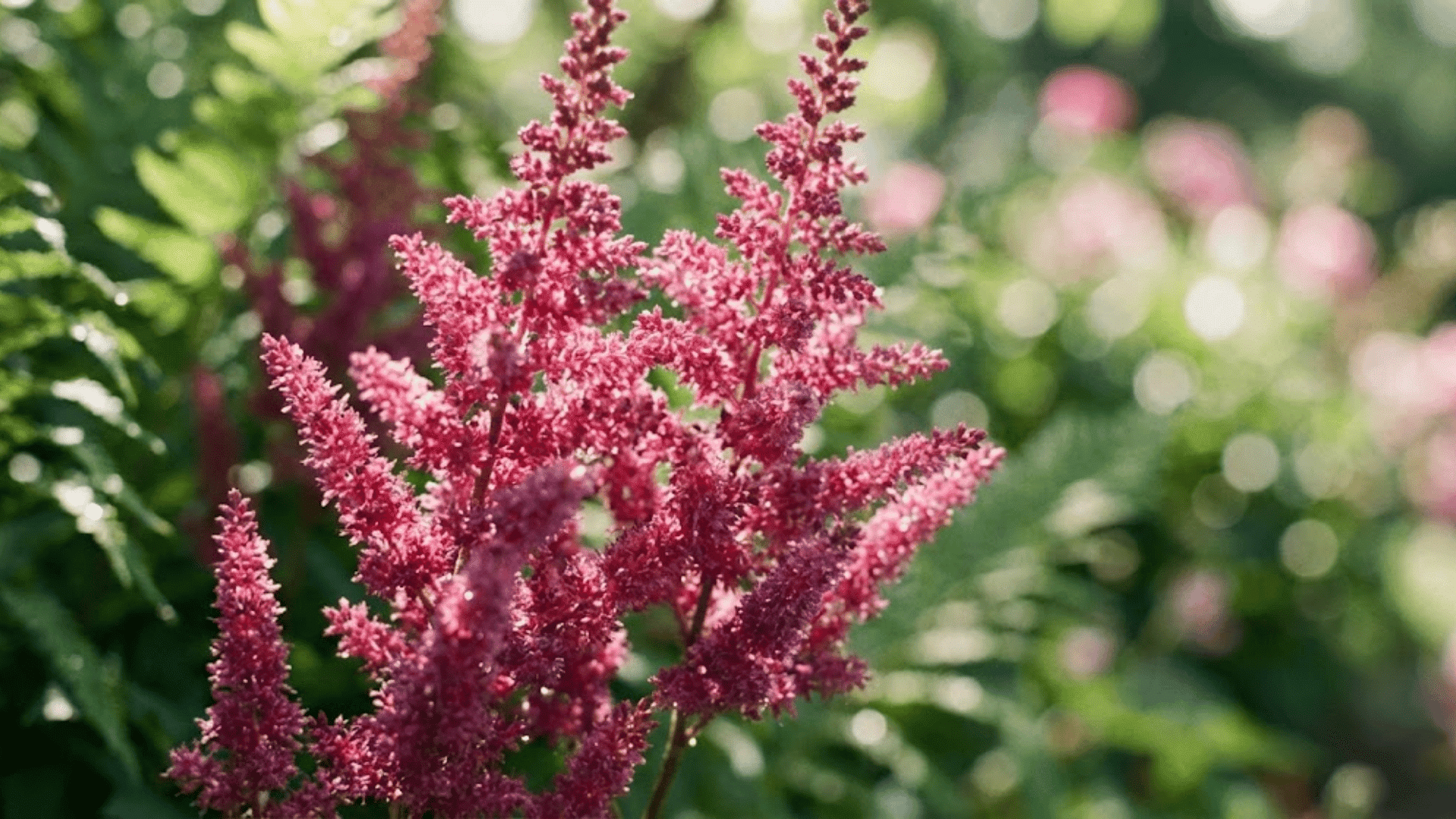
1. Astilbe
Shade Preference: Partial to full shade
Bloom Season: Early to late summer
Astilbe brings feathery plumes in pink, red, white, and lavender that practically glow in dim light.
Growing 1 to 4 feet tall with a 1 to 2-foot spread, these perennials love moisture and reward you with fern-like foliage that looks good all season. Their fluffy flower spikes add vertical interest and texture to shady borders.
Bonus: they’re deer resistant and handle humidity like champions, making them perfect for those muggy summer corners.
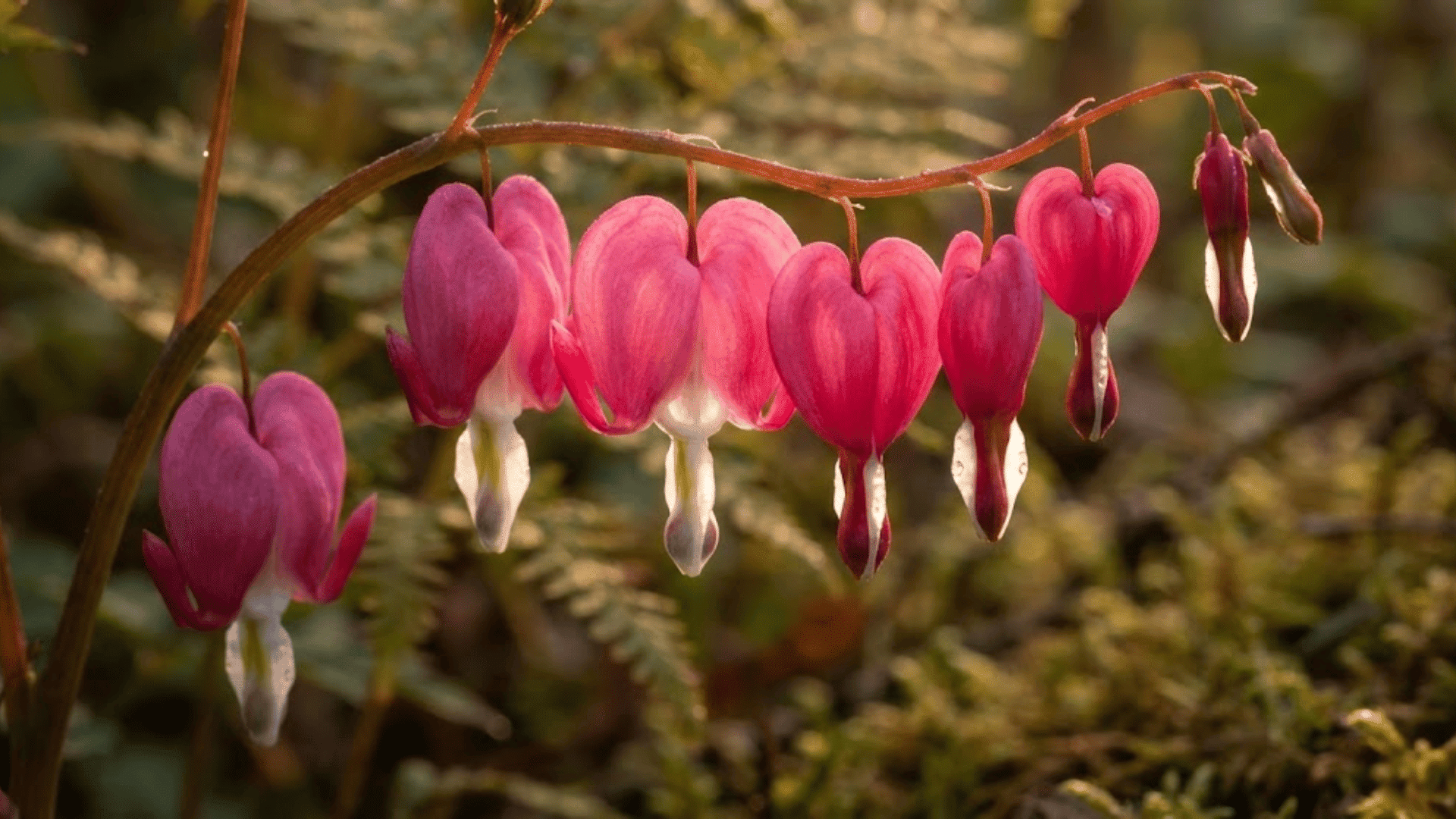
2. Bleeding Heart
Shade Preference: Partial to full shade
Bloom Season: Spring to early summer
Those iconic heart-shaped flowers dangling from arching stems make Bleeding Heart impossible to resist.
Reaching 2 to 3 feet tall and wide, this old-fashioned favorite thrives in woodland settings with consistent moisture. The delicate blooms come in pink, white, or red and create a romantic, cottage-garden vibe.
The foliage often goes dormant in hot summers, so plant it alongside hostas or ferns that’ll fill in the gaps later.
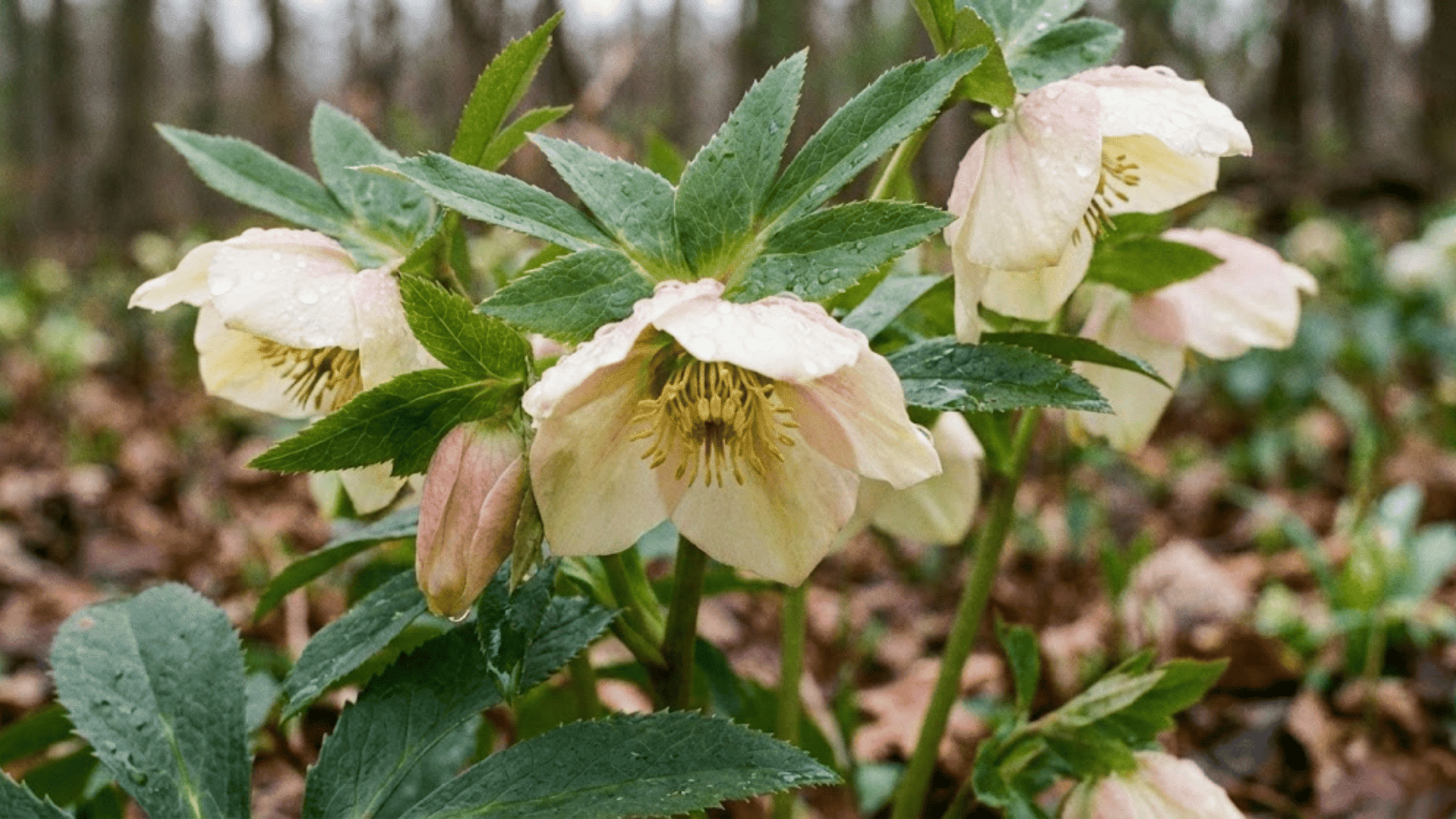
3. Hellebore
Shade Preference: Partial to full shade
Bloom Season: Late winter to early spring
Hellebores bloom when everything else is still sleeping, pushing up nodding flowers in white, pink, purple, or green from January through April.
Standing 1 to 2 feet tall with similar spread, these evergreen perennials have leathery leaves that look handsome year-round. They handle dry shade under trees better than most and actually prefer being ignored.
Once established, they self-sow freely and create stunning drifts of early color.
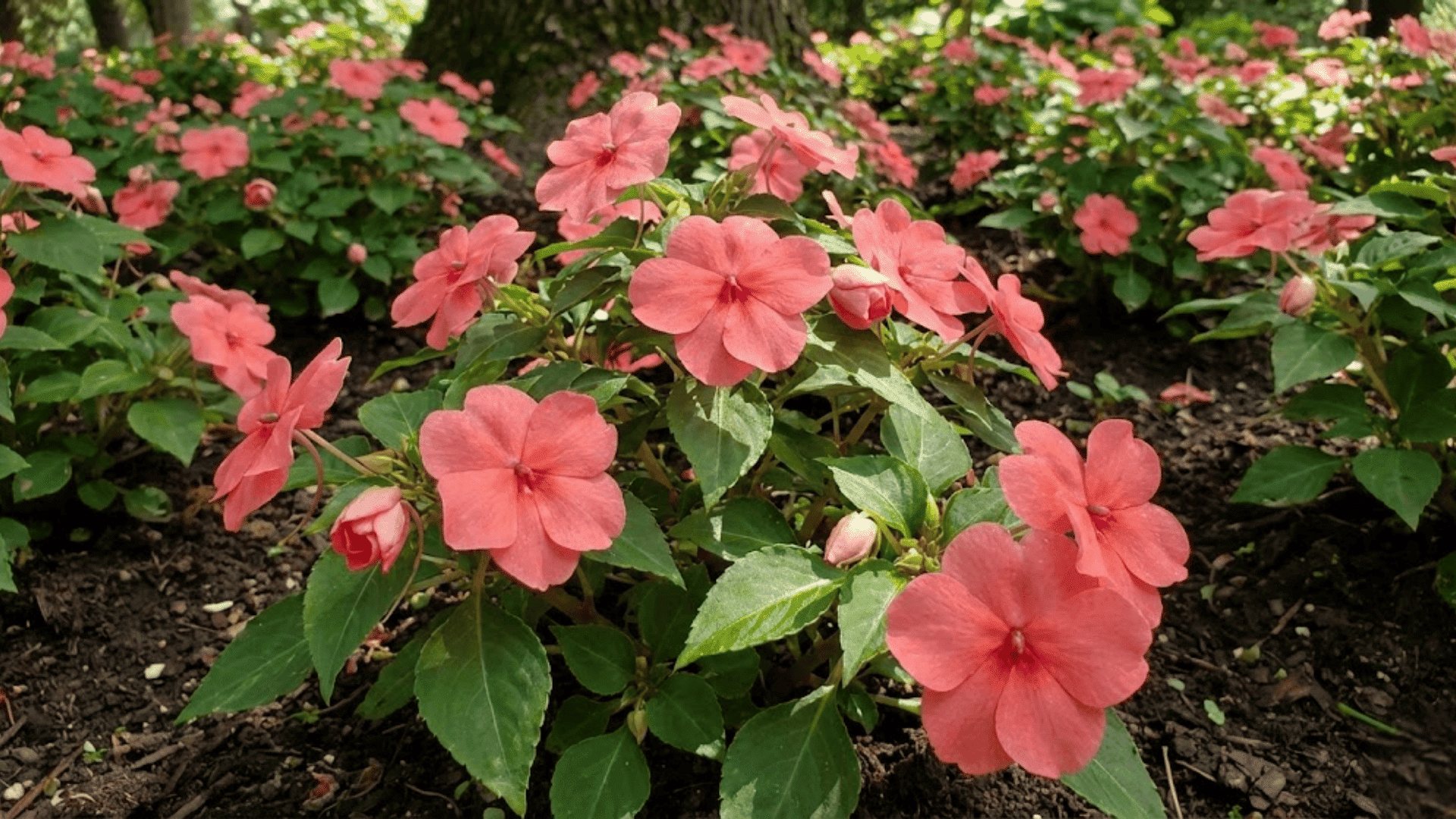
4. Impatiens
Shade Preference: Partial to full shade
Bloom Season: Late spring through frost
Impatiens are the workhorses of shade gardening, blooming nonstop from May until frost kills them back.
These 6 to 18-inch annuals come in every color except true blue and create solid carpets of color in even the dimmest spots. They love moisture and will actually tell you when they’re thirsty by wilting dramatically.
Plant them en masse for maximum impact, and deadheading isn’t necessary since they’re self-cleaning.
5. Begonia
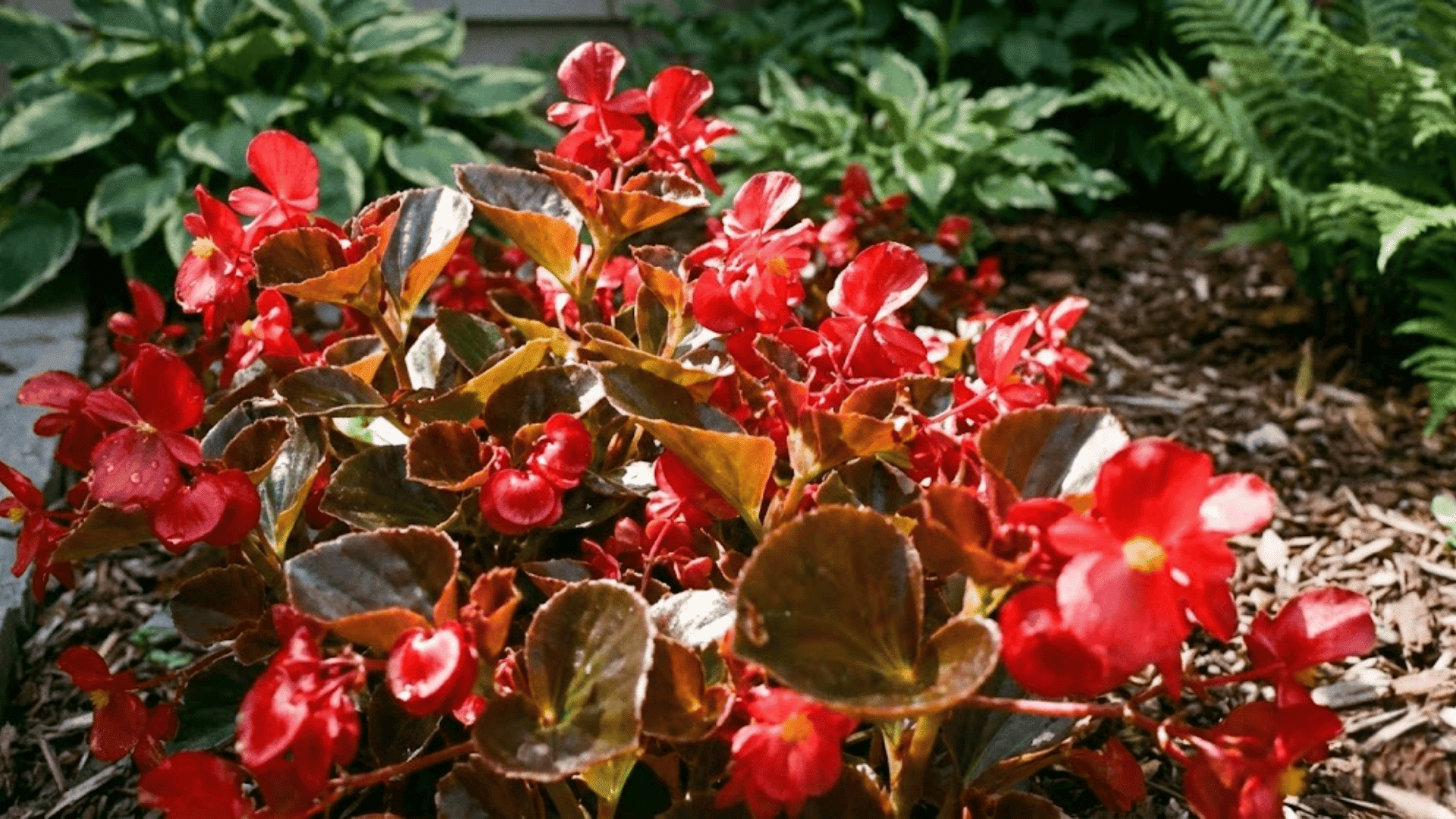
Shade Preference: Partial shade to bright indirect light
Bloom Season: Summer through frost
Wax begonias and tuberous varieties both excel in shade, offering glossy leaves and cheerful flowers in pink, red, white, or orange.
Growing 6 to 18 inches depending on type, they handle heat and humidity without missing a beat. Tuberous begonias have showier, rose-like blooms but need more moisture, while wax begonias tolerate drier conditions.
Both types laugh at slugs and keep pumping out flowers without deadheading.
6. Foxglove
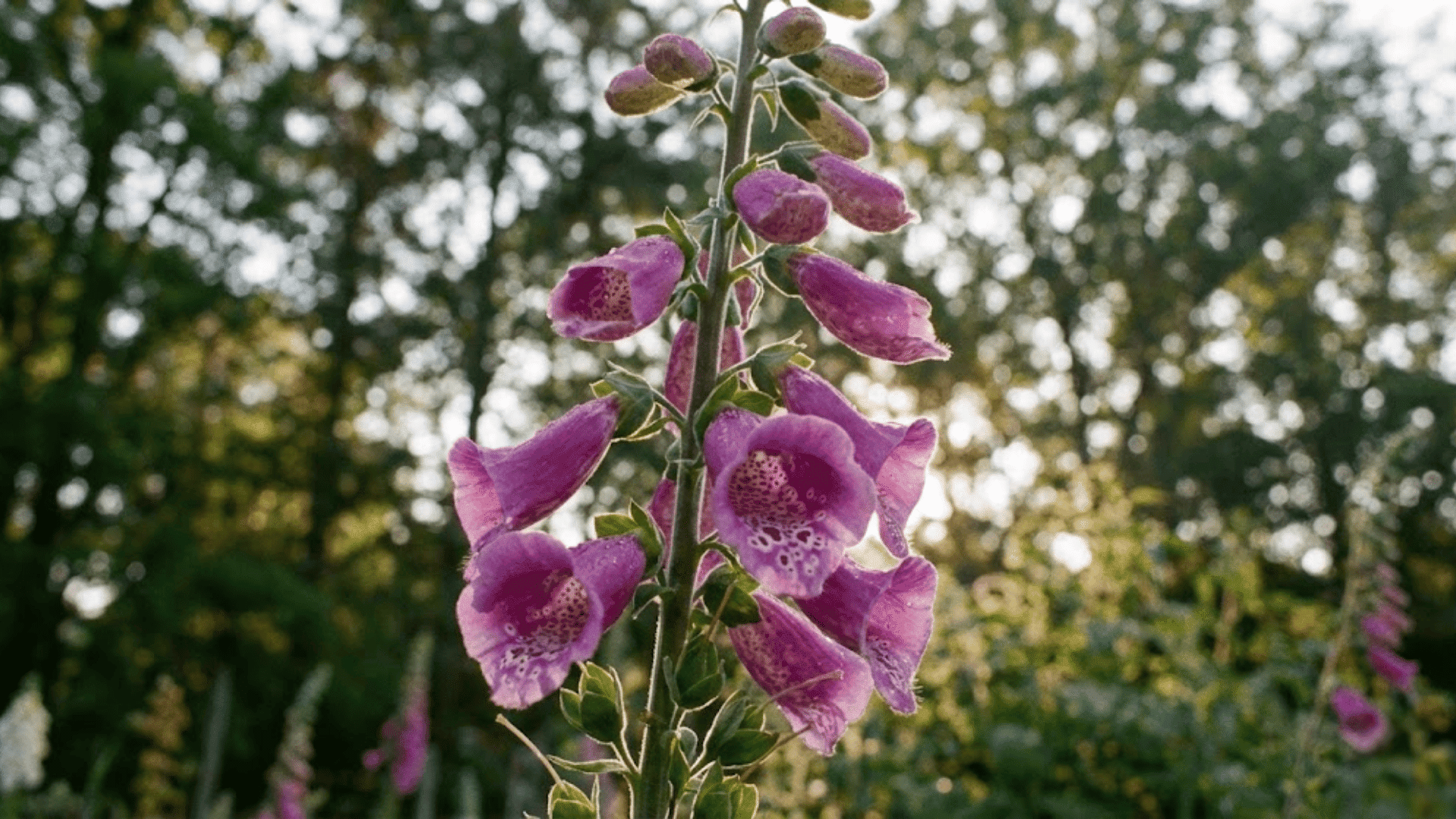
Shade Preference: Partial shade
Bloom Season: Late spring to early summer
Foxglove sends up dramatic flower spikes 3 to 5 feet tall, covered in tubular blooms that hummingbirds absolutely mob.
This biennial (sometimes short-lived perennial) works magic in woodland gardens with its spotted throats in purple, pink, white, or yellow. The towering spires add vertical drama and cottage-garden charm.
Plant new ones every year to keep the show going, and let them self-seed for naturalized drifts.
7. Columbine
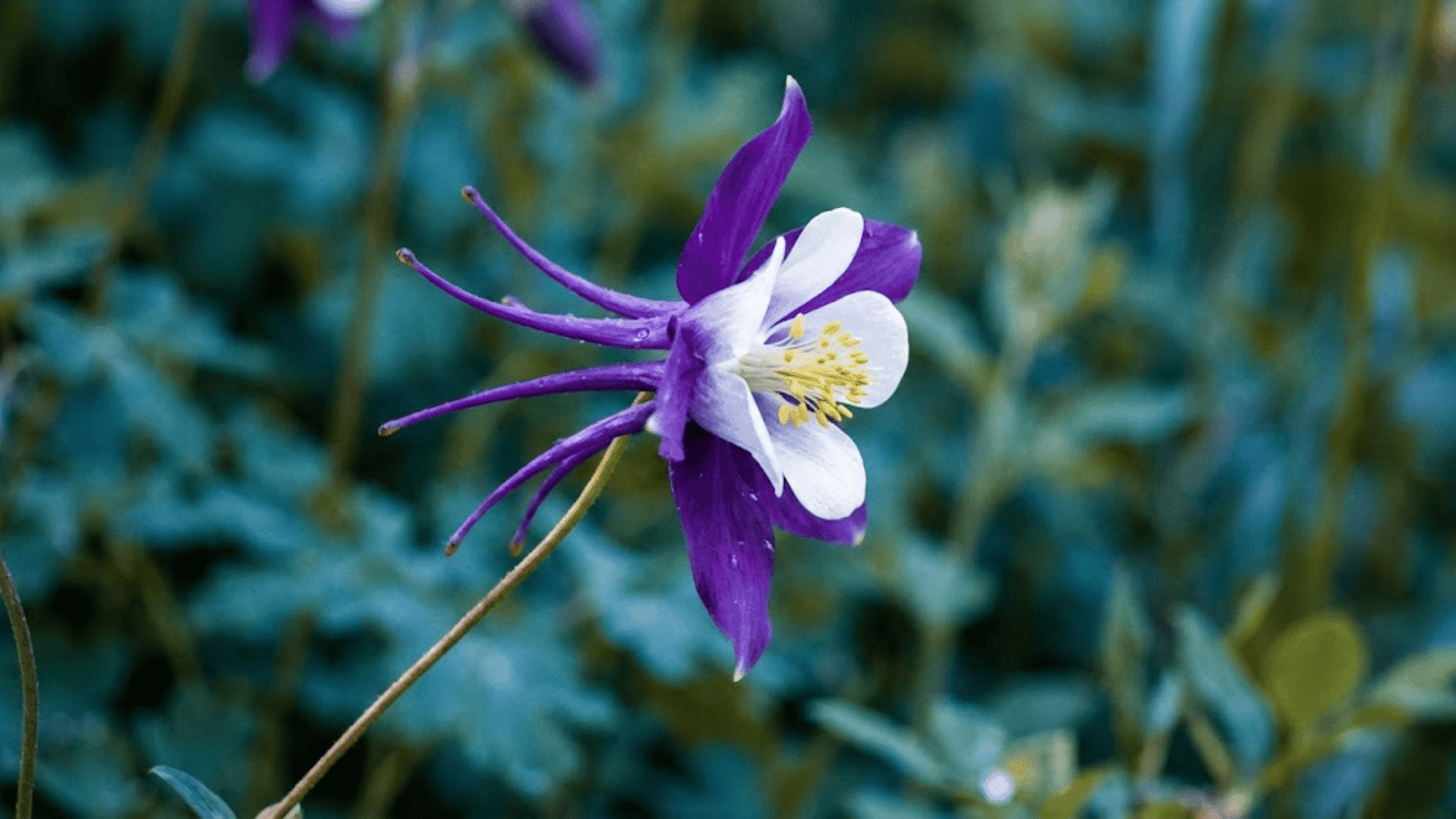
Shade Preference: Partial shade to dappled sun
Bloom Season: Late spring to early summer
Columbine’s delicate, spurred flowers dance on wiry stems 1 to 3 feet tall, attracting hummingbirds and adding whimsy to shady borders.
The blooms come in nearly every color combination imaginable, often bicolored with contrasting spurs. Blue-green foliage stays attractive after blooms fade, and plants readily self-sow to create natural colonies.
They handle rocky, poor soil better than most and bring an airy, woodland feel wherever they grow.
8. Toad Lily
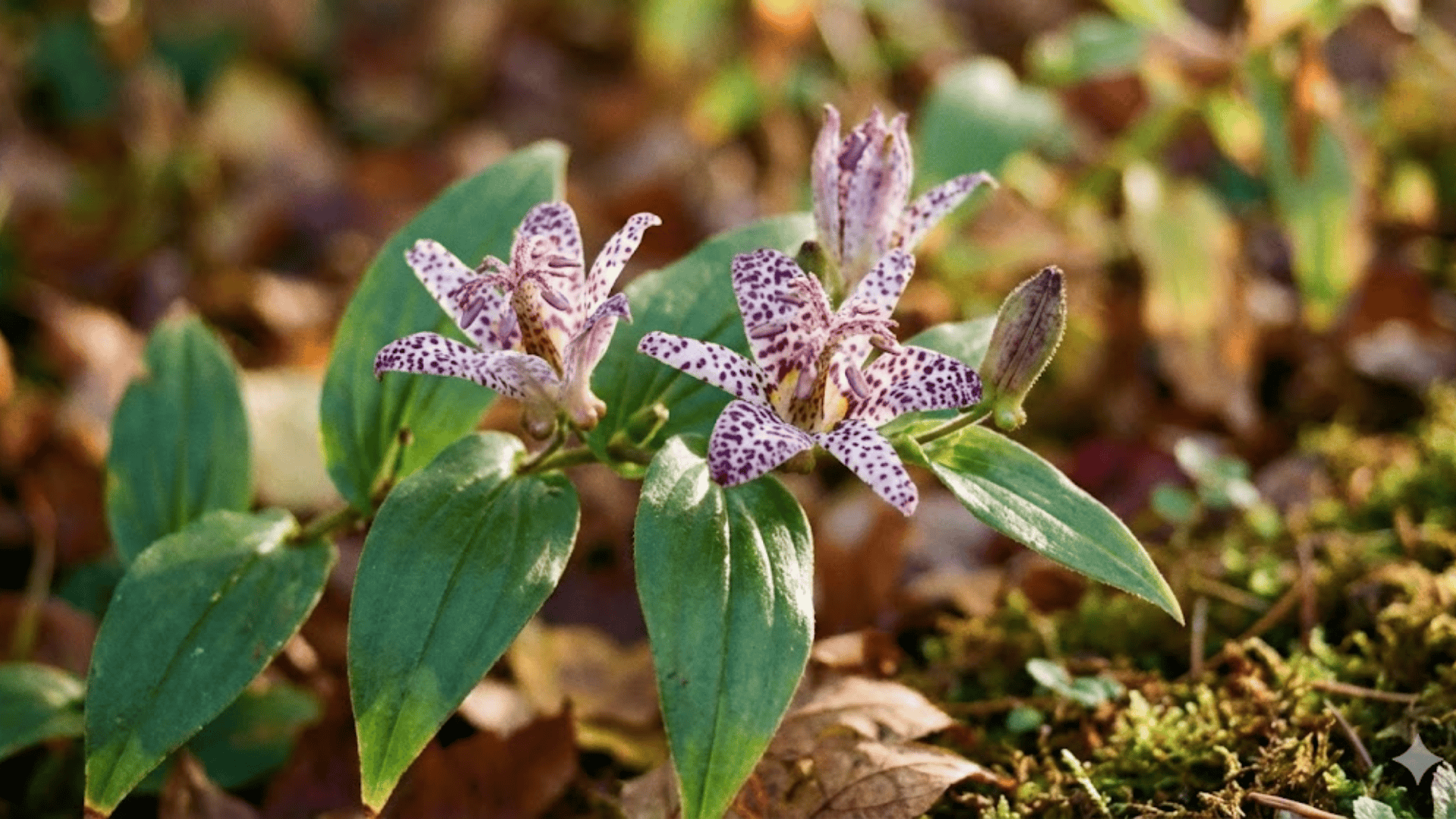
Shade Preference: Partial to full shade
Bloom Season: Late summer to fall
When everything else is winding down, Toad Lily opens its exotic, orchid-like flowers spotted in purple and white.
Growing 2 to 3 feet tall, these Asian natives bring late-season interest to shady spots that desperately need it.
The arching stems lined with glossy leaves look good all summer, then explode with intricate blooms in September and October. They love moisture and woodland conditions, naturalizing beautifully over time.
9. Lungwort
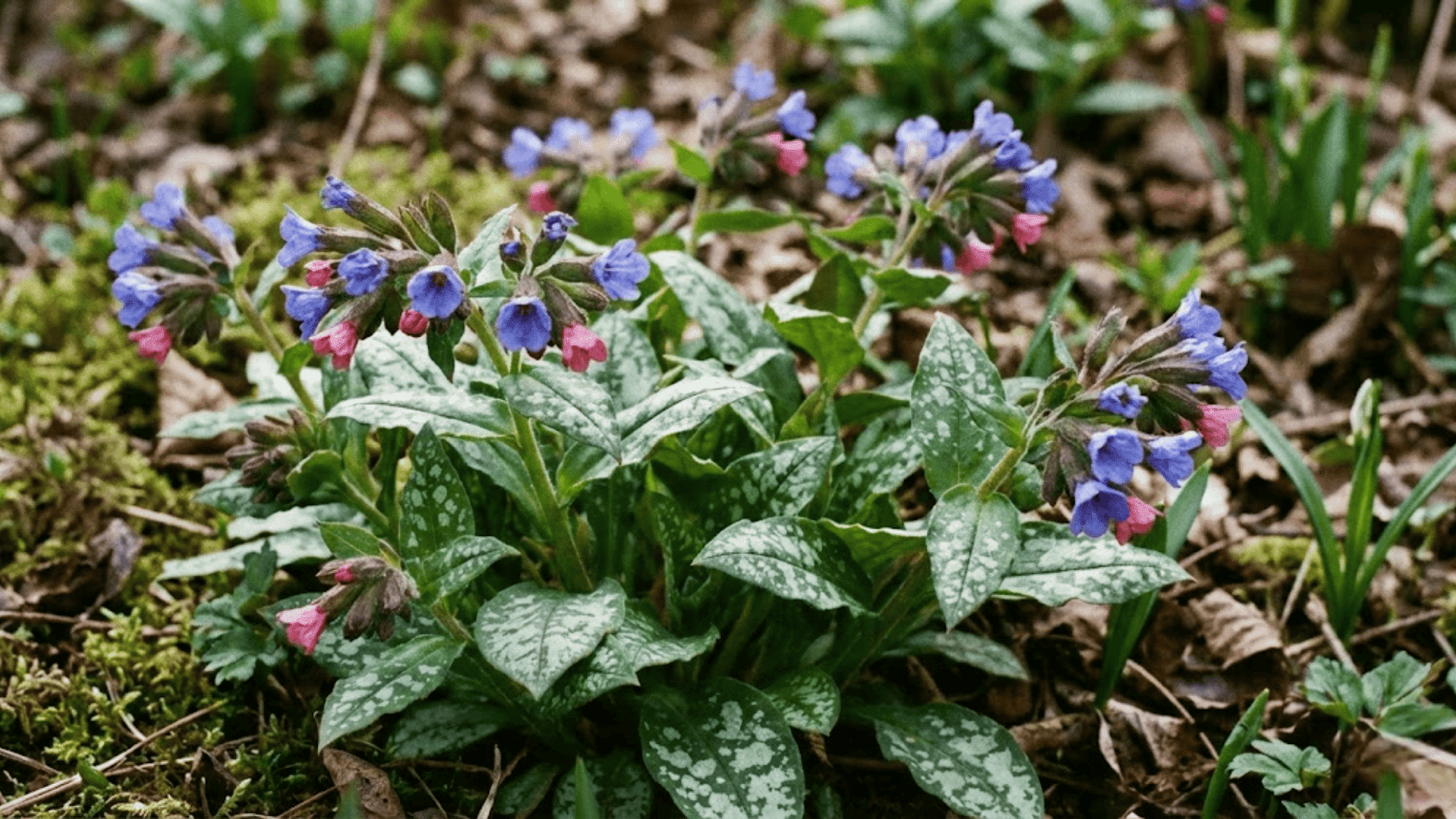
Shade Preference: Partial to full shade | Bloom Season: Early spring
Lungwort jumps out of the ground early with clusters of pink buds that open to blue or purple flowers, creating a two-toned effect.
The real showstopper is the foliage: silvery spotted leaves that light up dark corners from 8 to 12 inches tall.
This low-growing perennial makes excellent groundcover and stays attractive all season. It handles dry shade once established and spreads slowly to form beautiful clumps.
10. Japanese Anemone
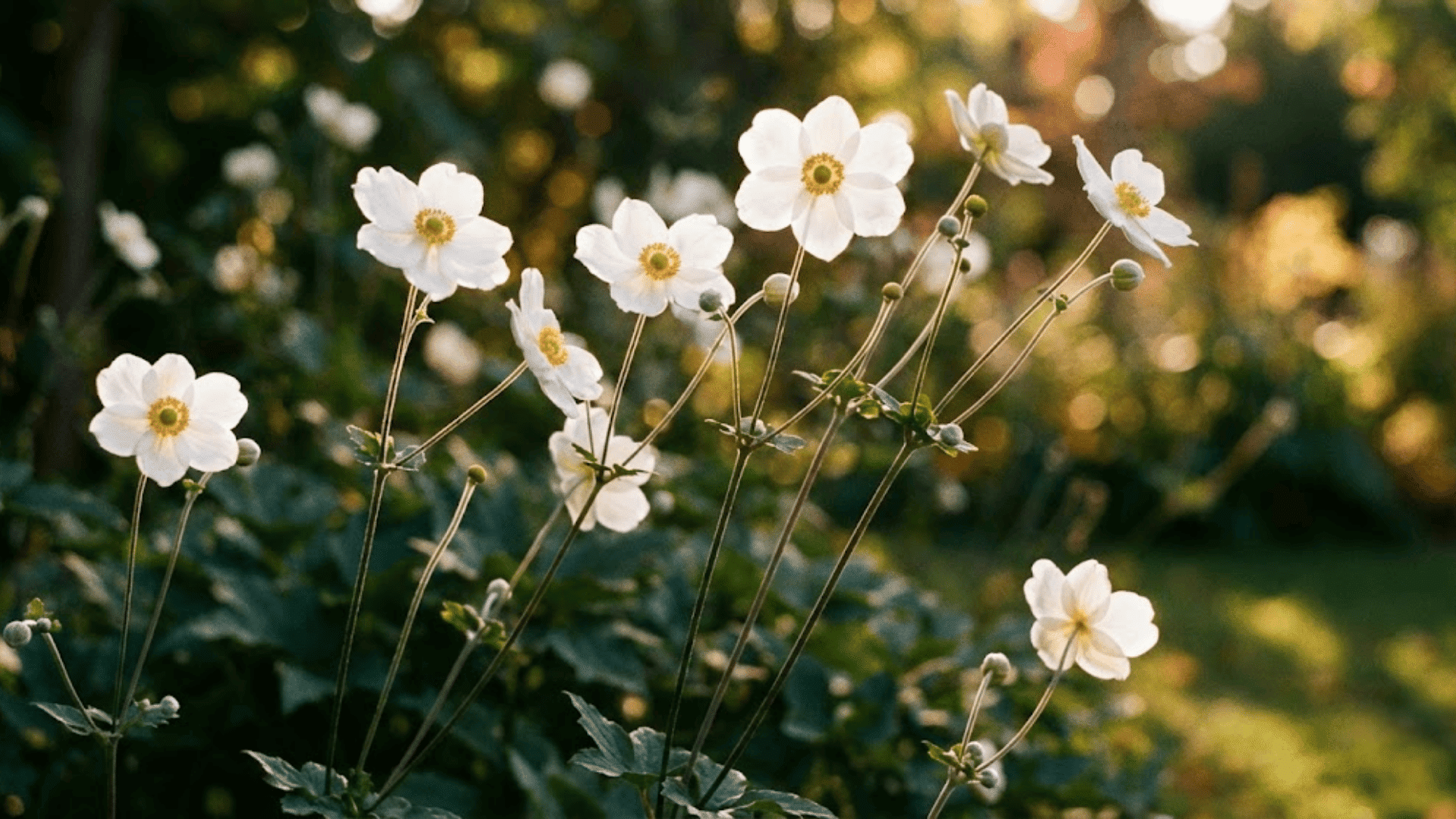
Shade Preference: Partial shade
Bloom Season: Late summer to fall
Japanese Anemone delivers plush, poppy-like flowers on stems reaching 2 to 4 feet when most shade plants are done blooming.
The single or semi-double flowers in pink or white float above dark foliage and sway gracefully in breezes. They spread slowly by rhizomes to form substantial clumps and actually prefer some shade to protect those delicate petals.
Perfect for adding late-season height and movement to woodland borders.
11. Hydrangea
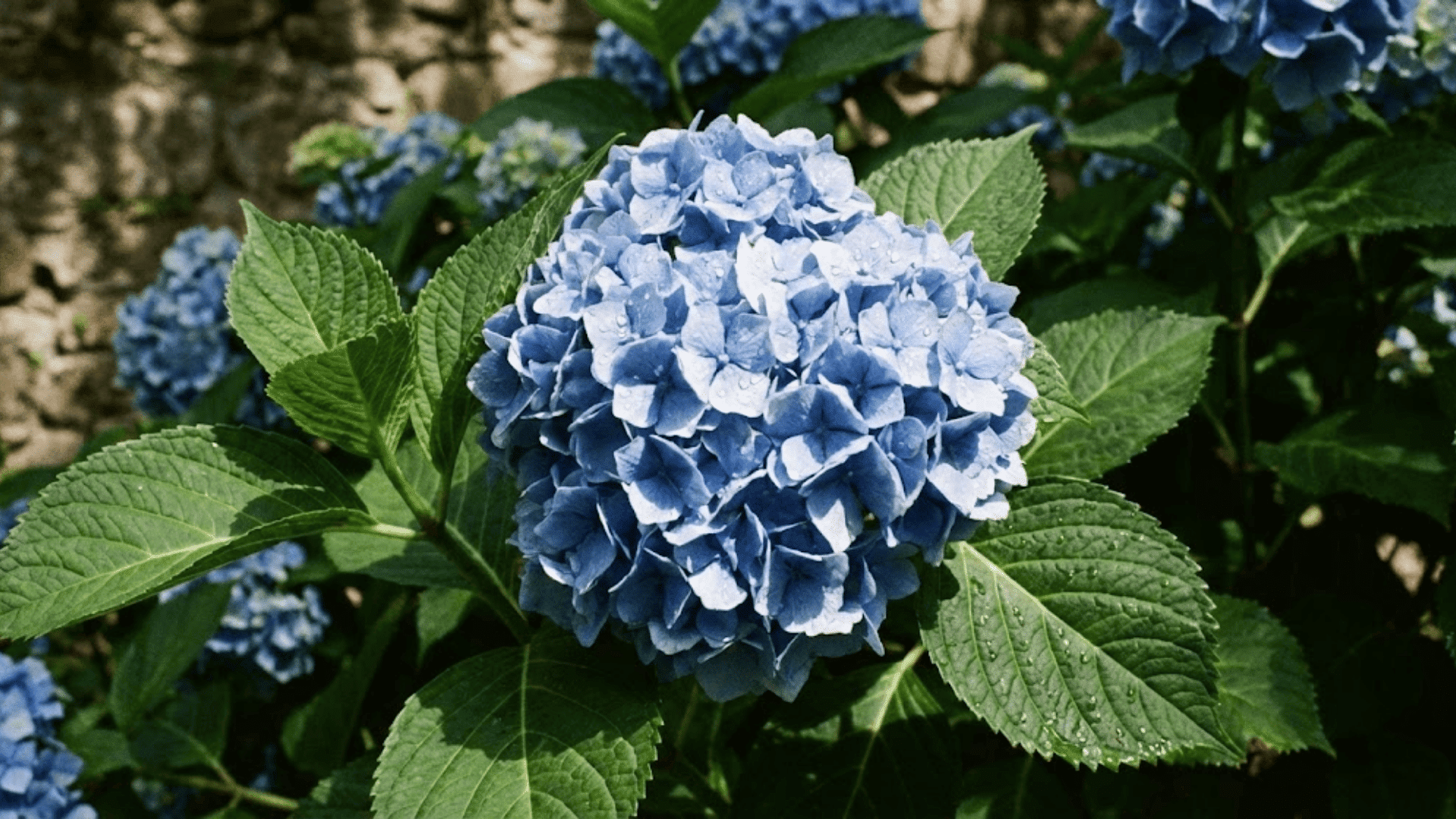
Shade Preference: Partial shade (varies by variety)
Bloom Season: Summer to fall
Shade-tolerant hydrangeas like Endless Summer and oakleaf varieties bring massive flower heads to spots getting just a few hours of morning sun.
Growing 3 to 8 feet depending on variety, these shrubs offer months of bloom that age beautifully and can be dried for arrangements. Oakleaf types add stunning fall foliage color.
They need consistent moisture and appreciate afternoon shade protection, rewarding you with show-stopping blooms year after year.
12. Torenia (Wishbone Flower)
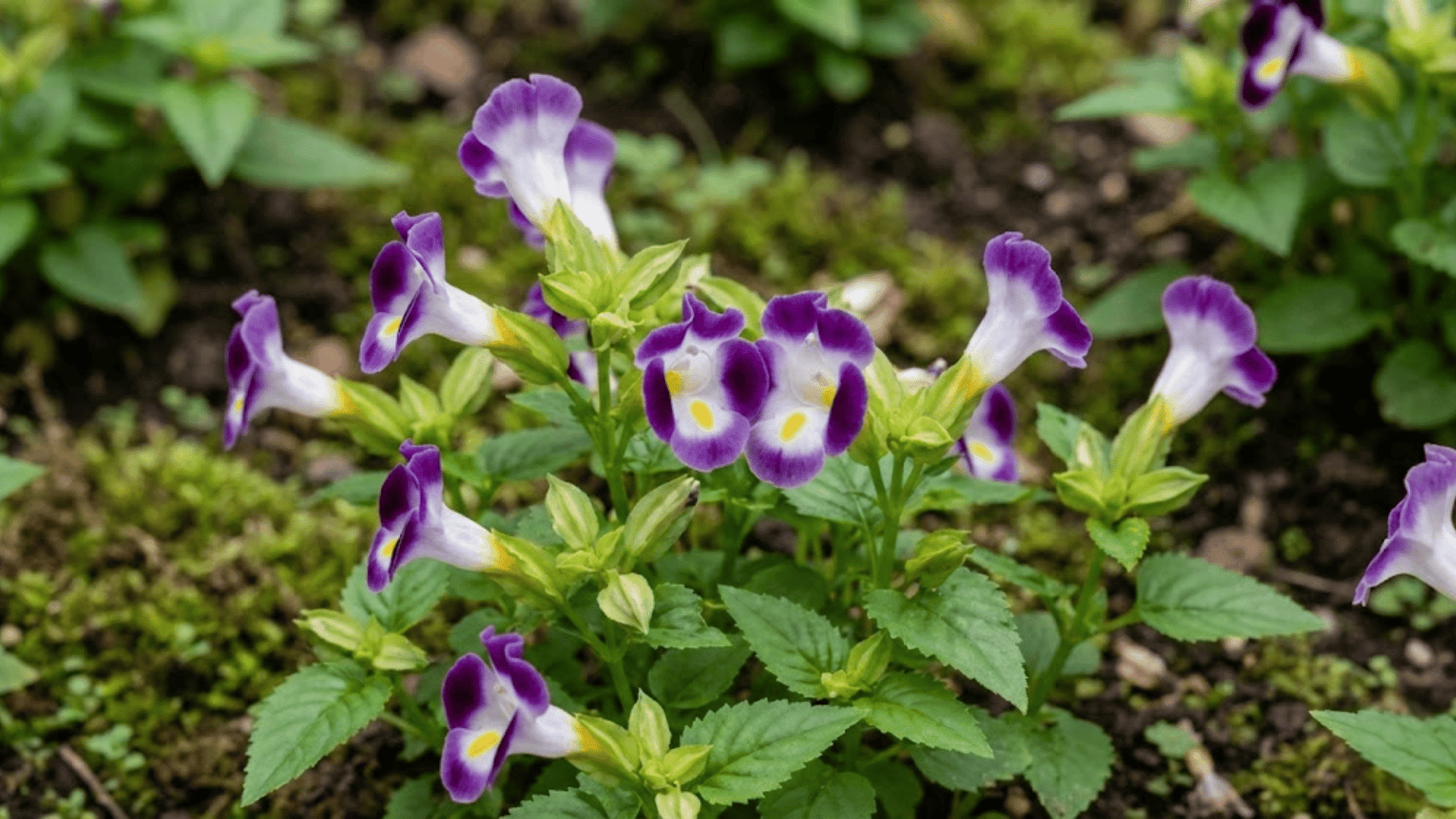
Shade Preference: Partial to full shade
Bloom Season: Summer through frost
Torenia’s snapdragon-like flowers cover compact 8 to 12-inch plants all summer without needing deadheading.
The blooms come in purple, pink, white, and yellow, often with contrasting throats that create stunning patterns. This heat-loving annual actually prefers shade and handles humidity like a tropical native.
It’s perfect for containers, hanging baskets, or as edging where you want reliable color in difficult spots.
13. Fuchsia
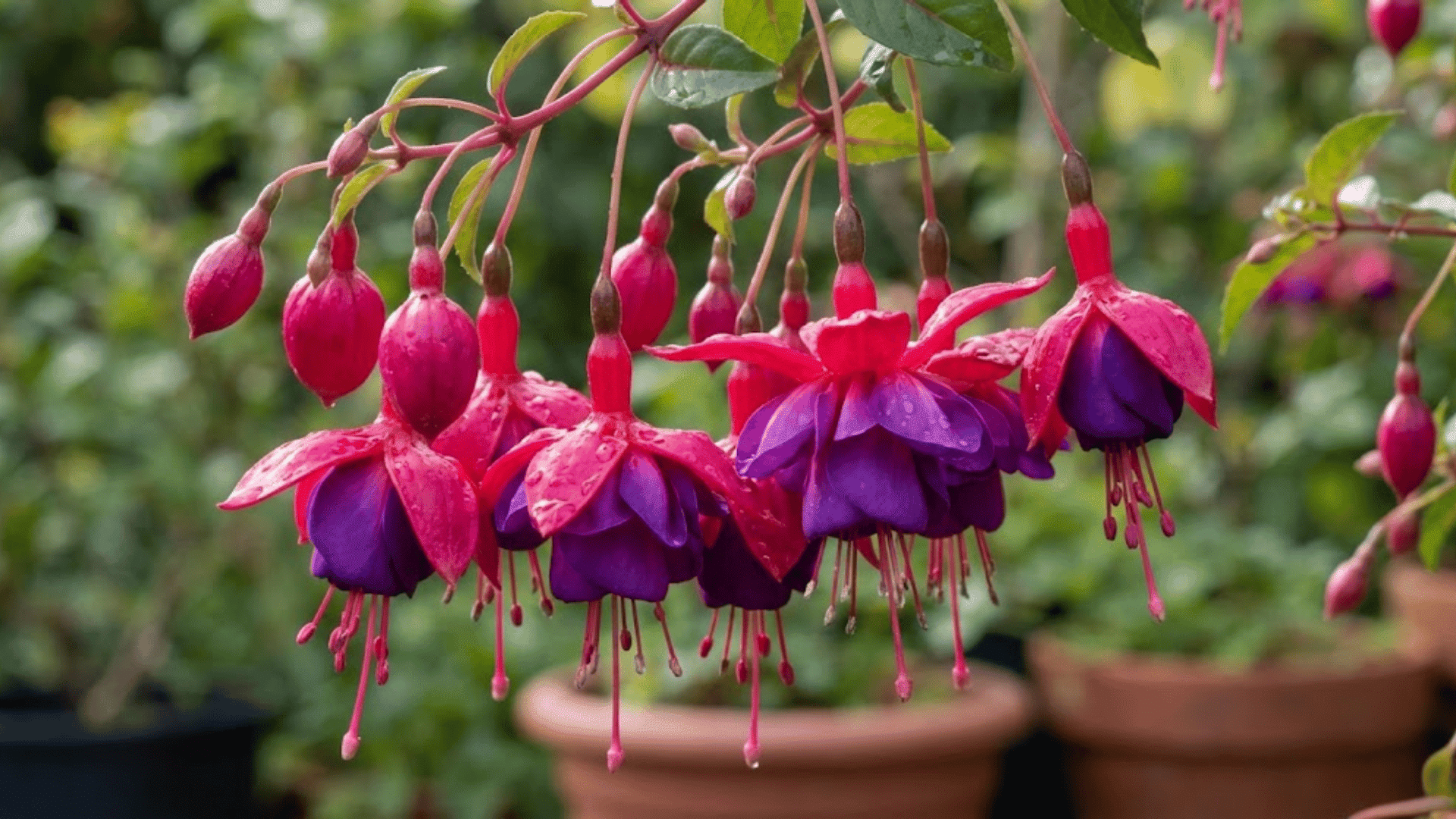
Shade Preference: Partial shade to bright indirect light
Bloom Season: Summer through frost
Fuchsia’s dangling, ballerina-like flowers in combinations of pink, purple, red, and white are pure drama.
These 1 to 3-foot plants (or trailing varieties for baskets) bloom continuously and attract hummingbirds by the dozen. They need protection from hot afternoon sun and consistent moisture to look their best.
Treat them as annuals in cold climates or overwinter indoors, because once you see them in action, you’ll never want to garden without them.
14. Primrose
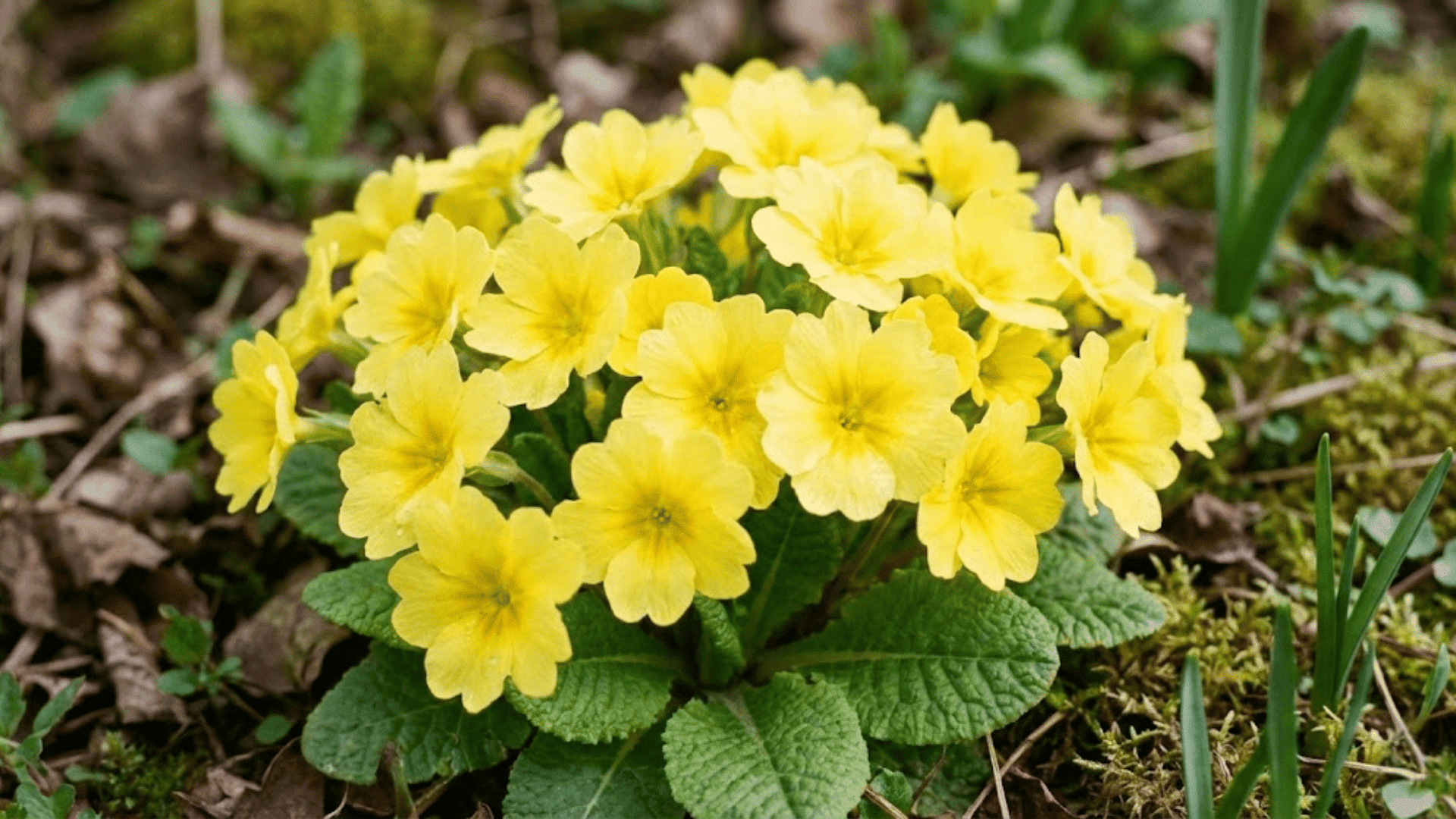
Shade Preference: Partial shade
Bloom Season: Early to mid-spring
Primroses carpet the ground with cheerful flowers in nearly every color when spring is just getting started.
These 6 to 12-inch perennials form rosettes of crinkled leaves topped with clustered blooms that brighten woodland edges and shady borders. They love cool, moist conditions and often go dormant in summer heat.
Plant them in masses for maximum impact, and they’ll naturalize over time to create stunning spring displays.
15. Coral Bells (Heuchera)
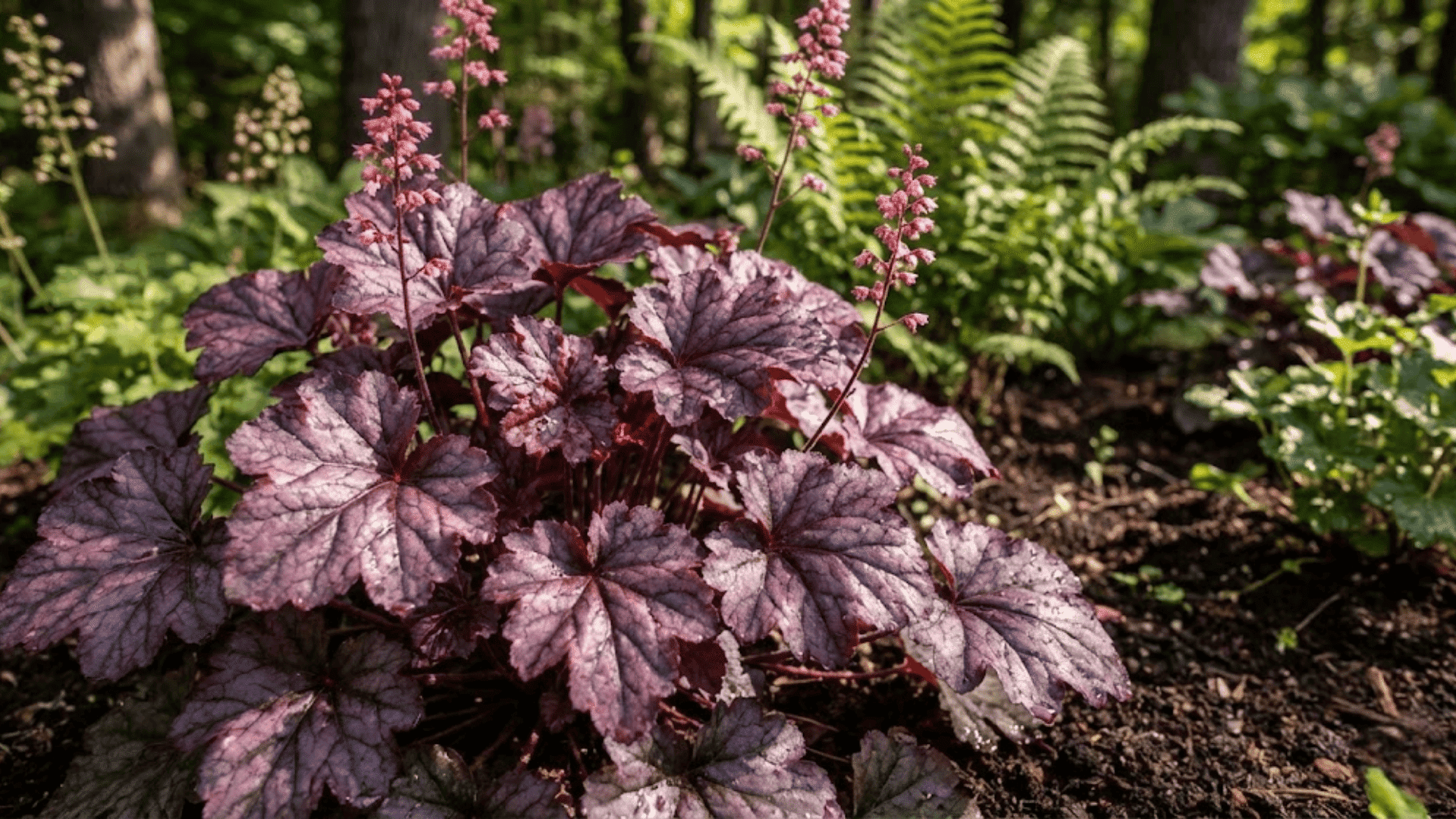
Shade Preference: Partial shade to dappled sun
Bloom Season: Late spring to early summer
Coral Bells are grown mainly for their stunning foliage in colors from chartreuse to deep purple, but the delicate flower spikes on 1 to 2-foot stems add bonus interest.
The mounding plants stay 8 to 18 inches tall and wide, creating excellent groundcover or edging. Modern varieties offer incredible leaf colors that light up shady spots year-round.
They handle heat and humidity better than most and pair beautifully with hostas and ferns.
16. Lily of the Valley
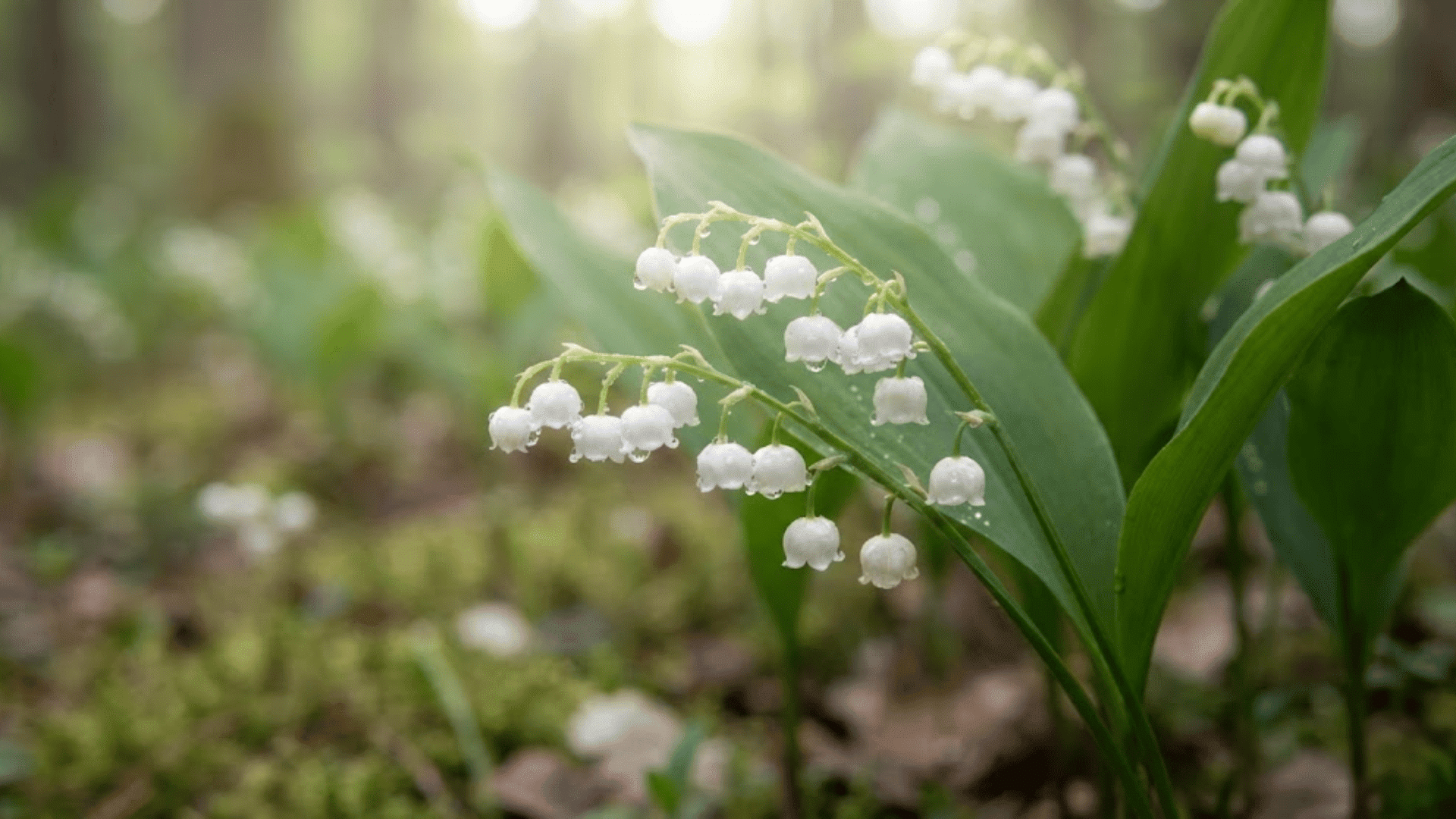
Shade Preference: Partial to full shade
Bloom Season: Mid to late spring
Those sweetly fragrant, bell-shaped flowers dangling from 6 to 8-inch stems are worth growing for the perfume alone.
Lily of the Valley spreads aggressively by rhizomes to form dense groundcover under trees and in difficult dry shade. The broad leaves stay attractive all season and suppress weeds effectively.
Warning: it’s toxic if ingested and can be invasive, so plant it where you want permanent, low-maintenance coverage.
17. Caladium
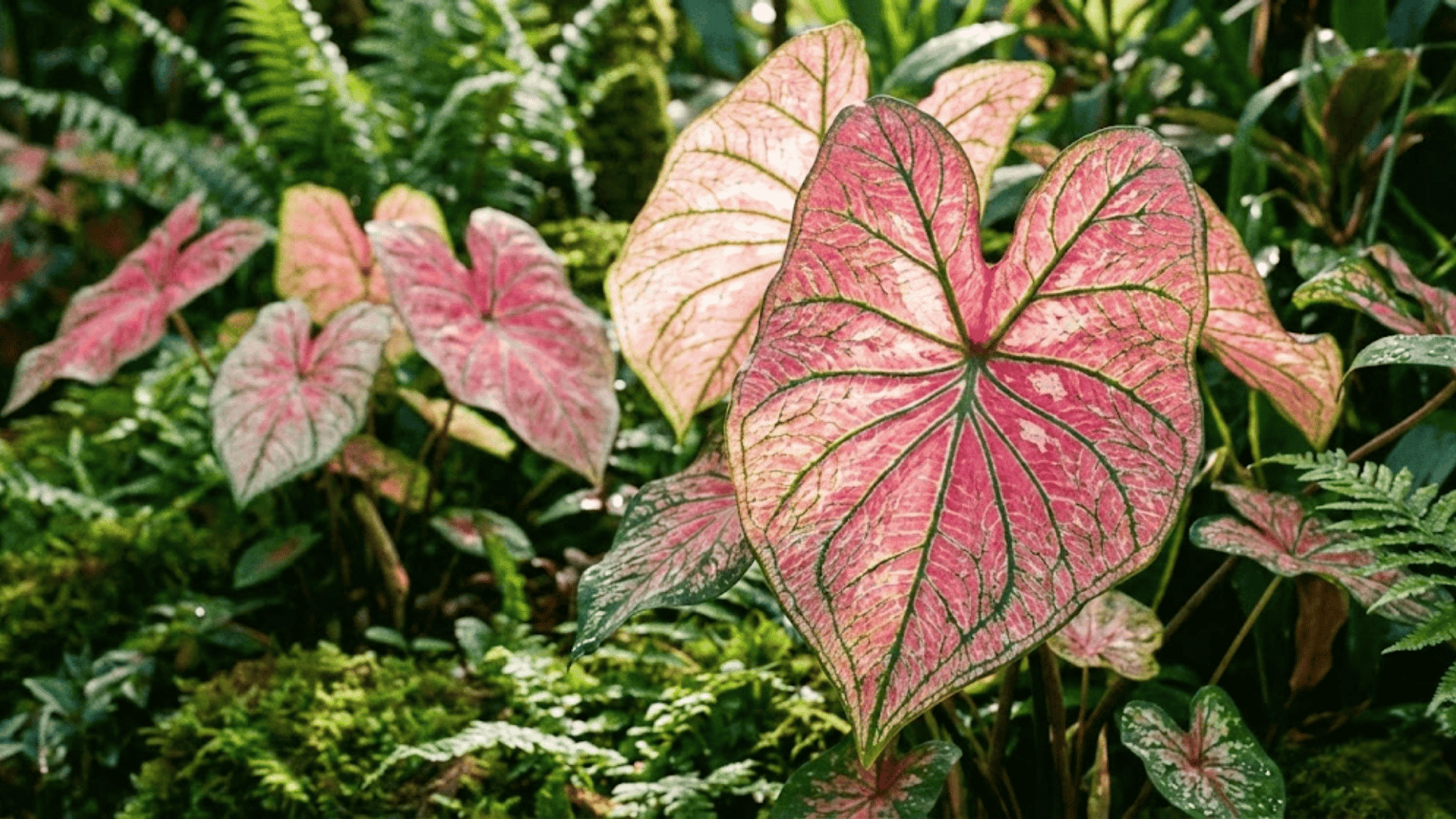
Shade Preference: Partial to full shade | Bloom Season: Foliage interest all season; flowers insignificant
Caladiums bring tropical flair with heart-shaped leaves in wild combinations of pink, red, white, and green.
Growing 1 to 2 feet tall, these tubers explode with color in shady spots that desperately need drama. While flowers do appear, the real show is the foliage that lights up dark corners from spring through frost.
Dig and store the tubers over winter in cold climates, or treat them as annuals.
18. Lamium (Dead Nettle)
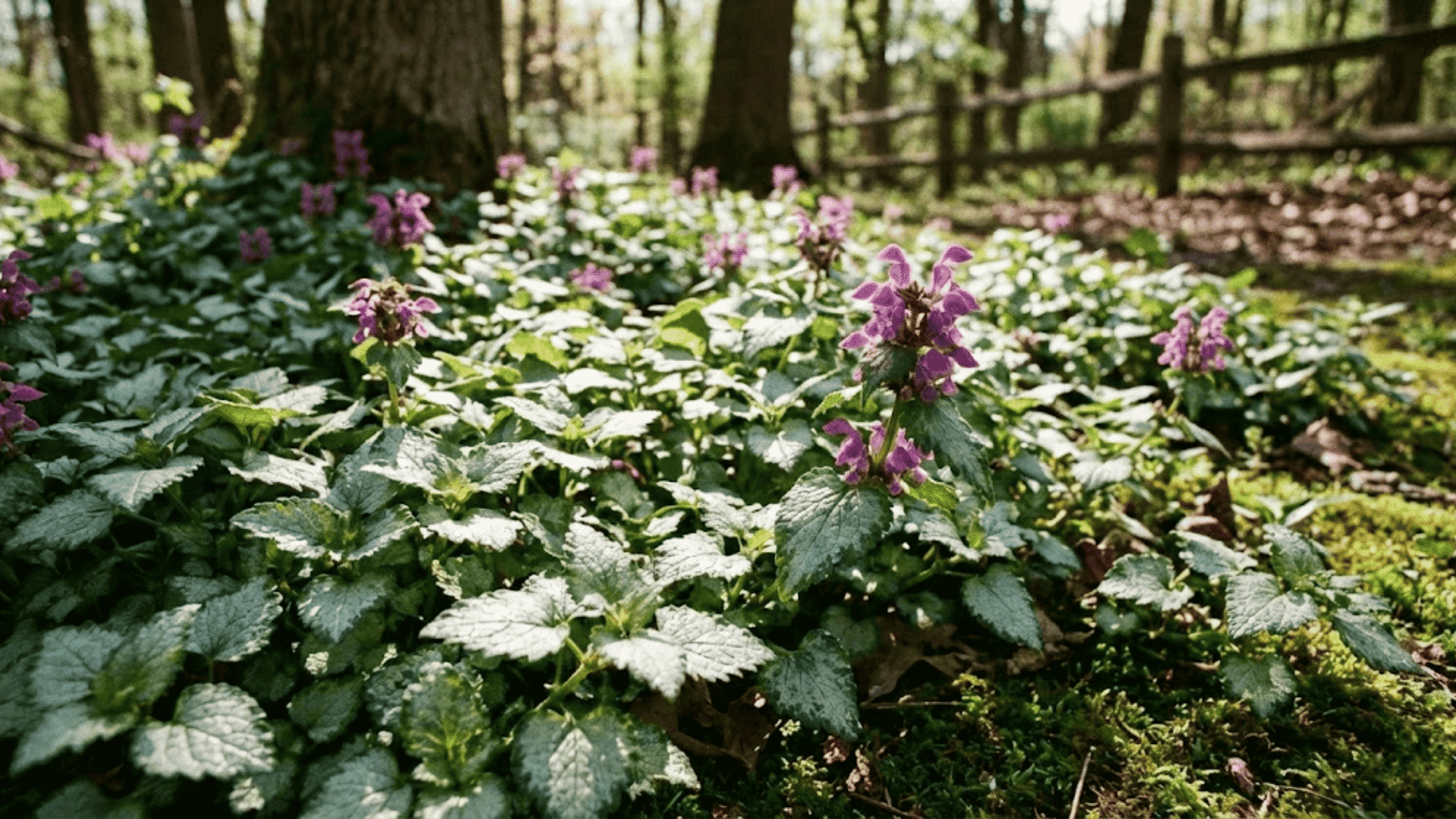
Shade Preference: Partial to full shade
Bloom Season: Spring to early summer
Lamium’s silvery variegated leaves create a spreading carpet 6 to 8 inches tall, topped with clusters of pink, white, or purple hooded flowers.
This vigorous groundcover handles dry shade and poor soil like a champion, filling in quickly where other plants sulk. The foliage stays attractive all season and brightens dark spots even when not blooming.
It’s perfect for slopes, under trees, or anywhere you need reliable, fast-growing coverage.
19. Brunnera
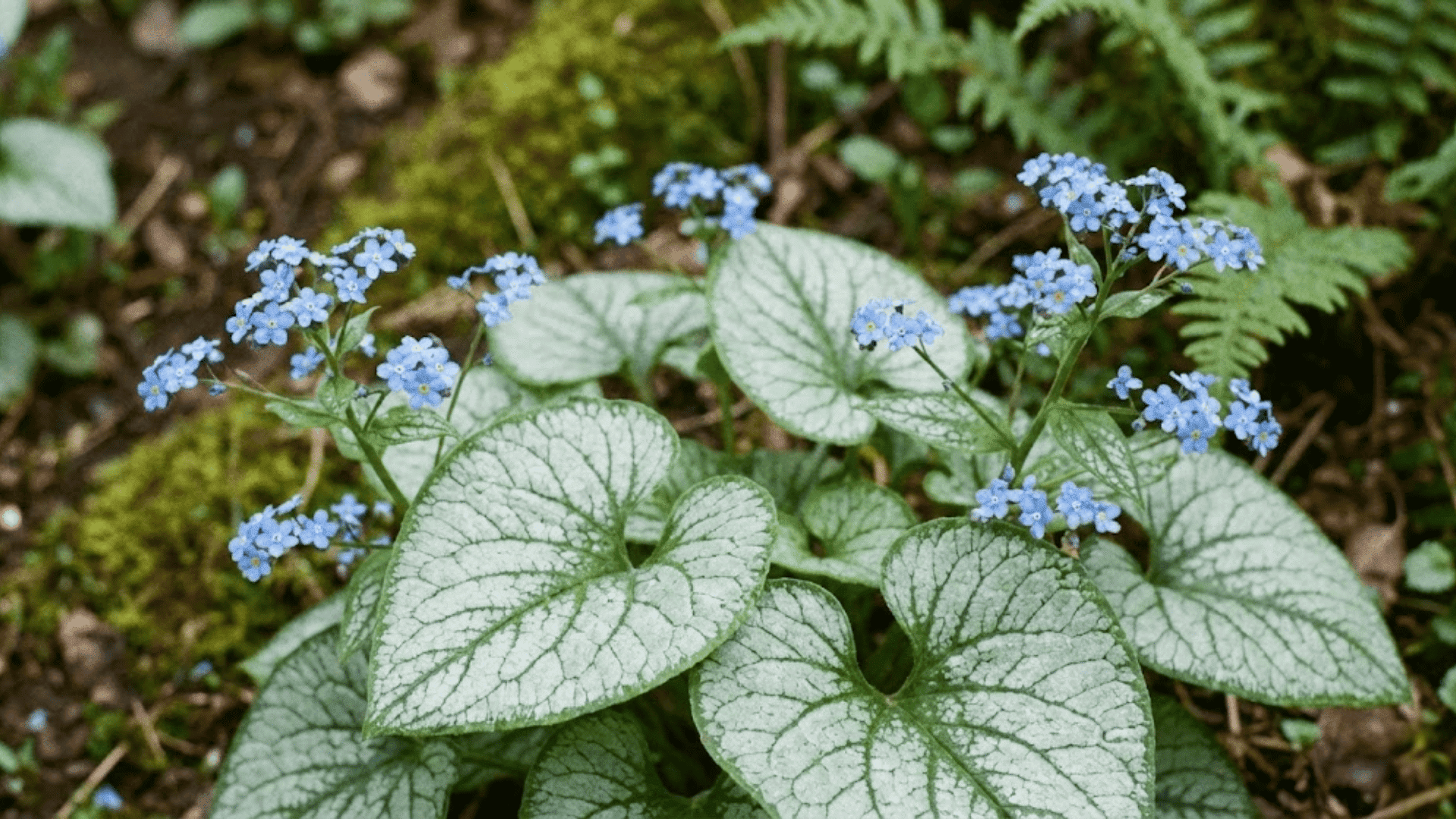
Shade Preference: Partial to full shade
Bloom Season: Mid to late spring
Brunnera’s clouds of tiny blue forget-me-not flowers float above heart-shaped leaves in spring, then the foliage takes over as the star.
Growing 12 to 18 inches tall, variegated varieties like ‘Jack Frost’ have silvery leaves that practically glow in shade. This low-maintenance perennial handles dry shade once established and slowly spreads to form substantial clumps.
The leaves stay attractive all season, making it valuable beyond its bloom period.
20. Viola
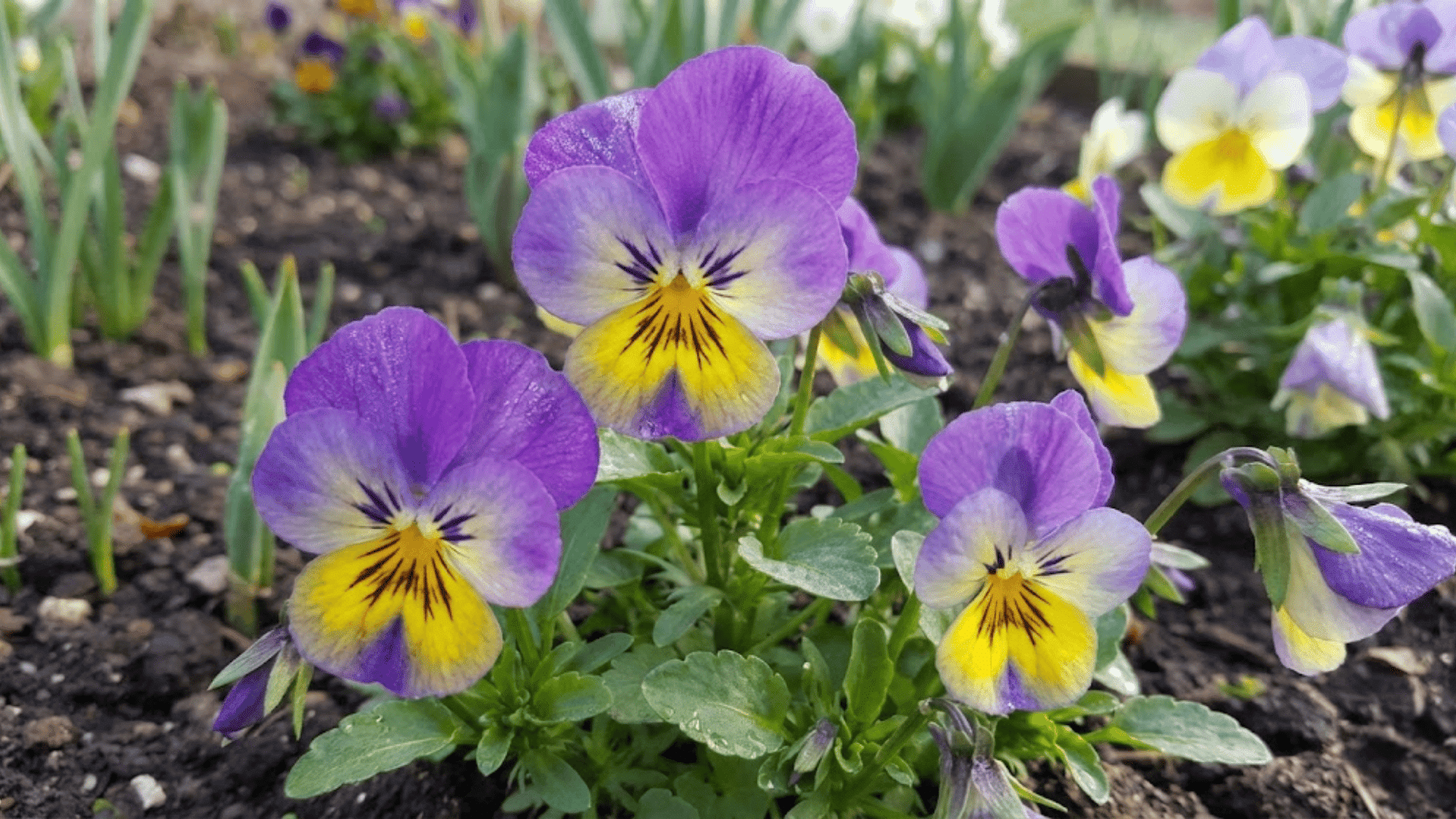
Shade Preference: Partial shade
Bloom Season: Spring and fall
Violas are the cheerful faces of cool-season gardening, blooming prolifically in purple, yellow, white, and bicolors from 4 to 8 inches tall.
These hardy little annuals (or short-lived perennials) prefer some shade and cool temperatures, often blooming straight through mild winters. They self-sow enthusiastically to pop up in unexpected places.
Perfect for edging, containers, or tucking into gaps where you need quick color in spring or fall.
21. Trillium
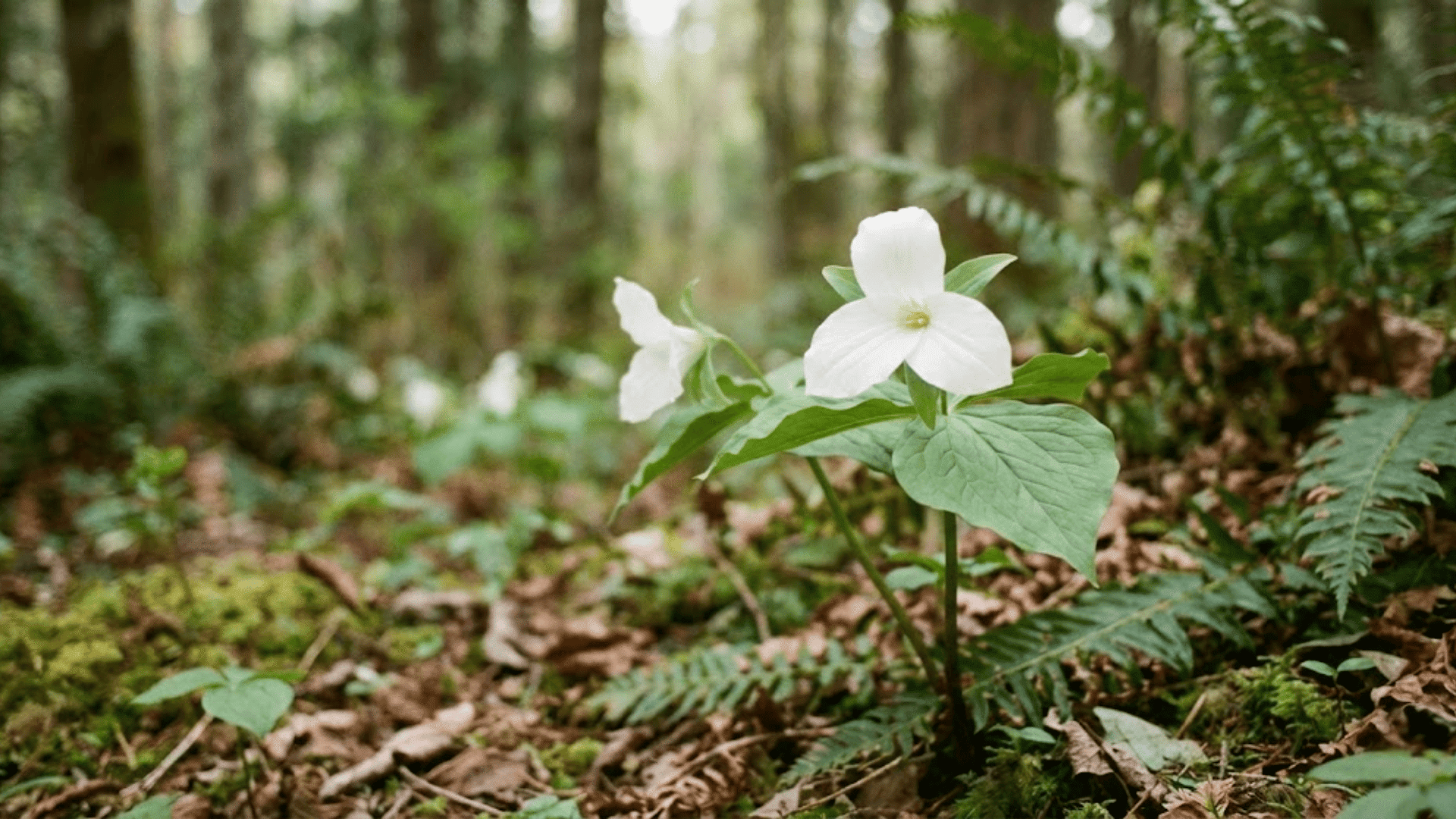
Shade Preference: Partial to full shade
Bloom Season: Early to mid-spring
Trillium’s three-petaled flowers rise above whorls of three leaves, creating perfect woodland wildflower charm from 6 to 18 inches tall.
These native perennials are slow-growing treasures that naturalize beautifully in humus-rich soil under trees. Flowers come in white, pink, red, or burgundy, depending on the species.
They go dormant by midsummer, so plant them with ferns or hostas for later interest. Patience pays off as colonies mature over the years.
22. Forget-Me-Not
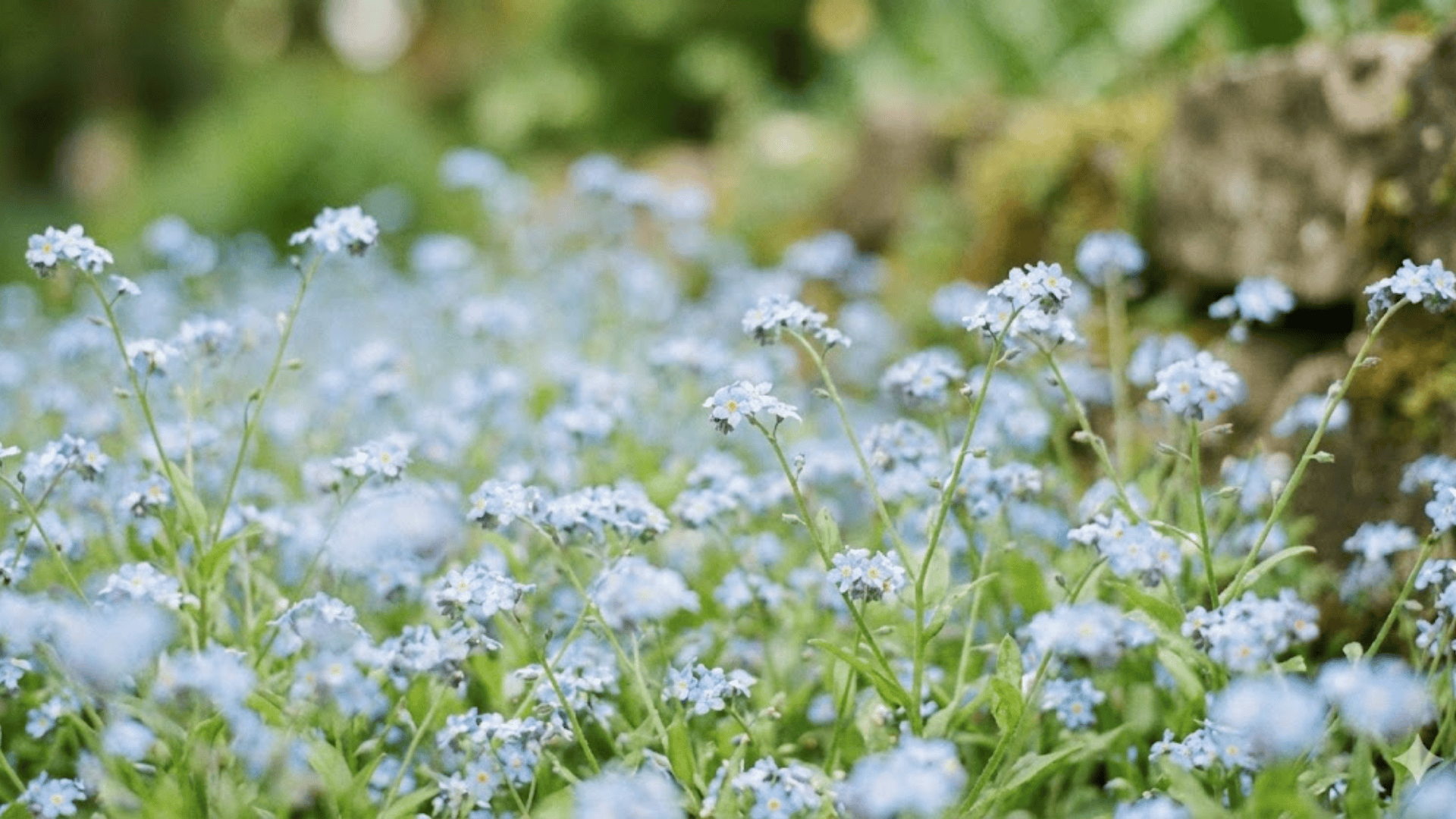
Shade Preference: Partial shade
Bloom Season: Spring to early summer
Forget-Me-Not creates clouds of tiny blue flowers (occasionally pink or white) that seem to float above the foliage on 6 to 12-inch plants.
This biennial self-sows aggressively to create naturalized drifts along woodland edges and shady borders. The sky-blue blooms are perfect for filling gaps between larger perennials and creating a cottage-garden feel.
Once established, it returns reliably every year without any help from you.
23. Balsam (Impatiens balsamina)
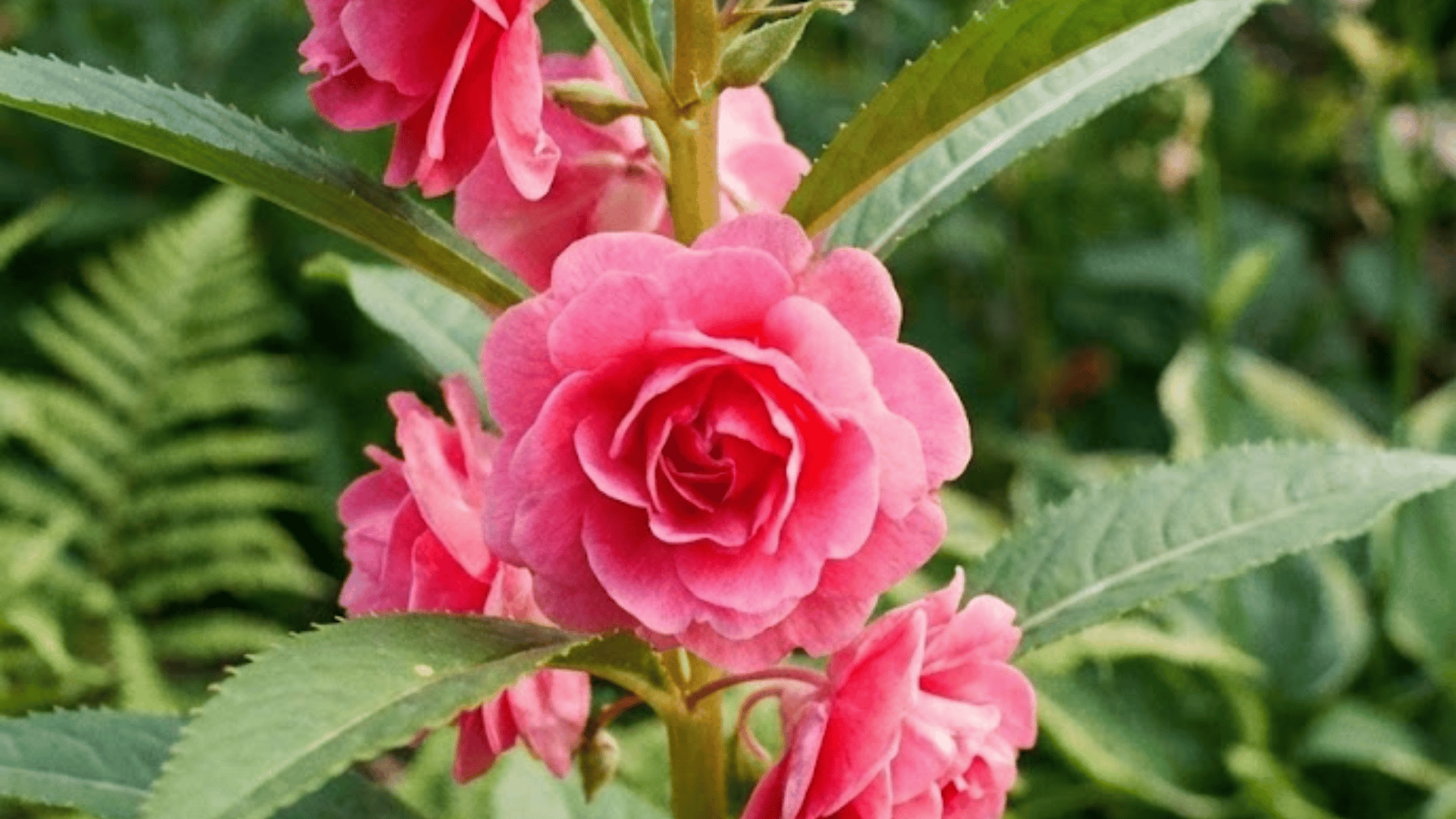
Shade Preference: Partial shade
Bloom Season: Summer through frost
Garden Balsam brings old-fashioned charm with camellia-like double flowers tucked close to stems on 1 to 2-foot plants.
Unlike regular impatiens, these grow upright and handle heat better while still thriving in shade. Flowers come in pink, red, purple, and white, often with stunning color variations.
They self-sow readily and create charming cottage-garden displays. The vertical form adds variety to typical spreading shade annuals.
24. Browallia
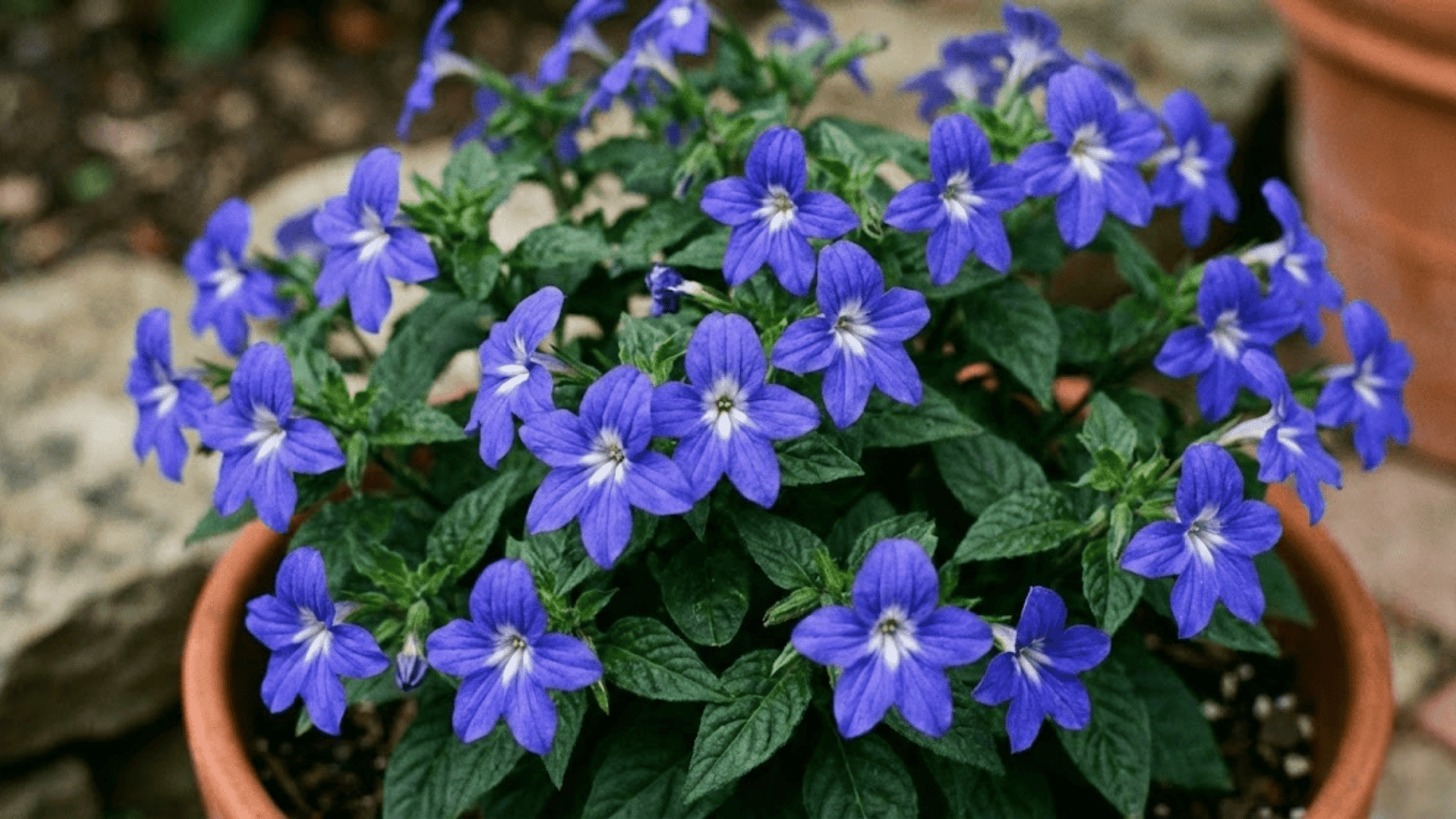
Shade Preference: Partial to full shade
Bloom Season: Summer through frost
Browallia’s star-shaped flowers in intense blue, purple, or white cover bushy 10 to 15-inch plants all summer without deadheading.
This heat-loving annual actually prefers shade and keeps blooming when sun-lovers fade. The compact form makes it perfect for containers, hanging baskets, or front-of-border planting.
That true blue color is rare in shade plants, making Browallia especially valuable for cool-toned designs.
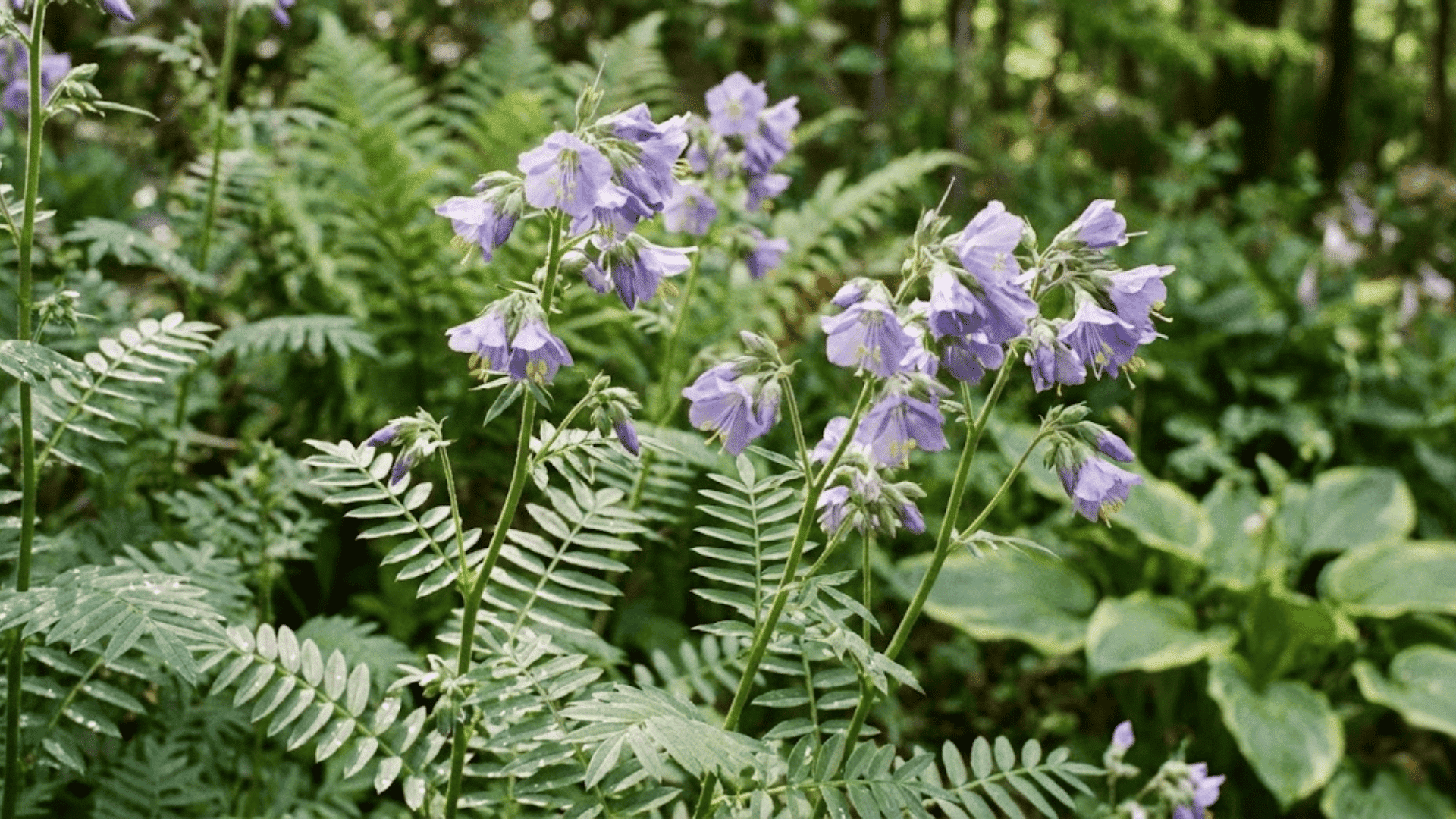
25. Jacob’s Ladder
Shade Preference: Partial shade
Bloom Season: Late spring to early summer
Jacob’s Ladder sends up clusters of bell-shaped blue or white flowers above ladder-like compound leaves on 1 to 3-foot stems.
The foliage alone is worth growing, staying attractive long after flowers fade. This cottage-garden perennial naturalizes in woodland settings and handles cool, moist conditions beautifully.
Some varieties have variegated foliage that adds extra interest. It’s low-maintenance, deer-resistant, and self-sows gently without becoming aggressive.
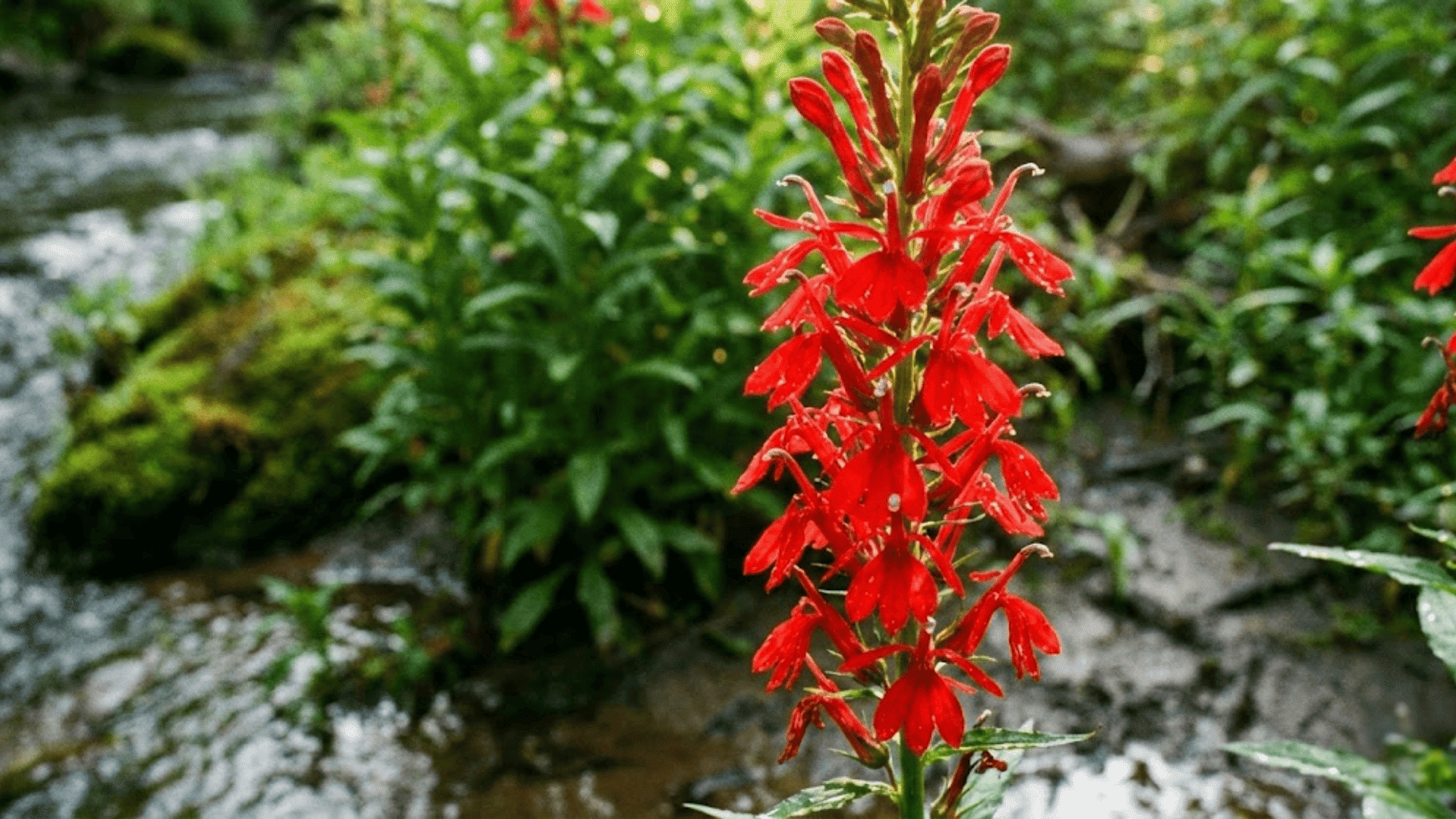
26. Cardinal Flower
Shade Preference: Partial shade
Bloom Season: Mid to late summer
Cardinal Flower’s spikes of brilliant red tubular blooms on 2 to 4-foot stems are hummingbird magnets in late summer.
This North American native thrives in moist shade along streams and pond edges where other plants struggle. The vertical form adds drama to shady borders, and the electric red color is rare in shade-loving plants.
It’s short-lived but self-sows reliably. Keep the soil consistently moist for best performance.
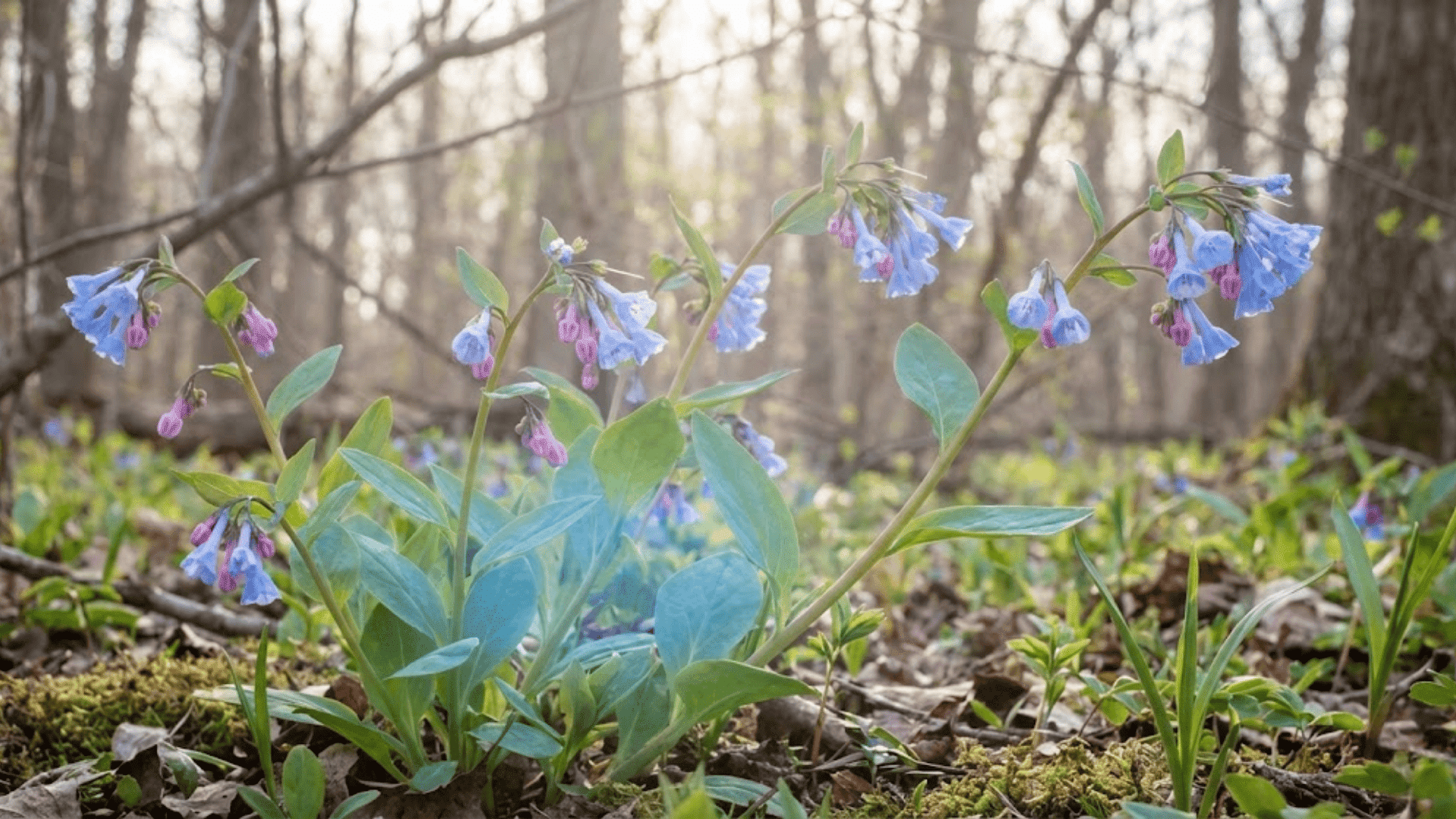
27. Virginia Bluebells
Shade Preference: Partial to full shade
Bloom Season: Mid-spring
Virginia Bluebells emerge early with pink buds that open to sky-blue bells, creating a stunning two-toned effect on 1 to 2-foot stems.
This native wildflower naturalizes beautifully in woodland gardens, forming substantial colonies over time. The foliage goes dormant by early summer, so plant it with ferns or hostas that’ll fill in later.
Those true blue flowers are spectacular massed under trees in spring.
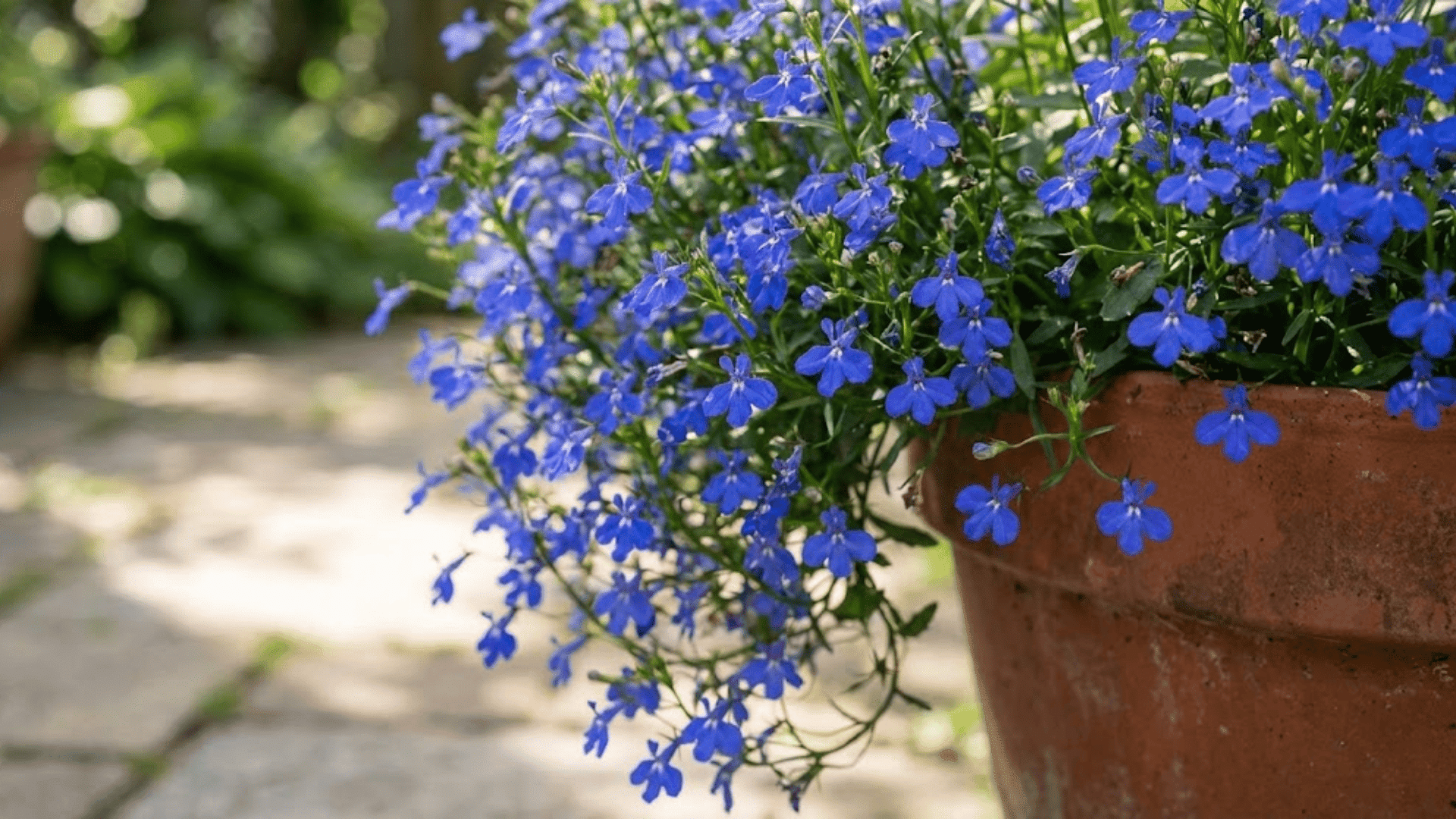
28. Lobelia
Shade Preference: Partial shade
Bloom Season: Spring through fall (with deadheading)
Trailing lobelia cascades with tiny flowers in blue, purple, white, or pink from 4 to 8-inch plants, perfect for containers and hanging baskets.
While often grown in the sun, it actually performs better with afternoon shade protection and consistent moisture. The non-stop blooms create solid color masses and spill beautifully over edges.
Shear it back midsummer if it gets leggy, and it’ll rebound with fresh growth and flowers.
29. Polka Dot Plant
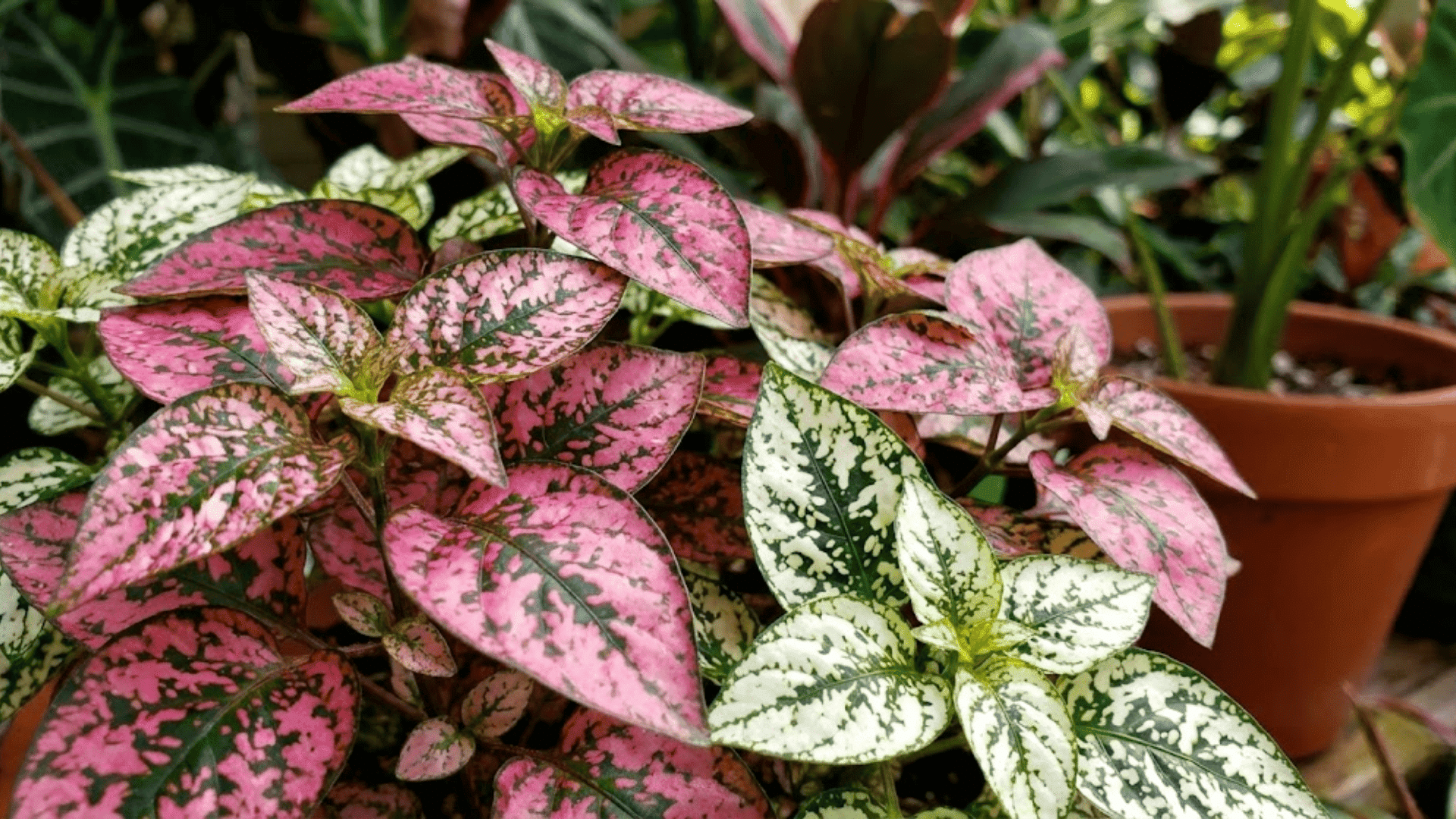
Shade Preference: Partial to full shade
Bloom Season: Grown for foliage; flowers insignificant
Polka Dot Plant brings tropical pizzazz with leaves splashed in pink, red, or white against green backgrounds on 8 to 12-inch bushy plants.
While technically a foliage plant, the colorful leaves function like flowers in shady spots desperate for brightness. This annual (or houseplant) thrives in heat and humidity, preferring shade that protects those vibrant colors.
Pinch regularly for bushier growth and more intense leaf color.
30. Spiderwort
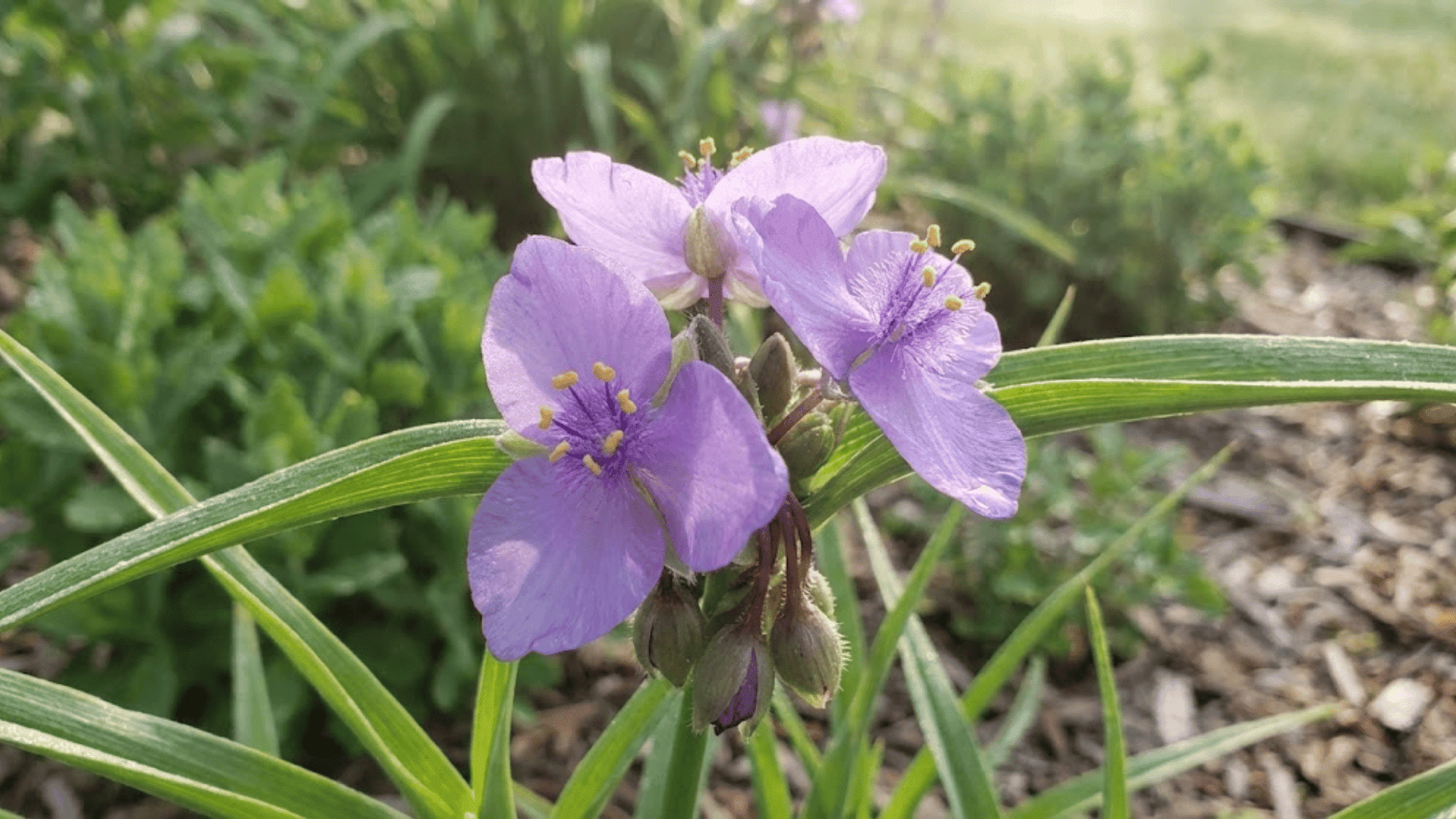
Shade Preference: Partial shade
Bloom Season: Late spring to midsummer
Spiderwort’s three-petaled flowers in blue, purple, pink, or white open fresh each morning on 1 to 2-foot clumps of grass-like foliage.
This tough native perennial handles everything from wet to dry shade and spreads slowly to form substantial colonies. Each flower lasts just a day, but new buds open continuously for weeks.
The foliage can look shabby by late summer, so cut it back for fresh growth.
31. Monkey Flower
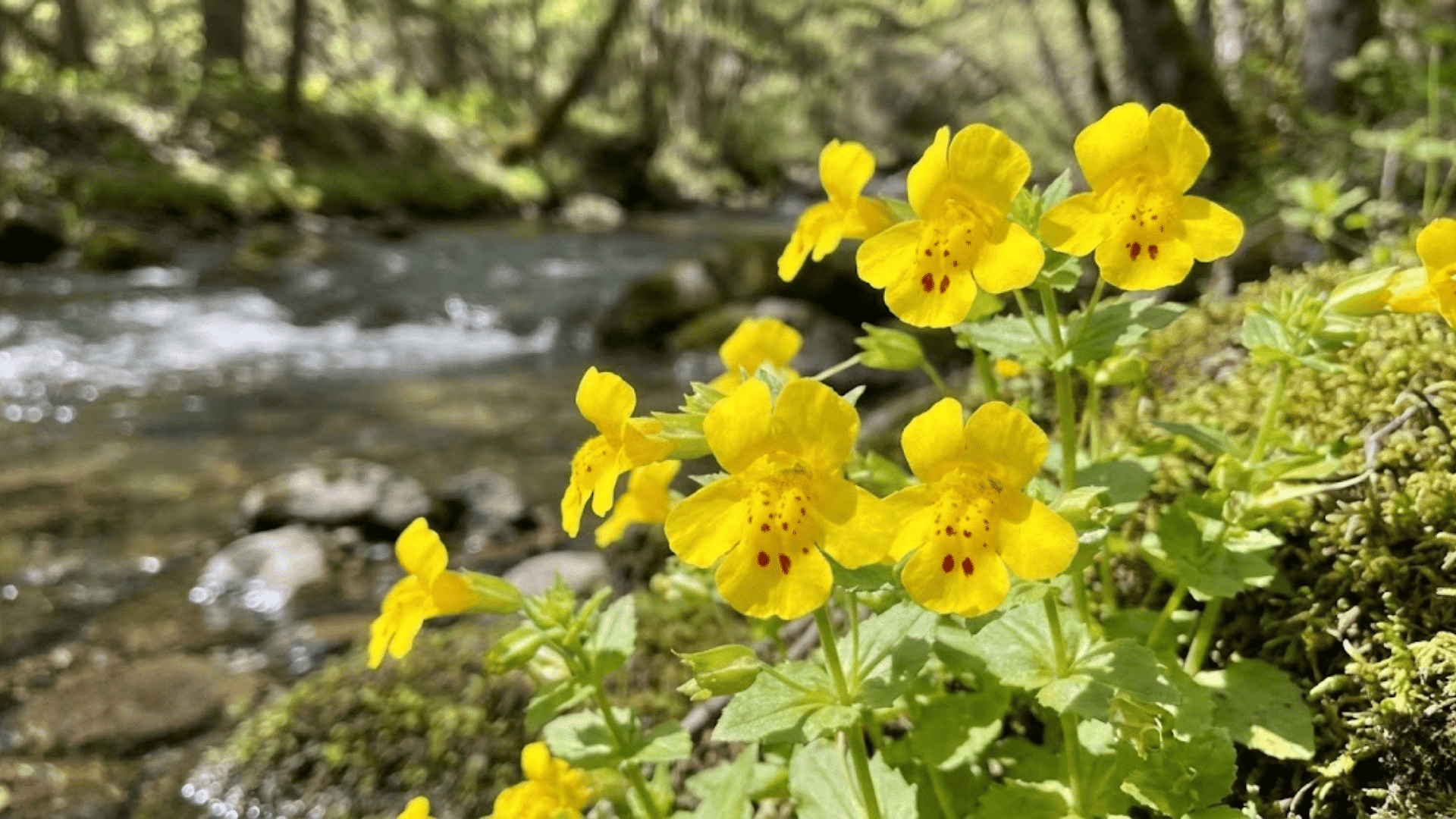
Shade Preference: Partial shade to dappled sun
Bloom Season: Summer through fall
Monkey Flower’s snapdragon-like blooms in yellow, orange, red, or spotted combinations bring tropical flair to moist, shady spots on 6 to 12-inch plants.
This annual (or short-lived perennial) loves boggy conditions along streams or in consistently wet shade where other plants rot. The cheerful flowers keep coming all summer and attract hummingbirds.
Deadheading encourages more blooms, though it’ll flower reasonably well without it.
32. Sweet Alyssum
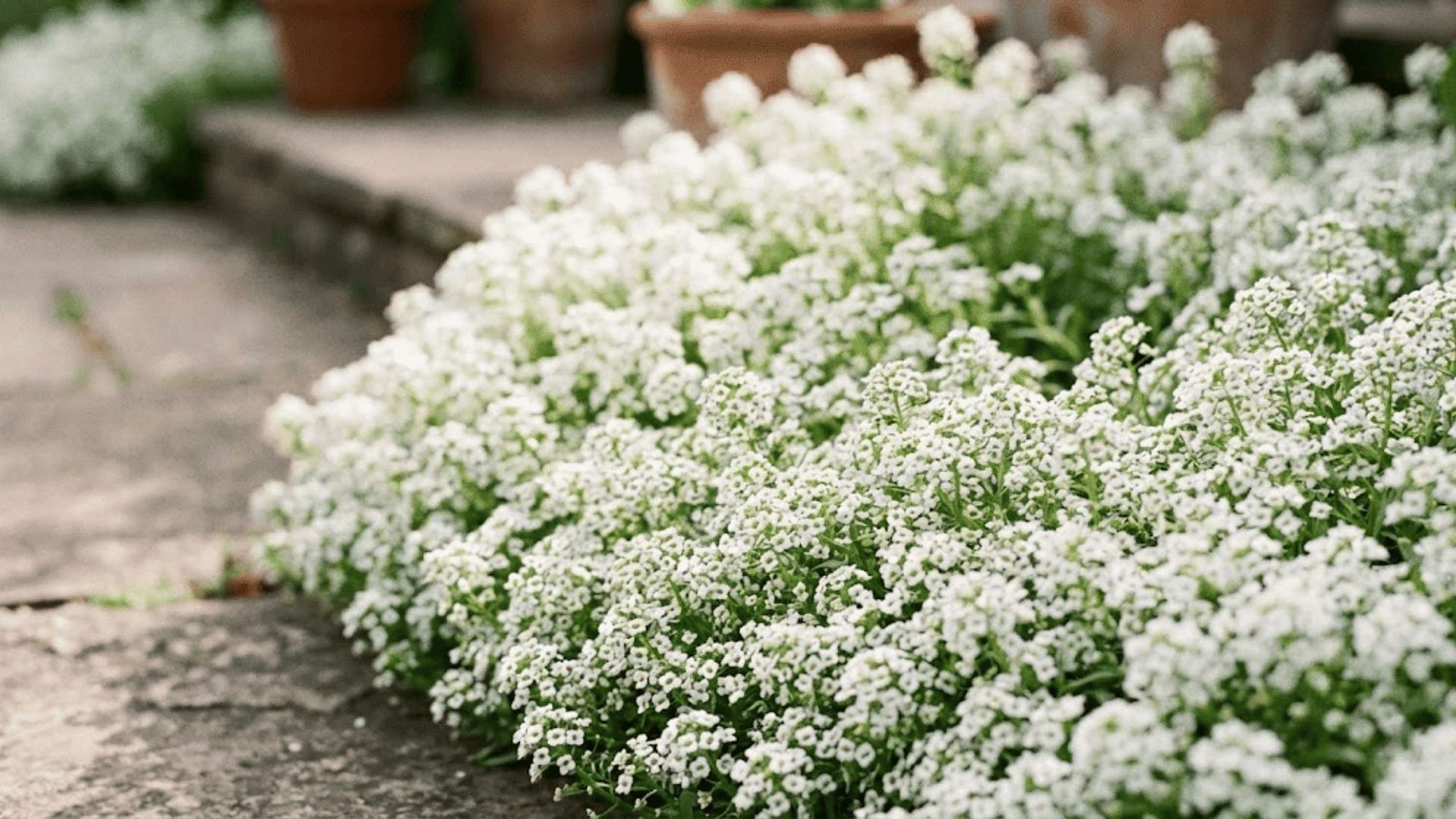
Shade Preference: Partial shade
Bloom Season: Spring through fall
Sweet Alyssum’s honey-scented flower clusters in white, pink, or purple create frothy 4 to 8-inch mounds that spill over edges and fill gaps.
While often grown in the sun, it actually handles heat better with afternoon shade and keeps blooming longer. This self-seeding annual spreads to create informal drifts and softens hard edges beautifully.
The fragrance on warm evenings is reason enough to plant it near patios and pathways.
33. Dead Nettle (Lamium)
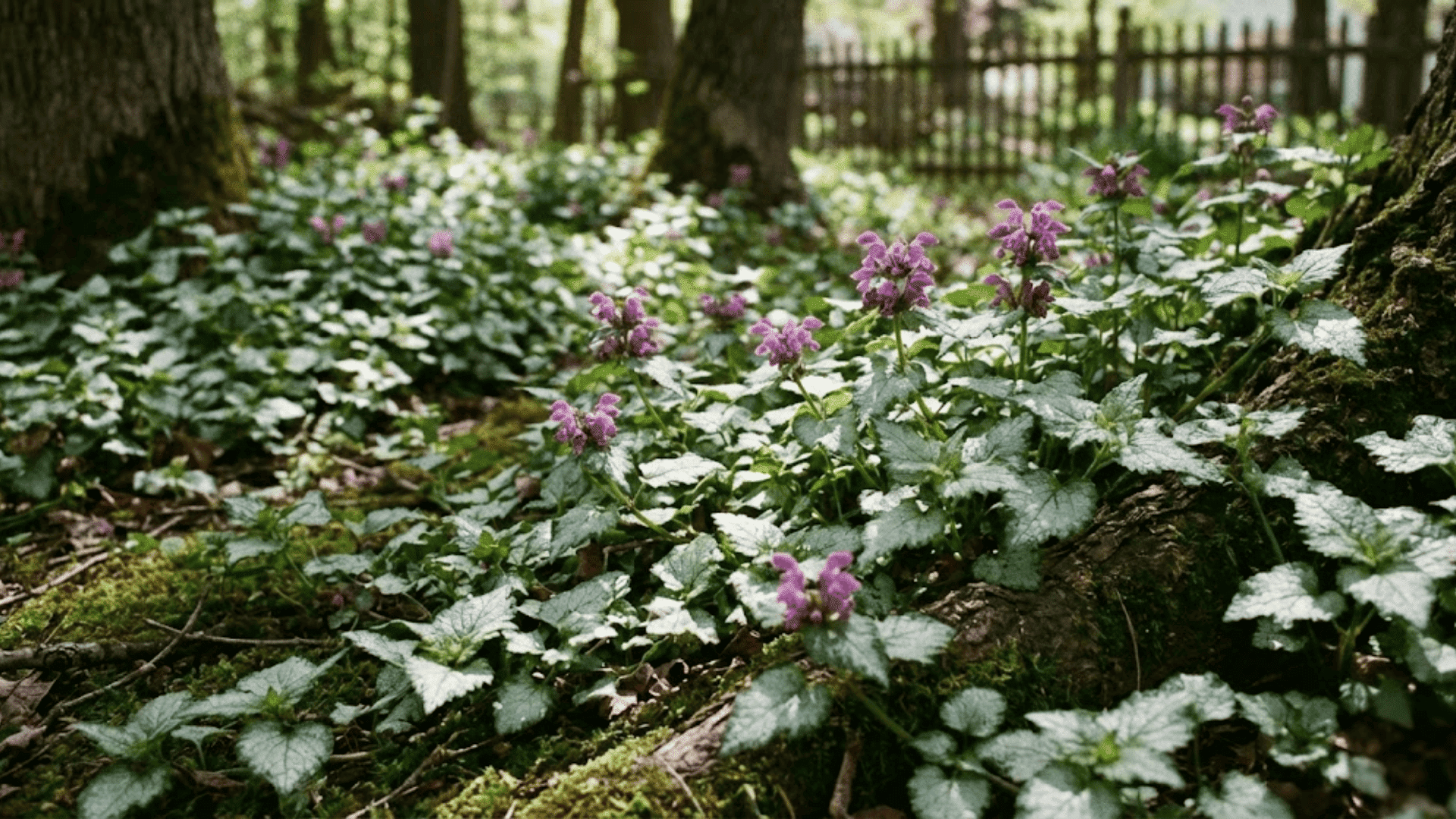
Shade Preference: Partial to full shade
Bloom Season: Spring and sporadically through summer
Dead Nettle combines silvery variegated foliage with hooded flowers in pink, purple, or white on spreading 6 to 10-inch plants.
This vigorous groundcover fills in quickly under trees and in dry shade where grass gives up. The leaves stay attractive all season, providing constant color even between bloom periods.
It’s tough, deer-resistant, and handles poor soil without complaint. Perfect for covering large areas with minimal maintenance.
34. Nemesia
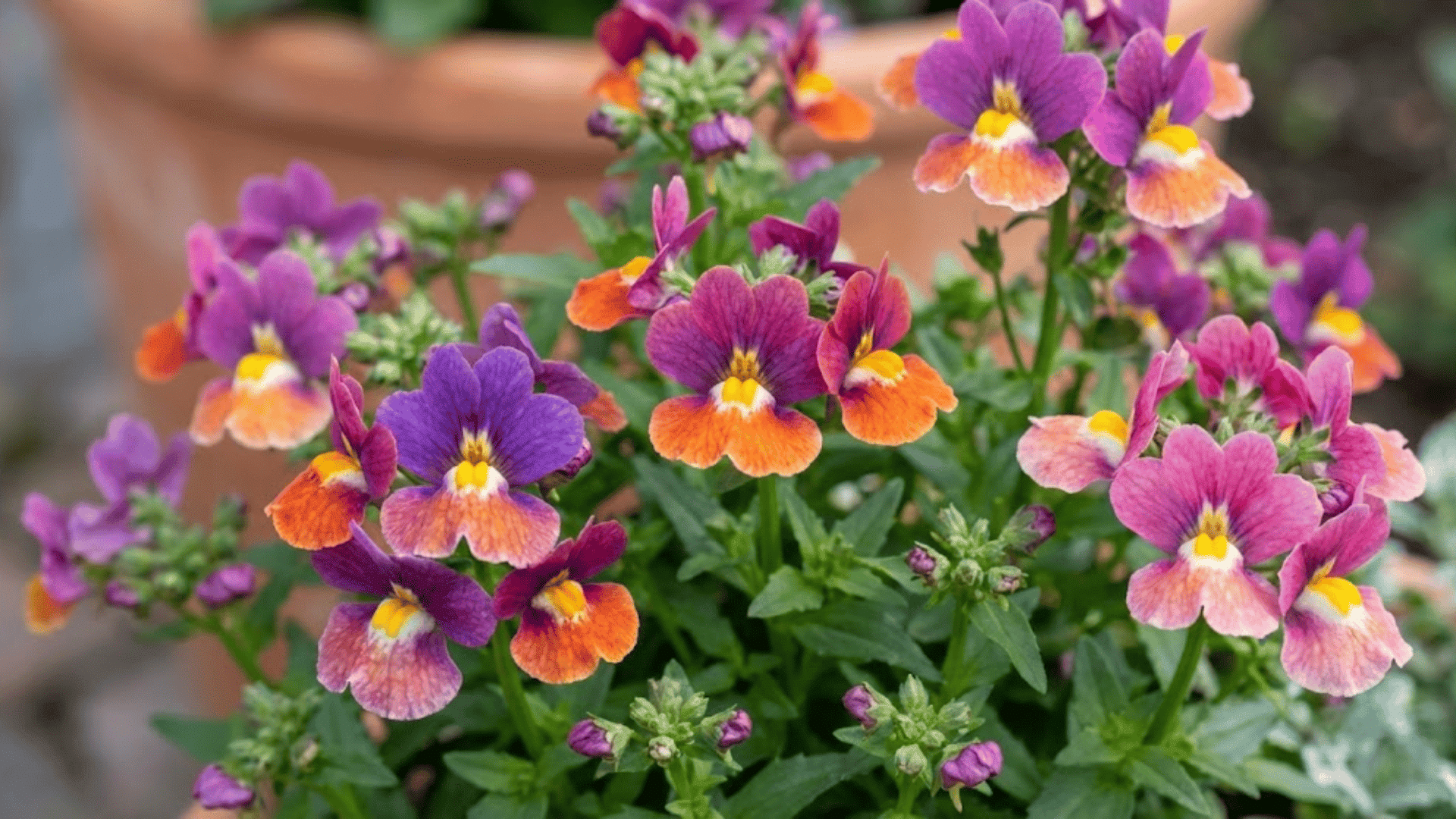
Shade Preference: Partial shade
Bloom Season: Spring and fall
Nemesia packs loads of small, fragrant flowers in vibrant colors, including purple, pink, orange, and bicolors, onto compact 8 to 12-inch plants.
This cool-season annual blooms best in spring and fall, preferring some shade during hot summers. The butterfly-like flowers come in wild color combinations you won’t find elsewhere.
Deadheading and light trimming encourage continuous blooming, and the sweet fragrance adds bonus appeal to containers and borders.
35. Shade-Tolerant Pansies
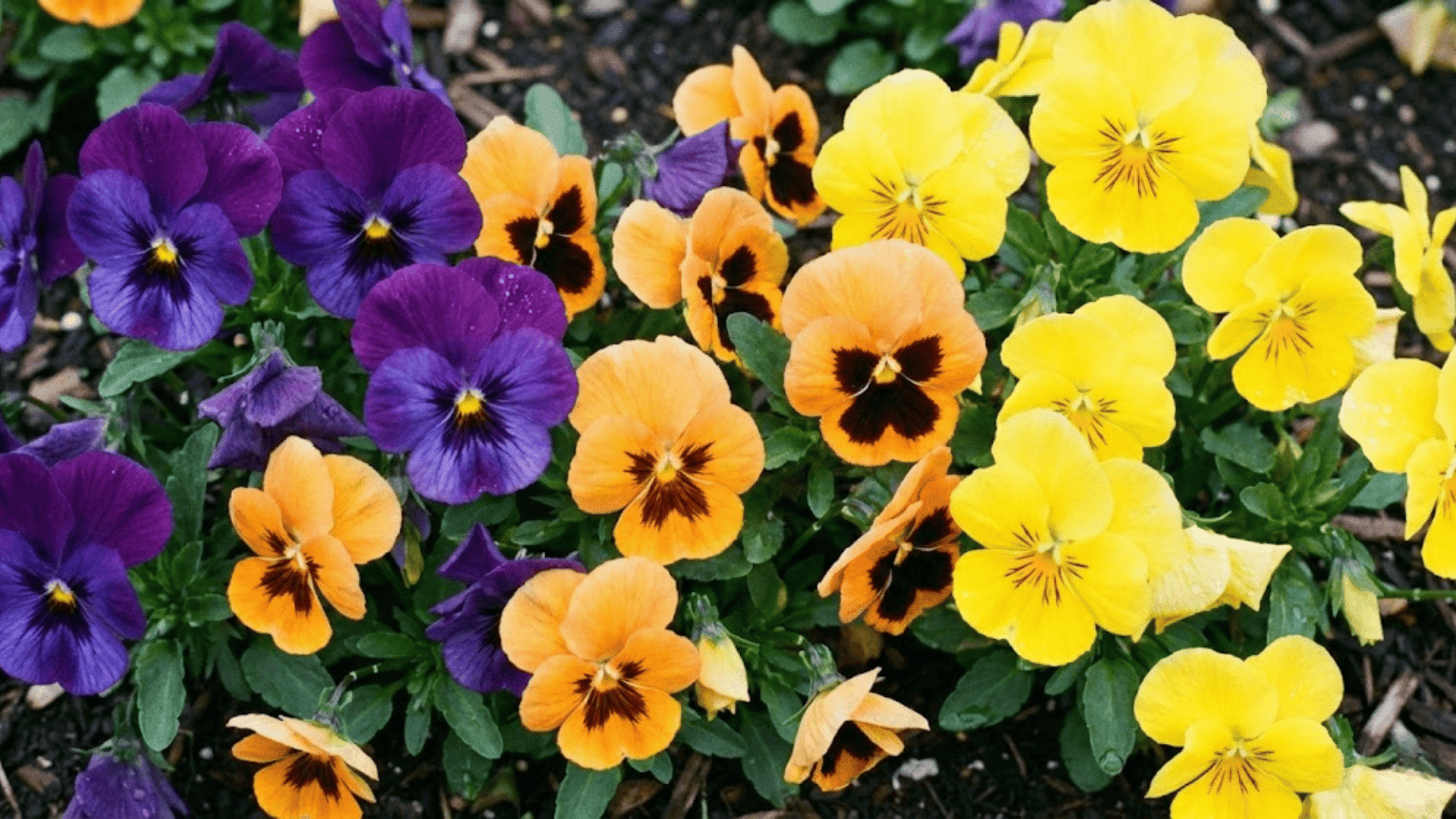
Shade Preference: Partial shade
Bloom Season: Fall through spring (in mild climates)
Pansies bring those cheerful faces in every color imaginable to cool-season shade gardens from 6 to 9 inches tall.
Modern varieties handle light frost and often bloom straight through mild winters. They prefer some shade during hot weather and bounce back quickly from heat stress with cooler temperatures.
Perfect for containers, edging, or mass plantings where you need reliable color. Deadhead regularly for continuous blooms, though newer varieties are more self-cleaning.
Best Flowers for Full Shade
When you’re dealing with those really dark corners: under dense tree canopies, along north-facing walls, or tucked beneath covered patios, you need plants that genuinely thrive without direct sun.
These champions have evolved to photosynthesize efficiently in low light, so they’ll actually look better in deep shade than struggling in bright spots.
- Impatiens – Nonstop color from spring through frost in complete shade
- Begonias – Glossy foliage and cheerful blooms that thrive in deep shade
- Torenia – Snapdragon-like flowers with zero deadheading needed
- Hellebore – Winter blooms when everything else is dormant
- Astilbe – Feathery plumes that glow in dim woodland light
- Bleeding Heart – Heart-shaped spring flowers for minimal light
- Lily of the Valley – Fragrant groundcover for dry shade under trees
- Lungwort – Silvery foliage that lights up dark corners
- Fuchsia – Dangling blooms for shaded patios all summer
- Caladium – Tropical leaves for drama where flowers struggle
These plants don’t just tolerate full shade; they prefer it. Their leaves are specially adapted to capture every bit of available light, and they’ll reward your darkest corners with color and interest that sun-lovers could never deliver.
Best Flowers for Partial Shade
Partial shade is the sweet spot where you get morning sun or filtered light throughout the day; think garden beds that catch a few hours of gentle rays or spots under high-canopy trees.
These versatile performers handle both sun and shade, making them perfect for transitional areas and mixed borders.
- Hydrangea – Massive blooms all summer with morning sun protection
- Foxglove – Towering flower spikes that attract hummingbirds
- Columbine – Delicate spurred flowers dancing on wiry stems
- Japanese Anemone – Late-season elegance when most plants finish blooming
- Primrose – Early spring carpets of cheerful color
- Coral Bells – Stunning foliage year-round plus delicate flower spikes
- Brunnera – Blue forget-me-not flowers and silvery leaves
- Viola – Cool-season faces that bloom in spring and fall
- Astilbe – Feathery plumes thriving in moist, filtered light
- Cardinal Flower – Brilliant red spikes for hummingbirds in late summer
These adaptable plants give you the best of both worlds, tolerating some direct sun while still performing beautifully when light is limited. They’re the workhorses of gardens where sun and shade meet.
Annual vs. Perennial Shade Flowers
Choosing between annuals and perennials shapes your entire shade garden strategy. Annuals deliver instant, season-long color but need replanting every year. Perennials return reliably but often have shorter bloom windows.
Smart gardeners use both to create gardens that look amazing from spring through frost without constant replanting.
| Aspect | Annuals | Perennials |
|---|---|---|
| Lifespan | One season, then replant | Return year after year from the same roots |
| Bloom Duration | Spring through frost continuously | 2-6 weeks typically, then foliage only |
| Maintenance | Replanting yearly, frequent watering | Minimal once established, occasional division |
| Initial Cost | Lower per plant | Higher upfront investment |
| Long-term Value | Ongoing annual expense | Pay once, enjoy for years |
| Color Flexibility | Change schemes yearly | Committed to color and placement |
| Best Uses | Containers, seasonal pops, filling gaps | Backbone planting, structure, reliability |
| Top Picks | Impatiens, Begonia, Torena, Browallia | Astilbe, Hellebore, Bleeding Heart, Hostas |
Best Combinations for Continuous Blooms:
- Spring Foundation: Hellebore and Bleeding Heart for early color, Primrose for ground-level punch.
- Summer Fillers: Tuck Impatiens and Begonias around perennials for nonstop blooms.
- Late Season Closers: Japanese Anemone and Toad Lily finish strong when annuals fade.
- Year-Round Structure: Coral Bells and Lungwort provide foliage interest between bloom periods.
- Container Strategy: Combine trailing annual Lobelia with perennial Astilbe for height and flow.
This layered approach gives you the enduring beauty of perennials with the season-long punch of annuals, creating a garden that never looks tired or sparse.
Tips for Growing Flowers in Shaded Areas
Shade gardening isn’t just about picking the right plants; it’s about creating conditions where those plants can actually thrive.
Shaded soil behaves differently from sunny spots, staying cooler and often competing with tree roots for nutrients and water. These practices will turn struggling shade gardens into lush sanctuaries.
- Amend Soil Generously: Add compost and leaf mold for rich, moisture-retentive conditions shade plants need.
- Water Deeply But Less Frequently: Slower evaporation means less watering once established to prevent root rot.
- Apply Organic Mulch: Use 2-3 inches to conserve moisture and mimic forest floor conditions.
- Fertilize Sparingly With Balanced Formula: Too much nitrogen creates foliage without flowers in shade.
- Improve Drainage In Compacted Areas: Add grit or perlite where tree roots create heavy, waterlogged soil.
Get these fundamentals right, and your shade flowers will reward you with the kind of lush, vibrant growth that makes visitors ask what your secret is.
The secret is simple: treat shade like its own ecosystem with unique needs, not just a dimmer version of a sunny garden.
The Closing Note
Your shady spots are no longer the garden’s forgotten corners. With these flowers that like shade, you’ve got everything you need to create spaces that rival any sun-drenched border.
Delicate Bleeding Hearts, bold Caladiums, and reliable Astilbes prove that limited sunlight means unlimited possibilities.
Shade gardening opens up a whole palette that most gardeners never explore.
Start with a few favorites, experiment with combinations, and watch those dim spots convert into the most interesting parts of your yard.
Which shade-loving beauty are you planting first? Drop a comment and share your shady garden wins.



One Response
Thanks for perfect info about the shade living plants!