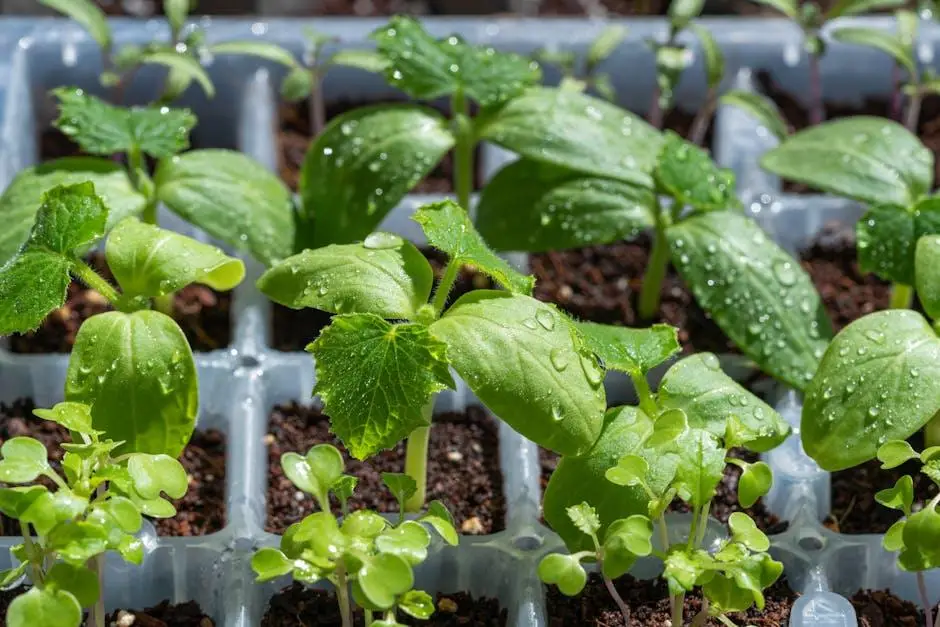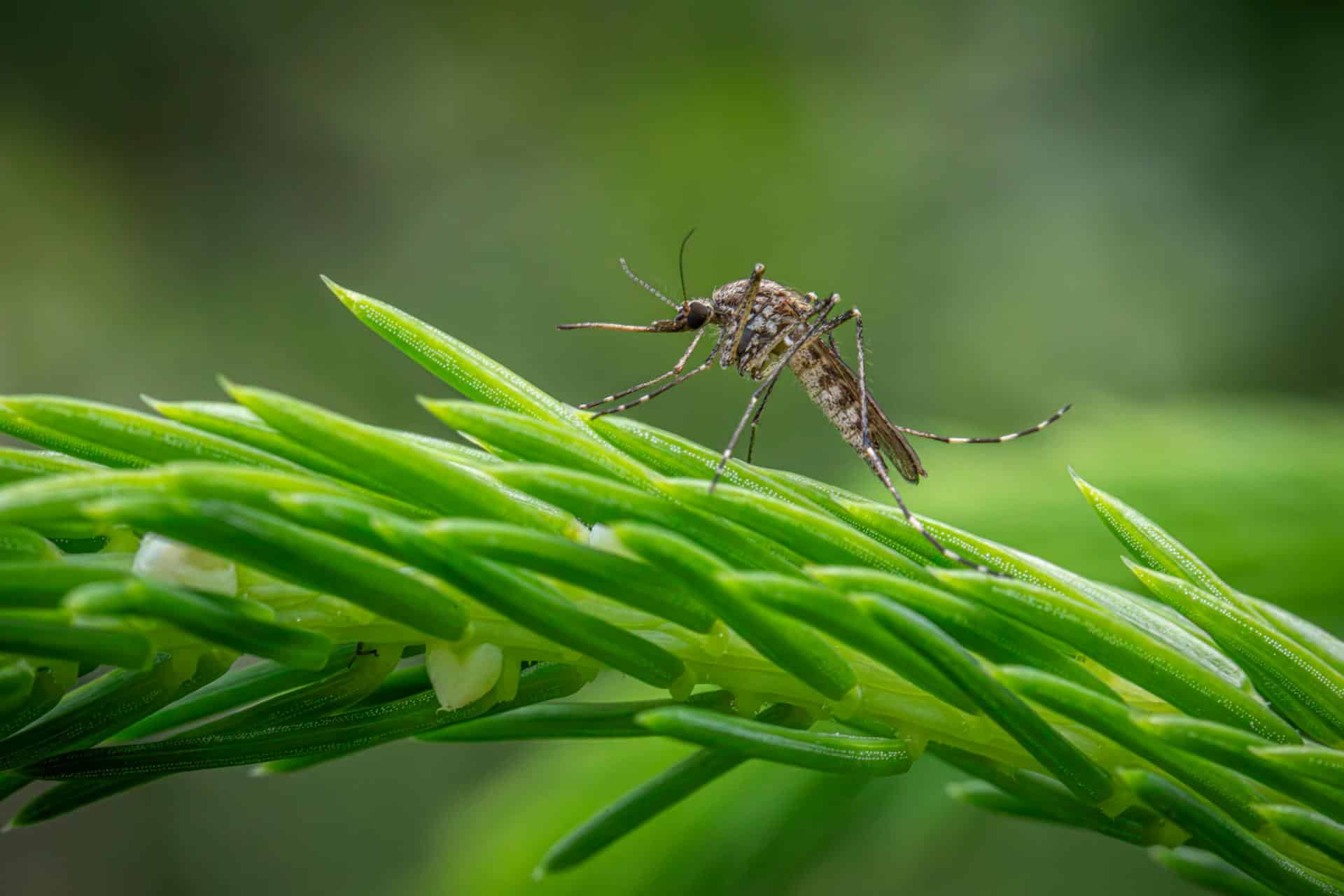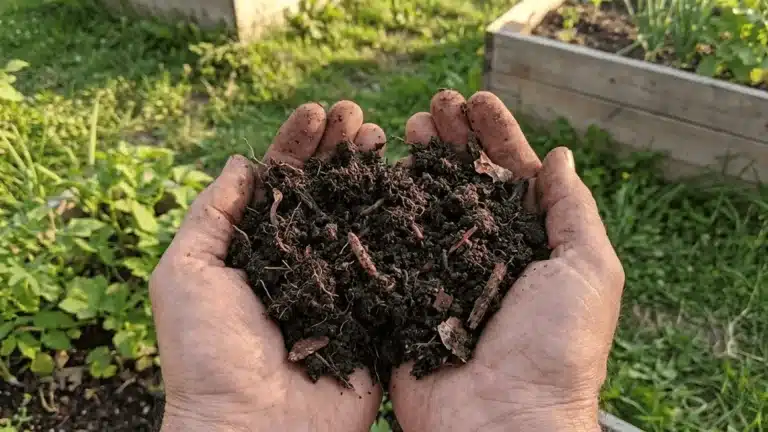
Soil is more than just dirt. It is a living, breathing world that exists right beneath your feet.
Every handful holds an entire community of organisms working quietly to feed your plants, break down nutrients, and keep disease at bay.
The health of what grows above ground almost always reflects what is happening below it.
Learning to understand and support these tiny soil dwellers might just be the most rewarding thing you do for your garden, and it all starts with meeting the five most common creatures calling your soil home.
Why Soil Life Matters for Plant Health?
Healthy soil is teeming with life, and that life is what makes your garden thrive.
Microscopic bacteria alongside earthworms you can see with the naked eye work together to break down organic matter, cycle nutrients, and keep everything in balance.
They loosen compacted ground, support root development, and even fight off harmful pathogens before they reach your plants.
The more diverse and active your soil ecosystem, the better your plants absorb water and nutrients.
Essentially, what happens beneath the surface sets the tone for everything that grows above it.
1. Earthworms – The Natural Soil Engineers
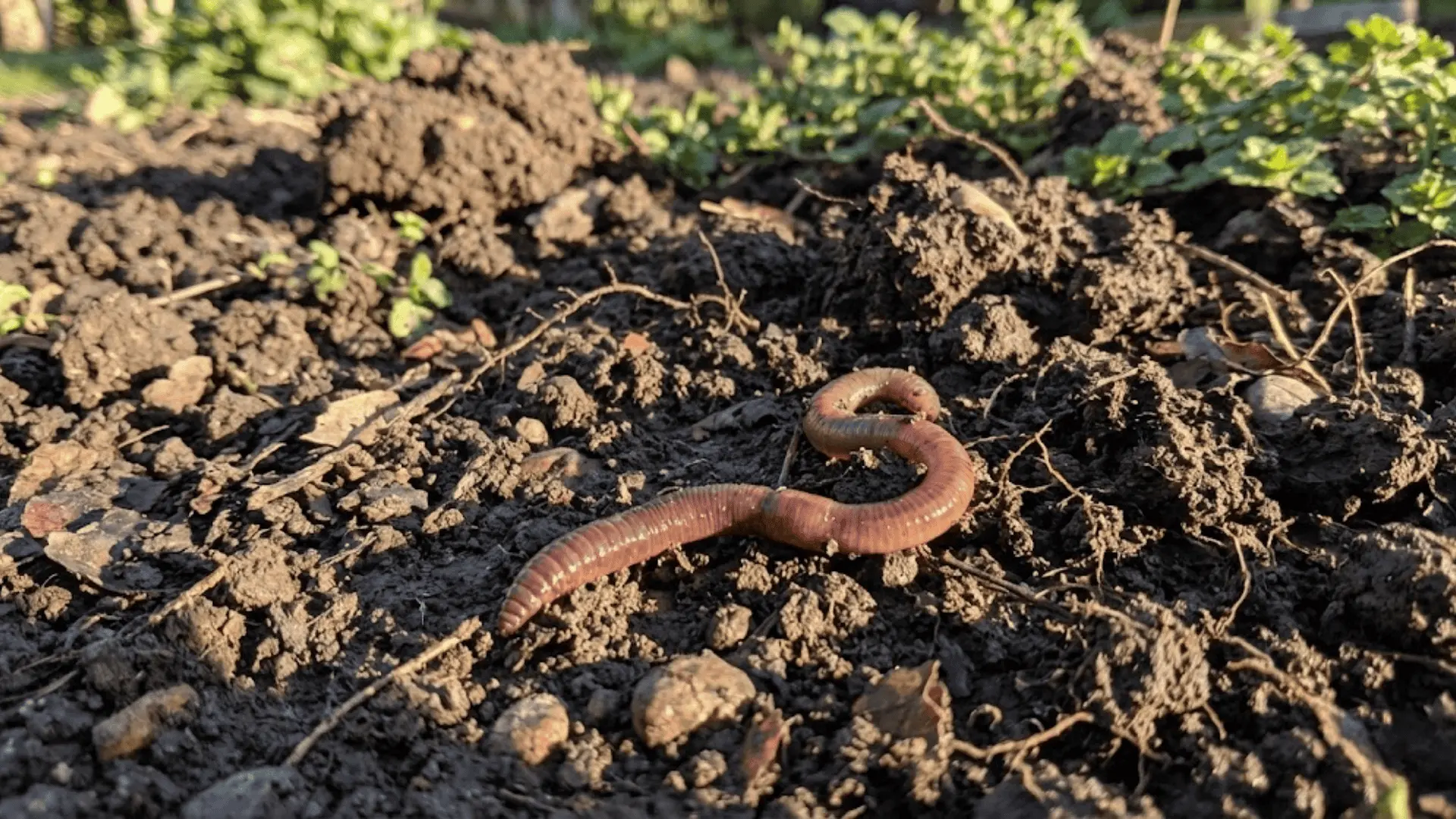
Earthworms pull organic matter deeper into the soil, breaking it down and creating tunnels that keep soil loose and breathable.
This movement stirs up microbial activity, improves drainage, and gives roots the room they need to spread. A garden with an active earthworm presence tends to have richer, darker topsoil and far more accessible nutrients.
Signs of healthy earthworm activity:
- Loose, crumbly soil texture
- Visible castings on the soil surface
- Dark, rich-looking topsoil
- Easy penetration when pressing into the ground
2. Soil Mites – The Decomposers
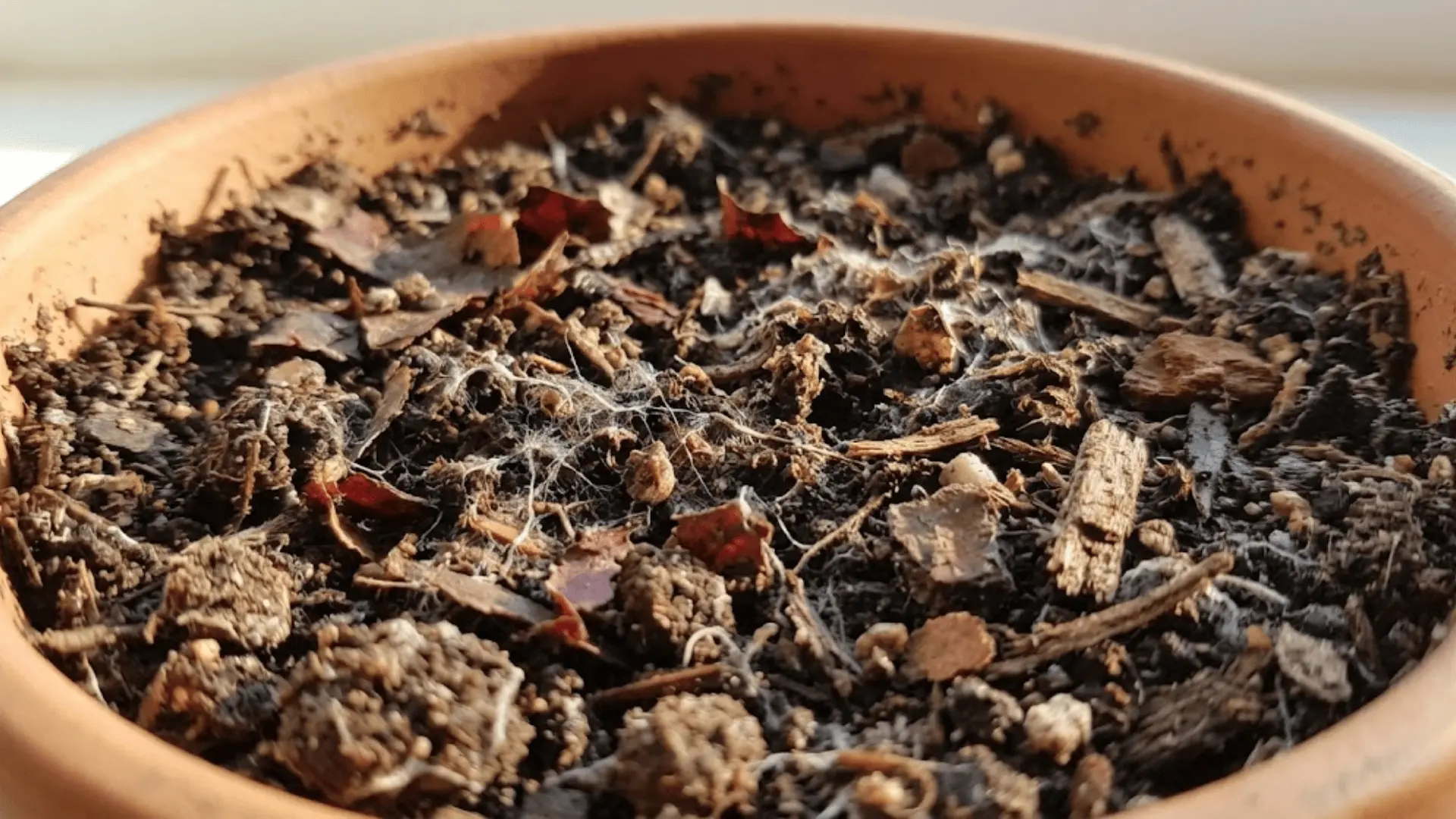
Soil mites feed on decaying leaves, fungi, and organic debris, breaking down material that would otherwise attract harmful pathogens. They speed up decomposition, recycle nutrients, and keep fungal populations balanced.
In moderate numbers, they signal a healthy ecosystem. A sudden spike usually points to overwatering or poor drainage, creating conditions in which they thrive.
Signs of soil mite concern:
- Waterlogged or consistently damp soil
- Visible fungal overgrowth on the soil surface
- Sudden surge in mite population
- Poor drainage paired with heavy organic buildup
3. Nematodes – The Microscopic Regulators
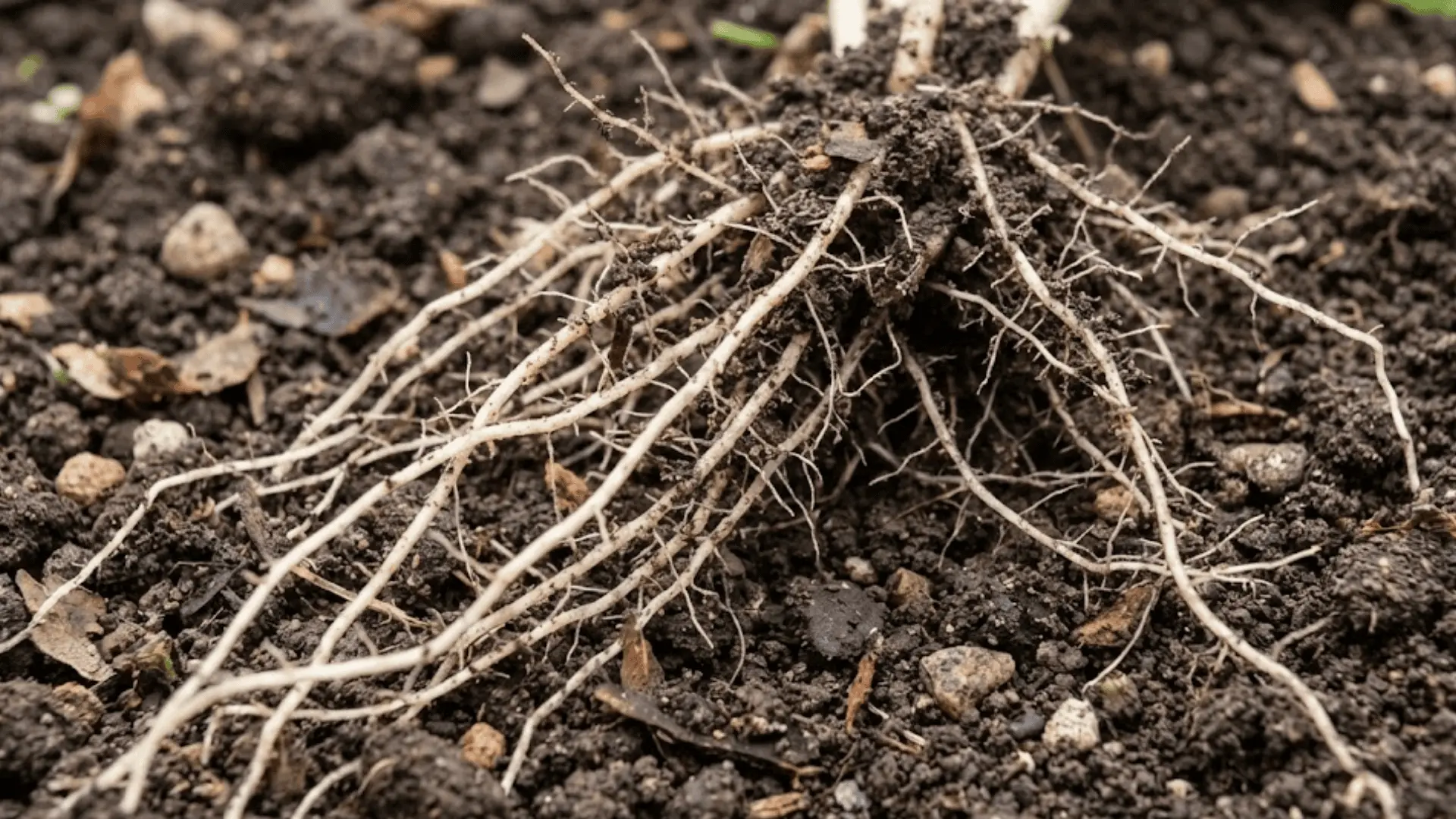
Nematodes are not all the same. Predatory types hunt harmful soil pests, acting as a built-in pest control system.
Parasitic ones feed directly on plant roots, disrupting water and nutrient intake, and since soil bug identification is not always straightforward, their damage often stays invisible until the plant begins showing stress above ground.
Signs of harmful nematode activity:
- Stunted or slow plant growth
- Yellowing leaves despite proper care
- Visible galls or knots along the roots
- Wilting that does not improve with watering
4. Springtails – The Fungal Controllers
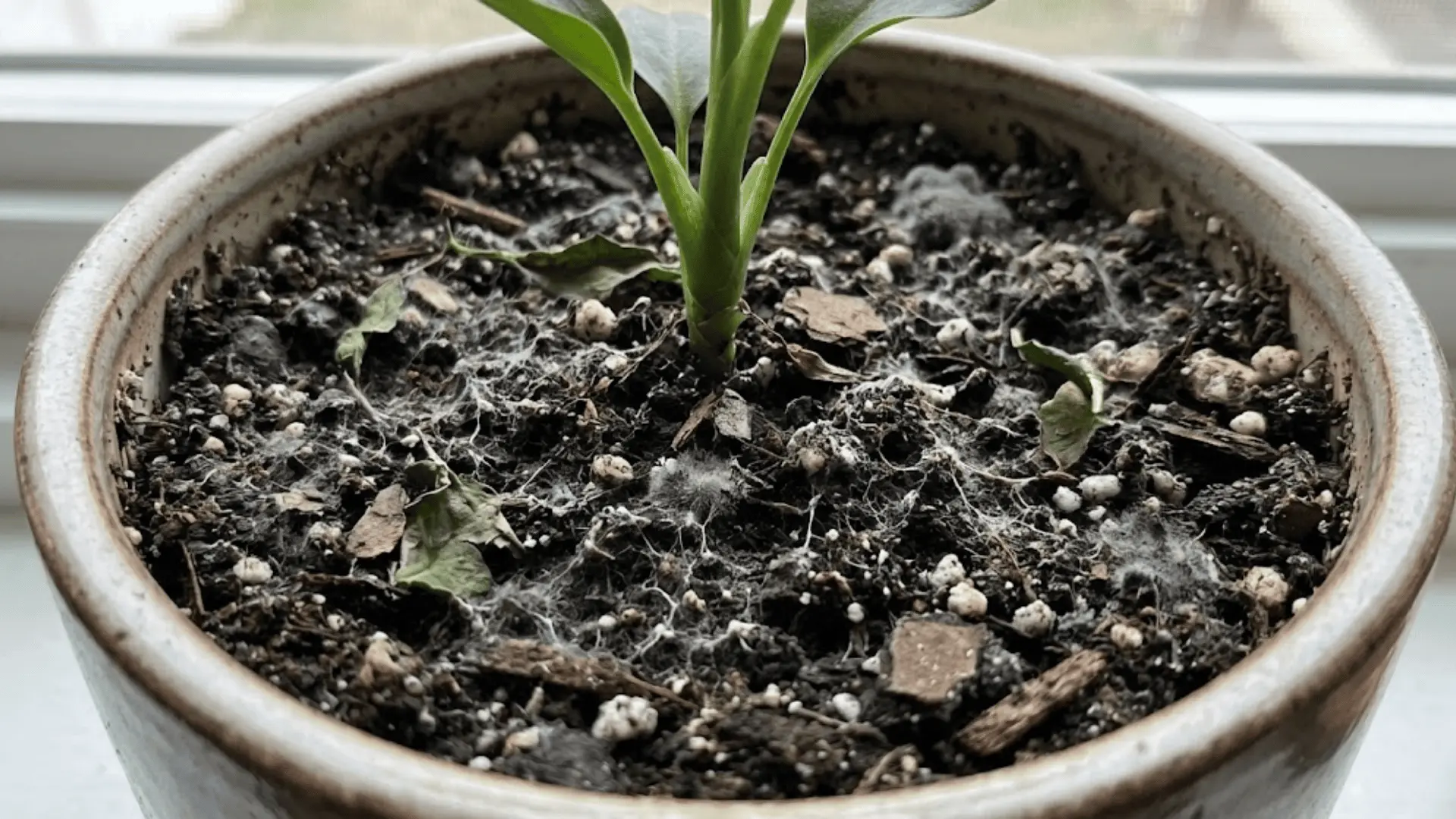
Springtails live in the upper soil layers, feeding on fungi, mold, and decaying matter. They prevent fungal overgrowth and support compost breakdown.
In moderate numbers, they actually signal healthy soil. When their population spikes, it is almost always a response to excess moisture and poor drainage rather than direct plant damage.
Signs of springtail population spike:
- Consistently overwatered soil
- Poor or blocked drainage
- Excessive organic buildup on the soil surface
- High humidity in enclosed growing spaces
5. Beneficial Bacteria and Fungi – The Nutrient Converters
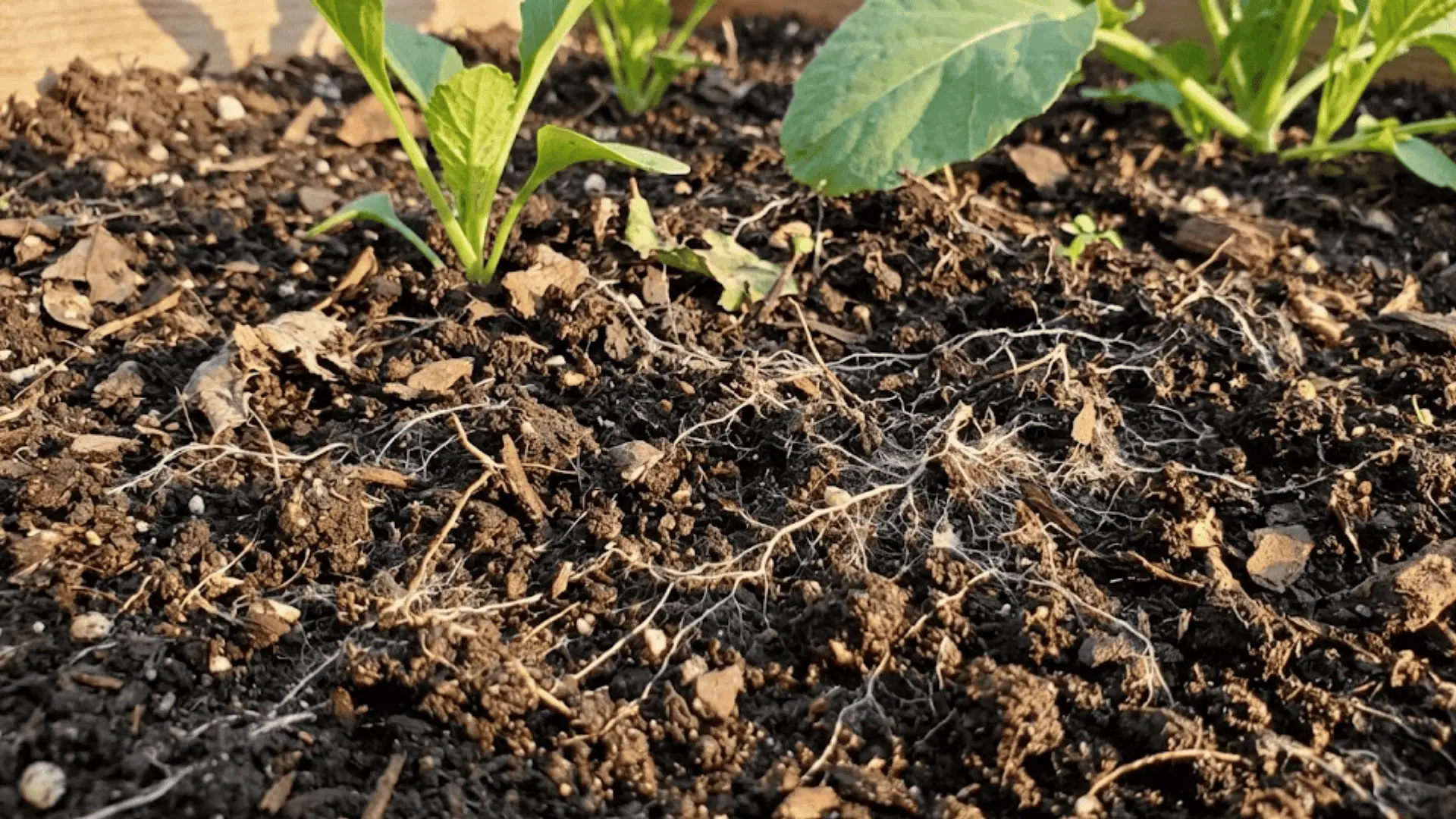
Beneficial bacteria fix nitrogen, decompose organic matter, and continuously release nutrients into the soil. Mycorrhizal fungi partner directly with plant roots, extending their reach and improving absorption.
Together, they crowd out harmful pathogens and trigger the plant’s own defense responses, building resilience quietly and consistently beneath the surface.
Signs of a healthy bacterial and fungal environment:
- Rich, earthy smell after watering
- Strong, consistent plant growth
- Reduced disease pressure over time
- Visible white fungal threads in healthy compost or soil
How These Soil Creatures Work Together?
No single soil creature works in isolation. Each one plays a role that feeds into another, creating a food web that keeps the entire ecosystem moving.
Predators keep prey populations in check, decomposers break down what others leave behind, and fungi and bacteria tie it all together by converting everything into something plants can actually use.
The result is a self-regulating system that improves soil structure, cycles organic matter, and supports plant health without any outside intervention needed.
| Creature | Size | Primary Role | Benefit to Plants | When Problematic |
|---|---|---|---|---|
| Earthworms | 2–30 cm | Aeration and decomposition | Better drainage and nutrients | Rarely |
| Soil Mites | 0.1–2 mm | Decomposition | Faster nutrient recycling | Overwatering |
| Nematodes | 0.1–2.5 mm | Pest regulation | Natural pest control | Parasitic types |
| Springtails | 0.25–6 mm | Fungal control | Prevents mold buildup | Excess moisture |
| Bacteria and Fungi | Microscopic | Nutrient conversion | Stronger immunity and absorption | Chemical overuse |
How to Encourage Beneficial Soil Life?
Supporting your soil ecosystem does not require much, just a few consistent habits that create the right conditions for life to thrive.
- Add compost regularly to feed beneficial bacteria and fungi.
- Avoid over-tilling, which disrupts soil structure and harms existing organisms.
- Cut back on chemical pesticides that wipe out beneficial creatures alongside harmful ones.
- Maintain steady moisture levels without letting the soil stay waterlogged.
- Mulch regularly to retain moisture, regulate temperature, and feed the soil over time.
Small, consistent choices build the kind of soil that takes care of your plants long before you even notice a difference.
When Soil Creatures Become Harmful
Most soil creatures are on your side, but the balance can tip when growing conditions go wrong. Understanding types of garden pests makes it easier to tell what is a natural part of your soil ecosystem and what actually needs attention.
Here is what to watch for.
- Parasitic nematodes attack roots, causing stunted growth and wilting.
- Overpopulation of mites or springtails triggered by consistently poor drainage.
- Fungal overgrowth takes hold when moisture levels stay too high for too long.
- A chemically overloaded soil that wipes out beneficial organisms and leaves harmful ones unchecked.
Healthy soil is about balance, and when one thing shifts too far, the rest of the ecosystem feels it.
Final Thoughts
Healthy soil is not something you build overnight, but once you understand what is living inside it, every gardening decision starts to make more sense.
The five common soil creatures and their roles in plant health are worth knowing because they change the way you see your garden from the ground up.
Work with your soil, keep it balanced, and it will quietly take care of the rest.
Have you noticed any of these creatures in your garden? Drop a comment below and share what your soil has been telling you.