

Ancient Chinese scholars believed a room could either hold you or unsettle you while you slept, and they built an entire practice around figuring out why.
That practice is feng shui, and in the bedroom, it comes down to one decision more than any other, where your bed sits in the room.
I have tested this shift in my own space, and it changes how the whole room feels almost right away.
Get it right, and everything else starts falling into place, a space that feels grounded, open, and calm enough to actually let go in.
So let us get into the practical shifts that make that happen, and what to do when your layout has other plans.
What is Feng Shui for a Bedroom?
Everything in the room follows the bed, so that is where feng shui begins.
The goal is the commanding position, a spot where you can see the door without lying directly in its path, and a solid wall behind the headboard instead of a window.
I moved my own bed into this spot last year, and within days the room felt different, calmer, easier to settle into.
Once the bed sits right, the rest of the room starts to follow its lead. Support, clear circulation, and visual calm all build off that one placement.
Matching pairs like two nightstands add quiet balance, while soft lighting and a few intentional pieces keep the space feeling steady instead of staged.
How to Arrange a Feng Shui Bedroom in 3 Steps?
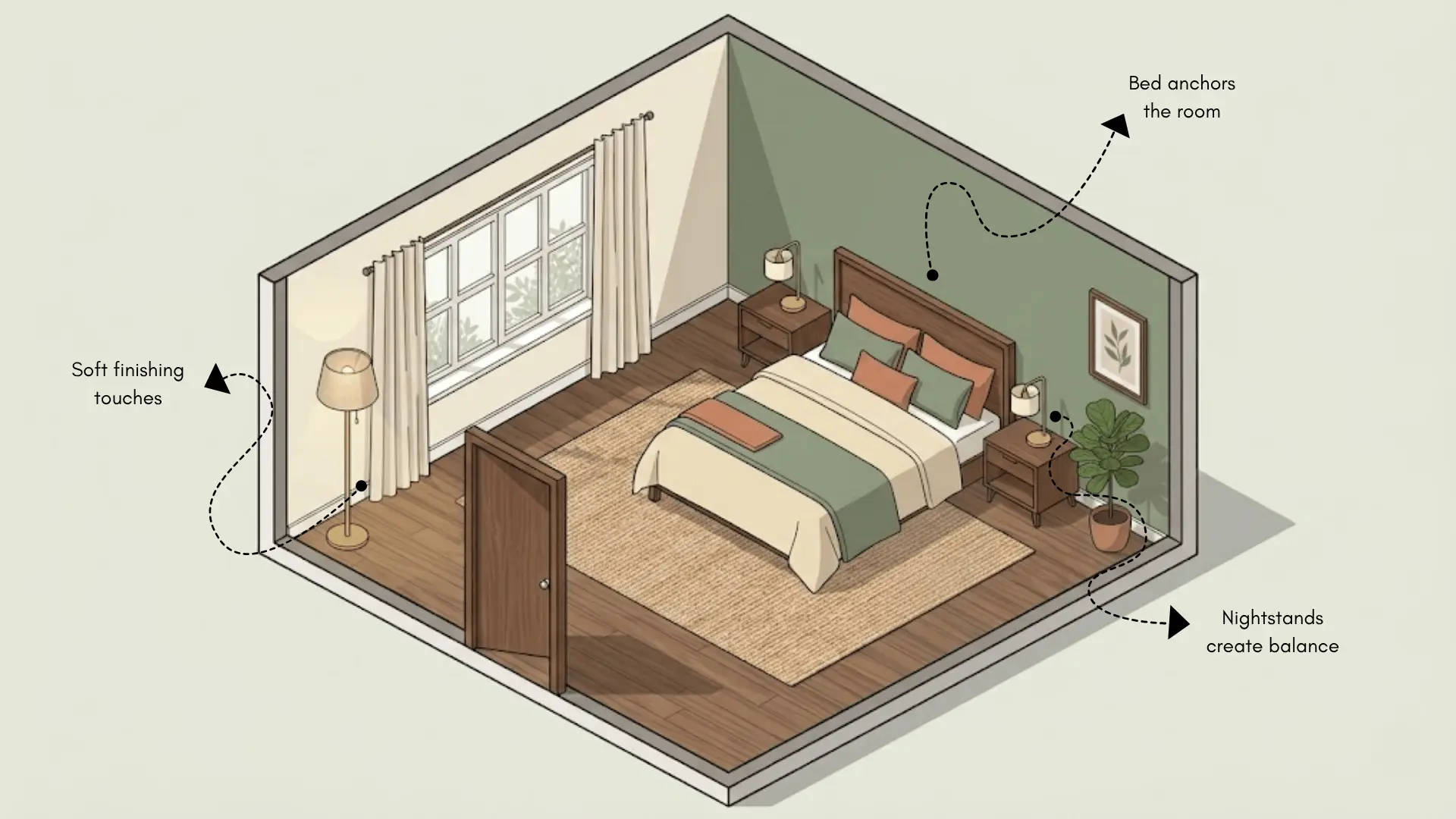
Once you know the theory, the real work is arranging your own room. These three steps take you from an empty floor plan to a bedroom that actually feels restful.
Step 1: Start With Your Bed Placement
Everything else in the room takes its cue from this one decision, so it is worth getting right before you touch anything else.
- Find the strongest solid wall in the room, one without windows or a door.
- Position the headboard against that wall so you can see the door while lying in bed.
- Avoid lining the bed up directly with the door, even if the wall placement is right.
- Make sure the head of the bed has full support, not a window or empty space behind it.
- Leave room to walk on both sides of the bed if your layout allows it.
Step 2: Balance the Space Around the Bed
With the bed settled, the next job is making sure nothing around it feels lopsided or in the way.
- Add nightstands or similarly weighted furniture on either side of the bed.
- Keep the main walking path from the door to the bed clear.
- Check that dressers and larger furniture do not block movement or crowd the bed.
- Confirm every door and drawer near the bed opens without hitting furniture.
- Move anything visually busy, like piles of clothes or stacked boxes, away from the sleeping area.
Step 3: Finish With Color, Lighting, Mirrors, and Decor
This is the layer that turns a well-arranged room into one that actually feels calm to be in.
- Stick to a calming, low-contrast palette instead of bold or busy colors.
- Layer your lighting with overhead, bedside, and ambient sources instead of one harsh light.
- Reposition any mirror that faces the bed directly, even a small one.
- Bring in natural materials like wood, cotton, or linen for warmth.
- Clear out unused objects and put screens or chargers somewhere out of sight.
19 Feng Shui Bedroom Do’s and Don’ts
These shifts cover everything from bed placement to lighting and decor. Each one builds on the last, so by the end you will have a full picture of what a calm, balanced bedroom actually looks like.
Do: Put Your Bed in the Commanding Position
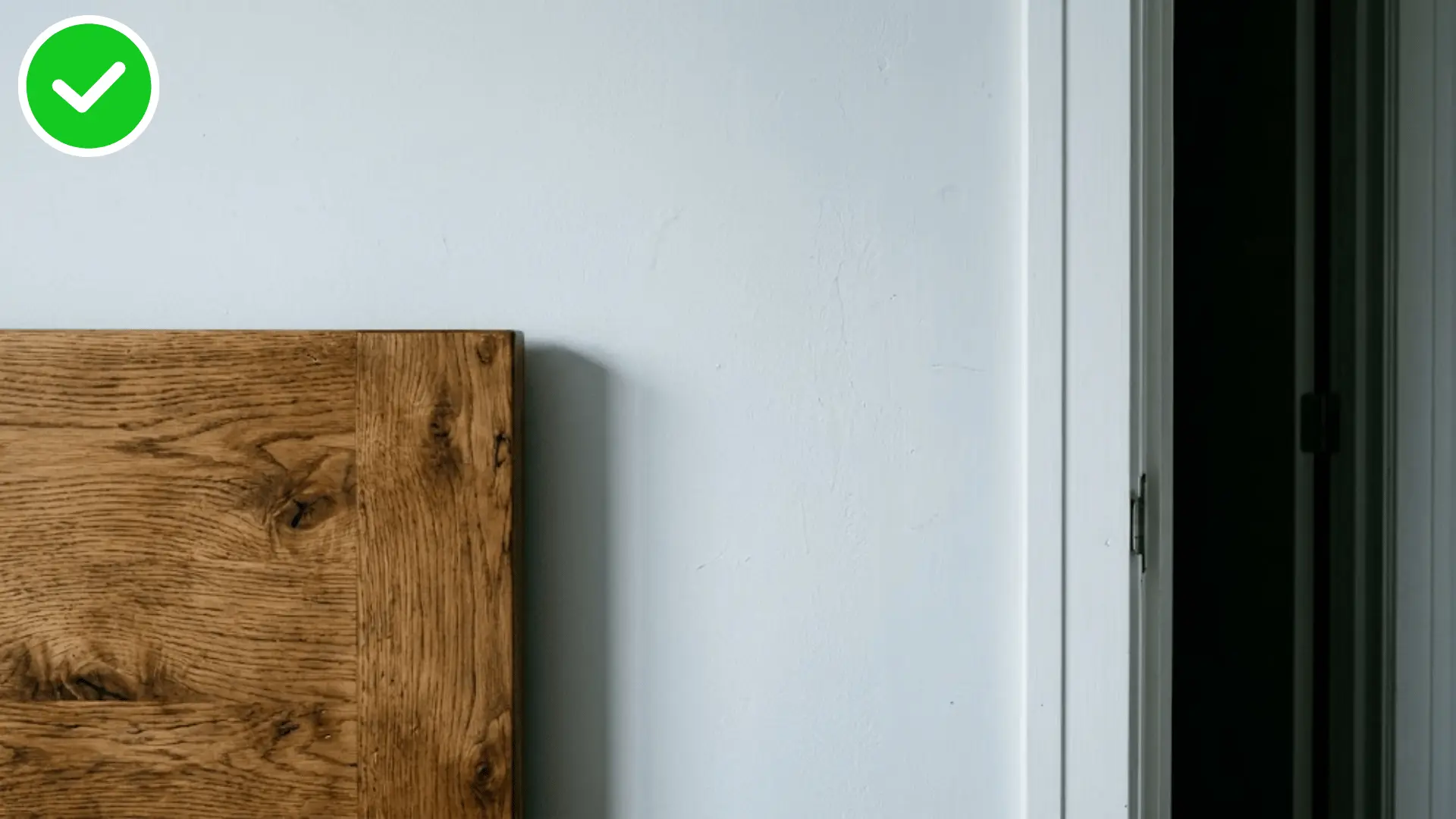
This is the foundational rule in feng shui, and everything else in the room builds on it. Place your bed so you can see the door from where you sleep, but avoid lining up directly with it.
A solid wall should sit behind the headboard for support. This single placement shapes how safe and settled the whole room feels, which is why it comes first on this list.
Don’t: Put Your Bed Directly in Line With the Door
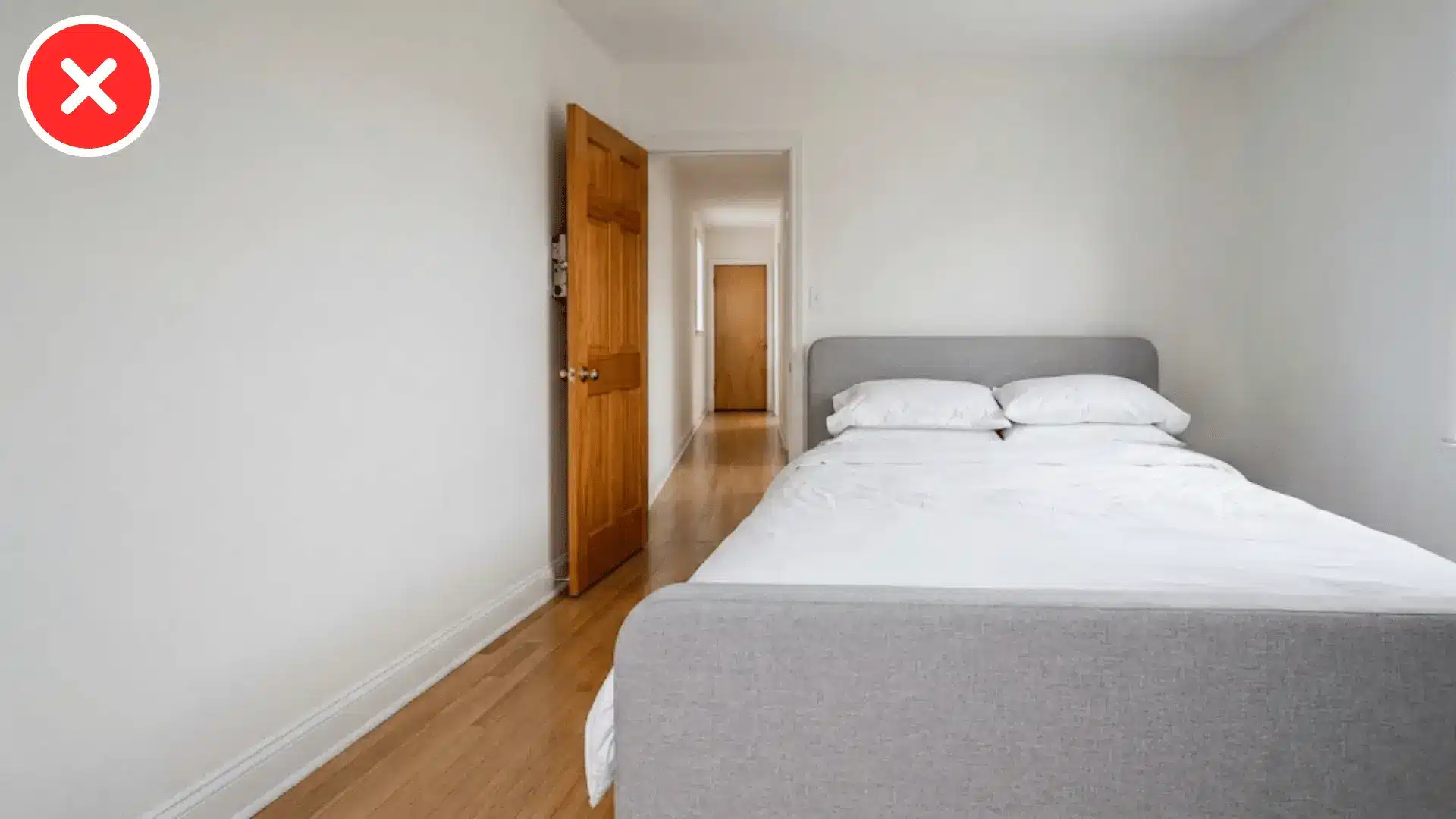
Traditional feng shui calls this the “coffin position,” since energy is believed to rush straight through the door toward the sleeper.
If moving the bed is not possible, angle it slightly or add a solid furniture piece, like a bench or footboard, to soften the direct line. Even a small shift in angle changes how exposed the bed feels from the doorway.
Do: Give Your Bed a Solid Headboard
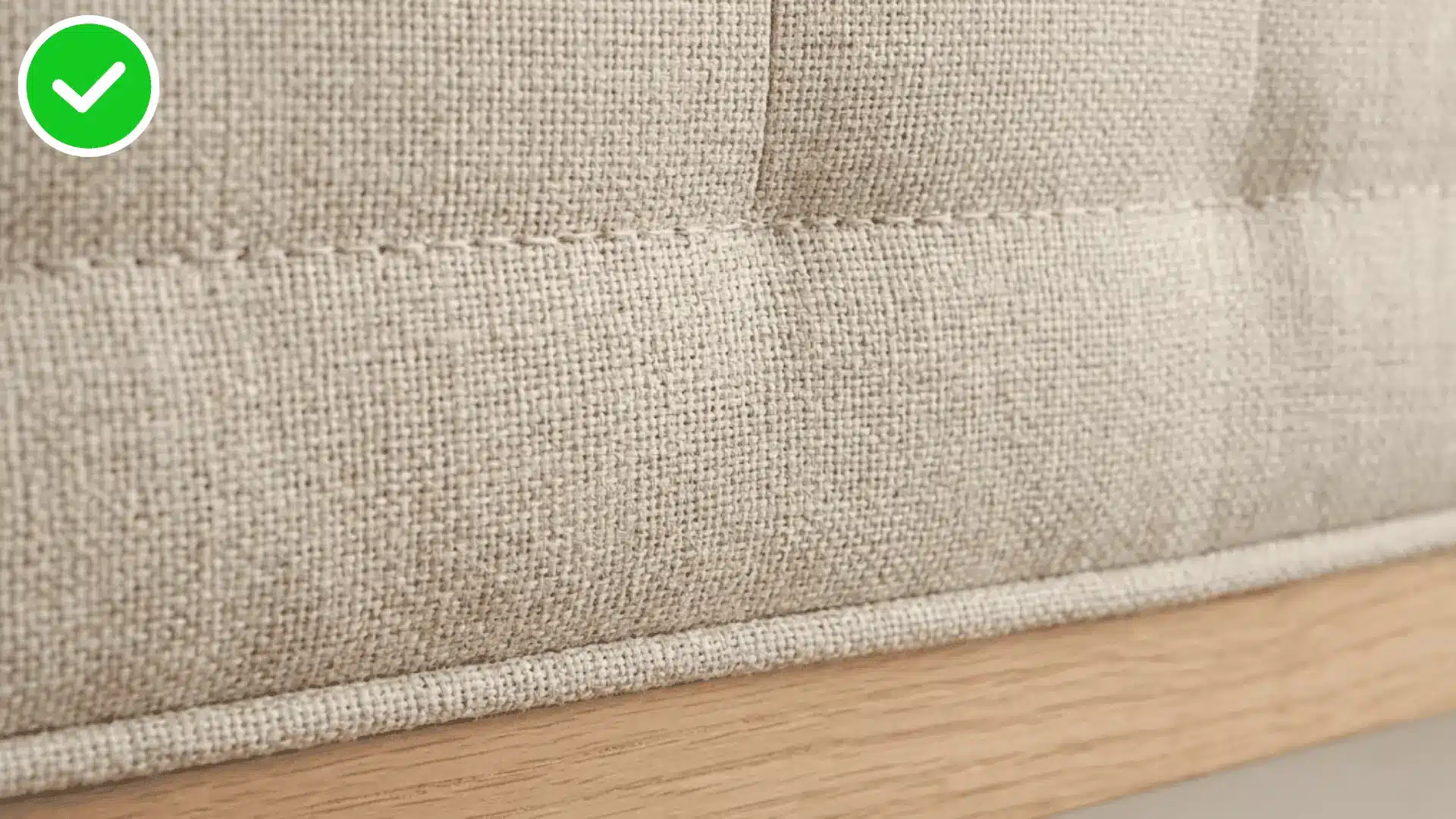
A solid headboard, whether wood or upholstered, gives the bed a sense of stability. Skip designs with wide slats, open bars, or unstable frames, since these read as unsupported in feng shui terms.
The headboard should feel sturdy enough to lean against without any wobble. This detail matters more than most people expect when they are shopping for a bed frame.
Don’t: Push the Bed Into a Corner
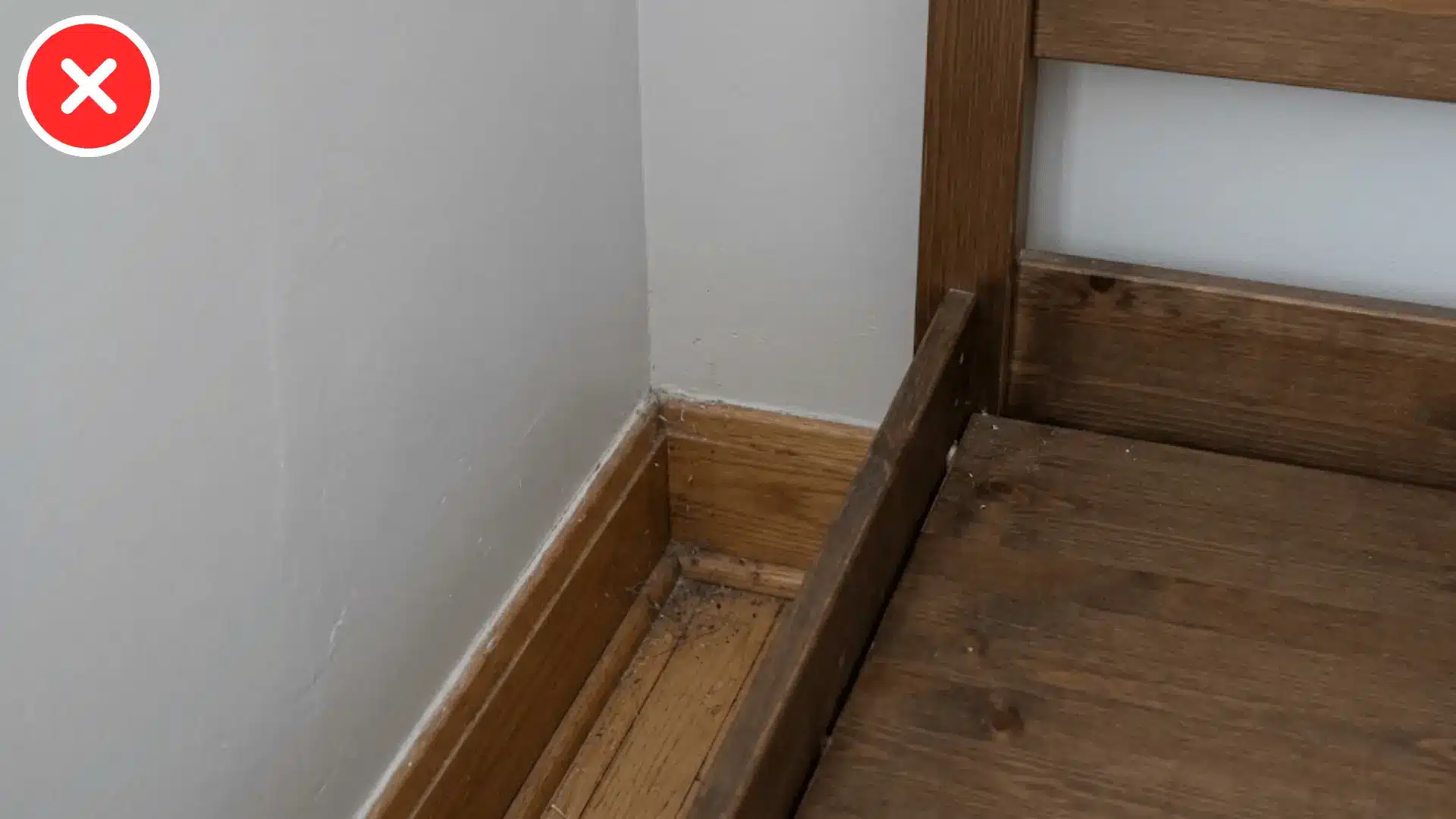
Ideally, both sides of the bed should have room to walk around, since this keeps energy and movement flowing freely. In very small bedrooms, one side against a wall is an acceptable exception.
Just try to keep at least one full walking path open, and avoid wedging the bed into a corner on both sides at once. If space is genuinely tight, a few styling tricks for a small room can free up just enough room to keep that path open.
Do: Keep Both Sides of the Bed Balanced
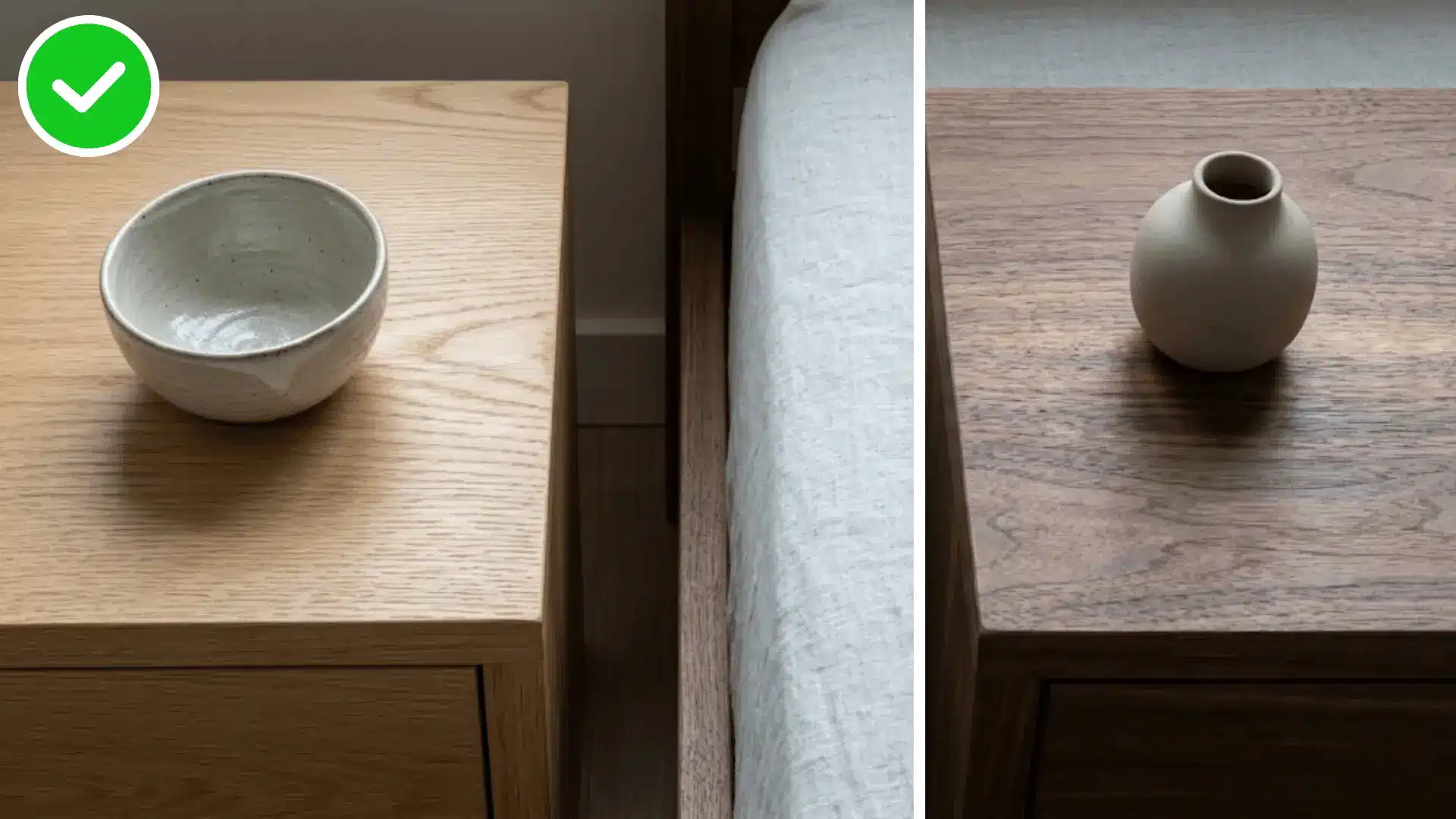
Your nightstands do not need to match exactly, but they should carry similar visual weight. A tall, bulky piece on one side and a tiny stool on the other can throw off the sense of balance.
Aim for pieces that feel proportionate to each other, even if their style, color, or shape are different.
Don’t: Let Your Nightstands Become Clutter Zones
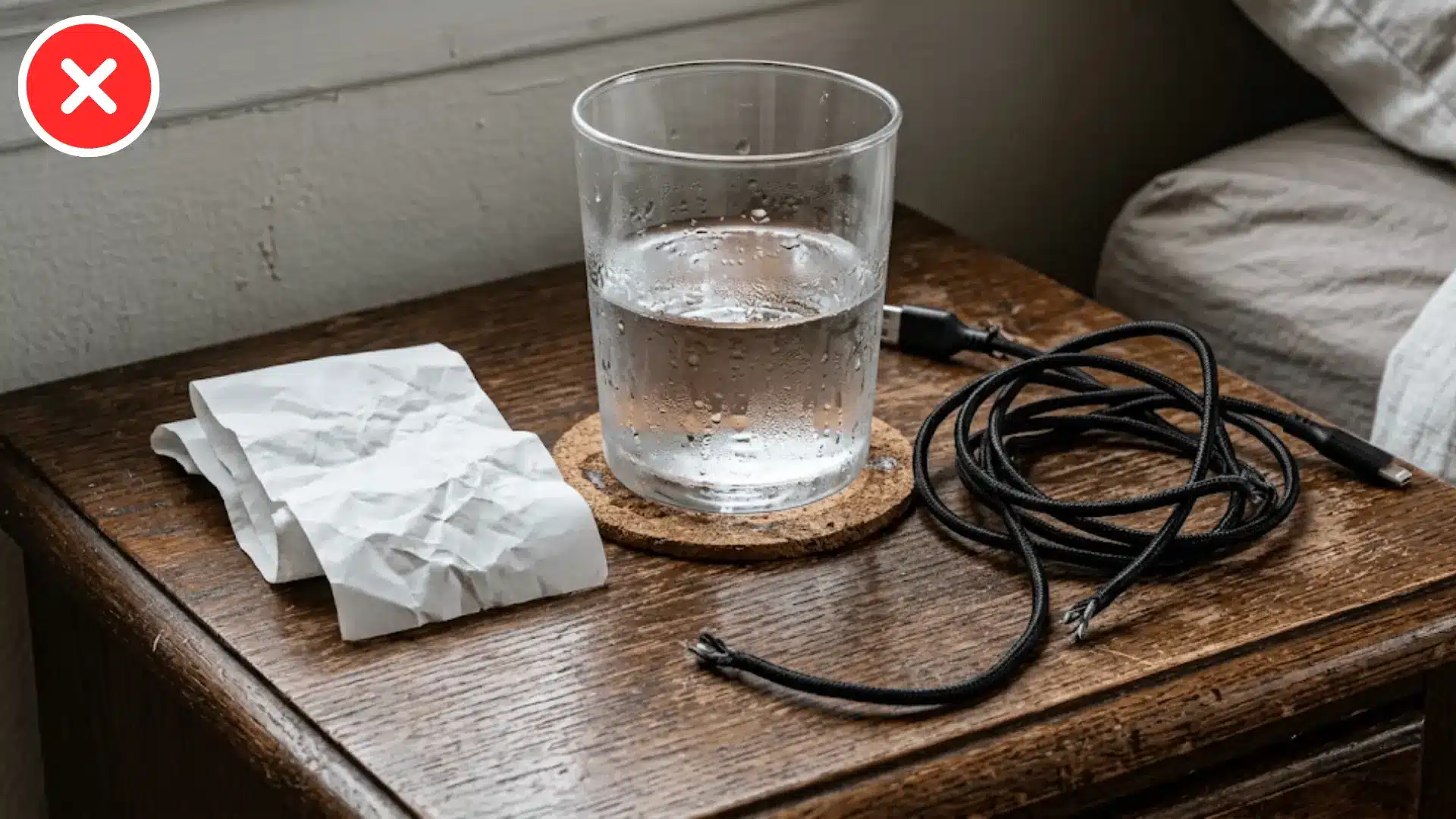
Chargers, receipts, half-empty water cups, and loose paperwork tend to pile up fast on nightstands. Clear this surface regularly, since a cluttered nightstand sits right next to where you sleep and rest.
Keep only a few intentional items here, like a lamp, a book, or a small tray, so the space feels calm rather than crowded.
Do: Keep the Space Under Your Bed Clear
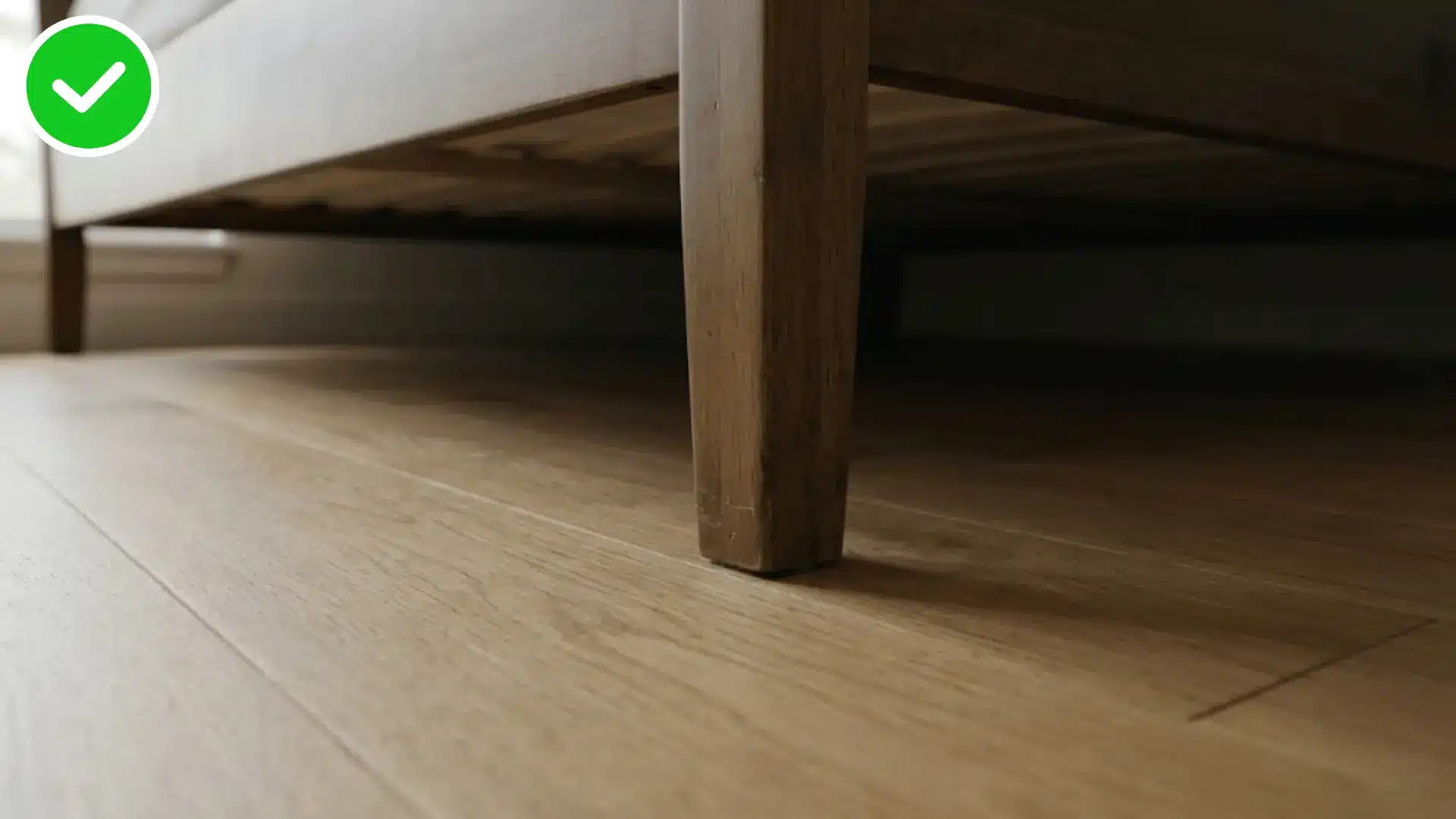
Traditional feng shui holds that open space under the bed lets energy circulate freely while you sleep. If you need storage there, keep it minimal and organized in flat bins rather than a jumble of boxes.
Avoid storing anything heavy, broken, or unused under the bed, since that clutter is believed to affect rest even out of sight.
Don’t: Use the Bedroom as a Storage Area

A bedroom stacked with extra furniture, boxes, or off-season items rarely feels restful. Reduce excess pieces where you can, and keep laundry contained in a hamper rather than piled on a chair.
If storage is unavoidable, section it off visually with a bin or basket so it doesn’t spread across the whole room. A well-chosen piece, like a wooden armoire for storage, can also absorb clutter without adding visual weight.
Do: Keep a Clear Path Around the Bed
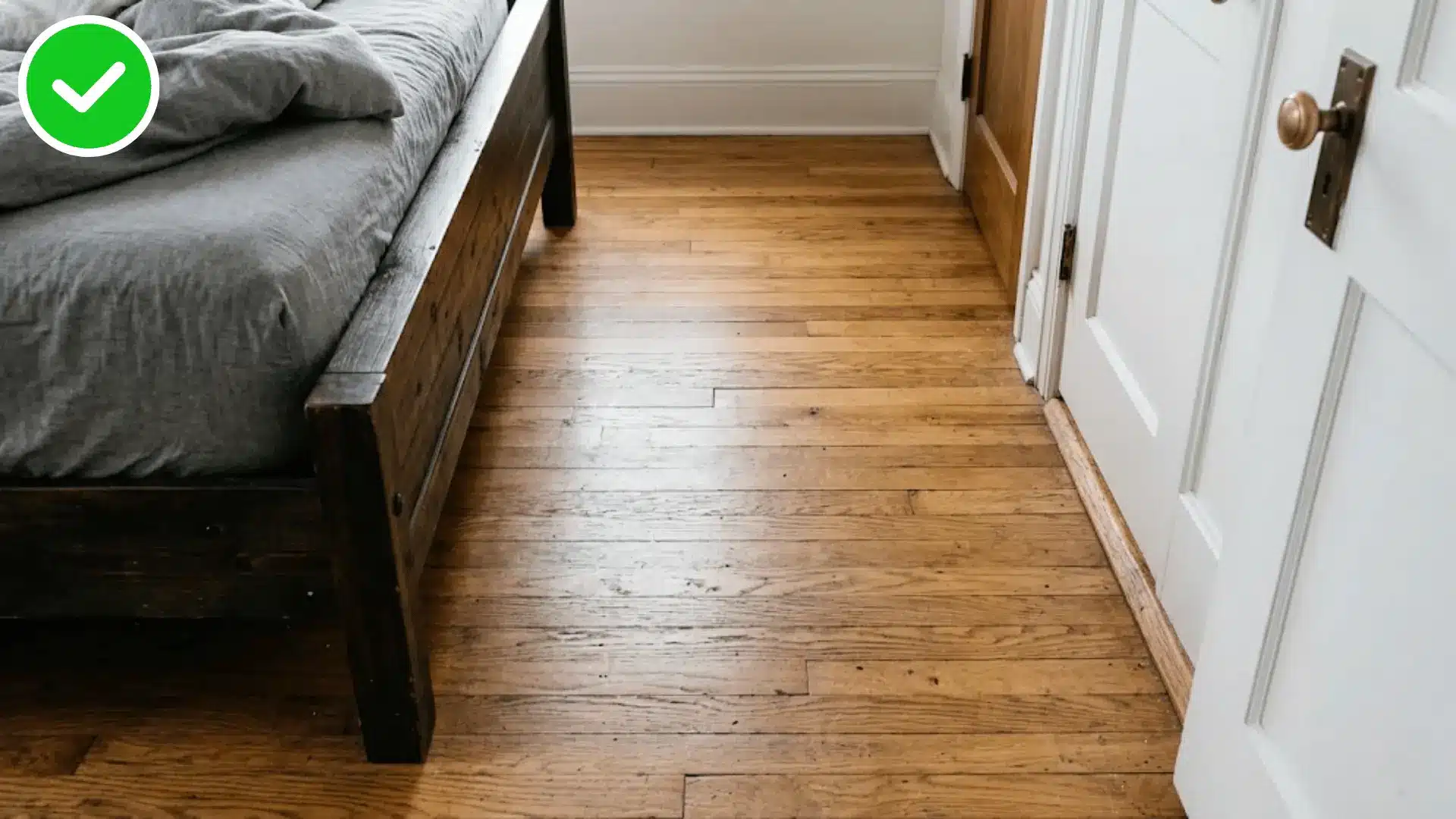
Comfortable movement should come first when arranging furniture. Check that you can walk easily to the closet, the door, any windows, and the bathroom without squeezing past furniture.
A room that flows well physically tends to feel calmer mentally too, since you are not navigating obstacles every time you move through it.
Don’t: Block Doors or Windows
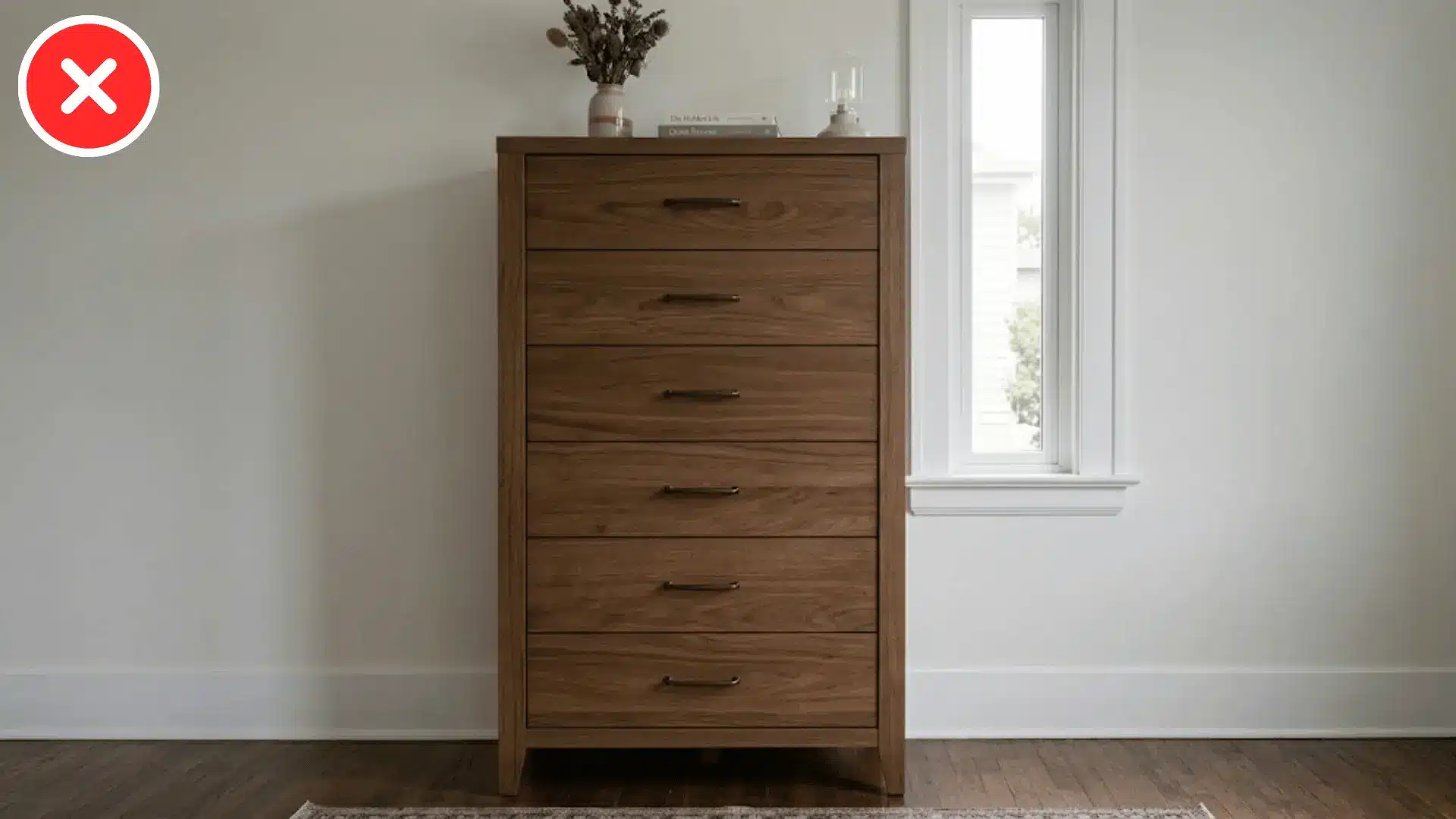
Furniture placed in front of doors or windows interferes with both movement and natural light, two things a restful bedroom depends on.
If space is tight and some blocking is unavoidable, prioritize function first: keep the door and any exits fully clear, even if a window ends up partially covered by a dresser or chair.
Do: Use Soft, Layered Lighting
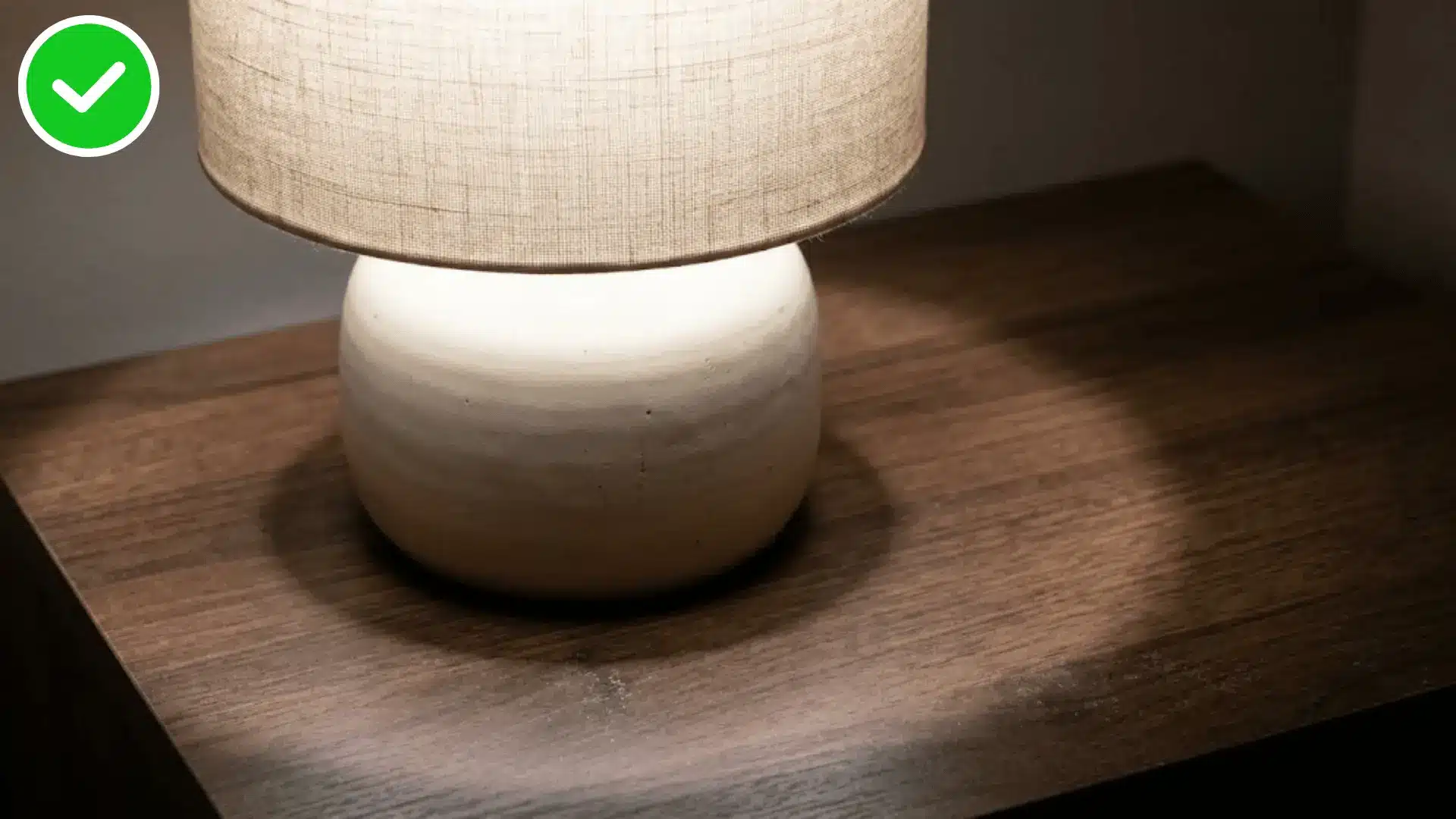
A well-lit bedroom uses more than one light source. Bedside lamps handle close, functional light, while ambient fixtures fill in the rest of the room.
Dimmers let you adjust brightness through the evening, and warm-toned bulbs feel more soothing than cool white ones. Layering these together gives you control over the room’s mood at any hour.
Don’t: Let Harsh Overhead Lighting Dominate
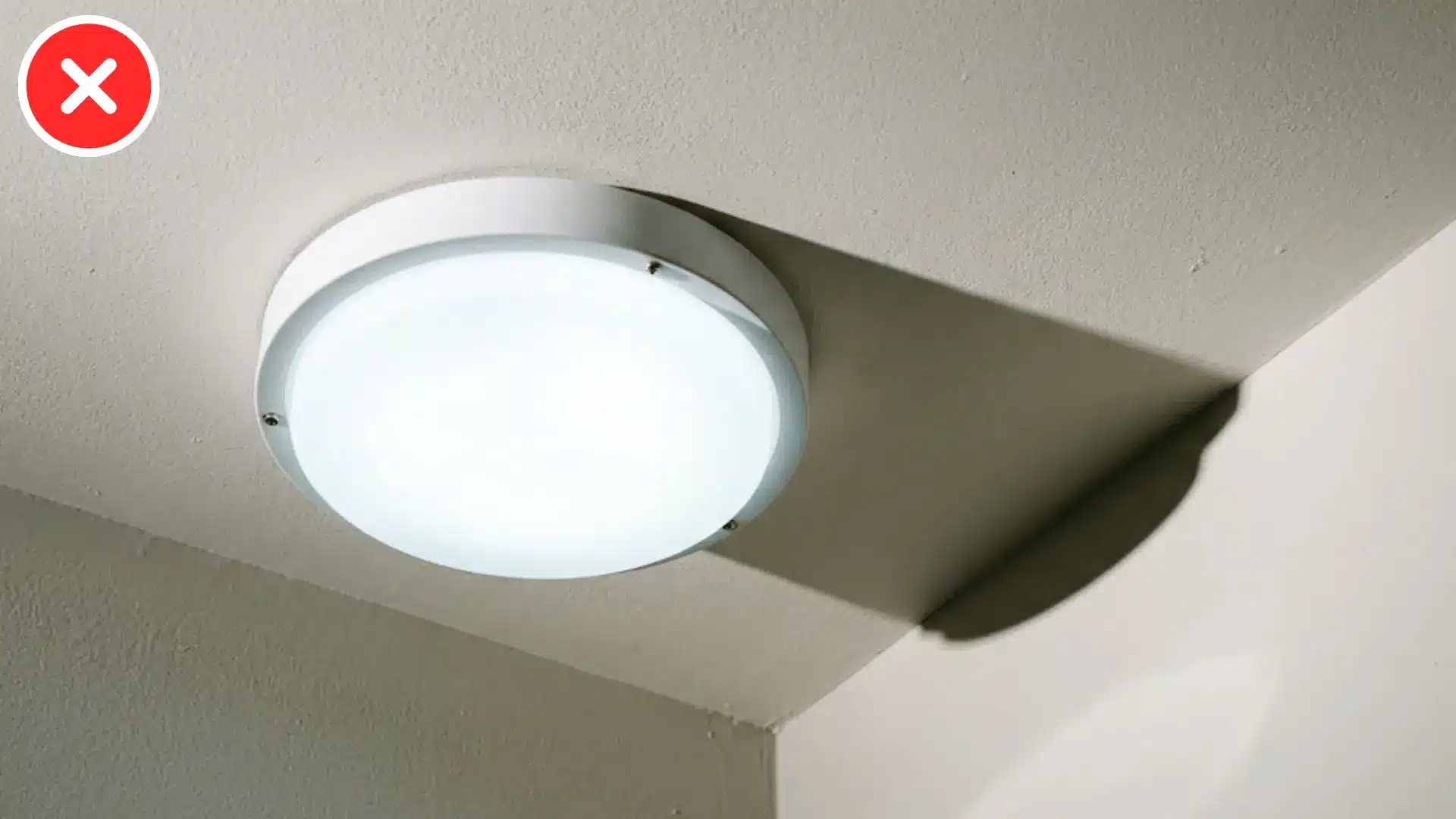
A single bright overhead light can make a bedroom feel more like an office than a place to unwind. Softer, warmer illumination signals to your body that it is time to slow down.
Save the overhead light for daytime tasks like cleaning or getting dressed, and switch to lamps or dimmed lighting once evening sets in.
Do: Choose Calming Bedroom Colors
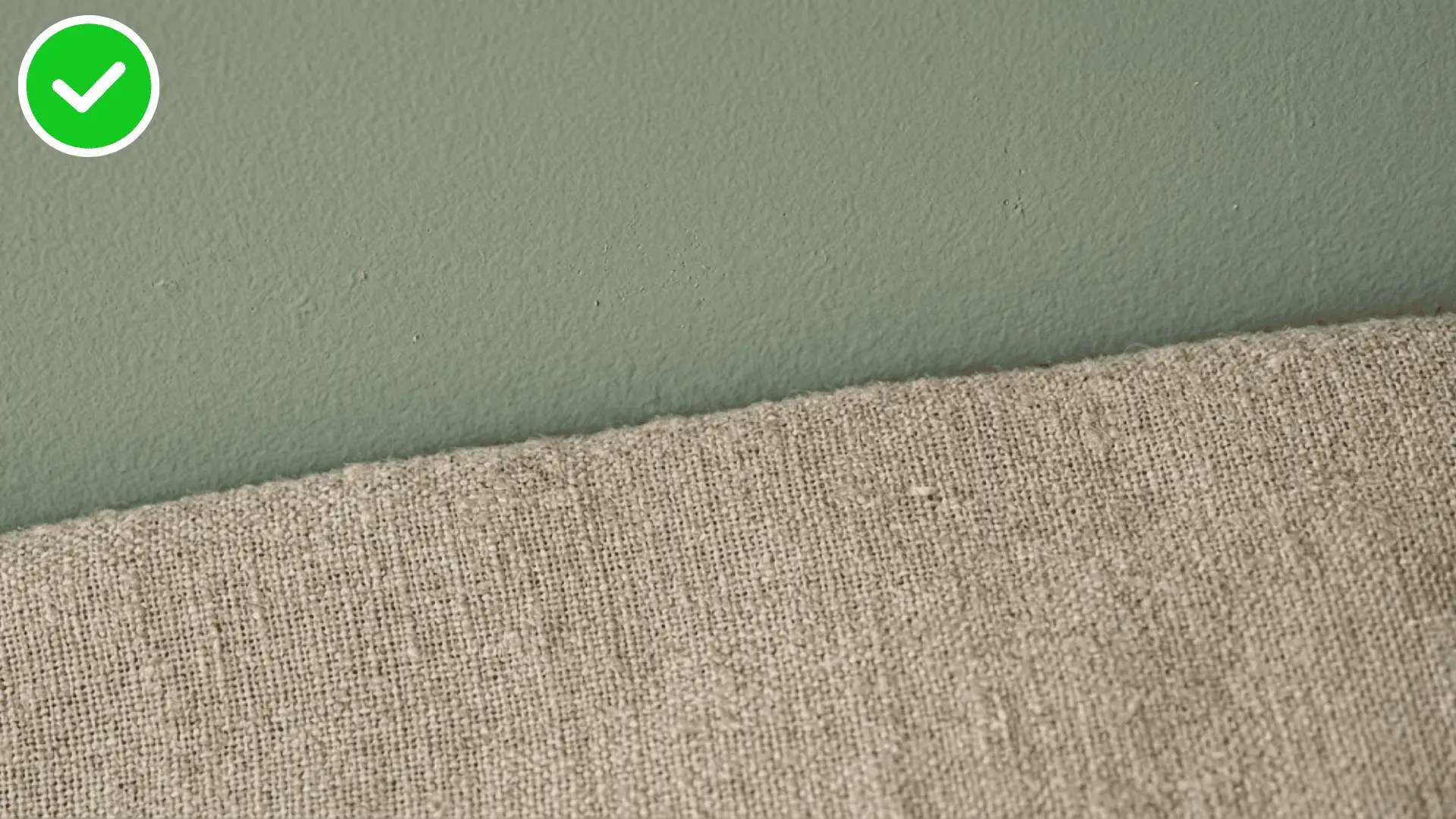
Color has a real effect on how a room feels. Warm neutrals, soft greens, muted blues, earth tones, and dusty pinks tend to read as calming and grounded.
These shades work well on walls, bedding, and larger furniture pieces, since they set a steady backdrop without competing for attention against the rest of the room.
Don’t: Treat Any Color as Universally “Bad” Feng Shui
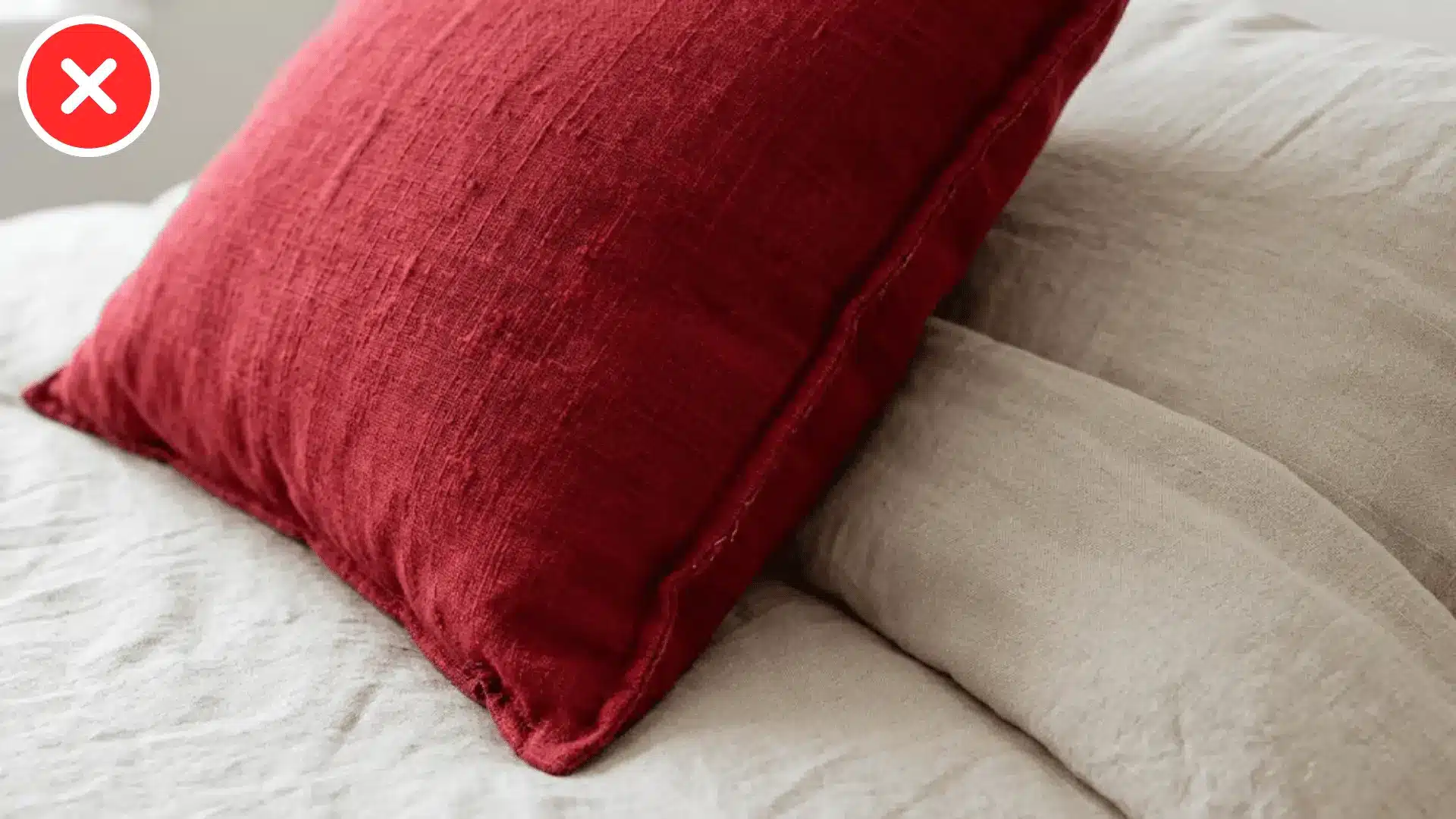
Color associations in feng shui vary by school of thought, and very few colors are considered off-limits outright.
A bold red or black can work well as a small accent, like a throw pillow or piece of art, rather than a wall color. Focus on the overall atmosphere the room creates instead of following a strict color blacklist.
Do: Be Intentional With Mirrors
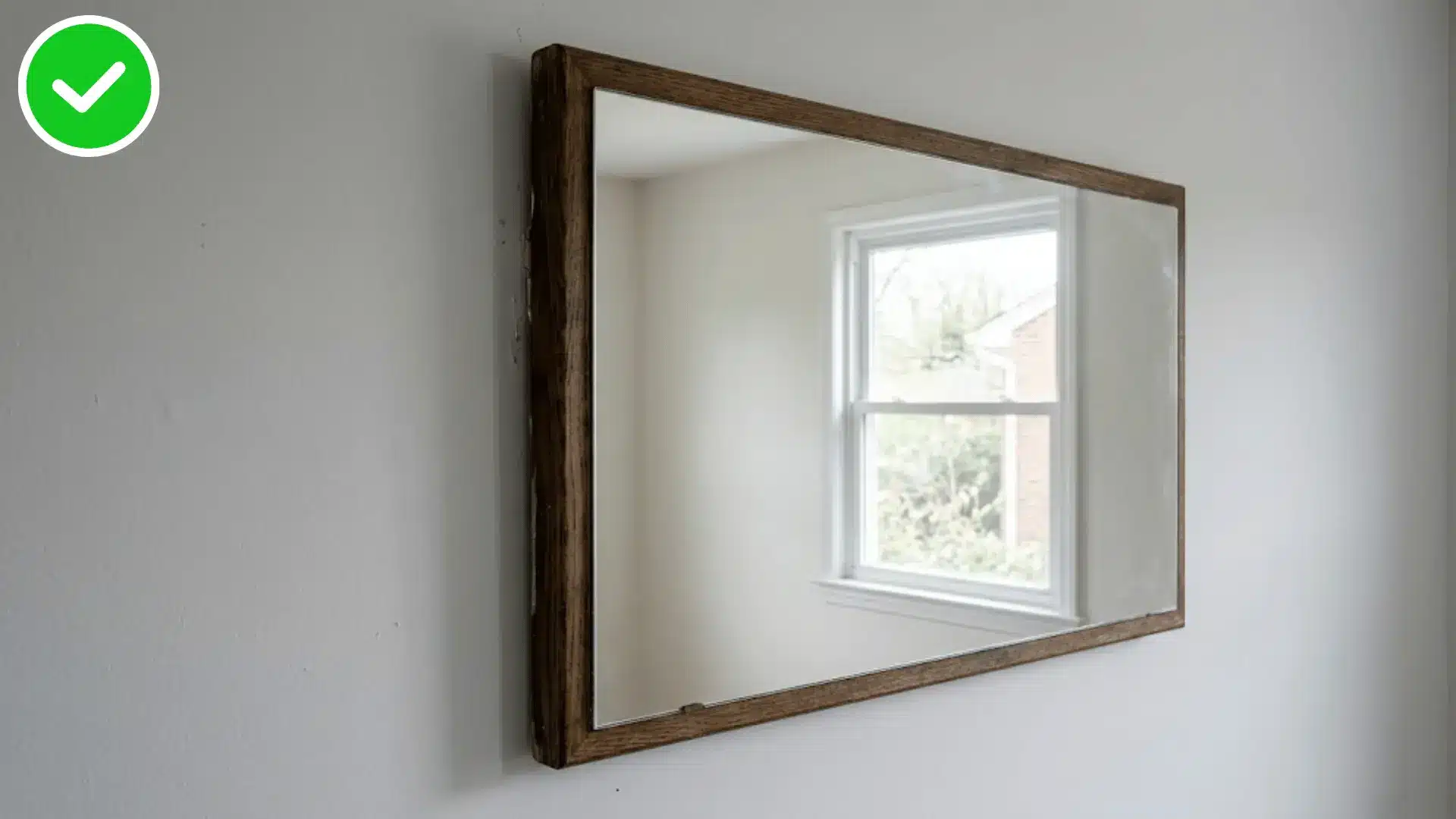
Traditional feng shui advises against a mirror that directly faces the bed, since it is believed to disturb rest.
If you have one, consider moving it to a side wall or angling it away from the bed. Mirrored closet doors are trickier to move, so a curtain or repositioned bed can help soften the effect.
Don’t: Let Work and Technology Take Over the Bedroom
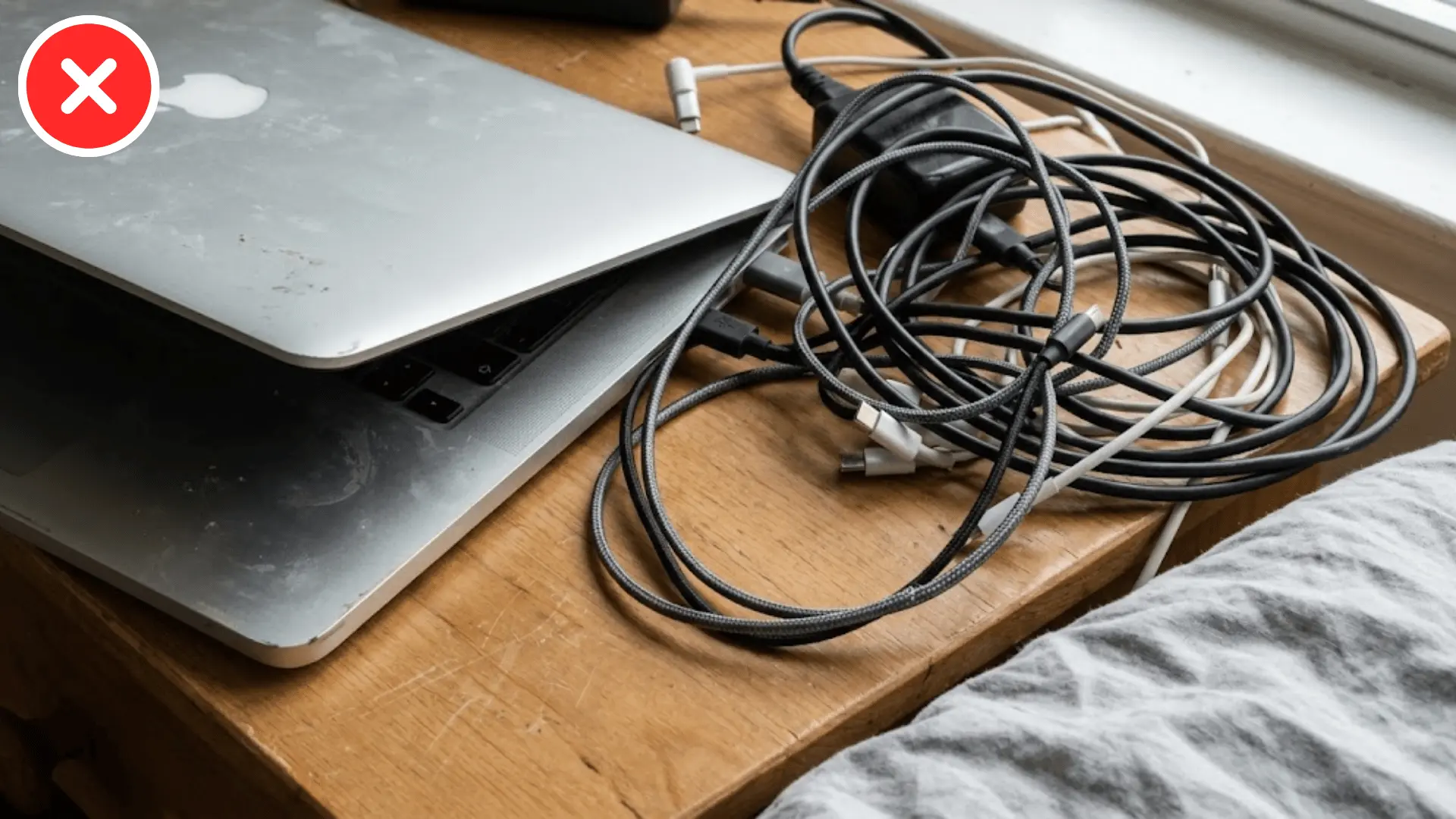
A desk piled with paperwork, a TV mounted across from the bed, or a tangle of charging cables can make it hard for your mind to switch into rest mode.
Keep work materials and electronics contained to one corner if you cannot remove them entirely, and create a clear visual line between the sleep area and everything else.
Do: Use Natural Materials and Meaningful Decor
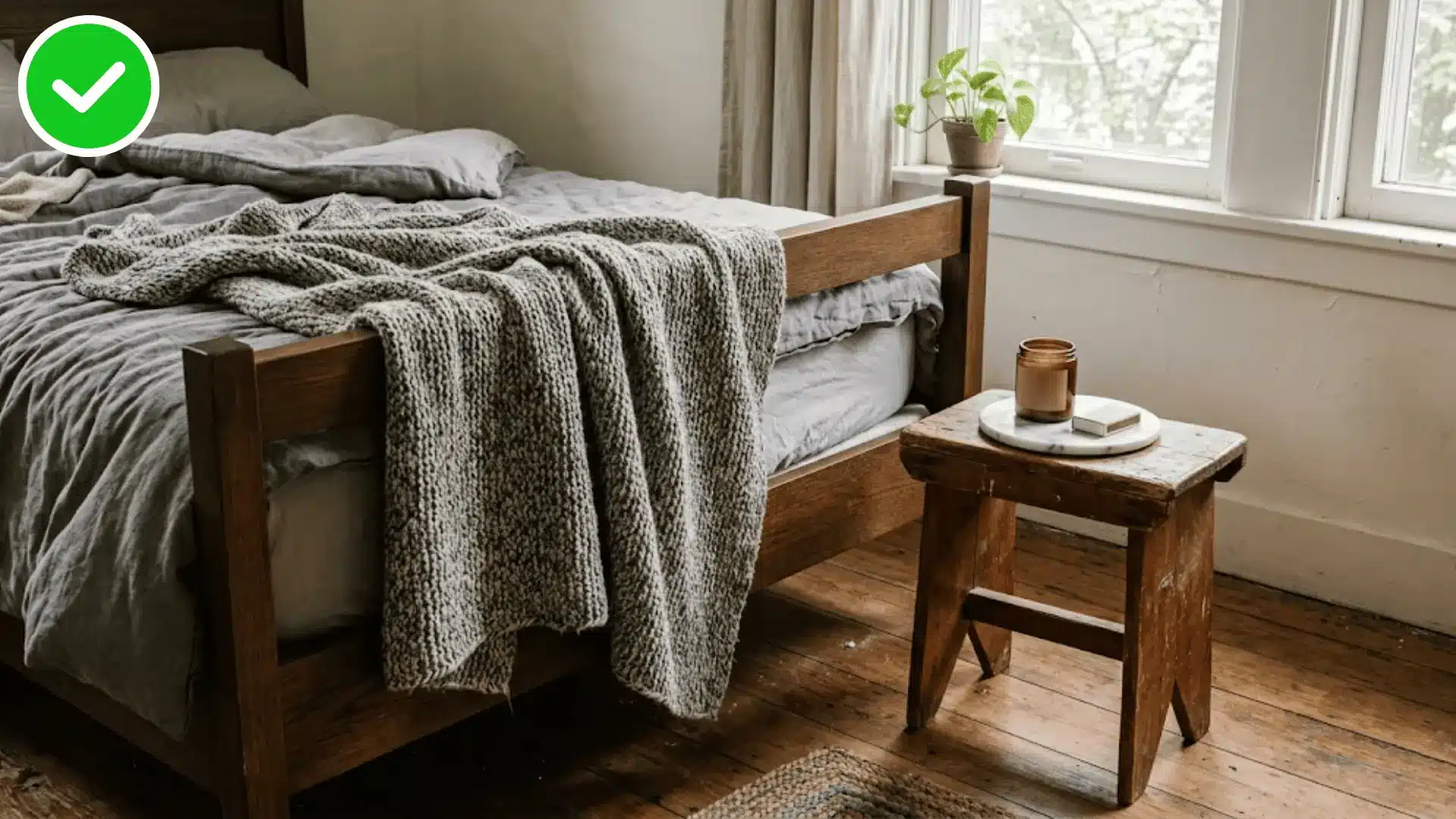
Materials like wood, linen, cotton, wool, and stone bring warmth and texture into a bedroom in a way synthetic materials rarely match. Layer these into bedding, rugs, and furniture where you can.
Personal artwork or objects that genuinely mean something to you add character too, without needing to fill every empty surface in the room.
If you are adding framed pieces, hanging pictures at the right height keeps them feeling intentional rather than randomly placed.
Don’t: Overload the Bedroom With Plants and Decor
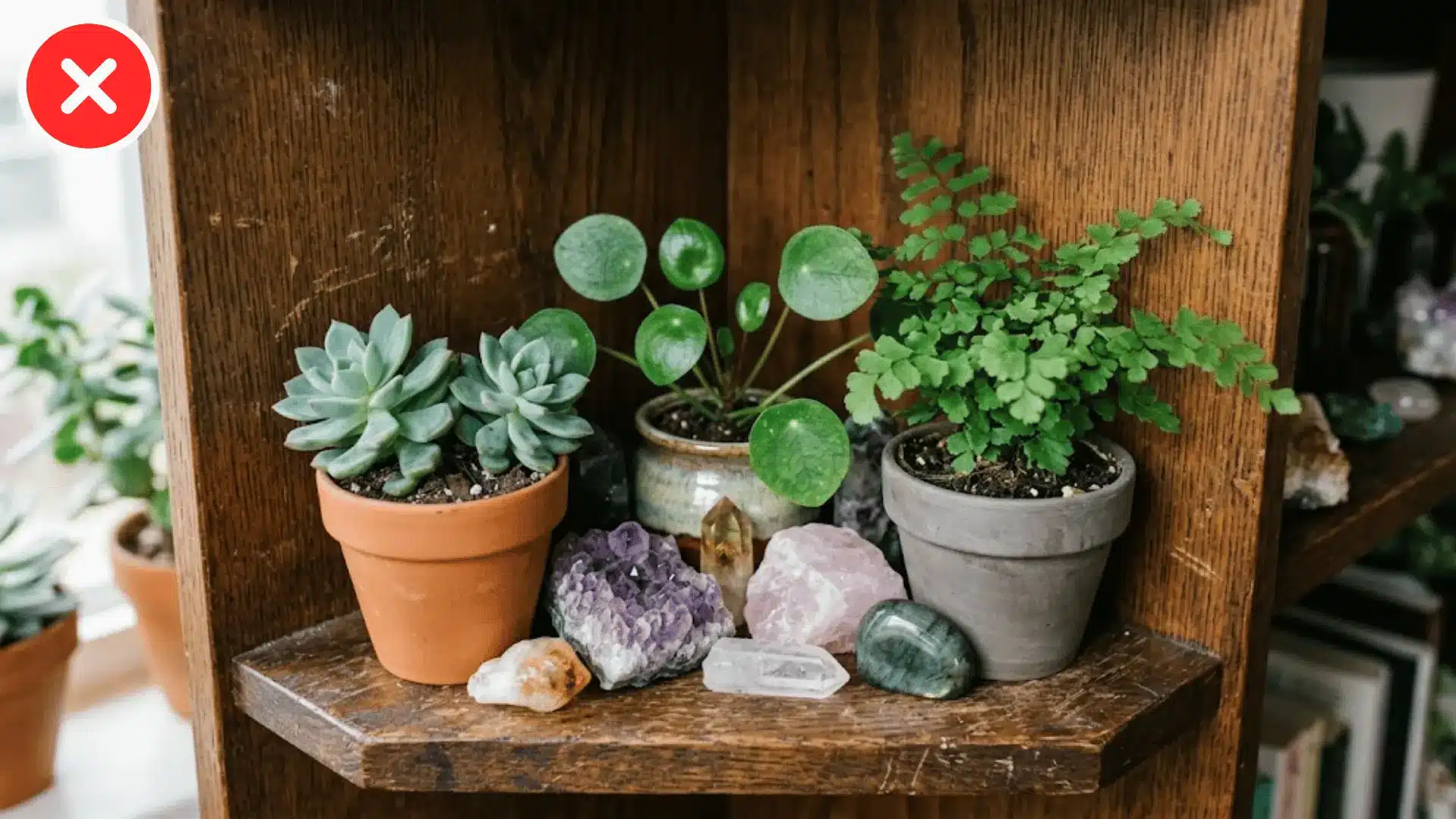
More objects rarely improve a room, even when each one is meant well. Stacking up plants, crystals, and feng shui “cures” can turn a bedroom into a cluttered collection rather than a calm space.
Choose a few pieces that genuinely add something, keep any plants healthy and well cared for, and let the rest of the room breathe.
Do: Make the Room Feel Calm From the Doorway
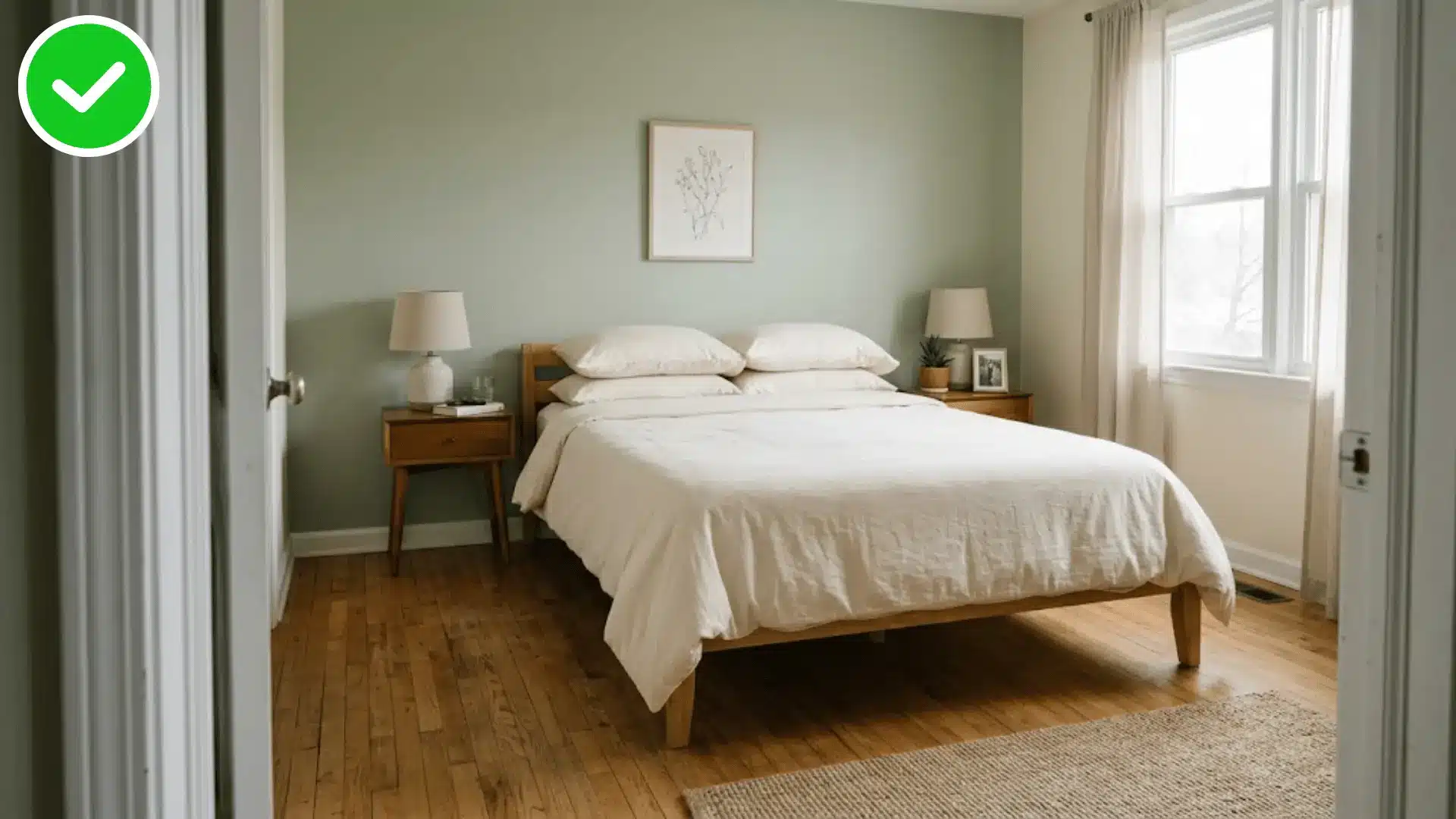
Once everything is arranged, stand at the entrance and take in the whole room at once.
Check whether the bed feels visually supported, whether the path through the room is clear, and whether any clutter catches your eye right away.
Notice anything that feels unfinished, broken, or out of place, since that is usually the last thing worth fixing.
Feng Shui Bedroom Colors
Color sets the mood of a room before you even notice the furniture.
Here is a quick reference for choosing bedroom colors that support rest rather than compete with it.
| Color Group | Mood It Creates | Best Used For |
|---|---|---|
| Warm Neutrals | Grounded and soft | Walls, bedding, large furniture |
| Earth Tones | Steady and natural | Pairing with wood and organic textures |
| Soft Greens | Calm, nature-inspired | Walls or accent pieces |
| Muted Blues | Cool and settling | Rooms that need a quieter feel |
| Gentle Pinks | Warm without feeling bold | Bedding, a chair, or small accents |
Can you use dark colors in a feng shui bedroom?
Yes. As long as they are balanced with lighter surfaces elsewhere in the room, darker shades work fine, since the real goal is even visual weight, not a rule against darkness itself.
Can Feng Shui Help You Sleep Better?
Feng shui is a traditional practice, not a scientifically tested method, so claims about bed direction, mirrors, colors, or qi improving sleep are not backed by clinical evidence.
What it can do is nudge you toward a calmer, more orderly room, and that alone often supports better rest.
Pair it with sleep habits that actually have research behind them: keep the room dark, hold the temperature cool and comfortable, reduce noise, and invest in a mattress that actually supports your body.
Feng shui shapes the mood of the room. These basics shape the sleep itself.
The Closing Note
I have moved my own bed more times than I can count, chasing that quiet feeling of a room that finally works with you instead of against you.
That is really what feng shui bedroom principles come down to, small, deliberate choices that add up.
Some of these shifts take an afternoon; others just need patience and a willingness to rearrange things twice.
Start with whatever feels most doable today, and let the rest follow naturally.
I would love to know which change made the biggest difference for you, so drop it in the comments and help the next person figure out where to start.
Frequently Asked Questions (FAQs)
Where Should a Bed Be Placed According to Feng Shui?
The bed should sit in the commanding position, against a solid wall with a clear view of the door. This lets you see who enters the room without lying directly in line with the doorway.
What is the Best Direction for Your Bed?
Traditional feng shui ties bed direction to your personal kua number, calculated from your birth year and gender. Without that calculation, focus on the commanding position first, since it applies regardless of direction.
Is It Bad Feng Shui to Sleep Under a Window?
Traditional feng shui considers this less stable than a solid wall, since a window offers no real support behind the headboard. If moving the bed is not an option, heavy curtains can help soften the effect.
Can a Mirror Face the Bed?
Traditional feng shui advises against it, believing a facing mirror disrupts rest through the night. Angling the mirror toward a side wall or covering it before bed are both simple fixes.
Should You Have Plants in a Feng Shui Bedroom?
Yes, a healthy plant or two can bring a sense of life and balance into the room. Skip anything spiky or high-maintenance, and avoid crowding the space with too many at once.