My neighbor’s crepe myrtle blooms like crazy every summer, while mine used to look half-dead by August.
The difference wasn’t luck; it was knowing the basics of crepe myrtle care that actually mattered. These plants are forgiving, but they reward you big time when you get a few key things right.
You don’t need to spend hours fussing over them or buy expensive products. What you do need is the right timing for pruning, proper watering habits, and an understanding of what kills blooms before they even start.
This guide breaks down the essential care steps that keep your crepe myrtle healthy and loaded with flowers. You’ll learn exactly what to do each season so your plant thrives rather than just survives in your yard.
What Makes Crepe Myrtles Perfect for Your Landscape
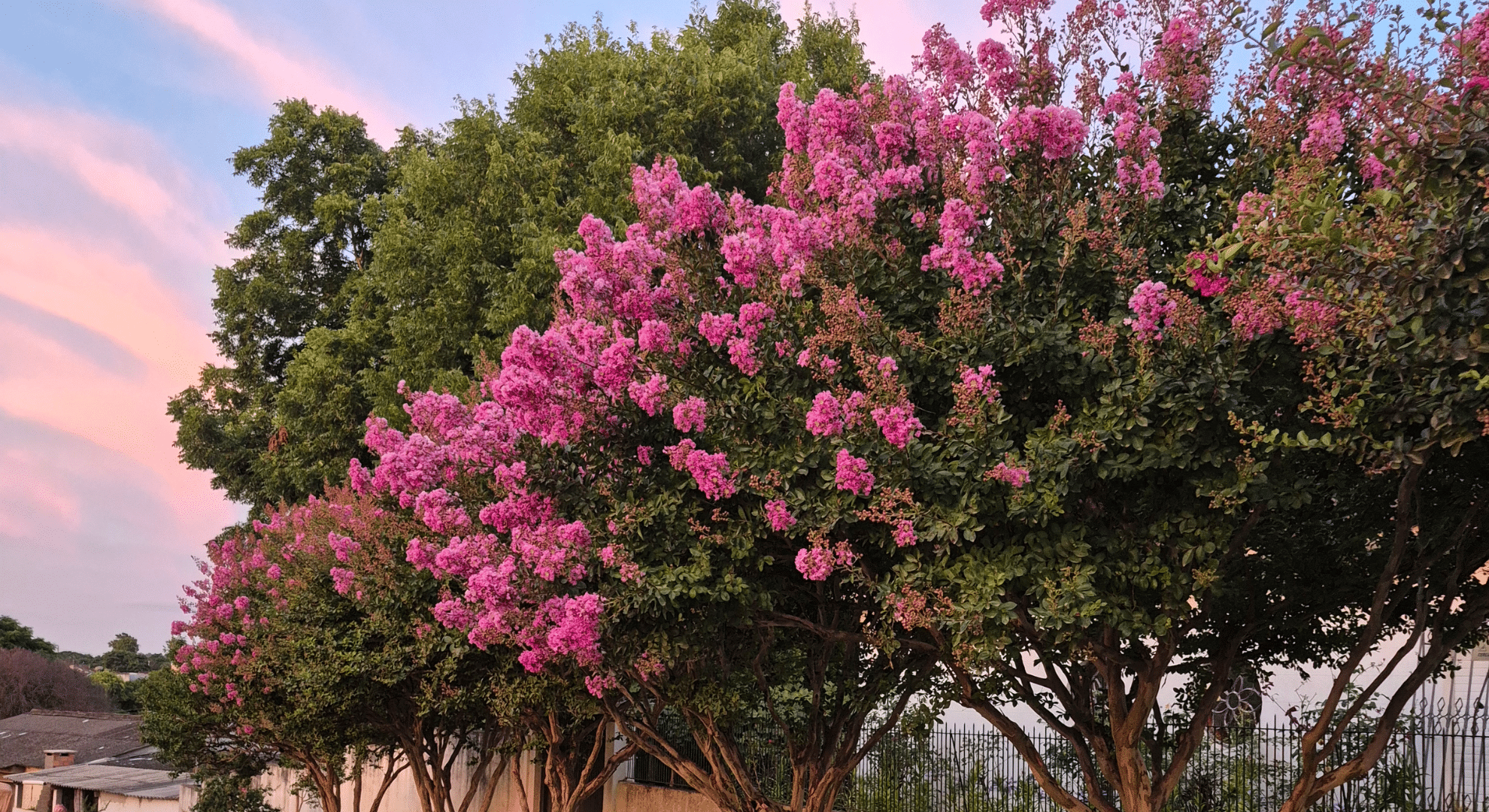
Crepe myrtles bring serious visual impact without demanding constant attention. They give you months of vibrant blooms, attractive bark, and fall color that most other plants can’t match. I’ve watched these trees win over even the most skeptical gardeners.
The reason is simple; they deliver stunning results with minimal fuss.
You get a long blooming season stretching from late spring through fall. Most flowering trees give you two weeks of color and call it done. Crepe myrtles keep going for months.
The flowers come in shades you actually want: pink, red, purple, white, and coral. Bark becomes a feature in winter with its smooth, peeling texture.
They handle heat like champions while other plants wilt. Fall foliage adds another layer of color before leaves drop. Low maintenance keeps your weekend free since these trees don’t need constant pruning or babying to look good.
Flowering peaks in summer, with most varieties hitting their stride in July and August. Deadheading extends blooming by encouraging second or third flushes. Growth slows in fall as your tree prepares for dormancy.
During winter, crepe myrtles drop leaves and pause all growth. This rest period is essential for next year’s performance and protects the tree from damage.
Humidity doesn’t bother them at all, making crepe myrtles great for southern gardens.
Planting Your Crepe Myrtle for Long-Term Success

Getting your crepe myrtle in the ground properly sets up everything that comes after. I’ve seen too many planted in the wrong spot or at the wrong depth, which creates problems that never really go away.
The best time to plant is early spring or fall when temperatures stay moderate and your tree can establish roots without fighting extreme heat or cold.
Location determines how well your tree performs:
- Full sun is non-negotiable; at least six hours of direct sunlight daily
- Check mature size before planting to avoid crowding later
- Keep away from structures, power lines, and other trees
You need space for air circulation and future growth. Cramped plantings invite disease and weak blooms.
Soil preparation prevents most headaches down the road.
Crepe myrtles tolerate various soil types but demand good drainage since waterlogged roots lead to rot. Dig a hole twice as wide as the root ball but no deeper than the container.
Mix native soil with compost to improve structure.
Plant at the right depth with these steps:
- Position root flare slightly above ground level
- Backfill halfway and water to eliminate air pockets
- Finish filling and water again thoroughly
- Add 2-3 inches of mulch around base, away from trunk
Proper spacing keeps your trees healthy long-term. Space multiple crepe myrtles 10 to 15 feet apart depending on their mature width. Good airflow reduces powdery mildew and fungal issues that thrive in crowded conditions.
Crepe Myrtle Care: Your Complete Growing Guide
Successful crepe myrtle care comes down to nailing a few core practices throughout the year. Get watering, feeding, and pruning right, and your tree will reward you with explosive blooms and healthy growth.
Watering New vs. Established Trees
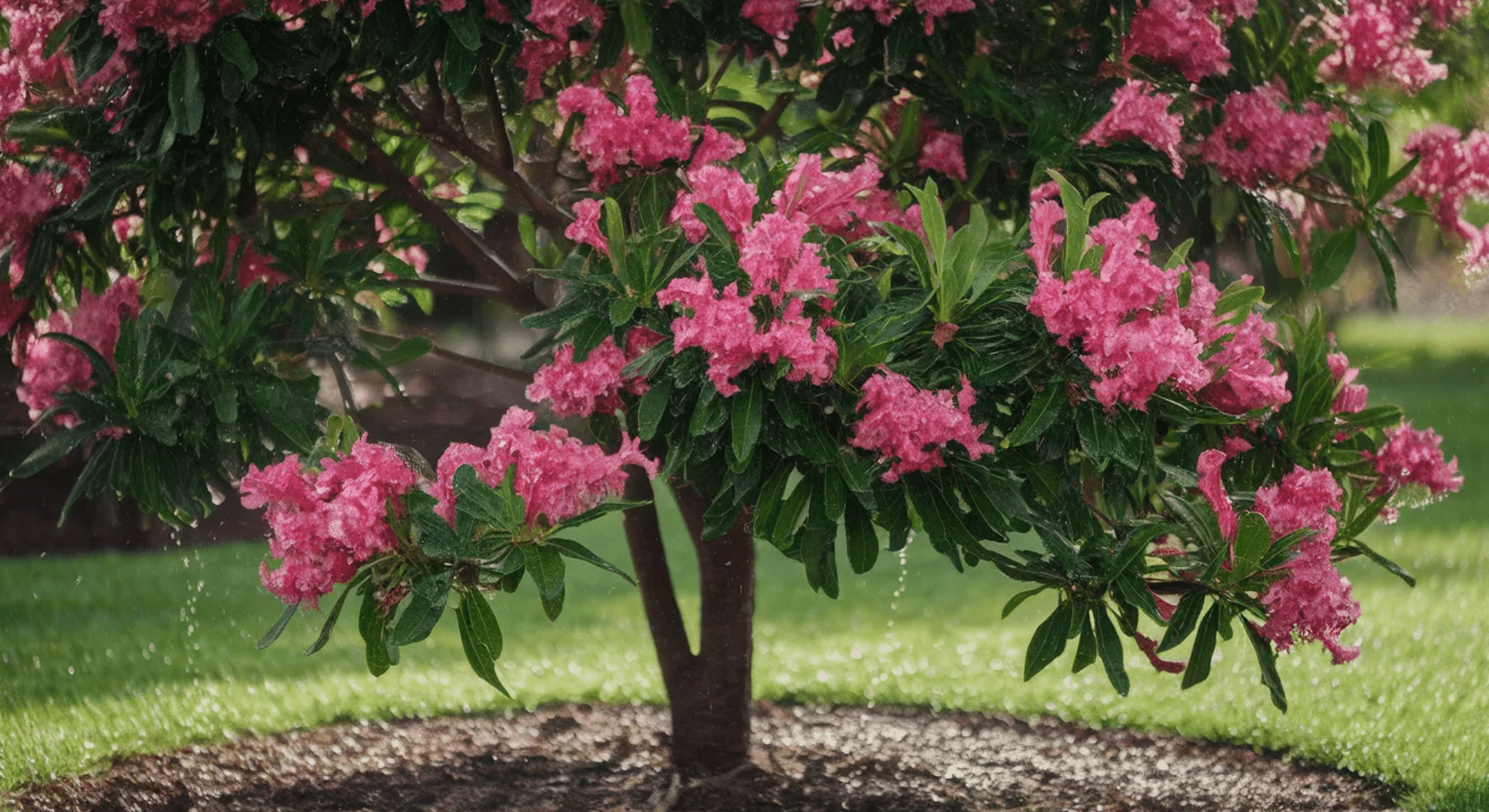
New and established crepe myrtles have completely different watering needs. I learned this the hard way when I treated my newly planted tree like a mature one and watched it struggle through its first summer.
Newly planted trees need consistent moisture. For the first growing season, water deeply two to three times per week. You’re helping roots establish in their new location, which takes regular attention.
Check soil moisture before watering. Stick your finger two inches down, if it feels dry, water. If it’s still moist, wait another day or two.
Established trees handle drought well.
After the first year, your crepe myrtle only needs supplemental water during extended dry spells. They’re surprisingly tough once roots spread out.
Deep watering beats frequent shallow watering. Give your tree a thorough soak that reaches 12 to 18 inches down rather than light daily sprinkles that encourage shallow roots.
Creating a Watering Schedule During Blooming Season
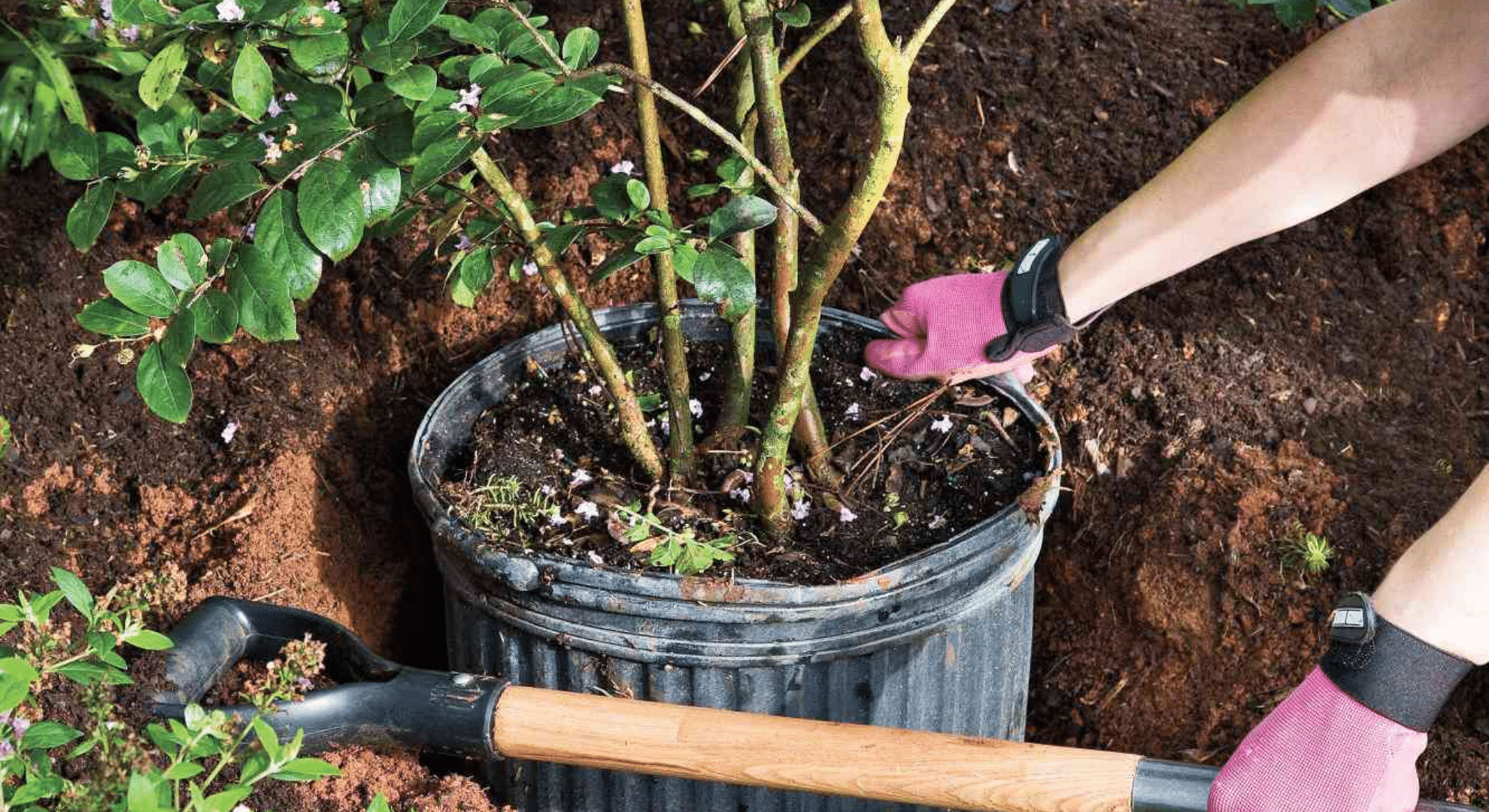
Blooming season puts extra demands on your tree, which means adjusting your watering approach. You want to support heavy flower production without overdoing it.
Water once a week during peak bloom if rain doesn’t do the job. Your tree is channeling energy into flowers, which requires steady moisture to keep blooms looking fresh and vibrant.
Early morning watering works best. It gives foliage time to dry before evening, reducing disease risk while ensuring water reaches roots before heat causes evaporation.
Increase frequency during heat waves. When temperatures stay above 90°F for days, bump watering to twice weekly even for established trees.
Skip watering if you get an inch of rain. Check rainfall with a rain gauge and adjust your schedule accordingly rather than following a rigid routine.
Recognizing Signs of Overwatering and Underwatering
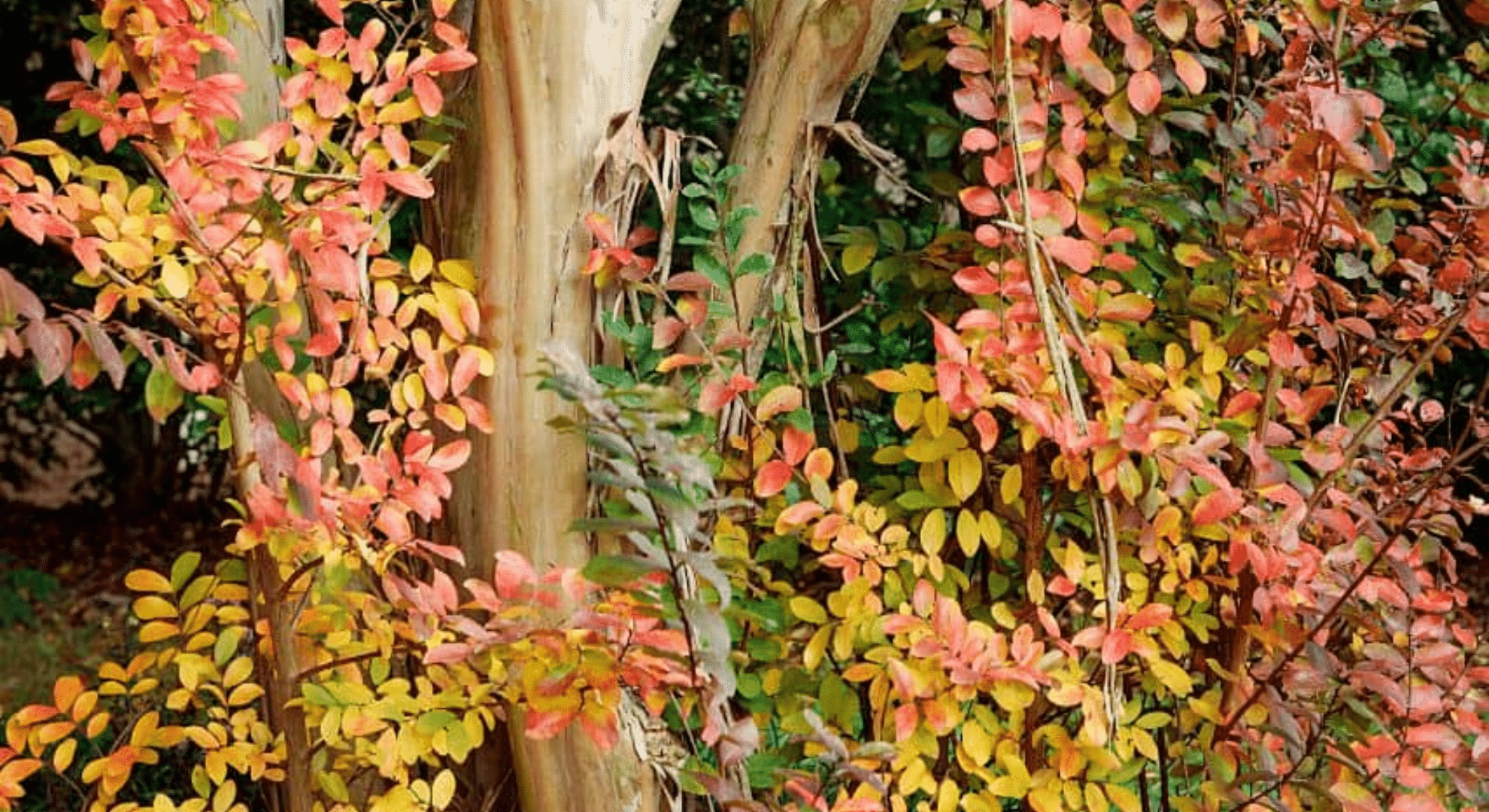
Your crepe myrtle shows clear signs when watering goes wrong. Learning to read these symptoms helps you adjust before damage becomes permanent.
Overwatering shows up as yellowing leaves that stay attached. The foliage looks pale and weak, often with leaves dropping while still green. You might notice fungal growth around the base or a sour smell from waterlogged soil.
Underwatering causes leaves to wilt and brown at the edges.
Foliage looks crispy and dry, curling inward to conserve moisture. Flower buds may drop before opening, and blooms look smaller than normal.
Check soil moisture to confirm your suspicion.
Soggy, muddy soil that stays wet days after watering means you’re overdoing it. Bone-dry soil that pulls away from the pot or planting area signals drought stress.
Adjust your schedule based on what you see. Cut back watering frequency for overwatered trees and let soil dry between sessions. Increase watering for stressed trees but do it gradually to avoid shocking the roots.
Fertilizing for Vibrant Blooms
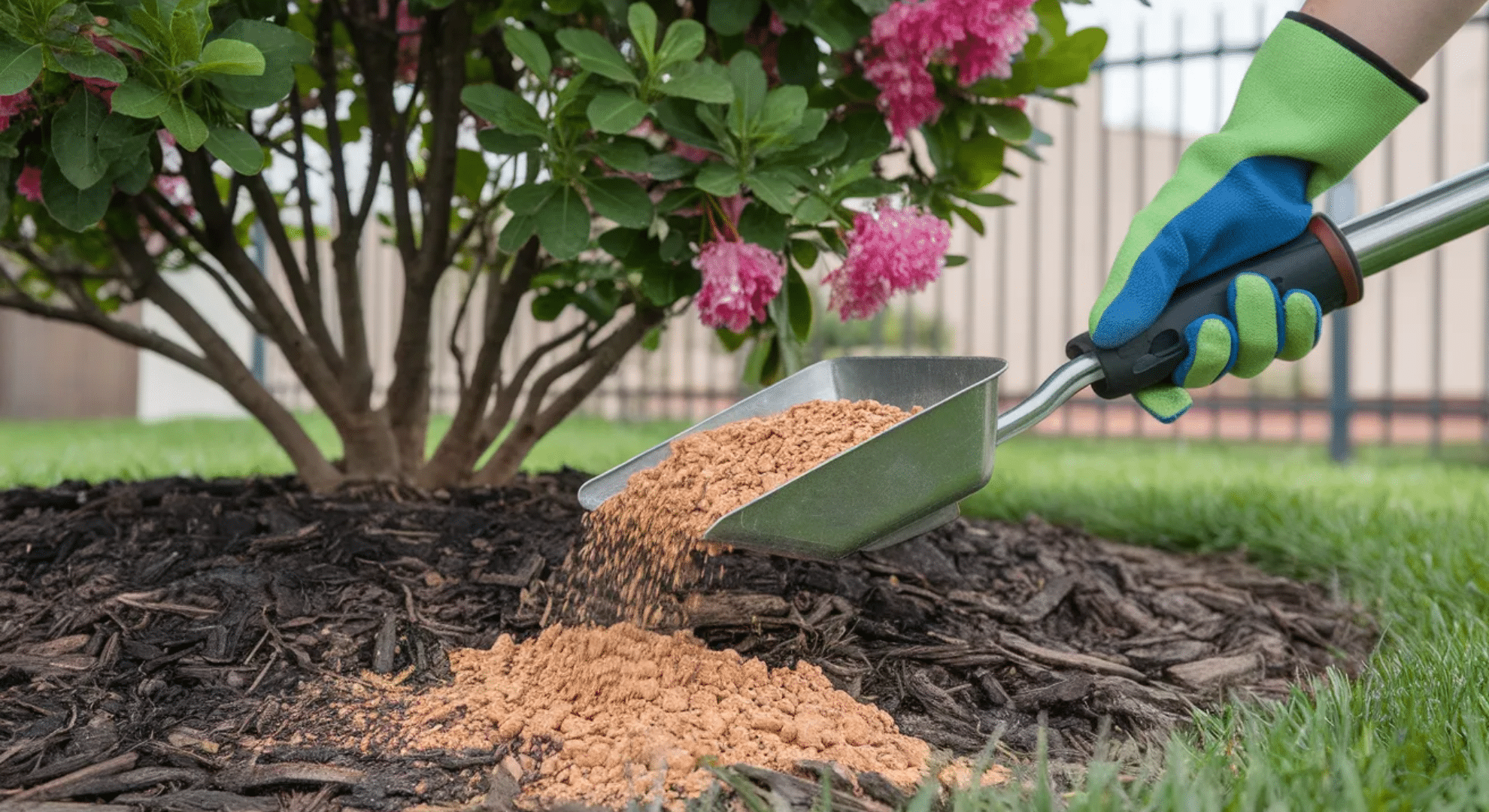
Fertilizing pushes your crepe myrtle from decent blooms to showstopping color.
I’ve seen the difference proper feeding makes, and it’s dramatic when you get the timing and formula right.
The best fertilizer ratio is 3-1-1 or similar nitrogen-heavy formulas.
The first number represents nitrogen for foliage and growth, the second is phosphorus for roots, and the third is potassium for overall health. Crepe myrtles need more nitrogen to support their vigorous growth and heavy blooming.
Feed in early spring as new growth emerges, then again in early summer. This two-application schedule supports the growing season without overdoing it.
Stop fertilizing after Labor Day since late feeding encourages tender new growth that winter will damage. Your tree needs time to harden off before cold weather hits.
Organic options like compost or slow-release granules feed gradually and improve soil over time. Synthetic fertilizers work faster but require careful application to avoid burning roots.
Both work well, pick based on your gardening style and how quickly you want results.
Pruning Without the “Crepe Murder”
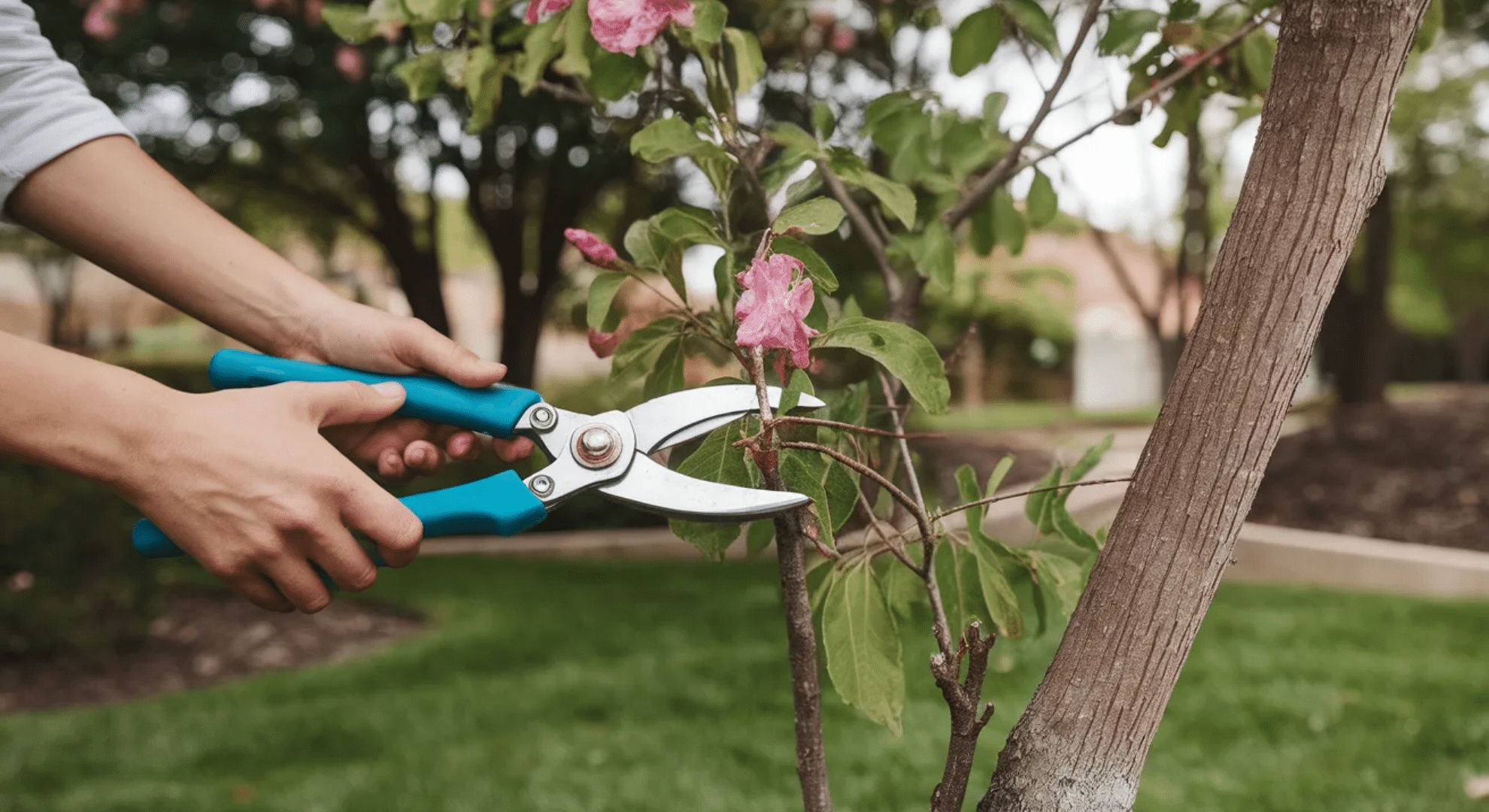
Crepe murder is real, and I cringe every time I see someone hack their tree back to stumps. This brutal topping weakens your tree, creates ugly knobby growth, and actually reduces blooms instead of increasing them.
Topping damages trees in ways that never fully heal.
You’re removing the natural branching structure and forcing weak, crowded shoots to grow from cut points. These shoots are prone to breaking, and the cuts create entry points for disease and pests.
Late winter or early spring is pruning time.
Wait until your tree is fully dormant but before new growth starts, usually February or March depending on your location. You’ll see the structure clearly without leaves in the way.
Proper technique means selective cutting, not wholesale chopping:
- Remove branches at their origin point, not midway
- Cut just outside the branch collar where it meets the trunk
- Use clean, sharp tools to make smooth cuts
- Angle cuts slightly to prevent water from sitting on the wound
Focus on the three Ds first: dead, diseased, and damaged wood comes out regardless of the season.
Remove crossing branches that rub against each other. This friction creates wounds that invite problems and disrupts the tree’s natural form.
Young trees need training to establish good structure.
Select 3 to 5 main trunks and remove the rest at ground level. Trim lower side branches to encourage upward growth and create the shape you want.
Mature trees need less intervention. Light pruning to remove suckers, thin crowded areas, and maintain shape is usually enough. Don’t remove more than 25% of the canopy in any single year.
Mulching and Soil Management
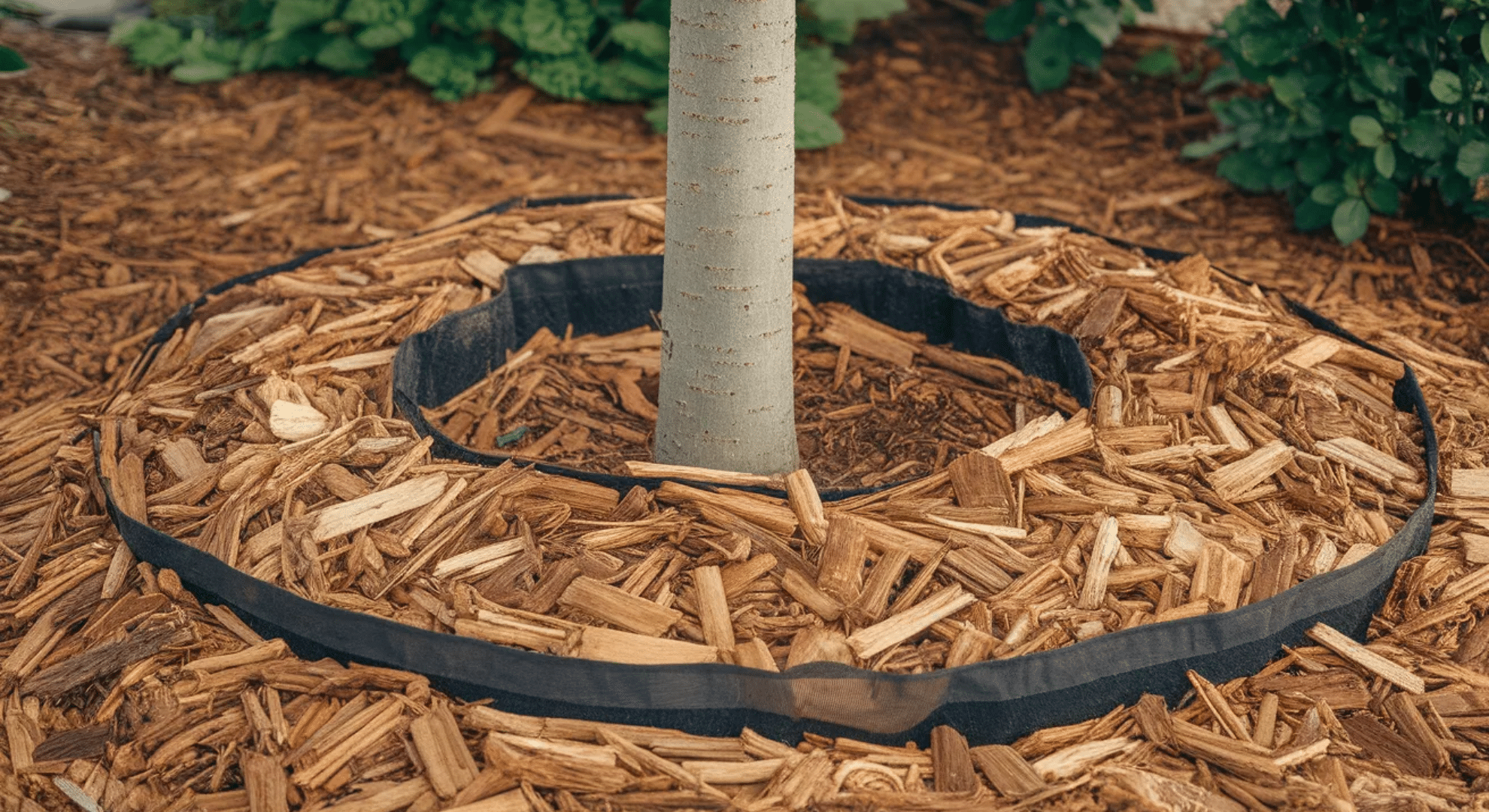
Mulching does more for your crepe myrtle than most people realize.
I’ve seen struggling trees turn around just from getting proper mulch coverage that regulates soil temperature and retains moisture.
Choose organic mulch like shredded bark, wood chips, or pine straw.
These materials break down over time, adding nutrients to the soil while suppressing weeds and keeping roots cool during hot summers.
Apply 2 to 4 inches of mulch around the base. Too little and you lose the benefits.
Too much and you risk suffocating roots or encouraging rot and pests.
Keep mulch 3 to 4 inches away from the trunk:
- Mulch piled against bark traps moisture
- This creates perfect conditions for rot and disease
- Rodents and insects love hiding in trunk mulch
- The gap allows air circulation around the base
You want a donut shape, not a volcano.
Refresh your mulch layer once or twice a year.
Spring is ideal since winter weather breaks down organic material. Add a fresh inch or two when the existing layer compresses or decomposes, usually every 6 to 12 months depending on material type.
Choosing the Right Crepe Myrtle Variety
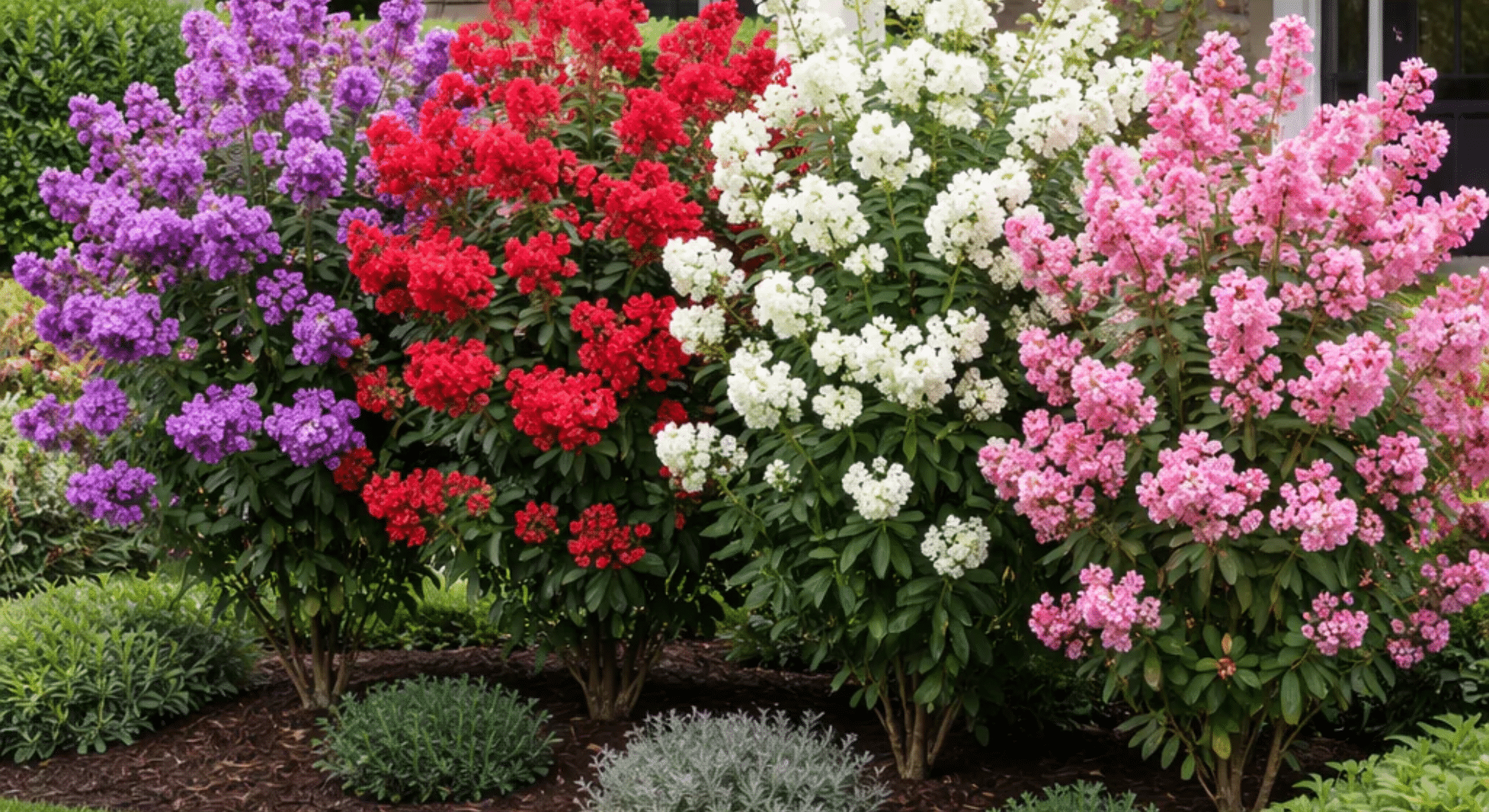
Picking the right variety prevents future headaches since crepe myrtles come in wildly different sizes. I’ve watched neighbors fight trees that outgrew their space because they didn’t check mature height before planting.
Dwarf varieties stay 3 to 5 feet tall, perfect for containers, borders, or tight spaces. ‘Pocomoke’ and ‘Chickasaw’ work beautifully where you need color without overwhelming the area.
Medium varieties reach 6 to 12 feet and excel as hedges or foundation plants. ‘Acoma’ and ‘Hopi’ fill mid-sized spaces without blocking windows or crowding walkways.
Tall varieties grow 15 to 25+ feet, creating shade and dramatic focal points. ‘Natchez’ and ‘Muskogee’ make stunning specimen trees that anchor larger landscapes.
Colors range from pure white to deep purple with every pink and red shade between. White varieties like ‘Natchez’ stay crisp and clean. Red options like ‘Dynamite’ deliver bold impact. Purple ‘Twilight’ offers something different.
Disease-resistant varieties save you from constant powdery mildew battles. Look for hybrids bred for resistance, they bloom beautifully without the white fungal coating that plagues older varieties.
Community Wisdom: Real Gardener Experiences
Learning from other gardeners saves you from repeating their mistakes. I’ve picked up some of my best crepe myrtle tips from online communities where people share what actually works in real yards, not just theory.
The r/gardening community on Reddit has countless threads about crepe myrtle successes and failures. You’ll find discussions about variety recommendations, regional growing challenges, and pruning debates that get pretty heated.
GardenWeb forums host detailed discussions about specific varieties and pest problems. Experienced growers share photos and troubleshooting advice that you won’t find in basic care guides.
Your local extension office provides region-specific advice that matters more than generic guidance. They know your soil, climate, and common local issues.
YouTube gardeners like Southern Living Plant Collection demonstrate pruning techniques visually, which beats reading descriptions any day.
These real-world experiences help you avoid common pitfalls and discover solutions that work in actual growing conditions, not perfect laboratory settings.
Seasonal Care Calendar
Breaking crepe myrtle care into seasons keeps you on track without overthinking it. I follow this calendar year after year, and it prevents me from missing critical tasks that impact bloom quality and tree health:
| Season | Key Tasks | Timing Notes |
|---|---|---|
| Spring (March-May) | Prune in late winter/early spring before new growth starts. Apply fertilizer as buds swell. Add fresh mulch layer. Watch for aphids on new growth. | Wait until frost danger passes in your area before heavy pruning. |
| Summer (June-August) | Water weekly during blooming season and heat waves. Deadhead spent flowers to encourage rebloom. Monitor for pests and powdery mildew. Apply second fertilizer dose in early summer. | Peak bloom time—keep trees hydrated for best flower production. |
| Fall (September-November) | Stop fertilizing after Labor Day. Reduce watering as temperatures cool. Enjoy fall foliage color. Clean up fallen leaves to prevent disease overwintering. | Let trees harden off naturally for winter dormancy. |
| Winter (December-February) | Plan next year’s pruning while structure is visible. Protect young trees from harsh freezes. Apply horticultural oil for scale treatment. Order new varieties if expanding. | Dormant season is ideal for structural pruning and planning. |
Following this schedule keeps your crepe myrtle healthy without constant fussing. Adjust timing based on your specific climate zone since spring arrives earlier in zone 9 than zone 6.
Troubleshooting Common Crepe Myrtle Problems
Even low-maintenance crepe myrtles run into issues occasionally. I’ve dealt with most of these problems in my own yard, and catching them early makes all the difference in keeping your tree healthy.
Common problems you’ll encounter:
- Powdery mildew: creates white coating on leaves but rarely kills the tree: improve air circulation and choose resistant varieties
- Aphids: cluster on new growth and leave sticky honeydew: spray with water or use insecticidal soap for heavy infestations
- Bark scale: appears as white or gray crusty bumps on branches: Treat with horticultural oil in late winter before leaves emerge
- Cercospora leaf spot: causes dark spots on foliage: remove fallen leaves and avoid overhead watering to reduce spread
- Sooty mold: grows on aphid honeydew and turns leaves black: control the aphids and the mold disappears on its own
- Root rot: happens in poorly drained soil with yellowing leaves and wilting: improve drainage or relocate the tree
- Sunscald: damages young bark in winter: wrap trunks or plant where afternoon shade protects tender wood
Most issues are preventable with proper siting, watering, and air circulation. Address problems quickly before they escalate into something that threatens your tree’s long-term health.
When to Call a Professional
Most crepe myrtle care is DIY-friendly, but some situations need expert hands. I know when I’m in over my head, and calling a pro has saved trees I couldn’t have fixed myself.
Signs your tree needs expert attention include large dead branches high in the canopy that risk falling, severe disease spread despite your treatment efforts, or structural damage from storms.
If your tree leans suddenly or you see major cracks in the trunk, don’t mess around with it yourself.
Find certified arborists through the International Society of Arboriculture. They’ve passed rigorous exams and follow industry standards for tree care.
Professional services worth paying for include removing large trees safely, treating severe pest infestations with specialized equipment, cabling or bracing damaged trees to prevent failure, and diagnosing mysterious problems you can’t identify.
Deep root fertilization and professional pruning of mature specimens also deliver results that justify the cost when trees are valuable landscape features.
Conclusion
Crepe myrtle care doesn’t require expert skills or constant attention, just consistent basics done right.
You’ve got the watering schedules, pruning techniques, and seasonal tasks that keep these trees growing year after year.
I’ve seen how proper care changes a struggling plant into a showstopping landscape feature that delivers months of color.
The difference between mediocre blooms and explosive displays comes down to timing your fertilizer, avoiding crepe murder, and giving your tree the space and sun it craves. Start with one or two changes this season and build from there.
Your tree will respond faster than you expect.
Want to tackle more landscape projects with confidence? Check out other gardening guides for practical tips that actually work in real yards!