The first time I paid attention to my lawn, it was because patches kept failing for no clear reason. I realized guessing was the problem, not watering or mowing.
Learning about different types of grass gave me real answers instead of trial and error. Growth habits, climate limits, and wear tolerance finally lined up in a way that made sense. It stopped feeling random and started feeling manageable.
You can reach that same point without wasting seasons fixing the wrong problems. This guide helps you understand which grasses actually fit your yard and routine. You will leave knowing what supports healthy growth, fewer fixes, and steadier results going forward.
Why Your Grass Type Shapes Your Lawn Results
Knowing what kind of grass you have changes how you care for your yard in real ways. Each grass type grows at its own pace, handles weather differently, and responds to water and mowing in specific ways.
When you understand this, you stop guessing and start making choices that actually help. You know how often to mow without stressing the lawn.
You water with purpose instead of habit. You also avoid products that do more harm than good for your grass.
Your grass type also affects how your lawn looks across seasons. Some stay green longer. Others rest and return later. When you know what to expect, patchy spots and color changes feel less frustrating.
This knowledge saves time, money, and effort. Most of all, it helps you work with your lawn instead of fighting it. That foundation makes every next step easier and more effective.
Different Types of Grass You’ll Find in Lawns
Lawns use specific grass types based on climate, growth habits, and long-term care needs, and those types generally fall into a few clear groups:
Lawn Grasses
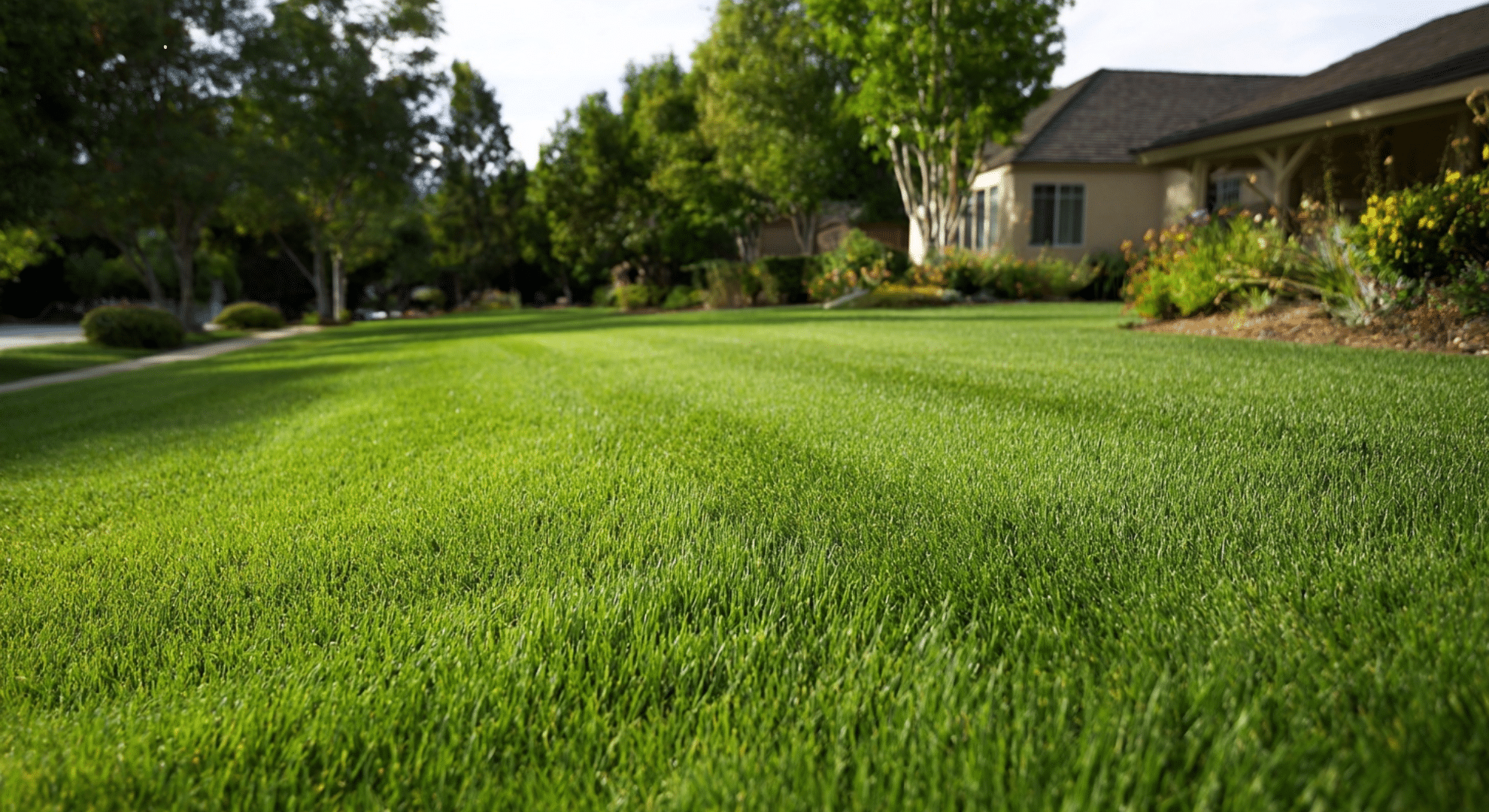
Lawn grasses are bred to handle mowing, foot traffic, and regular care. They grow evenly and recover after stress. Ornamental grasses are grown for height, color, or texture, not for walking or play.
Wild grasses grow naturally without control.
Warm-Season Lawn Grasses

Warm-season grass grows best in hot weather and strong sunlight. It thrives during late spring and summer months. These grasses slow down or turn brown when temperatures drop.
You will see the best results in southern regions with long, warm seasons. They handle heat well and often need less water once established.
Cool-Season Lawn Grasses

Cool-season grass prefers mild temperatures and cooler air. It grows most actively in spring and fall. Growth slows during summer heat and deep winter cold.
These grasses perform best in northern areas with shorter summers. You often get rich color during cooler months, along with steady growth when moisture stays consistent.
Transition Zone Lawns
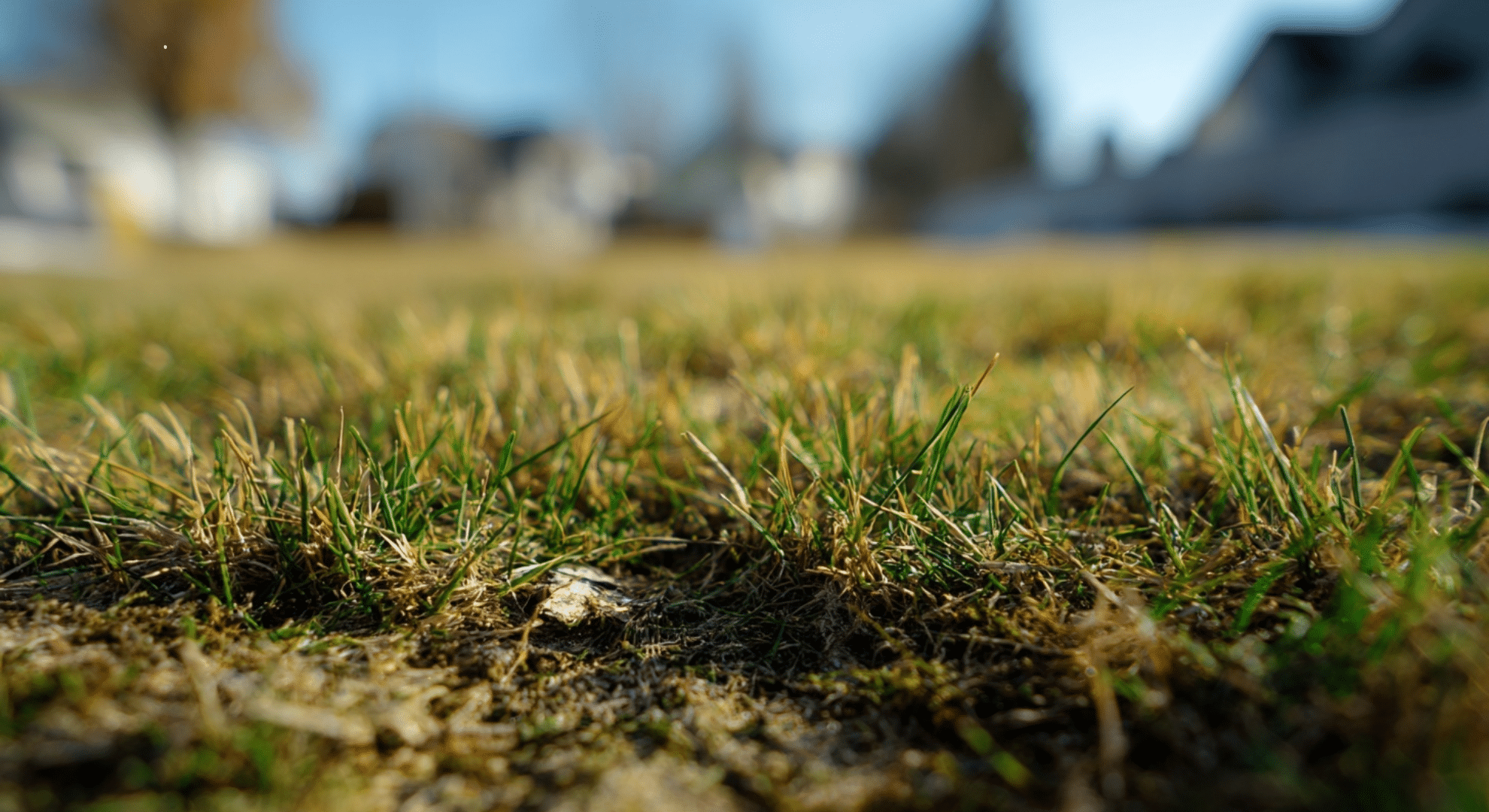
The transition zone sits between warm and cool climates. Summers can be hot, while winters still bring cold stress. This makes grass choice harder because no type feels fully comfortable year round.
Many homeowners overseed, blend grass types, or accept seasonal changes. Success here often comes from flexible care and realistic expectations.
Common Grass Types for Lawn Use
These grasses are commonly found in home lawns because they handle regular mowing, foot traffic, and seasonal changes.
This will give you a quick, practical look at how each one grows and what it needs to stay healthy:
Bermuda Grass
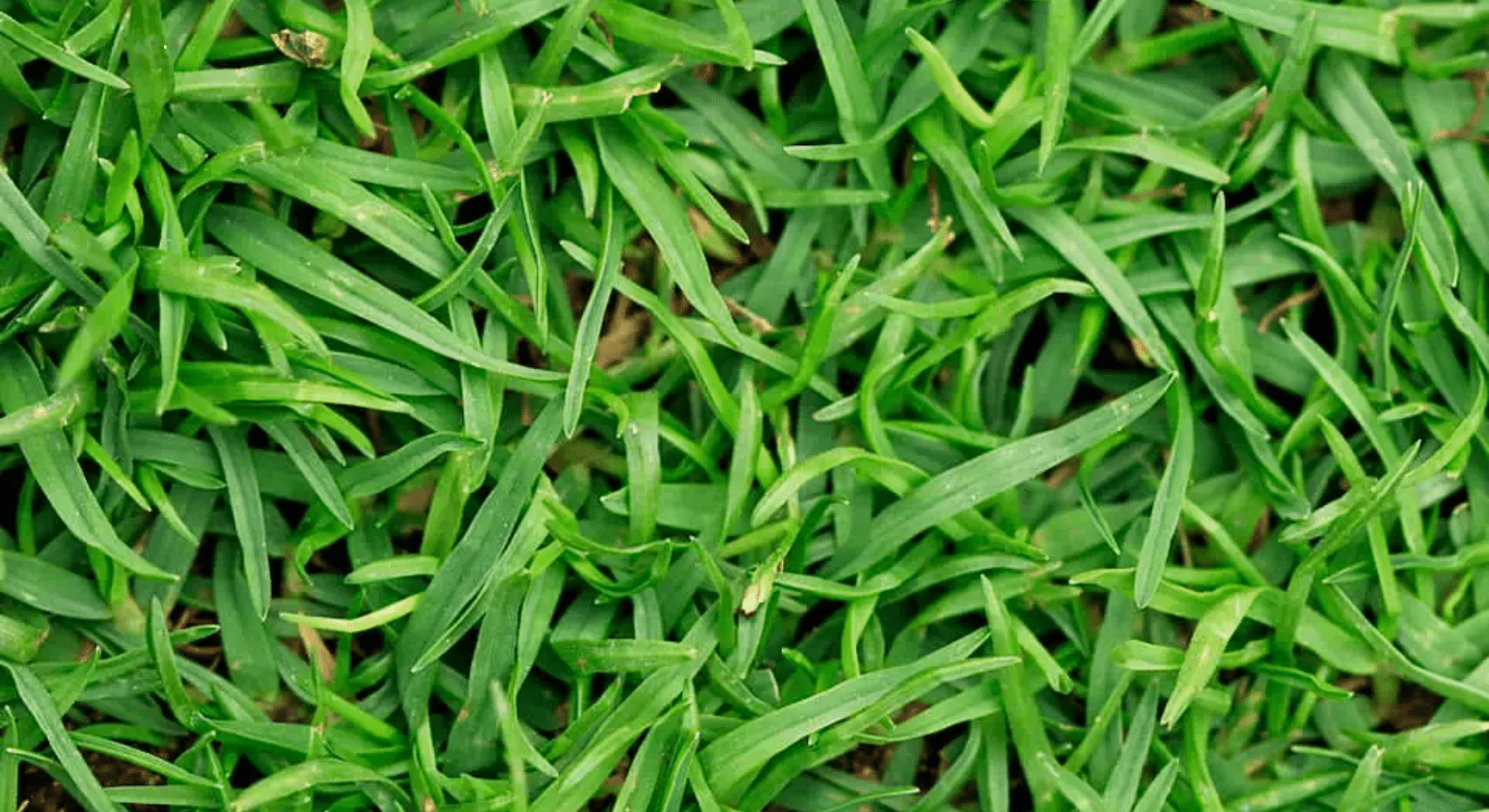
Bermuda grass has fine blades and a dense, low-growing pattern. It loves heat and spreads fast in full sun. You often see it on busy lawns because it repairs itself quickly after damage. It goes dormant and brown in cold months but rebounds well.
- Best in full sun, low shade tolerance
- Medium water needs, high traffic tolerance
- Thrives in southern and coastal regions
Zoysia Grass
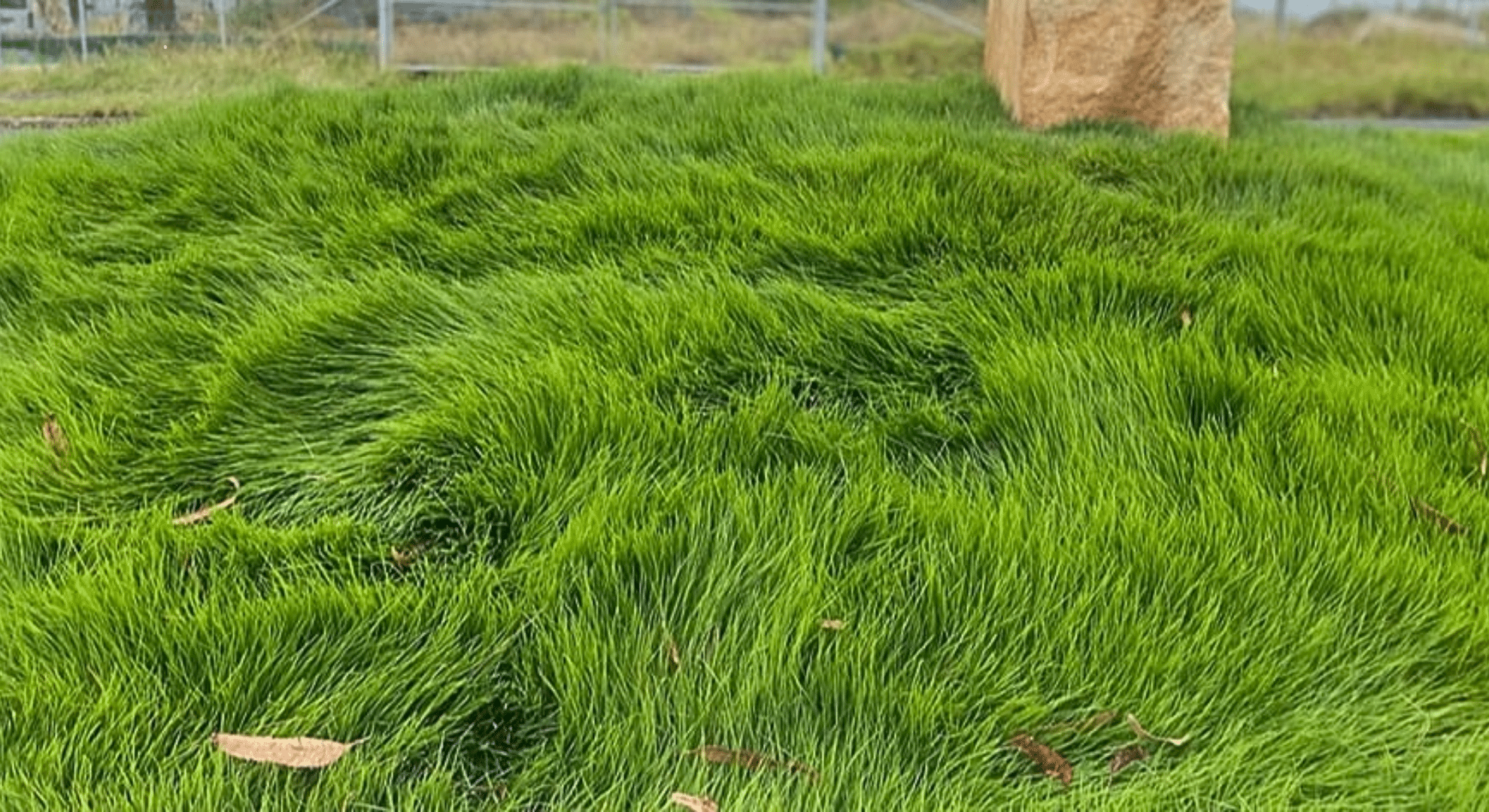
Zoysia grass has stiff, narrow blades that form a thick mat. It grows slower than Bermuda but feels firm underfoot. You get good heat tolerance with better cold handling than many warm-season grasses. It stays neat but takes time to establish fully.
- Handles sun and light shade well
- Moderate water needs, good traffic tolerance
- Grows best in warm and transition regions
St. Augustine Grass
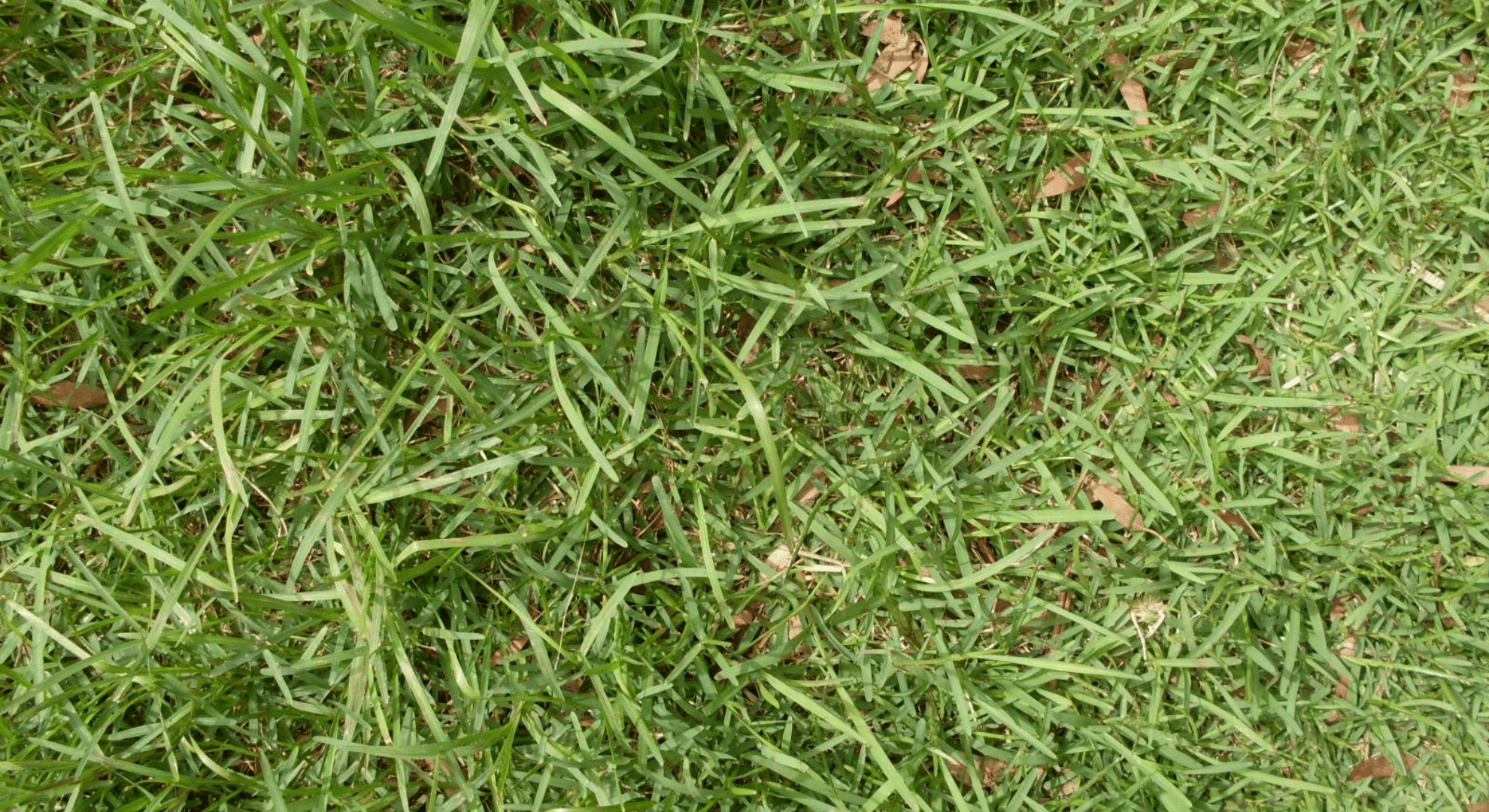
St. Augustine grass has wide, flat blades and a coarse feel. It spreads by runners and fills space quickly. This grass handles shade better than most warm-season types but struggles in cold or heavy foot traffic areas.
- Prefers partial sun, strong shade tolerance
- High water needs, low traffic tolerance
- Performs best in warm coastal regions
Centipede Grass
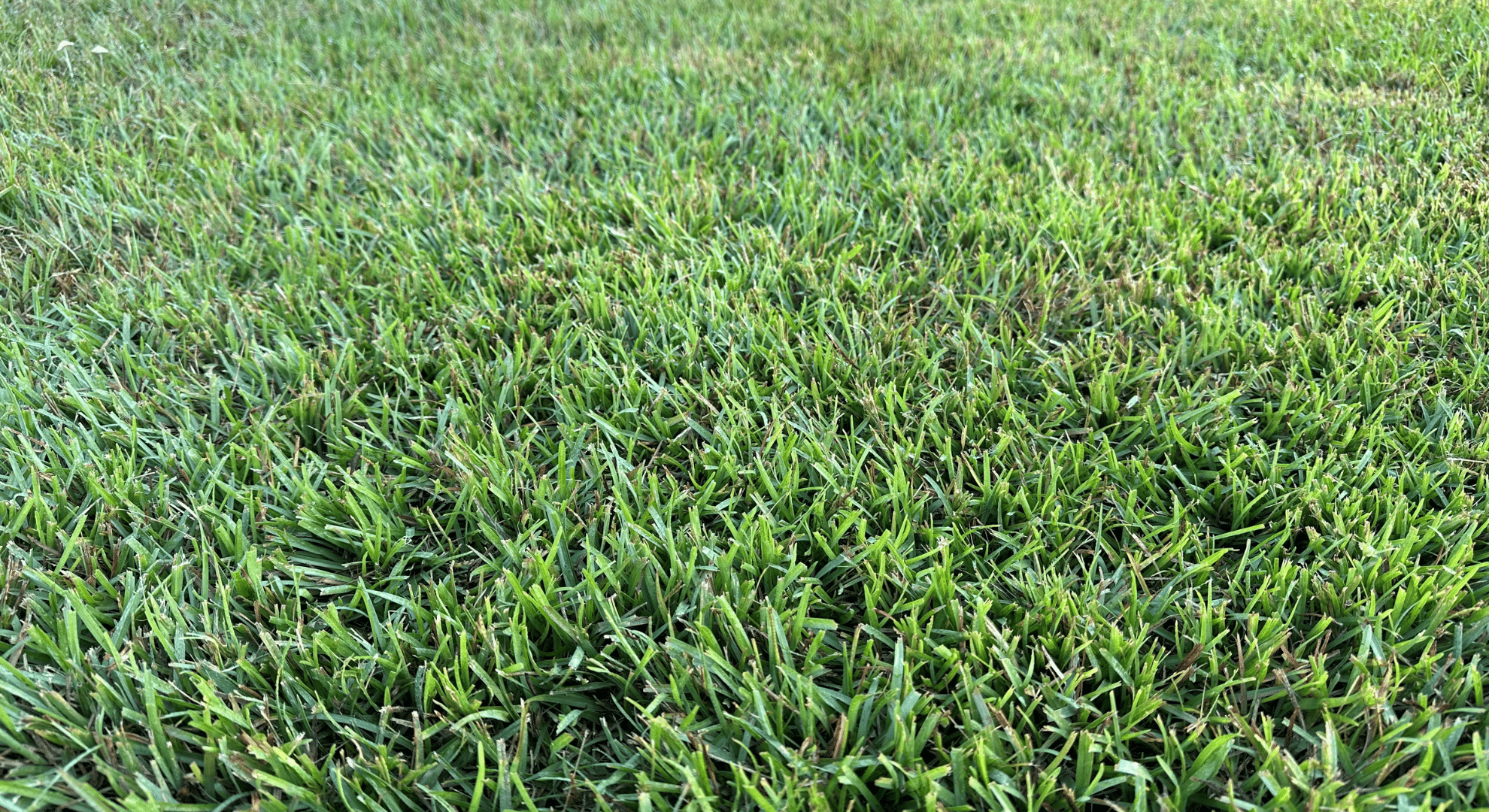
Centipede grass has light green blades and a slow growth rate. It suits low-maintenance lawns where you want less mowing. It does not recover well from damage and dislikes heavy use, but it stays stable with minimal input.
- Likes full sun to light shade
- Low water needs, low traffic tolerance
- Common in the Southeast and Gulf areas
Bahia Grass
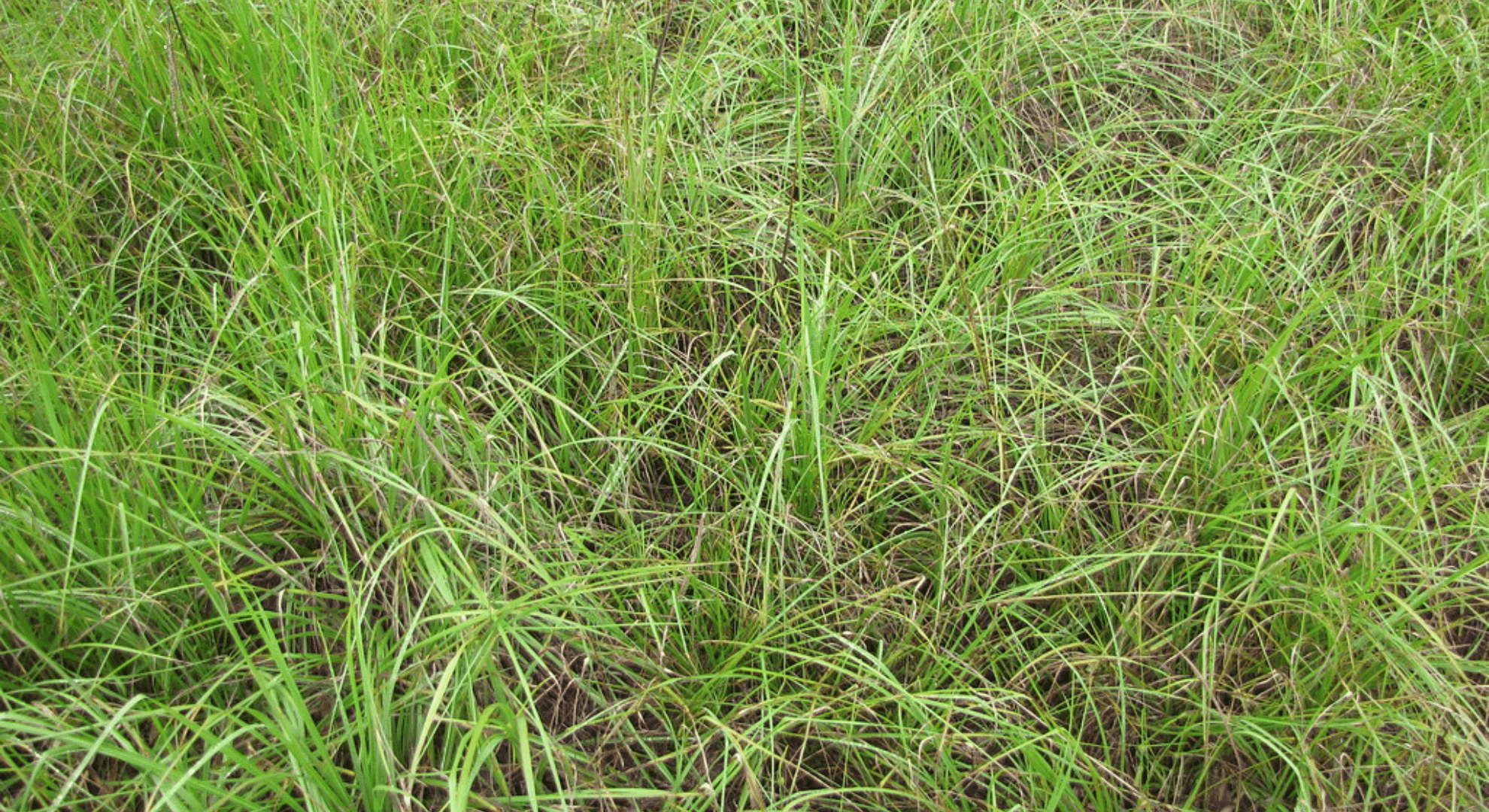
Bahia grass has coarse blades and an open growth pattern. It handles poor soil and drought better than many lawn grasses. You often see seed heads, and it feels rough underfoot, but it survives where others fail.
- Prefers full sun, little shade tolerance
- Low water needs, low traffic tolerance
- Grows well in hot southern regions
Kentucky Bluegrass
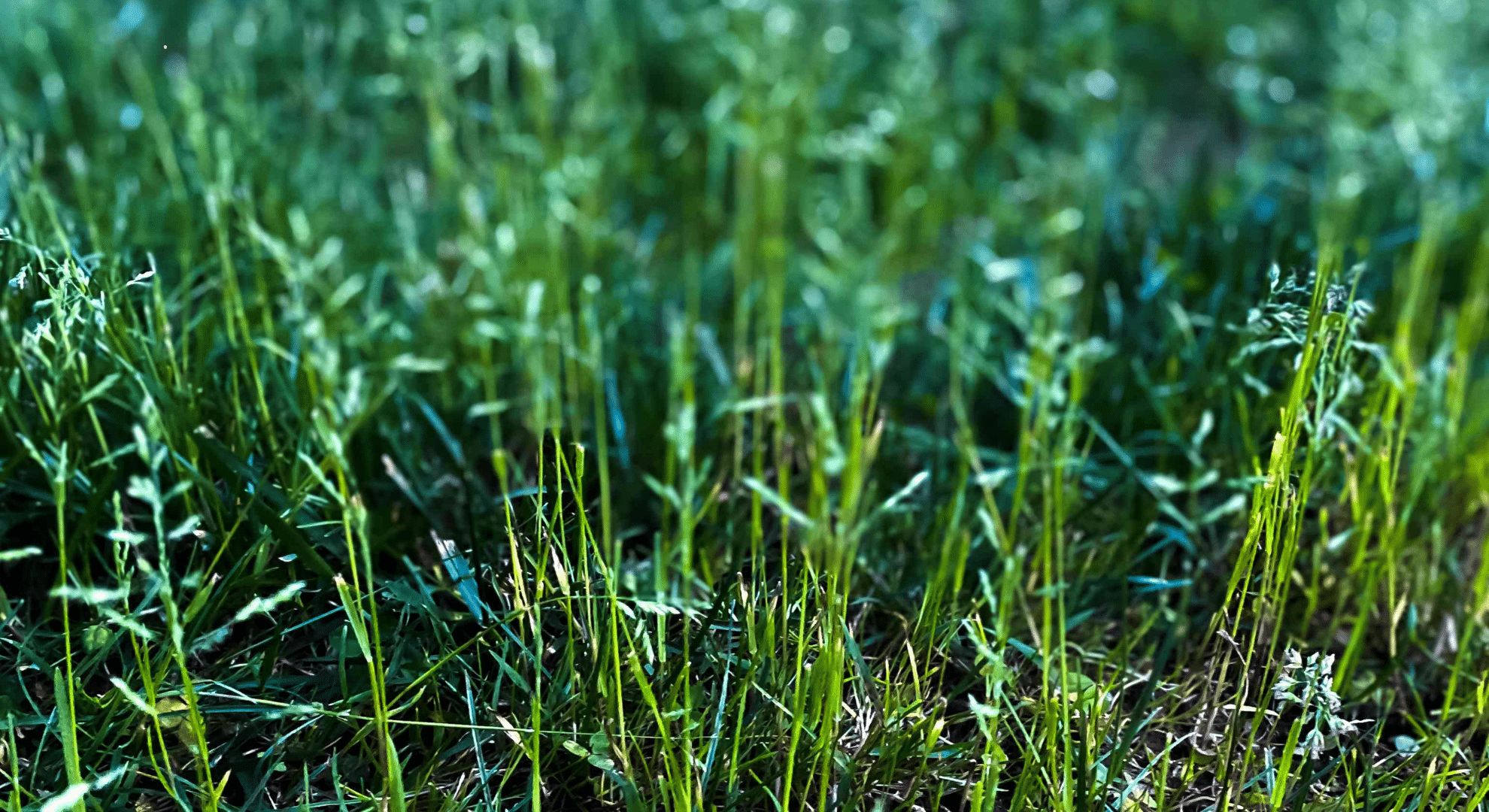
Kentucky bluegrass has soft, fine blades and a rich green color during cool seasons. It spreads through underground stems, helping it repair small damaged areas. It struggles in heat without extra water and care.
- Needs full sun to light shade
- Medium to high water needs, moderate traffic tolerance
- Best suited for northern regions
Tall Fescue
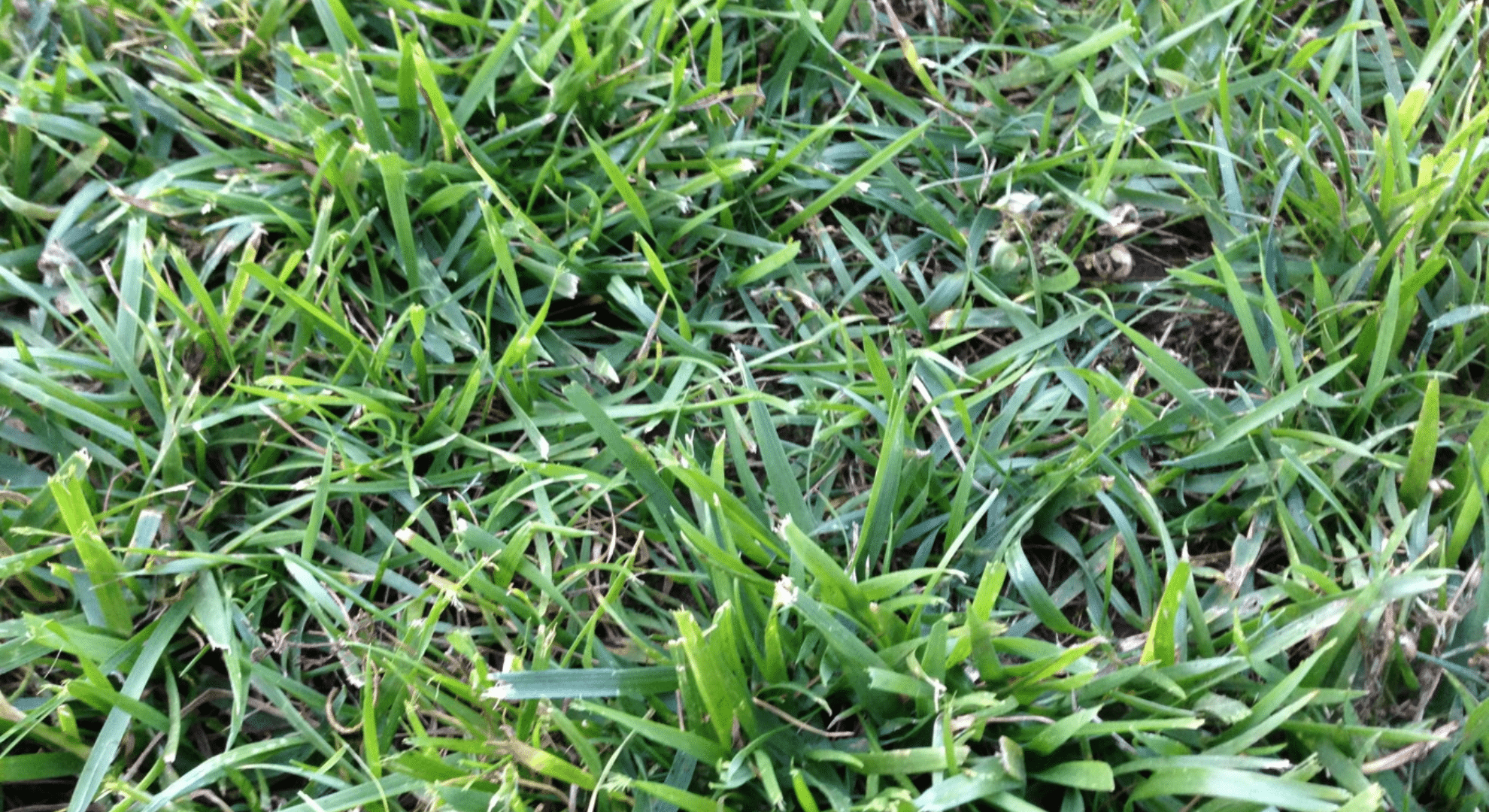
Tall fescue has wide blades and grows in clumps rather than spreading. It handles heat better than most cool-season grasses and stays green longer during summer. You get a durable lawn, but damaged spots need reseeding.
- Tolerates sun and partial shade
- Moderate water needs, good traffic tolerance
- Works well in transition and cooler regions
Fine Fescue
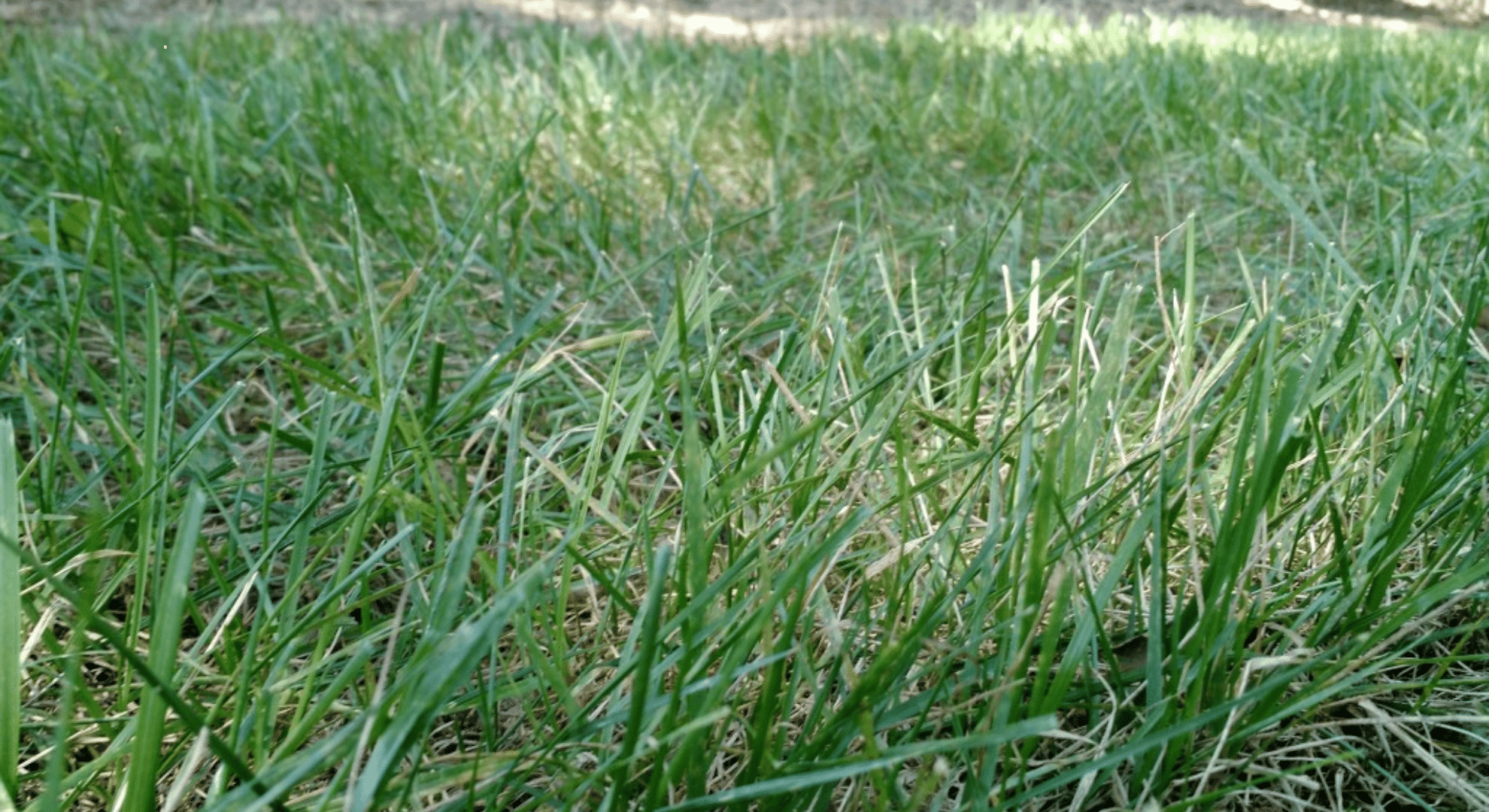
Fine fescue includes several grass types with thin, soft blades. It grows well in shade and cooler areas with less water. This grass does not like heavy foot traffic but works well in quiet, low-use spaces.
- Strong shade tolerance, limited sun needs
- Low water needs, low traffic tolerance
- Performs best in cooler climates
Perennial Ryegrass
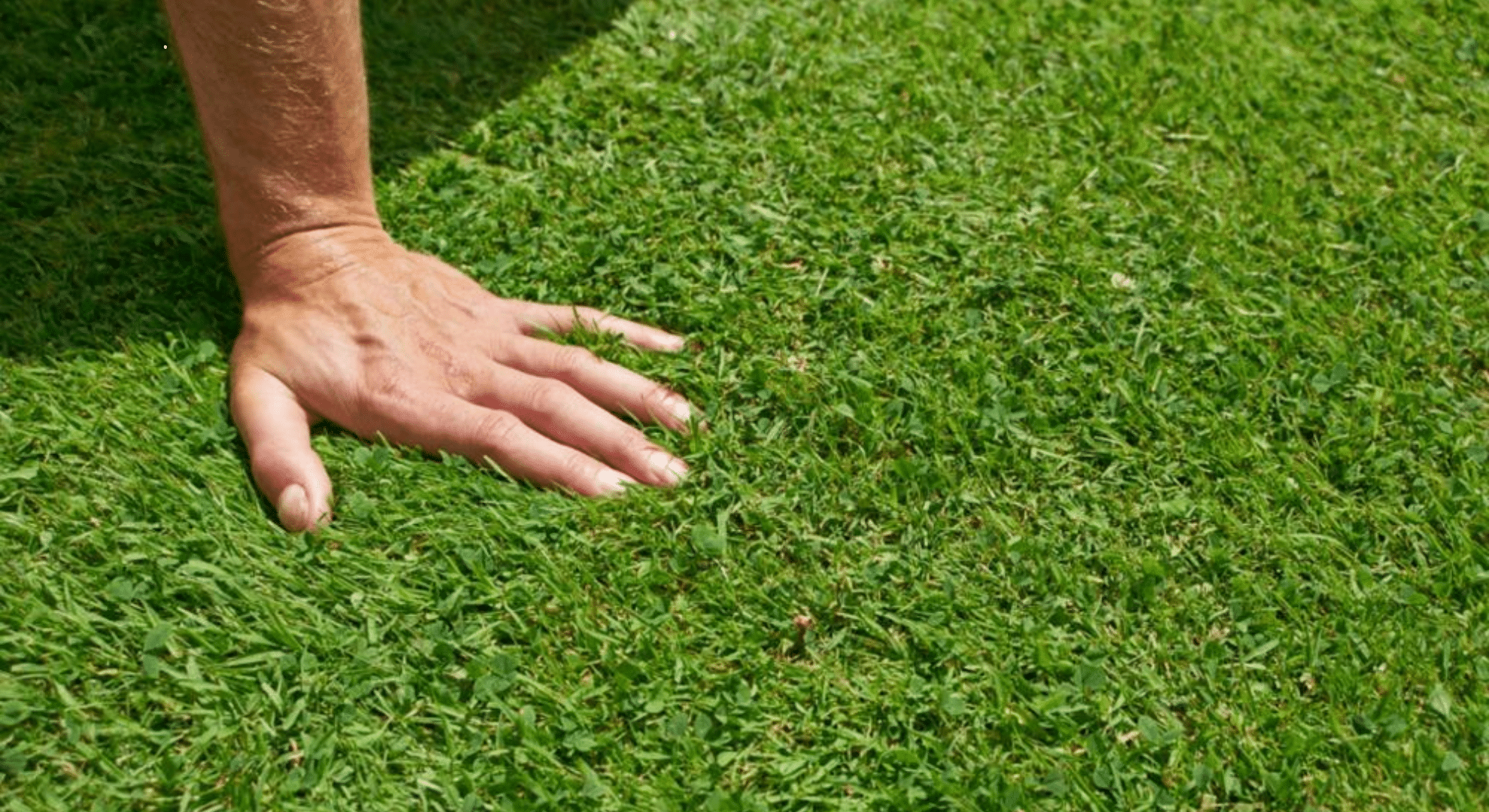
Perennial ryegrass has shiny, narrow blades and grows very fast. It is often used for quick cover or overseeding. You get fast results, but it does not handle heat or drought for long periods.
- Prefers full sun to light shade
- Moderate water needs, moderate traffic tolerance
- Common in cool and transition regions
Lawn Grass Comparison at a Glance
After reviewing each grass type on its own, it helps to see how they line up side by side. This table gives you a quick reference based on growth needs, upkeep, and regional fit:
| Grass Type | Sun Needs | Water Needs | Foot Traffic | Maintenance Level | Best Regions |
|---|---|---|---|---|---|
| Bermuda | Full sun | Medium | High | High | Southern, coastal |
| Zoysia | Sun to light shade | Medium | Medium to high | Medium | Warm, transition |
| St. Augustine | Partial sun | High | Low | Medium to high | Warm, coastal |
| Centipede | Sun to light shade | Low | Low | Low | Southeast |
| Bahia | Full sun | Low | Low | Low | Southern |
| Kentucky Bluegrass | Sun to light shade | Medium to high | Medium | Medium | Northern |
| Tall Fescue | Sun to partial shade | Medium | Medium to high | Medium | Transition, cool |
| Fine Fescue | Shade to partial sun | Low | Low | Low | Cool regions |
| Perennial Ryegrass | Sun to light shade | Medium | Medium | Medium | Cool, transition |
Use this overview as a quick check when narrowing down options, then match it with your climate, lawn use, and care routine.
How to Identify the Grass in Your Lawn
You do not need special tools to figure out what grass is growing in your yard. Start by looking closely at the blades. Notice their width, texture, and color. Some are thin and soft, while others feel stiff or rough.
Next, check how the grass spreads. It may grow in clumps or send out runners along the soil surface. Pay attention to where it grows best in your yard. Some areas may stay full while others thin out in shade or heat.
Seasonal changes also give clues. Watch when your lawn greens up or turns brown during the year. Growth speed matters too. Fast growers need frequent mowing, while slower types do not.
If you still feel unsure, compare your observations with local extension guides or turf charts. These small details help you narrow it down with confidence.
Grass Types Commonly Confused With Each Other
Some lawn grasses look almost identical at first glance, which makes identification tricky. Small differences in growth, texture, and care needs often explain why one lawn thrives while another struggles.
Bermuda Grass and Zoysia Grass
Both are warm-season grasses with a dense look, but their growth habits set them apart. Bermuda spreads quickly and repairs damage fast, while Zoysia grows slower and forms a tighter surface.
Bermuda prefers full sun and frequent mowing. Zoysia handles light shade and needs less mowing once established.
St. Augustine Grass and Centipede Grass
These grasses share a light green color and grow in warm climates. St. Augustine has wide blades and spreads fast, especially in shaded areas.
Centipede has thinner blades, slower growth, and lower care needs. St. Augustine uses more water and wears down faster under foot traffic.
Tall Fescue and Perennial Ryegrass
Both are cool-season grasses with similar coloring. Tall fescue has wider blades and grows in clumps, helping it handle heat better.
Perennial ryegrass has finer blades and grows quickly but struggles during hot, dry periods.
Kentucky Bluegrass and Grass Seed Blends
Kentucky bluegrass is a single grass type with spreading roots. Grass seed blends combine several grasses to balance growth, repair, and seasonal coverage.
Choosing the Best Grass Type for Your Lawn

The right grass choice starts with understanding your local climate and how you use your yard. Some grasses handle heat well, while others stay healthy in cooler conditions.
Look at how much sun your lawn gets each day and where shade lingers. Foot traffic matters too. A play area needs tougher grass than a low-use space. Water access and mowing time also shape what works best for you.
If you want fewer inputs, slow-growing grasses may fit better. If you want quick coverage, fast growers make more sense.
Soil type can influence success as well, since some grasses tolerate poor soil better than others. When you match grass traits to your conditions, lawn care becomes easier and more predictable.
That alignment saves effort and helps your lawn stay consistent through changing seasons.
When to Keep Your Grass and When to Change It
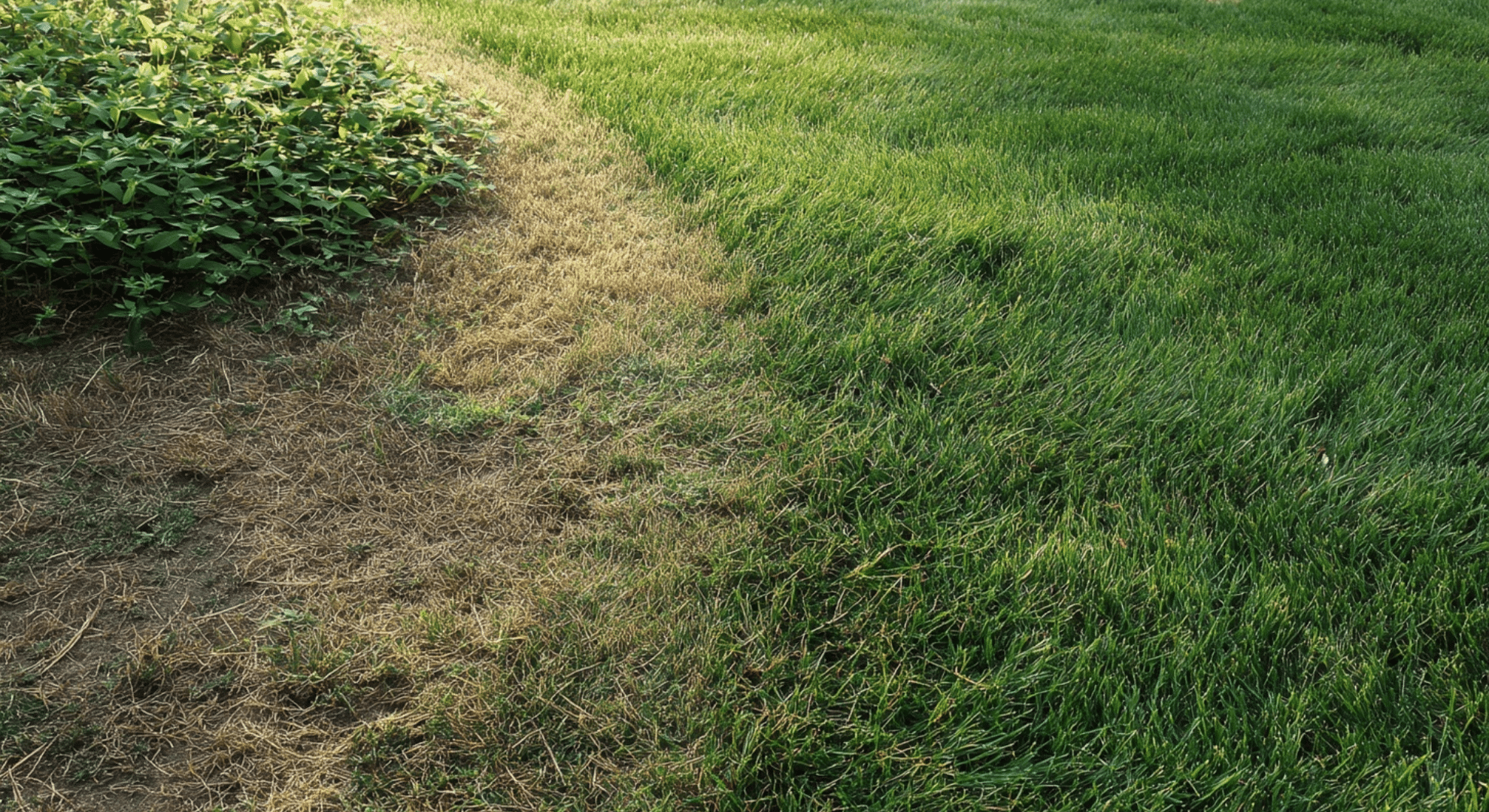
Sometimes the grass you already have is worth keeping. If it grows evenly, recovers after use, and stays healthy through most seasons, small care changes may be enough.
Issues caused by mowing height, watering habits, or soil compaction often look worse than they are. In those cases, keeping your grass makes sense.
Changing your grass becomes an option when problems repeat every year. Constant thinning, poor color, or heavy die-off often point to a poor match for your climate or sun exposure.
Grass that fails under everyday use may also need replacing. If shade patterns, drainage, or yard use have changed, your original grass may no longer fit.
Switching types can reset those problems and create better long-term results.
Avoiding Common Mistakes With the Wrong Grass Care
Many lawn problems come from treating all grass the same way. Small care mistakes add up when your grass type does not match your routine.
- Mowing too short, which weakens roots and invites weeds
- Watering on a fixed schedule instead of watching soil moisture
- Using fertilizer meant for a different grass type
- Ignoring shade patterns that affect growth
- Expecting fast repair from slow-growing grasses
- Applying weed control during active growth stress
- Overlooking soil issues like compaction or poor drainage
When care matches the grass you have, growth becomes steadier and easier to manage. Paying attention to these basics helps prevent damage that takes seasons to fix.
Conclusion
I put this together to answer the questions I kept running into while trying to fix lawn problems that never stayed fixed. Once I understood how grass types work, things felt clearer and more controlled.
Learning about different types of grass helped me stop reacting to issues and start planning around them instead.
Now you can take that same understanding and apply it to your own yard. Look at how your grass grows, adjust care where needed, and make choices that actually fit your conditions.
Keep learning by checking out related lawn guides, and take time to check out other blogs on the website to build confidence with every step forward for your home garden!