Interior design trends continue to evolve, but decorative wall features remain one of the most effective ways to add personality and structure to a home.
Dado rails, once considered a traditional architectural detail, are now used in creative, modern ways to enhance living rooms, hallways, and other interior spaces.
Their versatility allows homeowners to introduce texture, visual balance, and decorative interest while complementing both classic and contemporary design styles.
Adding Visual Separation to Walls
One of the most common uses of dado rails is to divide walls into distinct sections, creating a more balanced and elegant appearance. This approach helps add depth to larger walls while making smaller spaces feel more structured and visually appealing.
In living rooms, dado rails can separate contrasting paint colours or wallpaper patterns, helping create a layered and sophisticated design. Hallways also benefit from this technique, especially when lighter upper wall colors are paired with darker tones below the rail for added dimension.
Creating Decorative Wall Panel Designs
Dado rails are often paired with wall mouldings to create decorative paneling that adds texture and character to interior spaces. This style works particularly well in both modern and traditional homes, looking for a refined architectural appearance.
Many homeowners choose MDF dado rails for their smooth finish and ease of painting, allowing them to match different interior themes.
When paired with decorative wall moldings, they can transform plain walls into elegant focal points without requiring major structural changes.
Enhancing Hallways with Architectural Detail
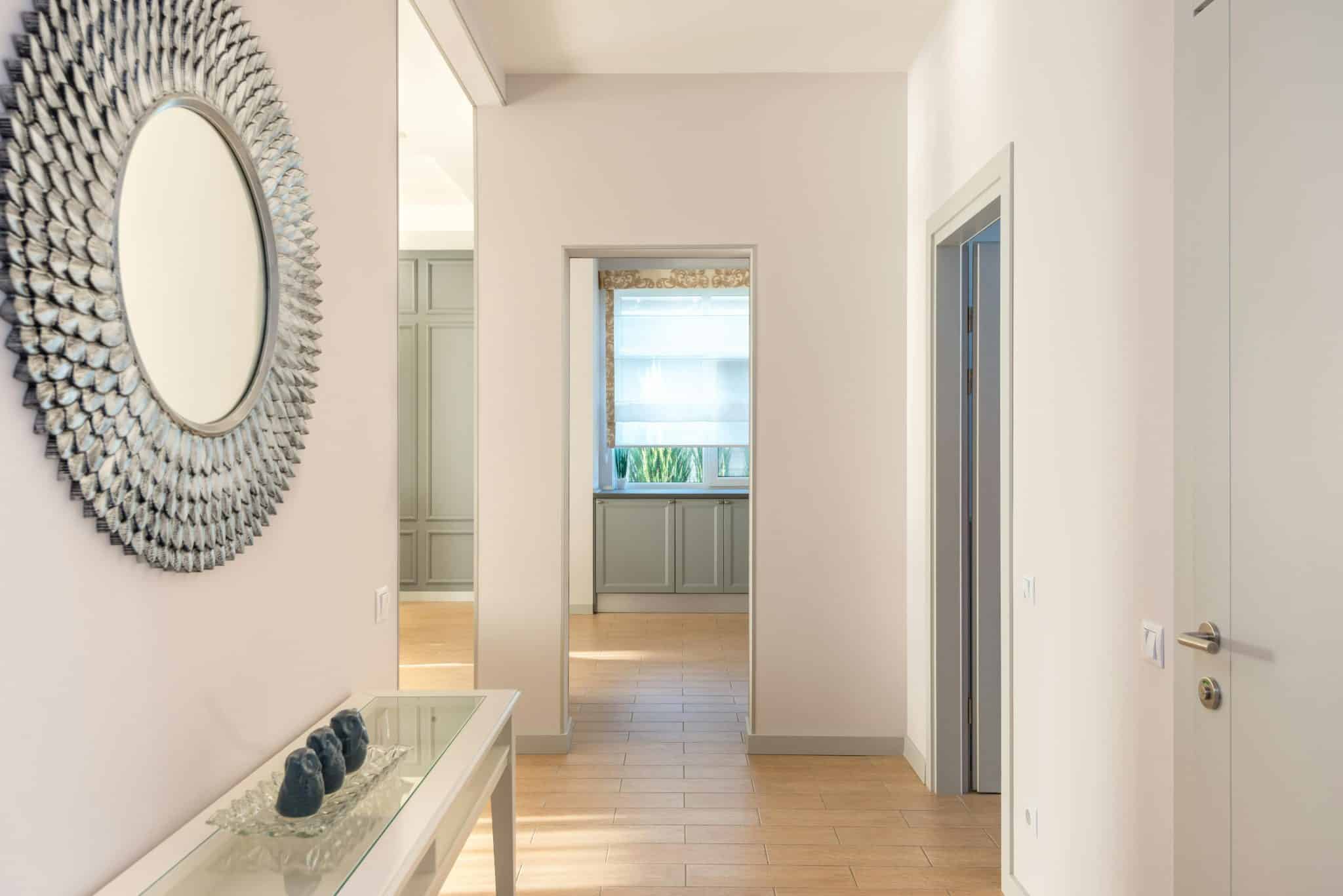
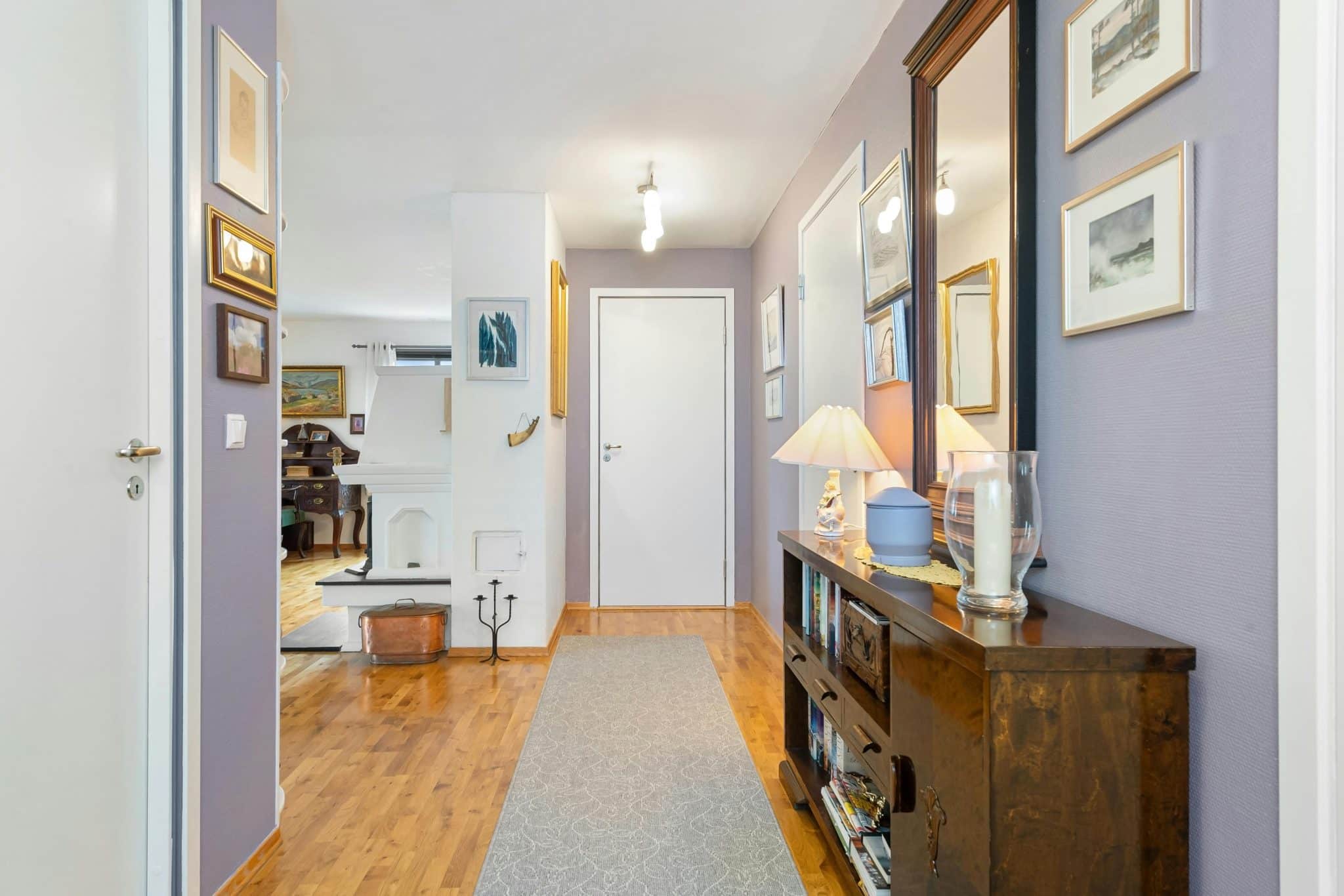
Hallways are often overlooked in home design projects, despite being among the first spaces visitors see when entering a home. Dado rails can help add character and visual interest to otherwise simple or narrow hallway walls.
Installing dado rails along hallways creates cleaner lines and helps break up long wall surfaces. Combined with carefully selected lighting and paint colors, they can make hallways feel more welcoming and visually connected to the rest of the home.
Complementing Modern and Traditional Interiors
One of the reasons dado rails remain popular is their ability to work across a wide range of design styles. Traditional interiors often feature more decorative profiles, while modern spaces may incorporate simpler, cleaner designs for a minimalist look.
Homeowners frequently use MDF dado rails in contemporary interiors because they offer flexibility in both design and installation.
Whether painted in bold, contrasting colors or blended seamlessly into neutral palettes, dado rails can adapt to a wide range of décor preferences.
Improving the Perception of Space
Decorative wall elements can influence how a room feels in terms of size and proportion. Properly positioned dado rails can create the illusion of higher ceilings or help make large walls feel less overwhelming.
In living rooms, this added structure contributes to a more polished and thoughtfully designed environment. Hallways can also appear wider and more visually balanced when dado rails are incorporated effectively into the overall interior design.
Bringing Character to Everyday Spaces
Dadorail remains a stylish way to add detail and personality to living rooms and hallways. Their versatility allows homeowners to experiment with color combinations, wall textures, and decorative layouts that suit both classic and modern interiors.
By combining functionality with decorative appeal, dado rails help create more visually engaging spaces without requiring extensive renovations.
Whether used for subtle architectural enhancement or bold design statements, they remain an effective way to elevate interior spaces and add long-term character to the home.