Choosing Home Colors Based on Psychological Principles
The paint on your walls does much more than just color them. The paint affects the mood, ambience, and character of the room. A color psychology study conducted by Sherwin-Williams found that 62% of Americans favored blue as their preferred paint color. A 49% relation with excitement was found for the color red.
The choice of color is governed by rules that everyone can apply. Light is known to influence the effect of color at varying times of the day. The size of the room, together with the intensity of color, is responsible for the perceptions created. Function dictates the effects useful to the occupants.
The process resembles other strategic decisions where understanding the rules improves outcomes. Just as finding casino bonus codes on Slotozilla requires knowing where to look and what terms mean, selecting the right interior colors demands understanding how different elements interact. Armed with basic knowledge, homeowners make choices that enhance comfort and express personal style for years to come.
How Natural Light and Room Function Shape Color Choices
In rooms with plenty of natural light, you can consider using darker shades without making them feel oppressive. In rooms facing south, especially when there are large windows, there is sufficient lighting to compensate for darker shades like deep blue, forest green, or charcoal to make them not seem like caves. These rooms have the greatest flexibility in this regard because, in natural lighting, intensity is reduced, which is not possible in artificial lighting.
For areas that have limited lighting, a different approach is needed. In north-facing rooms and hallways, consider lighter neutrals that make the most of the lighting. Warm white paint containing yellow or pink undertones provides more light reflection than cool white paint, which can look very sterile in low lighting. According to Fixr.com’s 2024 Paint and Color Trends Report, warm white is cited by 48% of interior design professionals as the most popular interior paint color.
Popular and Practical Color Options
Certain colors consistently deliver results across different architectural styles and personal preferences. Design experts returning from major industry events report seeing the same successful palettes repeated in showrooms and model homes. These proven options provide starting points for homeowners who are uncertain where to begin.
The following colors offer versatility and psychological benefits that work in most residential settings:
- Soft White is the most adaptable color option, which not only increases the perception of space but also acts as a background for any given interior design. The warmth offered by whites that have a cream or ivory touch eliminates the coldness associated with pure white.
- Light Grey and Greige pair grey with beige, which imparts a modern elegance that goes well with warm as well as cool shades. These shades appear modern without looking chilly.
- Warm Beige and Sand: This scheme relates to natural materials and natural settings. Such natural and neutral shades are perfect for creating a welcoming ambiance that can be ideal for a family room and a bedroom.
- Navy Blue or Terracotta can be used as striking accent/feature colors. Such bold colors look best on a single wall, in a powder room, or as a color for kitchen cabinets, but definitely not on a whole room’s surface.
Starting with neutrals for primary living spaces allows bolder colors in secondary rooms where visual interest outweighs the need for maximum flexibility.
Color Psychology and Emotional Impact
Each color has a distinct physiological impact. It is well established that blue leads to lower heart rates and blood pressure. Hence, blue is a popular choice for bedrooms as well as bathrooms that have a spa feel. Green is a sign of safety. It relates a person to nature, even when he is indoors. Red is a sign of energy. Hence, it is a good choice for the dining area but not for bedrooms.
The way colors interact with furnishings, textiles, and materials creates cohesive or chaotic results. A sage green wall that looks peaceful alone might clash with existing furniture in competing green tones. Testing how paint samples appear against flooring, upholstery, and wood finishes prevents expensive mistakes. Much like consulting an iGaming information resource before making decisions, gathering complete information before committing to gallons of paint saves time and money.
Warm hues come forward. This makes a wall appear closer. Cool hues recede. This makes it possible to deal with architectural issues by painting. If a room is narrow and has a short wall, paint it a warm color. This will make the wall appear shorter and more appealing in size. If a room is small, apply the cool hue.
Tips for Choosing and Testing Colors
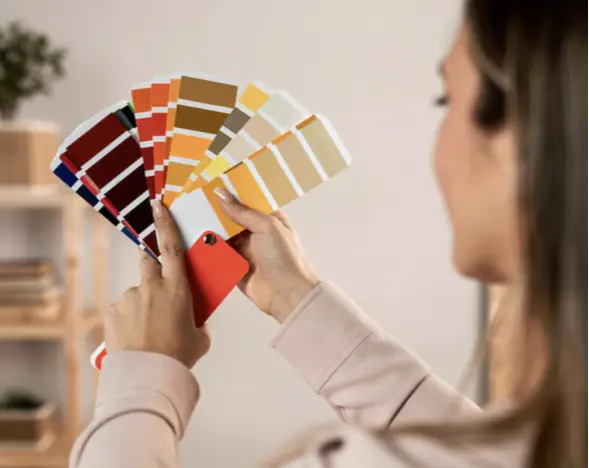
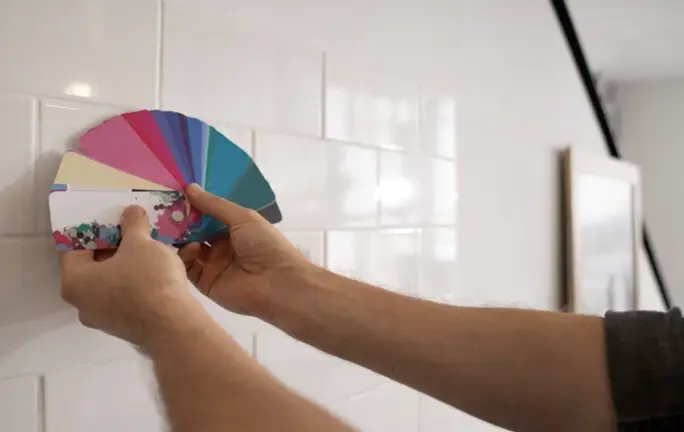
Paint samples appear dramatically different depending on the time of day, artificial lighting type, and surrounding colors. Testing multiple options prevents commitment to colors that looked perfect in the store but wrong on actual walls. Purchase sample sizes and apply large swatches, at least two feet square, on multiple walls in the target room.
Testing paint samples requires observation across multiple conditions to ensure accurate color selection:
| Evaluation Step | Purpose |
|---|---|
| Check colors in morning, afternoon, and evening light | Natural light shifts throughout the day, revealing different undertones |
| View samples under artificial lighting used in the room | Bulb type (LED, incandescent, fluorescent) alters color perception |
| Assess samples against existing flooring, furniture, and fabrics | Ensures coordination with current design elements |
| Live with samples for several days before final decisions | Allows time to notice subtle changes and confirm satisfaction |
Coordinating new paint with existing elements requires an honest assessment of what cannot change. Wood tones, stone surfaces, and fixed finishes establish constraints that new colors must respect. Working with rather than against these permanent features produces more satisfying results than fighting existing undertones.
Conclusion: How Thoughtful Color Choices Transform Interiors
Armed with information about light, function, psychology, and trends, homeowners can pick colors for their home projects with confidence. To achieve their goals inside their homes, 85% of designers favor soft whites or warm whites in major home spaces to maximize their value for money to prospective homeowners. With proper color choices in mind, homeowners can benefit by as much as 107% from a single interior painting job.
This investment of careful color choice reaps rewards every day in terms of added comfort, improved mood, and spaces that honestly reflect individuality. Whether in tune with contemporary earthy shades, traditional neutrals, or a statement accent, the strategy works the same way.
Take light into account, match color to purpose, honor psychology, and prototype before executing on a choice. These steps turn a daunting paint shelf into a workable option that delivers satisfaction for a long time to come. Color influences experiences, and knowledge of its power turns bland spaces into areas that promote well-being and express individuality.