If you’ve spent any time sprucing up your garden, cedar mulch has probably crossed your mind at least once.
Made from shredded or chipped cedar wood, it’s a go-to for gardeners who want their outdoor spaces to look neat, smell fresh, and actually stay that way.
People reach for it because it lasts, it keeps certain pests at bay, and honestly, it just photographs well.
Before you commit to a few bags, though, walking through the real pros and cons will help you use it in a way that truly works for your garden.
What Actually Goes into Cedar Mulch?
Cedar mulch is exactly what it sounds like: mulch made from the bark and wood chips of cedar trees. It falls under the organic mulch category, meaning it breaks down over time and gradually adds nutrients back into your soil.
What sets it apart from other wood mulches, though, is its natural chemistry.
Cedar contains naturally occurring oils and compounds that give it that signature scent, and those same oils are what make it resistant to decay and unappealing to certain insects.
It’s essentially nature’s way of building in a little extra protection for your garden beds.
Cedar Mulch Pros: The Benefits Worth Knowing
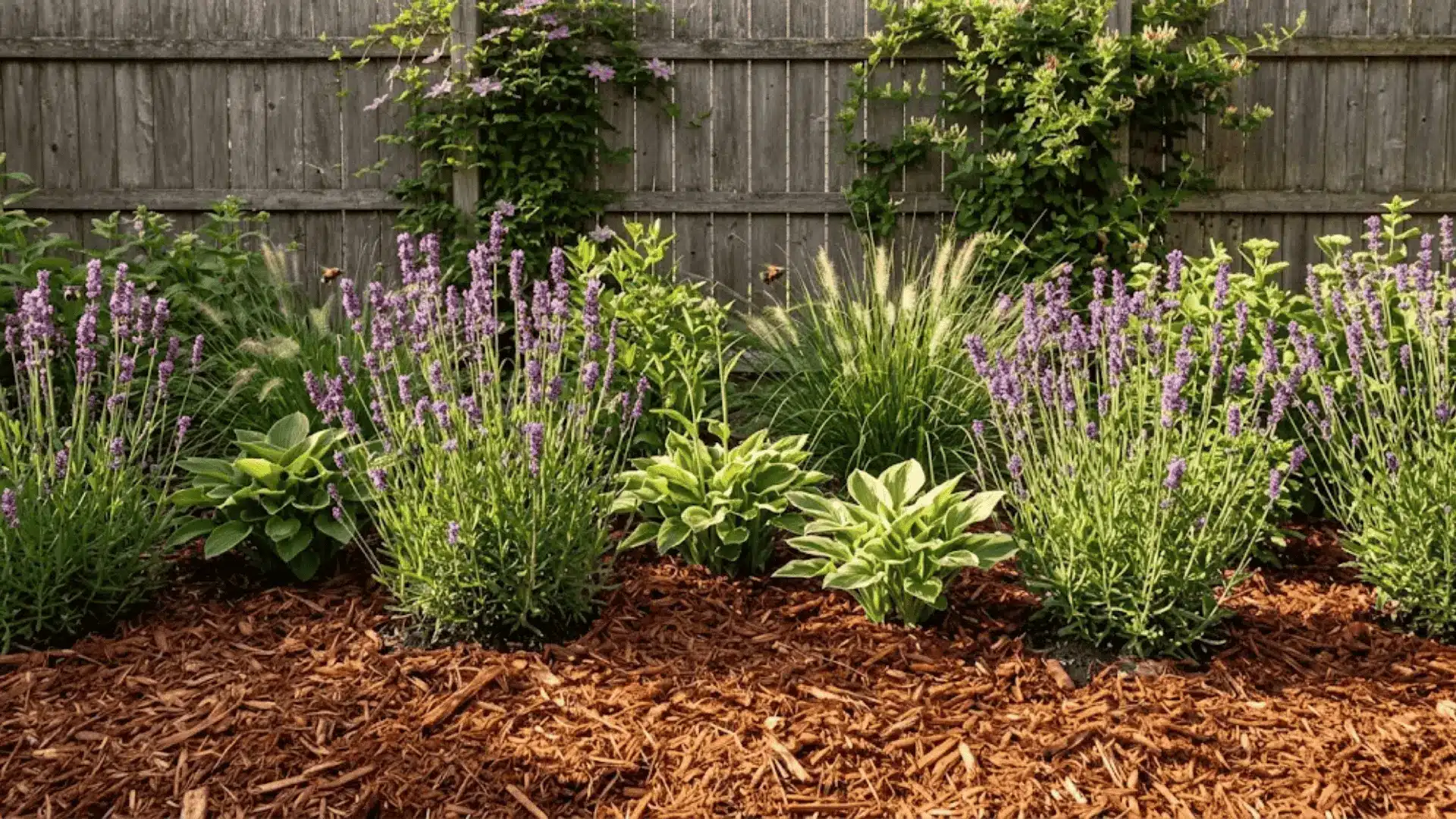
Cedar mulch doesn’t just look good in garden photos; it actually pulls its weight in ways that make a real difference. Here’s what makes it a go-to choice for so many gardeners.
1. Naturally Repels Pests
Cedar’s superpower lies in its chemistry. It contains naturally occurring oils like thujone that insects genuinely want nothing to do with.
Termites, ants, moths, and other pests avoid cedar-mulched beds. While not a full pest control, it acts as a chemical-free, passive deterrent, making it a valuable bonus.
2. Long-Lasting and Low Maintenance
Most mulches need topping up every season, but cedar is more patient than that. Because of its resistance to decay, it decomposes slower than other mulches, so you don’t need to refresh garden beds often.
For low-maintenance gardeners, that slower decomposition rate is genuinely one of its strongest selling points.
3. Excellent Moisture Retention
Cedar mulch works like a protective blanket over your soil. It slows down evaporation by creating a barrier between the soil surface and the sun, which means your plants stay hydrated longer between waterings.
During dry spells, especially, this can make a noticeable difference in how your garden holds up without constant attention.
4. Weed Suppression
Weeding is nobody’s favorite chore, and cedar mulch helps cut down on it considerably. By blocking sunlight from reaching the soil, it discourages weed seeds from germinating in the first place.
It won’t eliminate weeds entirely, but a well-applied layer means you’re spending less time pulling and more time actually enjoying your garden.
5. Regulates Soil Temperature
Gardens deal with temperature swings all year, and cedar mulch quietly helps manage that. It insulates the soil, keeping it cooler during summer heat and holding in warmth when temperatures dip in winter.
That kind of consistency is something plant roots genuinely appreciate, especially for species that are a little more sensitive to sudden changes.
6. Attractive Appearance and Pleasant Aroma
This one’s straightforward but worth mentioning. Cedar mulch has a rich, warm tone that makes garden beds look considered and well-kept, and that natural woodsy scent is something most people find genuinely pleasant.
It’s the kind of detail that pulls an outdoor space together visually while also making time in the garden a nicer sensory experience overall.
7. Adds Organic Matter Over Time
Cedar mulch is slow to break down, but it does break down eventually, and that’s a good thing. As it decomposes, it releases nutrients like potassium and phosphorus back into the soil, gradually improving its structure and fertility.
It’s a slow process, but over time, it contributes to a healthier growing environment without any extra effort on your part.
Cedar Mulch Cons: What to Consider Before You Buy?
Cedar mulch has a lot going for it, but it’s not a perfect fit for every garden. A few drawbacks are worth knowing before you commit.
1. Higher Cost Than Other Mulches
Cedar mulch tends to sit at the higher end of the mulch price range, often costing nearly double what you’d pay for pine or basic hardwood mulch.
For a small garden bed, that difference is manageable. For larger landscapes, though, it adds up quickly. If budget is a priority, it’s worth weighing whether cedar’s benefits justify the extra spend for your specific setup.
2. Can Deplete Nitrogen in Soil
This one catches a lot of gardeners off guard. As cedar mulch breaks down, it draws nitrogen from the soil to fuel the decomposition process, which can leave your plants short on a nutrient they genuinely need.
Young or newly planted specimens are especially vulnerable. If you’re using cedar mulch, keeping an eye on nitrogen levels and supplementing when needed is a smart habit to build.
3. May Repel Beneficial Insects
Cedar’s pest-repelling quality is a selling point, but it doesn’t discriminate as well as we’d like. Those same oils that deter harmful insects can also discourage pollinators and other beneficial bugs from sticking around your garden.
For gardeners who are actively trying to support local ecosystems or improve pollination, that’s a tradeoff worth thinking through carefully.
4. Slower Soil Improvement
Because cedar breaks down at a slower pace, it also releases nutrients back into the soil more gradually than faster-decomposing mulches like compost or straw.
If you’re working with nutrient-poor soil and need to build it up relatively quickly, cedar isn’t going to be your most efficient option. It improves things over time, just not in a hurry.
5. Can Slightly Acidify Soil
Over time, cedar mulch can nudge your soil’s pH toward the acidic side. For plants that prefer neutral or alkaline conditions, that shift can become a problem.
It’s also worth being cautious if your soil is already on the acidic end. A simple soil pH test before mulching can save you from dealing with unhappy plants down the line.
6. Strong Fragrance May Bother Some People
That signature cedar scent is part of its appeal, but not for everyone. For people with fragrance sensitivities or certain allergies, working around cedar mulch can be genuinely uncomfortable.
It’s a minor consideration for most, but if you or anyone spending time in the garden tends to react to strong natural scents, it’s something to keep in mind before committing to it.
7. Not Ideal for Vegetable Gardens
Between the nitrogen depletion and the frequency of soil disturbance that vegetable gardening involves, cedar mulch and veggie beds aren’t the most natural pairing.
Cedar thrives in ornamental and landscaping beds with undisturbed soil. For kitchen gardens, you’re likely better served by a mulch that’s more supportive of active, nutrient-hungry growing conditions.
Cedar Mulch vs. Other Mulch Types: How Does it Stack Up?
Not all mulches are created equal, and cedar is just one option in a pretty crowded category.
Here’s a quick side-by-side to help you see where it leads and where it falls short.
| Feature | Cedar Mulch | Hardwood Mulch | Pine Mulch | Compost Mulch |
|---|---|---|---|---|
| Durability | High | Moderate | Low to Moderate | Low |
| Pest Resistance | Strong | Minimal | Minimal | None |
| Soil Enrichment | Slow | Moderate | Moderate | Excellent |
| Decomposition Rate | Slow | Moderate | Fast | Fast |
| Cost | Higher | Moderate | Affordable | Low to Free |
| Best For | Ornamental beds, landscaping | General garden use | Acid-loving plants | Vegetable gardens, soil building |
| Weed Suppression | Good | Good | Moderate | Moderate |
| Moisture Retention | Excellent | Good | Good | Moderate |
| pH Impact | Slightly acidic | Neutral | Acidic | Neutral to slightly alkaline |
Tips for Using Cedar Mulch Effectively
Getting the most out of cedar mulch really comes down to a few simple habits. Keep these in mind, and your garden beds will thank you.
- Apply a layer roughly 2 to 3 inches thick, deep enough to suppress weeds without suffocating your soil.
- Keep mulch pulled a few inches back from plant stems and tree trunks to prevent moisture buildup and rot.
- Supplement with a nitrogen-rich fertilizer periodically, especially if you notice your plants looking a little lackluster.
- Check your soil pH occasionally, particularly if you’re growing plants that prefer neutral or alkaline conditions.
- Plan to refresh your cedar mulch every few years rather than every season, one of its quiet advantages over faster-decomposing options.
A little intention goes a long way with cedar mulch. Apply it thoughtfully, and it genuinely does a lot of the heavy lifting for you.
That’s a Wrap
Cedar mulch is one of those garden choices that rewards you quietly, through fewer weeds, less watering, and beds that just look put-together.
Like anything, it works best when you know what you’re working with. It has its limitations, but for the right garden and the right gardener, the cedar mulch pros and cons balance out quite favorably.
If you’ve been on the fence, hopefully this helped you land somewhere useful.
Tried cedar mulch in your garden? Drop your experience in the comments below because someone out there is definitely still deciding.