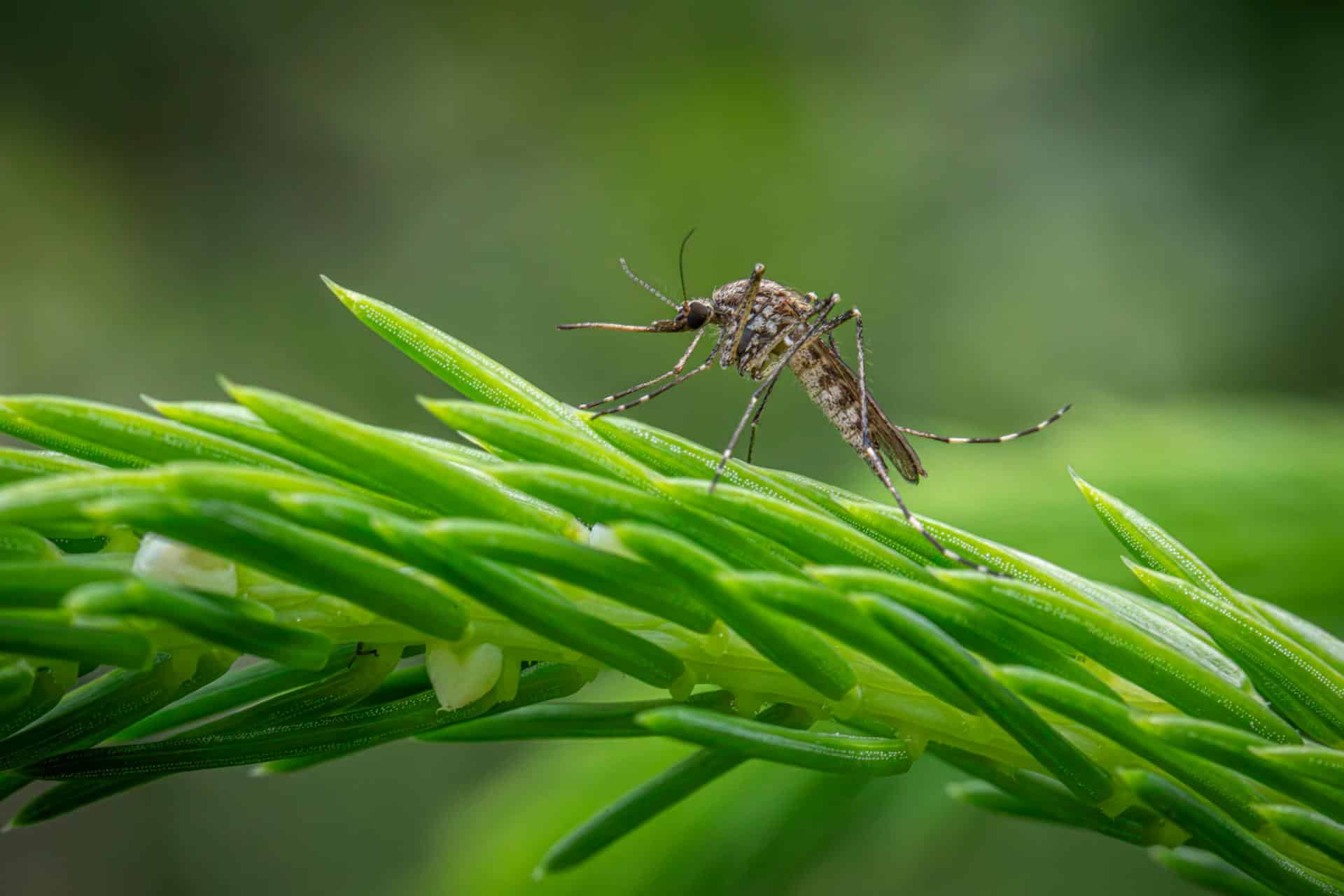
You know that moment when you spot something zip across your counter, and you’re convinced it just flew?
Then you look closer, and there are no wings.
These little creatures aren’t actually flying at all. They’re just really good at jumping or moving fast enough to trick your eyes.
Most of them are harmless and just looking for food or a damp spot to hang out.
If you’ve been wondering what’s darting around your kitchen or bathroom, this guide will help you figure out what they are, why they’re there, and how to get them to leave without much fuss.
Can Bugs Fly Without Wings?
Here’s the truth: true flight needs wings. What you’re seeing is something else entirely.
Some bugs are such powerful jumpers that they launch themselves into the air and seem to hover for a split second before landing.
Others get caught in air currents and glide across surfaces.
Then there are the ones that just move incredibly fast, darting up walls or across floors so quickly your brain registers it as flight. Their tiny size doesn’t help either.
When something that small makes a sudden move in dim lighting, especially when you’ve startled it, your eyes naturally assume it must be flying. It’s an optical trick more than anything else.
Common Bugs That Seem to Fly Without Wings
Once you start paying attention, you’ll realize there’s a whole lineup of usual suspects behind these phantom flights. Each one has its own signature move and favorite hangout spot in your home.
Some of these overlap with tiny brown household bugs you might notice in other areas, too.
1. Springtails
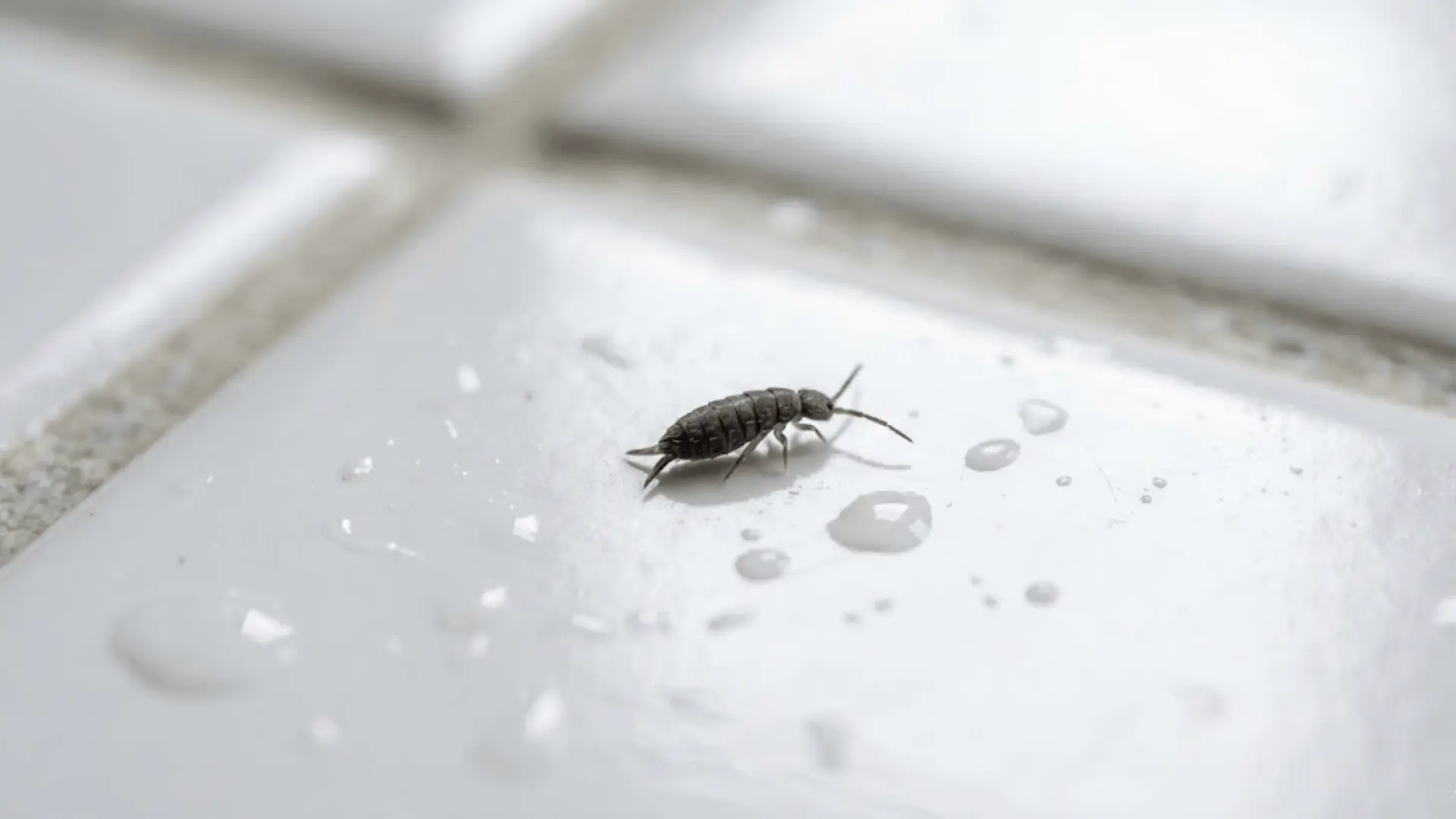
Size: Tiny, usually under 2mm, dark or white
These are the acrobats of the bug world. They hang out in bathrooms, around sinks, and down in basements where it’s damp. What makes them look like they’re flying is a forked tail tucked under their body that acts like a spring.
When they sense danger, they release it and catapult themselves into the air. Moisture is their weakness, so you’ll rarely find them in dry areas.
2. Fleas
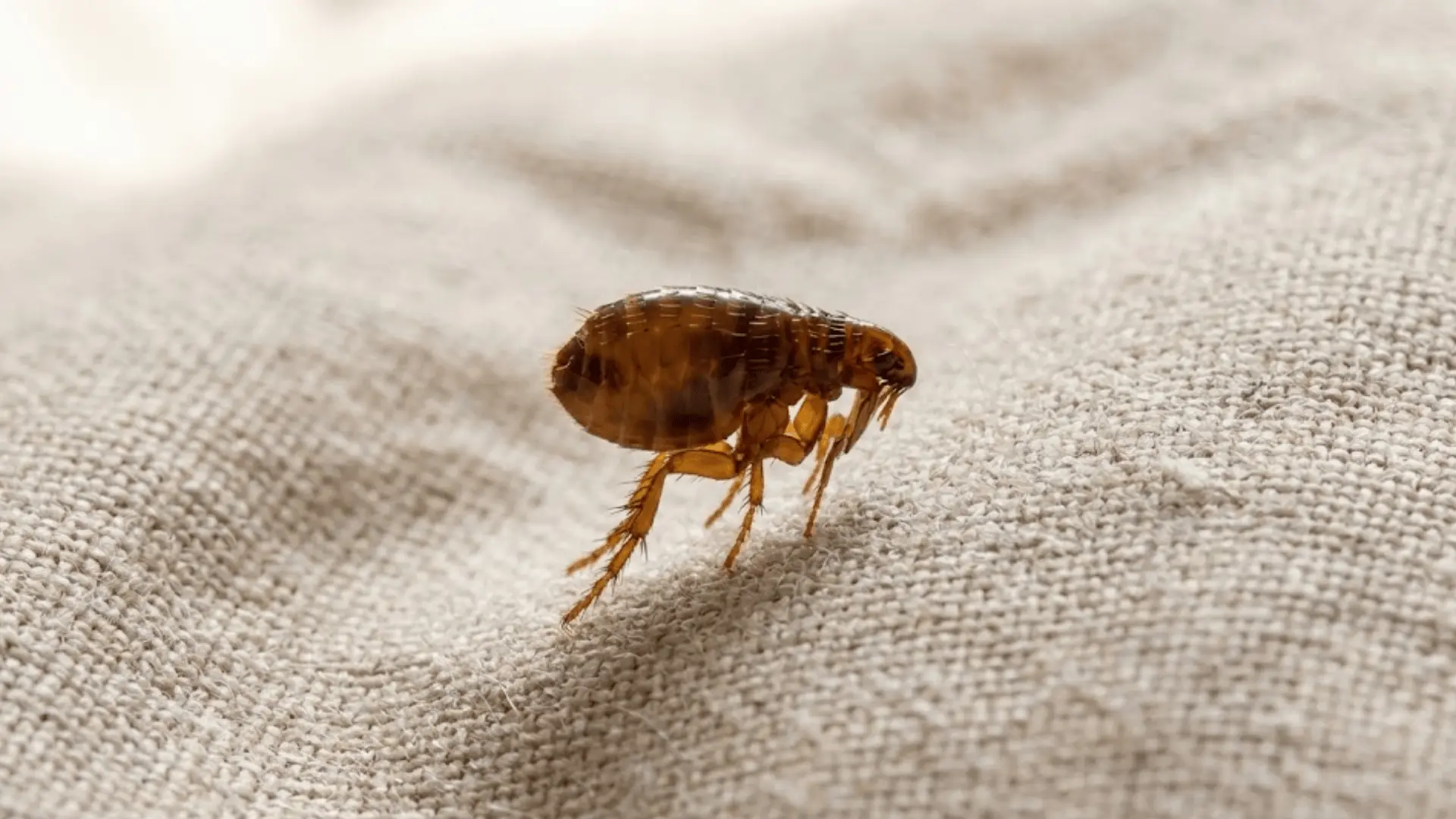
Size: Small, about 2-3mm, brown
If you have pets, you’ve probably met these guys. They’re built for jumping long distances relative to their size, which can definitely look like flight when they’re bouncing around.
They move fast, and they bite, which makes them particularly unwelcome houseguests. Even without pets, they can hitch a ride indoors on clothing or from previous residents.
3. Booklice
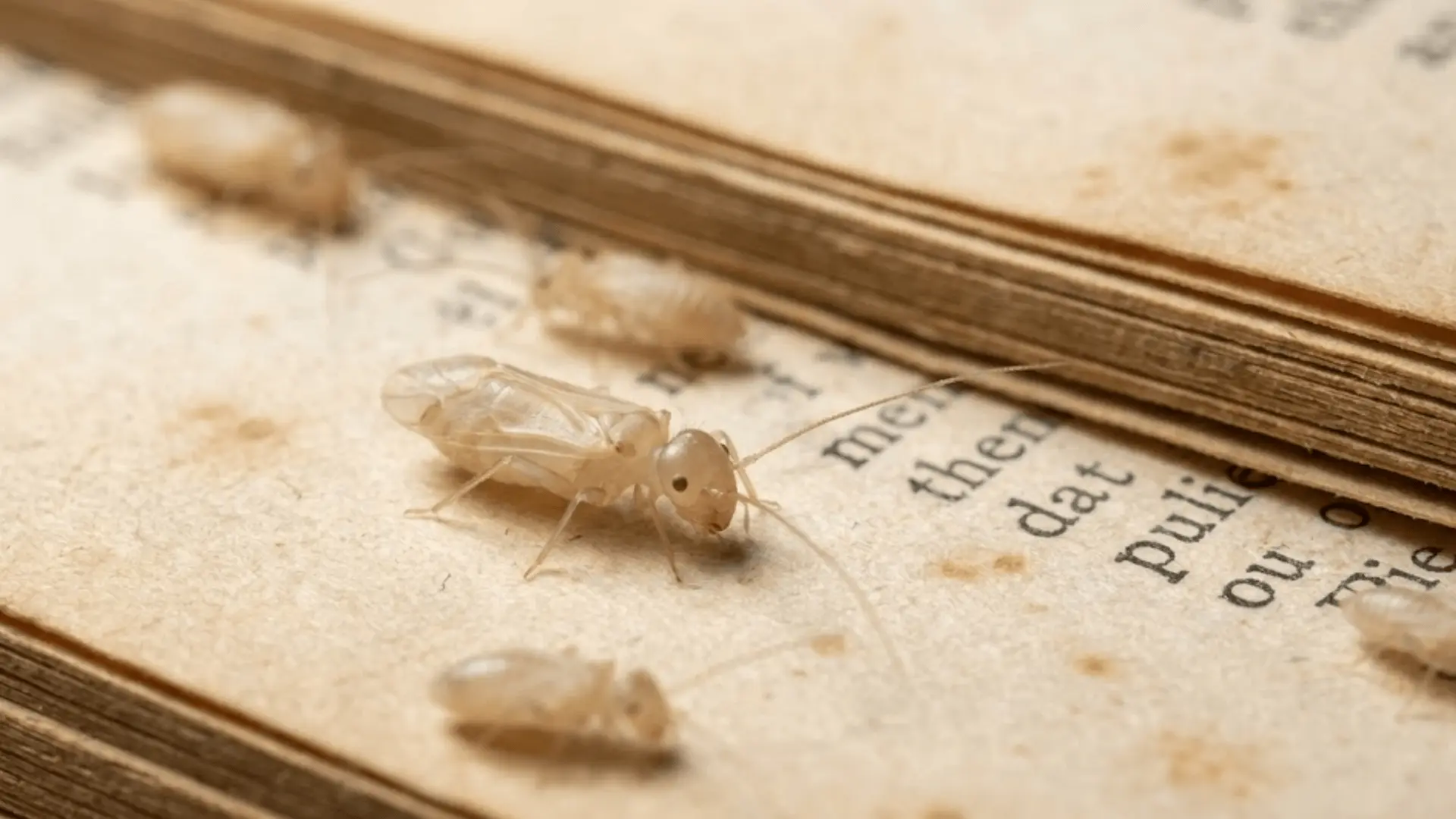
Size: Very tiny, 1-2mm, pale or brown
These almost invisible bugs love hanging around books, cardboard boxes, and pantry staples.
They thrive where humidity levels are high and can look like dust specks that suddenly move on their own. They’re harmless and don’t bite, but their presence usually means moisture issues that need addressing.
4. Carpet Beetle Larvae
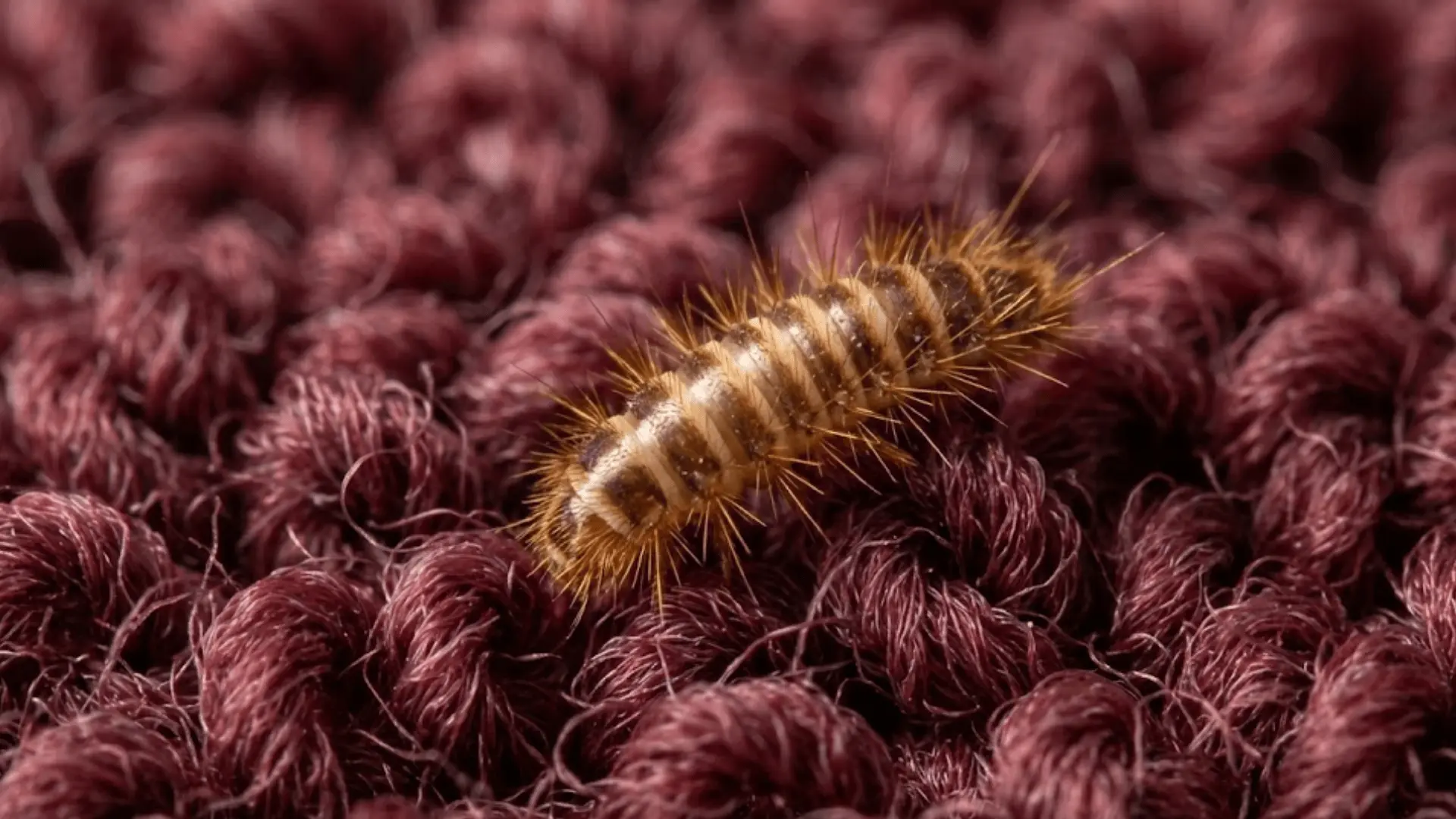
Size: Small, 4-5mm, bristly and carrot-shaped
The larvae are the troublemakers here. When you disturb them, they can appear to hop or fling themselves away from danger.
You’ll find them near fabrics, carpets, and anywhere natural fibers live. They’re more interested in eating your wool sweaters than bothering you directly.
5. Spider Beetles
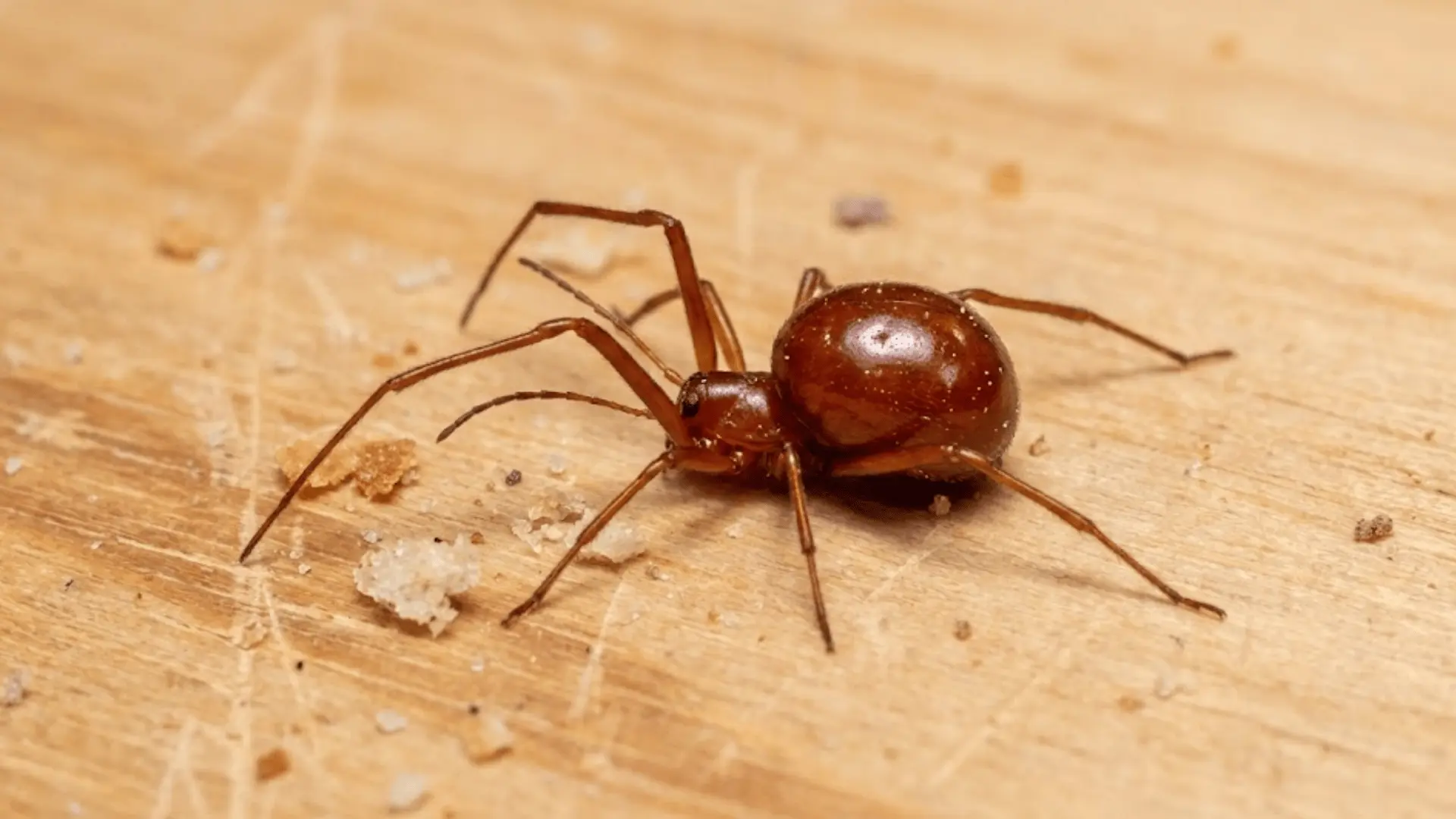
Size: Round, 2-4mm, reddish-brown
These little beetles look almost spider-like because of their long legs and rounded bodies. They’re fast movers, and when startled, they dart so quickly they seem to lift off the ground.
They’re attracted to stored foods in pantries or crumbs. Speaking of spider-like creatures, pseudoscorpions in homes are harmless hitchhikers that startle people with their appearance, despite being beneficial.
6. Thrips
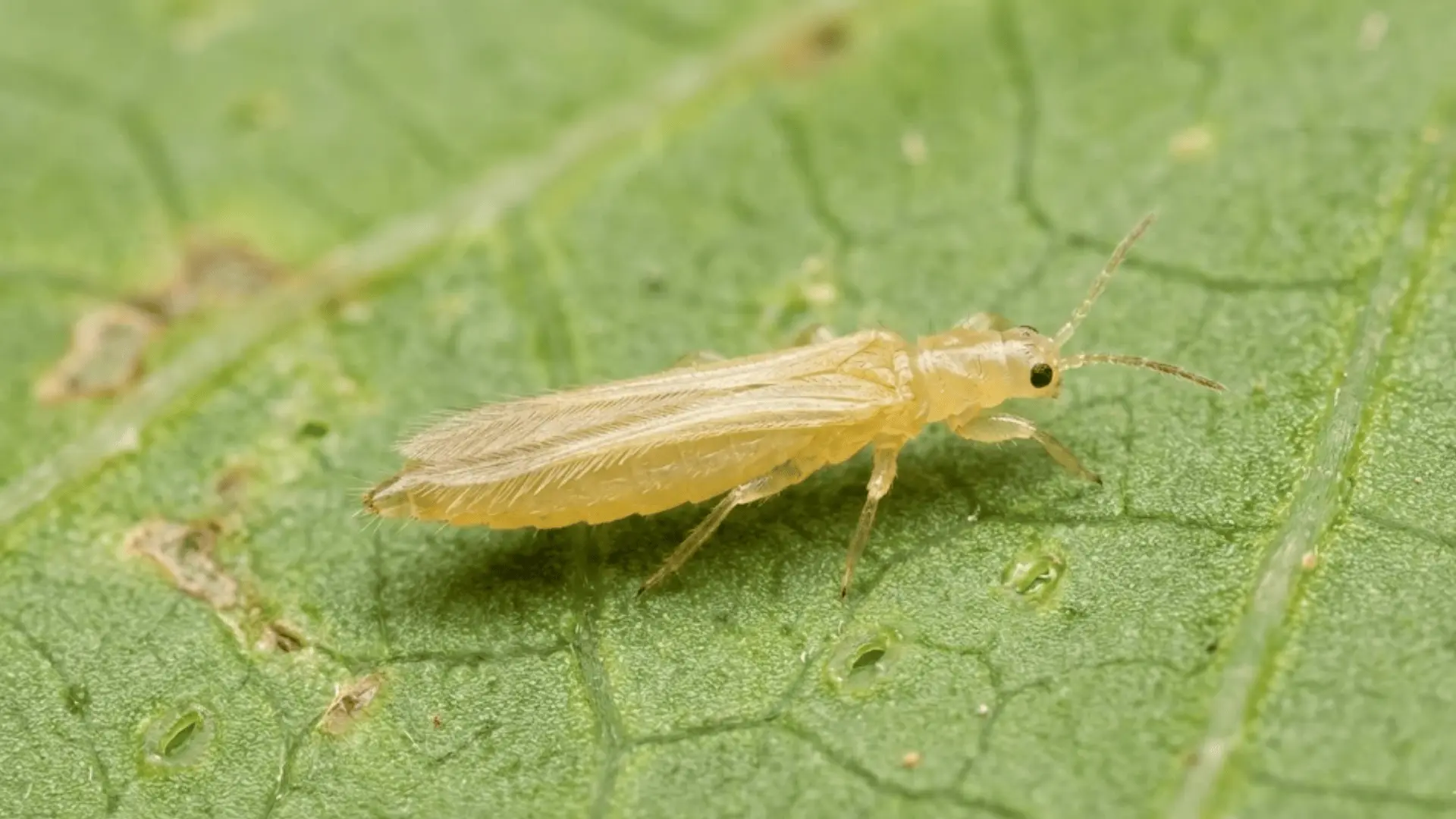
Size: Extremely small, 1mm or less, slender
These are so tiny they’re barely visible to the naked eye. They don’t jump or run, they just drift on air currents, which makes them seem like they’re flying even though they’re really just floating.
Often mistaken for flying gnats, they’re usually hitchhikers from outdoor plants.
How to Identify the Bug Correctly?
Figuring out what you’re dealing with comes down to three simple observations. Take a minute to watch how it moves, where you found it, and whether it actually has wings hiding somewhere.
| What to Check | How to Check | Fleas | Springtails | Booklice | Thrips |
|---|---|---|---|---|---|
| Wings | Use the phone flashlight or camera zoom | None | None | None | Tiny, fringed |
| Movement | Watch when startled | Straight vertical jump | Short hop | Crawls quickly | Drifts, floats |
| Location | Note where you found it | Near pets, bedding, furniture | Bathrooms, sinks, damp areas | Pantry, books, cardboard | On plants, windows |
Why These Bugs Appear in Homes?
Moisture is the biggest draw. Leaky pipes under sinks, high humidity in bathrooms, and poor ventilation create the damp conditions these bugs love.
Springtails especially thrive where water collects. They’re also after food, even if it’s not what you’d consider food.
Mold growing in hidden corners, tiny bits of organic debris, pet dander on floors, and pantry staples all qualify as meals.
Seasons play a role, too. Heavy rain brings springtails indoors, looking for less saturated ground.
Warm weather ramps up flea breeding cycles. If conditions are right, they’ll keep coming back until something changes.
How to Get Rid of Bugs That Seem to Fly Without Wings?
Getting rid of these bugs isn’t about harsh chemicals or panic. It’s about cutting off what brought them inside in the first place and making your home less appealing to future visitors.
- Step 1: Identify the pest first. Don’t start treating until you know what you’re dealing with, since each bug needs a different approach.
- Step 2: Dry out damp areas. Run dehumidifiers, fix any leaks under sinks or around pipes, and improve airflow in bathrooms and basements.
- Step 3: Clean everything thoroughly. Vacuum carpets and baseboards, wash all pet bedding in hot water, and wipe down any surfaces where moisture collects.
- Step 4: Target the specific problem. Treat pets for fleas, scrub away mold for springtails and booklice, or clean out the pantry for beetles and spider beetles.
- Step 5: Call professionals when needed. If they keep coming back, you suspect fleas, or you’re seeing large numbers daily, it’s time to call pest control.
Once you’ve worked through these steps, most infestations clear up within a week or two. Consistency matters more than speed here.
The Bottom Line
Most bugs that seem to fly without wings are just putting on a good show with their jumping skills or quick movements.
Now that you know what’s bouncing around your bathroom or darting across your counters, you can handle it without the guesswork.
A little moisture control and some targeted cleaning usually does the trick. Keep an eye on damp spots, and you’ll avoid most repeat visits.
Have you dealt with any of these sneaky little jumpers before? Drop a comment below and share what worked for you or what’s still stumping you.