

Sunflowers turn their golden faces toward the sun with perfect timing, and your planting schedule should be just as precise.
The best time to plant sunflowers is after the last spring frost, when the soil has warmed enough to welcome seeds without shocking them.
Getting this timing right makes all the difference between a garden that merely grows and one that absolutely thrives.
Plant too early, and cold soil stalls germination, leaving seeds vulnerable to rot. Wait too long, and you’re racing against summer’s end, potentially missing those glorious late-season blooms.
Your local climate, soil warmth, and variety choice work together to create the conditions for those towering stalks and cheerful flowers that turn any garden into a sunlit sanctuary.
Sunflower Basics: Warm-Season Annuals
Sunflowers are warm-season annuals that refuse to tolerate cold soil or frosty conditions.
These sun worshippers need soil temperatures of at least 60°F to germinate properly, which is why planting after your last spring frost date is non-negotiable.
They’re also light hungry, requiring six to eight hours of direct sunlight daily to develop strong stems and vibrant blooms.
Plant them in anything less, and you’ll end up with weak, leggy stalks that flop over instead of standing tall.
When conditions align with their warm-weather preferences, sunflowers grow remarkably fast, often reaching full height within a few months and rewarding you with those iconic golden faces.
Key Factors That Determine When to Plant Sunflowers
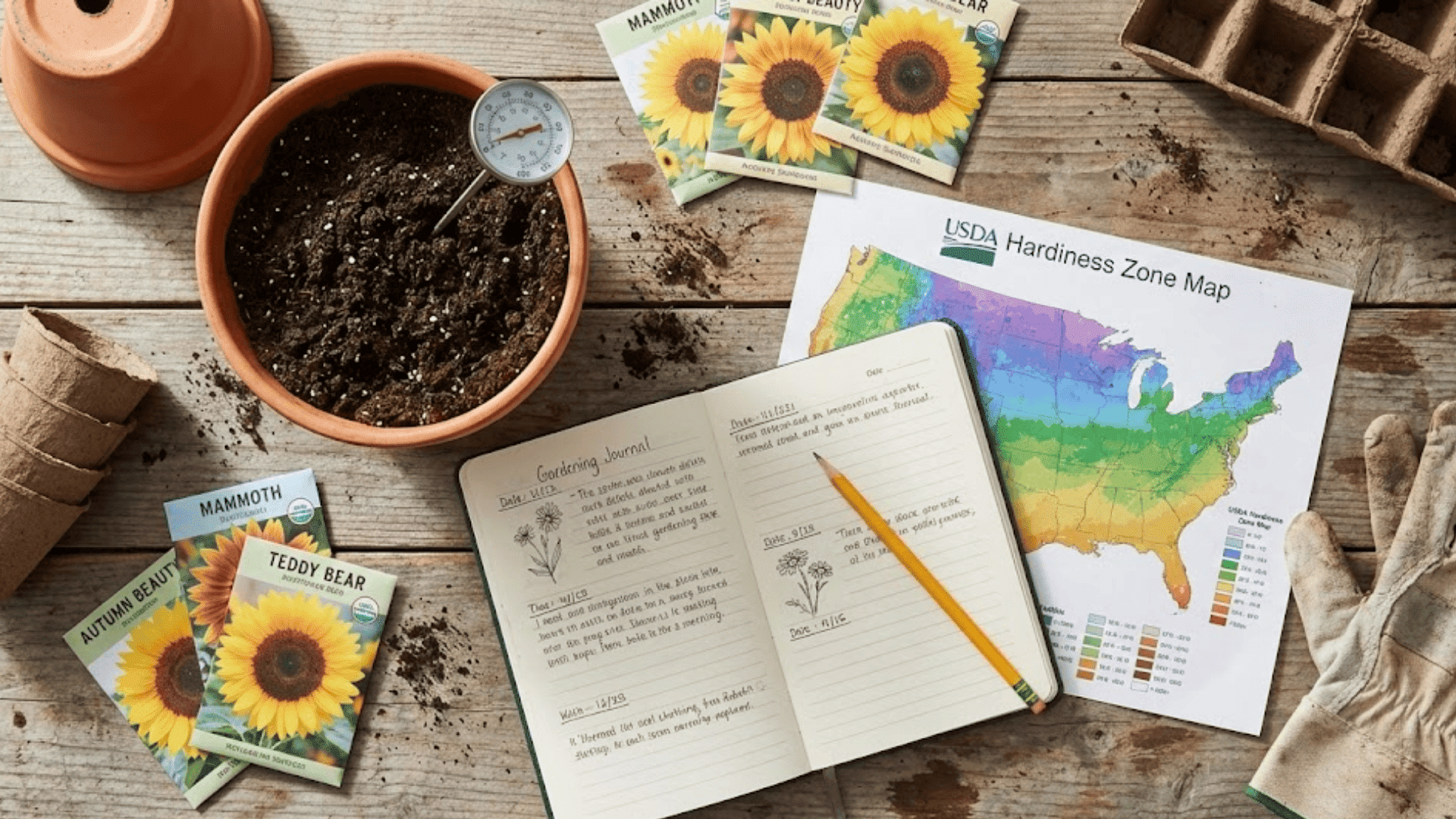
Four essential elements work together to determine your ideal planting window.
Understanding how these factors interact in your specific location helps you avoid common pitfalls and sets your sunflowers up for success.
1. Last Frost Date
Your last spring frost date acts as the starting line for sunflower planting. Sunflower seedlings have zero frost tolerance, so planting before this date risks losing your entire crop overnight.
This date shifts dramatically depending on where you garden. Coastal California gardeners might plant in February, while Minnesota gardeners wait until late May.
Check your local extension office or use online frost date calculators to find your specific date, then mark your calendar and resist the urge to plant early, no matter how warm a few spring days feel.
2. Soil Temperature Thresholds
Soil temperature matters more than air temperature when it comes to germination success.
Here’s what you need to know about the numbers:
- Minimum Germination Temperature: 50°F (seeds will sprout but slowly)
- Ideal Germination Range: 60-70°F (quick, vigorous sprouting)
- Optimal Growth Temperature: 70-78°F (strongest seedling development)
- Risk Zone: Below 50°F (seeds rot before sprouting)
You can check soil temperature with an inexpensive soil thermometer inserted two inches deep in the morning. If the reading consistently stays above 60°F for several days, your soil is ready to receive seeds.
3. Length of Growing Season
Most sunflower varieties need 80-120 days from seed to bloom, depending on whether you’re growing dwarf varieties or giant types.
Count backwards from your expected first fall frost to determine your planting deadline. This backward planning prevents the disappointment of buds forming just as frost arrives.
Gardeners in warm climates can plant successive crops all summer, enjoying blooms from early summer to fall. Cool-climate gardeners have a narrower window and need to be more strategic about variety selection.
4. Local Climate & USDA Zones
Your USDA hardiness zone provides the framework for all your planting decisions.
Here’s how different zones approach sunflower timing:
- Zones 3-4 (coldest): Plant late May to early June after soil warms
- Zones 5-6 (cool): Plant mid-April to mid-May when frost risk passes
- Zones 7-8 (moderate): Plant March to April with succession planting possible
- Zones 9-11 (warmest): Plant February to March, plus fall plantings in September
Beyond zone numbers, microclimates in your yard matter, too. South-facing beds warm faster than north-facing ones, and raised beds heat up quicker than ground-level plots.
Pay attention to these nuances in your specific garden space to refine your timing even further.
Typical Planting Times by Region
Your geographic location dictates when soil conditions become ideal for sunflower seeds. This regional breakdown helps you pinpoint your planting window based on climate patterns.
| Region & Zones | Planting Window | Notes |
|---|---|---|
| Northern (Zones 3-5) |
Mid-May to early June | Wait for soil to warm; frost risk lingers |
| Temperate/Mid-Atlantic (Zones 5-7) |
Late April to mid-May | Ideal for succession planting through June |
| Southern/Warm (Zones 8-9) |
March to April | Second fall crop possible with late summer planting |
| Tropical/Subtropical (Zones 10-11) |
Year-round; spring/fall best | Cooler months produce stronger blooms |
Succession Planting for Continuous Blooms
Want sunflowers gracing your garden from July through October instead of just a brief two-week show? Succession planting is your answer.
Start with your first planting after the last frost, then sow new seeds every 2-3 weeks through early summer.
Each planting takes its turn blooming, creating waves of color that keep coming. This approach works beautifully in temperate zones where you have enough growing season to squeeze in multiple rounds.
Just remember to count backwards from your first fall frost, giving your final planting enough time to reach maturity before cold weather arrives.
Starting Seeds Indoors vs. Direct Sowing
Sunflowers generally prefer being sown directly where they’ll grow, but gardeners in shorter-season climates sometimes need a head start.
Here’s how each method works and when to choose it.
| Method | Timing | Best For | Important Notes |
|---|---|---|---|
| Direct Outdoor Sowing | After the last frost, soil at 60°F+ | Most climates and all varieties | Quick, easy, no transplant shock; seeds sprout in 7-14 days |
| Indoor Start | 4-6 weeks before last frost | Short-season northern zones | Use biodegradable pots; harden off 7-10 days before transplanting |
How Planting Time Affects Growth and Blooms?
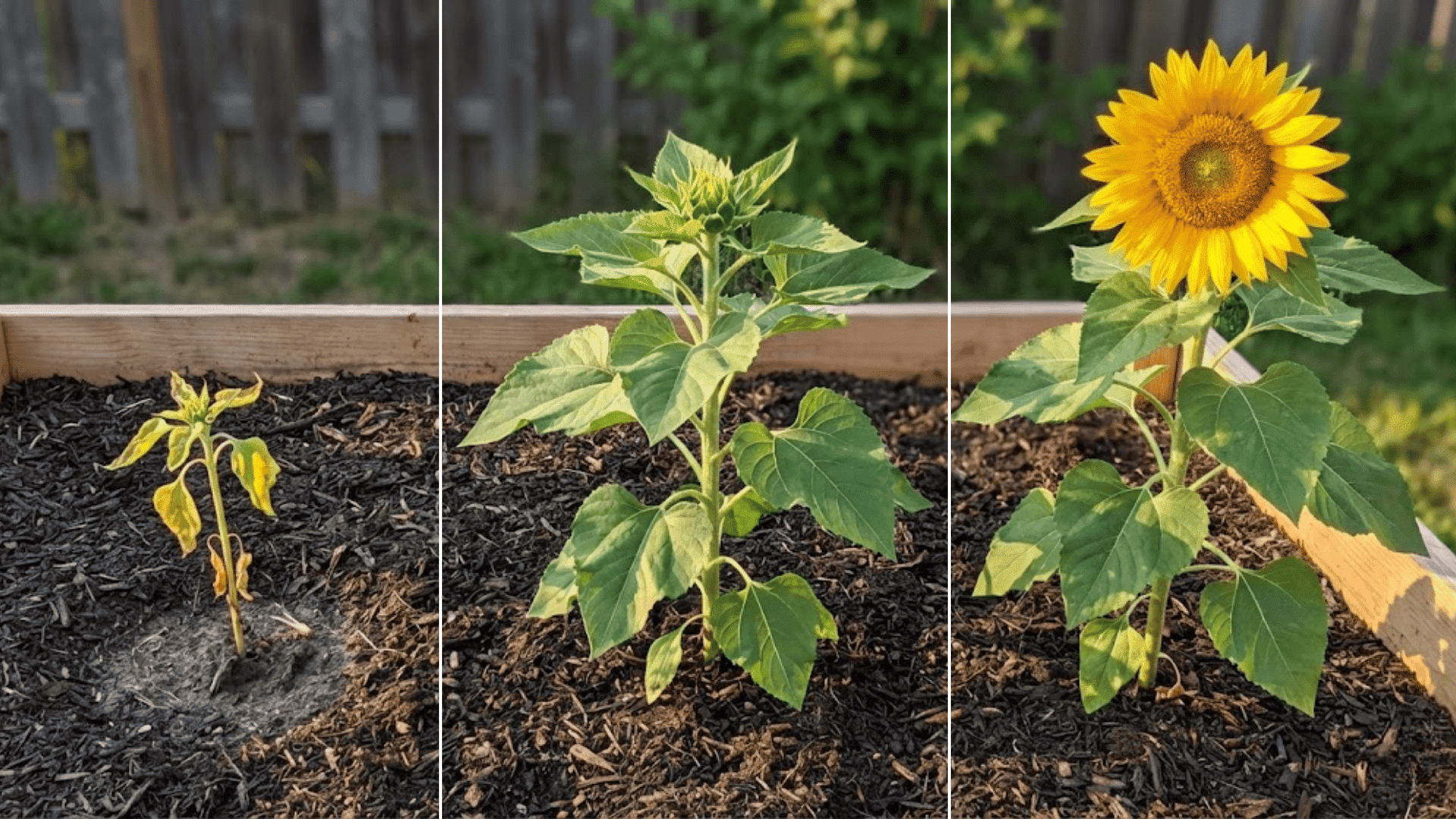
Timing isn’t just about convenience; it directly shapes your sunflower’s entire life cycle.
Seeds planted in cold soil either rot or languish for weeks, eventually sprouting as weak seedlings vulnerable to pests and disease.
On the flip side, late plantings create a different problem.
Your sunflowers race against autumn’s arrival, often forming buds just as frost threatens, robbing you of any blooms.
But when you plant at the sweet spot, after the soil warms and with adequate days until fall, seeds germinate vigorously within a week.
They develop strong root systems, grow sturdy stalks, and have ample time to produce those spectacular flower heads you’re dreaming of.
Tips & Tricks from Gardeners
Experienced sunflower growers have learned that flexibility and observation matter more than rigid schedules. These practical insights help you adapt planting strategies to your unique garden conditions.
- Extend Planting into Summer: Many gardeners successfully sow sunflowers through July or August in zones with long growing seasons.
- Trust Your Thermometer Over the Calendar: Soil temperature and local frost forecasts are more reliable guides than generic planting dates.
- Adapt to Your Weather Patterns: Adjust timing based on whether your springs arrive early or late compared to average years.
- Plant in Waves for Insurance: Stagger a few sowings a week apart so unexpected cold snaps or heat waves won’t wipe out your entire crop.
Real gardeners agree that sunflowers are remarkably forgiving. As one experienced grower shared on MetaFilter, “Sunflowers are just about idiot proof, just pull a little grass, stick a seed or 2 about 1/4 inch into the dirt and water once in a while.”
These real-world strategies turn sunflower planting from guesswork into a confident, adaptable practice that works with your garden’s rhythm.
Final Thoughts
Knowing the best time to plant sunflowers comes down to reading your soil and respecting your climate’s rhythm.
Gardeners in chilly northern zones and balmy southern regions alike find success by waiting for warm soil and clear frost windows.
Your sunflowers will thank you with towering stalks and brilliant blooms that follow the sun all season long.
Ready to start planning your sunflower garden? Drop a comment below sharing your planting zone and when you’ll be sowing seeds this year.
Happy gardening, and may your garden be filled with golden faces soon.





One Response
Thank you so much very helpful. I love flowers and I would love to see them from May through October so I will definitely follow your directions. You are awesome. Very helpful. I have not heard anybody such a great directions , awesome