

I’ll admit, watching soil wash away after every heavy rain used to frustrate me beyond belief. Slopes turned into muddy messes, gardens lost their shape, and I’d spend weekends fixing the same spots over and over.
That’s when I started testing different erosion control solutions to see what actually holds ground in place. Some methods worked better than others, and I learned which ones fit specific situations.
You’re probably dealing with similar issues; maybe a sloped yard that won’t stay put or bare patches that keep expanding. The good news? You don’t need expensive contractors or complicated setups to stop erosion.
In this guide, you’ll find practical approaches that work for different budgets and landscapes, so you can finally keep your soil where it belongs.
What is Erosion and Why Does It Happen?
Erosion happens when soil gets displaced by water, wind, or gravity. I’ve seen it strip away topsoil, create gullies, and turn healthy landscapes into problem areas.
Water runoff is the biggest culprit. Rain hits bare ground, gains momentum on slopes, and carries soil particles downhill. Wind does similar damage, especially in open areas without plant cover.
Your soil type matters too. Sandy soils erode faster than clay because particles don’t stick together well.
Slopes make everything worse since water picks up speed as it flows down. The steeper the grade, the more aggressive the erosion.
Lack of vegetation is what really accelerates the problem. Roots hold soil in place and slow water movement.
Without them, you’re fighting a losing battle. Left unchecked, erosion damages foundations, clogs drainage systems, and kills plants by exposing roots. That’s why you need to act before minor issues become major headaches.
Here’s your condensed content:
Types of Erosion Control Solutions
You’ve got three main approaches to stopping erosion, and each serves different situations. Vegetative methods use plants to hold soil naturally. Physical controls rely on structures and barriers to redirect water or anchor slopes. Agricultural practices focus on how you manage land to prevent erosion before it starts. The method you choose depends on your property size, slope severity, and budget.
Vegetative Erosion Control Methods
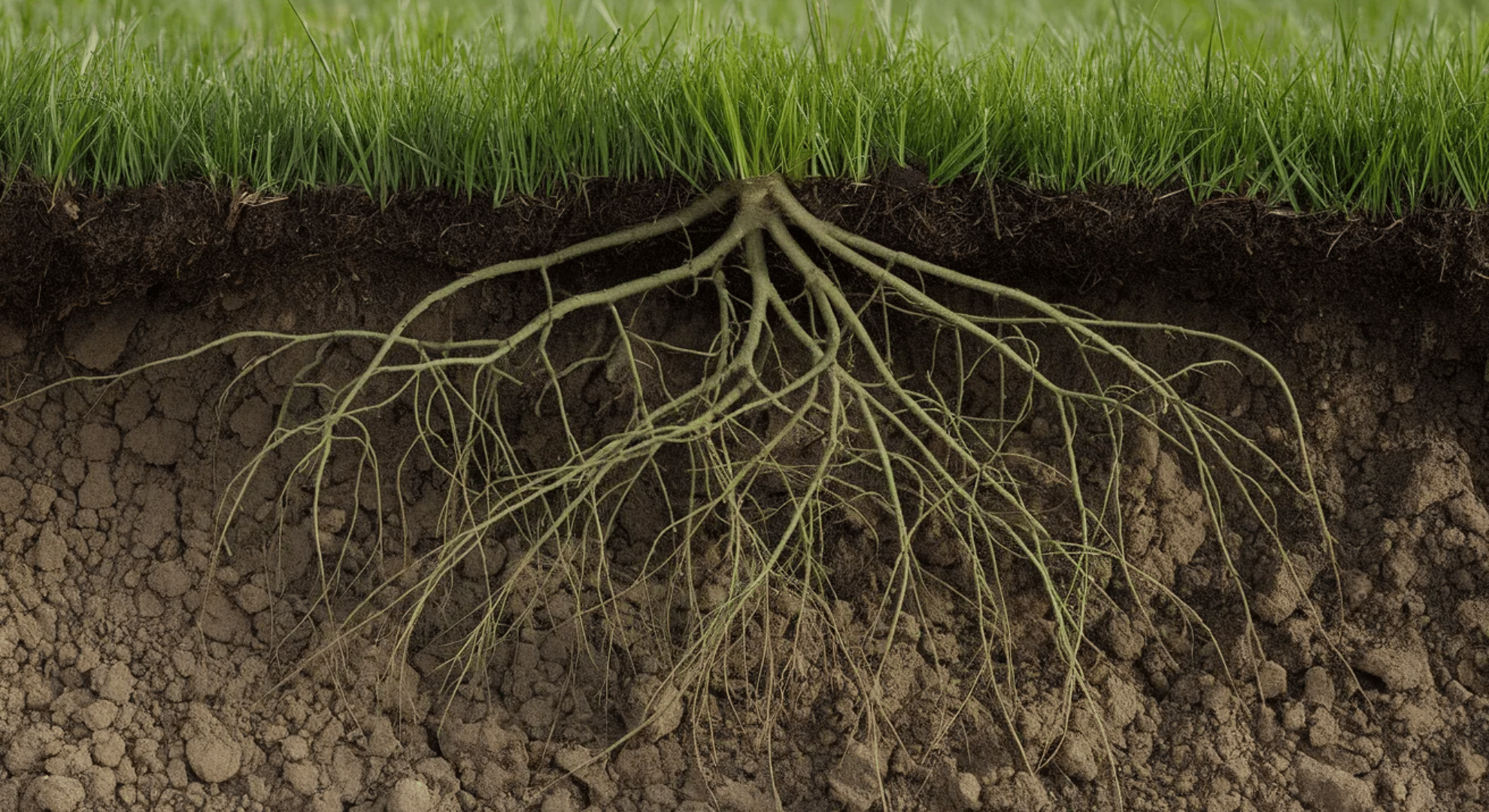
Plants are your first line of defense against erosion. Roots create underground networks that bind soil particles together. Leaves and stems slow down water, giving it time to soak in instead of running off.
Grasses work great on gentle slopes. Their dense root systems spread quickly and hold ground firmly. Trees and shrubs tackle steeper areas with deep roots that anchor soil while canopies break rainfall impact. Ground covers like clover fill bare spots between larger plants.
Cover crops protect farmland during off-seasons. Mulching adds another layer of protection—wood chips, straw, or shredded leaves shield bare soil from rain impact and wind. The beauty of vegetative methods? They improve over time as plants mature.
Physical and Structural Controls
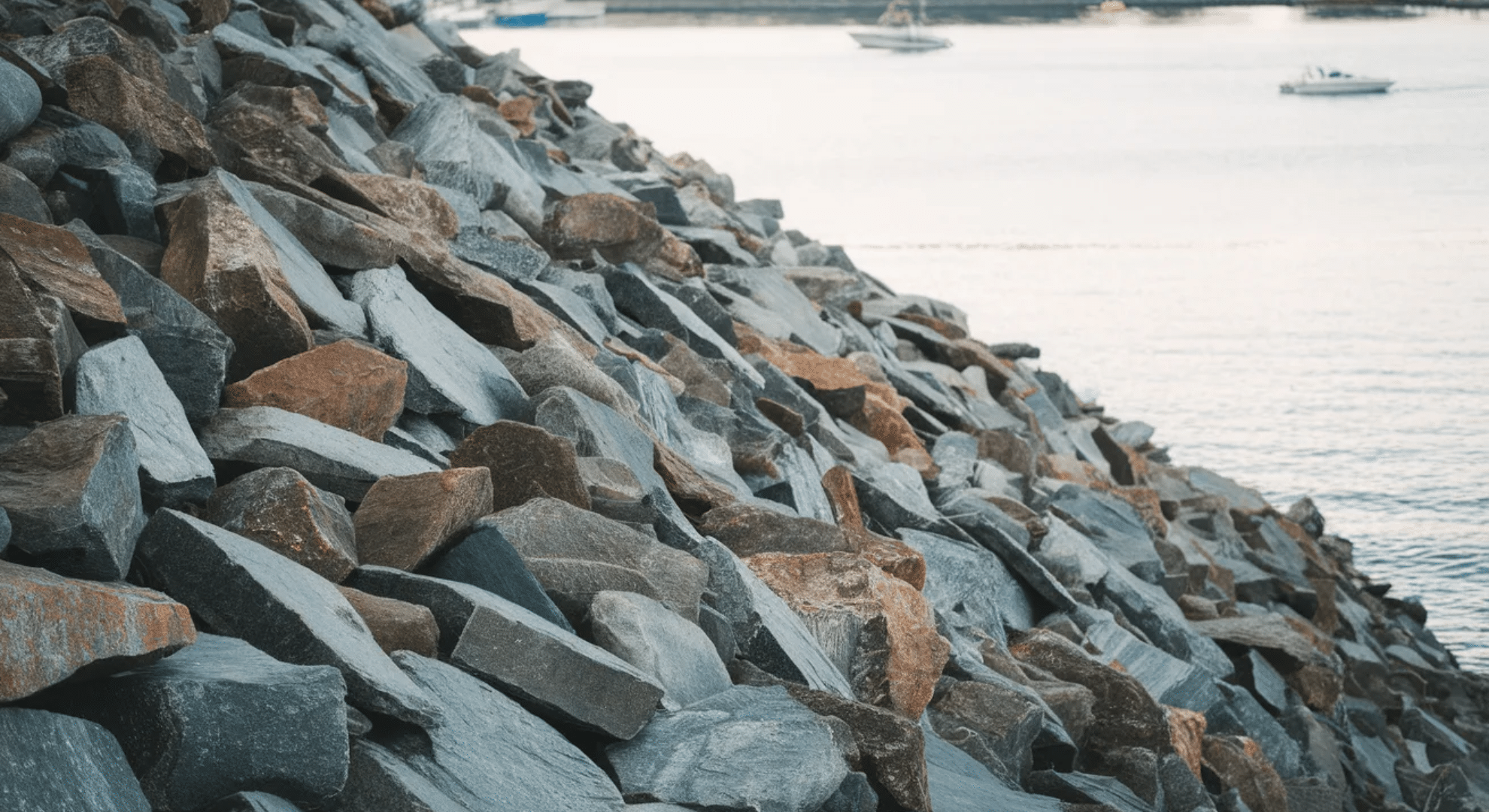
Sometimes plants aren’t enough, especially on steep slopes or areas with heavy runoff. Silt fences catch sediment before it washes away. Riprap uses large rocks placed along slopes to absorb water energy and prevent undercutting.
Retaining walls hold back soil on steep grades, creating level areas from sloped land. Erosion control blankets stabilize soil while vegetation establishes. Gabions are wire cages filled with rocks that work for both walls and channels.
Agricultural and Land Management Practices
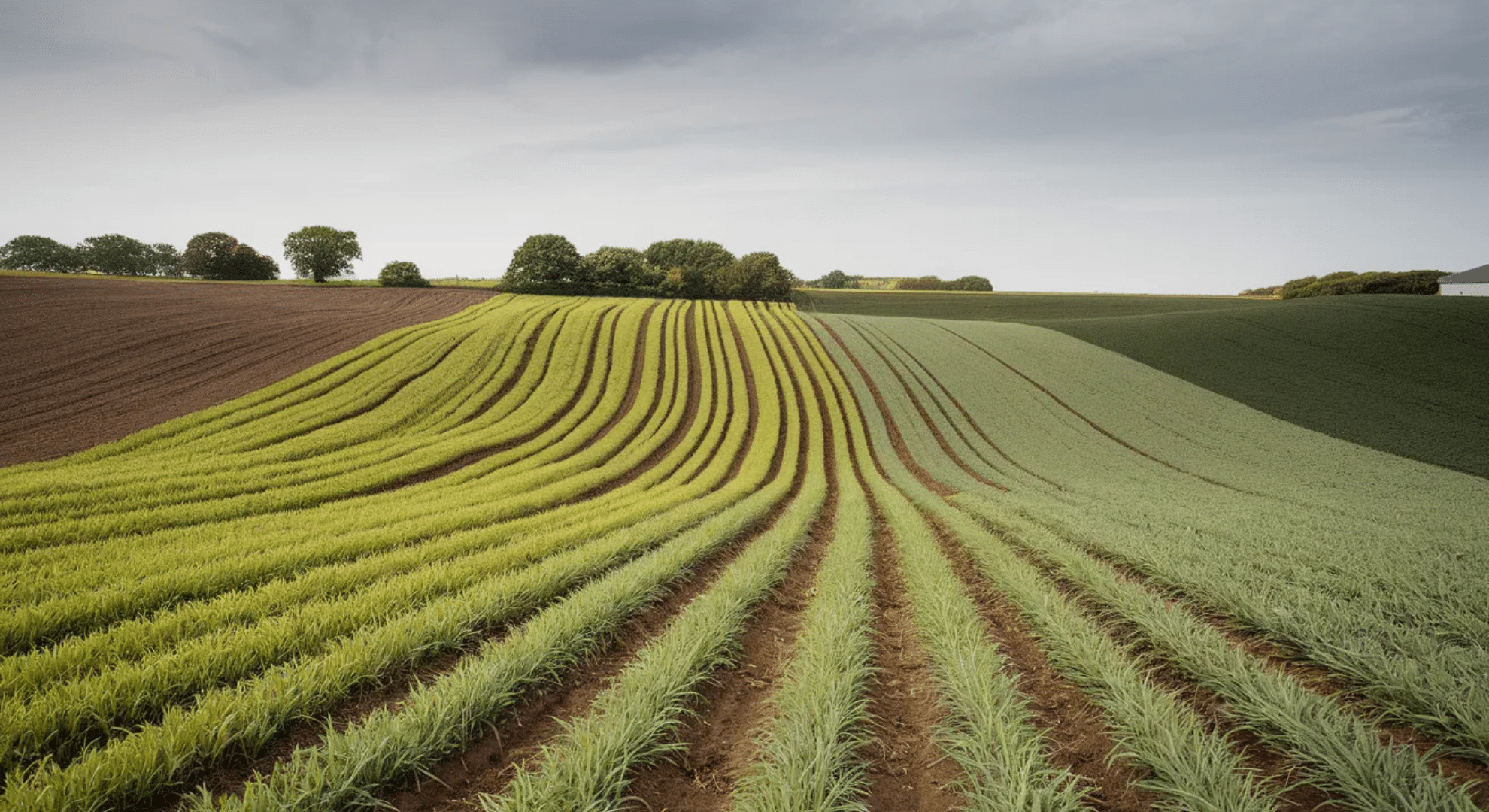
Larger properties need farm-scale approaches. Contour farming means plowing along slope curves instead of up and down, slowing water flow. Terracing creates flat steps on steep slopes that catch water and sediment.
Strip cropping alternates rows of different crops to slow water between sections. No-till farming leaves crop residue on fields to protect soil from rain impact while building organic matter.
Here’s your revised section in 180 words:
Erosion Control Products: Blankets, Mats, Wattles & More
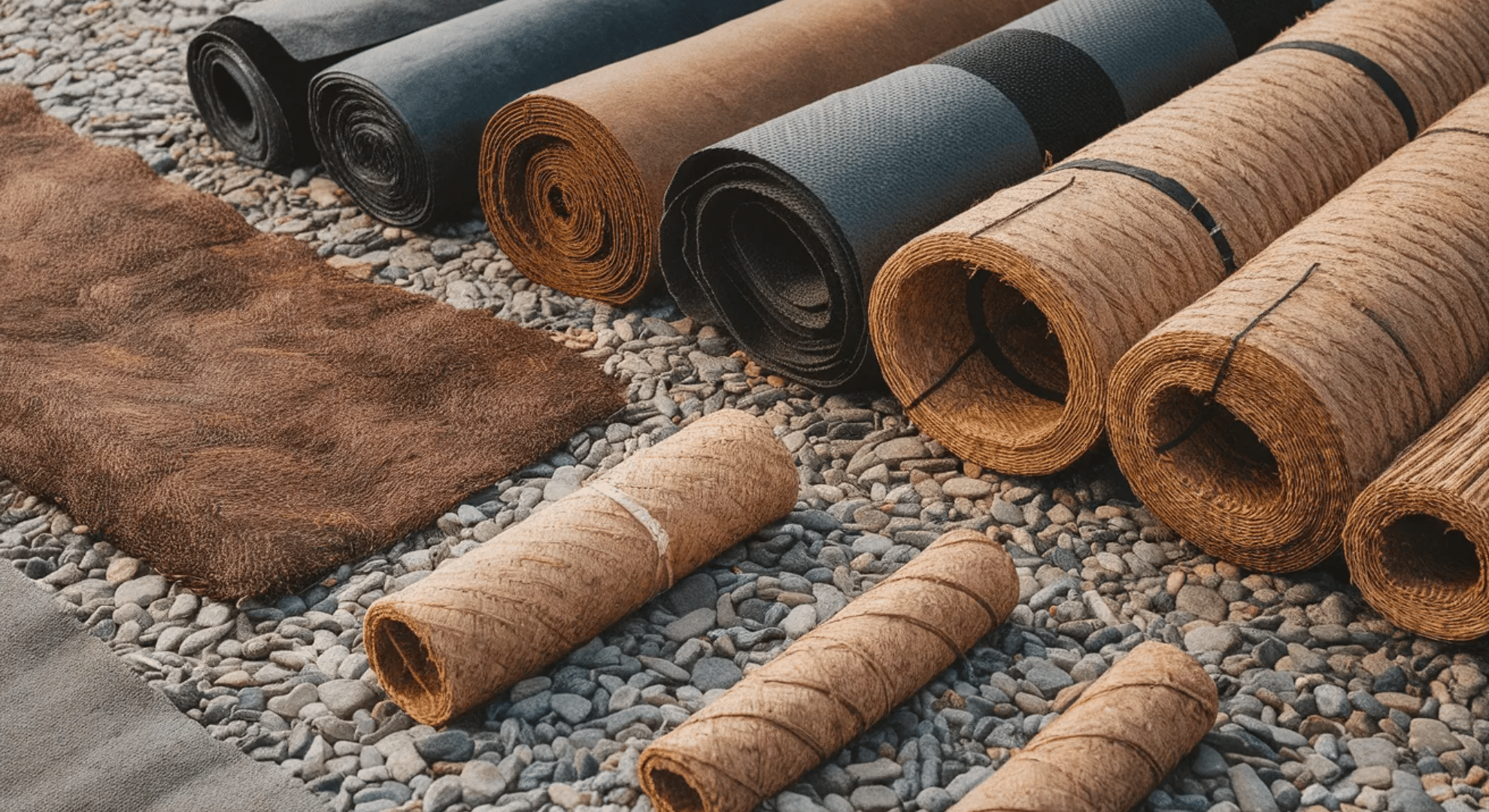
Commercial products give you ready-made solutions that install quickly and perform consistently. Understanding what’s available helps you choose the right product for your specific erosion problem.
Erosion Control Blankets and Mats: These cover bare soil while seeds germinate underneath. Coir blankets use coconut fiber and last 2-3 years. Straw blankets break down within a year and cost $0.50-$1 per square foot. Wood fiber mats handle steeper grades. Synthetic options provide permanent reinforcement. Roll them out along slopes and secure with stakes.
Turf Reinforcement Mats (TRMs): TRMs handle high traffic, steep slopes, and concentrated water flow. Made from synthetic fibers that don’t degrade, they permanently reinforce turf in ditches and channels. Expect to pay $2-$4 per square foot.
Sediment Control Logs and Wattles: These tube-shaped barriers slow water and trap sediment. Straw wattles work for temporary protection. Place them perpendicular to water flow across slopes. They’re easy to install, just stake them down.
Geotextiles and Silt Fences: Silt fences use geotextile fabric stretched between posts to catch sediment in runoff. Water passes through while soil particles get trapped. Check them regularly and remove accumulated sediment.
Riprap and Rock Solutions: Large rocks placed strategically to armor slopes against water. Sizes range from 4 to 12 inches depending on water velocity. Works beautifully for streambanks and drainage channels.
Hydroseeding and Hydromulching: This spray-on mixture combines seed, mulch, fertilizer, and bonding agents. It covers large areas fast and costs less than hand-seeding steep terrain. Best results come from spring or fall application.
Factors to consider include site conditions (slope, soil type, water flow), project duration (temporary vs. permanent), budget, maintenance requirements, and local regulations. Decision framework for matching solutions to specific needs.
Erosion Control for Specific Environments
Different landscapes face unique erosion challenges. What works on a residential slope won’t necessarily fit a construction site or streambank. Here’s how to match solutions to your specific environment:
| Environment | Best Solutions | Why They Work |
|---|---|---|
| Residential slopes | Grasses, ground covers, terracing, retaining walls | Stabilize grade while maintaining curb appeal |
| Streambanks | Riprap, vegetation, gabions, bioengineering | Handle constant water flow and prevent undercutting |
| Construction sites | Silt fences, erosion blankets, sediment basins | Temporary protection for disturbed soil |
| Farmland | Contour farming, cover crops, terracing, buffer strips | Protect topsoil across large acreages |
| Coastal areas | Native dune grasses, sand fencing, riprap | Withstand salt, wind, and wave action |
| Driveways/paths | Gravel, permeable pavers, drainage channels | Redirect water while maintaining access |
Each environment demands solutions that fit its water volume, slope severity, and long-term use. I’ve found that combining methods—like pairing plants with structures gives you the strongest protection regardless of location.
Here’s your section:
Top Companies and Suppliers for Erosion Control Products
Finding reliable suppliers makes your erosion control project easier. Several established companies offer comprehensive product lines with nationwide reach.
North American Green specializes in erosion control blankets, turf reinforcement mats, and sediment retention systems. They provide technical support and installation guides.
Propex manufactures geotextiles and erosion control solutions for civil engineering projects. Their products handle heavy-duty applications.
American Excelsior Company produces natural fiber blankets and mulch mats. They focus on biodegradable options that support vegetation growth.
Tensar International offers geogrid systems and soil stabilization products. Their engineering resources help with complex slope projects.
Profile Products supplies hydraulic mulch, bonded fiber matrices, and erosion control blankets for various applications.
When choosing suppliers, look for these qualities:
- Product range that covers your specific needs
- Technical support to help select appropriate solutions
- Delivery options that reach your location efficiently
- Installation guidance through manuals or customer service
- Certifications showing products meet industry standards
I’ve found that suppliers offering samples let you evaluate materials before committing to large orders. Check customer reviews and ask about warranty coverage. Local distributors often provide faster shipping and personalized service compared to national chains.
Here’s your section:
DIY Erosion Control vs. Hiring Professionals
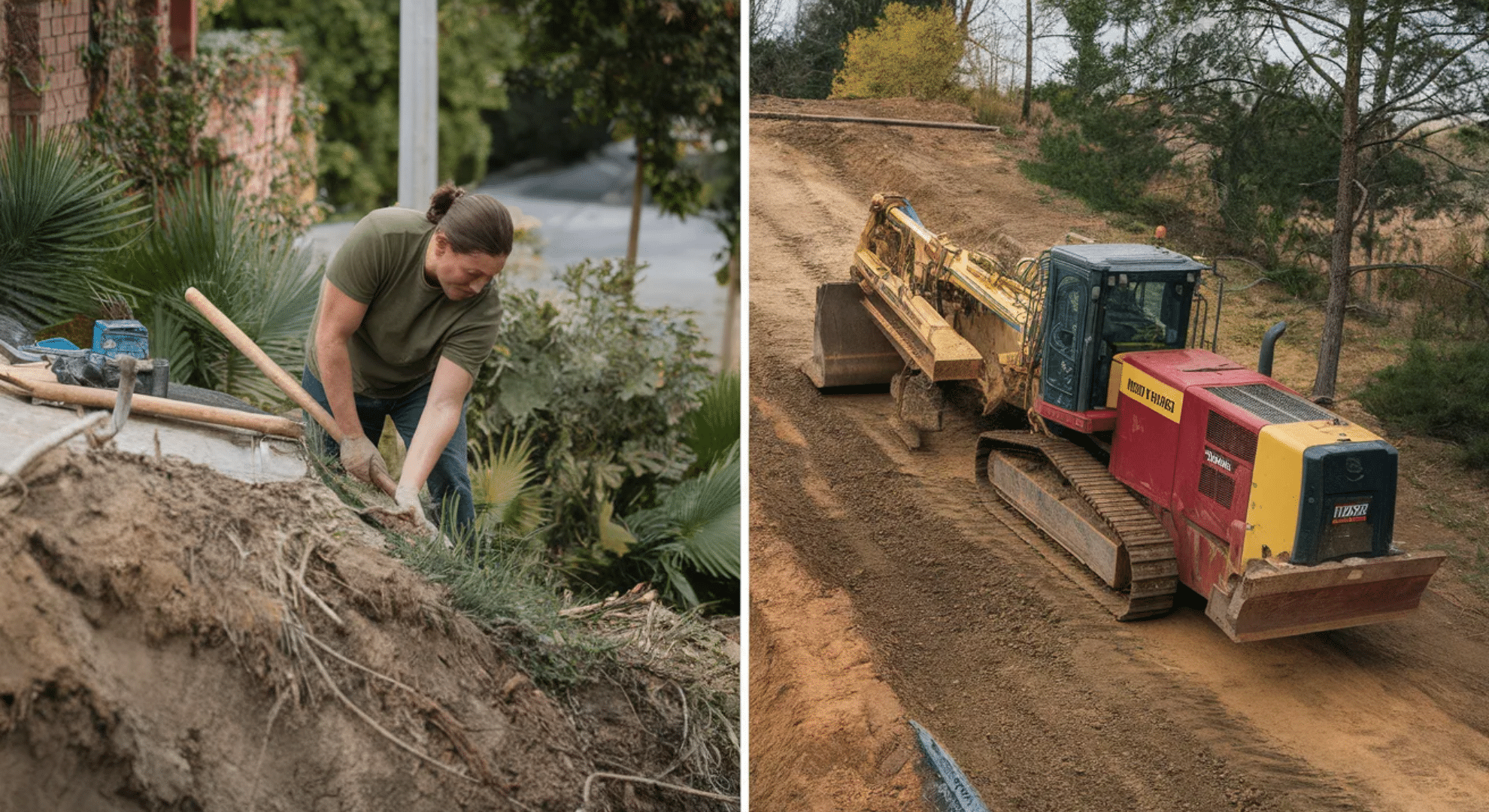
Deciding between DIY and professional help depends on your project scope, budget, and technical requirements. Some erosion problems you can tackle yourself, while others demand expertise and equipment you don’t have.
| Factor | DIY Approach | Professional Services |
|---|---|---|
| Best for | Small yards, gentle slopes, simple plantings | Large properties, steep grades, structural work |
| Cost | $200-$2,000 for materials | $2,000-$15,000+ for labor and materials |
| Timeline | Weekends to complete | Days to weeks, depending on the scope |
| Equipment needed | Basic tools, wheelbarrow, shovel | Heavy machinery, specialized installation tools |
| Compliance | Minimal permits for residential work | Handles permits, inspections, and regulations |
| Risk level | Low stakes if mistakes happen | High; improper work causes liability issues |
| Best solutions | Mulching, grass seeding, and small retaining walls | Terracing, major walls, drainage systems, riprap |
I’ve handled plenty of DIY erosion fixes on my property, planting ground covers, spreading mulch, and installing small silt fences. These work fine for manageable areas. But when I faced a steep slope near my foundation, I called professionals.
They had the equipment and engineering knowledge to do it right.
Choose contractors with erosion control experience, proper licensing, and insurance. Ask for references and photos of completed projects. Get multiple quotes and make sure they explain their approach clearly.
Professional services include site assessment, material sourcing, installation, and often warranties on their work.
Case Studies: Successful Erosion Control Projects
Real projects show how different solutions perform in actual conditions. These examples demonstrate what works across various landscapes.
A commercial construction site in Seattle used silt fences and sediment basins to meet stormwater regulations. The project prevented soil runoff into nearby streams during heavy Pacific Northwest rains.
A residential hillside in California combined terracing with native grasses and erosion control blankets. Homeowners stopped yearly soil loss and created usable garden space on a 35-degree slope.
Shoreline restoration along Lake Michigan used riprap, bioengineering, and dune grasses to rebuild eroded beaches. The U.S. Army Corps of Engineers documented how structural and vegetative methods working together restored 200 feet of coastline.
Agricultural land in Iowa implemented contour farming and cover crops, reducing topsoil loss by 70% over three growing seasons.
Strip cropping between corn rows trapped sediment that previously washed into waterways.
Each project faced unique challenges—budget limits, steep grades, regulatory requirements but succeeded by matching solutions to specific site conditions.
Here’s your section:
Maintenance and Long-Term Care
Installing erosion control solutions is just the start. Regular maintenance keeps them working effectively and prevents small issues from becoming expensive problems:
- Inspect after heavy rains to check for washouts, exposed roots, or displaced materials that need immediate attention
- Replace damaged erosion blankets within the first year as vegetation establishes underneath them
- Refill gabions and riprap where rocks have shifted or settled, leaving gaps that allow soil exposure
- Trim vegetation to prevent overgrowth that blocks drainage paths or adds excessive weight to slopes
- Clear drainage channels of debris, leaves, and sediment buildup that redirects water into problem areas
- Check silt fences quarterly for tears, sagging, or sediment buildup that reduces their filtering capacity
- Reseed bare patches immediately before they expand and create new erosion pathways
- Monitor retaining walls for cracks, leaning, or drainage issues that signal structural problems developing
I’ve learned that catching problems early saves you from major repairs later. Keep a simple log of inspections and maintenance work.
Most erosion control systems need attention twice yearly, once before the rainy season starts and again after it ends. Adjust your maintenance schedule based on what you observe during inspections.
Conclusion
I’ve tested enough erosion control solutions to know that protecting your soil doesn’t require guesswork or massive budgets.
The right approach depends on your specific situation: slope severity, water flow patterns, and how much maintenance you’re willing to handle.
What matters most is taking action before erosion creates bigger headaches down the road.
You’ve now got practical options for every scenario, from simple grass planting to structural installations. Start with your most vulnerable areas first. Even small improvements add up when you consistently prevent soil loss.
Consider what fits your property best and begin with one method. As you see results, expand your efforts to other problem spots.
Want more guidance on lawn care and outdoor maintenance? Check out other blogs for tips that keep your property looking its best year-round!




One Response
Great overview of erosion control best practices and their importance in construction and land development projects. The emphasis on evaluating site-specific conditions and implementing proactive erosion and sediment control measures is especially valuable. These strategies not only protect the environment but also improve long-term project sustainability and regulatory compliance. Thanks for sharing such practical insights for the industry