I’ve always liked spaces that feel open, warm, and real. That’s what drew me to barn-style homes. They feel simple without being plain.
If you want a home that’s practical, calm, and full of light, I get it.
In this blog, I’ll show you what makes these homes different, how they’re built. How they work.
Why they stand out, you’ll get clear ideas, useful tips, and honest insight to help you decide if this style is right for you.
Once you notice it, it’s hard to forget. You might just start seeing your future home a little differently.
Why More People Are Starting with Barn Home Inspiration
Let’s be honest, most of us don’t sit down with a full blueprint on day one. We start with an idea. A feeling.
A home that looks simple but feels just right. That’s a big reason why barn-style homes are catching on. The shapes are familiar, clean, and easy to like.
There’s something comforting about the tall rooflines, wide fronts, and clean layouts.
But it’s not just about looks. People want homes that work for them. Open layouts let you move through your day without feeling boxed in.
Rooms can shift and change as life does. These homes also fit well in both quiet country areas and on the edges of town. They give off that peaceful, rural feel without going overboard.
Starting with inspiration helps people figure out what really matters before they get too deep into floor plans and costs. And that’s smart.
What People Mean When They Say “Barn-Style Homes”
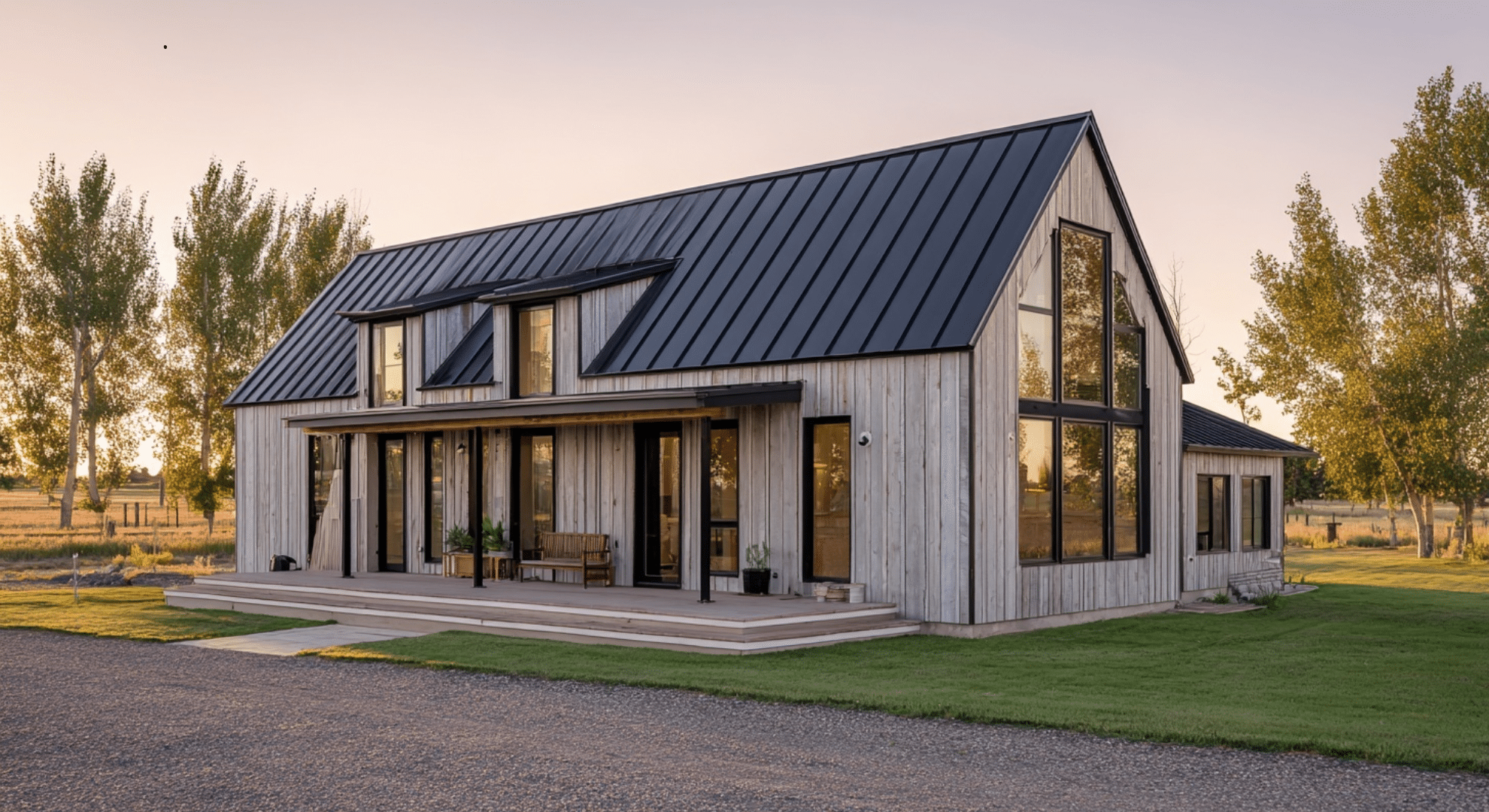
When someone says barn-style homes, they’re usually talking about the look and feel of the home, not a barn turned into a house. It’s a design style.
These homes often have simple shapes, like long rectangles or squares, with tall, steep roofs that remind you of classic barns. You might see big windows, metal roofs, sliding doors, and wood or metal siding.
The materials are usually strong and low-maintenance, made to last without needing too much upkeep.
People sometimes mix up barn-style homes with barndominiums. The two do overlap, but they’re not always the same. Barn-style homes might look similar, but are fully built as houses from the start.
So when people talk about barn style, they’re really talking about a specific look: clean, open, and built to keep life simple.
Barn-Style Homes vs. Barndominiums
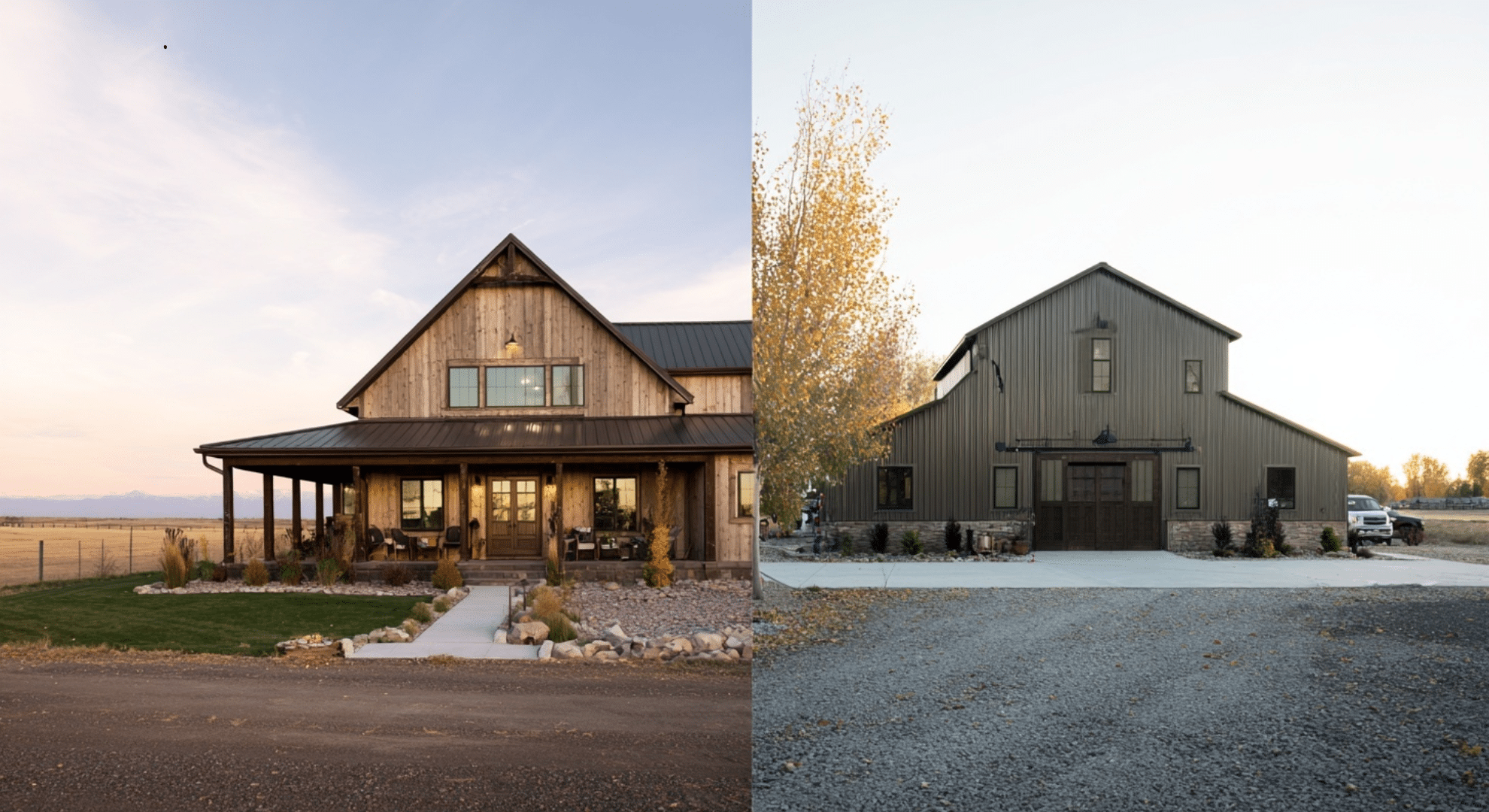
It’s easy to mix them up, they look alike from the outside.
But barn-style homes and barndominiums aren’t built the same way, and they don’t always serve the same purpose. Here’s a quick look to help you figure out which one matches what you’re looking for:
| Feature | Barn Style Homes | Barndominiums |
|---|---|---|
| Structure | Built like a regular house | Often metal-framed, like a pole barn |
| Look | Inspired by barn shapes and design | Looks like a barn, may have shop/storage |
| Use of Space | Fully used for living | Often includes living + workshop or storage |
| Interior Layout | Open, but built for home living | Very flexible, can be mixed-use |
| Cost to Build | Can be higher, depending on materials | Maybe cheaper per square foot |
| Best For | People want a homey feel with barn style | People needing both a home and a large utility space |
Both styles offer flexibility, but your needs will point you in the right direction. If you just want a cozy home with a barn look, the barn-style home is your pick.
If you want space for tools, cars, or a workshop alongside your living area, a barndominium might make more sense.
Popular Barn Style House Plans and Layout Ideas
Choosing the right floor plan is one of the most significant steps in making a barn-style home work for your life. Whether you’re building small, planning for family, or adding a workspace, there’s a layout that fits.
Below are some common ideas that balance style, space, and function:
Small Homes and Compact Floor Plans
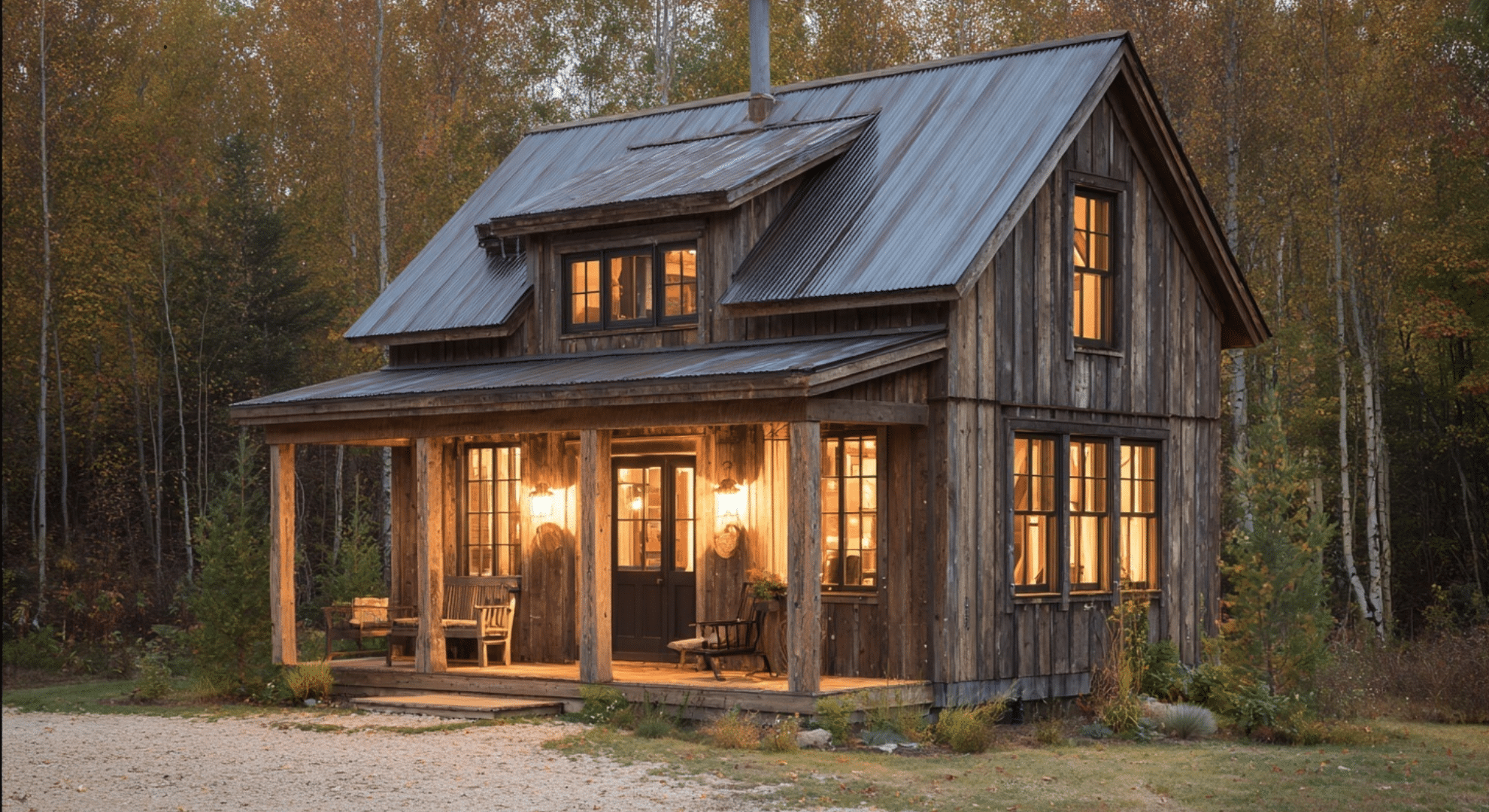
If you’re drawn to barn style but don’t need a lot of space, smaller floor plans can offer just what you need without extra rooms you won’t use.
These designs focus on clean layouts, smart storage, and a cozy feel that doesn’t feel cramped. One-bedroom layouts and lofts are common here.
They work well as guest houses, retirement homes, rentals, or personal retreats. They’re easy to clean, more affordable to build, and surprisingly flexible.
Family-Friendly Floor Plans
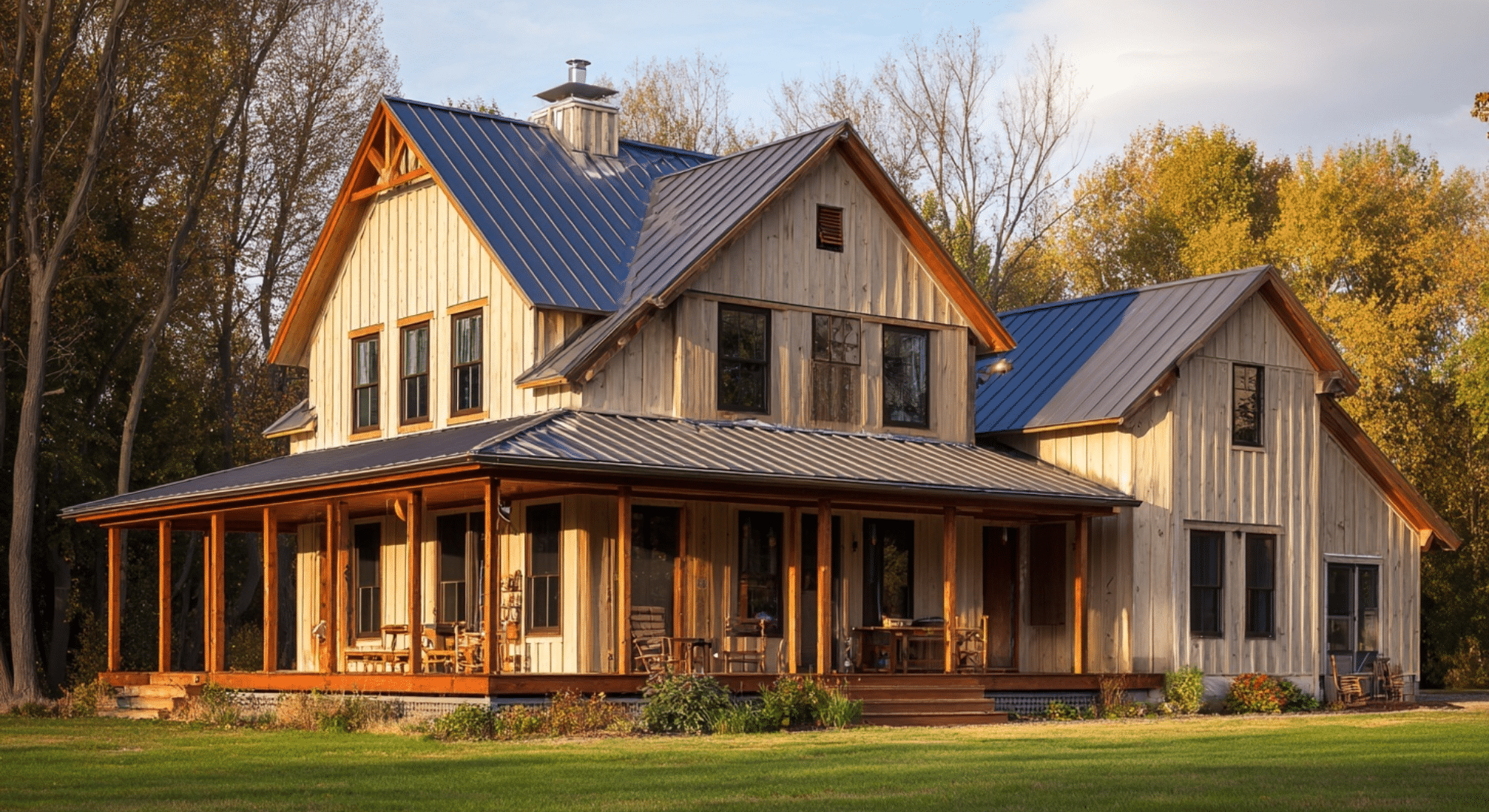
Barn-style homes work really well for families when the floor plan is built with flow and privacy in mind. These layouts often include three or more bedrooms, a wide living and kitchen area, and space for kids and adults to do their own thing.
Bedrooms might be split across the home for better privacy. Extra closets, mudrooms, and good hallway design help keep things organized.
Open space still feels cozy when it’s planned around how real families live and move through the house each day.
Barn Style Homes With Attached or Detached Shops
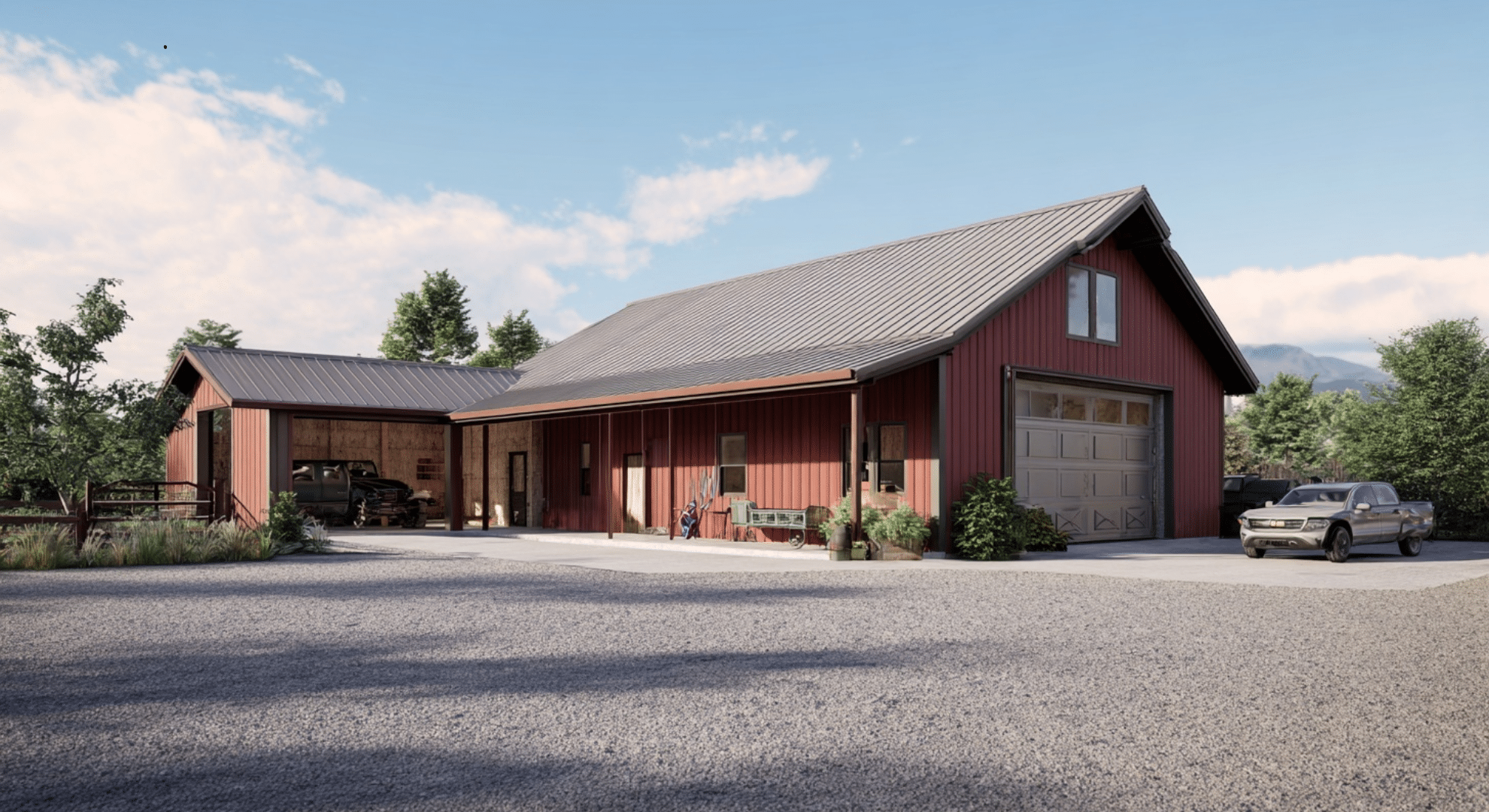
Many people want their home to do more than just give them a place to sleep. Adding a shop, garage, or hobby space to a barn-style home makes it more useful without giving up the style.
Some plans have the shop or garage built right in, while others place it nearby with its own entrance. Think about what you’ll use it for: working from home, woodworking, fixing cars, and how sound, mess, and people will move between spaces.
Done right, it’s a huge bonus that blends in well with the overall home.
Two-Story and Loft-Based Barn Homes
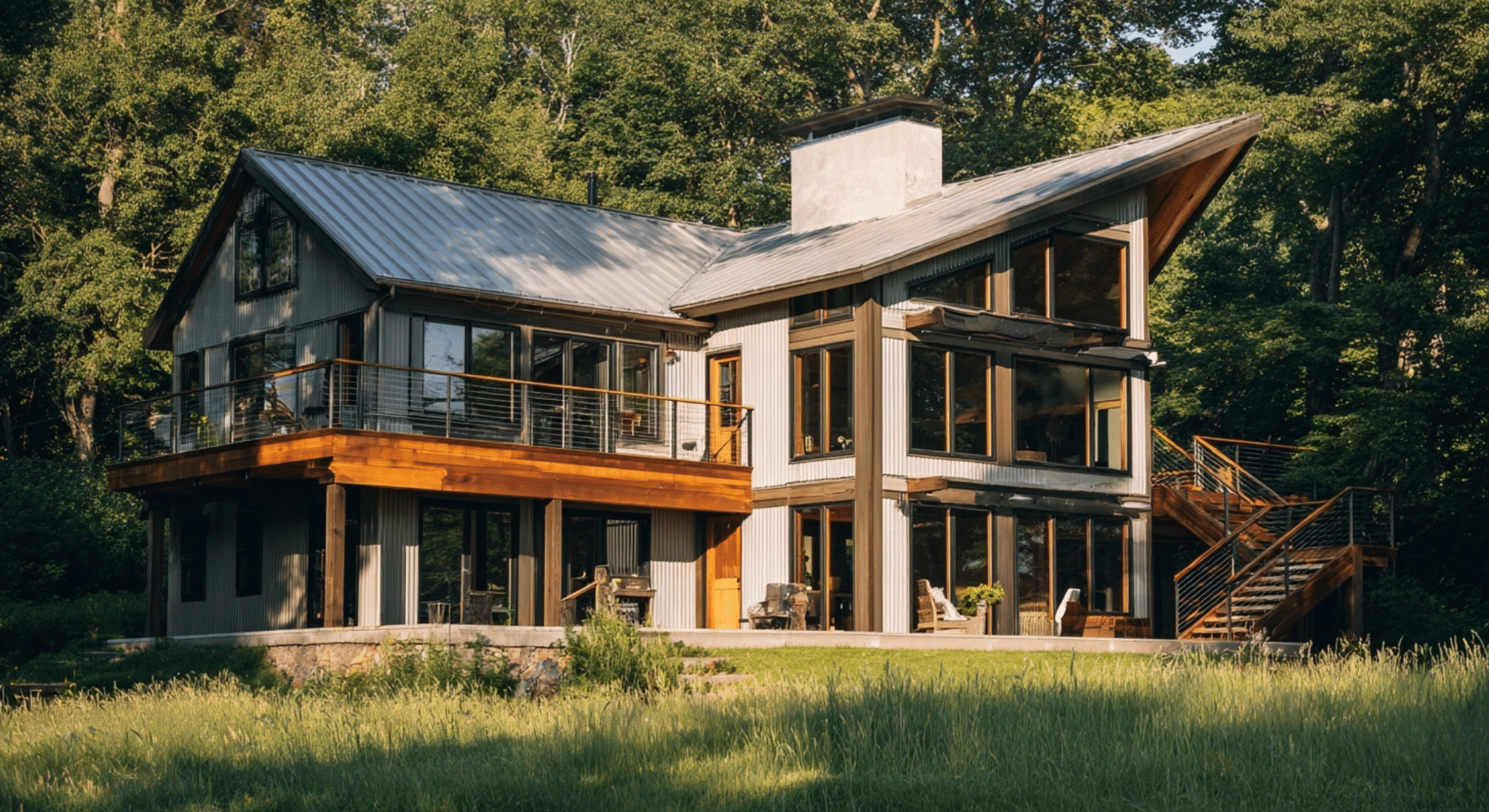
If you want more space without making the home feel too wide or stretched out, two-story barn homes and loft-based designs can help.
Lofts are great for sleeping, working, or reading, and they keep the lower floor open and airy. Full second stories give even more room for bedrooms or private spaces.
These layouts need good stair placement, ceiling height planning, and airflow setups to keep the whole home comfortable. Using height instead of width also helps fit barn homes on smaller lots.
Barn-Style Design Features That Shape the Interior
The inside of a barn-style home feels different from most traditional houses. One of the biggest things you notice right away is the ceiling height.
These exposed features aren’t just for looks; they also show off the structure and make the room feel bigger and lighter. Windows also play a key role.
They’re often large and placed high or wide to let in as much light and fresh air as possible, which helps the space feel bright and airy.
Here are a few things that stand out in barn-style interiors:
- Tall ceilings create openness but can be harder to heat or cool.
- Exposed beams add appeal but need good finishing to look clean, not rough.
- Big windows help with light and airflow, but reduce wall space for storage.
One thing to keep in mind is that while open layouts look great, they need careful planning. Without walls to break things up, sound can travel more easily, and furniture placement can feel tricky.
Also, large open spaces often mean less built-in storage, so it’s smart to plan for shelves, closets, or smart furniture that keeps clutter out of sight.
When done well, barn-style interiors feel calm, open, and lived-in without being messy.
Is a Barn Style Home Right for You?
Before you commit, take a step back and ask how a barn-style home fits your life, not just your style. Do you enjoy open spaces, or do you prefer clear room separation?
Can you live with less built-in storage and more visible space? These homes often feel vast and open, but that’s not for everyone.
Next, think about the land. Is your lot flat enough for a wide footprint? Will local rules allow this type of build? Some areas aren’t a good match, especially if neighbors or code requirements lean more traditional.
Finally, check your timeline and wallet. Barn-style builds can move fast or slow depending on design and contractors.
Don’t just budget for the shell. Think about finishes, heating systems, and extra features. If you like flexible space and a bit of planning, a barn home might fit just right.
Exterior Design Styles for Barn-Inspired Homes
Barn-inspired homes may share a standard shape or roofline, but their outside look can change a lot depending on the design style you choose.
The outside sets the tone; it’s the first thing people see and often what gives the home its character. Here are some popular exterior design styles that pair well with the barn-style frame:
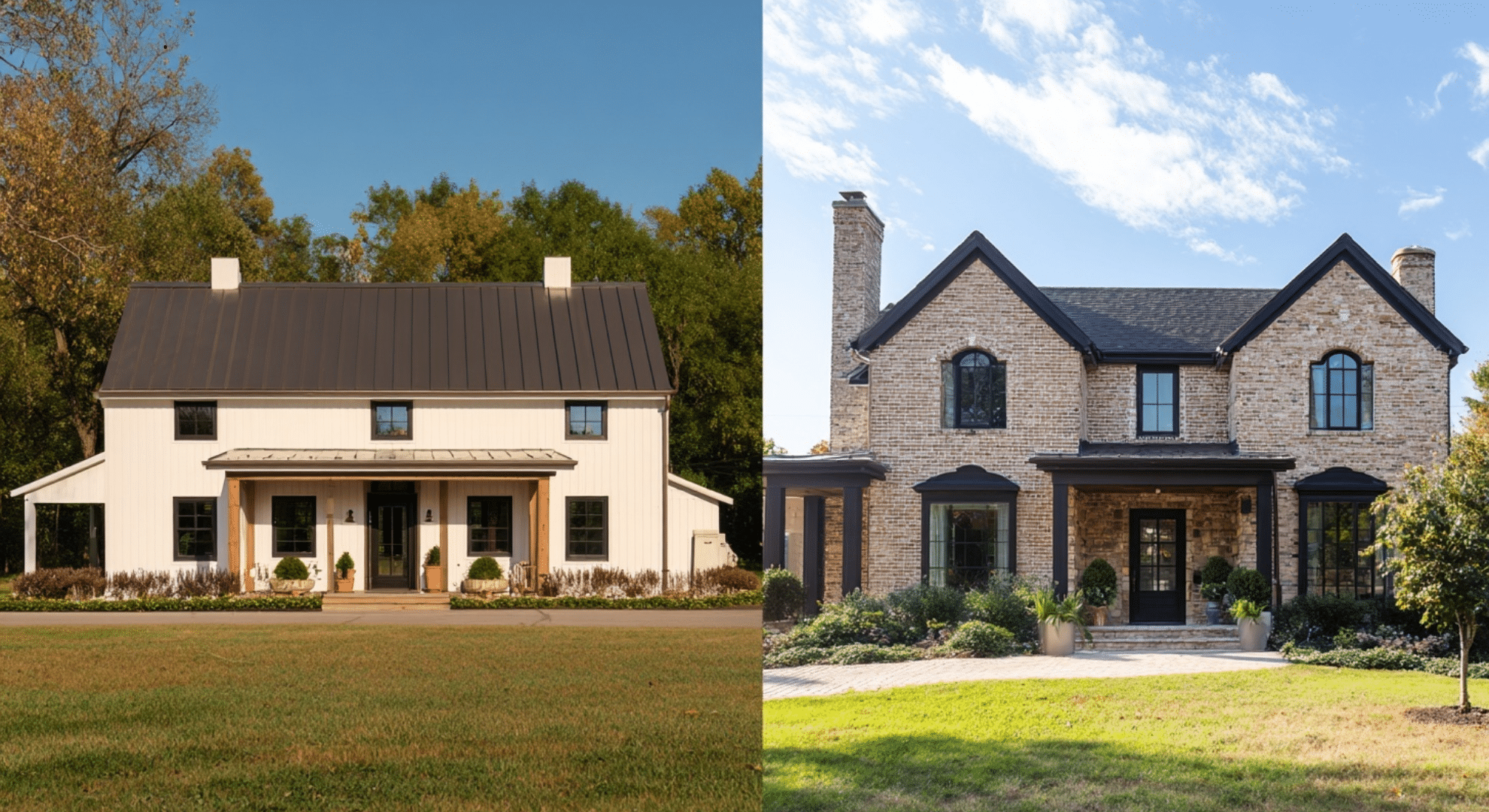
1. Classic Farmhouse Barn
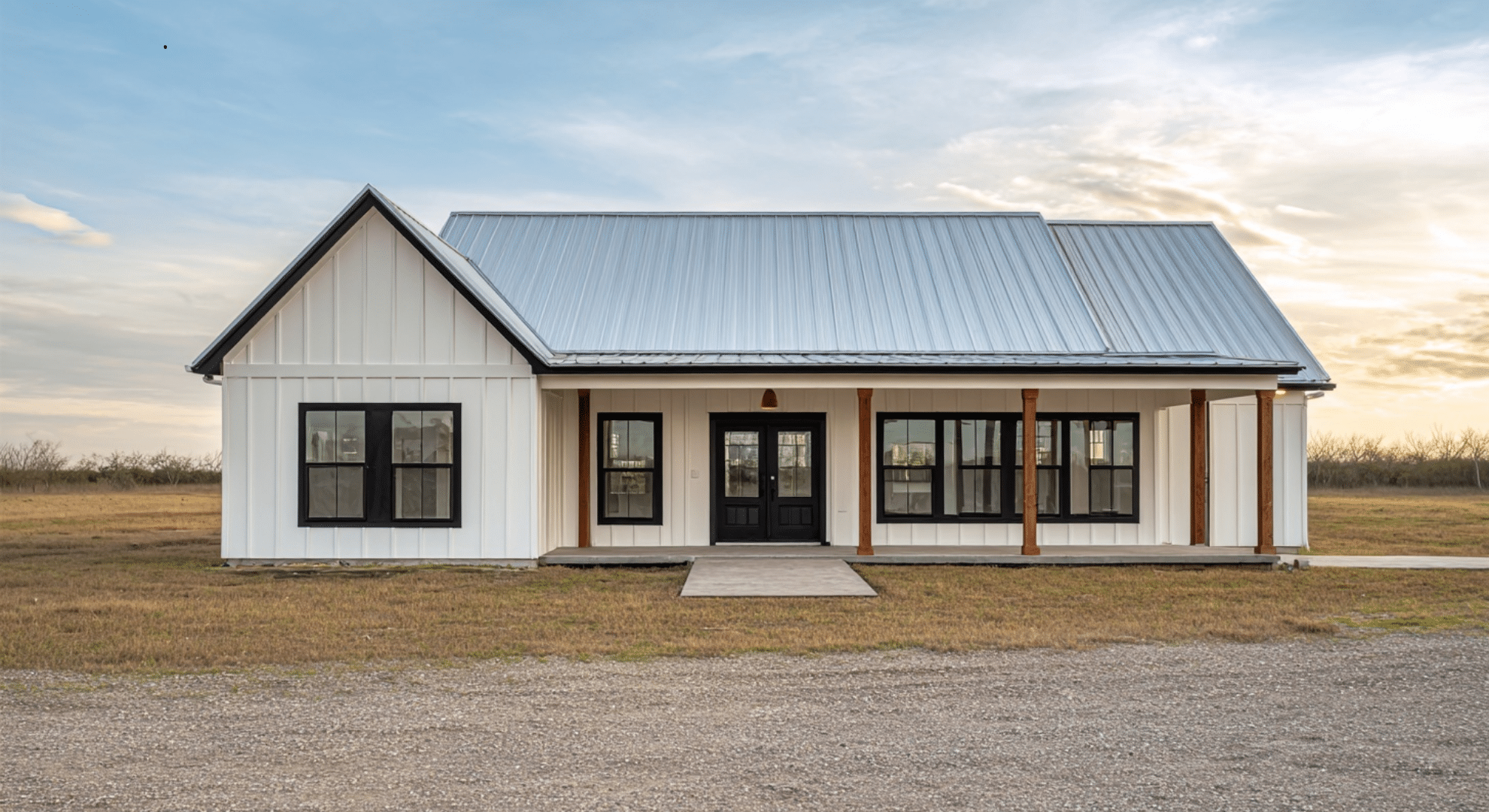
This style sticks close to traditional roots. It often has white or light-colored siding, black trim, and a metal roof.
You’ll see simple porches, cross-braced doors, and double-hung windows. It gives off a clean, practical look that feels timeless.
2. Modern Barn Style
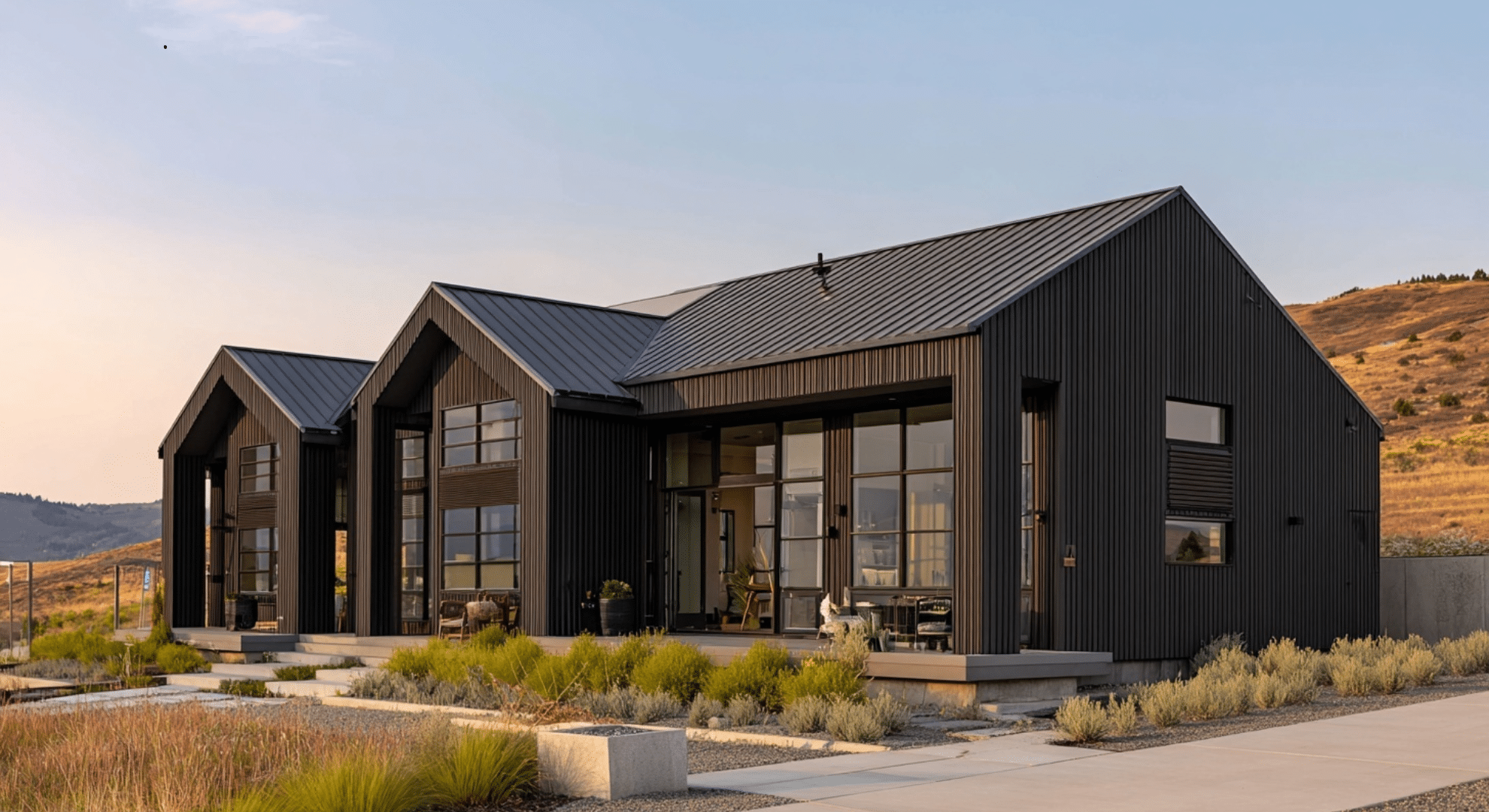
Sleek lines, dark colors, and fewer decorative touches define this style. Think black or charcoal siding, vertical metal panels, and large windows.
It blends the barn shape with a city-like sharpness, perfect if you like minimal design.
3. Rustic Wood Barn
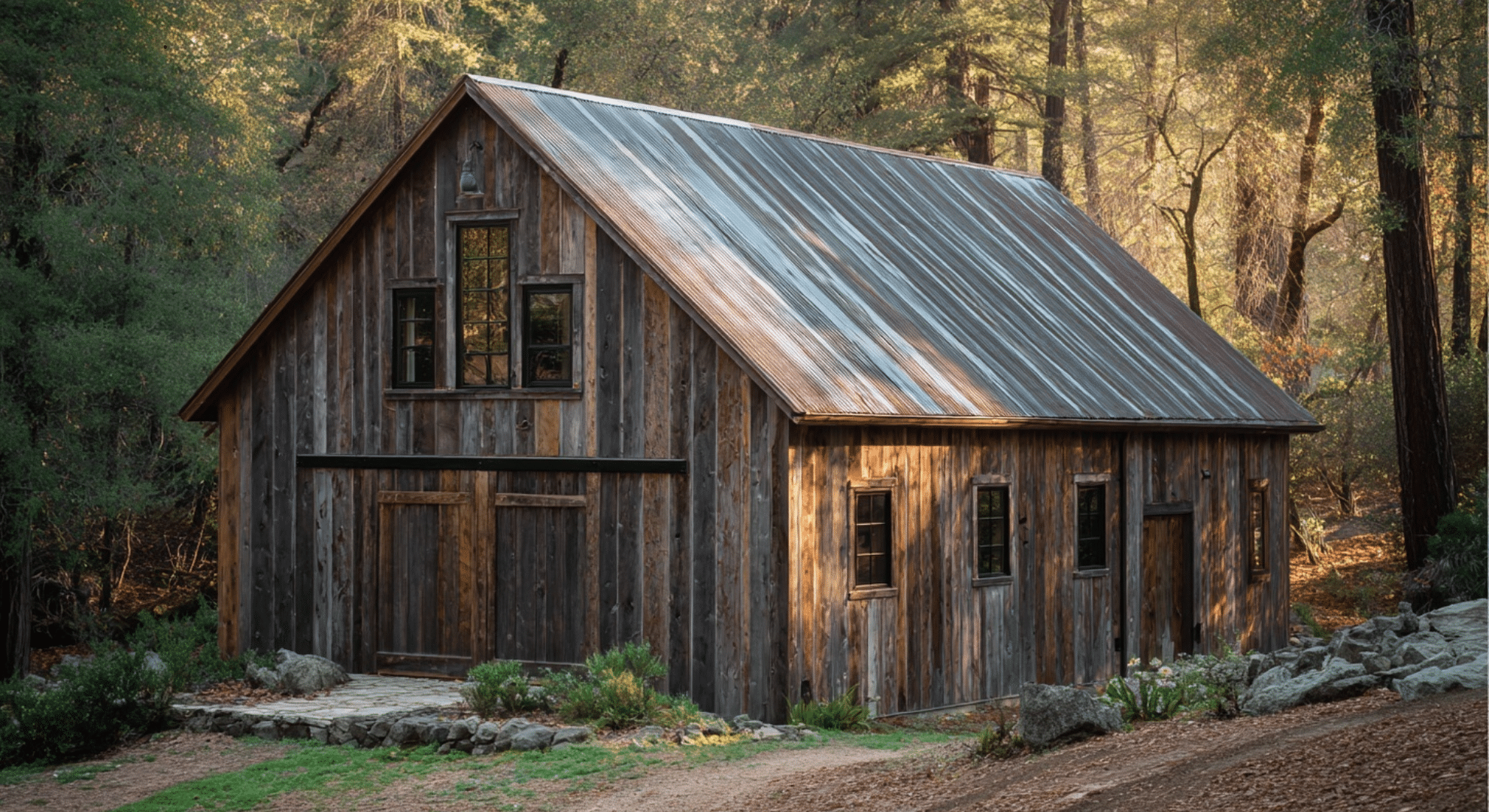
This look leans into raw wood, weathered finishes, and earthy tones. The siding may be reclaimed wood or made to look aged.
It’s best for those who want that natural, worn-in feel, especially in wooded or rural settings.
4. Industrial Barn Look
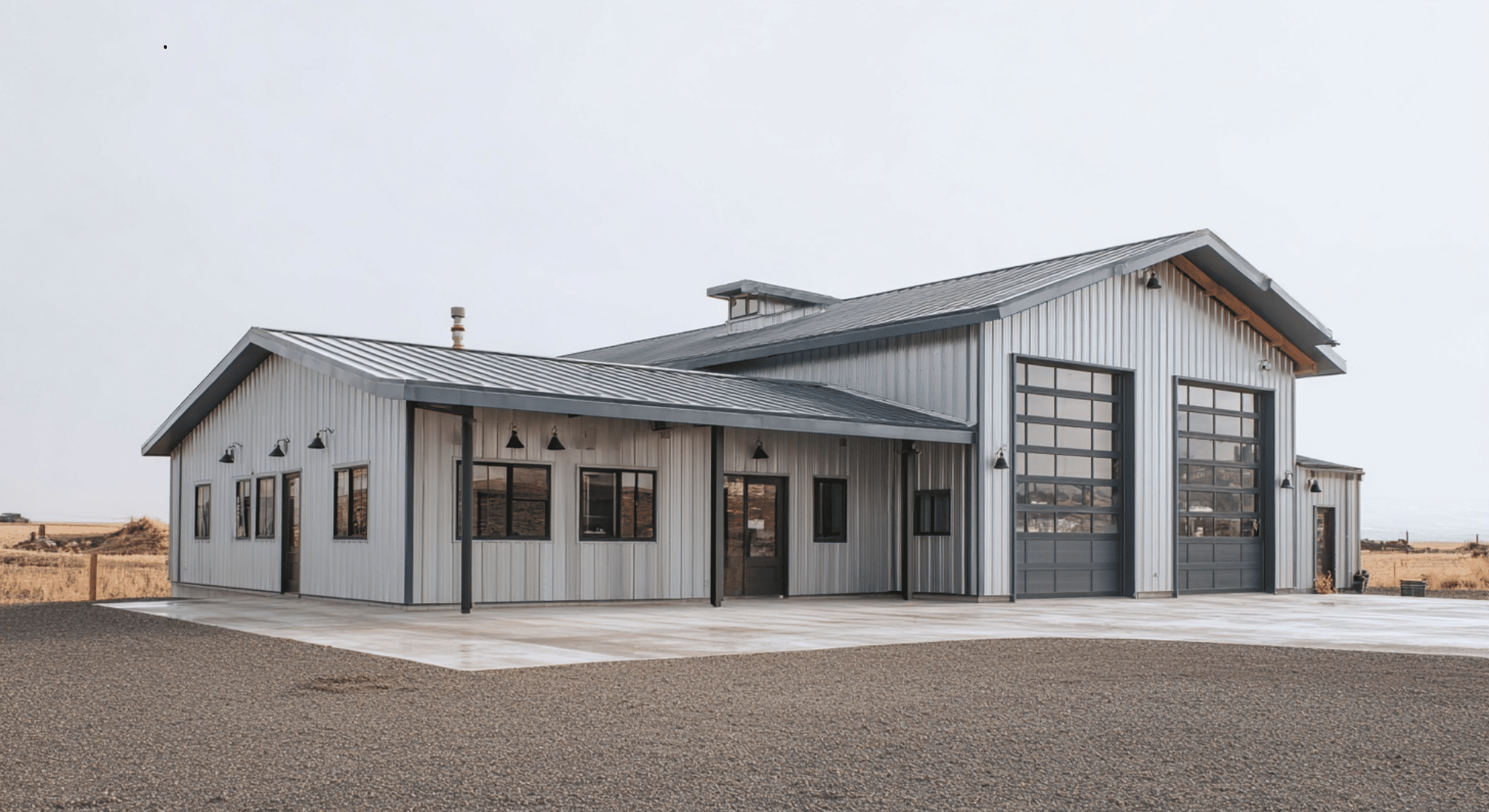
Metal siding, exposed steel, and bold roof shapes give this barn style a more rugged edge. This is often used for barndominiums or mixed-use spaces.
It has a workshop feel that still works for a full-time home.
5. Scandinavian-Inspired Barn
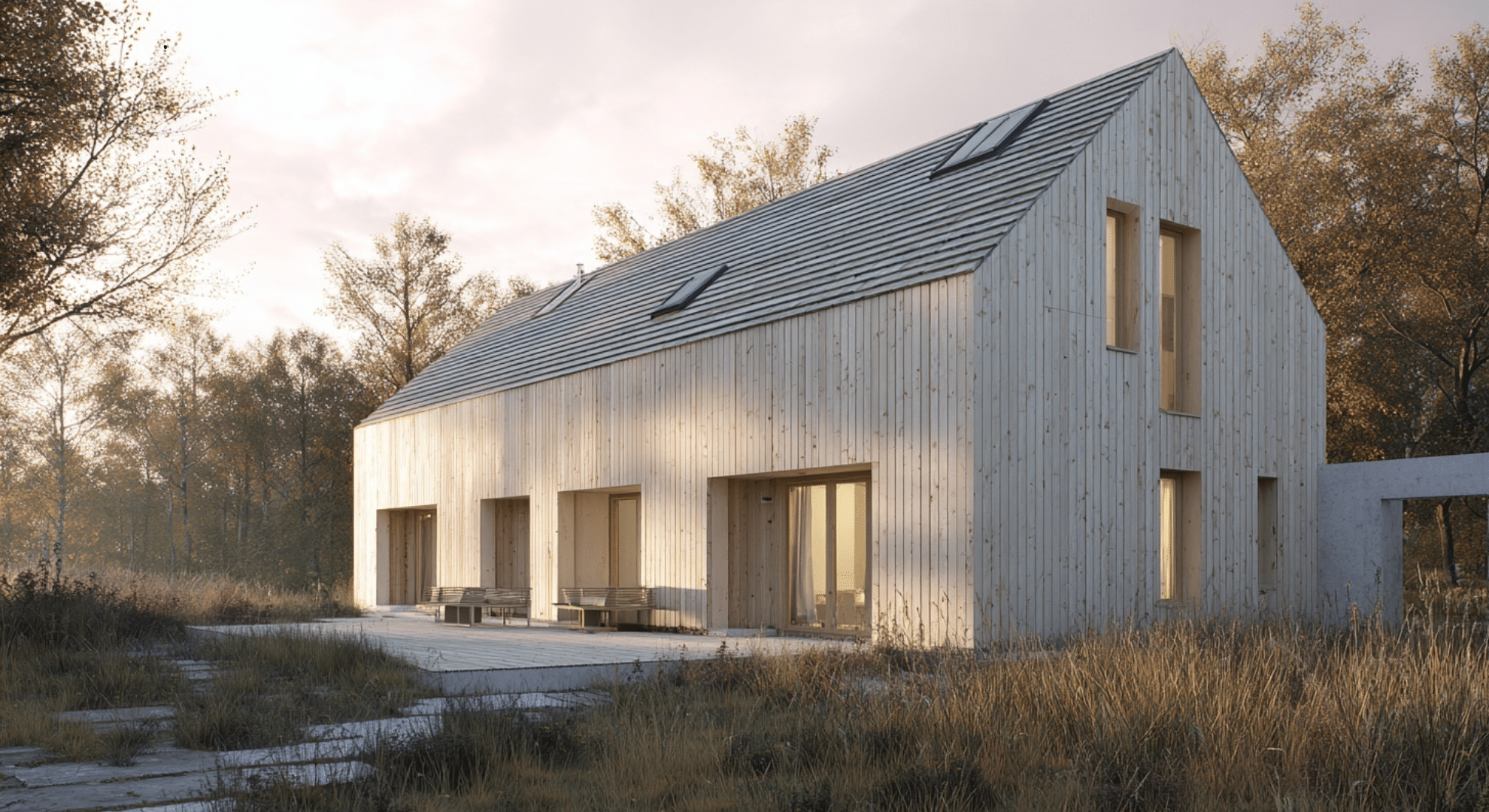
This style mixes barn form with Nordic simplicity. Light woods, pale colors, and clean lines make the home feel bright and calm.
It often includes wide windows and simple landscaping. It works well in both cold and temperate climates.
6. Transitional Barn Style
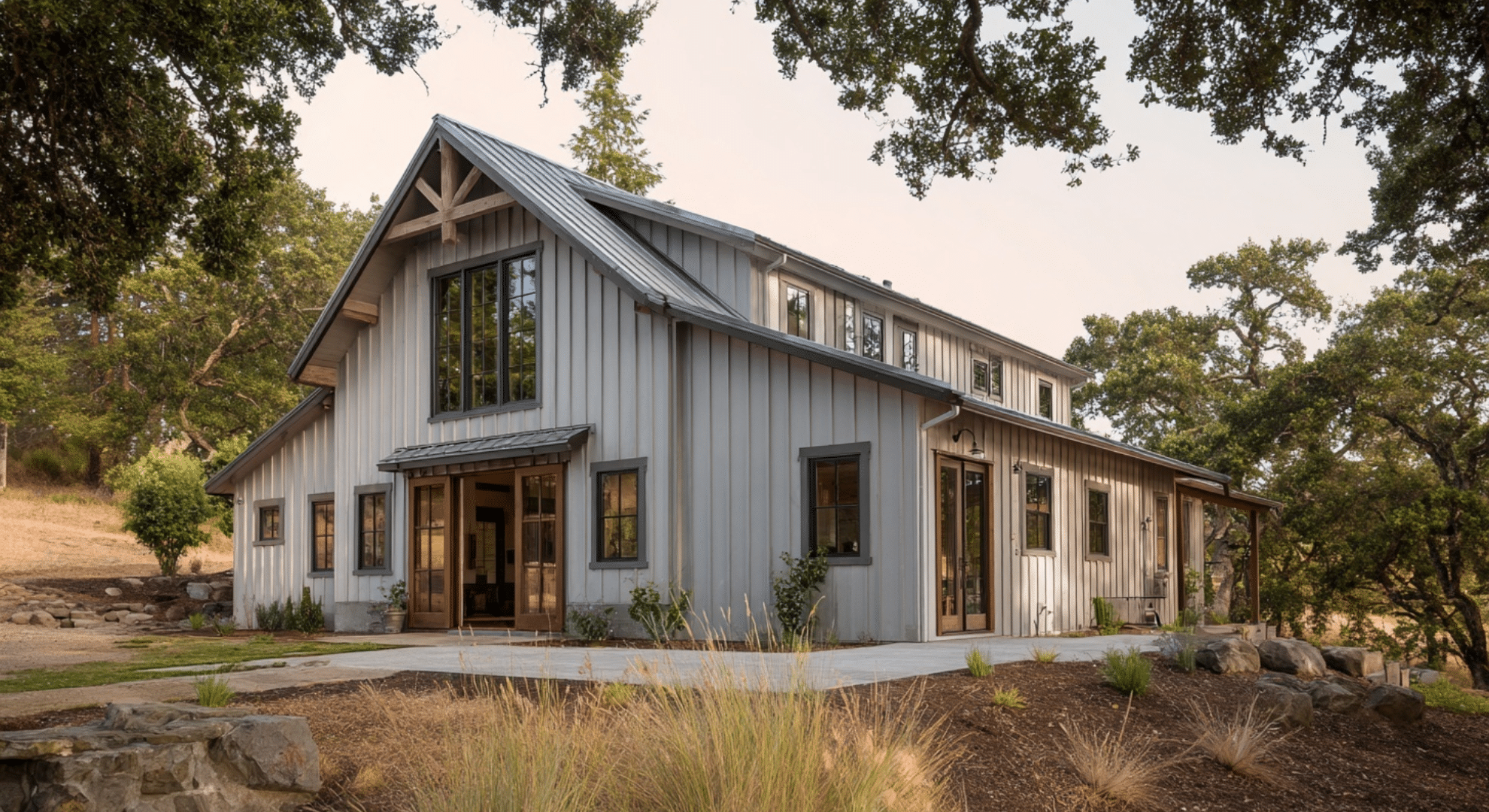
This one blends old and new. You might see classic shapes with a few modern touches—like a traditional porch paired with large glass doors.
It gives a flexible look that doesn’t lean too hard in either direction, perfect if you’re torn between styles.
Each of these styles still keeps the heart of a barn home: the shape, the openness, the honest materials, but the outside look lets you make it truly your own.
Prefab Kits, Stock Plans, or Custom Builds?
There’s more than one way to build a barn-style home, and the path you choose affects your time, budget, and design freedom.
Here’s a simple comparison to help you see which option fits your goals best:
| Option | What It Includes | Cost Range (Approx.) | Timeline | Flexibility | Best For |
|---|---|---|---|---|---|
| Prefab Kits | Pre-cut materials delivered to your site | $50–$120 per sq ft | Fast (weeks–2 months) | Low–Medium | People who want fast, simple builds |
| Stock Plans | Ready-made home blueprints | $500–$3,000 (plans only) + $100–$200 per sq ft (build) | Medium (3–6 months) | Medium | Budget-focused or first-time builders |
| Custom Builds | Fully personalized design and construction | $200–$500+ per sq ft | Long (6–12+ months) | High | Those who want complete design control |
Prefab saves time and keeps things simple but limits choices. Stock plans give a balance of speed and flexibility. Custom builds offer full control, but they come with longer timelines and higher costs.
Each option has trade-offs. If you want speed and ease, prefab kits work well. If you want control and unique features, a custom build makes more sense, but expect a longer process and higher cost.
Are Barn Style Homes Cheaper Than Traditional Houses?
Barn-style homes can save money, but not always. If you go with a prefab kit or a simple stock plan, costs can be lower than building a traditional house with lots of walls and custom details.
The simple shape and open layout also help reduce framing and finish work. But many people assume they’ll save money no matter what and that’s where things go off track.
Costs go up when you add large windows, high-end finishes, or custom features. Heating and cooling tall, open spaces can also cost more over time.
Some owners skip storage planning and later spend more adding built-ins or furniture to fix it. Others choose barndominium shells thinking they’re cheaper, but forget to budget for full interior finishes.
So yes, barn-style homes can be affordable. But only if you plan carefully and don’t expect the style alone to keep costs low.
Zoning, Codes, and Where Barn Style Homes Can Be Built
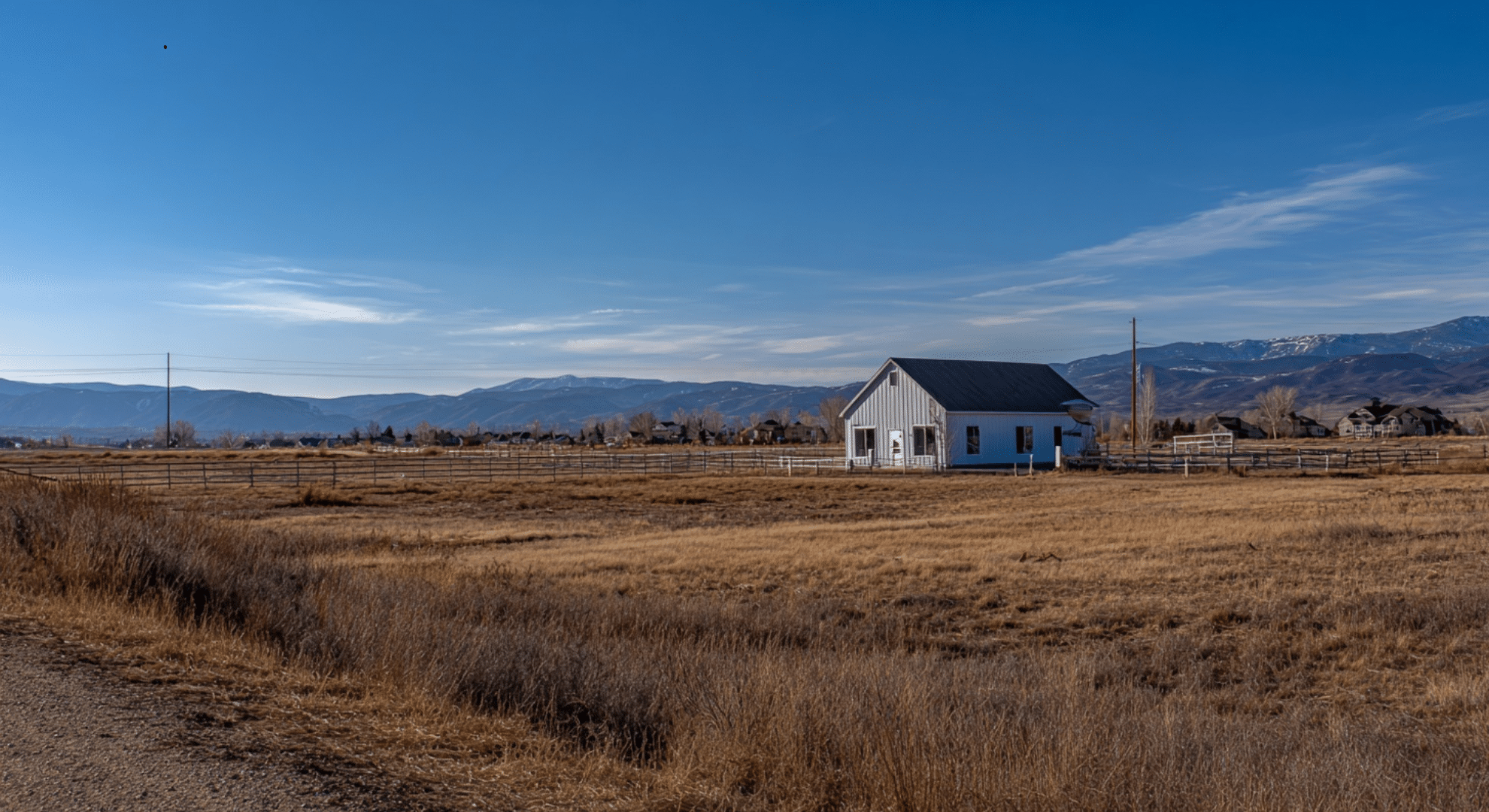
Before you fall in love with a floor plan, check the rules. Building a barn-style home isn’t just about design; it’s also about what your area allows.
Local and state building codes can vary a lot. Some towns require certain roof pitches, siding types, or foundation styles. Others may not allow barn-style buildings at all, especially if they look too different from nearby homes.
If you’re building in a rural area, you may have more freedom, but you still need to check land-use rules. Suburban lots often come with stricter zoning, height limits, and appearance rules.
Homeowners’ associations (HOAs) can also set design rules, including colors, materials, or rooflines.
Skipping this step can lead to costly changes or even stop your project. Always check local codes, zoning, and HOA limits before buying plans.
Financing and Insurance Considerations
Getting a loan or insurance for a barn-style home can be trickier than expected.
Some lenders hesitate if the home looks too different from what’s common in the area, especially with barndominiums or metal buildings. They worry about resale value and appraisals.
To improve your chances, go with a licensed builder, have detailed plans, and show that the home meets local codes. Lenders and insurers feel more confident when the home looks and functions like a standard residence.
Design choices matter too. Large open spaces, high ceilings, or unusual materials can raise questions about heating, safety, or replacement costs.
Keeping things practical and code-compliant helps get smoother approvals.
Common Planning Mistakes to Avoid
Barn-style homes may look simple, but building one without a solid plan can lead to delays, budget stress, and design regrets.
A lot of first-time builders get caught up in the outside look and forget how the inside needs to work. Here are some common mistakes to watch out for:
- Choosing exterior style before thinking about how the layout will support daily life
- Not budgeting for insulation, flooring, HVAC, and all the interior finish work
- Skipping local zoning and code research before buying land or plans
- Forgetting to plan storage in large open spaces
- Ignoring how heat, sound, and airflow move in tall rooms
- Not thinking ahead about aging, growing families, or resale needs
Good planning early on helps you avoid costly changes later. A barn-style home works best when it’s both beautiful and built for the way you actually live.
Conclusion
When I first got interested in barn-style homes, I thought it would be a simple choice.
But the more I looked into it, the more I saw how vital planning really is. It wasn’t just about picking a layout; it was about making wise choices that matched how I live every day.
Now it’s your move. Don’t just think about looks. Think about noise, heating, storage, and how each space will be used. That’s what makes a house work long-term.
Here’s one last thing: your home should make daily life easier, not more complicated. Keep that at the center of every decision.
Want more help making solid choices? Check out other blogs on the website for more advice and real info you can use!