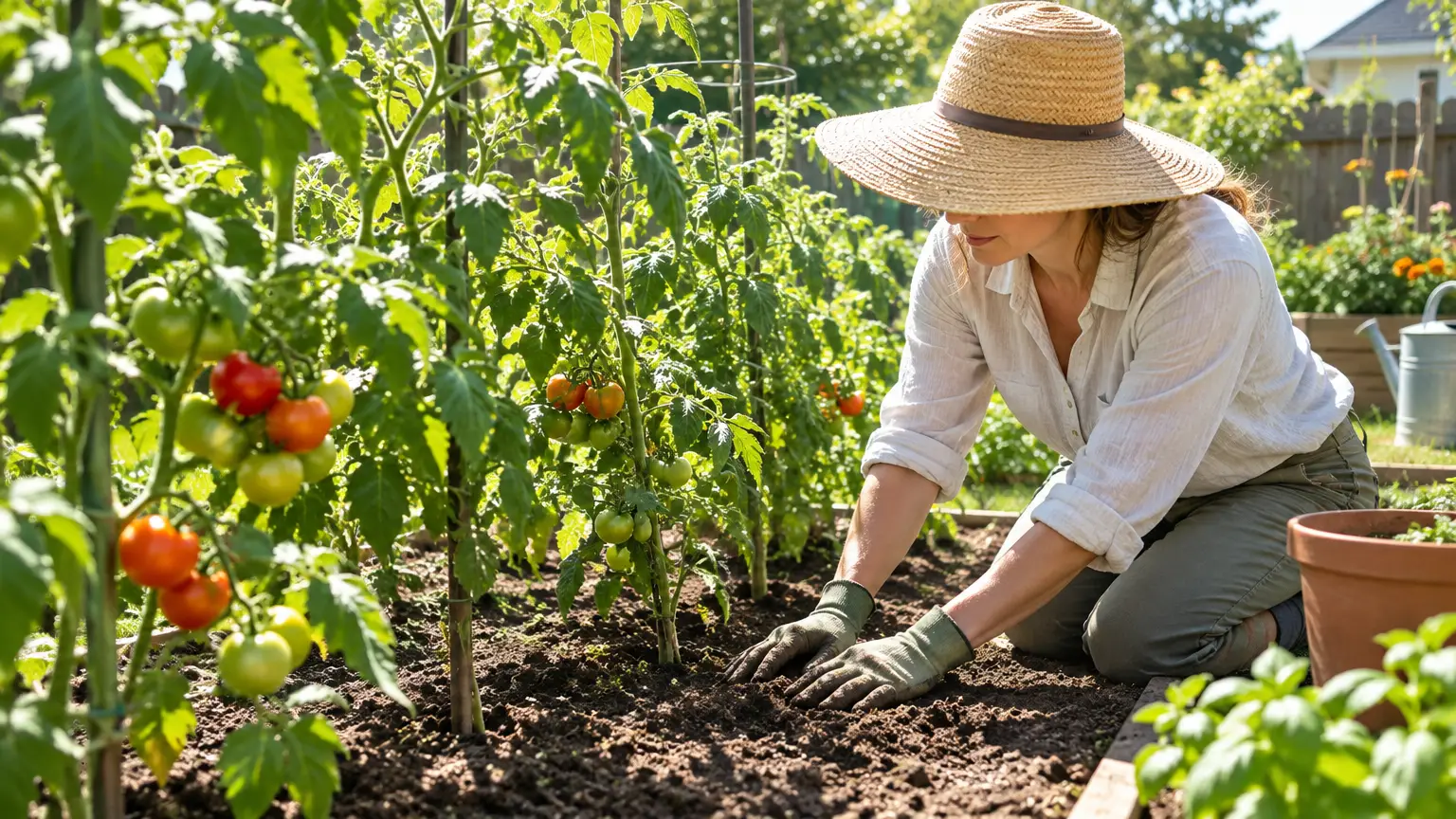

Eggshells have become a garden staple, tossed into compost bins and crushed around tomato plants with almost ritualistic faith.
You’ve probably heard the claims: they’re packed with calcium, they ward off slugs, they supercharge your soil. But do eggshells actually help plants, or are we all just participating in gardening folklore?
The truth is more nuanced than most realize. Some plants genuinely benefit from what eggshells offer, while others couldn’t care less.
In this article, we’ll dig into how eggshells work in your garden, when they’re worth using, and when you’re better off skipping them entirely. Let’s separate the science from the gardening myths.
What are Eggshells Made of?
Eggshells are roughly 95% calcium carbonate, the same compound found in limestone and chalk. The remaining portion contains trace amounts of magnesium, phosphorus, and protein.
Calcium plays a vital role in cell wall development, helping plants grow strong stems and resist diseases like blossom end rot.
However, here’s the catch: eggshells aren’t fertilizer. They don’t provide the nitrogen, phosphorus, and potassium trio that fuels plant growth.
Instead, they’re a slow-release calcium amendment, taking months or even years to break down in soil depending on conditions.
| Component | Percentage |
|---|---|
| Calcium carbonate | ~95% |
| Trace minerals | ~5% |
Are Eggshells Good for Plants?
Yes, eggshells are good for plants, but only under specific conditions. They work as a gradual calcium source for crops prone to deficiency, like tomatoes and peppers.
However, they’re painfully slow to break down in whole or large pieces, sometimes taking years to release nutrients.
If you’re dealing with an immediate calcium deficiency, eggshells won’t save you. They’re also useless for plants that don’t need extra calcium or grow in already alkaline soil.
The real determining factor? Preparation method. Finely crushed or composted eggshells deliver results. Whole shells tossed in planting holes? Mostly decorative.
Benefits of Eggshells for Plants
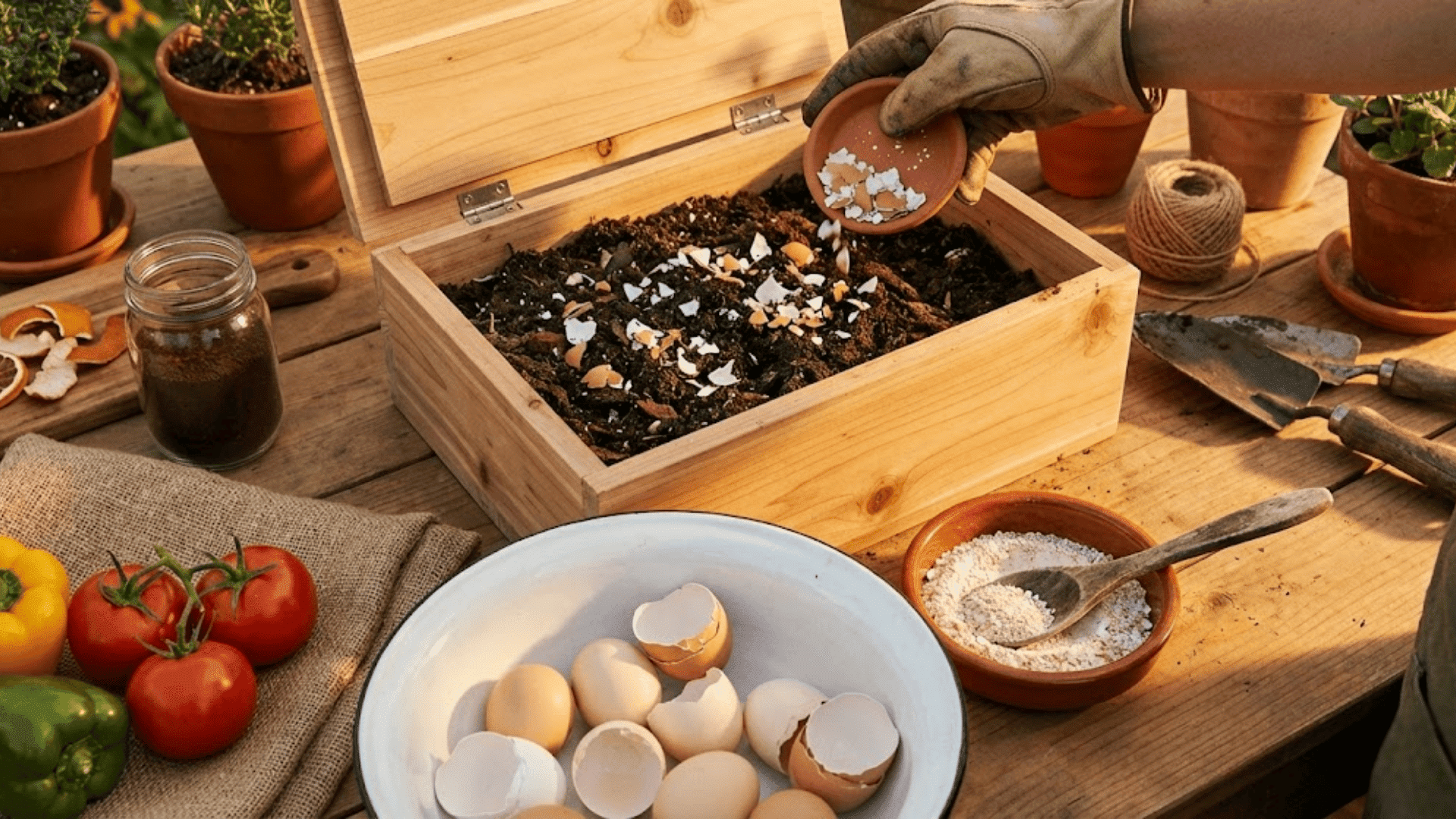
Eggshells for plants offer legitimate benefits when used correctly, but they’re not going to transform your garden overnight. The key is understanding what they can and can’t do.
1. Calcium Supplementation for Soil
Eggshells slowly release calcium as they decompose, which supports cell wall development and structural integrity in plants. This is particularly valuable for calcium-hungry crops like tomatoes, peppers, and squash.
While eggshells are often touted as a cure for blossom end rot, the reality is more complex. That condition stems from inconsistent watering, disrupting calcium uptake, not necessarily calcium deficiency.
2. Improving Soil Structure
As eggshells break down over months or years, they create tiny air pockets that improve soil aeration and drainage. This benefit shines in heavy clay soils or established garden beds where long-term amendments make sense.
Container gardens see minimal impact since the potting mix already drains well, and you’re likely refreshing soil seasonally. Think of crushed eggshells as a patience-required amendment, not an instant fix for compacted earth.
3. Compost Enhancement
Tossing eggshells into your compost pile adds valuable minerals while helping neutralize acidity from coffee grounds and citrus peels. They boost the overall nutrient profile of finished compost without altering its composition.
Crush them before adding to speed decomposition. The calcium becomes more bioavailable after composting breaks down the carbonate, making it their most effective garden use.
4. Eco-Friendly Garden Recycling
Using eggshells keeps them out of landfills while closing the loop in your kitchen-to-garden cycle. It’s a zero-cost amendment that aligns with sustainable gardening principles.
Beyond practical benefits, turning breakfast waste into garden inputs is satisfying. Remember, being eco-friendly doesn’t always mean it’s effective for every plant or situation. Sustainability and efficacy aren’t always the same.
What Eggshells Do NOT Do
Gardening advice gets passed down like folklore, and eggshells have accumulated more than their fair share of exaggerated claims. Let’s clear up what they actually can’t do.
Myth 1: Instantly Correct Calcium Deficiency
Fact: Eggshells take months to break down and release usable calcium. Immediate deficiencies require fast-acting amendments like gypsum or foliar sprays, not shells that won’t help until next season.
Myth 2: Rapidly Change Soil pH
Fact: Eggshells contain calcium carbonate, but work glacially slow compared to garden lime. You’d need absurd quantities to shift soil pH even half a point within a reasonable timeframe.
Myth 3: Replace Fertilizer
Fact: Eggshells offer calcium but zero nitrogen, minimal phosphorus, and no potassium. Plants need those macronutrients far more than calcium for growth and productivity.
Myth 4: Cure Blossom End Rot Overnight
Fact: This condition stems from inconsistent watering, disrupting calcium uptake, and not necessarily soil deficiency. Fixing your irrigation schedule matters more than adding any calcium amendment.
Myth 5: Act as Reliable Pest Deterrents on Their Own
Fact: Research shows slugs and snails crawl over crushed eggshells without hesitation. They are not an effective physical barrier despite persistent gardening lore claiming otherwise.
Eggshells for Plants vs. Other Calcium Sources
Not all calcium sources work the same way. Here’s how eggshells stack up against common alternatives and when each makes sense for your garden.
| Calcium Source | Speed of Action | Cost | Best Use Case |
|---|---|---|---|
| Eggshells | Very slow (months to years) |
Free | Long-term soil building, composting, and waste reduction |
| Garden Lime | Moderate (weeks to months) |
Very cheap | Raising soil pH, correcting acidity in large areas |
| Bone Meal | Moderate | Moderate | Adding phosphorus + calcium for flowering plants |
| Gypsum | Fast (weeks) |
Cheap | Calcium without pH change, clay soil amendment |
| Calcium Nitrate | Very fast (days) |
Expensive | Emergency deficiency correction, foliar feeding |
Eggshells make sense when you’re planning and want free, sustainable amendments. For urgent calcium needs or large-scale pH adjustments, spend the few dollars on purpose-built products that actually work on your timeline.
How to Prepare Eggshells for Plants (Step-by-Step)
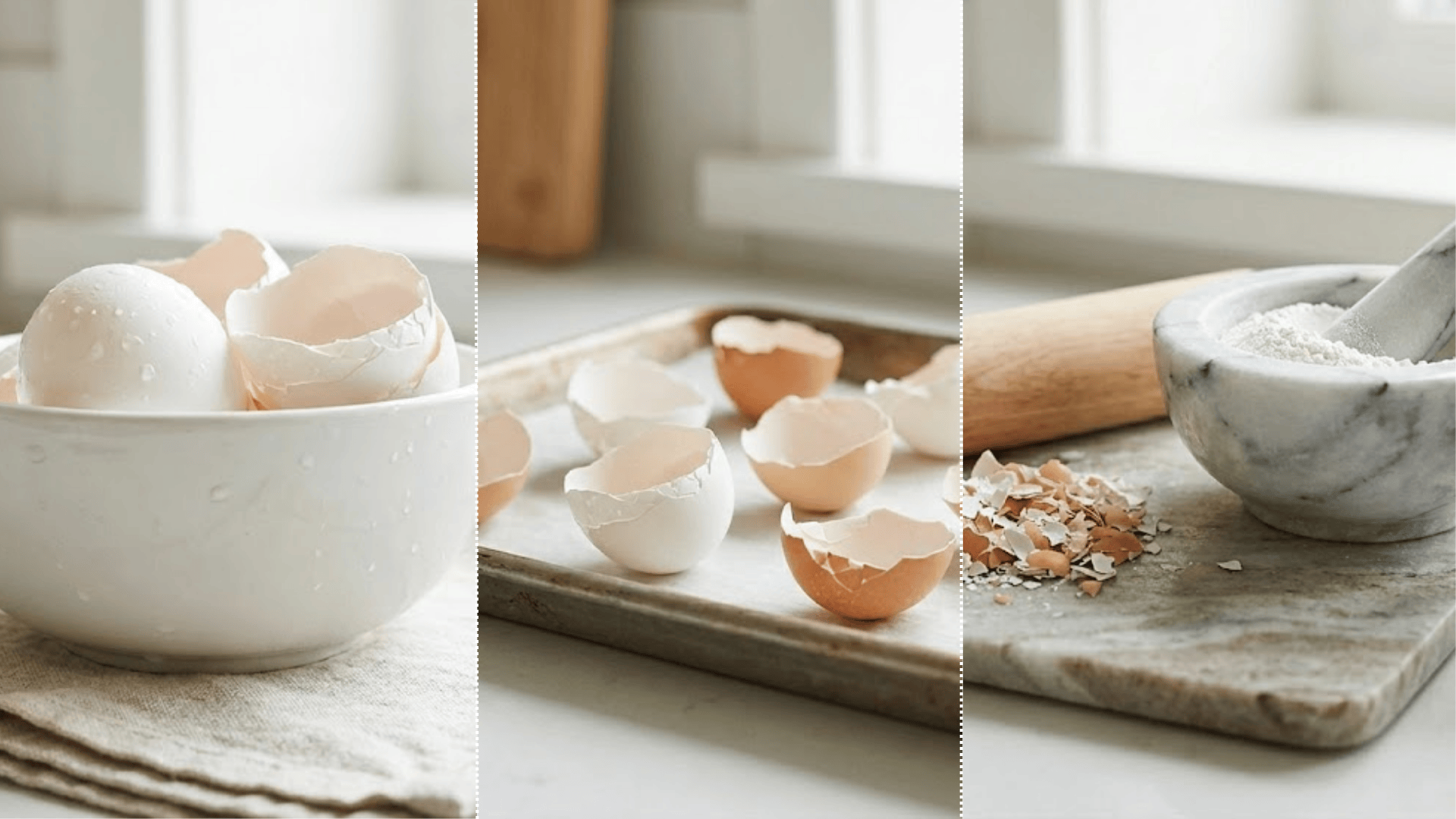
Proper preparation determines whether eggshells actually help your plants or just sit in the soil for years doing nothing.
Here’s how to process them correctly.
- Step 1: Remove any egg residue to prevent odor, bacterial growth, and unwanted pests in your kitchen or garden.
- Step 2: Bake at 200°F for 10 minutes or air-dry for several days until completely brittle and moisture-free.
- Step 3: Use your hands or a rolling pin to break shells into pea-sized fragments or smaller for faster decomposition.
- Step 4: A coffee grinder, blender, or mortar and pestle creates fine powder that breaks down in weeks instead of years.
- Step 5: Keep your eggshell powder or crushed shells dry until you’re ready to apply them to soil or compost.
Eggshell Tea Alternative: Some gardeners steep crushed shells in water for 24 hours, claiming it creates calcium-rich “tea.” The reality? Water doesn’t extract much calcium carbonate at all.
You’re essentially making flavored water with negligible nutrient value. Apply shells directly to the soil instead of steeping, as they need to break down to release calcium.
How to Use Eggshells in the Garden?
Once your eggshells are properly prepared, the application method matters as much as preparation. Here’s where and how to use them effectively.
| Application Method | Effectiveness | Key Point |
|---|---|---|
| Garden soil | High (long-term) | Mix powder into the top 4-6 inches during bed prep |
| Compost pile | Very high | Most efficient use – makes calcium bioavailable faster |
| Raised beds | Moderate to high | Blend into soil mix for calcium-hungry crops |
| Around tomatoes/peppers | Moderate | Only helps with consistent watering habits |
| Potted plants | Low | Soil gets replaced before shells break down |
Eggshells struggle in containers because the potting mix already drains well, and most gardeners replace soil seasonally. The shells simply don’t decompose fast enough to matter before you’re dumping that soil anyway.
Are Eggshells Good for Specific Plants?
Eggshells work best for plants that crave calcium and tolerate neutral to slightly alkaline soil.
Here’s the breakdown:
Benefit most:
- Tomatoes, peppers, eggplants (prevent blossom end rot with proper watering)
- Brassicas like broccoli, cabbage, and cauliflower (strengthen cell walls)
- Squash and melons (reduce fruit defects)
Moderate benefit:
- Roses and flowering perennials (support blooms and stem strength)
Little to no benefit:
- Acid-loving plants like blueberries, azaleas, and rhododendrons (eggshells raise pH against their preference)
- Most houseplants (low calcium needs, containers limit breakdown)
The pattern? Fruiting vegetables gain the most. Ornamentals rarely need supplemental calcium unless your soil is severely depleted.
How Long Do Eggshells Take to Break Down?
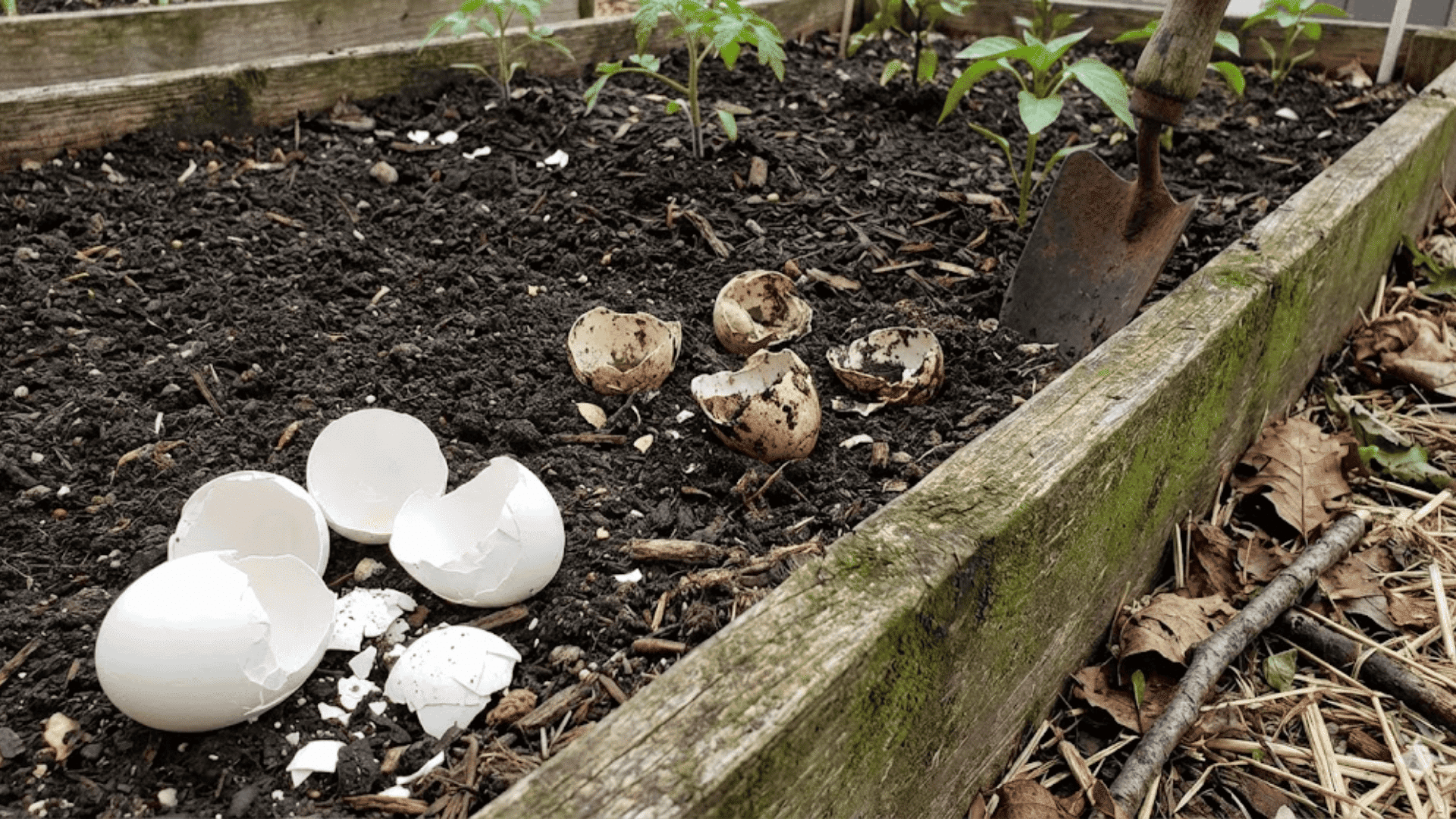
Whole or coarsely crushed eggshells can take two to three years to decompose in typical garden soil. Fine powder breaks down in a few months under ideal conditions.
The difference is surface area – powder exposes vastly more calcium carbonate to soil acids and microbial activity.
Breakdown speed depends heavily on soil moisture, microbial populations, and pH. Acidic soils dissolve shells faster than alkaline ones since the acid reacts with calcium carbonate.
Dry soil stalls the process entirely. Earthworms and beneficial bacteria accelerate decomposition by physically grinding particles and secreting enzymes.
This is why composted eggshells outperform raw applications; the composting process jumpstarts breakdown before they ever reach your plants.
Potential Downsides of Using Eggshells
Eggshells aren’t harmful, but they come with practical limitations that gardeners should understand before committing to them.
- Glacially Slow Results: Whole or chunky shells take years to release calcium, making them useless for addressing immediate plant needs.
- Pest Attraction: Uncleaned shells with residue invite rodents, ants, and flies into your garden or compost area.
- Wasted Effort in Rich Soil: If your soil already contains adequate calcium, adding more does nothing except satisfy your recycling guilt.
- False Security: Gardeners often assume they’re “feeding” plants when eggshells provide zero NPK and minimal trace minerals.
- pH Creep in Alkaline Soil: Repeatedly adding calcium carbonate to already high-pH soil can lock out essential micronutrients like iron and manganese.
Test your soil before committing to any amendment routine. Eggshells work in specific situations, not universally, and overdoing them creates new problems instead of solving existing ones.
When Should You Use Eggshells for Plants?
Use eggshells when you’re building long-term soil health in garden beds with confirmed or suspected calcium deficiency.
They’re ideal for composting and slow-release amendments in established plots growing tomatoes, peppers, or brassicas. Skip them if you need immediate results, grow acid-loving plants, or garden exclusively in containers.
Soil testing matters most. A simple test reveals whether you actually need calcium or if your soil already has plenty. Adding eggshells to calcium-rich soil wastes effort and risks nutrient lockout.
Test first, amend second. If your pH sits above 7.0 or calcium levels test adequate, save your eggshells for compost instead of direct application.
The Bottom Line
So, do eggshells help plants? They absolutely can, but only when you match them to the right situation.
If you’re growing calcium-hungry crops in moderately acidic soil and have the patience for slow-release amendments, crushed eggshells deliver genuine value. For quick fixes or container gardening, look elsewhere.
The key is treating them as one tool among many, not a gardening cure-all. Now that you know how eggshells actually work, you can use them strategically instead of hoping.
Got questions or your own eggshell experiments to share? Drop a comment below and let’s compare notes.