I never planned to care about what was growing in the corner of the yard. But once I planted the sweet pea flower, I paid attention.
It was low effort, looked clean, and brought a kind of calm that stuck around. No big show; just steady color, scent, and meaning.
You might be here because you’re curious, or maybe you’re looking for something easy to grow that actually feels worth it.
This blog will walk you through everything you need to know: where sweet peas grow best, when they grow, and what they can add to your space. It’s not just another flower. By the end, you’ll see why it still gets my time, season after season.
Why Sweet Pea Flowers Stay So Popular
Sweet pea flowers stay popular for a few simple reasons. First, it’s their smell: soft, sweet, and hard to forget. Then there’s the color range. Pinks, purples, whites. They’re gentle on the eyes and easy to love. I think the climbing vines are part of the fun too.
They twist and grow up trellises and fences, turning empty spaces into something full of life.
People use sweet peas in all sorts of ways. In gardens, they’re great for covering bare spots or adding height. In bouquets, they bring softness. At events, they feel thoughtful and fresh.
But here’s something to remember. Sweet peas bloom in cooler weather. If you miss that window, you miss the best part. So timing really matters.
Sweet Pea Flower Basics

The sweet pea flower, known by its botanical name Lathyrus odoratus, is an annual plant that belongs to the legume family, just like peas and beans.
Even though it’s grown for beauty, it shares the same kind of vine structure. Sweet peas are climbers, using curly tendrils to pull themselves up anything nearby.
They need support to grow well, like trellises, fences, or even netting.
- Flowers are soft and ruffled, often shaped like little butterflies
- Vines can grow 3 to 6 feet tall, sometimes taller with care
- Needs something to climb or it will sprawl on the ground
These flowers bloom best in cooler weather, like spring or early fall. Some varieties have a stronger scent than others. Cooler temperatures and good sunlight usually bring out their best fragrance.
Annual vs. Perennial Sweet Pea
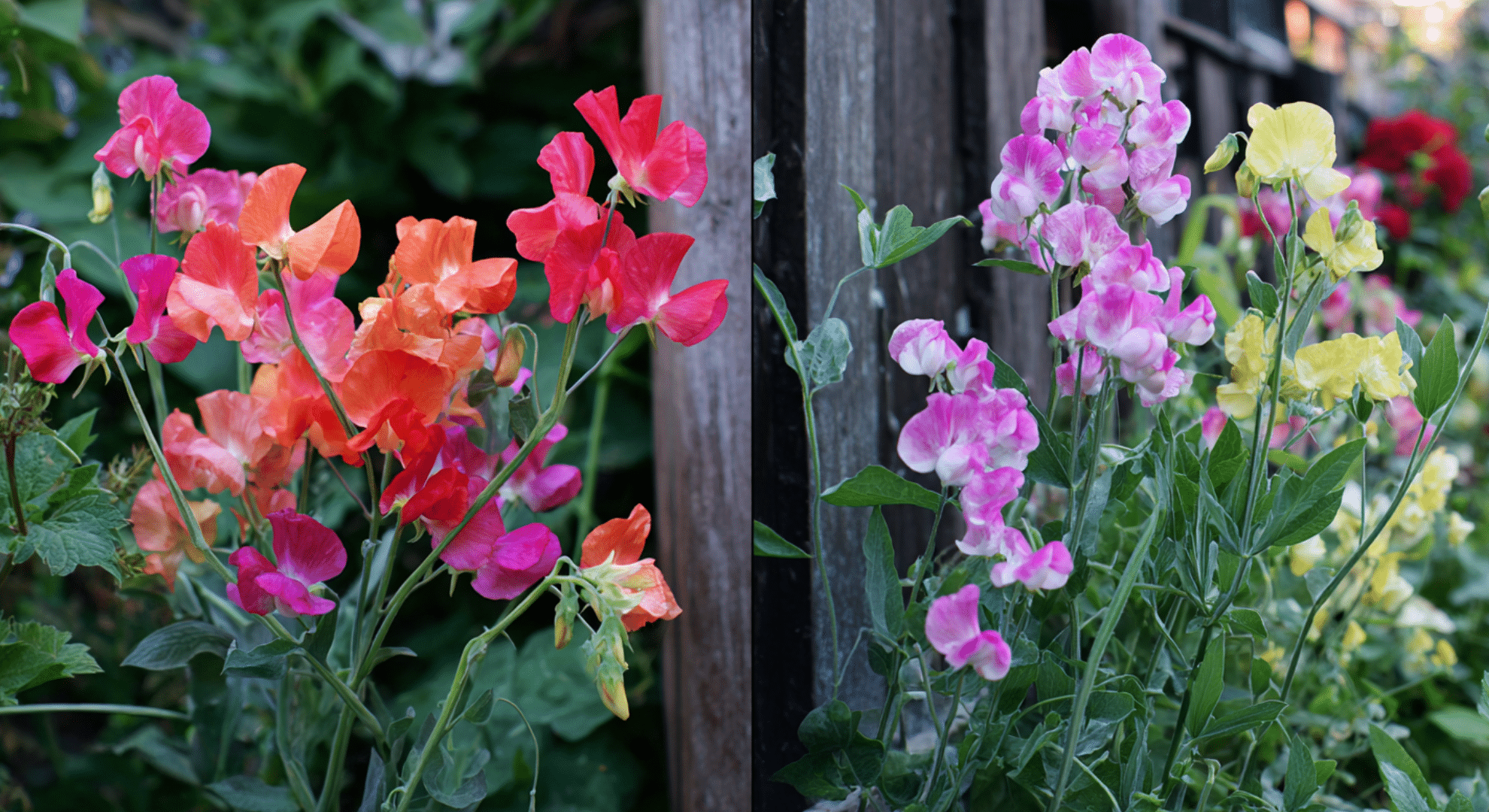
There are two main types of sweet peas, and they’re easy to mix up. The annual sweet pea (Lathyrus odoratus) is grown for its strong scent and pretty blooms, perfect for cut flowers.
The perennial sweet pea (Lathyrus latifolius) comes back every year but usually doesn’t smell much, if at all.
You can usually tell the difference by checking seed packets or plant tags, look for the botanical name.
| Type | Botanical Name | Scent | Returns Each Year | Best Use |
|---|---|---|---|---|
| Annual Sweet Pea | Lathyrus odoratus | Strong | No (needs replanting) | Bouquets, cut flowers |
| Perennial Sweet Pea | Lathyrus latifolius | Mild to none | Yes | Garden cover, trellises |
If you want flowers that come back each year, choose the perennial. But if fragrance matters, go with the annual.
Sweet Pea Varieties You Can Grow
Sweet pea varieties are often grouped by a few key things: how they smell, how long the stems are, how the blooms look, and what colors they come in.
Some are sold as color blends, while others focus on features like stem strength or bloom size.
You’ll also see labels like “heirloom” or “fragrant,” which hint at what the plant was bred for.
When a sweet pea is called heirloom, it usually means it’s from an older seed line. These focus more on fragrance and traditional flower shapes than on big blooms or long stems.
“Fragrant” sweet peas are often true to their name, but scent can still vary depending on sunlight, soil, and even the time of day.
Here’s a quick pick-your-goal guide:
- Want a strong scent? Go with heirlooms or anything marked “highly fragrant.”
- Need long stems for cutting? Choose modern cut-flower types
- Live in a warm zone? Look for early bloomers or sow in late fall
- Short on space? Try dwarf or container-friendly varieties
Heirloom and Old-Fashioned Sweet Peas
These types usually have a strong scent, smaller blooms, and soft, classic colors like lavender, blush pink, or creamy white. They don’t grow as tall or bloom as heavily, but they smell amazing. They’re perfect if you care more about scent than size or want a plant that feels timeless.
Many gardeners love them for cottage-style gardens or for planting along paths where the scent can be enjoyed up close.
Modern Cut-Flower Types (Long Stems and Big Blooms)
These varieties were bred for cutting. You’ll notice longer stems, big showy blooms, and more flowers per plant. Colors are often bold and even.
If you’re growing for bouquets or market sales, these are a good fit.
But they do need more care: proper spacing, regular feeding, and support like netting or trellises. They grow best with weekly attention.
Color-Based Collections
You can also choose sweet peas by color, especially when planning garden beds or events. Some sellers offer mixes, while others let you buy single shades.
Want soft pinks for a wedding look? Or deep purples to stand out? Pick your color group.
To keep colors from looking muddy, use sharp contrasts or stay in one color family. For example, mix white with dark purple, or keep all pastel tones together.
Avoid mixing too many shades in one small space; it can end up looking messy instead of calm or bold.
Sweet Pea Flower Colors: Complete Guide
Sweet peas come in a wider color range than most people expect.
Here’s a breakdown by color family with specific varieties you can actually find and grow.
| Color Family | Shade Range | Variety Examples | Notes |
|---|---|---|---|
| Purples & Maroons | Deep violet to burgundy | ‘Cupani’, ‘Matucana’, ‘Midnight’ | Strong fragrance; classic heirloom look |
| Pinks | Blush to deep rose | ‘April in Paris’, ‘Gwendoline’, ‘Mollie Rilstone’ | Soft and romantic; great for weddings |
| Whites & Creams | Pure white to ivory | ‘White Ensign’, ‘Cream Southbourne’, ‘Royal Wedding’ | Clean palette; pairs well with everything |
| Blues & Lavenders | Sky blue to deep lavender | ‘Noel Sutton’, ‘Blue Ripple’, ‘Oxford Blue’ | True blues are rare; most lean lavender |
| Reds & Burgundies | Bright red to wine | ‘Red Arrow’, ‘Winston Churchill’, ‘Burgundy’ | Bold and eye-catching; strong stems |
| Bi-colors & Streaked | Two-tone petals | ‘Wiltshire Ripple’ (purple/white), ‘Painted Lady’ (pink/white) | Adds depth and interest to arrangements |
Colors can shift slightly based on soil pH and temperature. Cooler weather brings out richer, deeper tones, while heat tends to fade blooms faster. Grow extra plants as backups if shade matters, since color can vary even within the same variety.
Color-Changing Varieties
Some sweet peas are bred to change color as they age, creating a gradient effect up each stem since flowers open from bottom to top.
These “shifters” start as one color and morph into another over a few days, giving you multiple shades on the same plant.
- ‘Blue Shift’ – Starts pink/mauve, ages to brilliant blue and aquamarine
- ‘Blue Vein’ – Opens orange-coral, develops striking blue-purple veining as it matures
- ‘Turquoise Lagoon’ – Begins pink, shifts to turquoise (stunning even as it fades)
These varieties tend to have smaller blooms than standard types but still carry the classic sweet pea fragrance. They’re eye-catching on trellises and make for unusual bouquets since cut stems continue changing color in the vase.
Shifters work best planted alone or with solid whites so the color transition stays the focal point.
Where Sweet Pea Flowers Grow Best
Sweet pea flowers love cool weather. They grow best in early spring or late fall, depending on your zone. Once the heat kicks in, their blooms slow down or stop completely. In warmer areas, you’ll need to plant them earlier so they can bloom before it gets too hot.
They do best with full sun, especially in cooler climates. But if you’re in a warmer zone, giving them some afternoon shade can help the flowers last longer.
- Soil should drain well and have compost mixed in
- Avoid high-nitrogen fertilizers or you’ll get leaves instead of flowers
- Leave space between plants for good airflow to help prevent mildew
They also need support. Use netting, trellises, or a simple fence to help them climb and stay healthy.
When to Plant Sweet Peas
Timing is key with sweet peas. They need cool weather to bloom their best, so planting too late means you might miss the flowers altogether.
If you live where winters are cold and the ground freezes, plant sweet peas in late winter or early spring. In milder climates with mild winters, sowing in fall gives you earlier, stronger blooms.
If you’re in a hot-summer area, plant even earlier. These plants need to flower before the heat sets in.
Simple rule of thumb: Plant sweet peas as soon as the soil can be worked and before the heat arrives.
What does “soil is workable” mean?
It just means the ground isn’t frozen and it’s not too wet. If you can press a handful and it breaks apart easily, you’re good to go. If it sticks together like mud, wait a bit.
How to Start Sweet Pea Seeds
Starting sweet pea seeds the right way gives you a strong, early start and better blooms later. Here’s how to do it using trusted methods:
1. Starting Seeds Indoors or in Pots
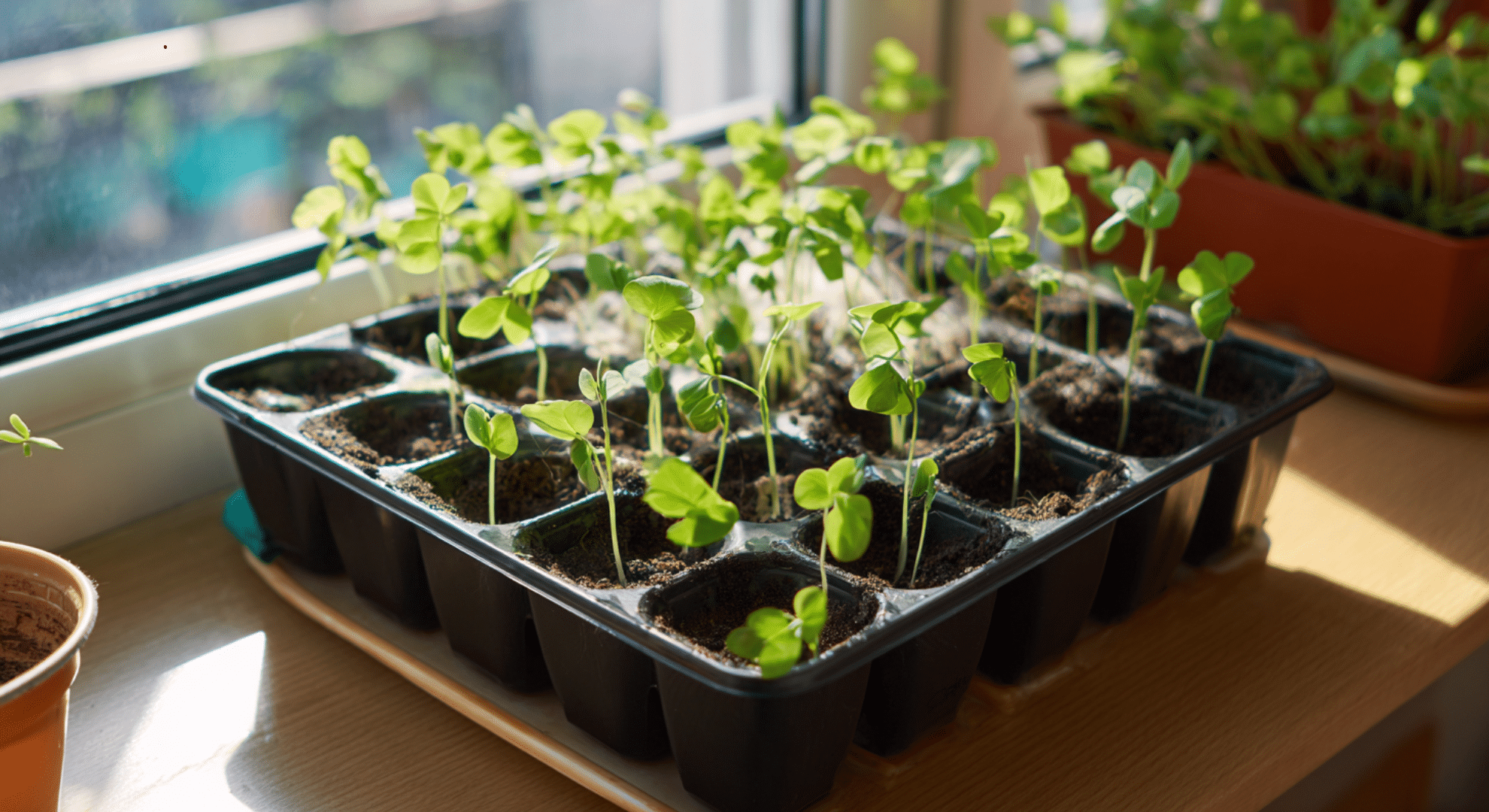
Starting sweet peas indoors is a good choice if your growing season is short or spring is slow to warm up.
Use deep pots or root trainers since sweet peas grow long taproots that don’t like being disturbed. Fill your containers with moist potting soil and plant seeds about 1 inch deep.
Keep them in a bright spot with good air circulation. Once the seedlings are a few inches tall, start hardening them off.
Set them outside for a few hours each day, adding more time over a week to help them adjust to outdoor conditions.
- Use deep containers to protect root growth
- Keep soil moist but not soggy
- Harden off young plants before transplanting
2. Direct Sowing Outdoors
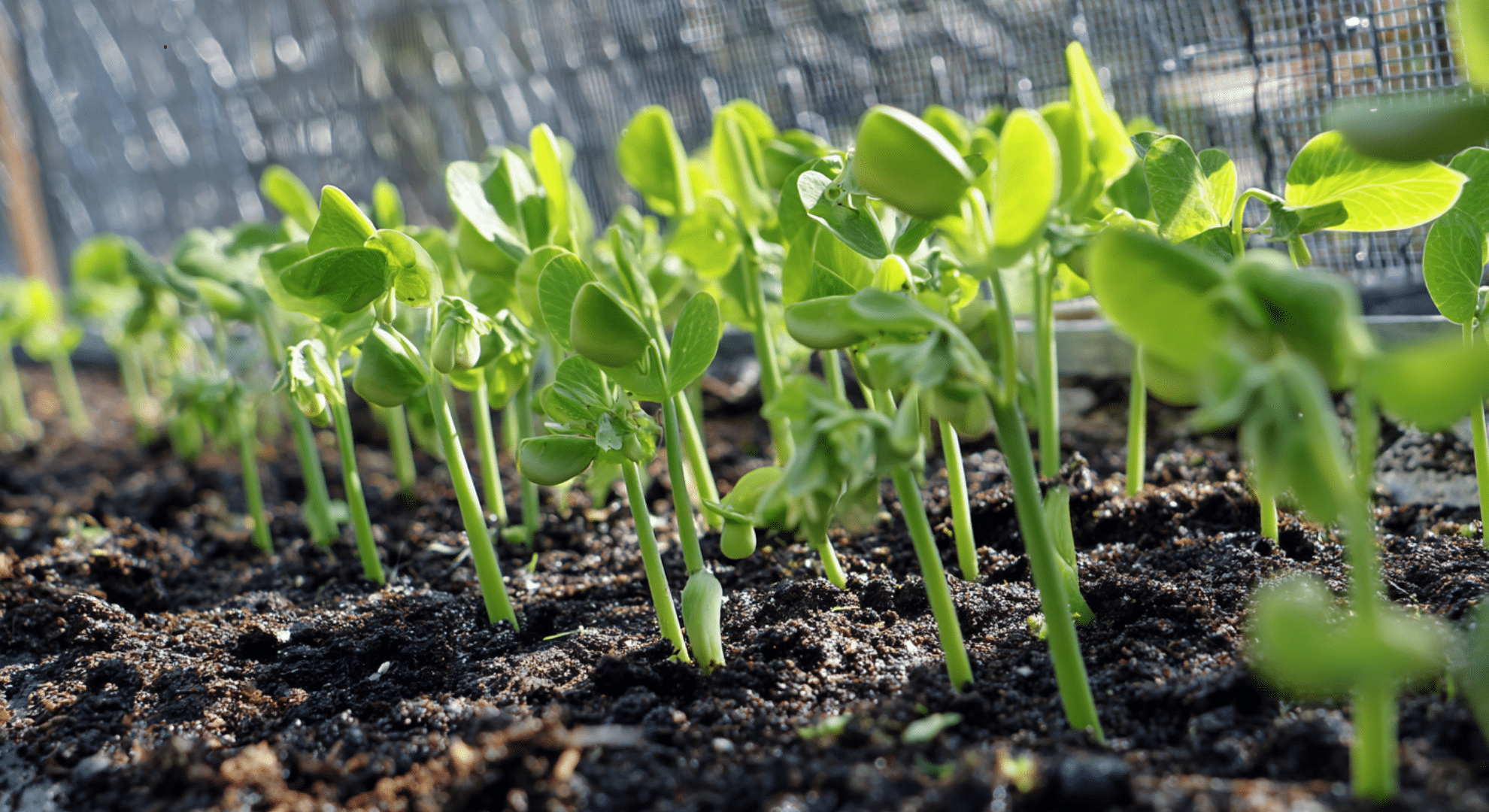
Direct sowing works well if your soil is ready early and the weather stays cool. Start by loosening the soil and mixing in compost to improve drainage. Plant seeds 1 inch deep and space them about 2–3 inches apart.
Once the seedlings appear, thin them to about 5 inches apart so each plant has room to grow. This also helps with airflow. Watch for slugs and snails right away—they love fresh sweet pea shoots and can destroy seedlings quickly.
- Prepare soil with compost before planting
- Thin seedlings for spacing and airflow
- Use slug/snail protection from the start
Should You Soak or Nick Seeds First?
Some sweet pea seeds have tough outer shells, and soaking or nicking them can help speed up sprouting. Soak seeds in water for 6 to 8 hours, no longer, or they may rot.
Nicking means gently rubbing the seed coat with a nail file until you see a lighter layer. This helps water get in faster.
These tricks are helpful with older seeds or if you’ve had trouble with germination in the past. If your seeds are fresh and your soil is damp and loose, you can usually skip soaking and nicking altogether. Don’t overdo it—too much water or damage can ruin the seeds.
Are Sweet Pea Flowers Edible or Safe Around Pets?
Sweet pea flowers (Lathyrus odoratus) are not the same as edible garden peas. While the names sound alike, sweet peas are grown for looks and smell, not food.
People often ask if the flowers, pods, or seeds are safe to eat: they’re not. All parts of the sweet pea plant, especially the seeds, can be harmful if eaten. They may cause stomach problems or worse in people and pets.
If you have kids, dogs, or cats, it’s best to grow sweet peas out of reach or choose a safer plant. Don’t mix them up with snap peas or snow peas from the vegetable garden. Those are completely different and safe to eat.
How to Plant, Pinch, and Support Sweet Peas
Sweet peas do best when spaced right. Give each plant about 5 inches of space to help airflow and reduce disease.
This also helps the plants grow strong, straight stems; great if you plan to cut flowers. When planting, set the seedlings at the same depth they were in their pots. Firm the soil gently around the base so the roots stay stable.
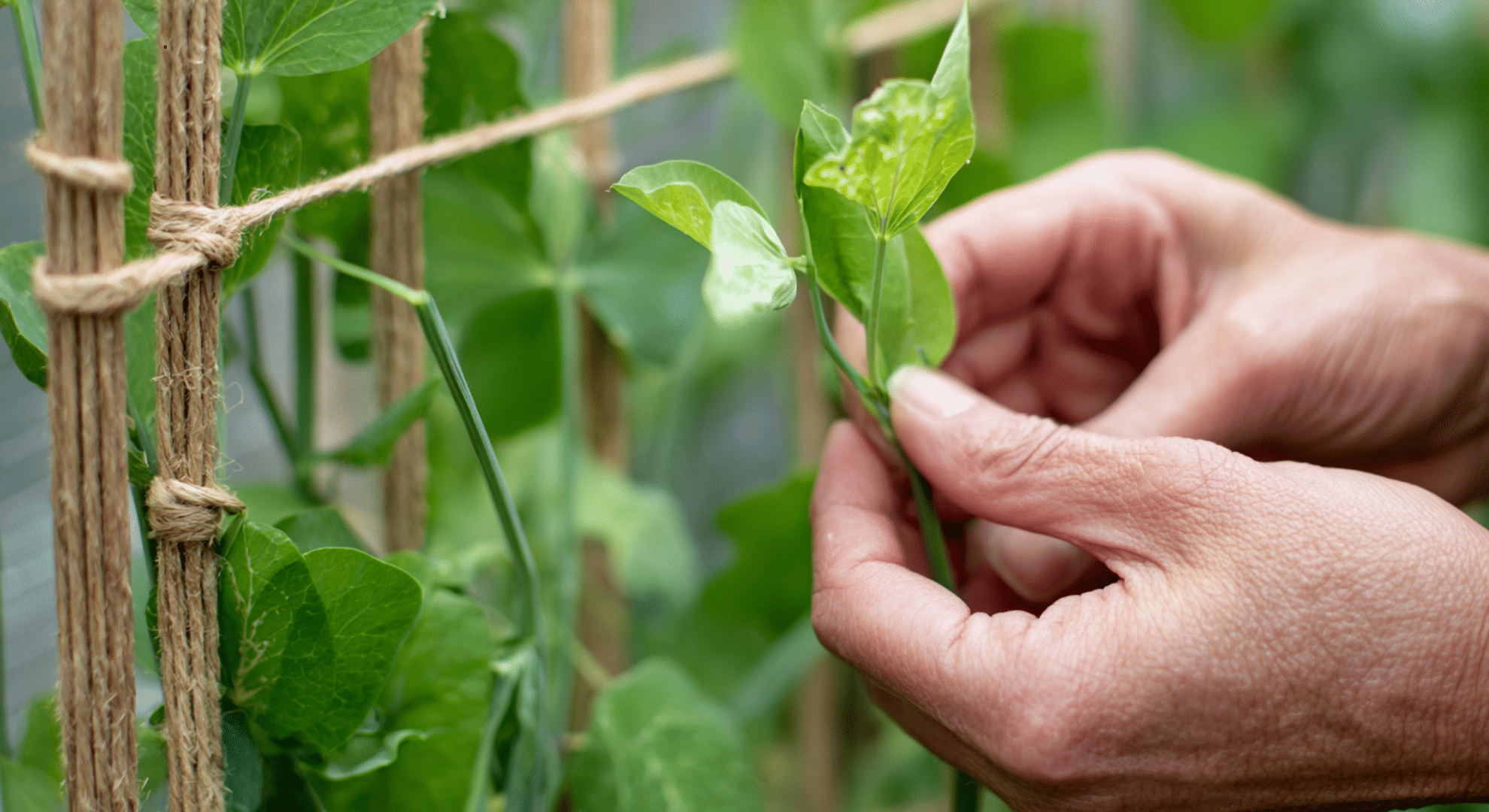
Pinching means snipping off the top growing tip when the plant is about 4 to 6 inches tall. It may feel wrong, but it helps the plant grow more side shoots, which means more flowers later.
To train vines, use soft ties to gently attach them to a trellis or fence. Tie loosely so the stems can grow without damage.
Sweet Pea Care
Sweet peas don’t like dry roots or soaked soil, they need steady care to bloom well. Water deeply a few times a week instead of giving them light water every day.
This helps roots grow strong and deep. Feeding matters too. Use a flower-focused fertilizer so the plant puts energy into blooms, not just leaves:
- Water deeply 2–3 times a week, depending on weather
- Skip daily light watering, it encourages weak roots
- Use a low-nitrogen, bloom-boosting fertilizer every 2 weeks
- Add mulch to keep soil cool and hold moisture
- Watch containers, they dry out faster and may need daily watering
- Always water at the base to avoid mildew on leaves
Keep up this routine weekly, and your sweet peas will reward you with more blooms and healthier plants.
Harvesting Sweet Pea Flowers for Bouquets
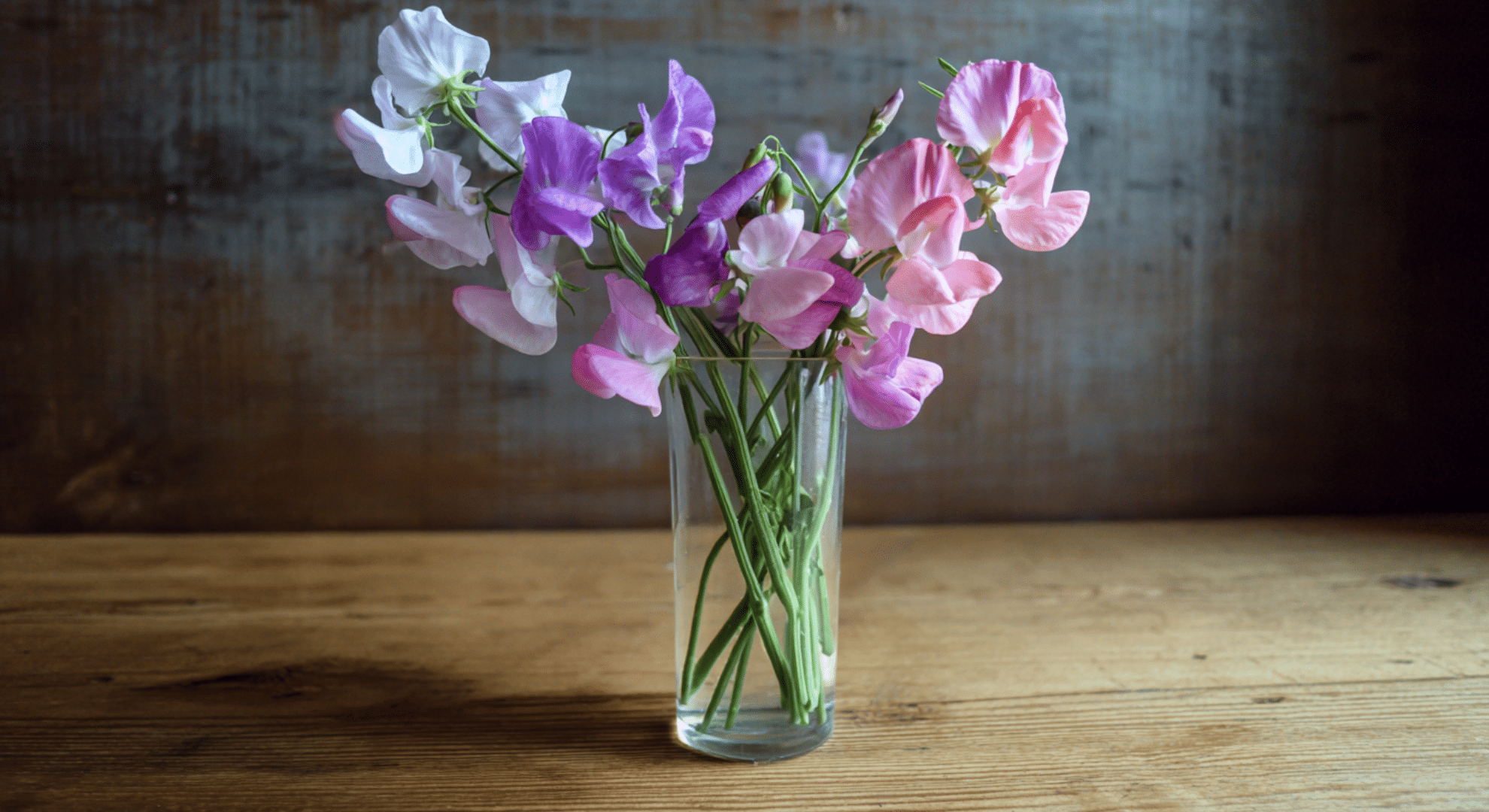
Cut sweet pea flowers early in the morning, when it’s cool and the blooms are fresh. The best time to cut is when the lowest flower on the stem has fully opened, and the top buds are still closed. This way, you’ll get a longer vase life as the buds open one by one.
After cutting, place the stems in cool water right away. Use a clean vase and trim the ends again before arranging. Keep the vase in a cool spot out of direct sunlight.
Sweet peas usually last 3 to 5 days in a vase. Change the water daily and trim the stems to help them last longer.
Good pairings for sweet peas:
- Soft herbs like mint or basil
- Small roses or ranunculus
- Filler flowers like baby’s breath or feverfew
How to Keep Sweet Peas Blooming for Longer
The best way to keep sweet peas blooming is straightforward: cut often. The more flowers you pick, the more the plant keeps making.
If you leave faded blooms on the plant, it will start forming seeds and slow down. So even if you don’t need a bouquet, keep cutting or deadheading the old flowers.
Cutting for a vase is better than just snapping off dead blooms. It encourages new growth and keeps stems long and strong.
To handle heat, give your plants morning sun and afternoon shade. Use mulch to keep the roots cool and water regularly. But once hot weather takes over and flowers slow down, it’s time to let them go and plan for next season.
Common Problems & Troubleshooting
Sweet peas are pretty forgiving, but a few issues come up often enough that it’s worth knowing what to look for. Most problems have simple fixes if you catch them early.
- Bud Drop (Flowers Falling Before Opening): Caused by temperature swings, inconsistent watering, or too much nitrogen; keep soil evenly moist and avoid high-nitrogen fertilizers.
- Aphids (Small Green Insects on Stems): These sap-suckers weaken plants and spread viruses; spray with insecticidal soap or blast them off with water at the first sign.
- Powdery Mildew (White Dusty Coating on Leaves): Shows up in hot, dry weather with poor airflow; water at the base, mulch to keep roots cool, and space plants properly.
- Poor Germination (Seeds Not Sprouting): Usually from old seeds or waterlogged soil; use fresh seeds, don’t oversoak, and make sure soil drains well before planting.
- All Leaves, No Flowers: Too much nitrogen pushes leaf growth instead of blooms; switch to a low-nitrogen, bloom-focused fertilizer and cut back on feeding.
Most issues are about balance: not too wet, not too dry, not too much food, and good airflow. Fix what you can, learn from what you can’t, and try again next season.
What Sweet Pea Flowers Mean and When to Use Them
Sweet pea flowers are often linked with goodbyes, gratitude, and gentle thoughts.
They’re the kind of flower people give when they want to say “thank you” or mark the end of something special in a soft, kind way.
The meaning can also shift based on color: soft pinks for friendship, purples for calm, and whites for honesty or fresh starts.
People often use sweet peas in farewell bouquets, spring events, or to show appreciation. Because they bloom early and have a sweet scent, they’re also popular in seasonal flower arrangements.
Their old-fashioned look adds a thoughtful, personal touch to weddings, baby showers, and even birthday bouquets, especially when the meaning behind them matters just as much as the beauty.
Conclusion
The sweet pea flower changed how I look at planting. I used to skip over small things like this, but once I gave it a try, it became part of my routine: easy, low-stress, and honestly kind of grounding.
Watching it grow reminded me that even small things can have meaning if you give them time.
Now it’s your move. Maybe you’re ready to plant, or maybe you just needed a new idea to think about. Either way, keep it simple and see what happens.
If this got you thinking, there’s more where it came from. Check out the other blogs for more real tips you can actually use!