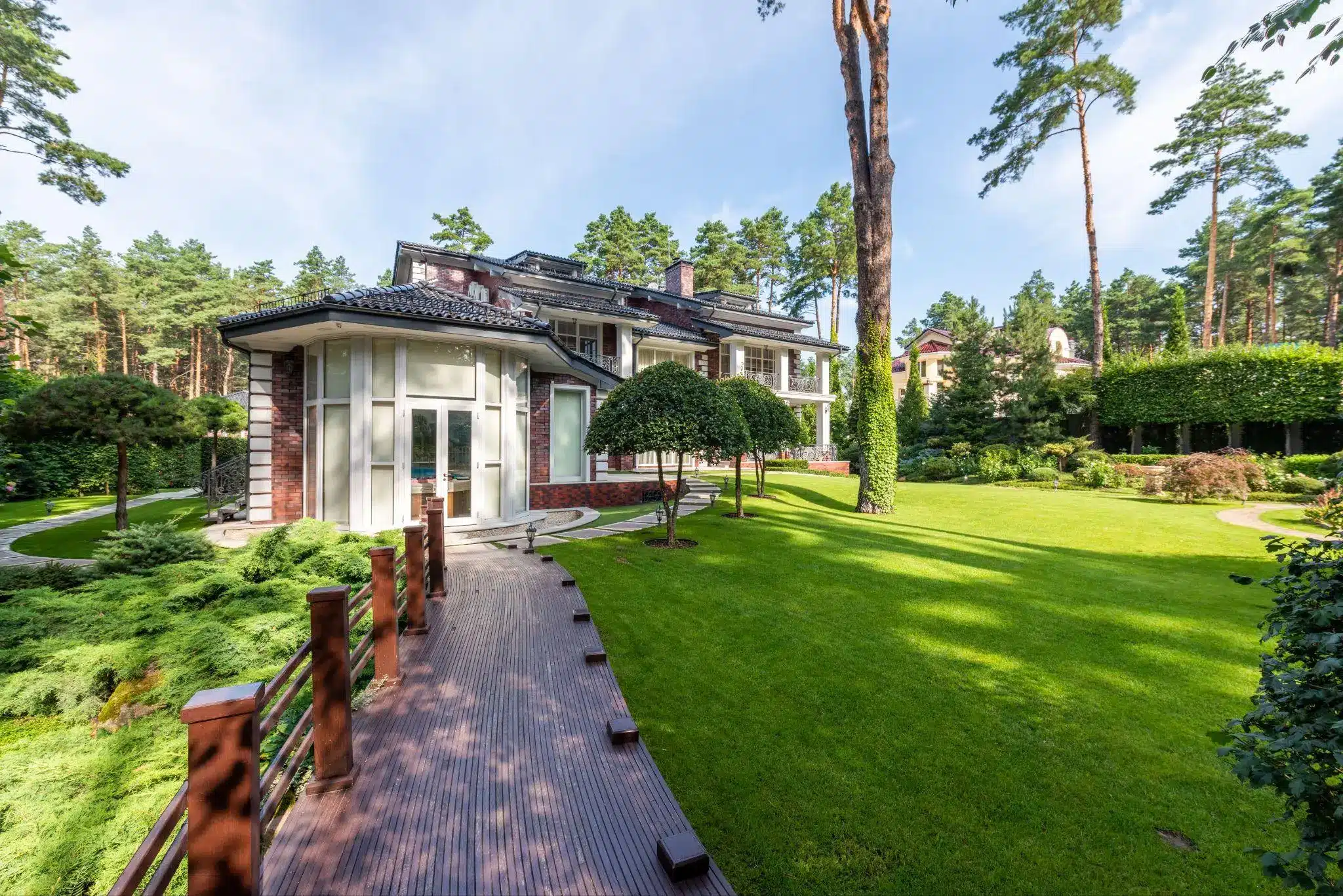
Access to water is something that’s easy to take for granted. So much so that residents of states like Arizona, where summer afternoons easily exceed 100 degrees, can often be seen with full lawns in their front yard.
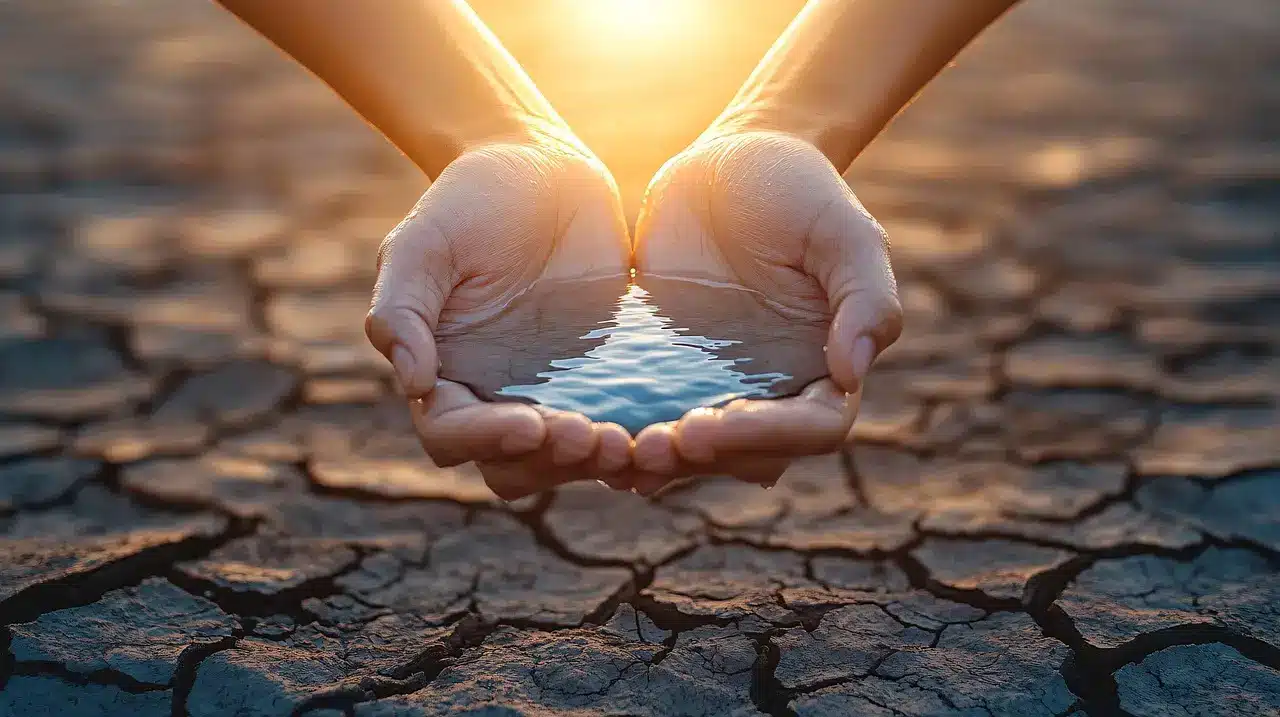
Unlimited access to water in such regions is becoming less sustainable by the year. Just look at the water levels in Lake Mead, a significant reservoir in the Colorado River Basin. Compared to decades prior, the water levels are shockingly low, fueling fears of regional water shortages. This article explores how sustainable water practices can help residents in such regions use less water and combat shortages.
Why It Matters More in Metro Denver
Denver has a semi-arid climate where water is scarce, and it draws a large share of its supply from the same Colorado River that feeds Lake Mead. Two decades of overuse have pushed that system to record lows, and the pressure reaches the Front Range, which is why the utility declared a Stage 1 drought in 2026 and added temporary drought pricing on outdoor use.
- Summer rules limit lawn watering to set days and bar irrigation between 10 a.m. and 6 p.m.
- Denver Water suggests aiming for about 12 gallons per square foot of landscape each year.
- Many leaks hide inside walls or under slabs, beyond what a homeowner can spot or reach.
- A flapper swap is simple, but recurring valve failures and irrigation faults usually need a trained eye.
That is whereprofessional plumbing services in metro Denver are a worthwhile investment, finding hidden waste and fitting efficient fixtures correctly the first time. In a dry city, getting the plumbing right keeps a home and garden within the rules and sustainable.
Water-Saving Gardening
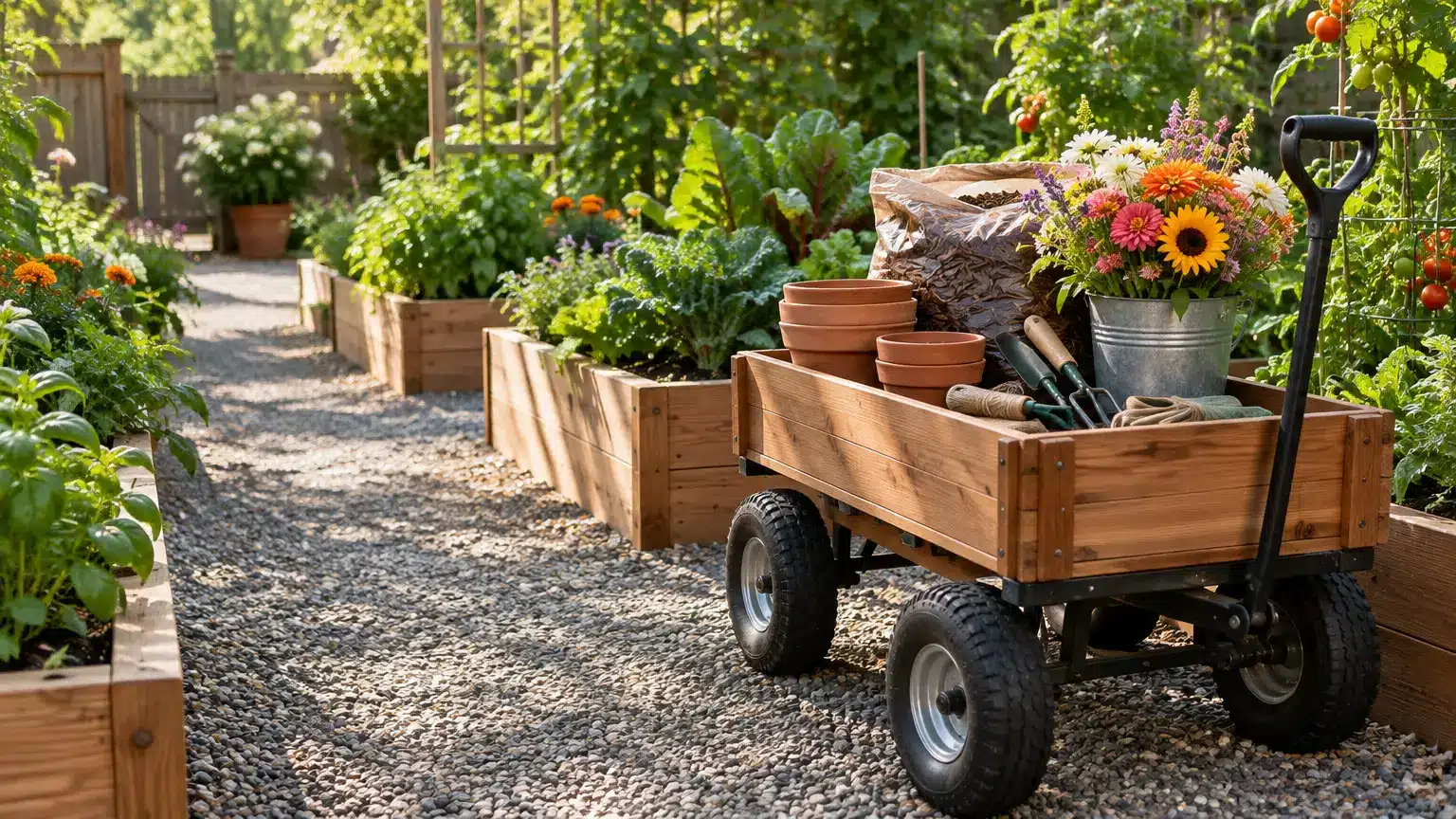
While showers and leaks can waste a lot of water, outdoor irrigation systems are usually where households use the most. Like the shower upgrade, switching to a WaterSense labeled irrigation system can do wonders for water sustainability.
These ultra-efficient systems can cut outdoor water use by as much as 30%. Using less water in your garden doesn’t even need to be a compromise. Deep, infrequent watering is often preferable to daily sprinkling because it results in stronger roots.
The Cost of Leaks
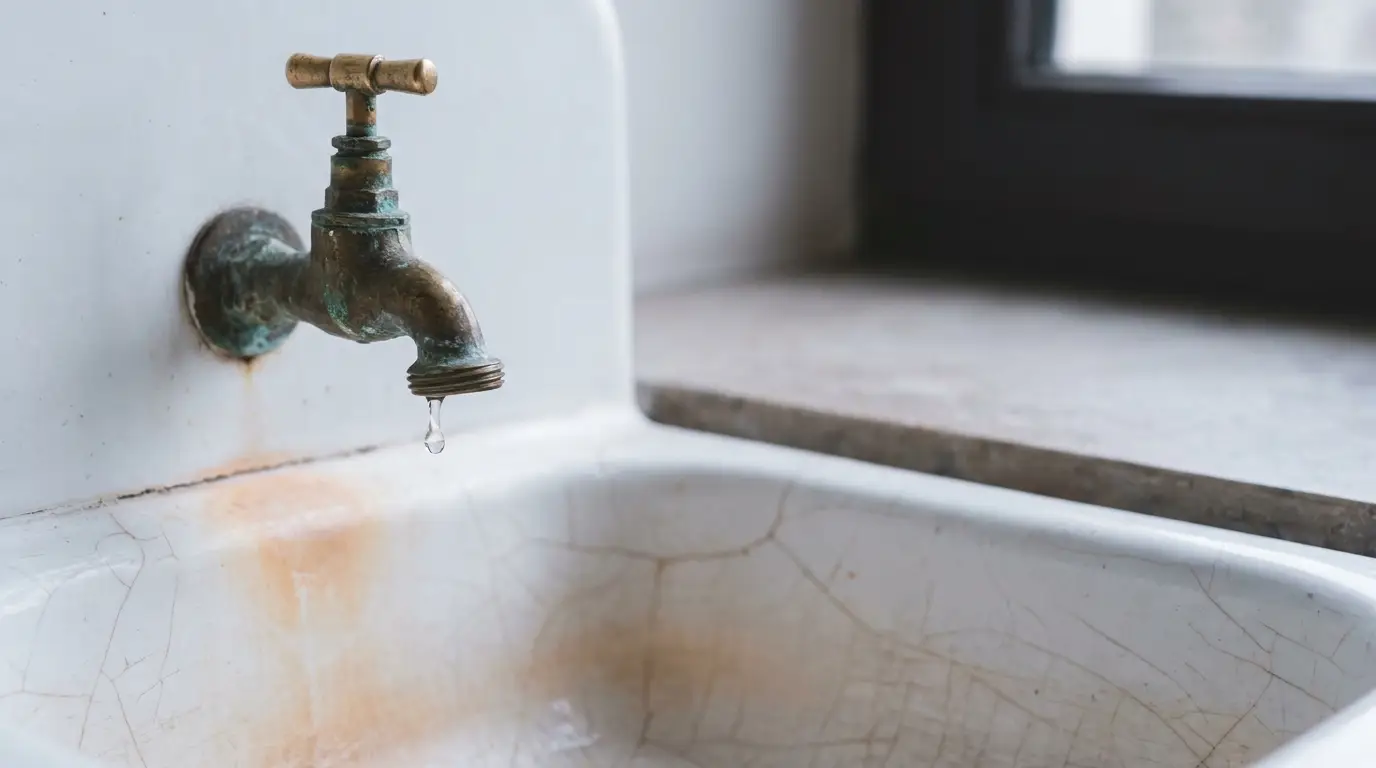
The average household wastes around 9,400 gallons a year through leaks. That’s enough to wash more than 300 loads of laundry. For example, small leaks through worn out toilet valves can add up to a significant amount of water over time, even if it isn’t particularly noticeable day to day.
Leaks are a prime example of the value of preventive maintenance. When you catch a leak early, it’s almost always a cheap fix. The leaky toilet valve, for example, is fixable with a simple part that costs a few dollars. But the longer you leave that leak unattended, the more damage it could do. Such leaks can cause wood to warp and rot, leading to expensive repairs. There’s also a risk of mold growth, which is both harmful to your family’s health and challenging to eliminate once it’s taken hold.
Indoor Efficiency
It’s a fundamental misconception that you need to be disciplined and mindful to save water. That’s one way of being sustainable, but it’s much easier when you externalize that effort. For example, your showerhead can waste a lot of water, so much that switching to a WaterSense labeled showerhead can cut your water use by 20%.
Often, people installing these showerheads find they can’t tell the difference while showering, but they can certainly see the difference when the utility bill comes through. Making efficient upgrades like this one can save the average family almost $400 per year. These upgrades make sense because, in the long run, your investment will pay for itself.
Start With the Easy Wins
Water in the Southwest is no longer something to take for granted, thankfully you can help keep water sustainable through easy modification to your home. Catch the leaks and swap in efficient fixtures, and your bill lowers, and the region’s over exerted supply lasts a little longer.
If you’re interested in learning more about sustainable gardening, see our other articles.