A safe home is not something you achieve once and forget. It requires ongoing attention to systems, structure, and air quality. Most hazards that affect residential health and safety are not visible until they have already caused damage.
The good news is that the highest-impact safety improvements follow a logical sequence. Address the structure first, then the systems, then the environment inside. Each layer depends on the one beneath it.
Assess the Structure Before Everything Else
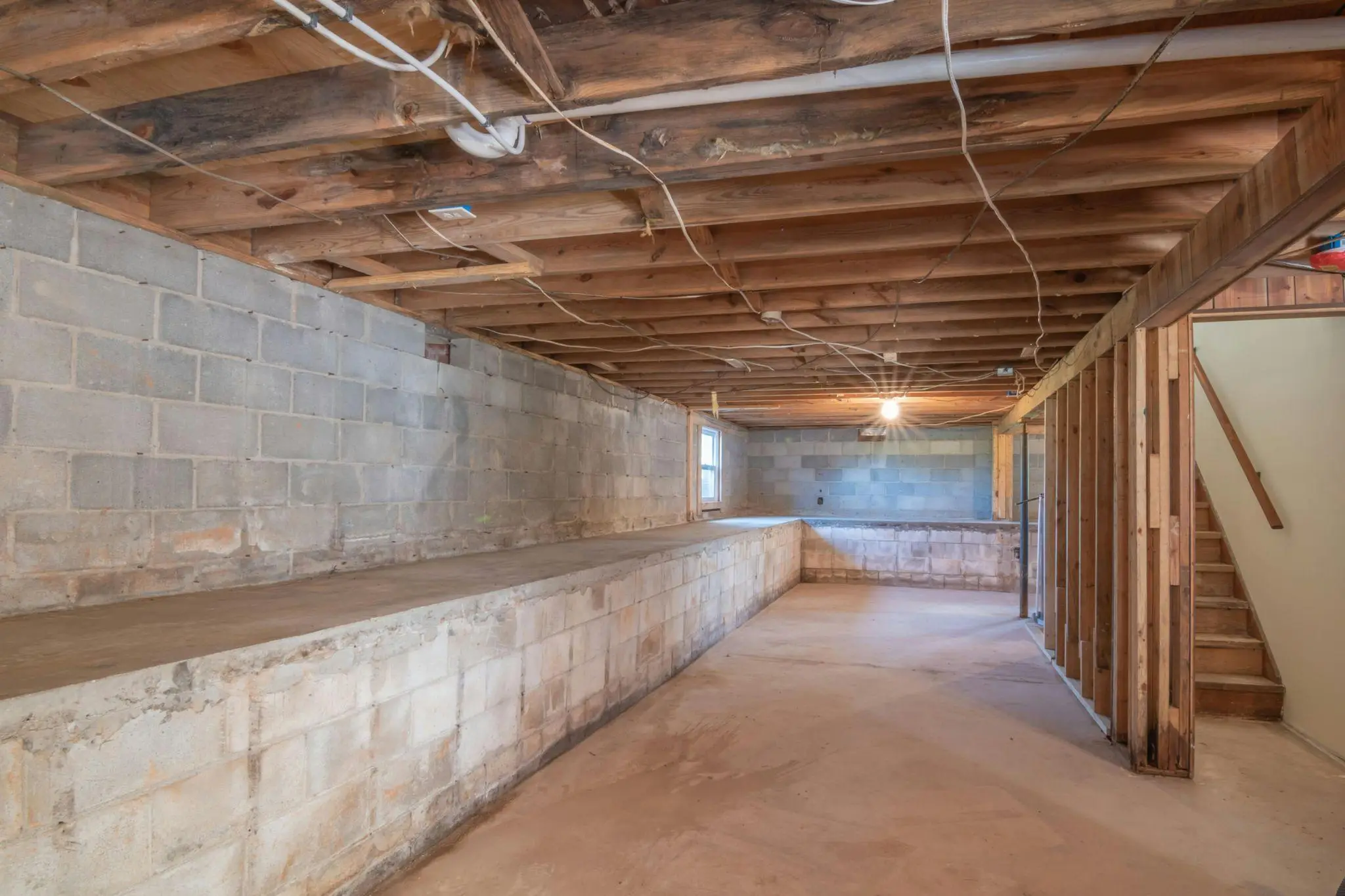
Structural integrity is the foundation of residential safety, literally and practically. A home with compromised framing, a shifting foundation, or significant moisture intrusion cannot be made truly safe by addressing surface-level concerns.
Foundation problems are among the most common structural issues in residential properties, particularly in regions with expansive clay soils, high water tables, or significant temperature fluctuation. These conditions cause soil movement that translates directly into foundation stress over time.
Signs worth investigating immediately include diagonal cracks radiating from the corners of windows and doors, gaps between the ceiling and interior walls, floors that slope or feel uneven underfoot, and doors or windows that have started sticking without an obvious explanation. Any combination of these warrants a professional evaluation rather than a watch-and-wait approach.
Homeowners in areas with known soil instability should be particularly proactive. Specialists in foundation repair on San Antonio’s west side regularly work with properties affected by the region’s reactive clay soils, which expand and contract with seasonal moisture changes in ways that cause progressive foundation damage when left unaddressed. The same conditions exist across large portions of the South and Southwest.
Catching foundation movement early is significantly less expensive than addressing it after it has propagated through the structure. More importantly, unresolved foundation issues create pathways for moisture intrusion that directly affect everything else in the home.
Address Moisture Intrusion at the Source
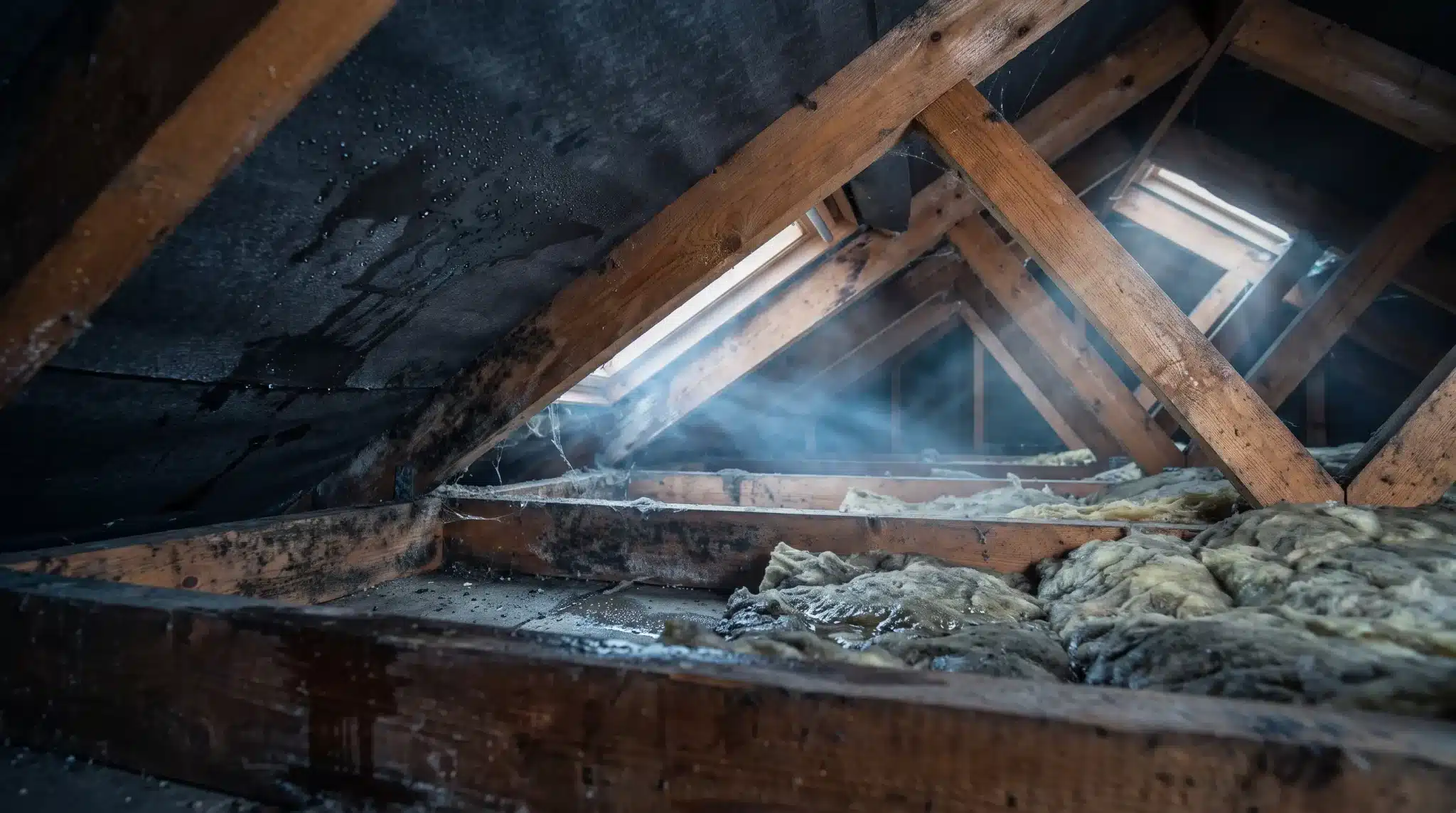
Water is the most destructive force in a residential property. It does not have to be a flood. Slow intrusion through foundation cracks, roof penetrations, window seals, or plumbing connections causes structural decay, mold growth, and air quality degradation over months and years.
The priority sequence for moisture management is:
- Identify and seal active intrusion points in the foundation, envelope, and roof system
- Correct exterior grading so water drains away from the foundation rather than pooling against it
- Install or upgrade gutters and downspouts with extensions that discharge at least six feet from the foundation
- Address crawl space moisture with vapor barriers and adequate ventilation
- Inspect and replace failed caulking and flashing at all window, door, and roof penetrations annually
Each of these is a preventive measure. The cost of prevention is a fraction of the cost of mold remediation, structural drying, or foundation repair that follows from ignored intrusion.
HVAC Systems and Indoor Air Quality

Photo by Kathleen Austin Kuhn: https://www.pexels.com/photo/technician-inspecting-outdoor-hvac-unit-32497161/
The HVAC system is the respiratory system of a home. It circulates air through every occupied space continuously. When it is functioning well and maintained correctly, it contributes to a healthy indoor environment. When it is dirty, poorly filtered, or improperly configured, it distributes contaminants rather than reducing them.
According to the EPA, indoor air can be two to five times more polluted than outdoor air. In tightly sealed modern homes, that gap widens further without adequate ventilation and filtration.
The mechanics of how an HVAC system affects airborne pathogen load, particulate concentration, and humidity control are detailed in this resource on reducing infectious disease spread through your HVAC system. The practical takeaways cover filtration upgrades, duct hygiene, humidity management, and UV-C treatment options that meaningfully reduce biological contamination in circulated air.
Filter replacement is the minimum maintenance requirement. MERV-13 filters capture a significantly higher percentage of fine particulates than standard MERV-8 filters. For households with allergy or respiratory concerns, this single upgrade produces measurable air quality improvement at minimal cost.
Electrical Safety Checks Most Homeowners Skip
Electrical hazards cause thousands of residential fires annually. Most originate from conditions that are entirely preventable with periodic inspection and targeted upgrades.
The highest-risk conditions in residential electrical systems include:
- Aluminum branch circuit wiring installed in homes built between 1965 and 1973, which requires specific remediation at connection points
- Two-prong ungrounded outlets that indicate the absence of a grounding conductor throughout that circuit
- Federal Pacific or Zinsco panel brands with documented breaker failure histories
- Overloaded circuits serving high-draw appliances without dedicated wiring
- Missing or non-functioning GFCI protection in bathrooms, kitchens, garages, and exterior outlets
A licensed electrician conducting a panel inspection and whole-home walkthrough can identify all of these conditions in a few hours. The cost is minimal relative to the risk.
Carbon Monoxide and Smoke Detection Coverage
Detection equipment saves lives when it is present, functional, and correctly positioned. Most homes are under-protected relative to current best practice guidelines.
Smoke detectors should be installed in every bedroom, outside each sleeping area, and on every level of the home including the basement. Carbon monoxide detectors belong on every level and within 15 feet of each sleeping area. Both types have a functional lifespan of 8 to 10 years regardless of battery condition. Detectors older than that should be replaced rather than tested and retained.
Interconnected detectors, either hardwired or using wireless interconnect technology, ensure that an alarm triggered in one location activates every detector in the home simultaneously. In a two-story house or one with an attached garage, that interconnection is the difference between adequate warning time and none at all.
Chemical Storage and Household Hazard Reduction
Cleaning products, pesticides, solvents, and automotive fluids stored improperly inside the living envelope contribute to chronic low-level exposure that accumulates over time. They also represent acute hazards in homes with children or pets.
Store all chemical products in their original containers in a dedicated cabinet with a latch in a space that is separate from living areas. The garage or a detached storage structure is preferable to under-sink kitchen storage for anything beyond basic cleaning supplies.
Dispose of expired or unused chemicals through municipal hazardous waste programs rather than pouring them down drains or placing them in standard trash. Most municipalities run collection events quarterly. The inconvenience is minor. The reduction in household and environmental chemical load is real.