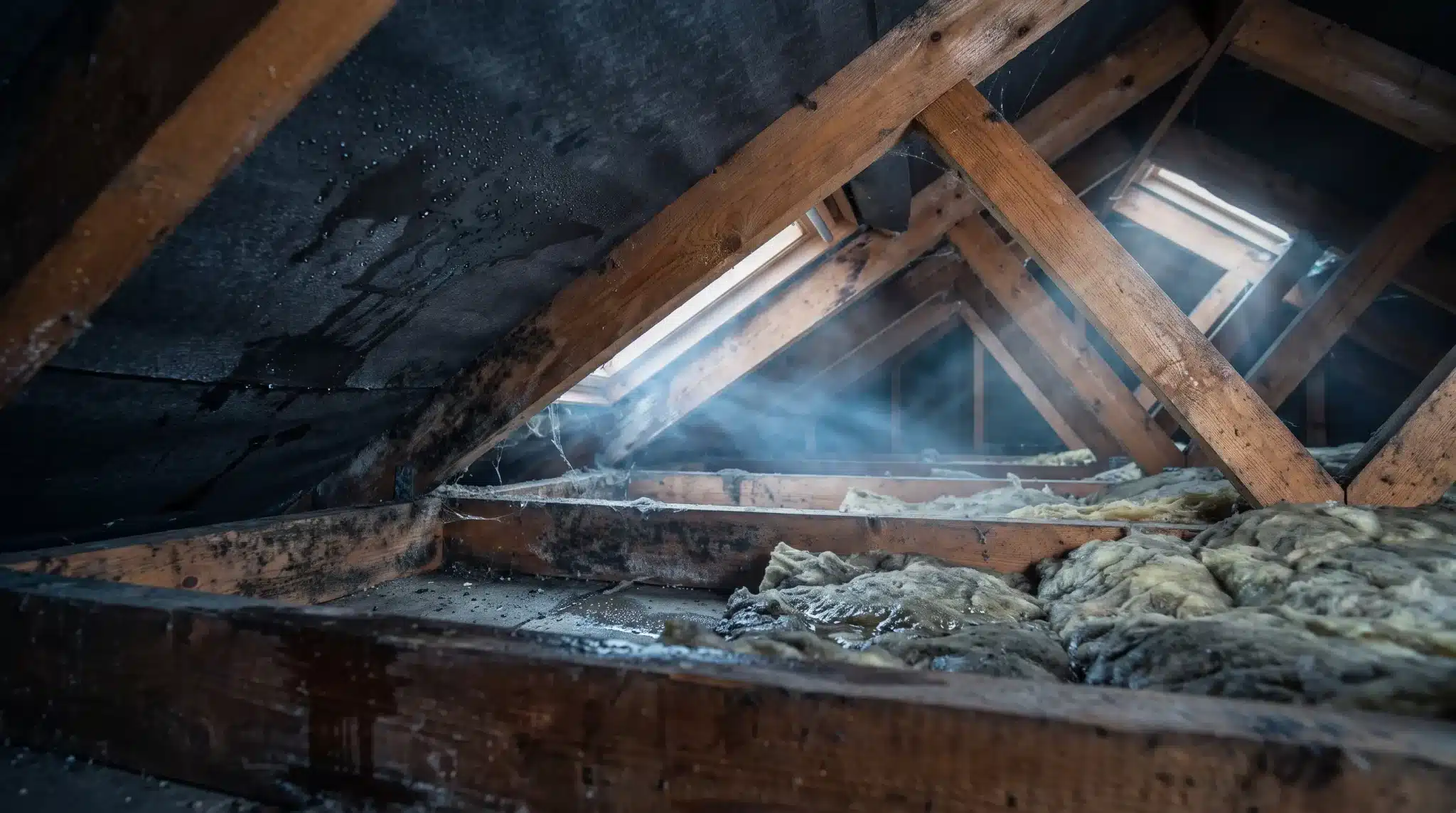
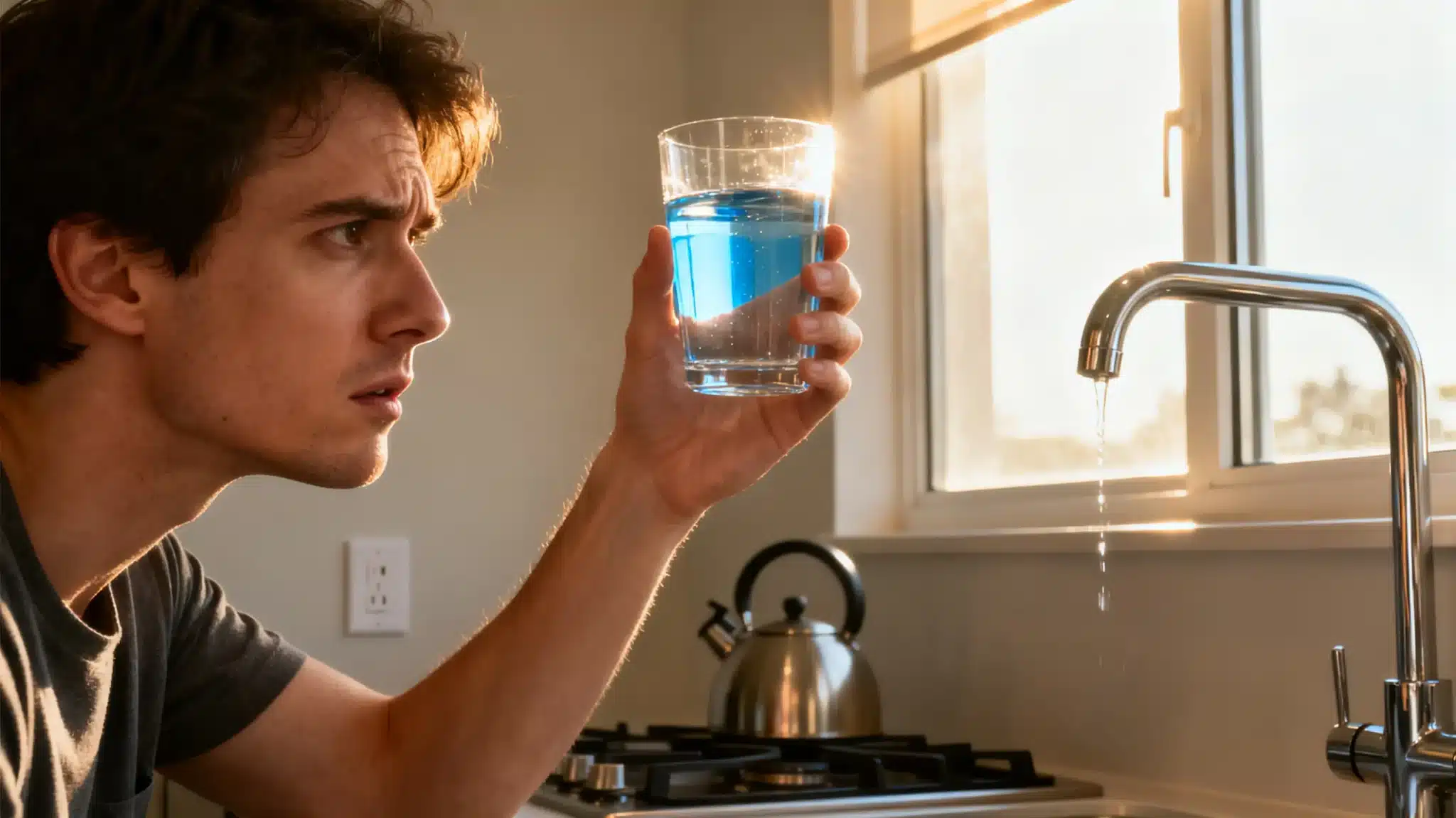
It started with a kettle.
I’d been redoing my kitchen the slow way for months. The scratched nonstick pans went first, because of the PFAS. Then the plastic storage got swapped out for glass. Eventually I tracked down a stovetop kettle made of something I could actually pronounce.
I felt good about it. Smug, even.
Then one morning I filled that new kettle straight from the tap and realized I’d never once thought about the water itself.
A pitcher seemed like the obvious fix. Except a pitcher only cleans whatever water you pour through it. Not the pasta water, not the coffee, not the tap I brush my teeth at. If I wanted a cleaner kitchen, I needed to think about all the water coming into the house, not one jug of it.
So I went looking for real numbers. That part was harder than I expected.
The Whole-House Filter Test That Changed My Mind
Most of what’s online is a filter company quoting itself.
What I wanted was someone who’d installed a system, tested their own water, and posted whatever came back, even the bad parts.
I found it on the site of a small independent lab, Quality Water Lab, which had tracked its whole-house chlorine results for three years.
Before the filter, their tap had a chlorine byproduct in it. Basically the stuff behind that faint pool-water smell some taps have. After the filter it was gone, and three years later it was still gone.
That steadiness is what got me. Anybody can show you a clean result on day one. Three years of the same tap staying clean is a lot harder to fake.
I trust a dull, repeatable number like that a lot more than “up to 99% cleaner.” The boring results tend to be the honest ones.
Why the Pitcher on My Counter Wasn’t Enough
A pitcher can’t do anything about the water you never run through it.
Showers, laundry, the pot of pasta boiling on the stove, the spinach you rinse in the sink. All of that is unfiltered tap water.
And whatever you’re trying to avoid doesn’t stay politely in your drinking glass. Chlorine shows up in the steam from a hot shower and in the water your food soaks up as it cooks.
A whole-house system goes in where the main water line enters the house. Everything past that point is treated before it reaches a tap, which covers a lot more than a glass of drinking water.
You notice it in odd places too. The film on the shower door, the scale crusting up the kettle, the way your skin feels after a wash. A countertop pitcher never touches any of that.
Whether it’s worth it for you comes down to what’s in your water. And that’s where this got interesting.
The Detail That Sold Me
In that same round of testing they found a small amount of lead. But instead of pinning it on the water and selling a fix, they traced it back to the faucet itself.
I’d spent weeks worrying about what was in my pans. It never once occurred to me the pipes and fixtures might be the problem.
The filter wasn’t the hero of that particular story, and they said so anyway.
That was the part that flipped it for me. Anybody selling you something tells you only the good results. People who are actually measuring will tell you the annoying stuff too. After I read that, I stopped second-guessing the rest of their numbers.
How to Find Out What Your Own Water Needs
I’m not going to tell you to run out and buy a whole-house system. Plenty of people do fine with a good filter at the sink.
The honest answer is that the right setup depends on what’s in your water, and you can’t get that from a blog post. Including this one.
Start by testing your own tap. A cheap kit will give you the broad strokes. A certified lab test will tell you which contaminants are there and how much. Once you know that, the filter question mostly answers itself.
What changed for me wasn’t really a purchase. It was how I judged the whole thing. I quit assuming “filtered” meant “clean,” and I quit believing any claim that didn’t come with a number attached.
I finally started holding my water to the same standard I’d held my cookware to.
The whole non-toxic kitchen thing was never about the stuff on the counter anyway. It was the water running through all of it.
So test your tap before you trust it. The kettle, honestly, was the easy part.