Oklahoma weather has a way of keeping homeowners on their toes.
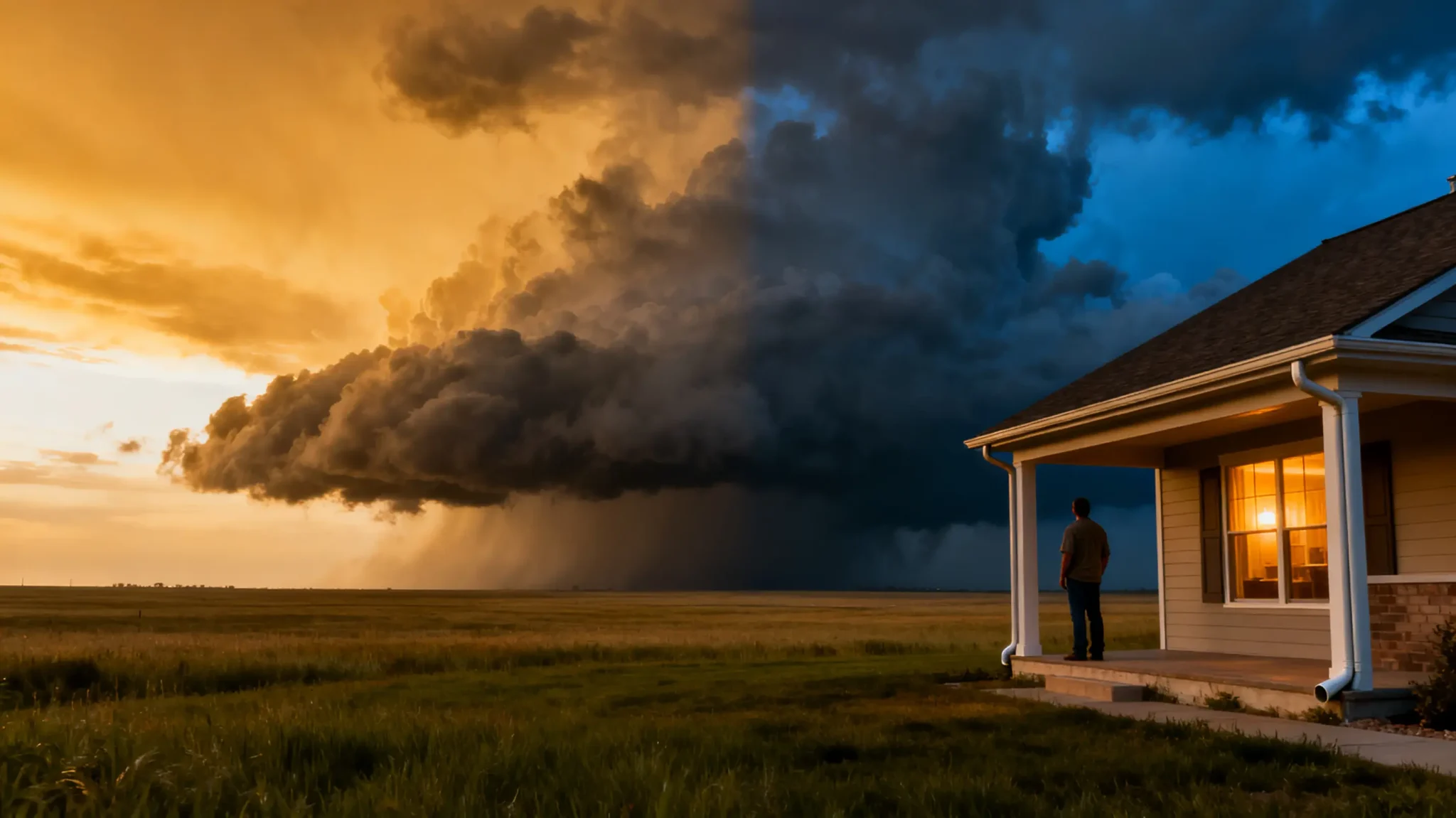
One week, the sky is clear and calm. The next, the forecast is full of heavy rain, hail, strong winds, and warnings that make everyone glance out the window a little more often than usual. If you have lived here for any length of time, you know storm season is not something to ignore.
But preparing for it does not have to feel overwhelming.
You do not need to panic-buy supplies, inspect every inch of your home with a flashlight, or spend your weekend worrying about every cloud that rolls in. The goal is much simpler than that. It is about taking small, practical steps before the weather gets rough so your home, your family, and your peace of mind have a better chance of staying protected.
Because really, storm preparation is not just about shingles, gutters, windows, and tree limbs. It is about the people inside the house. It is about the bedroom where your kids sleep, the kitchen where everyone gathers, the photos on the wall, and the quiet comfort of knowing you did what you could before the sky turned dark.
So, where should you start?
Take a Slow Walk Around Your Home
One of the easiest ways to prepare for storm season is also one of the most overlooked. Walk around your home.
That is it. No fancy equipment. No complicated checklist. Just take a slow lap around your property and pay attention.
Look at the roof from the ground. Do you see missing shingles, curled edges, or spots that look uneven? Are the gutters sagging or pulling away from the house? Do you notice cracks in the siding, loose trim, or areas where water may already be causing stains?
Small problems can stay quiet for a while. Then a hard storm hits, and suddenly that loose shingle or clogged gutter becomes a much bigger issue.
Check around the base of your home, too. Look for places where water may collect during heavy rain. If the soil slopes toward your foundation instead of away from it, that could cause trouble later. Also look at fences, sheds, outdoor structures, and anything else that may not handle strong wind well.
The point is not to diagnose every problem yourself. The point is to notice what looks off before the weather puts it to the test.
Sometimes, a small concern leads to a simple repair. Other times, especially after years of Oklahoma wind and hail, a professional may recommend roof replacement as the safer long-term option, but the first step is always understanding what condition your home is really in.
A quiet walk around the house can tell you more than you might expect.
Clear Out the Gutters Before the Rain Comes
Gutters are not exactly exciting. Nobody brags about clean gutters at a cookout.
Still, they matter.
When gutters are working well, they move rainwater away from your roof, siding, and foundation. When they are clogged with leaves, sticks, dirt, or roof granules, water has nowhere to go. It spills over the sides, backs up under roof edges, or pours down too close to the house.
That can lead to water stains, damaged fascia boards, soil erosion, foundation stress, and moisture problems in crawl spaces or basements.
And during an Oklahoma downpour, clogged gutters can go from annoying to serious pretty fast.
Before storm season begins, clean them out or hire someone to do it safely. Make sure downspouts are attached and pointed away from the home. If water dumps right beside your foundation, add an extension so it can flow farther out.
It is a simple job, but it can save you from a lot of stress later.
Think of it this way. Your gutters are one of the main ways your home handles heavy rain. If they are blocked, the rest of your house has to deal with the overflow.
That is not a risk worth taking.
Trim Trees Before the Wind Gets Involved
Trees add shade, beauty, and character to a property. But during storm season, weak branches can become a real problem.
Walk your yard and look up. Are there large limbs hanging over your roof? Do you see dead branches, cracked limbs, or trees leaning in a way that makes you uneasy? Are branches close to windows, power lines, or outdoor structures?
Strong wind can turn a loose branch into a hazard in seconds.
You do not need to remove every tree near your home. That would be extreme. But trimming back overgrown branches and removing weak limbs can lower the risk of damage when storms roll through.
This is especially important if branches are touching the roof or scraping against it. Over time, that contact can wear down shingles and create weak spots. During a storm, those branches may also break loose and cause damage.
If the work is small and safe, you may be able to handle it yourself. For larger trees, tall limbs, or anything near power lines, call a professional. It is not worth risking your safety.
Your home should feel like shelter when the wind starts to pick up. A little tree maintenance can help keep it that way.
Secure the Things Outside Before They Become Airborne

Here is a question worth asking before every storm season. What is sitting outside right now that could fly across your yard in heavy wind?
Patio chairs. Toys. Planters. Trash bins. Garden tools. Grills. Decorations. Small tables. Yard signs.
Most of these things seem harmless on a calm day. But strong Oklahoma winds can turn everyday items into projectiles. They can break windows, dent siding, damage vehicles, or end up in a neighbor’s yard.
The best time to deal with outdoor items is before the warning sirens and weather alerts start.
Create a simple storm routine for your household. Maybe patio cushions go into the garage. Trash bins get moved against a secure wall. Lightweight decorations come inside. Tools get put away. Larger furniture gets anchored or moved to a safer spot.
It does not have to be perfect. It just needs to be consistent.
When everyone in the home knows what to do, storm prep becomes faster and less stressful. You are not scrambling at the last minute. You are just following a routine.
And honestly, that makes a big difference.
Check Windows, Doors, and Seals
Water does not need a huge opening to get inside your home. Sometimes it finds the smallest gap and works its way in.
Before storm season, take a look at your windows and doors. Check the caulking around the edges. Look for cracks, gaps, soft wood, or signs of old moisture. Open and close windows to make sure they latch securely. Check weatherstripping around exterior doors.
If you see daylight around a door, feel air coming through, or notice water stains near a window, that area deserves attention.
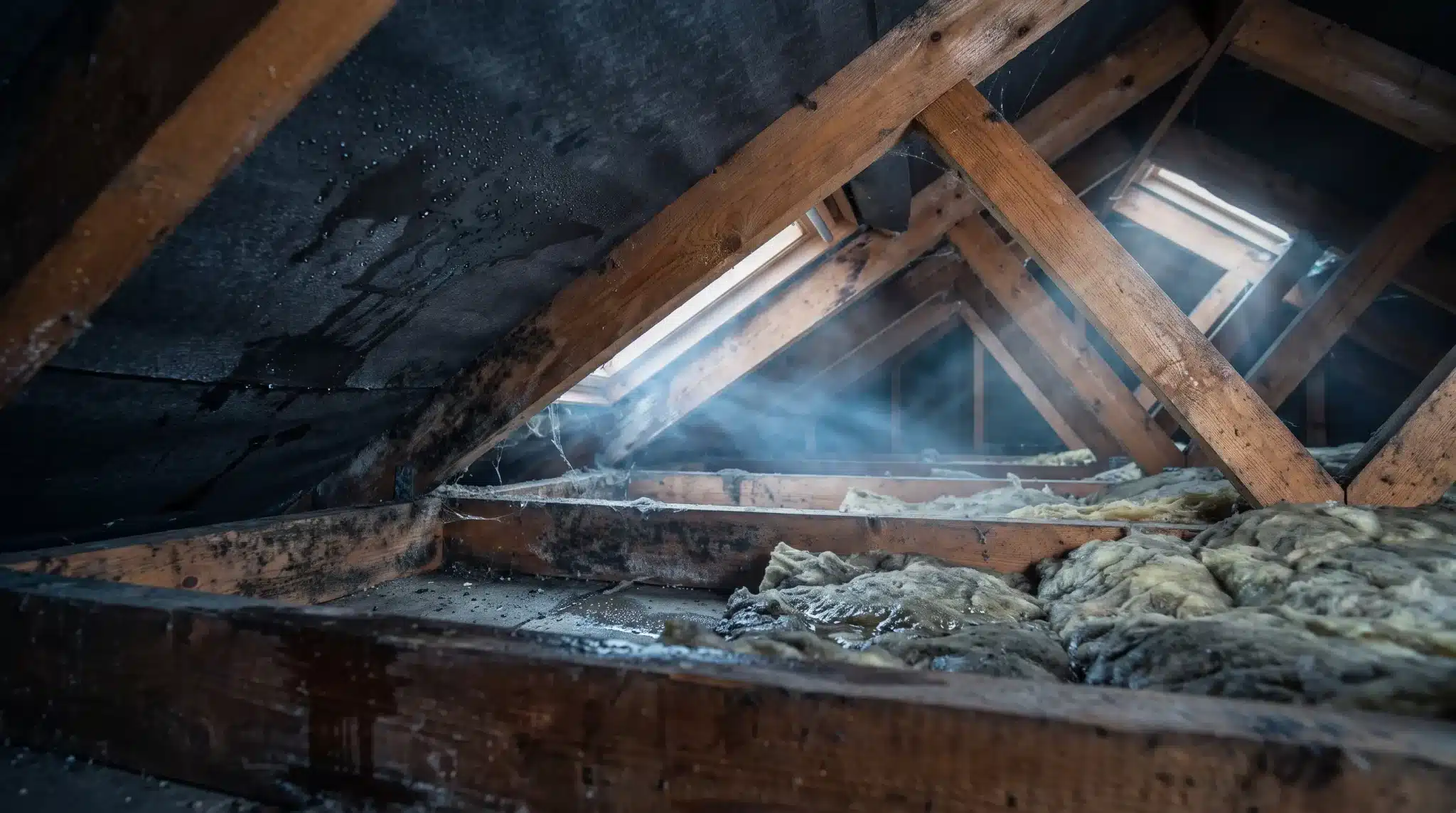
These small weak spots can let wind-driven rain into your home. Over time, moisture can damage walls, flooring, trim, and insulation. It may also lead to mold or musty smells.
The good news is that many sealing issues are fairly simple to fix. Fresh caulk, new weatherstripping, and small repairs can make your home feel tighter and more secure.
There is something comforting about hearing rain hit the windows and knowing the water is staying outside where it belongs.
That is the feeling you are working toward.
Review Your Insurance Before You Need It
Nobody wants to dig through insurance paperwork right after a storm.
That is usually when emotions are high, power may be out, and everyone is trying to figure out what happened. It is not the best moment to learn what your policy does or does not cover.
So do it early.
Before storm season hits, review your homeowner’s insurance policy. Look at your deductible. Check your wind and hail coverage. Make sure you understand how claims work and what documentation may be needed.
Take photos of your home, roofline, siding, windows, fence, and outdoor structures before storm season. These pictures can help show what your property looked like before any damage occurred.
Keep receipts for major repairs, maintenance, and upgrades. Store digital copies somewhere easy to access. If you have to file a claim later, having everything organized can make the process feel less confusing.
This step is not about expecting something bad to happen. It is about being prepared in case it does.
Would you rather search for policy details while rain is still dripping into a bucket, or know exactly where everything is before you need it?
That answer is pretty easy.
Get a Professional Inspection Before Severe Weather Arrives
There is only so much you can see from the ground.
You might notice missing shingles, clogged gutters, or an obvious leak. But some problems are harder to spot. Lifted shingles, soft spots, flashing issues, old hail damage, and early leak risks may not be visible unless someone knows what to look for.
That is why a professional inspection before storm season can be so helpful.
A good inspection gives you clarity. It can confirm that your home is in solid shape, or it can reveal small problems that are worth fixing before severe weather makes them worse.
And that matters.
Storm season can be stressful enough without wondering whether your roof, gutters, or exterior are already weakened. When you have a trained professional look things over, you are not guessing. You are making decisions based on real information.
The best inspections should not feel pushy. They should feel practical and honest. You should come away understanding what is fine, what needs attention, and what can wait.
That kind of clarity is valuable, especially in a place where storms can show up fast.
Make a Family Storm Plan Everyone Understands
Protecting your property matters. Protecting the people inside matters even more.
Every household should have a basic storm plan. It does not need to be complicated, but everyone should understand it.
Choose the safest place in your home during severe weather. This is usually a small interior room on the lowest level, away from windows. Make sure children know where to go. If you have pets, think about how you will safely bring them with you.
Keep flashlights, batteries, phone chargers, bottled water, and basic supplies in an easy-to-reach place. If someone in your home takes medication, make sure you have what they need. Keep shoes nearby during storm warnings, especially at night, in case there is broken glass or debris.
Talk through the plan before storms arrive. Not in a scary way. Just in a calm, matter-of-fact way.
Kids feel safer when they know what to do. Adults do too.
When the weather gets loud and the alerts start coming in, you do not want to make every decision from scratch. A simple plan gives your family something steady to follow.
Protect the Documents and Memories You Cannot Replace
Some things in a home are expensive to repair. Others are impossible to replace.
That is why it is smart to protect important documents, records, and photos before storm season begins.
Gather copies of insurance papers, identification, medical information, property records, repair receipts, and emergency contacts. Store them in a waterproof folder or small grab-and-go container.
For photos and personal memories, use digital backups when possible. Scan old family pictures. Save important files to cloud storage or an external drive that is kept somewhere safe.
It may feel like one of those tasks you can always do later. But later has a way of getting busy.
Storm preparation is not only about protecting walls and windows. It is also about protecting the pieces of life that tell your family’s story.
The paperwork matters. The photos matter. The little things matter, too.
Know What to Do After the Storm Passes
Once the storm is over, it can be tempting to rush outside and inspect everything right away.
Take your time.
First, make sure it is safe. Watch for downed power lines, broken branches, standing water, sharp debris, and unstable structures. Do not climb onto your roof. Even if damage looks minor, wet or weakened surfaces can be dangerous.
Start with what you can see from the ground. Look for missing shingles, dented gutters, damaged siding, broken windows, fallen limbs, or debris around the property. Inside, check ceilings, attic spaces, and walls for water stains or damp spots.
Take photos of anything that looks damaged. Make notes while the details are fresh. If you need to contact your insurance company, that documentation may help.
Also, be careful with door-to-door contractors who show up right after a storm. Some may be legitimate, but others may be chasing quick work in damaged neighborhoods. Do not feel pressured to sign anything on the spot. Take a breath. Ask questions. Work with someone local, reputable, and easy to verify.
After a storm, emotions can run high. That is normal. Your home may feel vulnerable, and you may want answers right away.
But rushed decisions are not always the best decisions.
Move carefully. Stay safe. Get trusted guidance.
Preparation Is Really About Peace of Mind
No homeowner can control Oklahoma weather. You cannot stop hail from falling, wind from blowing, or rain from coming down sideways.
But you can prepare.
You can clean the gutters. Trim the branches. Secure the patio furniture. Check the seals. Review your insurance. Make a family plan. Protect your documents. Schedule an inspection. Walk around your home with a little more attention than usual.
None of these steps are dramatic. Most of them are simple. But together, they create a sense of readiness that can make storm season feel less overwhelming.
And that is the real value.
Storm preparation is not about living in fear of the next weather alert. It is about giving yourself something solid to hold onto when the forecast gets serious. It is about knowing you did what you could, when you could, to protect the people and place you care about most.
Because when the sky darkens and the wind starts to rise, peace of mind matters.
Maybe more than we realize.