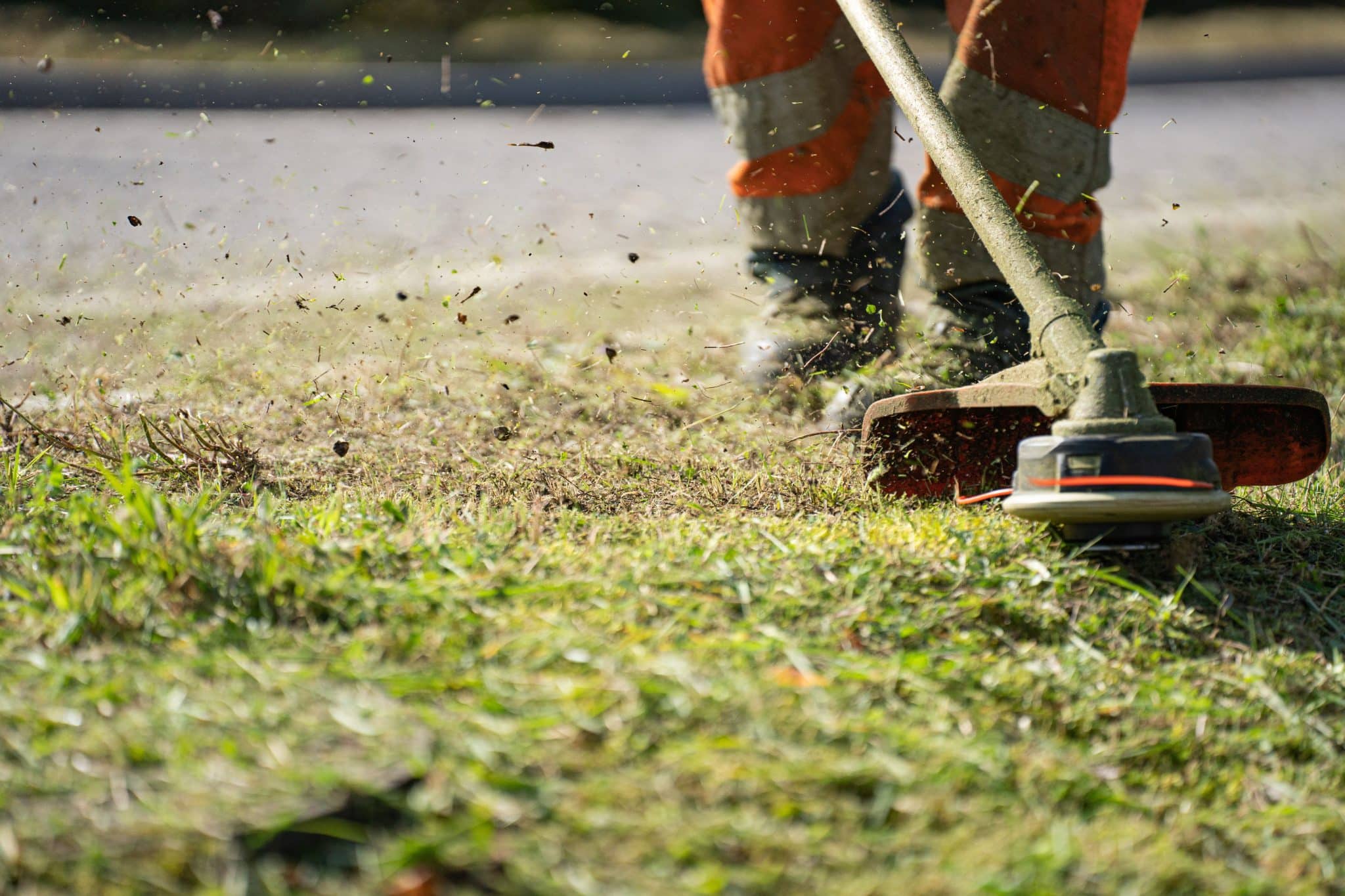
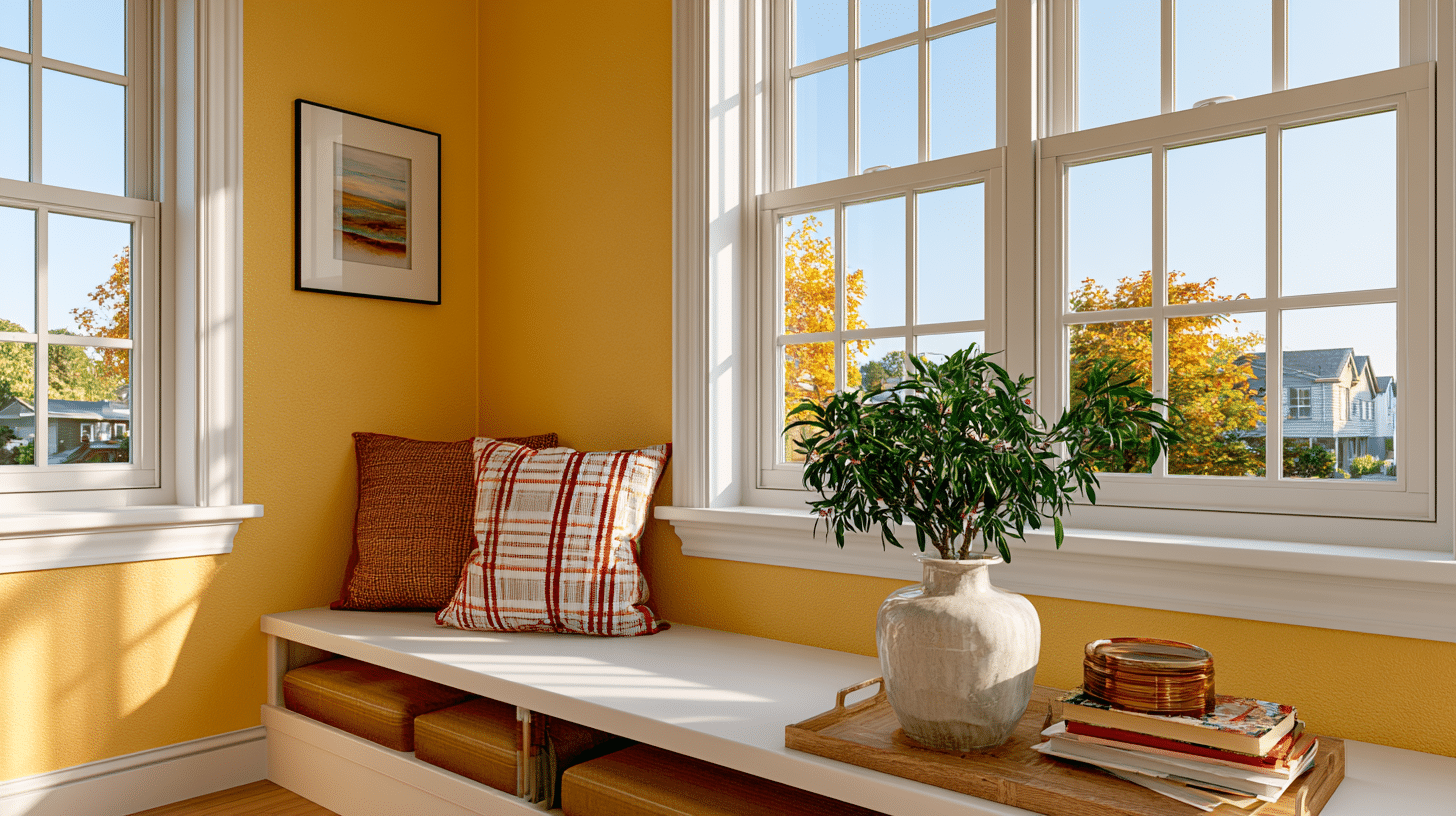
When the weather shifts, most homeowners naturally focus on what they can see first. In spring, that often means cleaning the yard, refreshing planting beds, checking outdoor furniture, and getting the house ready for more active daily use. In fall, it turns into leaf cleanup, exterior prep, and making sure the home feels ready for colder days.
What often gets delayed are the systems that affect comfort every single day.
Heating, cooling, airflow, humidity control, and plumbing performance rarely become top priorities until something feels wrong. A room starts feeling stuffy. The upstairs stays warmer than the main floor. The bathroom holds moisture too long. Water pressure drops at the wrong moment. The thermostat setting says one thing, while the house feels completely different.
That is why seasonal home care should include more than exterior upkeep. A house feels easier to live in when the inside works as well as the outside looks.
Why Comfort Problems Often Show up During Seasonal Transitions
Many hidden home issues become more noticeable when the weather changes. A system that seemed “good enough” during mild weeks may struggle once temperatures rise or fall more sharply. Seasonal transitions tend to reveal weak airflow, inconsistent cooling, humidity issues, and small plumbing frustrations that were easier to ignore before.
This is one reason homeowners often feel surprised by comfort problems. The issue may not be new at all. The season simply makes it harder to overlook.
A home that is performing well usually feels stable in these ways:
- temperatures stay more even from room to room;
- airflow feels steady instead of weak or harsh;
- indoor moisture is easier to manage;
- bathrooms and kitchens function without recurring annoyances;
- the house responds more predictably to daily use.
When those things begin to change, seasonal discomfort often follows quickly.
The Outdoor Checklist Is Not Enough
Homeowners are usually good at visible upkeep. They clear debris, wash surfaces, trim landscaping, and take care of exterior appearance because those tasks are easy to notice and easy to schedule.
The challenge is that indoor comfort systems do not demand attention in the same visual way. That makes them easier to postpone, even though they have a bigger impact on day-to-day life.
A house can look well cared for outside while still dealing with hidden issues inside. That gap often shows up in subtle but familiar ways:
- the living room never feels quite as comfortable as the bedroom;
- the kitchen gets warmer than the rest of the house during normal use;
- one bathroom feels damp long after a shower;
- the home feels heavier or less fresh during humid weather;
- minor plumbing issues start repeating more often.
These are not always signs of a major problem, but they are signs that seasonal maintenance should include more than curb appeal.
The Home Areas Where Seasonal Performance Matters Most
Some parts of the home reveal comfort problems faster than others. These are usually the spaces that combine daily use with higher expectations for comfort and function.
|
Area of the home |
What homeowners usually expect |
What seasonal issues often reveal |
| Living room | Balanced comfort throughout the day | Uneven airflow, warm spots, weak cooling |
| Kitchen | Fresh, usable space during everyday cooking | Heat buildup, poor ventilation, discomfort near windows |
| Bedroom | Quiet, steady comfort at night | Temperature imbalance, stuffy air, humidity issues |
| Bathroom | Fast moisture control and reliable plumbing | Lingering dampness, slow drainage, ventilation problems |
| Upper floor | Similar comfort to the main level | Stronger heat retention, harder temperature control |
This is why seasonal home care works best when it looks at the house as a whole rather than as a list of separate chores.
What Homeowners Can Watch for Before Bigger Issues Start
Not every comfort problem requires urgent repair, but small changes are still worth noticing early. A house usually gives feedback before a more disruptive issue appears.
A few signs that deserve attention:
- rooms are harder to keep at a consistent temperature;
- the house feels more humid than usual;
- airflow seems weaker in key areas;
- plumbing is technically working, but not smoothly;
- certain rooms are becoming less comfortable with each season.
The practical benefit of catching these changes early is simple: homeowners have more time to respond before the issue becomes more expensive, more disruptive, or more frustrating to live with.
Why Seasonal Maintenance Protects More than Comfort
A well-maintained home does not just feel better. It usually functions better overall. When heating, cooling, and plumbing systems stay in good shape, the home is easier to manage and less likely to develop the kinds of small frustrations that wear down everyday enjoyment.
That matters because comfort affects how people use their homes. A room that feels balanced gets used more. A bathroom that dries properly feels cleaner and more pleasant. A kitchen with steady airflow feels easier to cook in. A bedroom with better temperature control supports better rest.
For homeowners thinking about the bigger picture of comfort, maintenance, and reliable performance through changing seasons, Home Rangers HVAC services offer a useful example of how core home systems shape daily livability far more than many people realize.
A Well-Kept Home Should Feel Good in Every Season
The most satisfying homes are not only the ones that look cared for from the outside. They are the ones that continue to feel comfortable, functional, and easy to live in as the seasons change.
That usually comes from a more complete view of home care. Not just the visible tasks, but the invisible ones too. Not just what improves appearance, but what improves everyday use.
A house feels more finished when the inside and outside are being cared for with the same level of attention. And over time, that is what turns seasonal upkeep into lasting comfort.