
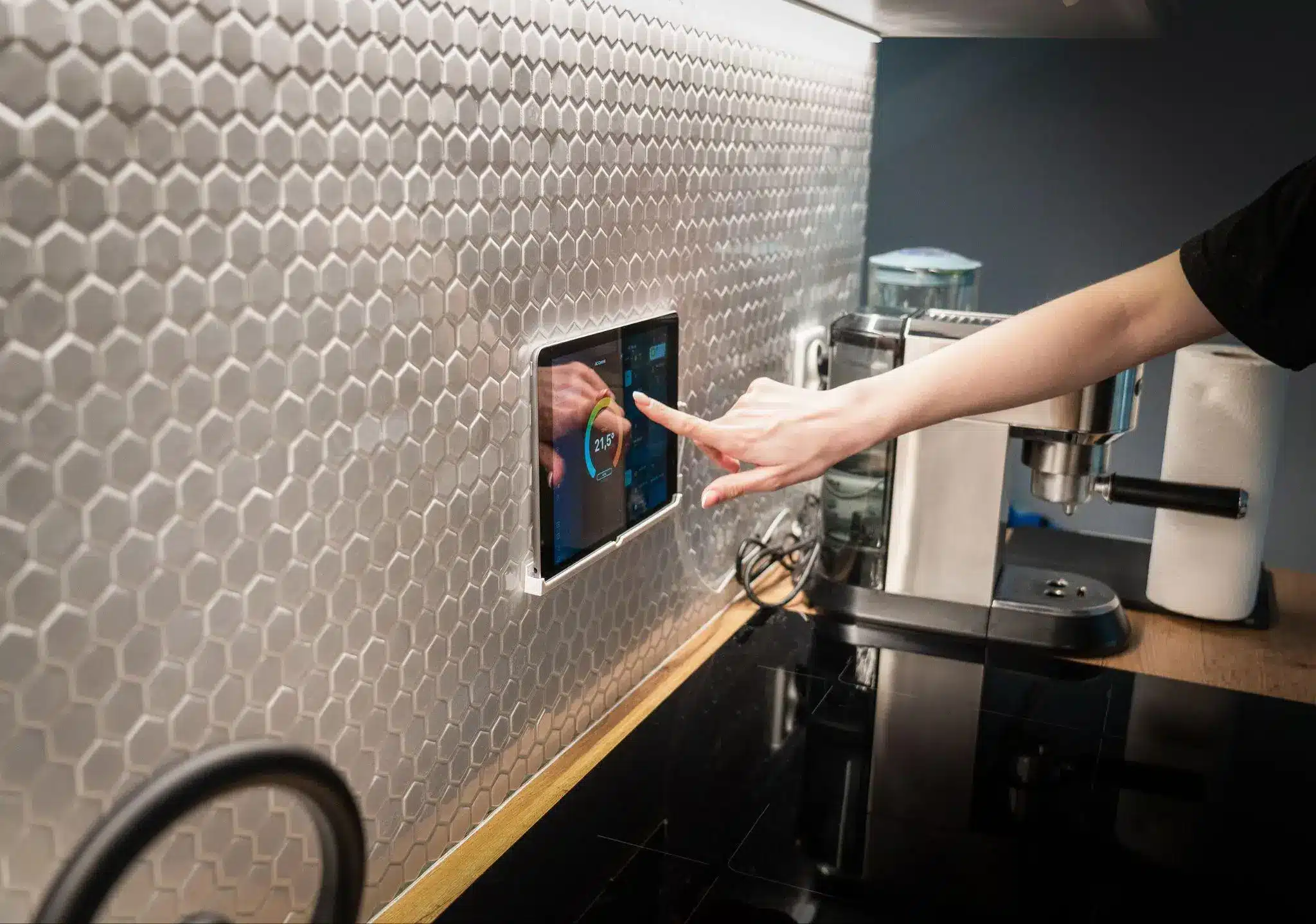
A connected home should make daily life easier, not more complicated. The best smart features reduce small points of friction: rooms that feel too warm, lights that are hard to manage, air that feels stale, doors left unlocked, or appliances running when no one needs them.
Comfort is not only about luxury. It is about control, consistency, safety, and convenience.
When connected home features are planned well, they support routines without requiring constant attention.
Start With the Problems You Actually Notice
Before buying devices, look at what makes the home less comfortable. Technology should solve real problems.
Maybe the bedroom gets too hot at night. Maybe the entryway is always dark. Maybe the thermostat is hard to manage around changing schedules. Maybe someone forgets to lock the door.
A connected home works best when it starts with daily pain points.
Avoid adding devices just because they are popular. Every system should have a clear purpose, easy controls, and a practical benefit.
Smart Thermostats for Better Temperature Control
Temperature is one of the biggest factors in home comfort. A smart thermostat can help maintain more consistent heating and cooling throughout the day.
It can adjust schedules based on occupancy, time, and routine. Some systems also track energy use and provide reports that help homeowners see when heating or cooling demand is highest.
This is useful for households with changing work hours, children, pets, or different comfort needs across the day.
A smart thermostat should still be set up carefully. Poor schedules can waste energy or make the home less comfortable.
Air Quality Monitoring for Healthier Rooms
Indoor comfort depends on more than temperature. Air quality, humidity, ventilation, dust, and odors can affect how a room feels.
Connected sensors can help homeowners monitor changes in the home environment. Providers such as Triton Sensors show how sensor-based monitoring can support visibility into indoor conditions, alerts, and building comfort data.
For homes, air quality monitoring can help identify patterns. A room may feel stuffy after cooking, during high pollen days, or when ventilation is limited.
The value comes from using the data. If readings are poor, homeowners may need to improve ventilation, replace filters, reduce sources of dust, or adjust cleaning habits.
Lighting That Follows the Day
Smart lighting improves comfort by matching light levels to daily routines.
Bright, cool light can support morning activity, cooking, cleaning, or work. Softer warm light can make evenings feel calmer.
Connected lighting also helps with convenience. Timers, motion sensors, dimmers, and voice control can reduce the need to manage every switch manually.
Hallways, stairways, entryways, and bathrooms benefit from motion-based lighting, especially at night.
The best lighting setup is simple. Too many color modes and scenes can become more annoying than useful.
Smart Locks and Entry Control
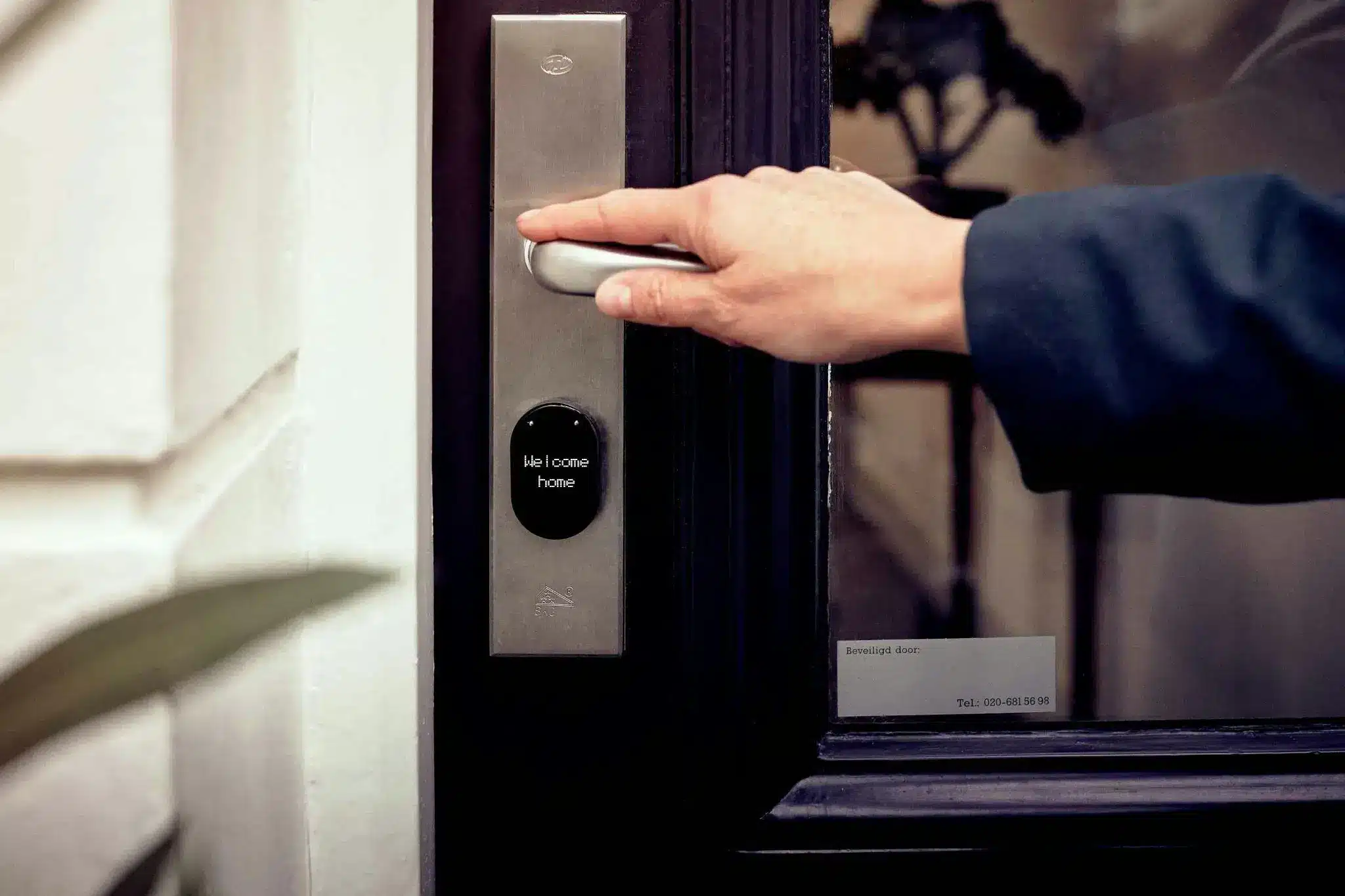
Comfort also comes from knowing the home is secure and easy to access. Smart locks can help with daily entry, guest access, deliveries, and family schedules.
Temporary codes can be useful for relatives, cleaners, pet sitters, or maintenance visits.
Activity logs can show when a door was unlocked or locked. This helps households avoid the common question: did someone lock the door?
Entry Features to Consider
Useful entry features include:
- Temporary access codes
- Auto-lock settings
- Door status alerts
- Video doorbell integration
- Keyless entry
- Guest access controls
- Low-battery warnings
Entry systems should be installed carefully and backed by a physical key or backup access method.
Connected Appliances That Reduce Routine Work
Connected appliances can improve comfort when they remove small daily frustrations.
A washer can notify you when a cycle is done. An oven can preheat on a schedule. A refrigerator may alert you if the door is left open. A robotic vacuum can handle daily floor maintenance.
These features are most useful when they fit existing routines.
Do not pay extra for smart functions that will not be used. The best connected appliance is still a reliable appliance first.
Water Leak Sensors for Peace of Mind
Water damage can be expensive and disruptive. Leak sensors are simple connected devices that can alert homeowners when moisture appears where it should not.
Good places for leak sensors include under sinks, near water heaters, behind washing machines, by dishwashers, near sump pumps, and around refrigerators with water lines.
Leak-Prone Areas to Monitor
Consider sensors near:
- Water heaters
- Washing machines
- Dishwashers
- Under-sink cabinets
- Toilets
- Basement corners
- Sump pumps
- Refrigerator water lines
Early alerts can prevent a small leak from becoming a major repair.
Voice Assistants and Control Hubs
Voice assistants and home hubs can make connected devices easier to manage. They let homeowners control lights, temperature, music, reminders, and some appliances from one place.
The key is compatibility. Devices should work together without requiring too many separate apps.
A control hub is most useful when it simplifies routines.
For example, a “good night” routine might turn off lights, lower the thermostat, lock doors, and silence notifications.
Automation should be easy to override. People should remain in control.
Avoid Overcomplicating the Home
A connected home should still feel like home. If every light, lock, appliance, and sensor requires troubleshooting, the system has gone too far.
Start with a few high-impact upgrades. Add more only when the first systems work reliably.
Focus on features that improve comfort every week, not once a year.
Final Thoughts
Connected home features improve daily comfort when they solve practical problems. Smart thermostats, lighting, sensors, locks, appliances, leak detection, and control hubs can make a home easier to manage.
The best systems are simple, secure, and tied to real routines.
Technology should support comfort quietly in the background. When it is planned well, the home feels more responsive, safer, and easier to live in.