For years, synthetic materials dominated modern interiors. They were often cheaper, widely available, and marketed as practical solutions for busy households. Today, however, many homeowners are moving in a different direction.
As people become more conscious of sustainability, indoor wellbeing, and the environmental impact of their purchases, natural materials are making a strong return. From timber furniture and linen textiles to wool rugs and jute décor, homeowners are rediscovering materials that have been used for generations.
Just as more people are growing vegetables, planting pollinator-friendly gardens, and embracing sustainable living practices, they are also looking for ways to bring those values into their homes. Natural materials offer a connection to the environment while often providing durability, comfort, and timeless appeal.
Why Natural Materials Are Returning to Favour
The renewed interest in natural materials is driven by several factors.
First, consumers are becoming increasingly aware of how products are made and what happens to them at the end of their lifespan. Natural fibres and materials are often renewable, biodegradable, or longer-lasting than many synthetic alternatives.
Second, people are spending more time at home than ever before. As a result, there is growing interest in creating spaces that feel calming, comfortable, and connected to nature. Researchers have found that natural elements in the built environment can support wellbeing and reduce stress, contributing to the popularity of biophilic design.
Finally, many natural materials age gracefully. Unlike some synthetic products that quickly show wear, materials such as wood, wool, leather, and stone often develop character over time.
Wool: A Renewable Fibre with Lasting Appeal
Wool has been used in homes for thousands of years, and it remains one of the most versatile natural fibres available.
As a renewable material produced by sheep, wool offers several practical advantages. Its fibres naturally help regulate temperature, absorb moisture, and resist odours. Wool is also highly durable, making it suitable for high-traffic areas within the home.
This has contributed to the growing popularity of wool furnishings, particularly rugs. Many homeowners are seeking products made from responsibly sourced fibres, including New Zealand wool, which is widely recognised for its quality and durability.
Brands such as double have embraced this shift by offering washable rugs made from natural materials, helping homeowners balance practicality with a preference for sustainable fibres.
For families, pet owners, and gardeners who frequently move between indoor and outdoor spaces, washable natural-fibre furnishings can offer a practical solution without relying solely on synthetic alternatives.
Homeowners who value natural fibres yet want lasting design often look to hand-knotted Persian pieces. Authentic Persian wool rugs combine resilient, lanolin-rich yarns with time-honoured weaving, resulting in floor coverings that regulate temperature, resist wear, and age beautifully. Their organic textures and botanical dye palettes complement biophilic interiors while adding warmth to high-traffic rooms. For a lived-in, enduring look, consider classic motifs and medium pile heights that balance comfort with easy care.
Jute: The Rustic Fibre Finding New Life
Jute has become increasingly common in contemporary interiors, particularly among homeowners seeking natural textures.
Derived from the stalks of the jute plant, this fibre is biodegradable and renewable. It is commonly grown in regions with abundant rainfall and typically requires fewer agricultural inputs than many other crops.
The appeal of jute lies in its understated appearance. Its earthy tones and woven texture complement a wide variety of interior styles, from coastal homes to modern farmhouses and minimalist spaces.
For households inspired by gardening and outdoor living, jute can create a seamless visual connection between interior and exterior environments. The fibre’s organic texture helps bring a sense of warmth and authenticity to living spaces.
Advances in manufacturing have also addressed some traditional concerns about jute shedding, making newer products more practical for everyday use.
Timber: A Timeless Material That Never Truly Left
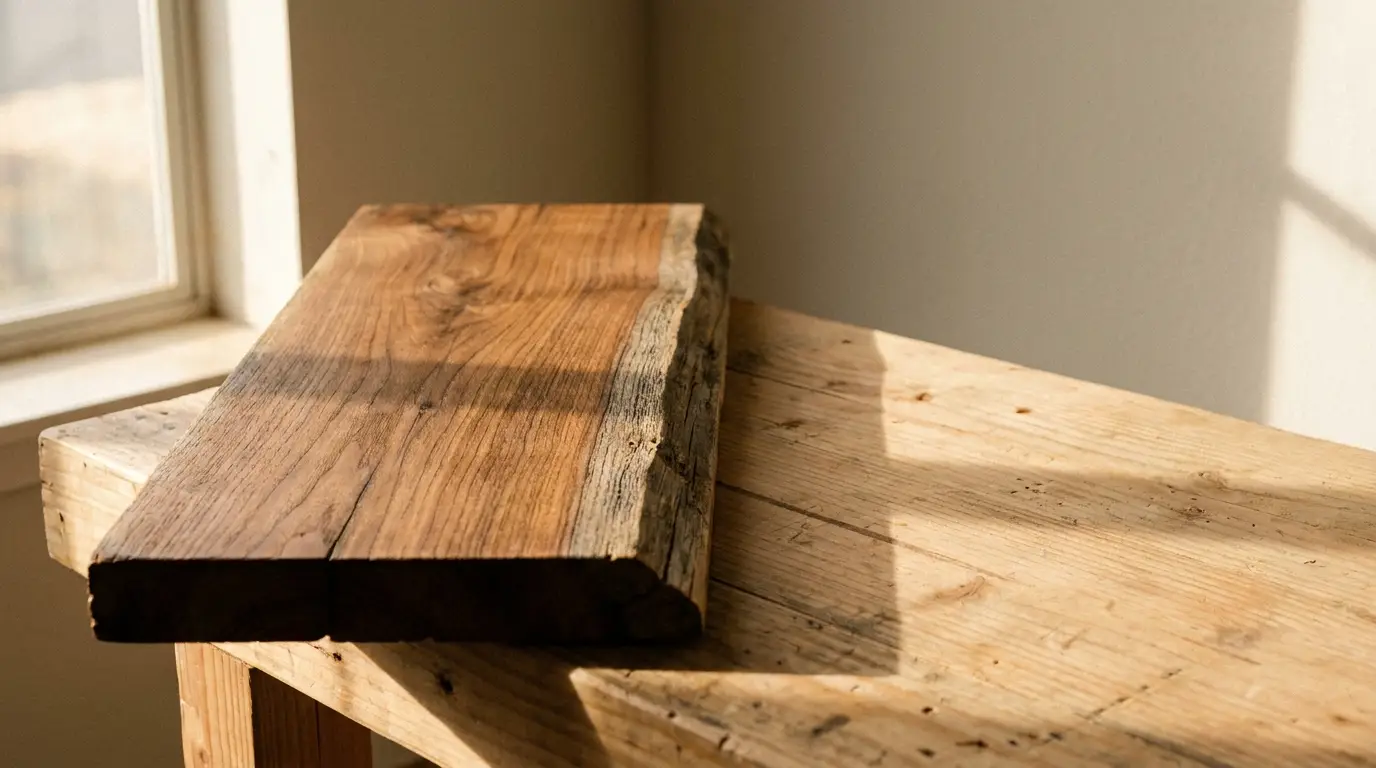
While trends come and go, timber remains one of the most enduring materials in home design.
Wood offers unique grain patterns, natural variation, and a sense of permanence that synthetic alternatives often struggle to replicate. Responsibly sourced timber can also be a renewable resource when harvested from well-managed forests.
Research from the Programme for the Endorsement of Forest Certification (PEFC) highlights the role sustainably managed forests can play in supporting biodiversity, carbon storage, and responsible resource use.
In modern homes, timber is appearing in everything from flooring and furniture to wall panelling and kitchen cabinetry. Lighter wood tones have become particularly popular as homeowners seek bright, nature-inspired interiors.
Linen and Cotton: Breathable Natural Textiles
Natural textiles are also experiencing a resurgence.
Linen, produced from the flax plant, is valued for its durability and breathability. It requires relatively little irrigation compared to some other textile crops and can thrive in cooler climates.
Cotton continues to be a popular choice for bedding, curtains, and upholstery due to its softness and versatility. Increasingly, consumers are seeking responsibly produced cotton products, reflecting broader interest in sustainable sourcing.
Both materials contribute to the relaxed, lived-in aesthetic that many homeowners now favour. Rather than striving for perfectly polished spaces, there is growing appreciation for interiors that feel comfortable, functional, and authentic.
Stone and Clay: Natural Materials with Character
Natural stone and clay-based materials are also enjoying renewed attention.
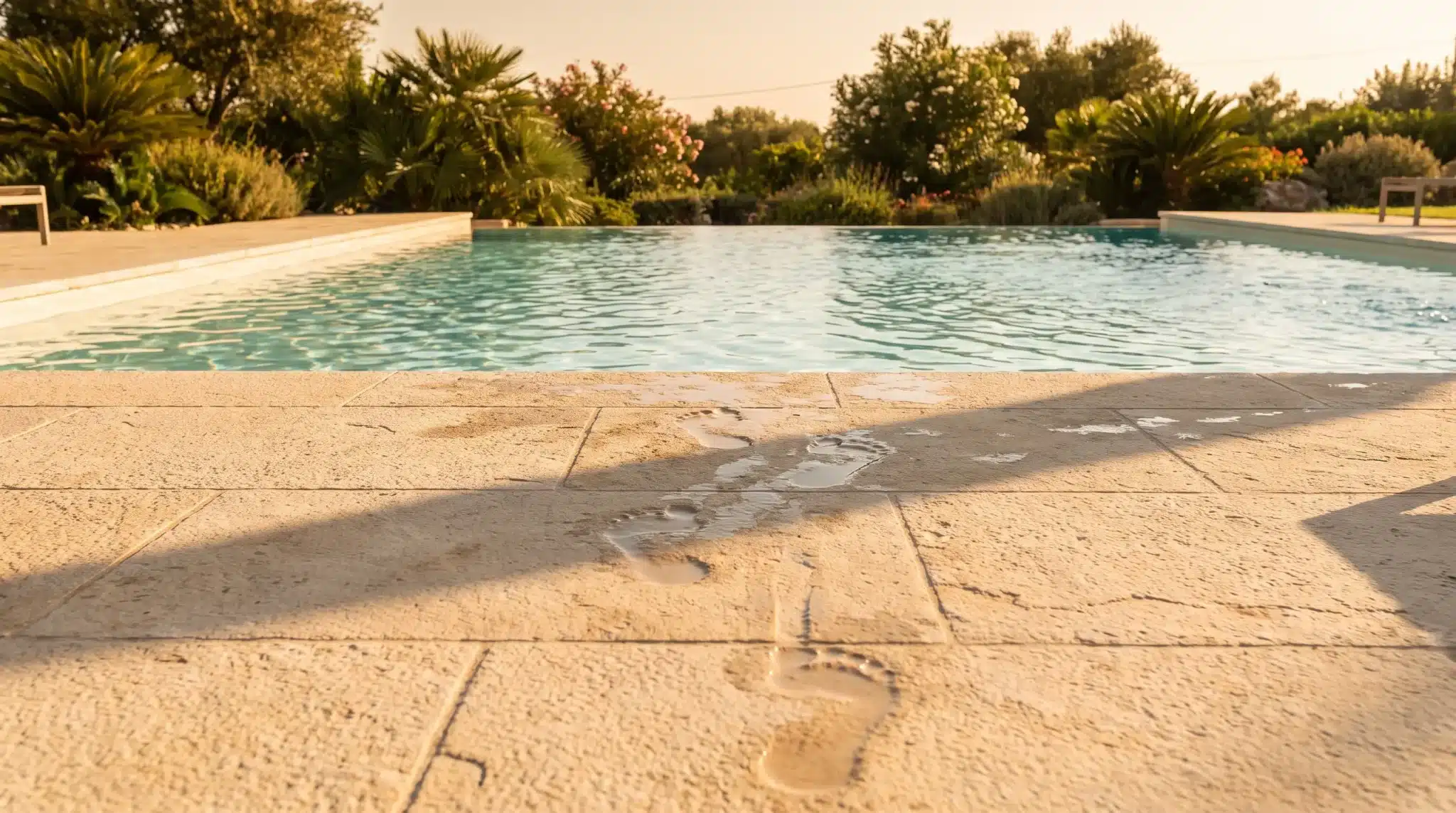
Stone surfaces bring durability and visual depth to kitchens, bathrooms, and outdoor living areas. Meanwhile, terracotta pots, clay tiles, and handcrafted ceramics have become popular decorative elements.
For gardening enthusiasts, these materials offer a natural extension of outdoor spaces. A collection of terracotta planters on a windowsill or a handmade ceramic vase filled with garden flowers can help blur the line between indoors and outdoors.
Unlike mass-produced synthetic décor, these materials often showcase subtle imperfections that add character and individuality.
The Influence of Biophilic Design
One reason natural materials have become so popular is the growing influence of biophilic design.
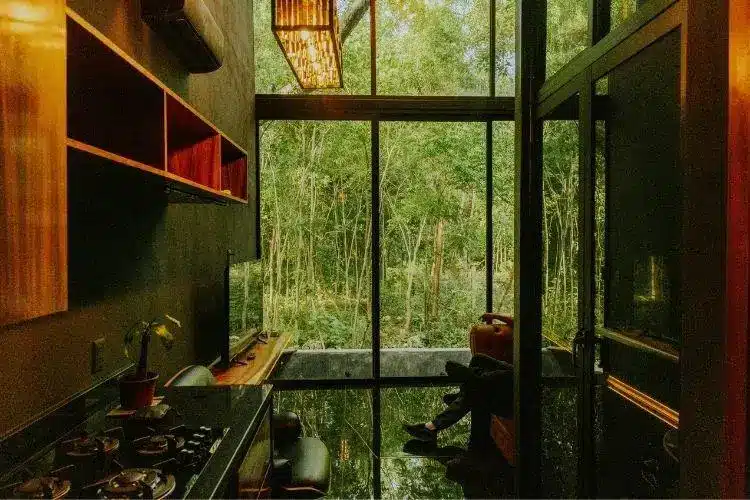
Biophilic design focuses on strengthening the relationship between people and nature within built environments. This can include incorporating plants, natural light, water features, and organic materials into living spaces.
Studies published by organisations such as the International WELL Building Institute suggest that environments incorporating natural elements can contribute to occupant comfort and wellbeing.
Natural materials play a central role in this design philosophy because they introduce textures, colours, and sensory experiences that feel familiar and grounding.
For many households, the goal isn’t simply to decorate but to create a home that supports a healthier and more intentional way of living.
Conclusion
Natural materials are not simply a passing trend. Their resurgence reflects a broader shift towards sustainability, wellbeing, and conscious living.
Whether it’s wool rugs, low-shedding jute, responsibly sourced timber, linen textiles, or handcrafted clay pieces, these materials offer qualities that many modern homeowners increasingly value. They connect us to nature, often age beautifully, and can support a more thoughtful approach to home design.
For people who already appreciate the rewards of growing food, nurturing plants, and creating sustainable outdoor spaces, bringing natural materials indoors is a natural next step. The result is a home that feels grounded, comfortable, and better connected to the world beyond its walls.
References
- International WELL Building Institute (IWBI) – Research on biophilic design and occupant wellbeing.
- Programme for the Endorsement of Forest Certification (PEFC) – Sustainable forestry and timber sourcing.
- Campaign for Wool – Information on wool as a renewable and biodegradable fibre.
- Food and Agriculture Organization of the United Nations (FAO) – Natural fibre sustainability resources.
- Textile Exchange – Guidance on responsible sourcing of natural fibres.