Sleep is the foundation of health. No diet, supplement, or wellness routine compensates for consistently poor sleep, and yet it remains one of the most common struggles for adults managing busy lives, demanding schedules, and the accumulated physical and mental load of everyday responsibilities. For people who already invest in their home environment and take a thoughtful approach to health, finding tools that actively support sleep quality rather than simply managing the symptoms of poor rest is worth taking seriously.
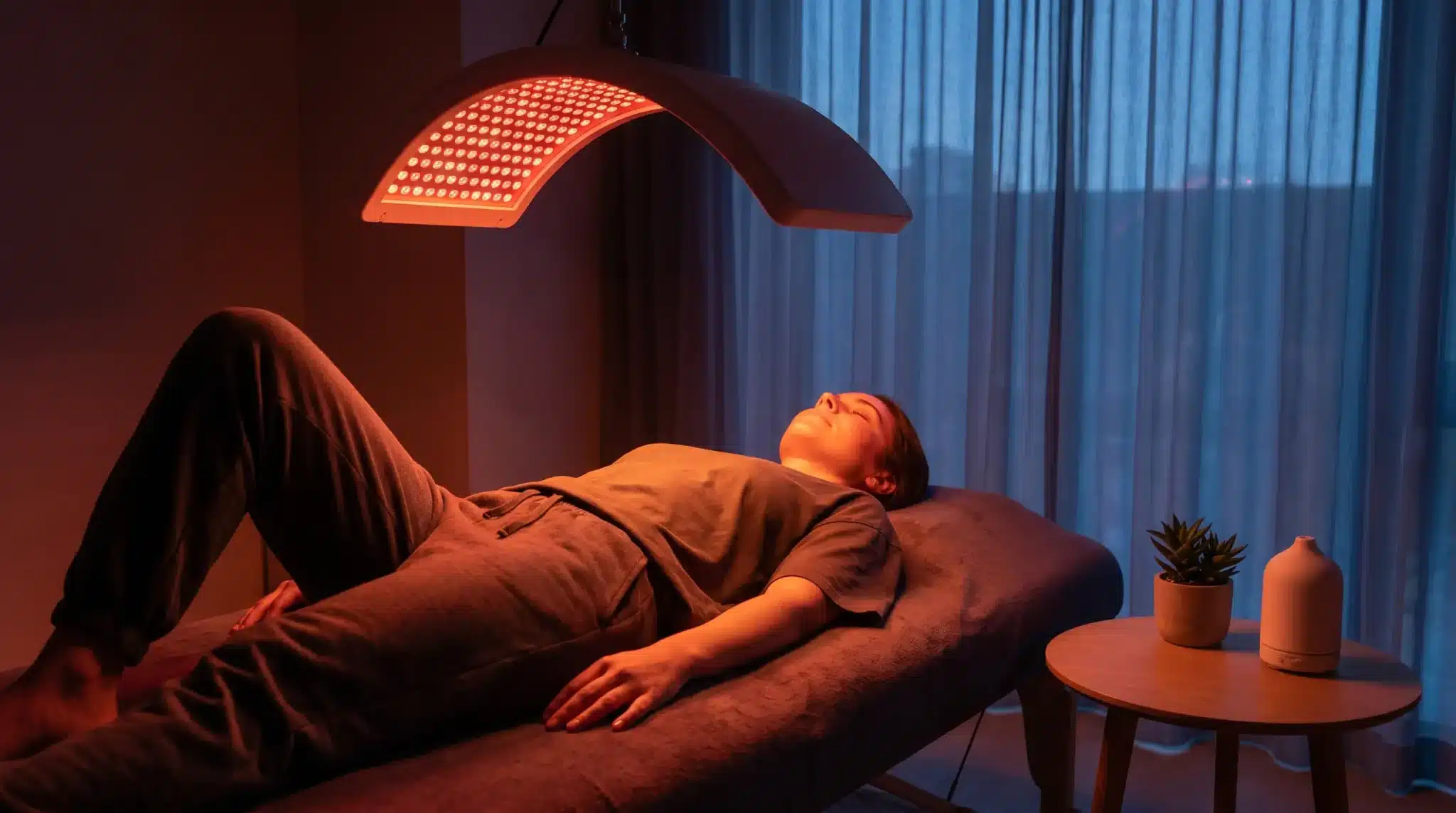
Red light therapy has emerged as one of the more compelling tools in this space. StreamShop Australia supplies devices designed to support red light therapy for sleep and recovery, with a range suited to both targeted and whole-body home use.
The Science Behind Red Light Therapy and Sleep
The relationship between light and sleep is fundamental to human biology. The circadian rhythm, the internal clock that governs sleep-wake cycles, is directly regulated by light exposure. Blue light from screens and artificial lighting suppresses melatonin production and signals the brain to stay alert. Red and near-infrared light, by contrast, sit at the opposite end of the therapeutic spectrum and have been studied for their effects on melatonin regulation and sleep quality.
Research published across sleep science and photobiomodulation literature has documented improvements in sleep onset, sleep duration, and sleep quality with consistent red light therapy use, particularly in evening sessions. One well-cited study involving elite athletes found statistically significant improvements in sleep quality and melatonin levels following a programme of nightly red light therapy sessions. The mechanism involves both direct effects on melatonin signalling and indirect effects through reduced inflammation and improved cellular recovery, both of which contribute to the conditions that support restorative sleep.
Beyond melatonin, red light therapy supports sleep through its effects on the autonomic nervous system. Near-infrared wavelengths have been shown to reduce cortisol levels and shift the body toward parasympathetic dominance, the rest-and-digest state that is a prerequisite for falling and staying asleep. For people whose sleep difficulties are driven by elevated stress and an inability to down-regulate after a demanding day, this effect is directly relevant.
The Role of Recovery in Sleep Quality
Sleep and physical recovery are deeply interconnected. Poor recovery from physical exertion elevates inflammatory markers that disrupt sleep architecture. Incomplete sleep in turn impairs the recovery processes that should occur during deep sleep stages, creating a cycle that compounds over time.
Red light therapy addresses both sides of this cycle. The anti-inflammatory and tissue repair effects of consistent use support physical recovery during waking hours, reducing the inflammatory burden that disrupts sleep at night. The direct effects on melatonin and nervous system regulation then support the quality of sleep itself, completing a loop that improves both recovery and rest simultaneously.
For health-conscious households where physical activity, outdoor work, and an engaged lifestyle are part of daily life, this dual effect makes red light therapy a particularly well-suited investment. It supports the recovery that physically active people need and the sleep quality that sustains energy and performance across the week.
The Red Light Therapy Bed: Whole-Body Recovery and Sleep Support
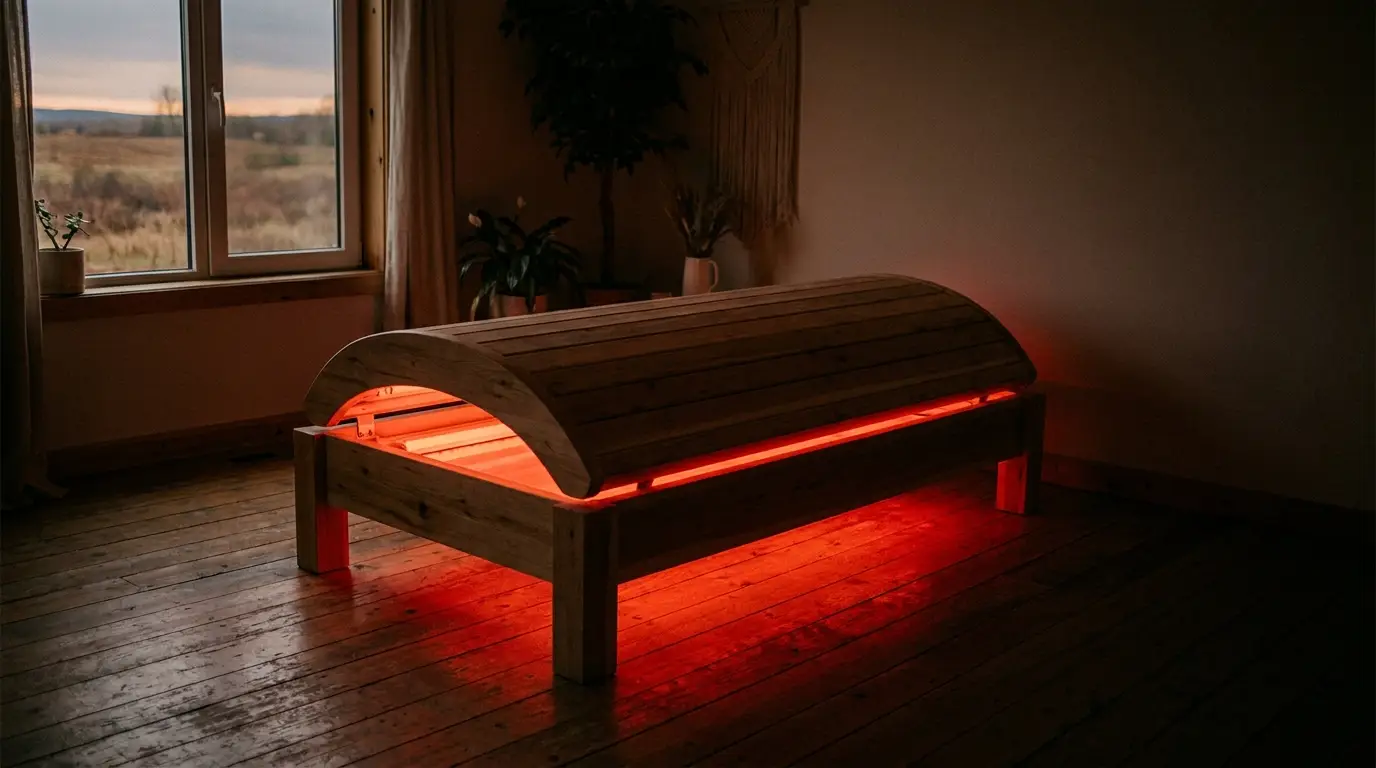
For those seeking the most comprehensive home recovery and sleep support setup, a red light therapy bed australia represents the most complete option available. Rather than treating one area at a time or requiring the user to stand or sit in front of a panel, a bed delivers simultaneous full-body exposure across every surface in a single session.
This whole-body coverage is particularly relevant for sleep support applications. The systemic effects of full-body red light therapy, reduced inflammation, improved circulation, nervous system regulation, are achieved more comprehensively when the entire body surface receives treatment simultaneously rather than sequentially.
StreamShop Australia’s red light therapy beds incorporate near-infrared wavelengths that penetrate deep into tissue, supporting the kind of thorough physical recovery that creates the conditions for genuinely restorative sleep. Used as part of an evening routine before bed, a session in a red light therapy bed can meaningfully shift the body’s physiological state toward the rest and recovery mode that sleep requires.
The bed format also removes the effort of positioning required with panels and mats. The user simply lies within the bed for the duration of the session, making it an easy addition to an evening routine without requiring active management of the device during treatment.
Building a Sleep-Focused Red Light Therapy Routine
Timing is important for sleep-focused red light therapy use. Evening sessions, ideally one to two hours before bed, allow the effects on melatonin regulation and nervous system state to develop before sleep onset. This timing also avoids the alerting effects that can occasionally be associated with higher-energy morning sessions for some users.
Session duration of 15 to 20 minutes is appropriate for most sleep and recovery applications. Consistency across the week matters more than session length. Three to five sessions per week delivers the cumulative dose needed to produce measurable improvements in sleep quality over time.
Combining red light therapy with other evidence-based sleep hygiene practices compounds the effect. Reducing screen exposure in the final hour before bed removes competing blue light signals. Maintaining consistent sleep and wake times reinforces the circadian rhythm that red light therapy supports. A cool, dark sleeping environment allows the physiological changes initiated by the red light session to progress undisturbed through the night.
Choosing the Right Device for Sleep and Recovery
The choice between a panel, mat, or bed depends on the specific goals and the investment level that makes sense for the household. A panel is the most versatile starting point, supporting both whole-body sessions when positioned at an appropriate distance and targeted treatment of specific areas. A mat is particularly well suited to sleep support given the lying position it requires and the far infrared heat that many mats combine with red light therapy for an enhanced relaxation effect. A bed provides the most comprehensive coverage for those seeking whole-body treatment in a single efficient session.
StreamShop Australia’s range covers all three formats with clearly specified wavelengths, irradiance data, and ARTG listed Class IIa medical device status for their panel and facial device categories. For health-conscious households making a considered investment in home wellness technology, having access to verified specifications and Australian-based support makes the selection process straightforward.
This article is intended for informational purposes only and does not constitute medical advice. Consult a qualified health professional before beginning any new therapeutic regimen.