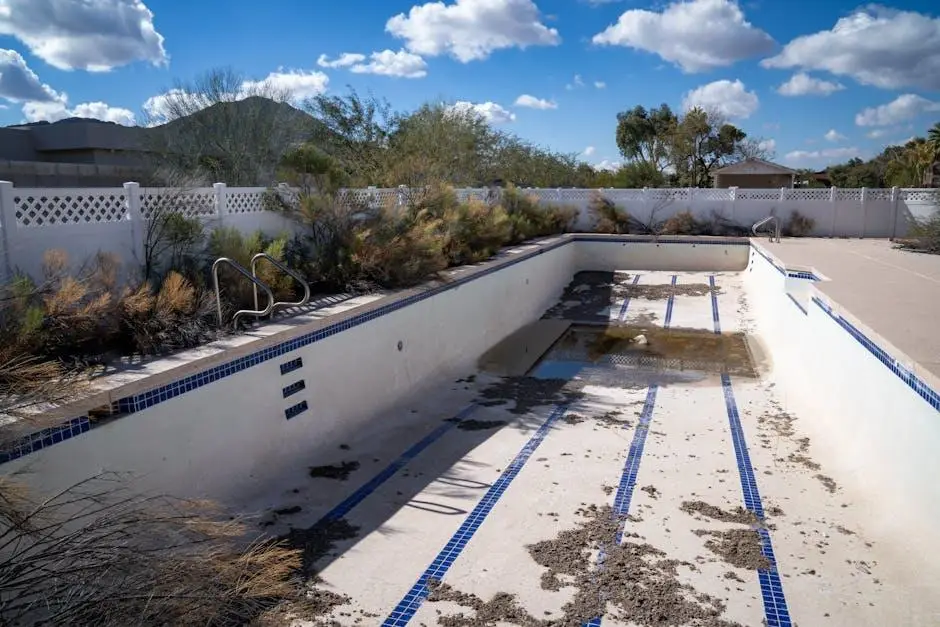
A common starting point for confirming the suspicion is pool leak detection in Mesa AZ, where Leak Lab runs non-invasive surveys on pools, spas, and water features. The guide below covers the garden-side signs that point to a hidden leak and what to check before calling a specialist.
Why Do Backyard Gardens Often Reveal Pool Leaks First?
Backyard gardens reveal pool leaks first because plants react faster than people to a small change in soil moisture. A bed that suddenly grows greener than its neighbors can point to a hidden leak underneath. A patch of grass that stays wet between waterings, or a tree that flushes a second growth out of season, gives the same signal. The plants read the water before the pool level tells the owner anything is wrong.
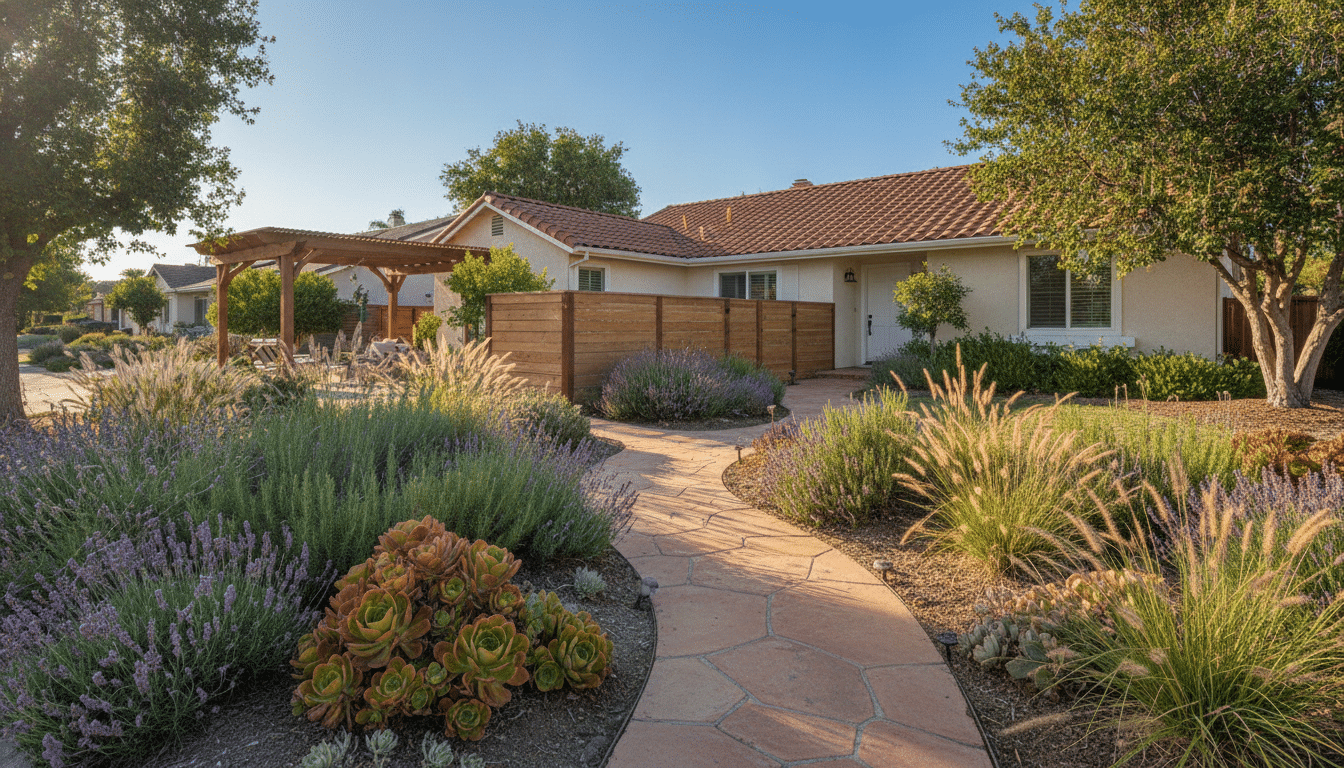
Three forces sit behind the pattern in Mesa specifically. First, the desert soil drains quickly under irrigation but holds water around a leak source for much longer. Second, the wide use of drip systems means most yards already have a baseline moisture map. Third, the gardener walks the yard regularly and notices small differences fast.
Arizona’s specific water context sits in the wider USGS aquifers and groundwater overview framework, which gardeners reference when reading soil-moisture changes. Knowing the wider context makes the local anomaly easier to spot.
What Six Garden-Side Signs Should a Mesa Gardener Watch For?
Six garden-side signs reliably point to a hidden pool leak.
- A patch of unusually green grass along one edge of the pool, especially in heat.
- A garden bed that stays damp longer than its neighbors after the same watering.
- A tree pushing a second growth flush out of season near the pool side.
- Cracks or shifts in the bed border especially near coping or fittings.
- Mushrooms or moss in a yard area that does not normally see standing water.
- A higher water bill without a change in household use or irrigation schedule.
Each sign on its own can have a benign cause. Two or more showing together raise the probability of a real leak meaningfully.
How Does Mesa’s Climate Affect Leak Detection in the Garden?
Mesa’s climate accelerates the signs in two directions. The high heat increases pool evaporation, so a slow leak hides inside a normal-looking evaporation rate for longer. The same heat also stresses plants quickly, so any extra water from a leak becomes visible faster in the garden than in cooler climates.
The soil matters too. Mesa’s caliche and clay layers move water sideways rather than down. A leak under one corner of the pool can show up as wet ground six or eight feet away. The gardener who knows the yard’s normal drainage notices that displacement quickly. The wider science is documented in the USGS’s water properties topic, which covers how water moves through soil.
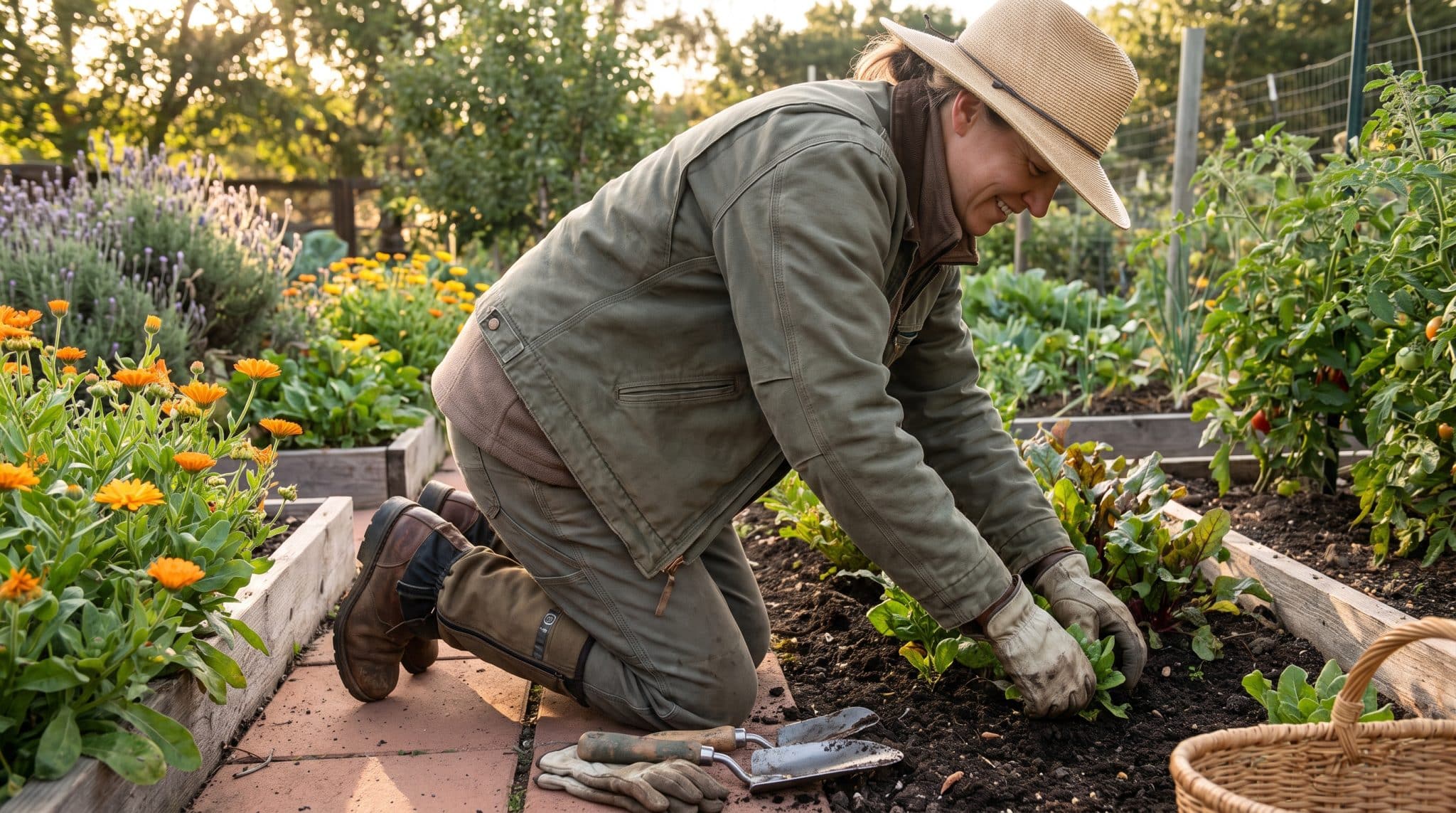
Gardeners running a raised garden bed system often have an even sharper baseline. The contained bed makes any moisture anomaly outside the bed easier to spot.
What Should a Mesa Gardener Check Before Calling a Leak Specialist?
A short pre-call pass covers the questions worth asking before the visit.
- Photograph the affected garden area at several angles for comparison.
- Note the irrigation schedule for the affected zone so the specialist can rule it out.
- Walk the pool edge and note any damp soil, mushroom growth, or unusually green patches.
- Check the pool’s water level drop over 24 hours with the auto-fill disabled.
- Review the last three water bills for any unexplained increase.
- List any pool repair history that the seller or contractor has documented.
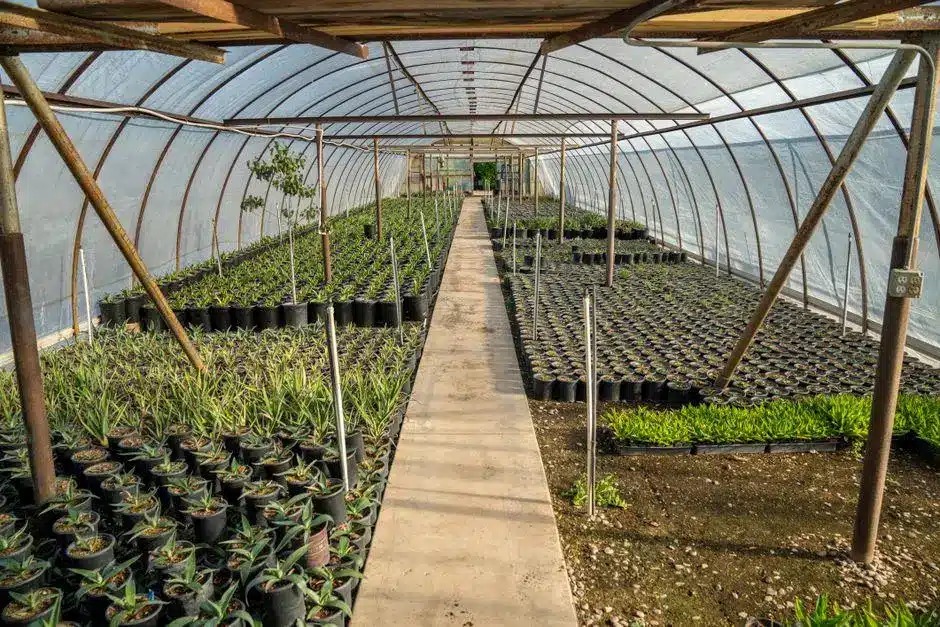
The full garden layout plan most Mesa gardeners maintain makes the baseline easier to compare against the current state.
A Quick Pre-Call Reality Check
A short pass covers what gardeners should confirm before booking the leak survey.
- Confirm the suspicious garden area is not on a malfunctioning drip line
- Document the recent moisture pattern with photos and notes
- Disable the pool auto-fill before running a 24-hour drop test
- Note any change in pool pump cycling behavior
- Save the most recent water bill for reference
- List any prior pool, irrigation, or hardscape work in the affected area
Why Garden-Side Vigilance Saves Both the Pool and the Yard
Garden-side vigilance pays back because the gardener catches the leak earlier than a typical pool walk-around does. A garden that shows the signs early gives the homeowner a week or two of head start before the pool’s water level itself starts to drop visibly. That head start often reduces the repair from a major job to a minor one.
The shift also protects the garden itself. A leak that runs for months can saturate beds, stress plants, encourage weed growth, and shift bed borders. The early-detection approach keeps both the pool and the garden on the same maintenance cadence rather than letting one undermine the other.
Frequently Asked Questions
How Quickly Should a Mesa Gardener Act on a Suspected Pool Leak?
Within a week of the first sign, ideally. Mesa’s heat and soil pattern mean a small leak can shift the deck or saturate a bed within a few weeks. The garden-side signs give a useful early window, and acting on it fast keeps the repair small.
Can Drip Irrigation Be Confused With a Pool Leak?
Yes, easily. A malfunctioning drip emitter near the pool can mimic the early signs. Gardeners should walk the affected drip line first and rule it out before booking a specialist. A simple shut-off test confirms whether the irrigation is the source.
Will a Pool Leak Affect Established Garden Plants?
It can, especially over weeks or months. Extra water around the roots can encourage rot in plants that prefer drier conditions. Some Mesa-friendly plants tolerate the extra moisture for a while; many do not. Catching the leak early protects the planting.
Should a Gardener Pause Watering While Diagnosing a Suspected Leak?
Briefly, yes. Pausing irrigation for 24 to 48 hours in the suspected zone gives a clean signal during the leak test. The plants will tolerate the short pause; the cleaner signal helps the specialist find the leak faster.