Introduction
Homeowners in the U.S. are rethinking the traditional full kitchen renovation. Instead of ripping out cabinets, changing layouts, moving plumbing, replacing flooring, and starting again, many are choosing a more practical option: the kitchen refresh.
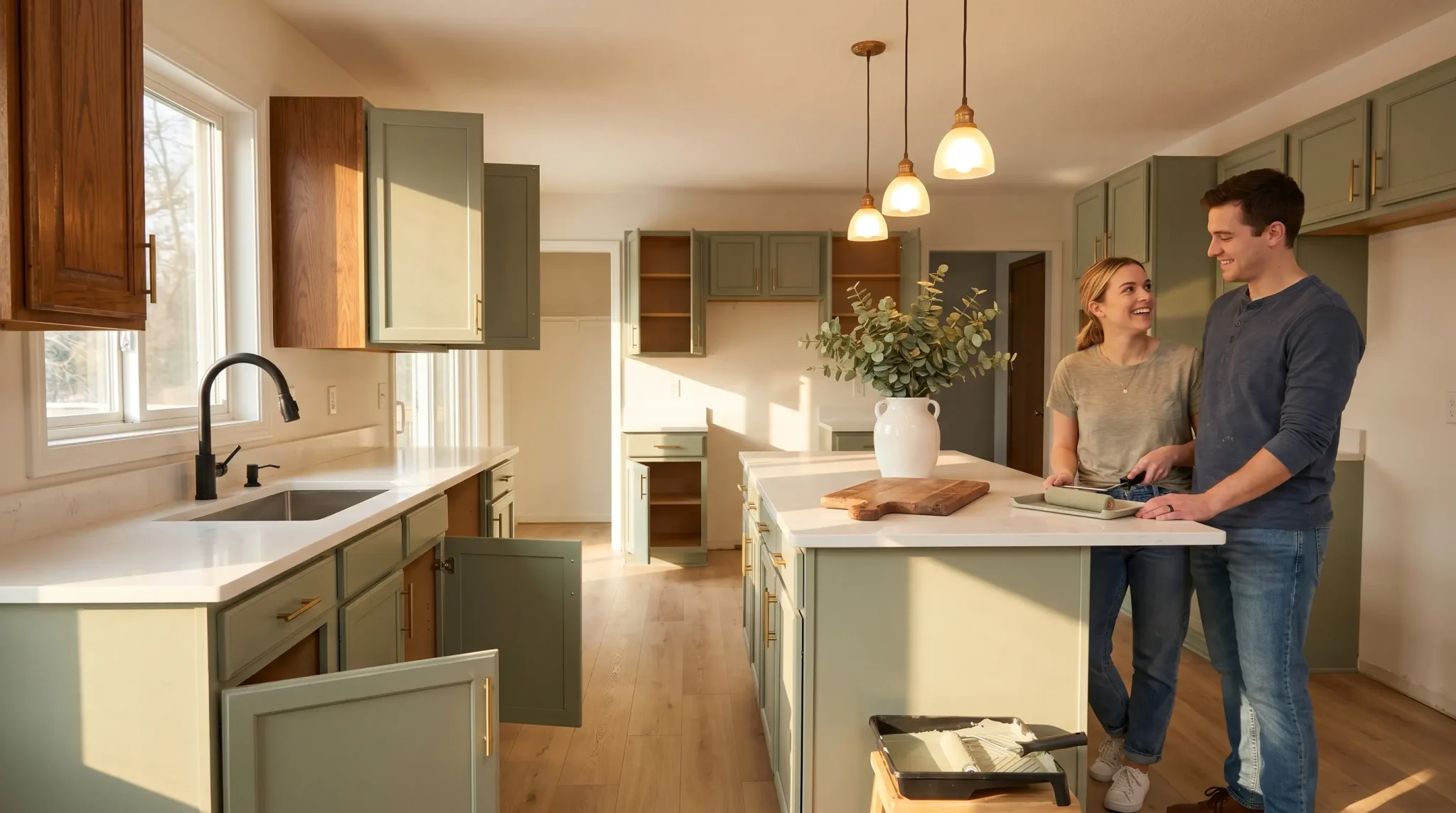
A kitchen refresh focuses on the visible and high-impact parts of the room. That can include repainting or respraying cabinet doors, changing handles, replacing worktops, upgrading lighting, installing a new sink and tap, adding a splashback, or swapping selected appliances.
The reason is not only the budget. Homeowners are also trying to reduce disruption, avoid waste, improve resale appeal, and make smarter decisions in an uncertain housing market. Renovation costs have risen sharply, and many families want a kitchen that feels newer without committing to months of building work.
That cost pressure is one of the biggest reasons homeowners are asking a new question: “Do we really need a full renovation, or can we refresh what we already have?”
Quick Data Sheet: Kitchen Refresh vs Full Renovation
|
Category |
Kitchen Refresh |
Full Renovation |
|---|---|---|
|
Main goal |
Improve appearance and usability |
Rebuild or redesign the kitchen |
|
Cabinet approach |
Paint, respray, reface, or replace doors |
Replace full units and carcasses |
|
Layout |
Usually unchanged |
Often changed |
|
Plumbing |
Minimal changes |
May be moved or upgraded |
|
Electrics |
Usually light-touch |
Often rewired or expanded |
|
Timeline |
Days to 2–3 weeks |
4–12+ weeks |
|
Cost level |
Low to medium |
High |
|
Disruption |
Lower |
High |
|
Waste |
Lower |
Higher |
|
Best for |
Structurally sound but dated kitchens |
Poor layout, damaged units, or major redesigns |
Why This Trend Is Growing
Top Reasons Homeowners Prefer a Kitchen Refresh
|
Reason |
What It Means for Homeowners |
|---|---|
|
Rising renovation costs |
A refresh avoids the expense of full replacement |
|
Less disruption |
The kitchen may remain partly usable |
|
Faster project timeline |
Many upgrades can be completed in phases |
|
Sustainability |
Reusing cabinets reduces waste |
|
Better cost control |
Smaller scope means fewer surprise expenses |
|
Resale preparation |
Improves appearance without overcapitalising |
|
Good existing layout |
No need to rebuild if the kitchen already works |
|
Design flexibility |
Homeowners can update style without starting over |
1. Full Kitchen Renovations Have Become Expensive
Cost is the biggest driver behind the kitchen refresh trend. A full renovation can include demolition, cabinetry, worktops, flooring, plumbing, electrics, appliances, lighting, decorating, and labour. Once homeowners add contingency, design fees, waste disposal, and temporary kitchen arrangements, the final cost can rise quickly.
Broader home renovation spending in the U.S. has also risen. Axios reported that Houzz data showed median home renovation spending was up 60% since 2015 from $15K to $24K, with limited housing inventory and high mortgage rates making renovation more attractive than moving for many homeowners.
Cost Comparison Table
|
Project Type |
Typical Scope |
Cost Risk |
Best Use Case |
|---|---|---|---|
|
Light refresh |
Handles, paint, lighting, décor |
Low |
Cosmetic update |
|
Medium refresh |
Cabinet respray, new worktop, sink, tap |
Medium |
Tired but functional kitchen |
|
Heavy refresh |
New doors, worktops, appliances, lighting |
Medium-high |
“Almost new” look |
|
Full renovation |
Strip-out, new units, services, flooring |
High |
Layout or structural issues |
|
Extension kitchen |
New space, structure, services, full fit-out |
Very high |
Major home transformation |
2. Cabinet Respraying and Refacing Offer Big Visual Impact
Cabinets dominate the visual field of most kitchens. That is why cabinet updates are often the first choice in a refresh.
A homeowner can:
- Respray cabinet doors
- Paint cabinet fronts
- Replace only the doors and drawer fronts
- Add new handles
- Replace plinths, cornices, and end panels
- Keep existing cabinet carcasses
Experts in the U.S. estimate professional kitchen cabinet respraying at roughly $800–$1,600 and states that spray painting can cost up to 70% less than buying replacement cabinets. It also notes the sustainability advantage of keeping usable cabinets out of landfill.
Cabinet Upgrade Options
|
Cabinet Upgrade |
Visual Impact |
Cost Level |
Disruption |
Best For |
|---|---|---|---|---|
|
New handles |
Medium |
Low |
Very low |
Quick modernisation |
|
Cabinet painting |
High |
Low-medium |
Medium |
DIY or budget refresh |
|
Professional respray |
Very high |
Medium |
Medium |
Smooth factory-style finish |
|
Door replacement |
Very high |
Medium-high |
Medium |
Good carcasses, dated fronts |
|
Full cabinet replacement |
Very high |
High |
High |
Damaged or poor-quality units |
3. Worktops Are a High-Value Refresh Area
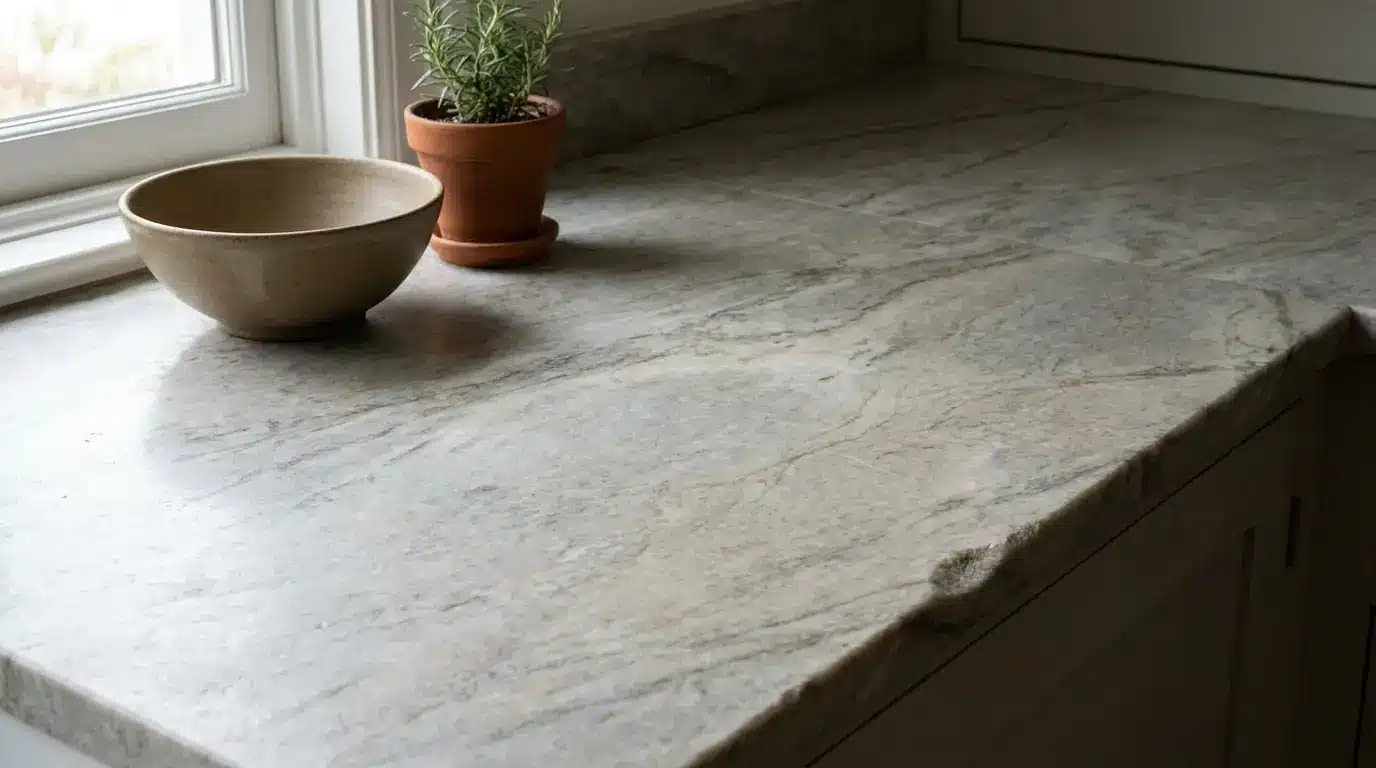
Worktops are one of the most visible and most used parts of the kitchen. Replacing them can make the entire room feel newer, cleaner, and more premium.
Worktop Refresh Comparison
|
Material |
Appearance |
Maintenance |
Cost Level |
Good For |
|---|---|---|---|---|
|
Laminate |
Wide style range |
Easy |
Low |
Budget refresh |
|
Solid wood |
Warm and natural |
Needs care |
Medium |
Traditional kitchens |
|
Quartz |
Premium and uniform |
Easy |
High |
Durable family kitchens |
|
Granite |
Natural stone look |
Needs sealing |
High |
Classic premium kitchens |
|
Compact laminate |
Slim modern look |
Easy |
Medium |
Contemporary refresh |
|
Ceramic / porcelain |
High-end, heat resistant |
Easy |
High |
Luxury refresh |
4. Homeowners Want Less Disruption
A full renovation can leave a household without a working kitchen for weeks. For families, hybrid workers, landlords, and older homeowners, this disruption can be as important as the cost.
A kitchen refresh can often be phased. This allows the homeowner to spread the budget, keep parts of the kitchen functioning, and make decisions gradually.
Example Phased Kitchen Refresh Plan
|
Phase |
Upgrade |
Time Impact |
Why It Works |
|---|---|---|---|
|
Phase 1 |
Declutter and remove dated accessories |
1 day |
Immediate visual improvement |
|
Phase 2 |
Replace handles and switches |
1 day |
Low-cost modernisation |
|
Phase 3 |
Upgrade lighting |
1–3 days |
Improves usability and mood |
|
Phase 4 |
Respray or replace cabinet doors |
3–7 days |
Biggest visual change |
|
Phase 5 |
Replace worktop, sink, and tap |
1–4 days |
Improves daily function |
|
Phase 6 |
Add new backsplash |
1–3 days |
Completes the new look |
|
Phase 7 |
Upgrade selected appliances |
Flexible |
Controls cost |
5. Many Kitchens Are Dated, Not Broken
One of the strongest arguments for a refresh is that many kitchens do not actually need to be demolished. The cabinet carcasses may still be solid. The layout may work. The plumbing may be safe. The appliances may not all need replacing.
In that situation, a full renovation can be unnecessary. A refresh targets the weak points while preserving the parts that still function.
Choose a Kitchen Refresh If:
- The layout works.
- Cabinet carcasses are solid.
- Plumbing and electrics are safe.
- You mainly dislike the style.
- You want to reduce cost.
- You want less disruption.
- You plan to sell soon.
- You want a more sustainable option.
Choose a Full Renovation If:
- The layout is poor.
- Cabinets are swollen, damp, or damaged.
- You need to move plumbing or gas lines.
- Electrics are outdated or unsafe.
- You are removing walls.
- You are building an extension.
- Storage is fundamentally inadequate.
- The kitchen no longer fits your lifestyle.
6. Sustainability Is Becoming a Bigger Factor
A full renovation creates significant waste: old cabinets, worktops, flooring, tiles, packaging, plasterboard, appliances, and fittings. A refresh reduces that waste by keeping what still works.
The building sector is a major environmental focus. Although a kitchen refresh is not the same as a whole-building retrofit, the principle is similar: reuse where possible, replace only where needed, and avoid unnecessary embodied carbon from new materials.
Sustainability Comparison
|
Decision |
Refresh Approach |
Environmental Benefit |
|---|---|---|
|
Cabinets |
Keep carcasses, replace fronts |
Less landfill waste |
|
Doors |
Respray or repaint |
Extends product life |
|
Worktops |
Replace only damaged surfaces |
Reduces material demand |
|
Appliances |
Replace selectively |
Avoids unnecessary disposal |
|
Lighting |
Switch to efficient LEDs |
Cuts electricity use |
|
Flooring |
Keep if serviceable |
Avoids demolition waste |
|
Splashback |
Overlay or replace small area |
Lower material use |
7. Kitchen Refreshes Can Improve Resale Appeal Without Overcapitalising
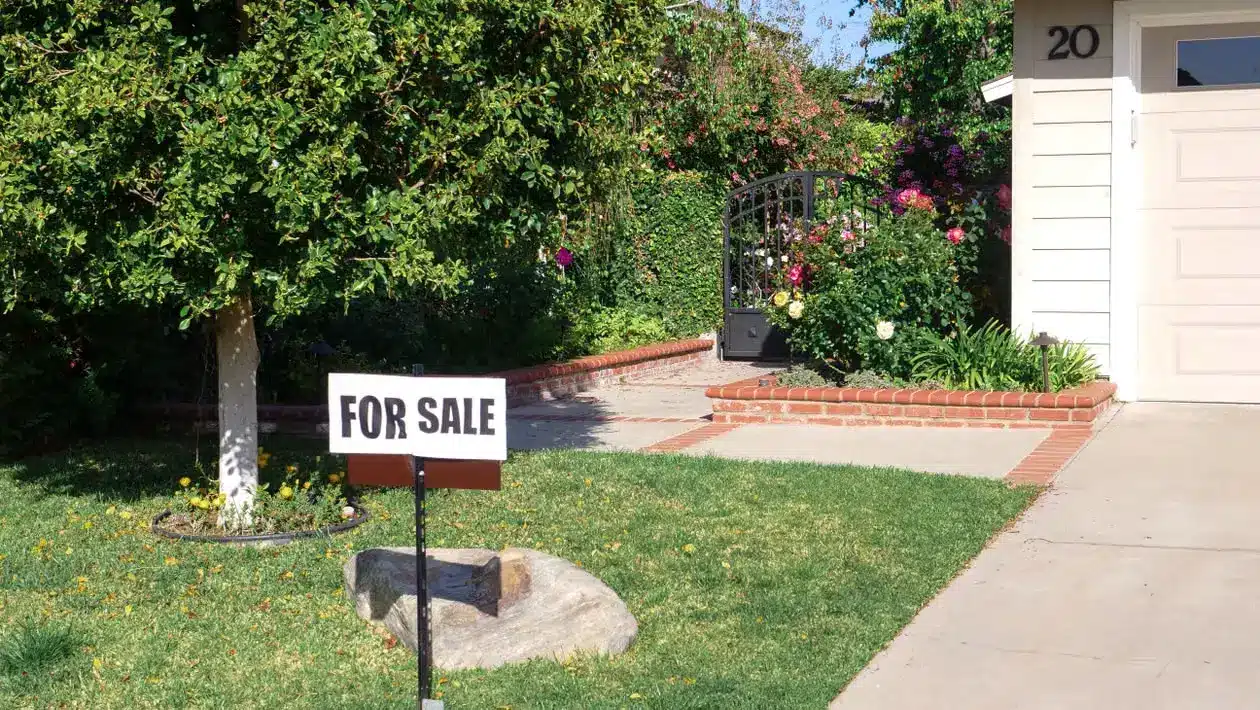
Homeowners preparing to sell often face a difficult decision. A tired kitchen can reduce buyer interest, but a full renovation may not return every pound spent.
A refresh can be a smarter resale strategy because it improves first impressions without requiring a huge investment. Neutral cabinet colours, clean worktops, modern handles, better lighting, and a fresh splashback can make the kitchen feel move-in ready.
Best Refresh Upgrades Before Selling
|
Upgrade |
Resale Impact |
Why Buyers Notice |
|---|---|---|
|
Cabinet repaint/respray |
High |
Changes the whole room visually |
|
New handles |
Medium |
Signals modernisation |
|
New worktop |
High |
Makes kitchen feel cleaner and newer |
|
Fresh splashback |
Medium-high |
Improves perceived hygiene |
|
Better lighting |
Medium-high |
Makes kitchen photograph better |
|
New tap and sink |
Medium |
Improves daily usability |
|
Decluttering/storage |
High |
Makes kitchen feel larger |
8. Design Trends Support Refreshing Instead of Replacing
Many current kitchen trends can be achieved without a full renovation. For example, homeowners can create a warmer, more natural look with wood-effect doors, brass handles, layered lighting, neutral paint, and textured splashbacks.
Real Simple’s coverage of Houzz kitchen trends reported that vinyl/resilient flooring was the top kitchen flooring choice among renovating homeowners at 22%, followed closely by stained or unstained hardwood at 21% and ceramic or porcelain tile at 20%. It also reported that more than half of renovating homeowners added or upgraded an island.
Even when homeowners want a trend-led kitchen, they do not always need a total rebuild. A visual refresh can often deliver the same aesthetic direction.
Trend-to-Refresh Table
|
Kitchen Trend |
Refresh Version |
|---|---|
|
Warm neutrals |
Repaint walls and cabinets |
|
Natural wood |
Replace doors or add wood shelving |
|
Statement lighting |
Install pendants or under-cabinet LEDs |
|
Mixed metals |
Change handles, tap, and sockets |
|
Slab backsplash |
Replace tiles behind hob and sink |
|
Hidden storage |
Add pull-outs and drawer inserts |
|
Two-tone kitchen |
Paint island or lower cabinets |
|
Café-style kitchen |
Add warm lighting and open display shelves |
Kitchen Refresh Budget Priority Matrix
|
Priority Level |
Upgrade |
Why It Comes First |
|---|---|---|
|
High |
Cabinet fronts |
Biggest visual surface |
|
High |
Lighting |
Changes how the entire space feels |
|
High |
Worktops |
High-use and highly visible |
|
Medium |
Sink and tap |
Practical daily improvement |
|
Medium |
Splashback |
Completes the design |
|
Medium |
Handles |
Low-cost style update |
|
Low-medium |
Flooring |
Only needed if worn or mismatched |
|
Flexible |
Appliances |
Replace based on age and efficiency |
Final Takeaway
Homeowners are choosing kitchen refreshes because they are practical, cost-conscious, and design-led. A refresh can deliver a dramatically improved kitchen without the expense, disruption, waste, and risk of a full renovation.
A full renovation is still the right choice when the kitchen layout is broken, services need moving, or cabinets are damaged. But when the structure is sound and the problem is mainly cosmetic, a refresh is often the smarter move.
In today’s market, the best kitchen decision is not always “replace everything.” It is often “keep what works, upgrade what shows, and spend where it matters.”