A beautiful garden and a demanding one are not the same thing, and that distinction is exactly where low-maintenance garden solutions begin. Many outdoor spaces consume weekends with watering, weeding, and replanting cycles that never seem to end, but thoughtful design can change that picture considerably.
The foundation of a low-maintenance garden comes down to a few practical decisions: choosing native plants and perennials that return each season without replanting, using mulch to suppress weeds and retain soil moisture, and replacing large lawn areas with hardscape like gravel paths or paved zones. Drip irrigation removes the daily burden of hand-watering, delivering water directly to roots with minimal waste.
The goal is not a garden that takes care of itself entirely, since some attention is always needed. The real aim is cutting the recurring chores down to a manageable rhythm, so the space remains enjoyable rather than exhausting.
What Makes a Garden Low Maintenance
Working with professionals who specialize in Central Virginia landscape installation can further improve long-term functionality by creating a layout that supports healthier plant growth, efficient drainage, and easier seasonal maintenance.
The main workload reducers are straightforward: fewer thirsty plants, less exposed soil, less lawn, simpler layouts, and more efficient watering. Native plants and perennials reduce replanting cycles. Mulch and ground cover keep bare soil covered so weeds have less opportunity to establish. Hardscape replaces areas that would otherwise demand constant upkeep. A well-designed drip irrigation system handles watering without daily effort.
None of these changes eliminate maintenance entirely, but together they shift the garden from something that demands constant attention to something that fits into a reasonable routine.
Start with the Site, Soil, and Sun
Getting the site conditions right before planting is the single most effective way to avoid a high-maintenance garden. Plants placed in conditions that do not suit them struggle, require more intervention, and often need replacing, which creates exactly the cycle this approach is designed to avoid.
Match Plants to the Conditions
Before selecting a single plant, it helps to spend time observing the space. Note where sunlight lands throughout the day, how water drains after rain, which corners receive the most wind, and whether certain spots stay warmer or cooler than the rest of the yard.
USDA Hardiness Zones offer a useful starting point for understanding which plants can survive local winters, but they tell only part of the story. A sheltered south-facing bed may support plants rated for a warmer zone, while a frost pocket near a fence might eliminate options that seem otherwise suitable.
Once the site’s actual conditions are clear, plant selection becomes more precise. Native plants and drought-tolerant plants adapted to the local climate will establish more reliably and demand far less intervention than species fighting conditions they were never built for.
Build Soil That Needs Less Fixing
Even the right plant in the right place will struggle in poor soil. Compacted, nutrient-depleted ground forces roots to work harder, slows establishment, and increases the likelihood of disease, pest pressure, and early plant loss.
Working compost into beds before planting addresses several problems at once. It improves soil structure, which supports better drainage in heavy clay and better moisture retention in sandy ground. Healthier soil also encourages deeper root systems, which reduce how often plants need watering once established.
Investing effort in soil health at the start tends to reduce the corrective work needed later: fewer replacements, less fertilizing, and more consistent results across seasons.
Choose Plants That Do More With Less
Plant selection determines most of the long-term workload in any garden. The right choices mean fewer replacements, less watering, and a space that stays attractive with minimal intervention. The wrong ones create a cycle of corrective effort that never quite resolves.
Best Plant Groups for Easy Upkeep
Native plants are the most reliable starting point. Adapted to local soils and rainfall patterns, they establish quickly and rarely need supplemental feeding or intensive care. Paired with long-lived perennials, they return each season without replanting, building stronger root systems over time.
Shrubs and trees anchor the structure of a planting scheme and require little beyond occasional shaping once established. Ornamental grasses add movement and seasonal texture, stay largely pest-free, and need only a single annual cutback. For drought-tolerant plants, species like agave and creeping thyme thrive in lean conditions where other plants would struggle.
Ground cover planted across bare soil crowds out weeds before they establish, reducing one of the most repetitive garden chores. Evergreens and layered bloom times across the season ensure the space looks cared for year-round, even when little active work is happening. Boxwood remains a dependable choice for low hedging that holds its shape without frequent trimming.
For effortless flower bed ideas that combine several of these plant groups effectively, there are structured approaches worth exploring.
Where Containers and Specialty Beds Fit
A meadow garden approach, mixing grasses, wildflowers, and drought-tolerant species in informal drifts, can dramatically reduce the mowing and replanting cycles that traditional borders require. It suits larger areas particularly well and supports pollinators in the process.
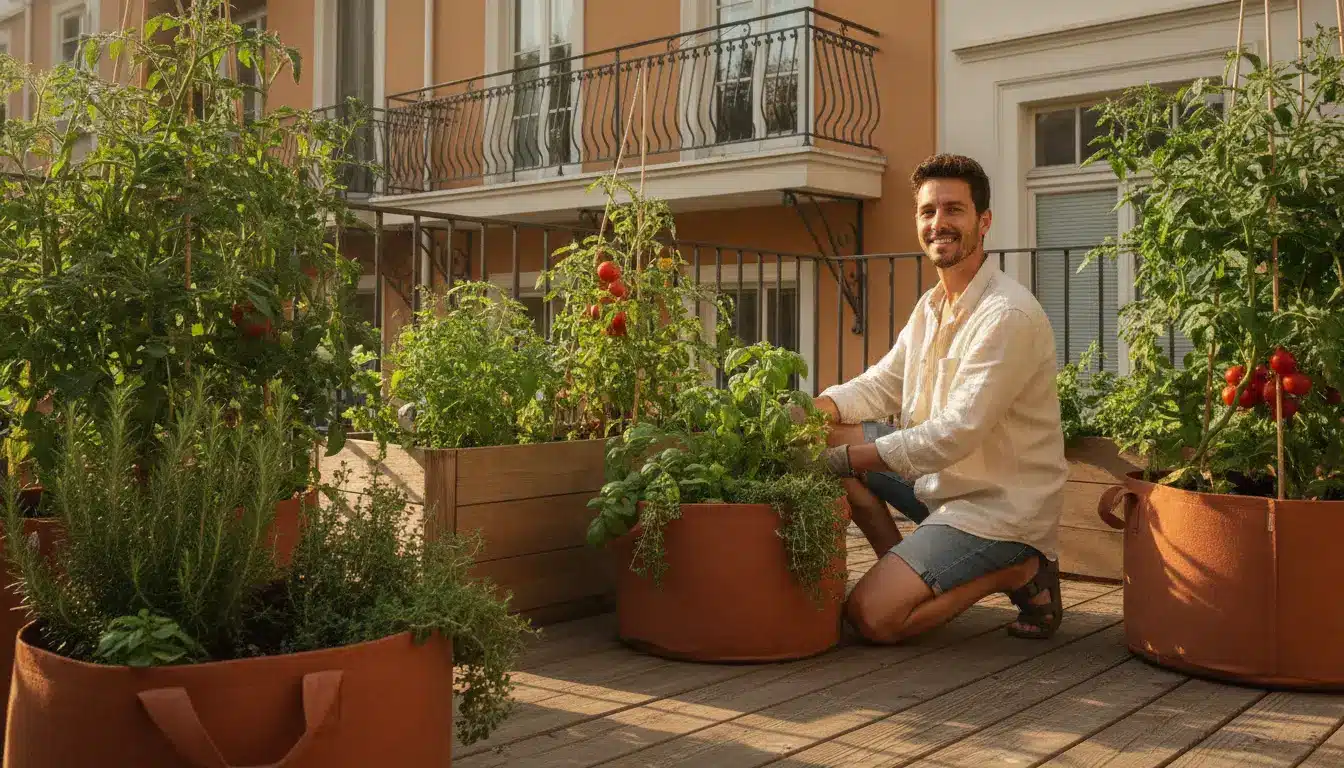
Container gardens offer flexibility in small spaces or paved areas where in-ground planting is not possible. The trade-off is frequency: containers dry out faster than in-ground beds and typically need more consistent watering through dry periods.
Use Mulch, Gravel, and Hardscape Wisely
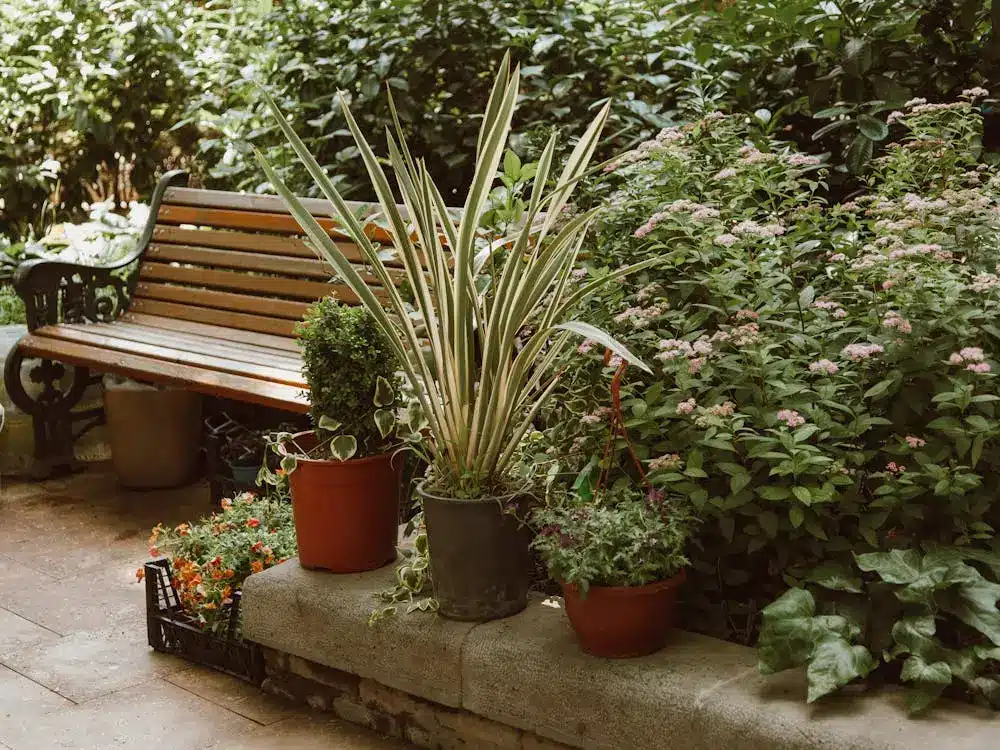
Beyond plant selection, the non-plant materials in a garden play a significant role in how much ongoing work it demands. Mulch, gravel, and hardscape each reduce labor in different ways, and choosing them thoughtfully connects directly to the simpler maintenance routine that the earlier planning stages are designed to support. Sourcing durable materials from suppliers like SGW Sacramento is one way to ensure that gravel and hardscape selections hold up over time, which matters when the goal is reducing long-term upkeep rather than replacing materials every few seasons.
Cover Soil So Weeds Stay Manageable
Bare soil is an open invitation for weeds. Covering it with a layer of mulch removes that opportunity while also locking in moisture and regulating soil temperature through hot and cold spells.
Organic mulch, such as shredded bark or wood chips, breaks down slowly and contributes to soil health over time. A depth of two to three inches is generally enough to suppress most weed growth without smothering plant roots.
Where plant cover is sparse, ground cover plantings work alongside mulch as a longer-term solution. Once established, dense low-growing plants fill gaps that weeds would otherwise colonize, reducing how often the area needs attention.
Replace High-Care Areas With Durable Surfaces
Some parts of a yard simply do not suit grass or traditional planting. Shaded strips along fences, narrow side paths, and areas beneath large trees are classic examples where turf struggles and bare soil erodes. Replacing these spots with gravel, edging, or simple hardscape often solves more problems than replanting ever would.
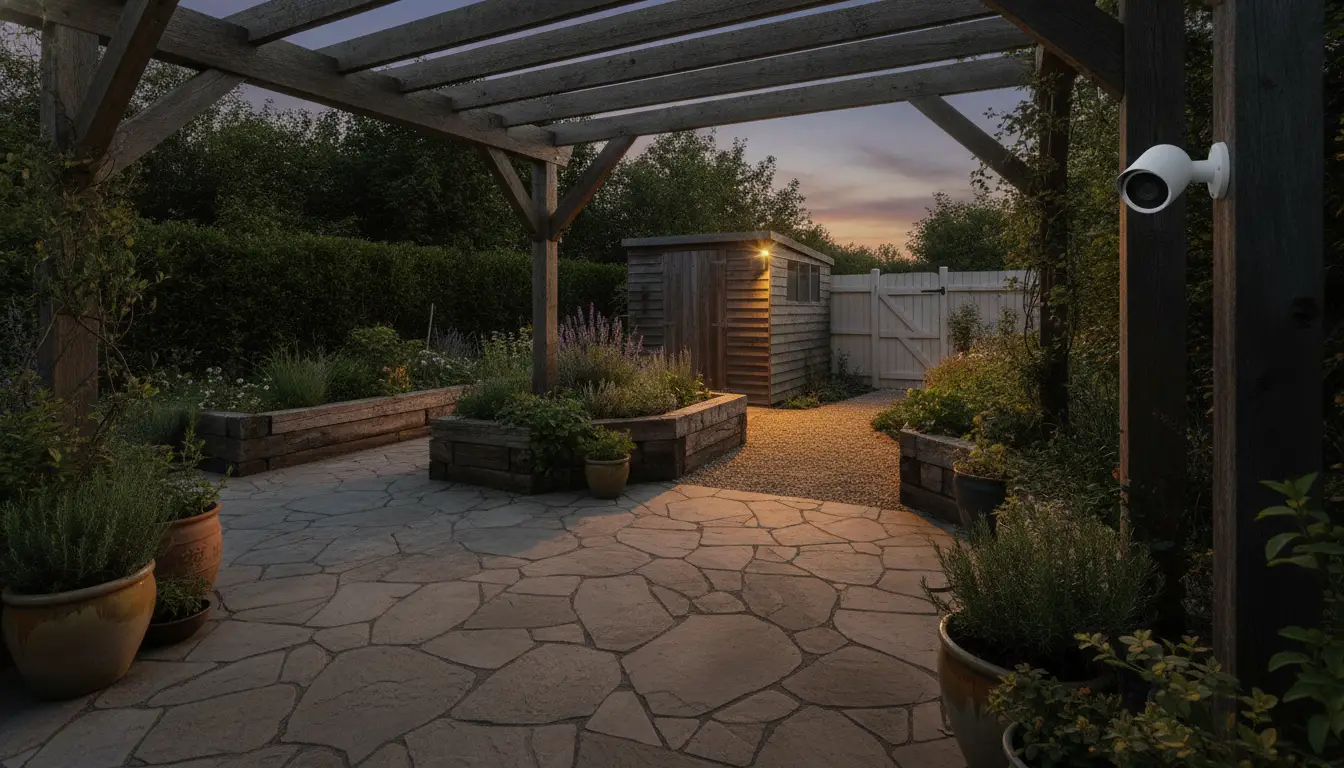
Gravel paths improve access through the garden while eliminating the mowing and edging that bordered lawn strips demand. Paired with landscape fabric beneath, they stay relatively weed-free with minimal upkeep.
For broader lawn alternatives, xeriscaping offers a structured approach that prioritizes drought-adapted planting and reduced runoff. Connecting these material choices thoughtfully can turn neglected, high-effort zones into the kind of cozy backyard upgrades without the hassle that actually get used.
Water Less by Making Irrigation More Precise
Watering is one of the most time-consuming recurring garden chores, and it is also one of the easiest to redesign. The right irrigation system can do what hand-watering cannot: deliver consistent moisture exactly where roots need it, without the daily effort.
Drip irrigation is particularly effective for low-maintenance gardens. Rather than spraying water across a wide area, it delivers moisture slowly and directly to each plant’s root zone. This reduces evaporation, cuts water use, and prevents the soggy surface conditions that promote fungal issues and weed germination.
Matching the irrigation system to plant placement matters as much as the hardware itself. Plants grouped by similar water needs allow zones to run at the right frequency without over- or under-watering neighbors. Soil type also plays a role, since sandy ground drains quickly and may need shorter, more frequent cycles, while clay holds moisture longer.
For gardens built around drought-tolerant plants, National Geographic on xeriscaping water savings takes this logic further by designing the entire planting scheme around reduced water demand. When combined with an efficient drip setup, xeriscaping can substantially cut outdoor water use compared to conventional turf and border layouts.
How Can You Keep Costs Under Control
Redesigning an outdoor space does not have to happen all at once. Phasing the work over time, starting with changes that reduce recurring labor and water use, allows each investment to pay off before the next stage begins.
Replacing a high-maintenance lawn section with hardscape or lawn alternatives in year one, for instance, immediately cuts mowing time and irrigation demand. That saving, measured in time and water bills, offsets a portion of the initial outlay before any further work begins.
Where budget is limited, spending on soil improvement first tends to deliver the longest-lasting return. Working compost into beds reduces the need for fertilizers and plant replacements down the line, which are two ongoing costs that quietly add up across seasons. Laying mulch across bare areas suppresses weeds without requiring repeated expenditure, and a single application holds for a full season in most climates.
Durable hardscape, once installed, eliminates the upkeep that replanted beds consistently generate. The upfront cost tends to look more reasonable when measured against years of reduced maintenance rather than against the price of a single planting season.
A Simpler Garden Starts With Smarter Choices
Lower maintenance does not happen by accident. It comes from decisions made early: selecting native plants suited to local conditions, preparing soil before anything goes in the ground, laying mulch to keep weeds from taking hold, and replacing high-effort areas with hardscape that largely looks after itself.
If the whole garden feels overwhelming, the most practical next step is identifying which areas currently demand the most time. Those are the spots worth addressing first, whether that means installing drip irrigation, swapping struggling lawn for gravel, or simply covering bare soil before weeds return.
Small, well-placed changes build on each other. A garden designed with these principles in mind stays manageable season after season, without requiring a complete overhaul to get there.
Frequently Asked Questions
Does a low-maintenance garden still need regular attention?
Yes, though significantly less of it. Even well-designed spaces need occasional weeding, mulch replenishment, and seasonal tidying. The difference is that these tasks take hours rather than full weekends, and they follow a predictable rhythm rather than a constant cycle.
How long does it take for native plants to establish?
Most native plants need one to two growing seasons to develop strong root systems. During that window, some supplemental watering helps. Once established, they largely manage on rainfall alone, which is when the maintenance reduction becomes noticeable.
Is drip irrigation worth installing for a small garden?
Even in compact spaces, drip systems reduce watering time and deliver more consistent moisture than hand-watering. Basic kits are widely available and straightforward to set up, making them a practical addition regardless of garden size.
Can gravel paths become a weed problem over time?
They can, but landscape fabric installed beneath the gravel significantly reduces that risk. Periodic top-ups of gravel and occasional spot-weeding are usually all that is needed to keep paths tidy across seasons.