
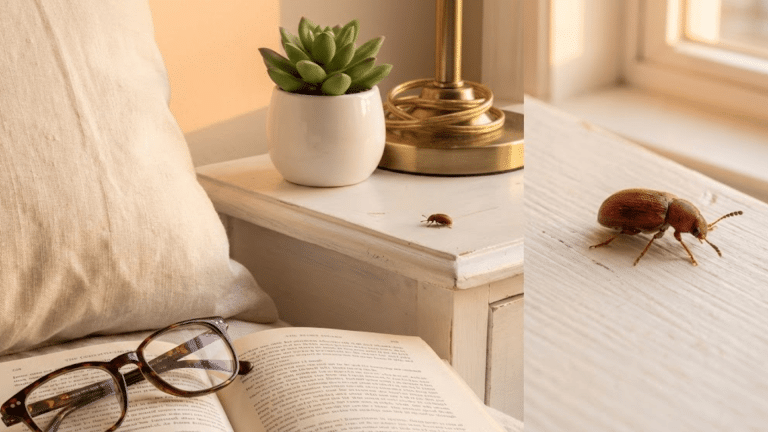
You know that heart-skip moment when you spot a tiny brown speck scurrying across your nightstand? Suddenly, you’re wide awake, wondering if it’s the bug everyone dreads.
Here’s the thing: most tiny brown household bugs are completely harmless impostors, not the bed bug villains they’re mistaken for. But telling them apart can feel like solving a microscopic mystery.
Maybe you’ve noticed bugs that look like bed bugs, or you simply want peace of mind about those unexpected visitors. Understanding what’s actually sharing your space changes everything.
Let’s explore which little critters deserve your attention and which ones are just passing through your cozy corner of the world.
Why You Might Mistake Tiny Brown Bugs for Bed Bugs?
It’s surprisingly easy to mix up tiny brown household bugs with bed bugs, especially when you’re squinting at something the size of a sesame seed.
Bed bugs have earned their notorious reputation, but many harmless lookalikes share similar features that spark unnecessary panic.
What bed bugs actually look like:
- Flat, oval-shaped bodies (like tiny apple seeds)
- Reddish-brown color, especially after feeding
- About 4-5mm long when fully grown
- Hide in mattress seams, headboards, and bed frames
Poor lighting, stress, and the sheer smallness of these critters create perfect conditions for misidentification. That speck on your pillow might just be a carpet beetle or booklouse enjoying your home for entirely different reasons.
If you’re worried about a potential infestation, our bed bug identification checklist can help you find proof fast by showing you exactly what to look for and where.
Top Tiny Brown Bugs Commonly Found in Homes
Spotting a tiny brown bug doesn’t automatically mean trouble. Your home might be hosting one of several harmless (or manageable) critters that simply look similar to bed bugs at first glance.
1. Drugstore Beetles

Size: 2-3.5mm long
Where They’re Found: Pantries, cupboards, near grains, flour, spices, dried herbs
These reddish-brown beetles have a pill-shaped body and love raiding your dry goods. Unlike bed bugs that feed on blood near sleeping areas, drugstore beetles are pantry pests that contaminate food instead.
They’re rounder and more cylindrical than bed bugs, with tiny grooves running along their wing covers. If you’re finding them in your kitchen rather than bedroom, that’s your first clue.
2. Spider Beetles

Size: 2-5mm long
Where They’re Found: Storage areas, attics, behind baseboards, forgotten corners
With their shiny, rounded brown bodies and unusually long antennae, spider beetles can trick you after they’ve fed and their abdomens swell.
But here’s the giveaway: they have visible long legs and antennae that bed bugs lack. These scavengers prefer undisturbed spaces and feed on everything from pet food to dead insects, not human blood.
3. Silverfish
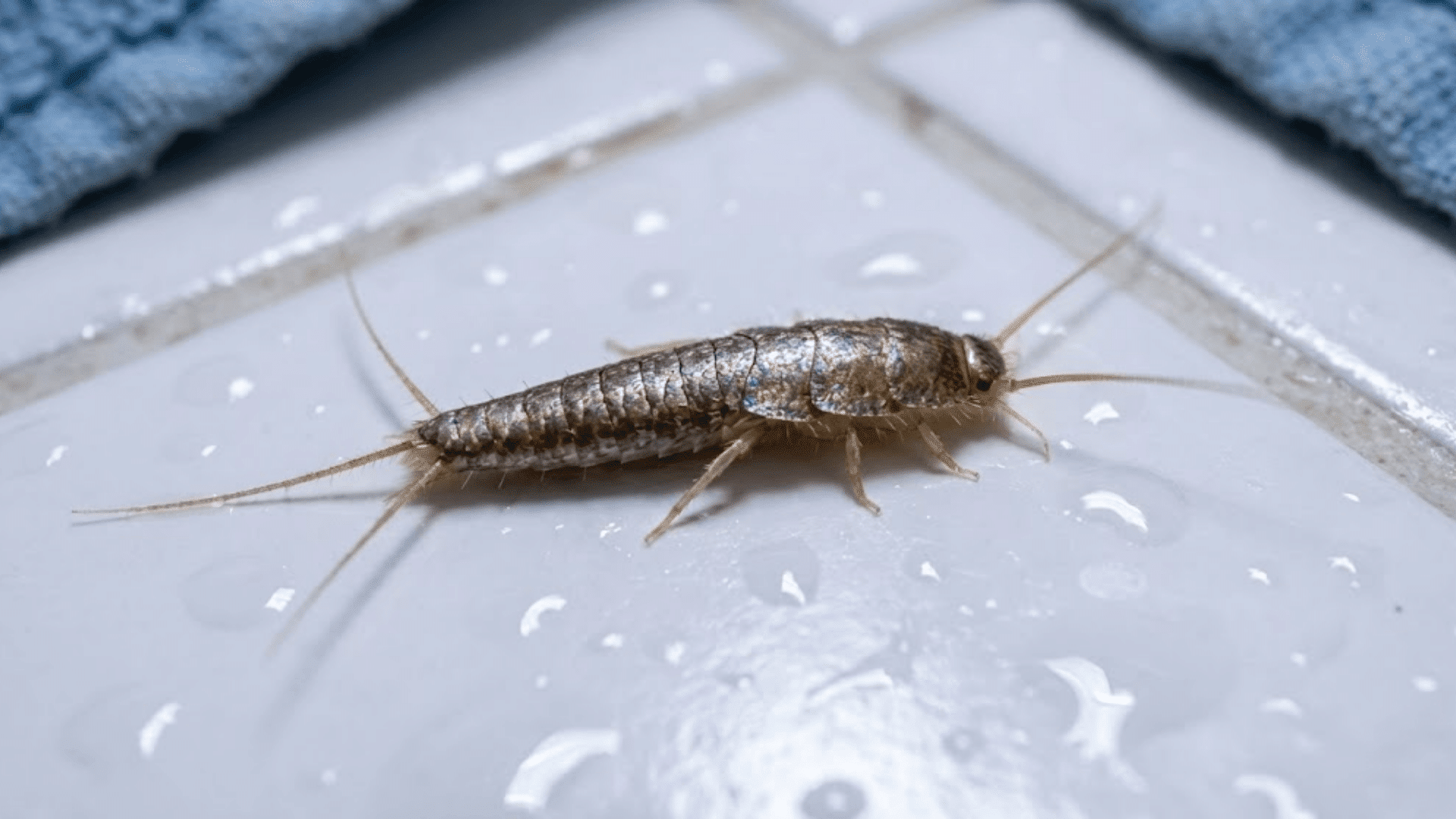
Size: 12-19mm long (much larger than bed bugs)
Where They’re Found: Bathrooms, basements, laundry rooms, anywhere damp
Their distinctive teardrop shape and silvery-brown scales make silverfish easier to identify once you know what you’re looking for. These moisture-loving bugs have three long tail bristles and move in a fish-like wiggle.
They munch on paper, glue, and fabrics rich in starches, completely ignoring humans. Bed bugs would never venture into damp basements the way silverfish do.
4. Booklice
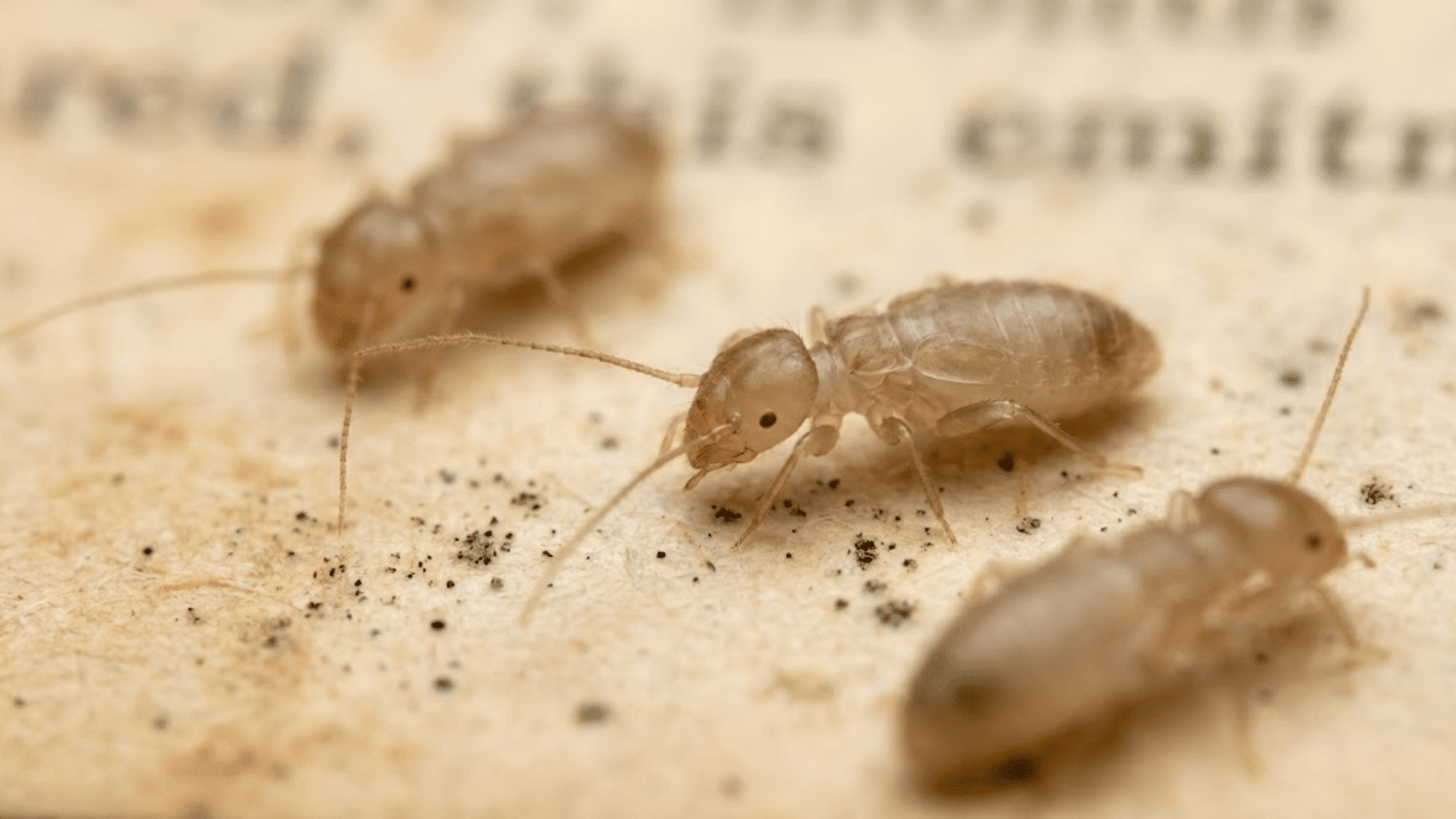
Size: 1-2mm (extremely tiny)
Where They’re Found: Humid areas, old books, stored papers, window sills, moldy spots
These nearly microscopic bugs are pale to light brown and thrive where humidity and mold exist. Booklice are softer-bodied and almost translucent compared to bed bugs’ more defined shape.
They feed exclusively on mold, mildew, and fungi, making them completely harmless to humans. If your tiny visitors are clustered around dampness rather than your bed, you’ve likely found booklice.
5. Cockroach Nymphs
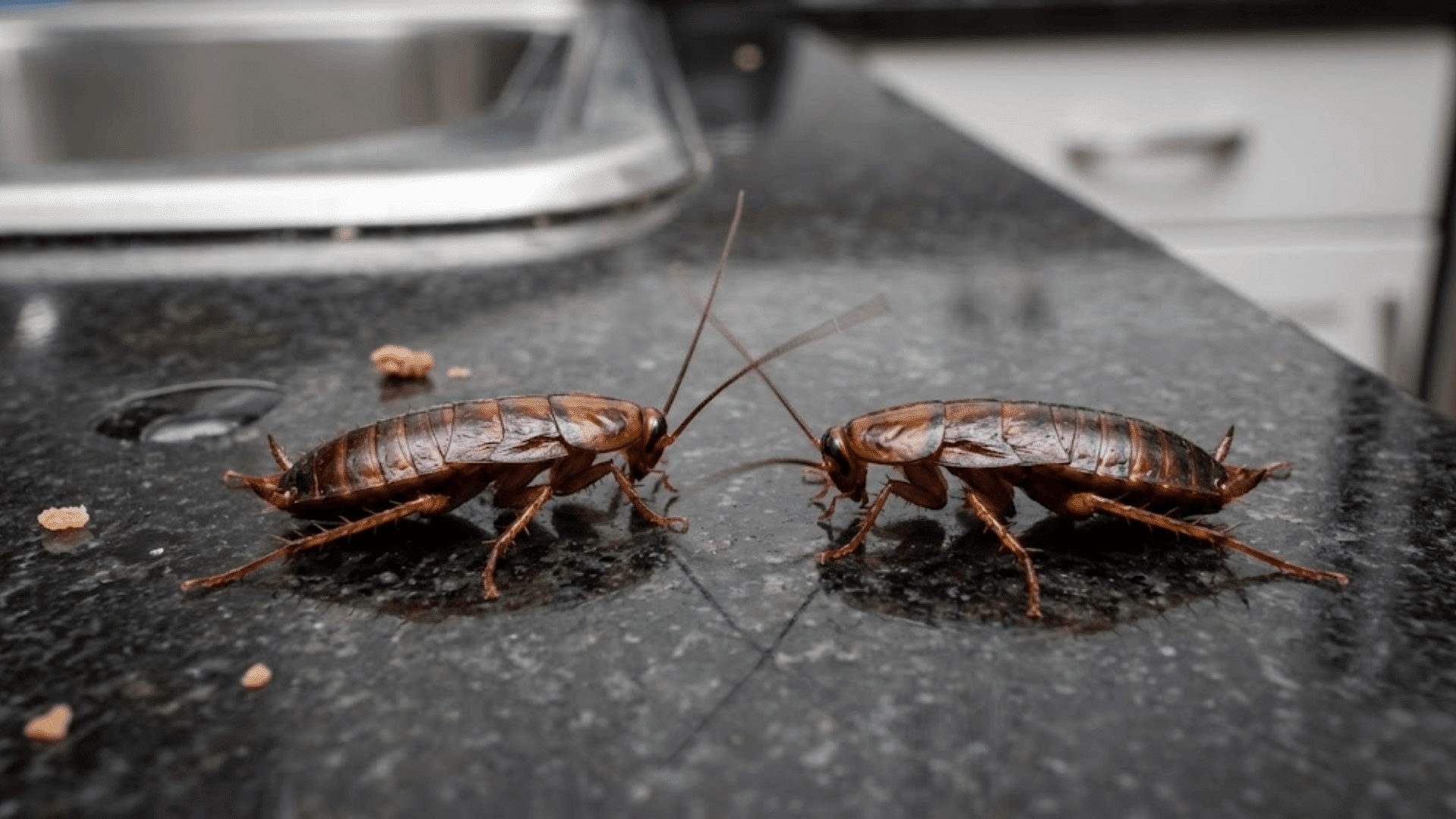
Size: 3-10mm, depending on growth stage
Where They’re Found: Kitchens, behind appliances, warm dark spaces, under sinks
Baby cockroaches are small, flat, and brown, which can cause confusion. However, they have longer, more segmented bodies and visible antennae, plus they scurry much faster than bed bugs.
Unlike parasitic bed bugs that need blood, cockroach nymphs prefer kitchens and bathrooms where food crumbs and moisture are plentiful.
6. Carpet Beetles
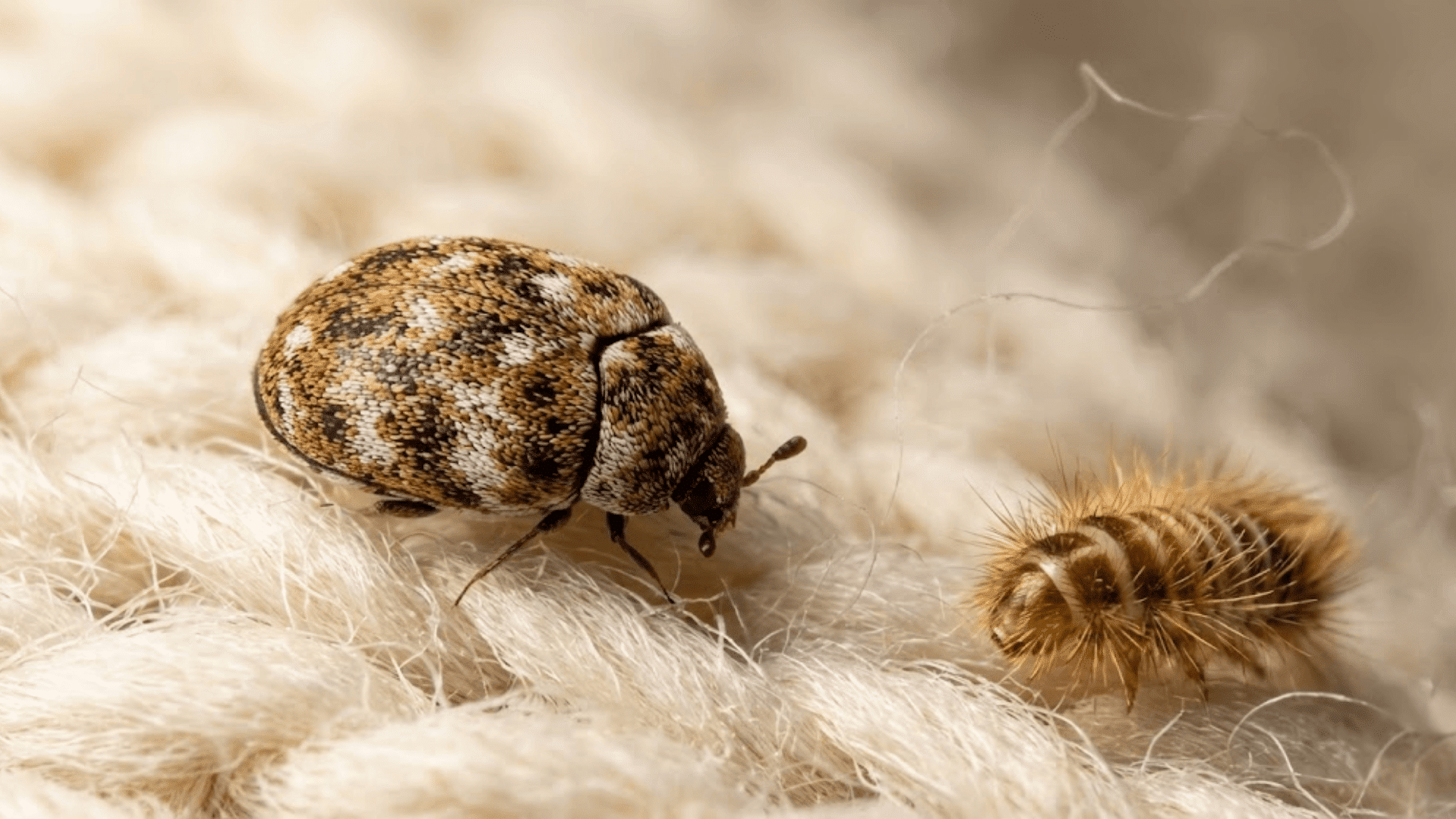
Size: 2-5mm long
Where They’re Found: Closets, carpets, upholstered furniture, wool clothing, pet hair accumulation
These oval beetles range from solid brown to beautifully patterned with scales in various colors. Carpet beetle larvae are the real troublemakers, feeding on natural fibers like wool and fur.
While they don’t bite, their tiny hairs can irritate sensitive skin. Bed bugs are parasites; carpet beetles are fabric destroyers with completely different habits and habitats.
7. Fleas & Ticks
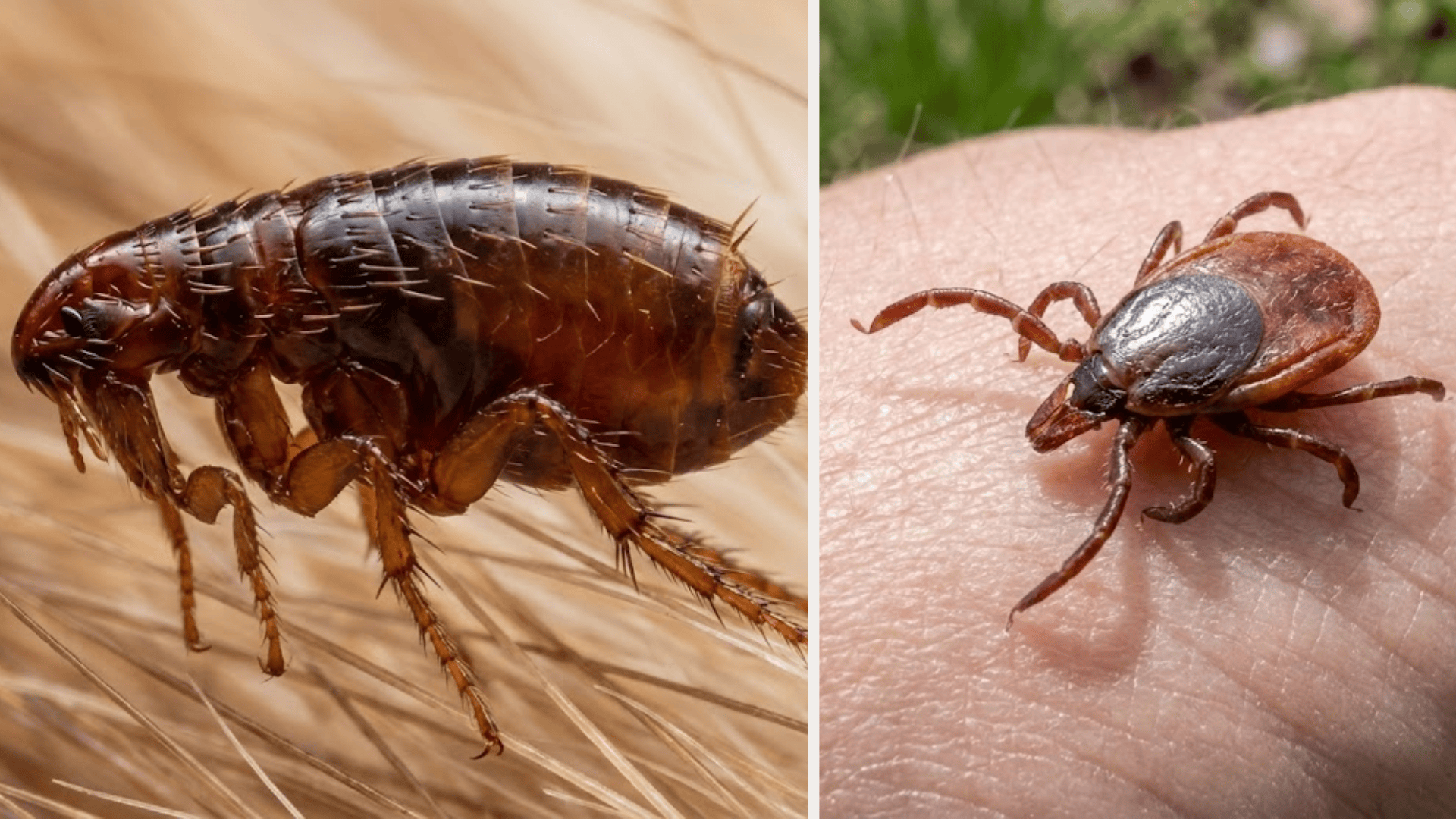
Size: Fleas 1-3mm, Ticks 3-5mm (unfed)
Where They’re Found: On pets, pet bedding, carpets (fleas); outdoor areas, on animals (ticks)
Both are reddish-brown parasites, but their behavior sets them apart immediately. Fleas are incredible jumpers and prefer animal hosts, while ticks attach and embed themselves in the skin outdoors.
Bed bugs don’t jump or fly and stick to human sleeping areas. If you have pets or spend time in wooded areas, these parasites are more likely culprits.
And if you’re also dealing with bites, learning to distinguish bed bugs from fleas can save you time and help you target the right treatment approach.
8. Bat & Swallow Bugs

Size: 4-5mm (nearly identical to bed bugs)
Where They’re Found: Attics, chimneys, areas near bat roosts or bird nests
These are the ultimate bed bug doppelgängers, and even experts need magnification to tell them apart. The key difference? They’re linked to wildlife hosts like bats or swallows.
If you have or recently had bats in your attic or birds nesting near your home, these bugs might migrate indoors. Without their preferred hosts, they’ll sometimes bite humans as a backup.
How to Accurately Identify What You Found?
Feeling unsure about that mystery bug? A few simple observations can help you identify exactly what’s sharing your space.
Here’s what to look for:
- Body Shape Matters: Bed bugs are flat and oval, while beetles are rounded or cylindrical, and silverfish have that distinctive teardrop taper.
- Count the Legs and Antennae: Six legs usually mean an insect; eight legs point to ticks or spiders; long, prominent antennae suggest beetles or roaches.
- Watch How They Move: Fleas jump, silverfish wiggle side-to-side, bed bugs crawl slowly, and cockroach nymphs sprint away quickly.
- Note Where You Found Them: Kitchen and pantry bugs are likely beetles; bathroom dwellers are probably silverfish or booklice; bedroom bugs need closer inspection.
- Grab Your Phone Camera: Zoom in and take a macro photo, then enlarge it to see details invisible to the naked eye.
Taking a moment to observe these details saves you from unnecessary panic and helps you address the actual situation at hand.
Signs It Might Really Be Bed Bugs
If you’ve ruled out the harmless lookalikes, it’s time to check for telltale bed bug signs.
Here’s what actually points to a bed bug problem:
| Sign | Where to Check | What It Looks Like |
|---|---|---|
| Bite patterns | Exposed skin (arms, shoulders, neck) | Small, red, itchy welts in lines or clusters |
| Fecal spots | Sheets, mattress seams, and nearby furniture | Tiny rusty or dark brown spots that bleed when wet |
| Live bugs | Mattress seams, box springs, and headboard cracks | Flat, oval, reddish-brown insects (4-5mm) |
| Shed skins | Around the bed frame, mattress edges | Pale, translucent exoskeletons from growth stages |
| Musty odor | Bedroom area (in heavy infestations) | Sweet, musty smell from bed bug scent glands |
Finding even one of these signs means it’s time to contact a pest control professional for proper inspection and treatment.
Bugs that Look Like Bed Bugs: What to Do Next?
Spotting unexpected visitors in your home is unsettling, but your next steps depend entirely on what you’re dealing with.
Here’s how to handle both scenarios effectively.
If It’s Not Bed Bugs
Most household bugs disappear with some targeted cleaning and habitat adjustments:
- Tackle Pantry Pests: Discard infested food, vacuum cupboards thoroughly, and store all grains, flour, and spices in airtight containers.
- Control Moisture Levels: Run dehumidifiers to keep humidity below 50%, fix leaky pipes, and improve ventilation in damp areas like bathrooms and basements.
- Clean Fabrics and Carpets: Vacuum regularly, wash woolens in hot water, and store seasonal clothing in sealed plastic bins instead of cardboard boxes.
If You Suspect Bed Bugs
Bed bugs need professional intervention, but you can take immediate steps:
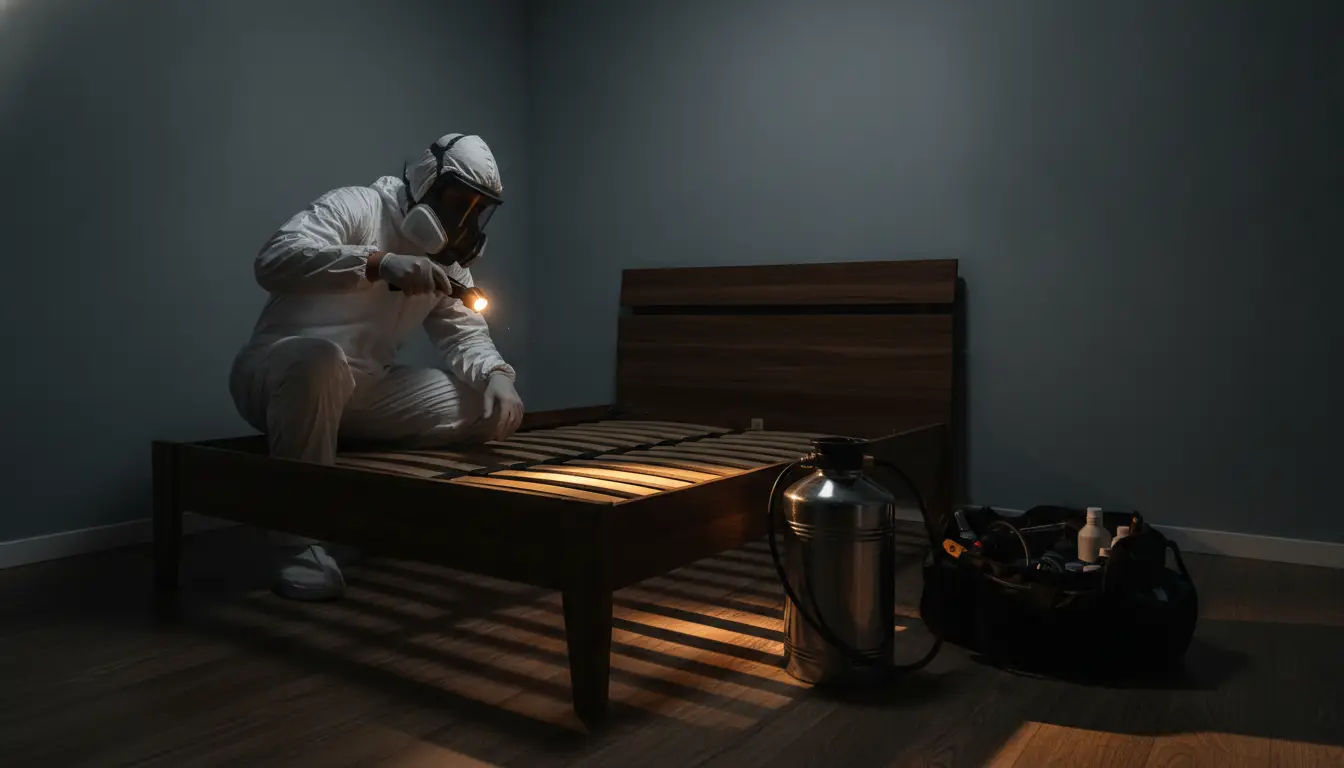
- Confirm Before Treating: Inspect mattress seams, box springs, and bed frames with a flashlight, take clear photos, and contact a licensed pest control professional for identification.
- Launder Everything in Hot Water: Wash all bedding, curtains, and clothing at 120°F or higher, then dry on high heat for at least 30 minutes.
- Isolate and Declutter Your Sleeping Area: Pull the bed away from walls, remove items from underneath, use bed bug interceptors under legs, and vacuum thoroughly before professional treatment.
Prevention Tips for All Household Bugs
Keeping tiny intruders out is easier than dealing with them later. A few simple habits create an environment where bugs simply don’t want to stick around:
- Declutter Regularly: Less stuff means fewer hiding spots for bugs to nest, breed, and go unnoticed in forgotten corners.
- Keep Humidity in Check: Use dehumidifiers and fix leaks promptly since moisture attracts silverfish, booklice, and other dampness-loving pests.
- Seal Entry Points: Caulk cracks around baseboards, windows, and doors to block the tiny gaps bugs use as highways into your home.
- Vacuum Consistently: Weekly vacuuming removes crumbs, shed skin, pet hair, and eggs before they become full-blown infestations.
- Inspect Your Pantry Monthly: Check expiration dates, look for holes in packaging, and transfer dry goods into sealed containers before pests move in.
These small routines create a cleaner, less welcoming space for unwanted guests while giving you peace of mind about what’s happening in your home.
Final Thoughts
Not every tiny brown household bug is cause for alarm, and now you have the knowledge to tell the difference.
Most bugs that look like bed bugs are simply harmless visitors passing through your space, looking for crumbs or moisture rather than causing real trouble.
With these identification tips and prevention habits in your back pocket, you can handle these moments with confidence instead of panic.
Have you dealt with mysterious little critters in your home? Drop a comment below sharing which bug turned out to be your surprise guest, or any tips that worked for you.





3 Responses
I think we’ve got bird bugs we have birds in our loft
I was told I have a powder post beetles and moth, and carpet beetles.
I was told I have powder post beetles with a moth and carpet beetles. The outbreak happened all at once. Now my land is infested and my trailer is being eaten up by these insects. What shall I do