I’ve spent years walking through gardens where one small detail can change how a plant grows, and figs were one of the first trees that caught my interest.
Learning the different types of figs helped me understand why some trees thrived while others struggled.
Once I saw how each variety behaved in heat, soil, and light, the whole picture clicked. Now you get the same clarity for your own garden.
You’ll see how each fig responds to care, what kind of fruit you can expect, and how to choose the right tree for your space. As you read, you’ll start seeing which fig fits your goals, and that will keep you examining.
Understanding Fig Diversity
When I started working with different fig varieties, I noticed how much their flavor, color, and growing style shaped the results in my garden.
Some figs gave me dense, sweet flesh, while others stayed mild and lighter. Understanding the nutritional benefits and sugar content of figs helped me appreciate what they offered beyond just taste.
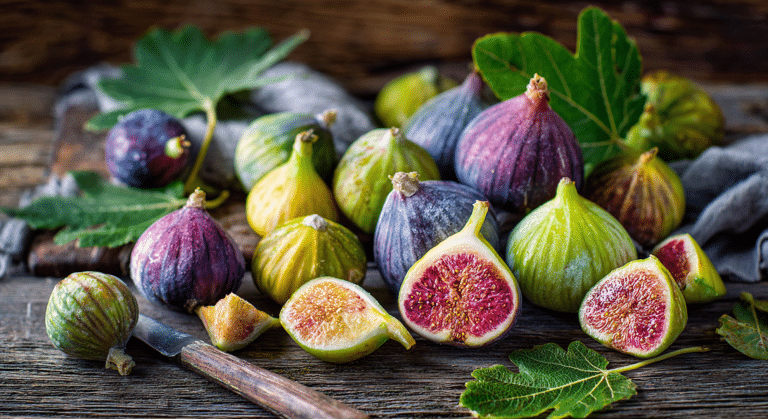
Their skins shifted across greens, yellows, browns, and deep purples, and I learned that those shades often hinted at how well the fruit handled heat and ripening.
Growth habits stood out, too. Certain trees stayed compact, while others pushed out wide and needed more space and sun.
As you work with your own figs, you’ll spot these patterns quickly. You’ll be able to choose varieties that fit your climate, your space, and the kind of harvest you want.
How Fig Trees Spread Across the Globe
Figs started in the Mediterranean, where people first began growing them thousands of years ago. Warm weather and dry summers made the region perfect for fig trees.
As trade routes grew, people carried fig cuttings with them: by sea, on foot, and by caravan, spreading figs across Asia, Europe, and eventually to the Americas.
Different climates shaped how figs grew.
Some kinds, like Brown Turkey, Kadota, and Mission, became favorites because they grew well in many places, tasted good, and were easy to grow.
Farmers liked that these trees gave lots of fruit with little work. These types ended up in markets and stores around the world, making them common choices for homes and farms.
Figs became a global fruit through people, trade, and farming.
That same careful attention shows up when you grow ornamental varieties like fiddle leaf figs; getting propagation right and understanding their light needs matters just as much as it did for those early farmers.
Types of Fig Trees and How They Produce Fruit

Fig trees come in a few main types. Each one has its own way of making fruit. Some need help from nature, like fig wasps, while others grow fruit on their own.
Let’s look at the three main types of fig trees in simple terms:
Common (Persistent) Figs
These figs don’t need pollination to grow fruit. The tree can make sweet, ripe figs all by itself. That’s why many people grow this type at home.
Varieties like Brown Turkey and Mission are in this group. They’re easy to care for and don’t need fig wasps to produce good fruit.
Smyrna Figs
Smyrna figs need help from fig wasps to grow fruit. Without pollination, the figs will fall off before they ripen. This type is common in places like Turkey and includes Calimyrna figs.
Farmers often grow these in warm climates where fig wasps can survive and help pollinate the trees.
San Pedro Figs
San Pedro figs grow two crops. The first crop, called the breba crop, doesn’t need pollination and grows on old wood. The second crop, the main one, may need pollination by fig wasps.
This type is a mix of the other two and needs special care depending on the season.
How Fig Flavors and Pulp Colors Work

Figs come in many types, but most of them fall into three main flavor groups: berry, honey, and sugar.
Each flavor group also corresponds to the fig’s pulp color, texture, and sweetness.
This makes it easier to pick the right fig for eating fresh, drying, or cooking.
1. Berry-Flavored Figs
These have a rich, bold taste that’s a little like strawberries or raspberries. They’re often very sweet and juicy, with soft pulp.
- Pulp Color: Deep red or dark pink inside
- Texture: Soft and moist
- Sweetness: High
- Best Uses: Fresh eating, jams, desserts
- Common Varieties: Mission, Adriatic, Black Madeira
2. Honey-Flavored Figs
These taste mild and smooth, with a flavor like golden honey. They aren’t as bold as berry figs but still sweet and pleasant.
- Pulp Color: Amber to light pink
- Texture: Smooth and creamy
- Sweetness: Medium to high
- Best Uses: Fresh eating, salads, baking
- Common Varieties: Kadota, Peter’s Honey, LSU Gold
3. Sugar-Flavored Figs
These figs have a clean, light sweetness that tastes more like table sugar than fruit. The flavor is simple and not strong.
- Pulp Color: Light tan to pale pink
- Texture: Dense and less juicy
- Sweetness: Mild to medium
- Best Uses: Drying, snacking, baking
- Common Varieties: Calimyrna, Conadria, Excel
Each fig variety has its own mix of flavor, color, and best use. The chart below makes it easier to understand how these parts go together:
| Flavor Type | Pulp Color | Best Uses | Common Varieties |
|---|---|---|---|
| Berry | Deep red/dark pink | Fresh, jam, desserts | Mission, Adriatic, Black Madeira |
| Honey | Amber / light pink | Fresh salads, baking | Kadota, Peter’s Honey, LSU Gold |
| Sugar | Pale pink / tan | Drying, snacking, baking | Calimyrna, Conadria, Excel |
Each fig has its own flavor personality. The pulp color often gives a clue about what it will taste like.
Now you can match the fig’s flavor to what you plan to do with it, no matter if that’s baking, drying, or just eating it fresh off the tree.
The Different Types of Figs
There are many types of figs, but some are easier to find than others.
They come in different flavors, colors, and growing needs. Below are the most common varieties you’ll see fresh or dried, and a few special ones that growers love to share and collect.
Popular Market Varieties You’ll See Fresh or Dried
These figs are widely sold in stores or dried in snack packs. They’re easy to grow, taste great, and show up often at farmers’ markets.
1. Adriatic

This fig is sweet and rich with a strong berry flavor and striking red pulp.
- Flavor Family: Berry
- Color: Light green skin, bright red pulp
- Sweetness: High
- Best Uses: Fresh eating, jam
- Growing Notes: Likes dry summers; can split in wet weather
2. Black Mission
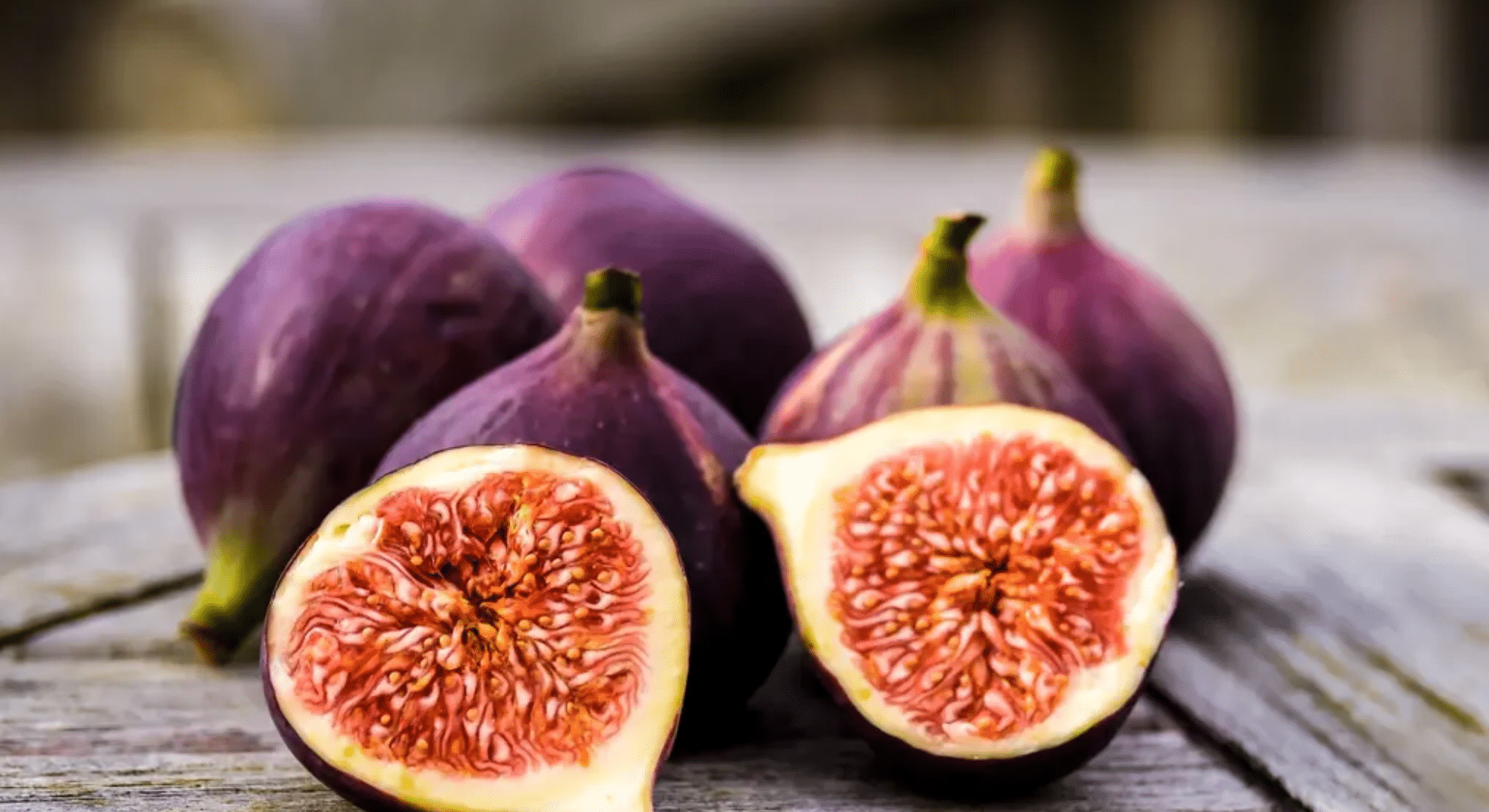
A dark fig with deep flavor. Juicy and jam-like, it’s one of the most popular types of figs.
- Flavor Family: Berry
- Color: Deep purple to black skin, dark pink pulp
- Sweetness: High and jammy
- Best Uses: Fresh eating, drying, jam, and desserts
- Growing Notes: Great for beginners; grows well in containers or in-ground
3. Brown Turkey
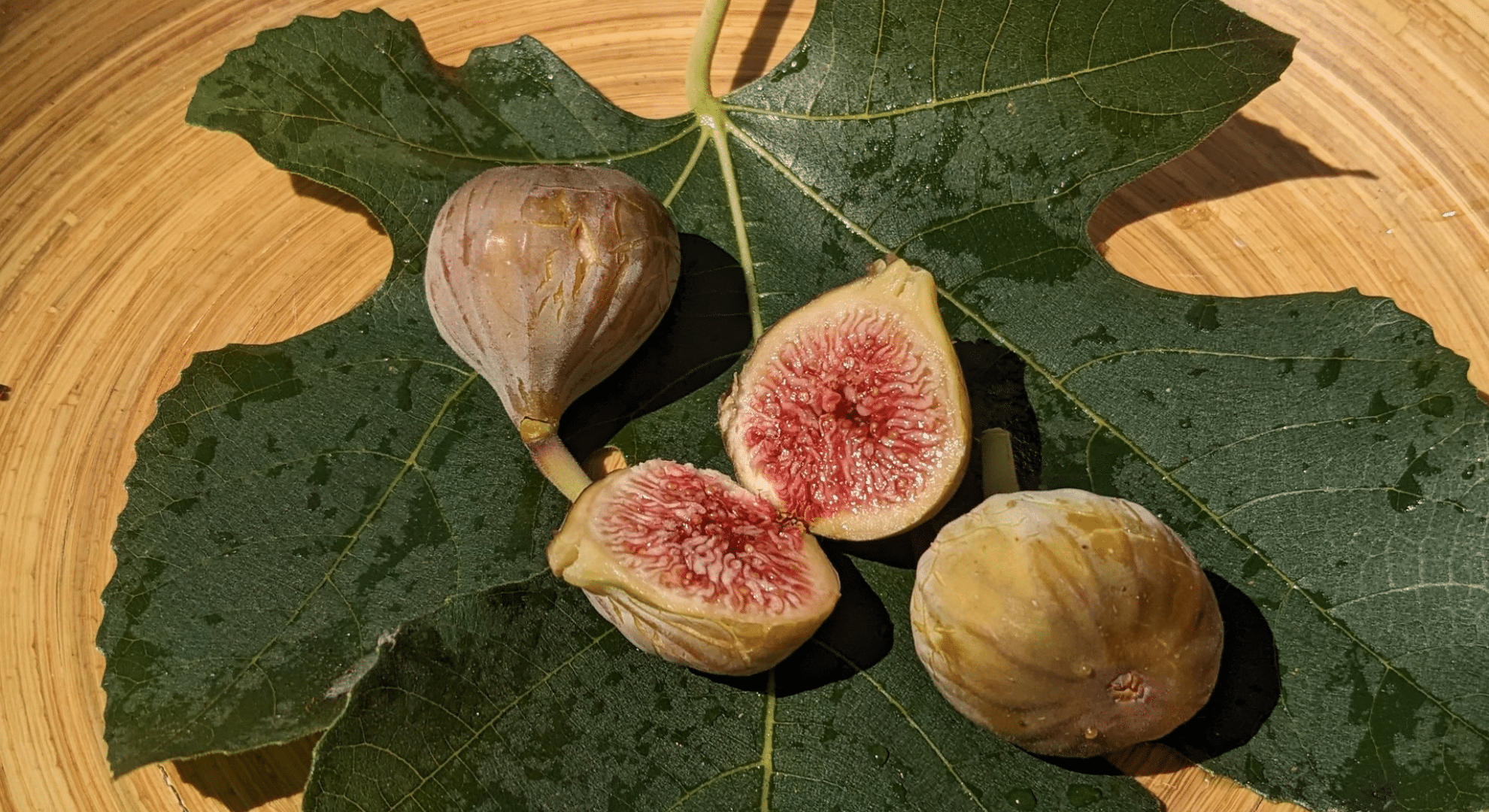
A mild fig with light sweetness. It’s easy to find and simple to grow.
- Flavor Family: Sugar
- Color: Brown to purple skin, pinkish pulp
- Sweetness: Mild to medium
- Best Uses: Fresh eating, baking
- Growing Notes: Very low-maintenance and grows in many climates
4. Kadota

Known for its pale skin and smooth honey-like flavor.
- Flavor Family: Honey/Sugar
- Color: Pale green to yellow skin, amber pulp
- Sweetness: Medium
- Best Uses: Fresh eating, preserves, drying
- Growing Notes: Needs full sun; does well in pots or ground
5. Calimyrna
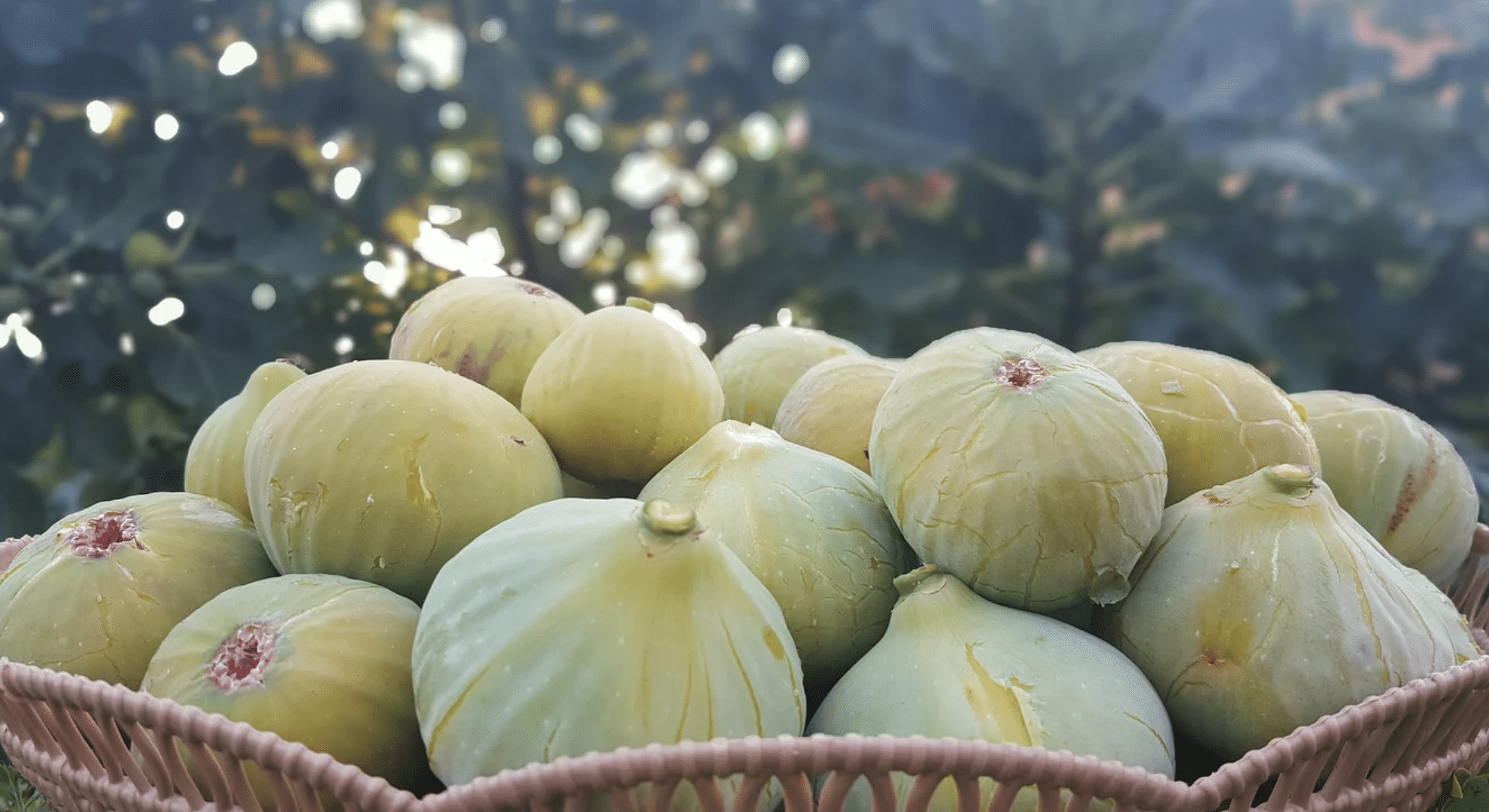
A classic dried fig with a nutty twist.
- Flavor Family: Sugar with a nutty flavor
- Color: Greenish-yellow skin, golden pulp
- Sweetness: High
- Best Uses: Drying, snacking
- Growing Notes: Needs fig wasps; thrives in dry, hot areas
6. Celeste
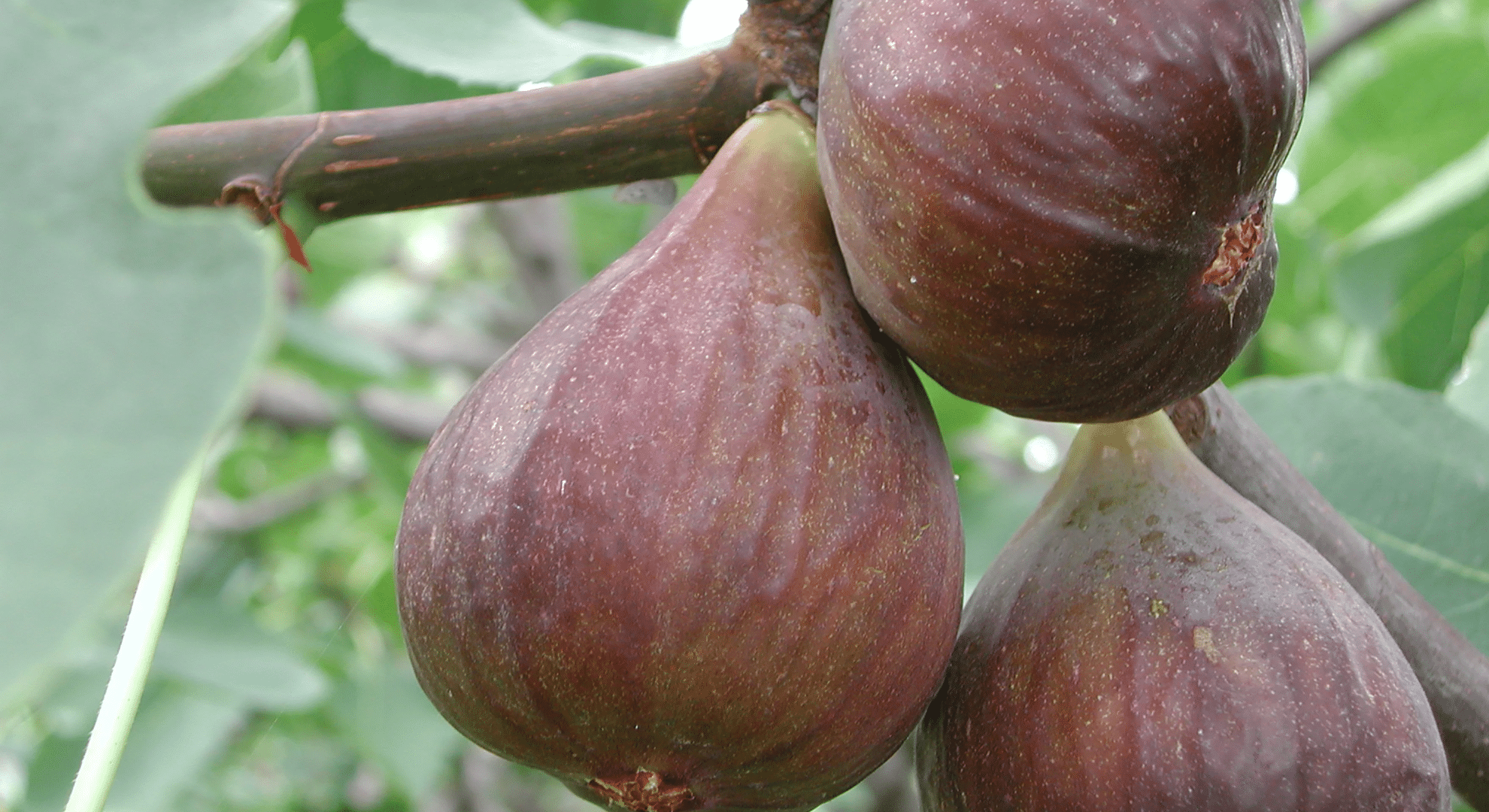
This small fig packs big sweetness.
- Flavor Family: Sugar
- Color: Light brown to purple skin, pink pulp
- Sweetness: Very high
- Best Uses: Fresh eating, drying
- Growing Notes: Great in hot, humid areas; resists splitting
7. Chicago Hardy
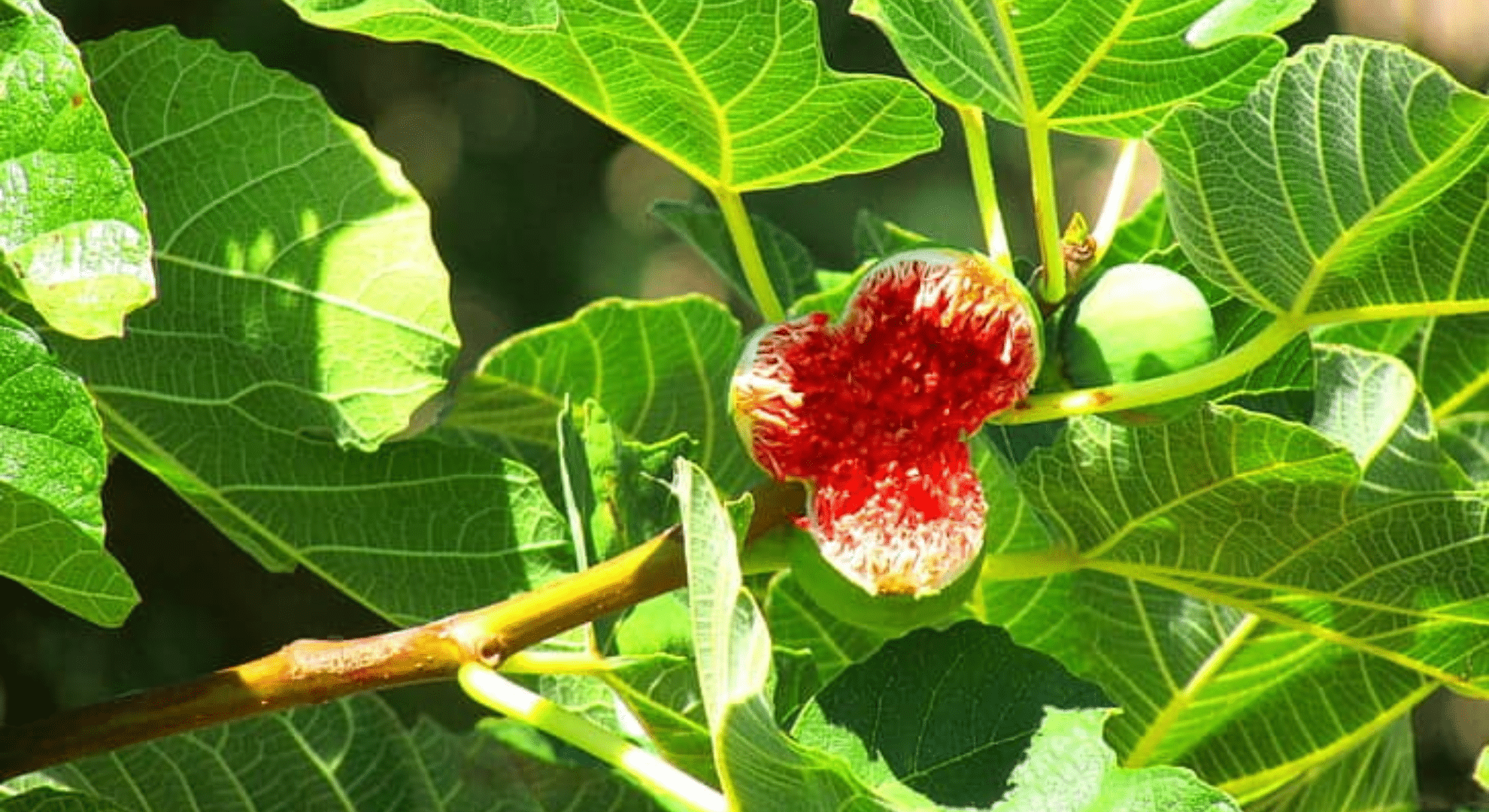
Tough and tasty. This fig handles cold better than most.
- Flavor Family: Berry
- Color: Dark purple skin, pink pulp
- Sweetness: Medium to high
- Best Uses: Fresh, jam
- Growing Notes: Can grow back from roots after freezing winters
8. LSU Varieties (e.g., LSU Gold, LSU Purple)

Made for humid places, these figs were developed by Louisiana State University.
- Flavor Family: Honey or Sugar
- Color: Varies (gold, purple, green)
- Sweetness: Medium to high
- Best Uses: Fresh eating, jam
- Growing Notes: Great for hot, sticky climates; suitable for disease resistance
Specialty and Rare Fig Varieties
These figs aren’t common in stores but are prized by home growers. They may have unique flavors, striking looks, or grow better in tricky conditions:
9. Tiger Stripe (Panachée)

This fig looks wild and tastes like honey with a splash of berry.
- Flavor Family: Honey
- Color: Yellow with green stripes outside, strawberry-red inside
- Sweetness: Medium
- Best Uses: Fresh eating
- Growing Notes: Needs full sun; may split in rainy weather
10. Bourjassotte Grise

Bold in flavor and color, this one’s a favorite among collectors.
- Flavor Family: Berry
- Color: Gray-purple skin, dark red pulp
- Sweetness: High
- Best Uses: Fresh eating, jam
- Growing Notes: Needs a warm, dry climate to do best
11. White Madeira #1

A rich-flavored fig with a striking contrast between skin and pulp.
- Flavor Family: Berry
- Color: Light green skin, deep red pulp
- Sweetness: Very high
- Best Uses: Fresh eating
- Growing Notes: Grows well in pots or in-ground; needs warmth
Some grow better in warm, dry areas. Others survive the cold. And a few are just perfect for eating fresh off the tree.
Fig Trees for Different Climates and Growing Conditions
Not all fig trees grow the same. Some love heat and dry air. Others can survive cold winters or handle wet, humid summers. Picking the right fig tree for your area makes growing easier and gives you better fruit.
| Growing Condition | Best Fig Varieties | Why They Work Well |
|---|---|---|
| Hot and Dry | Calimyrna, Kadota, Black Mission | Love full sun, dry air, and long summers |
| Humid and Wet | LSU Gold, LSU Purple, Celeste | Bred to resist splitting and mold in damp weather |
| Cold Winters (Freezing) | Chicago Hardy, Celeste, Florea | Can survive below freezing; some regrow from roots |
| Short Growing Season | Celeste, Brown Turkey, Chicago Hardy | Ripen quickly; don’t need a long summer |
| Container Growing | Black Mission, White Madeira #1, LSU Purple | Stay small, grow well in pots with care |
| Large Yard or Orchard | Adriatic, Calimyrna, Kadota | Need space to grow wide and tall |
No matter where you live, there’s likely a fig tree that fits your climate. Choose one that matches your weather and space, and you’ll have an easier time growing sweet, healthy figs.
Types of Figs in the Kitchen
Figs aren’t just one-size-fits-all in the kitchen. Their flavor and texture can help you decide how to use them, no matter if you’re snacking fresh, drying them for later, or pairing them with cheese and baked dishes.
Best Figs for Eating Fresh
If you want to eat figs right off the tree or from the market, choose ones that are juicy, soft, and full of flavor.
Berry-flavored figs like Black Mission, Adriatic, and White Madeira #1 are rich and jammy, great for snacking. Honey-flavored figs such as Kadota and LSU Gold are smooth and sweet without being overpowering.
These types are soft, moist, and perfect for enjoying as-is.
Best Figs for Drying or Long Storage
Drying works best with figs that have dense pulp and low moisture content. These types hold their shape and taste even after drying.
Calimyrna figs are the top choice; they dry nicely and keep a nutty, sweet flavor. Sugar figs like Excel or Conadria also hold up well and become sweeter after drying.
These are perfect for long-term storage or for turning into fig snacks and trail mixes.
Best Figs for Baking, Preserves, and Cheese Boards
For cooking or pairing with savory foods, you want figs that can caramelize or bring a strong contrast.
High-sweetness figs, like Celeste or Black Mission, are great for baking; they melt into sweet, sticky layers. Bold-flavored figs with deep color and tangy notes, like Bourjassotte Grise or Panachée, pair well with cheese or cured meats.
These figs bring out the best in both sweet and salty dishes, making them kitchen favorites.
When Different Types of Figs Are in Season
Figs can grow two crops a year: the breba crop, which grows on old wood and ripens in late spring or early summer, and the main crop, which grows on new wood and ripens in late summer to early fall.
Not all fig trees grow both crops.
In North America, most main fig crops ripen from July to September. In Mediterranean climates, the season may start earlier and last longer.
Warm climates often get longer seasons and larger harvests. Cooler areas may only get a small main crop. Some varieties, like Celeste, ripen early.
Others, like Black Madeira, need more time and warmth, so they ripen late in the season. Climate and variety both affect fig timing.
How to Choose the Right Fig When You’re Buying
Picking a good fig means more than just grabbing the first one you see. Look for signs of ripeness, freshness, and flavor to get the best taste and texture.
- Check the skin: It should be smooth, slightly soft, and free of cracks or mold.
- Give it a gentle squeeze: A ripe fig feels tender but not mushy.
- Look at the stem: It should be firm, not dried out or shriveled.
- Smell it: Ripe figs smell sweet. A sour smell means it’s overripe or spoiled.
- Notice the color: Each variety has its own color, but all should look rich and full, not dull or faded.
- Buy in season: Figs taste best when in season, usually summer through early fall.
Buying ripe, in-season figs makes a big difference in taste. Choose carefully, and you’ll enjoy them fresh, sweet, and full of flavor.
Conclusion
I never realized how much the type of fig could change the way I grow, eat, or even shop for them. After getting to know the different types of figs, I see how much flavor, texture, and growing style matter.
It’s not just about picking a fig, it’s about picking the right one for what I need.
Now it’s your move. Think about which fig fits your space, your taste, or your next recipe. No matter if you’re planting a tree or grabbing a few at the market, use what you’ve learned to make a better choice.
And here’s a little reminder, figs don’t need to be fancy to be great. If this sparked your interest, check out other blogs on the website for more real gardening tips!