

Dallas and Fort Worth may be part of the same North Texas metropolitan area, but the experience of living in each city can feel quite different, especially when it comes to spending time outdoors. Both cities offer an impressive variety of parks, recreational trails, lakes and natural areas, yet their outdoor environments reflect different approaches to urban living. Dallas combines its energetic metropolitan atmosphere with green spaces that provide opportunities for recreation and relaxation, while Fort Worth offers a blend of riverfront trails, established parks and natural landscapes that complement its generally more laid-back character.
For many residents, access to outdoor spaces plays an important role in determining how they spend their free time and interact with their surroundings. Having a nearby park for evening walks, a scenic trail for weekend cycling or a peaceful garden for occasional relaxation can make a noticeable difference in everyday life. These amenities also contribute to the character of residential neighborhoods, influencing everything from family activities to social connections and recreational habits.
Although Dallas and Fort Worth share many similarities, understanding how their parks and outdoor attractions shape local lifestyles can provide a clearer picture of what makes each city appealing.
How Green Spaces Influence Everyday Life in Dallas and Fort Worth
Green spaces contribute to the quality of urban life in ways that extend well beyond attractive scenery. Public parks, walking trails and recreational areas provide residents with accessible places to exercise, spend time with family and enjoy a change of environment without having to travel far from home. In communities where these amenities are conveniently located, spending time outdoors can become a regular part of daily life rather than an activity reserved for occasional weekends.
For example, someone living near a neighborhood park may find it convenient to take a walk after work, bring their children to a playground or meet friends for an afternoon outdoors. Residents with easy access to cycling trails may also be more inclined to incorporate physical activity into their routines, particularly when recreational routes connect residential areas with other destinations.
These considerations become especially relevant when choosing where to live, since the availability and accessibility of outdoor amenities can influence how comfortable and enjoyable a neighborhood feels. For people considering a move to North Texas, comparing Dallas and Fort Worth often involves looking beyond housing options and commuting distances to understand how each city’s parks, recreational opportunities and surrounding environment fit into everyday life.
While both cities provide numerous opportunities for outdoor recreation, their green spaces contribute to somewhat different experiences. Dallas frequently integrates parks into its busy urban landscape, allowing residents to enjoy outdoor activities alongside dining, shopping and entertainment, whereas Fort Worth offers a combination of neighborhood parks, scenic riverfront routes and larger natural areas that encourage a more relaxed approach to recreation.
Dallas Parks Bring Nature Into the Urban Environment
Dallas is widely recognized for its commercial districts, cultural attractions and active downtown environment, but its network of parks and recreational spaces provides important opportunities to step away from the surrounding urban activity. Throughout the city, residents can find green spaces that accommodate everything from casual afternoon walks to organized community gatherings and more demanding outdoor exercise.
One of the city’s most recognizable examples is Klyde Warren Park, a public green space constructed above a section of the Woodall Rodgers Freeway. Situated between downtown Dallas and Uptown, the park provides a gathering place where residents can enjoy landscaped lawns, walking paths, outdoor activities and community programming while remaining close to restaurants, offices and cultural attractions.
The park illustrates how green spaces can become integrated into urban routines, particularly for people who work or live in nearby neighborhoods. Rather than requiring an entire afternoon dedicated to outdoor recreation, visitors can stop by during a lunch break, meet friends after work or spend part of a weekend enjoying the atmosphere before exploring other attractions.
White Rock Lake offers another side of Dallas’s outdoor lifestyle, providing a scenic waterfront environment that attracts runners, cyclists, paddlers and residents looking for a quieter recreational setting. The lake’s surrounding trail system accommodates longer walks and bicycle rides, while its open views and natural surroundings create opportunities to relax without leaving the city.
Nearby, the Dallas Arboretum and Botanical Garden offers beautifully maintained landscapes, themed gardens and seasonal displays that appeal to visitors who prefer a more leisurely outdoor experience. Together, these destinations demonstrate how Dallas accommodates different recreational preferences, giving residents the flexibility to enjoy lively public parks, waterfront activities or peaceful garden settings depending on their interests.
Fort Worth Offers a More Relaxed Approach to Outdoor Living
Fort Worth provides its own distinctive collection of parks and outdoor attractions, many of which reflect the city’s combination of urban development, established neighborhoods and access to natural landscapes. Although the city has busy entertainment districts and commercial areas, its recreational spaces often emphasize scenic surroundings, community activities and opportunities to enjoy outdoor experiences at a comfortable pace.
The Fort Worth Botanic Garden is one of the city’s best-known outdoor destinations, offering landscaped gardens, walking paths and themed collections that allow visitors to explore a variety of plants and natural settings. Its peaceful atmosphere makes it particularly appealing for residents who enjoy spending time outdoors without participating in strenuous recreational activities.
Trinity Park provides a different experience by combining open green spaces, recreational paths, playgrounds and picnic areas within a setting close to the Trinity River. Families frequently use the park for weekend outings, while individuals and groups can enjoy walking, cycling or simply relaxing in the shade during suitable weather.
Another defining feature of Fort Worth’s outdoor environment is the Trinity Trails network, which connects recreational routes along the Trinity River and its tributaries. The trails support activities such as walking, jogging and cycling, while also providing access to parks and other outdoor destinations throughout several parts of the city.
For residents who appreciate having accessible recreational routes, this network can make outdoor activities more convenient and enjoyable. Whether someone prefers an early morning run, a leisurely weekend bicycle ride or an evening walk along the river, Fort Worth offers opportunities to incorporate outdoor recreation into a regular schedule without requiring extensive travel or complicated planning.
Walking, Cycling and Staying Active in Both Cities
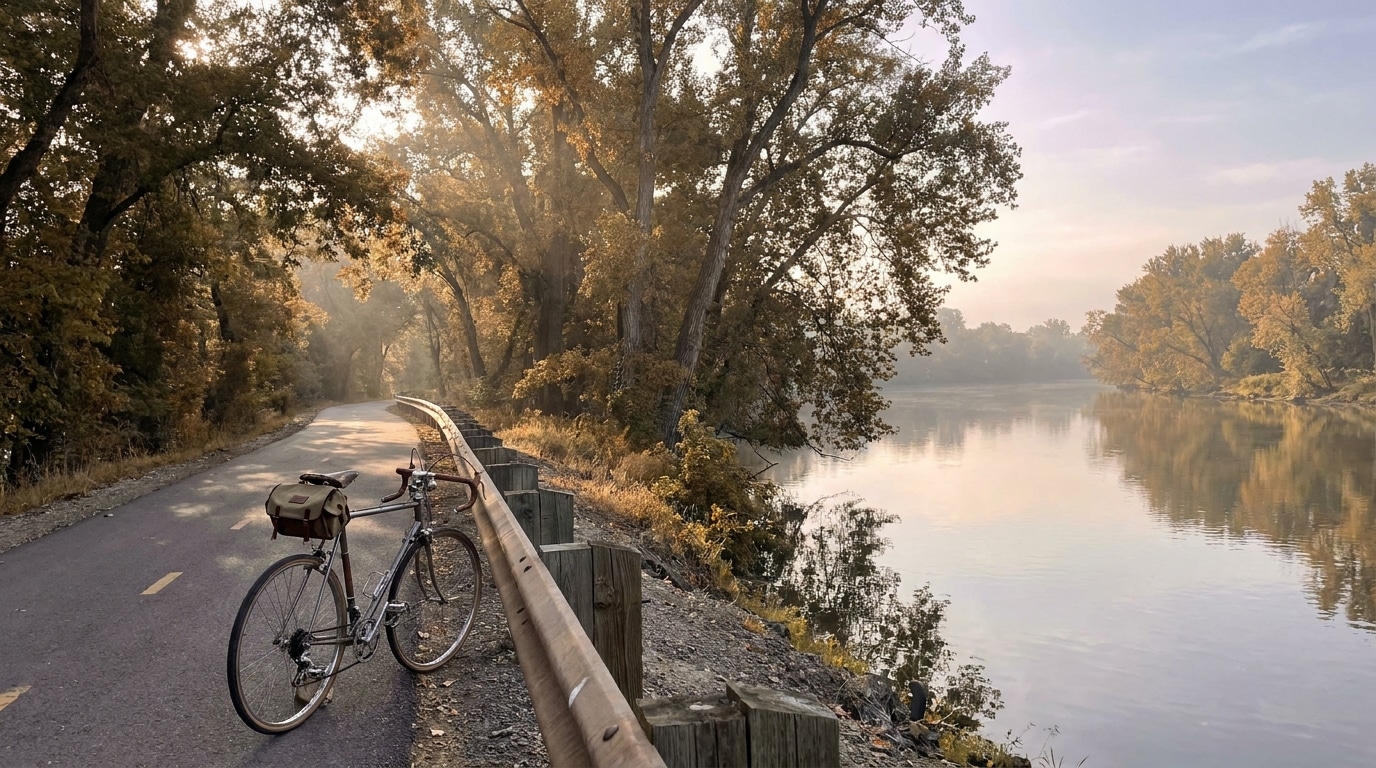
Walking and cycling are popular outdoor activities throughout North Texas, and both Dallas and Fort Worth provide recreational infrastructure that supports residents with different fitness levels and interests. However, the atmosphere surrounding these activities can vary depending on whether someone prefers urban trail connections, waterfront scenery or routes that follow natural landscapes.
In Dallas, the Katy Trail is among the most recognizable recreational routes, following a former railroad corridor through established urban neighborhoods. Its landscaped surroundings and connections to nearby residential and commercial areas make it particularly appealing to residents who want convenient opportunities for walking, running or cycling without traveling far from the city’s central districts.
White Rock Lake provides another popular destination for outdoor exercise, particularly for individuals who enjoy longer recreational routes surrounded by open views and waterfront scenery. The trails around the lake attract people training for running events, cyclists looking for extended rides and walkers who appreciate spending time near the water.
Fort Worth’s Trinity Trails offer a somewhat different recreational environment, with connected pathways that follow sections of the river and pass through parks and surrounding green spaces. These routes allow residents to enjoy outdoor exercise while experiencing parts of the city’s natural landscape, and their extensive connections provide flexibility for both shorter outings and longer recreational activities.
When evaluating these opportunities, however, convenience is often more important than the reputation of a particular trail. Someone who lives within a short walk of a recreational path may use it regularly, while a resident who must drive a considerable distance to reach a scenic destination may visit much less frequently.
The surrounding neighborhood also matters, particularly when considering sidewalk access, pedestrian crossings, trail connections and the availability of shade during warmer months. Choosing a location that supports your preferred activities can make maintaining an active lifestyle considerably easier over time.
Family-Friendly Parks Make Outdoor Recreation More Accessible
For families with children, public parks provide opportunities to spend time together, encourage physical activity and enjoy recreational experiences without needing to organize expensive outings. Playgrounds, picnic areas, open lawns and walking paths create environments where families can relax while children have room to explore and participate in outdoor activities.
Dallas offers several destinations that accommodate these interests, including Klyde Warren Park, where families can enjoy playground facilities, landscaped areas and various community activities. Its central location also makes it possible to combine outdoor recreation with visits to nearby museums, restaurants and other attractions, creating opportunities for a varied family outing.
Fort Worth’s Trinity Park offers a different type of family-friendly environment, with open spaces, shaded areas and recreational facilities that make it suitable for picnics, informal gatherings and outdoor play. Families can spend an afternoon enjoying the park’s surroundings while taking advantage of nearby paths for walking or cycling.
Beyond the larger destinations, neighborhood parks play an equally important role in family life because they provide convenient locations for regular activities. A smaller park within walking distance may become the preferred destination for after-school playtime, weekend gatherings or evening walks, particularly when it offers well-maintained facilities and comfortable places for parents to supervise their children.
Public green spaces can also help create stronger neighborhood connections by bringing residents together in shared environments. When families regularly visit the same parks, children have opportunities to interact with others, while parents and neighbors may develop friendships through casual conversations and recurring community activities.
Lakes, Nature Trails and Weekend Escapes
Although neighborhood parks provide convenient opportunities for everyday recreation, many residents also appreciate having access to larger natural areas where they can spend several hours exploring the outdoors. Dallas and Fort Worth both offer destinations that provide a welcome change from residential streets, commercial districts and everyday routines.
In Dallas, White Rock Lake remains one of the most popular locations for residents who enjoy waterfront activities and scenic surroundings. Visitors can spend time walking or cycling along the lake, enjoying a picnic in a designated area or participating in recreational paddling activities while taking in views of the surrounding landscape.
For people who prefer hiking through wooded terrain, Cedar Ridge Preserve in southwest Dallas provides trails that wind through natural habitats and include noticeable changes in elevation. The preserve offers opportunities to observe native vegetation, explore less-developed landscapes and experience a type of outdoor environment that differs from the city’s landscaped urban parks.
Fort Worth residents have access to the Fort Worth Nature Center & Refuge, a substantial protected natural area featuring diverse habitats, hiking trails and wildlife observation opportunities. The refuge provides visitors with an environment where they can experience the region’s natural landscapes, learn about local ecosystems and spend time away from more heavily developed surroundings.
Lake Worth also contributes to the city’s recreational opportunities by providing access to waterfront scenery and activities such as boating and fishing where permitted. Its proximity to other outdoor destinations makes it an appealing option for residents who enjoy spending their weekends near the water.
These locations demonstrate that enjoying nature in North Texas does not necessarily require traveling to a distant state park or planning an overnight trip. Both cities offer outdoor destinations where residents can explore scenic landscapes, enjoy recreational activities and take a meaningful break from their usual surroundings.
How Outdoor Spaces Shape Neighborhood Life
The availability of green spaces can influence the character of a residential neighborhood, particularly when parks and recreational areas are integrated into the places people visit regularly. Convenient access to outdoor amenities can encourage walking, support informal social gatherings and provide shared spaces where neighbors interact outside their homes.
In Dallas, neighborhoods near destinations such as the Katy Trail and White Rock Lake may appeal to residents who want to combine access to recreational activities with urban conveniences. Living near these areas can make it easier to enjoy outdoor exercise before work, spend an afternoon near the lake or incorporate walking into activities that would otherwise require driving.
Fort Worth offers similar advantages in neighborhoods with convenient connections to Trinity Trails, community parks and nearby recreational facilities. Residents in these locations may appreciate having access to scenic walking routes and outdoor gathering spaces that complement the surrounding residential environment.
However, the presence of a nearby park does not automatically guarantee that it will be convenient or comfortable to use. Factors such as sidewalk conditions, traffic patterns, pedestrian crossings, parking availability and the quality of recreational facilities can all affect how frequently residents take advantage of these amenities.
North Texas weather is another practical consideration, particularly during the summer months when high temperatures can make outdoor activities uncomfortable during the hottest parts of the day. Parks with mature trees, shaded seating areas and accessible water facilities may provide a more comfortable environment, while exposed trails may be better suited to morning or evening exercise.
For people exploring potential neighborhoods, visiting local parks at different times of day can provide useful insight into how these spaces function within the community. Observing the surrounding environment, recreational facilities and connections to nearby streets can help determine whether a particular location supports the kind of outdoor lifestyle they want.
Dallas vs. Fort Worth: Which City Fits Your Outdoor Lifestyle?
Choosing between Dallas and Fort Worth ultimately depends on personal preferences, daily routines and the types of outdoor experiences that matter most to you. Although both cities provide substantial recreational opportunities, their parks and natural attractions offer different settings that may appeal to different lifestyles.
Dallas may be especially attractive to people who enjoy an active urban atmosphere and appreciate having recreational spaces close to restaurants, cultural attractions and entertainment destinations. Its combination of centrally located parks, established walking trails and waterfront recreation allows residents to balance outdoor activities with the conveniences of metropolitan living.
Fort Worth may appeal to those who enjoy scenic riverfront pathways, neighborhood parks and access to natural areas that provide opportunities for more leisurely outdoor recreation. The Trinity Trails network, established public parks and surrounding natural destinations give residents several ways to enjoy outdoor activities while experiencing the city’s distinctive atmosphere.
However, it’s important to recognize that neither city can be defined entirely by its most popular recreational destinations. Dallas contains quieter residential communities with convenient access to nature, while Fort Worth also has lively urban neighborhoods where recreational activities take place alongside commercial development and entertainment.
Rather than choosing a city based only on its overall reputation, consider how its individual neighborhoods support your interests. Someone who enjoys running several mornings a week might place greater importance on nearby trail connections, while a family with young children may prioritize accessible playgrounds, shaded picnic areas and safe walking routes.
Taking time to explore both cities can help you understand these differences more clearly, especially when you visit neighborhoods and recreational spaces during the hours when you would normally use them.
Finding Your Own Outdoor Rhythm in North Texas
Dallas and Fort Worth both offer appealing opportunities for outdoor living, although their recreational environments contribute to somewhat different experiences. Dallas blends energetic urban surroundings with parks, trails and waterfront destinations that accommodate a variety of activities, while Fort Worth combines established green spaces, scenic riverfront pathways and nature-oriented attractions with its distinctive residential character.
Ultimately, the value of these outdoor amenities depends on how naturally they fit into your everyday routine. Having a convenient trail for morning exercise, a comfortable park for family gatherings or a peaceful natural area for weekend relaxation can make a significant difference in how you experience your neighborhood.
Whether you prefer Dallas’s lively urban parks or Fort Worth’s scenic recreational areas, the most rewarding outdoor lifestyle is one that matches your interests and allows you to spend time outside without unnecessary effort. Choosing a community where parks and recreational opportunities are genuinely accessible can help make outdoor activities an enjoyable and lasting part of everyday life.