
The best windows combine the right style, performance, placement, and installation for each room. A beautiful window can still disappoint if it creates glare, blocks airflow, clashes with the home, or performs poorly in the local climate.
Smart window design starts with how you live rather than what looks appealing in a showroom. A clear selection process makes it easier to balance appearance, comfort, maintenance, efficiency, and cost.
Define What You Need
Begin by deciding what each window needs to accomplish. A street-facing bedroom may require privacy and noise reduction, while a living room overlooking the yard may benefit from wide glass and an unobstructed view.
Consider the problems with your current windows, including drafts, difficult operation, excessive heat, limited airflow, or insufficient daylight. Your answers will help you separate essential features from upgrades that may not deliver much everyday value.
Create a short list of priorities before shopping. For instance, you may want to:
- Improve ventilation in humid rooms
- Bring more daylight into dark spaces
- Reduce drafts and outdoor noise
Keep your budget in mind, but avoid comparing windows on purchase price alone. Maintenance needs, expected service life, energy performance, and installation quality all affect long-term value.
Match Window Performance to Your Climate
Climate should influence your choice of glass, coatings, frames, and weather protection. Windows suited to hot, sunny regions may need to limit solar heat, while homes in colder areas often benefit from stronger insulation and reduced heat loss.
Review the U-factor and solar heat gain coefficient on the product label. A lower U-factor indicates better resistance to heat loss, while the ideal solar heat gain coefficient depends on the climate, window direction, and amount of shade.
High-performance window requirements can vary by climate zone. Homeowners should compare ratings that suit their region instead of assuming one window will perform equally well everywhere.
Regional knowledge also matters because seasonal conditions and building requirements vary.
A homeowner arranging window installation in NJ, for example, may benefit from an installer familiar with the humid summers, freezing winters, heavy rain, and occasional severe weather of New Jersey.
Choose an Operating Style for Each Room
Window style determines how a window opens, how much air it admits, and how easily it can be cleaned. Choosing one style for the entire house may seem simple, but different rooms usually have different needs. Here are just a few options.
Double-hung windows provide flexible ventilation because both sashes can open. Their tilting sashes can also make cleaning more convenient, especially on upper floors.
Casement windows use side hinges and a crank, offering easy operation and a weather-tight seal when closed. Sliding windows work well where horizontal wall space is available. And awning windows can provide airflow during light rain.
Bay, bow, and garden windows extend beyond the exterior wall. They can add dimension and create space for seating, decorations, or plants.
Balance Daylight Views and Privacy
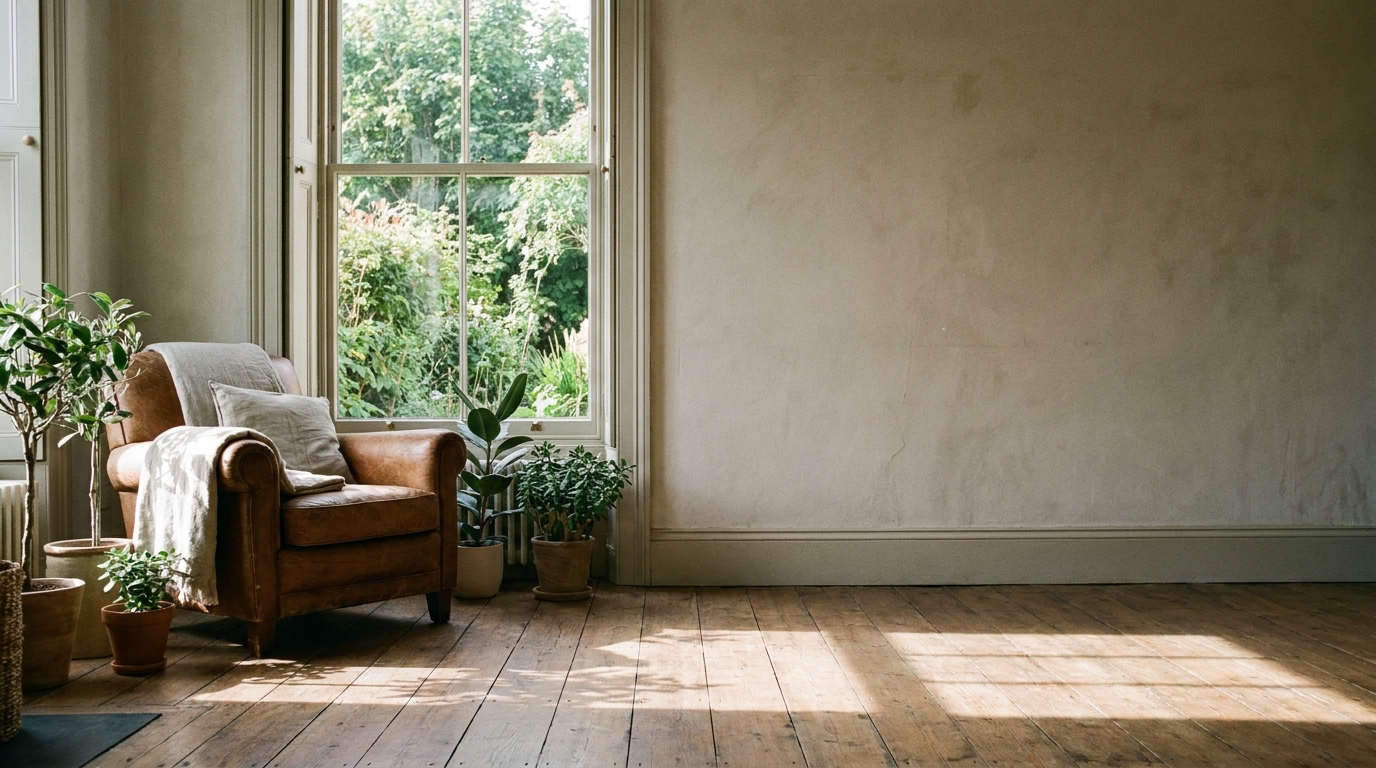
More glass does not automatically create a more comfortable room. Window size and placement should introduce useful daylight without producing harsh glare, unwanted heat, furniture fading, or a clear view into private areas.
A study published by the Journal of Environmental Engineering found that views strongly affected satisfaction with daylight and the wider visual environment.
For homeowners, the finding suggests that a thoughtfully framed garden, tree, or open sky may improve a room more than simply installing the largest possible window.
Consider how sunlight moves through each room during the day. Higher windows can send light farther inside, while carefully positioned side windows can preserve privacy without making a room feel closed in.
Window treatments should also be part of the plan. Sheer shades, adjustable blinds, and lined curtains can control privacy and glare while allowing homeowners to change the room throughout the day.
Coordinate Windows With Your Home’s Architecture
Windows should look as though they belong to the house rather than being added without a plan. Frame proportions, grille patterns, colors, shapes, and trim details should support the building’s architectural character.
Traditional homes often suit balanced arrangements and double-hung windows, while contemporary houses may favor large picture windows, casements, or streamlined sliders.
Consistent sightlines across the front elevation can create order even when several operating styles are used.
Indoor design matters as well. Frame finishes should work with flooring, cabinetry, wall colors, and hardware, while exterior colors should complement the siding, roofing, doors, and trim.
Avoid choosing a bold frame color based only on a passing trend. Windows are a long-term feature, so their finish should still suit the home after paint colors, furniture, and decorative details change.
Compare Frame Materials and Energy Ratings
Frame material affects durability, maintenance, insulation, and appearance. Vinyl is popular because it is energy-efficient and low-maintenance, while wood offers a warm, classic appearance but generally requires more upkeep.
Fiberglass and composite frames can provide strength and stable performance during temperature changes. Aluminum frames offer narrow profiles and a modern appearance, although homeowners should examine their thermal performance carefully.
Glass packages also deserve close attention. Low-emissivity coatings, insulated panes, gas fills, and warm-edge spacers can influence comfort, condensation resistance, and year-round efficiency.
Picking the Best Windows for Your Home With Confidence
To pick the best windows for your home, consider room function, climate, ventilation, views, architectural style, materials, ratings, and installation as one connected decision. A balanced choice will feel comfortable indoors, look appropriate outside, and remain practical to maintain.
Was this article helpful? If so, explore some of our related posts!