
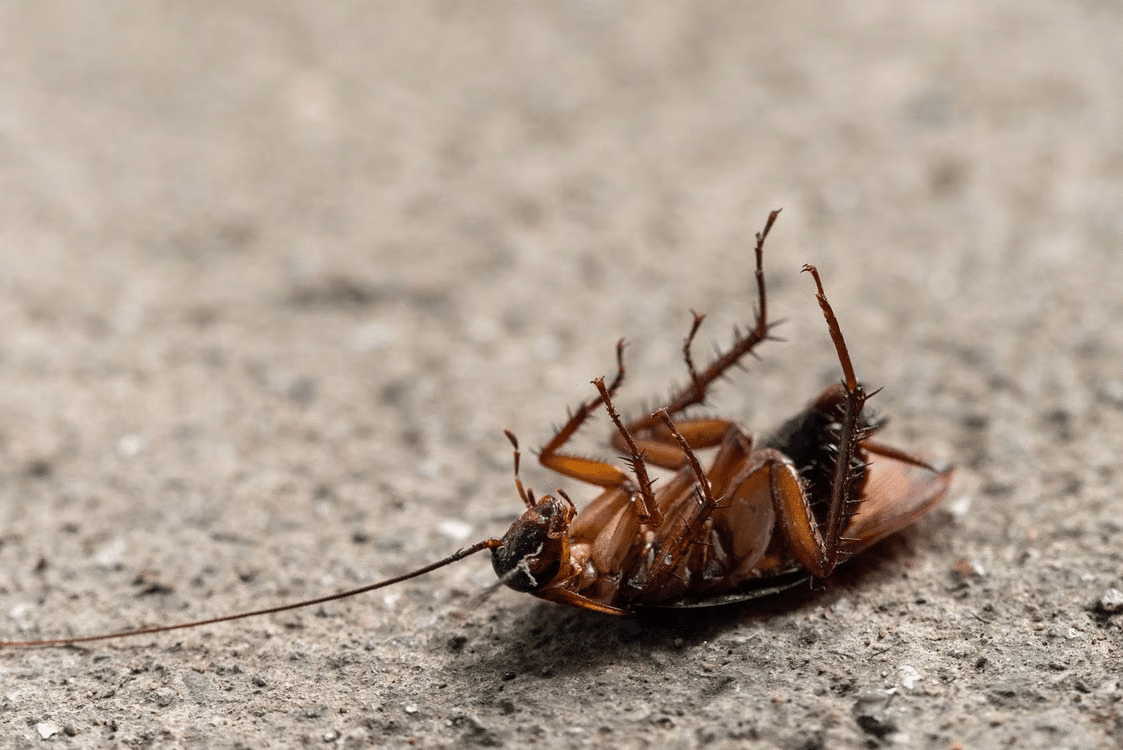
Finding crawling critters with pincers inside your home can send a quick shiver down your spine. These nocturnal insects love damp corners and sneak indoors when outdoor weather shifts.
Managing an unexpected invasion does not require complex equipment or harsh treatments. Taking systematic actions around your foundation restores peace to your living space.
Understanding Why These Critters Enter Homes
Moisture draws crawling pests toward human shelters when outdoor soil dries out during warm months. They seek damp basements, crawl spaces, and bathroom cabinets to stay hydrated. Lowering indoor moisture levels creates an unwelcoming atmosphere that encourages them to leave.
Homeowners frequently spot individual insects crawling across floorboards late at night. In a dry climate such as Bakersfield, homes can become especially appealing to earwigs seeking moisture indoors, making Professional Earwig Extermination Services in Bakersfield relevant when infestations begin appearing. Addressing early signs keeps small invasions from turning into persistent headaches.
Basement corners and under-sink areas require regular inspection to spot early activity. Clearing out stored clutter gives these insects fewer choices for daytime resting spots. Simple housekeeping tweaks cut down their survival rates inside living spaces.
Sealing Outdoor Entry Points
A regional agricultural extension publication recommends filling visible spaces, gaps, or cracks along your outer structure near ground level with durable exterior caulk. Paying close attention to areas around doorframes and basement window frames stops crawling pests before they step inside. Small openings around utility pipes serve as primary highways for nightly intruders.
Installing weatherstripping beneath exterior doors prevents crawling insects from squeezing through narrow thresholds. Damaged window screens need swift repairs to maintain an unbroken outer shell. Tight seals around ground-level vents block another common pathway into crawlspaces.
Consistent exterior maintenance limits how easily pests wander from gardens to kitchens. Inspecting foundation walls twice a year reveals fresh cracks caused by soil settling. Sealing exterior gaps protects your structure year after year.
Creating Effective Kitchen Pantry Traps
A traditional gardening publication suggests filling a small dish with equal amounts of soy sauce and vegetable oil to attract hungry pests. The dark mixture lures crawling bugs with savory scents, plus the slippery oil surface prevents escape. Placing these homemade traps near damp floor corners yields quick results overnight.
Disposing of trapped bugs each morning keeps traps effective and clean. Replacing the oil blend every few days maintains a strong scent profile that continues drawing in nocturnal visitors. Positioning traps along baseboards catches insects along their natural walking routes.
Cardboard traps made from rolled damp newspapers offer another chemical-free collection method. Setting wet paper cylinders outdoors at dusk attracts hiding pests through the night. Gathering filled rolls at sunrise allows for easy removal before bugs scatter.
Applying Targeted Mineral Powders
A home improvement guide notes that applying boric acid powder breaks down insect defenses and kills targeted pests within 1 to 2 weeks. Lightly dusting fine material into wall voids or behind baseboards creates a long-lasting barrier against crawling invaders.
Keep application layers thin, as heavy piles might prompt bugs to walk around treated zones. Diatomaceous earth offers a similar mechanical solution that dehydrates crawling insects upon contact. Pushing dust into deep wall crevices using a hand duster keeps powder contained.
Avoid using powders in wet areas where moisture reduces drying capabilities. Applying powder behind large appliances creates protective zones near potential water leaks. Cleaning up stray dust around open areas keeps living spaces tidy and safe.
Eliminating Outdoor Shelter Options
Yard debris sitting near exterior walls creates ideal breeding environments for nocturnal pincher pests. Decaying leaves, stacked firewood, and dense ground cover retain wetness and block direct sunlight. Moving these items several feet away deprives bugs of primary shelter.
Maintaining a clean perimeter around your home foundation stops bug activity before pests migrate toward doors. Taking specific outdoor yard steps creates an effective protective barrier around your property:
- Trim low-hanging shrub branches to increase airflow near foundation lines.
- Move woodpiles at least 20 feet away from outer walls.
- Clear fallen leaf clusters from rain gutters regularly. Executing these outdoor tasks regularly minimizes pest populations before weather shifts force them inside.
Directing lawn sprinklers away from wall foundations keeps soil drier near entry points. Sunlit dry dirt discourages soft-bodied insects from lingering near siding.
Managing Indoor Humidity Levels
Damp environments inside basements or bathrooms attract crawling insects seeking shelter from dry weather. Running a dehumidifier lowers indoor air moisture below levels that pest insects need to survive. Emptying collection buckets regularly keeps equipment running at peak performance.
Fixing leaky plumbing under kitchen sinks removes continuous water sources that sustain unwanted bugs. Checking key indoor zones keeps your home dry:
- Space under kitchen and bathroom sinks.
- Water heater drain pans and basement corners.
- Laundry room hose connections. Keeping air circulating through lower floor levels prevents humid air from settling in corners.
Elevating cardboard storage boxes off concrete basement floors prevents moisture absorption. Plastic storage tubs with tight lids shield household items and eliminate hiding spots.
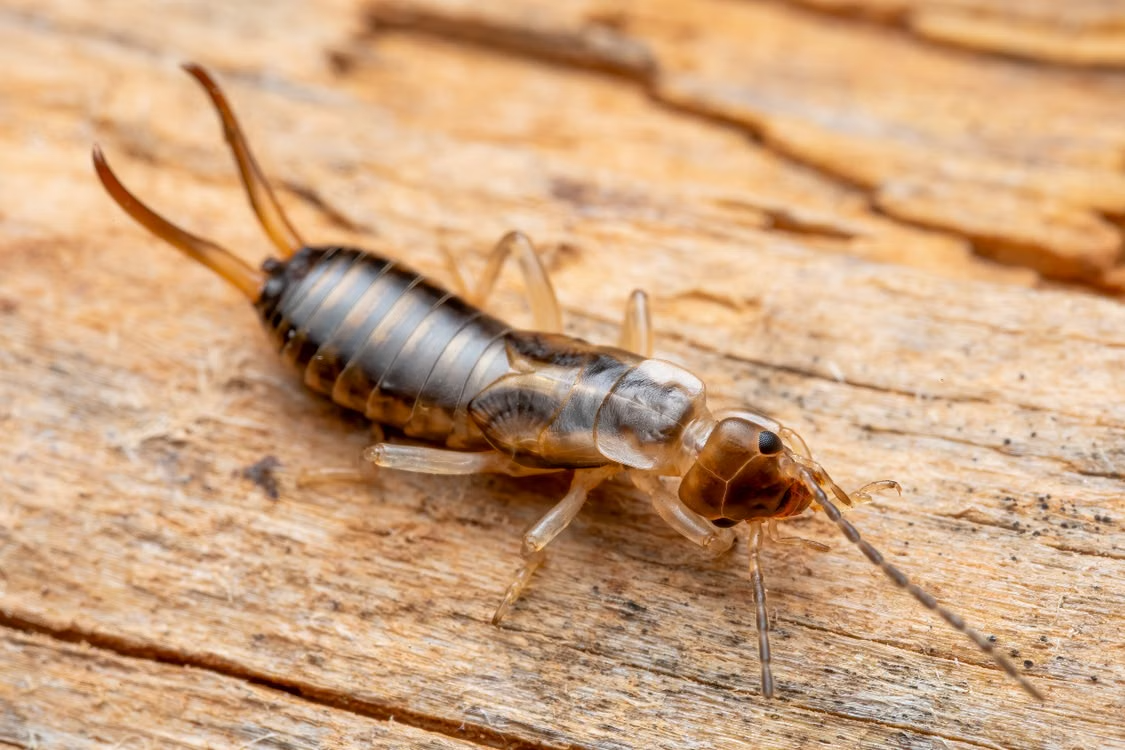
Taking control of pincher pests comes down to removing moisture, sealing entry points, and placing simple traps around problem areas. Systematic maintenance keeps your indoor environment clean, dry, and free of unexpected nighttime visitors.
Consistent attention to foundation gaps and perimeter yard care yields long-term results without hassle. Simple preventive steps protect your home and give you lasting peace of mind throughout the year.