If you’re setting up a solar system for the first time, or adding battery storage to an existing one, understanding how to size your solar inverter correctly is one of the most important steps you can take. Get it wrong and you could end up with a system that underperforms, overheats, or fails to meet your household’s peak power demand. Knowing how to calculate solar inverter size is a fundamental part of designing a solar system that actually works the way you need it to. Here’s a clear, straightforward breakdown of what’s involved.
What Does a Solar Inverter Actually Do?
Your solar panels generate direct current (DC) electricity. But your home runs on alternating current (AC). The inverter is the device that bridges that gap, converting the DC output from your panels into the AC power your appliances, lights, and devices can use. In systems with battery storage, the inverter also manages the flow of energy between your panels, your battery, and the grid. A hybrid inverter, the type most commonly used in modern solar plus battery setups, handles all of these functions in a single unit, simplifying installation and reducing the number of components that can fail.
The Basic Sizing Rule
The most commonly cited rule of thumb for inverter sizing is the 1:1 ratio: your inverter’s output capacity (in kilowatts) should roughly match your solar array’s total capacity. So if you have 6 kW of solar panels, you’d start with a 6 kW inverter. However, this is a starting point, not a hard rule, and there are good reasons to deviate from it in both directions depending on your specific circumstances, roof orientation, shading, and whether you plan to expand your system in future.
Undersizing and Oversizing Explained
Slightly undersizing your inverter, installing a 5 kW inverter with 6.6 kW of panels, is actually a common and accepted practice in Australia. It’s known as clipping and happens when your panels produce more power than the inverter can handle at peak output. The result is a minor loss in production during a few peak hours, offset by a lower inverter cost and better generation during morning and afternoon hours when the system runs below capacity. The Australian Clean Energy Council generally allows up to a 133% panel to inverter ratio.
Oversizing your inverter, installing more inverter capacity than your panels can produce, generally isn’t recommended for a standard setup, as you’d be paying for capacity you never use. However, if you’re planning to expand your panel array in future, specifying a slightly larger inverter from the outset can save you the cost of replacement later.
Factor in Your Battery
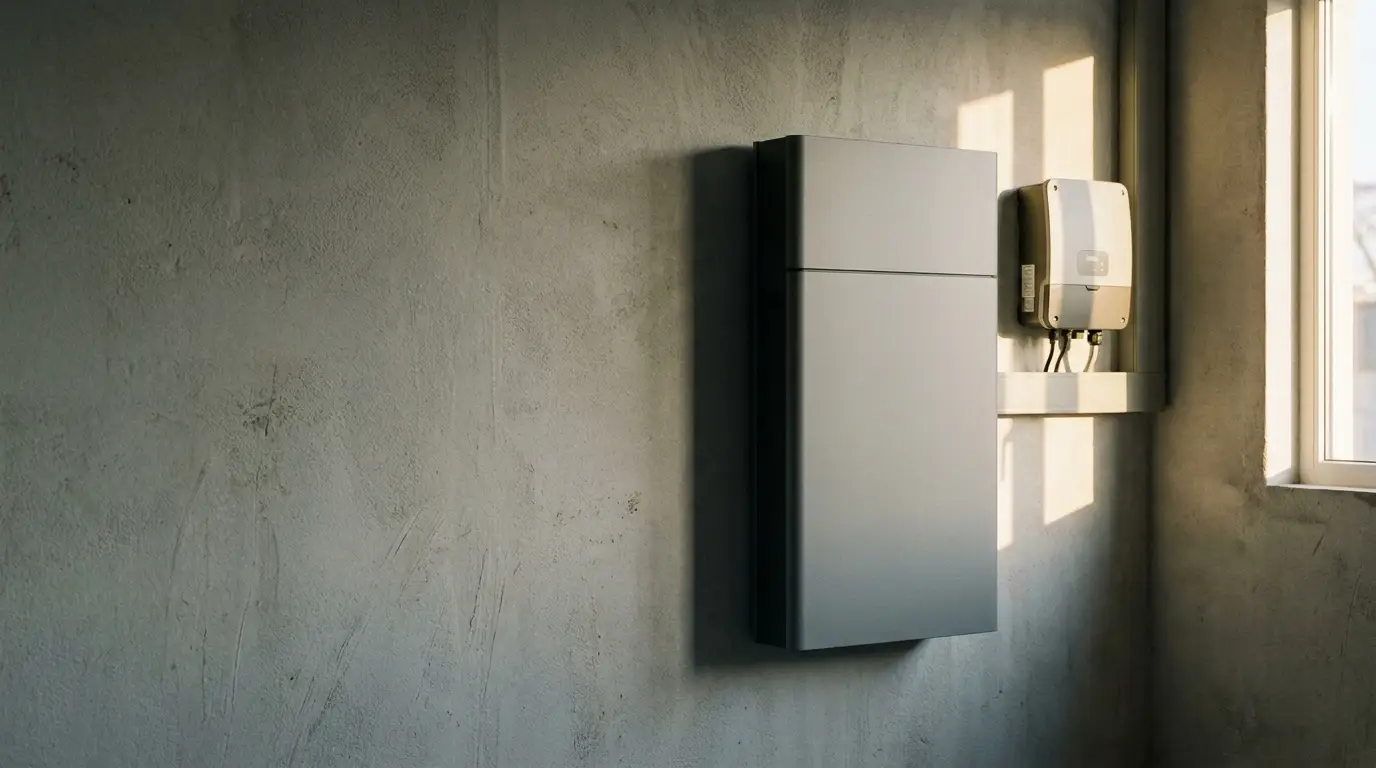
If you’re adding battery storage to your system, inverter sizing becomes more nuanced. A hybrid inverter needs to handle not just the solar input but also the battery’s charge and discharge cycles. This means the inverter’s continuous power output rating, not just its peak rating, matters significantly. Check that the inverter’s continuous discharge rate meets or exceeds your household’s typical peak load. For most family homes in Australia, a 5 10 kW hybrid inverter is an appropriate range, depending on your energy consumption and battery capacity.
Peak Load vs Average Load
One of the most common mistakes in inverter sizing is optimising for average load rather than peak load. Your average daily consumption might be quite modest, but if you run a washing machine, dishwasher, and air conditioner simultaneously, the peak load can spike considerably. Your inverter needs to handle that spike without tripping. The U.S. Department of Energy recommends calculating your home’s maximum simultaneous load by adding the wattages of all appliances that might run at the same time during a peak period, then sizing your inverter to comfortably exceed that total.
String vs Microinverters vs Optimisers
For simple roof layouts with consistent sun exposure, a single string inverter is usually the most cost-effective solution. If your roof has multiple orientations, significant shading from trees or chimneys, or you want module-level monitoring, microinverters or DC optimisers with a central inverter are worth the additional cost. The National Renewable Energy Laboratory has published extensive research on performance differences between these configurations. The short version: for shaded or complex roofs, microinverters and optimisers consistently outperform string inverters on energy yield.
Get a Professional Assessment
While this guide provides a solid foundation for understanding inverter sizing, the right solution for your home depends on factors specific to your location, roof, usage patterns, and budget. A Clean Energy Council-accredited installer will conduct a proper site assessment and provide a system design that accounts for all of these variables. Don’t be afraid to ask your installer to explain their sizing rationale; any reputable installer should be able to walk you through the logic behind their recommendation clearly.
Final Thoughts
Getting your solar inverter sizing right from the start means your system will produce more energy, run more reliably, and need less intervention over its lifetime. It’s a technical decision, but with a clear understanding of your energy needs and the principles covered in this guide, you’re well equipped to have an informed conversation with your installer and choose the solution that’s right for your home.