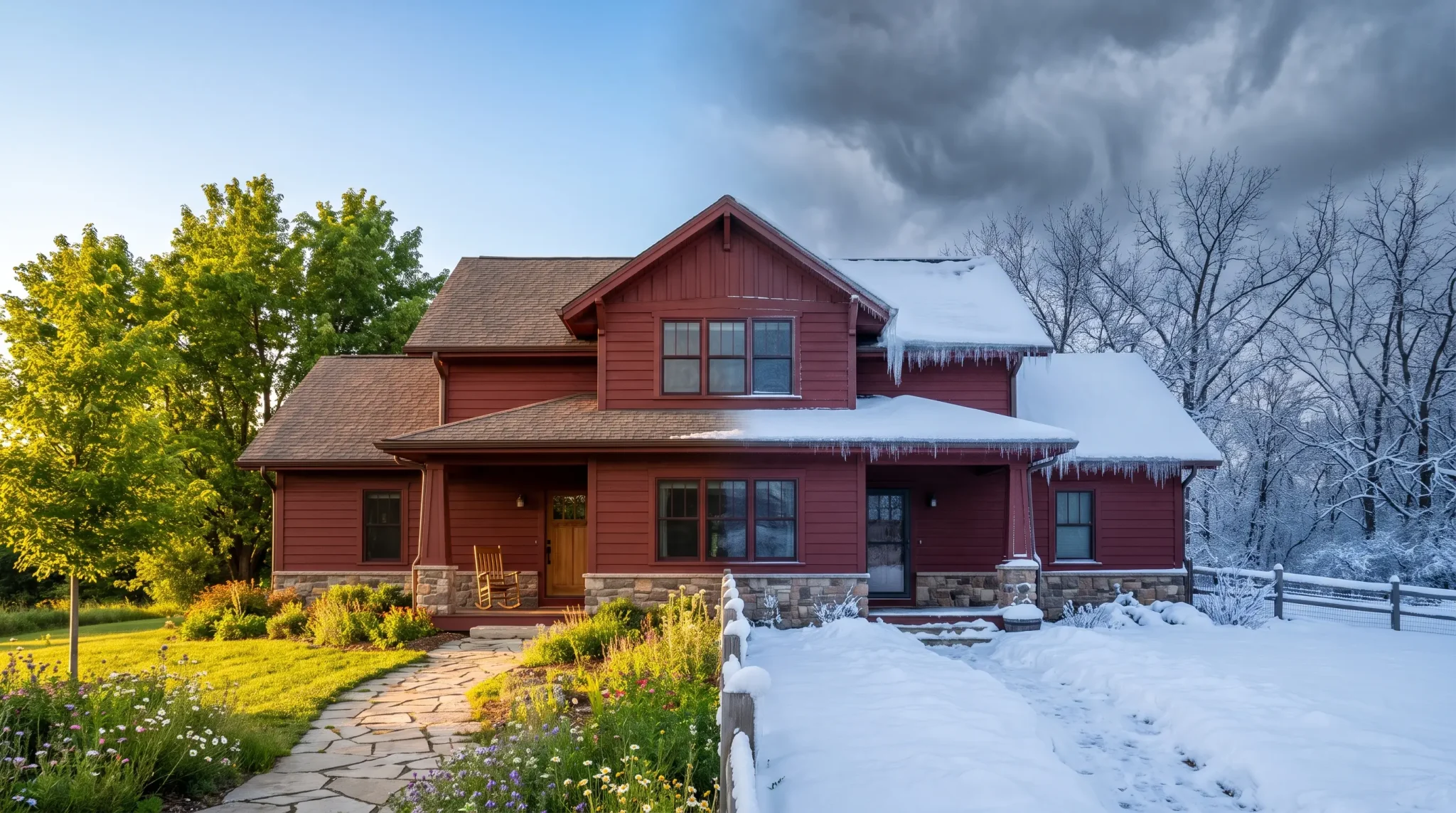
Homes in Wisconsin endure severe temperature fluctuations all year long. Ice, snow, torrential rain, and bright sunshine can all occur in a single season. Any coating that is unable to flex, breathe, or hold firmly is punished by these extremes. The paint itself is important, but so is the surface material. This guide covers the exterior paint types that perform well in Wisconsin conditions.
Why Wisconsin Weather Affects Exterior Paint Selection
The temperature fluctuates sharply between summer heat and winter cold. Water is forced into microscopic fissures by freeze-thaw cycles, which then cause the water to expand into ice. Over time, strong sunshine dries out binders and degrades inexpensive pigments. This constant stress makes exterior painting in Wisconsin a genuinely demanding job.
During wet months, rain and snow lie against siding for weeks. Blistering and peeling are caused by moisture trapped beneath a paint layer. These pressures demand a coating built for movement and water resistance. A paint that works in a mild climate may fail badly here.
Acrylic Latex Paint for Changing Weather
Acrylic latex paint is resistant to frequent changes in temperature. The film expands rather than cracks because its binder remains flexible. Repeated freeze-thaw cycles are made easier by this flexibility. Additionally, acrylic resins prevent early fading and resist moisture penetration.
Acrylic latex has good adhesion to most conventional siding materials. Instead of pulling the coating off, the finish breathes, allowing trapped vapor to escape. Only soap and water are needed for cleanup. Because of these qualities, acrylic latex is a wise choice for many homes.
Surfaces That Suit Acrylic Latex
- Wood siding takes acrylic latex well when the surface is clean and dry
- Fiber cement benefits from its breathable film and strong grip
- Stucco works too, though a masonry-friendly primer helps first
- Brick and other masonry surfaces accept acrylic latex when moisture can escape
- Previously painted surfaces usually hold new acrylic coats without trouble
- Loose or chalky old paint must come off before any new layer goes on
- A quick test patch reveals how well the new coating bonds
Oil-Based Paint for Specific Applications
When oil-based paint dries, it forms a solid, hard shell. This hardness is resistant to repeated contact, bumps, and scuffs. Handrails, doors, and trim frequently require this degree of durability. When a long-lasting finish is important, oil paint can be applied to wood surfaces.
This technique also works well with metal elements like railings and shutters. Stronger fumes during application and longer drying times are the drawbacks. Many winters can cause oil finishes to become brittle. It makes the most sense to use oil-based paint sparingly in high-wear areas.
Masonry Paint for Brick, Stucco, and Concrete
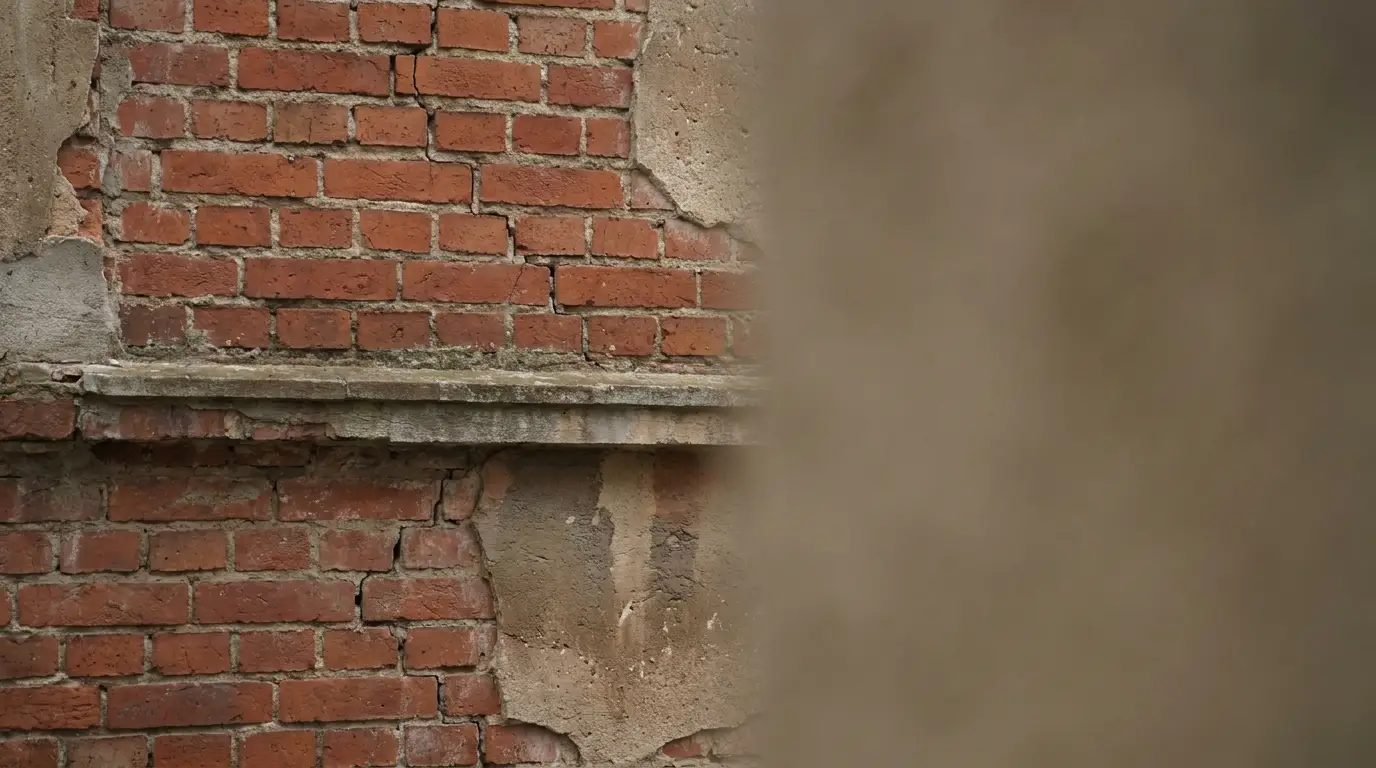
Concrete, brick, and stucco absorb water like a sponge. A typical paint film can trap that moisture beneath the surface. Masonry coatings are designed to be breathable and rain-resistant. They adhere to porous, uneven surfaces that don’t accept regular paint.
Here, the state of the surface determines everything. First, loose particles and crumbling mortar must be removed. Before painting, any crack larger than a hairline needs to be filled. The proper masonry coating allows steam to escape while keeping water out.
Exterior Stains for Cedar and Wood
Stains do not sit on top of wood; rather, they seep into the fibers. This penetration allows the wood’s original grain to be visible while protecting it. This method works well for cedar and other softwoods. The decision between clear, semi-transparent, and solid stains is influenced by the condition of the wood.
Old finishes must either entirely disappear or match the new product. Since some homeowners desire visible grain, appearance goals are also important. Stain deterioration is accelerated by exposure to the sun and rain. Reapplication every few years keeps wood protected, which is an important consideration for exterior painting in Wisconsin.
How Professionals Help Choose Exterior Paint
Professionals bring years of hands-on experience with different homes and exterior surfaces. They inspect siding material, existing coatings, and surface damage before recommending anything. That inspection reveals how much prep work the job truly requires. A pro also assesses sun exposure, moisture patterns, and freeze-thaw stress on each wall.
Those factors narrow down which paint type will actually hold up. Reputable contractors explain the tradeoffs between acrylic latex, oil-based products, masonry coatings, and stains. They match the coating to the surface instead of selling whatever sits on the shelf. Their guidance may prevent costly repainting within a couple of years, and their local knowledge makes exterior painting in Wisconsin far less risky.
Wisconsin weather demands coatings that flex, breathe, and resist moisture. Acrylic latex suits most siding, while oil-based paint fits trim and metal. Masonry coatings protect brick and concrete, and stains serve cedar and wood. Primer and proper surface prep decide how long any job lasts. Matching the product to the surface and climate keeps a home protected for years.