
A strip of moss beneath a downspout can reveal more about a property than a freshly planted garden. In Iowa City, where heavy rain and winter freeze-thaw cycles test yards and foundations, water movement deserves attention before planting or patio finishes. What homebuyers should look for in an outdoor space begins with the ground beneath it.
A yard’s appearance during one short viewing says little about how it functions through changing weather and daily use. Attractive planting can draw attention from less visible conditions, while a tidy patio reflects only the moment when you see it. That gap matters when comparing otherwise similar homes.
Read the Ground Before the Planting
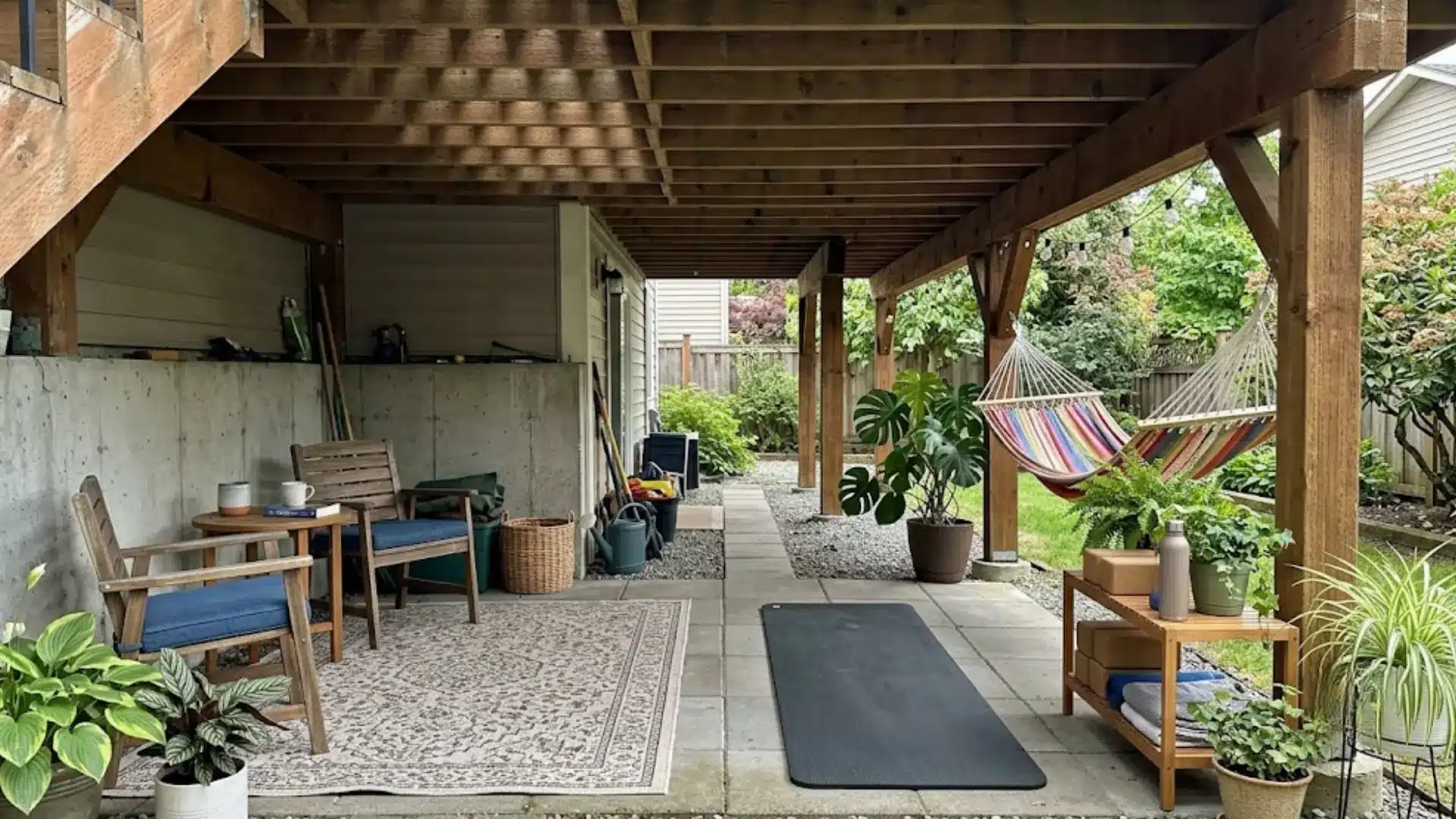
Grading should fall away from the foundation for the first several feet instead of directing each storm toward the basement wall. Standing water, silt across a patio, moss patches, and high-water marks on fence posts point to drainage trouble.
Downspouts ending within a foot of the wall or disappearing into buried pipes no one can locate may be inexpensive to alter, but they can signal a history of water problems. Buyers should also review local flood risk before making an offer, remembering that a house outside a mapped zone can still occupy the lowest point on its street.
How Light and Privacy Decide Daily Use
Two equally sized yards can offer completely different usable hours. A south-facing yard generally retains afternoon sun, whereas a north-facing patio behind a two-story house might remain shaded. That difference affects comfortable sitting times and which plants will grow.
A viewing captures only one hour on one day. A compass reading, combined with the height of buildings and trees to the south and west, gives a better picture of orientation and aspect. Conditions vary between houses on the same street, so buyers can record orientation and screening as they discover available properties across a neighbourhood, then revisit the strongest two or three yards at different times.
Privacy and overlooking also depend on neighbouring upper windows. Mature screening might appear permanent but belong entirely to the neighbour. Likewise, road, rail, and school noise often sounds louder outside than indoors, making a weekday afternoon visit more revealing than a quiet weekend viewing.
The Structures That Cost Real Money
Hard landscaping often fades into the background during a viewing, yet permanent structures can carry the largest repair burden. A leaning or bulging retaining wall isn’t a cosmetic gardening project. Look for blocked weep holes because a wall that can’t release water faces increasing pressure behind it.
On a deck, test for movement where the ledger board meets the house. Problems at this connection are more serious than a loose surface board and usually cost more to correct. Patio slabs that have cracked or lifted unevenly often point back to poor drainage, especially where Iowa City’s freeze-thaw conditions worsen existing movement.
Detached garages and sheds deserve the same physical inspection. Sight along the roofline, check whether doors remain square in their frames, and press cautiously on timber floors. Sagging lines, sticking doors, or soft flooring suggest movement or prolonged moisture.
Fencing can usually be repaired in sections, but mature trees require a broader calculation. Trees within striking distance of the house can affect foundations, reduce light, and fill gutters with debris. Their removal might also require permission and a quote running into four figures.
Upkeep, Services and Room to Change
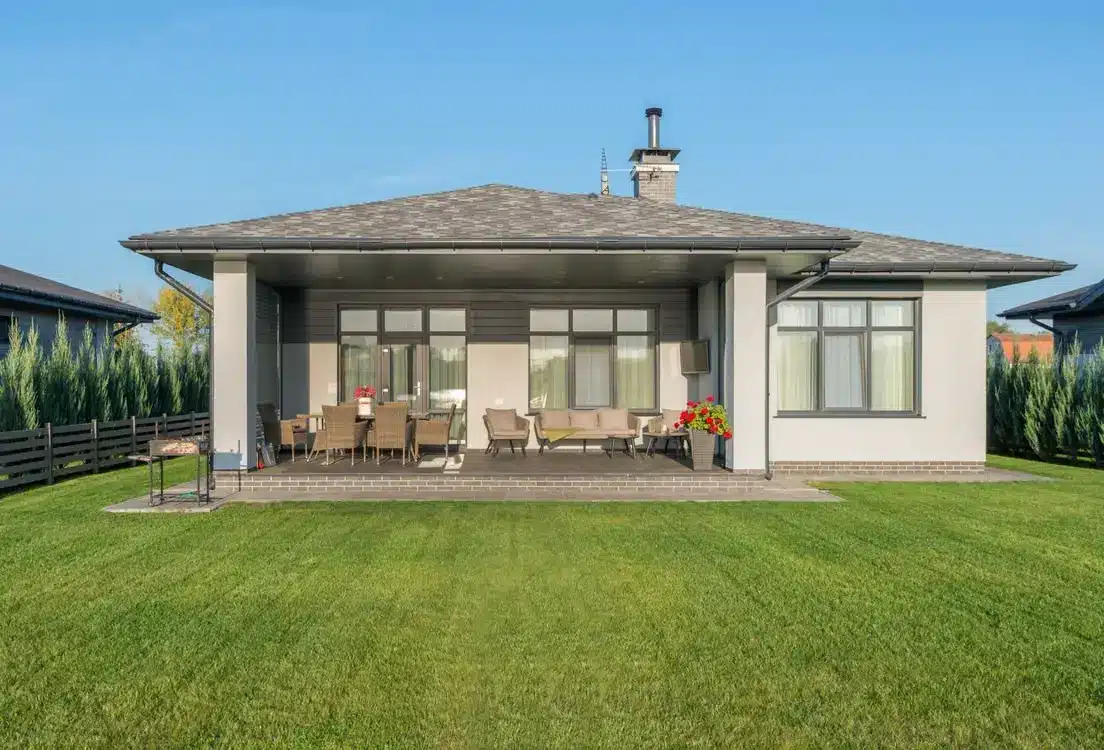
A showroom-standard yard won’t remain that way without the seller’s maintenance routine. Large lawns, pools, and planting-heavy beds create recurring work and maintenance costs. Buyers who want simpler weekends should favour durable surfaces and restrained planting, then add low-effort features such as seasonal beds for front-yard curb appeal.
Existing services also determine whether the yard works immediately. Outdoor taps, exterior power points, lighting runs, and irrigation are easy to overlook, but adding them later can mean lifting paving or booking multiple trades.
Future plans depend on legal access as much as physical room. Boundary lines on the plat don’t always match the fencing on the ground, while shared driveways, alleys, and utility easements can reduce the buildable area. Buyers should ask the agent and surveyor who owns each fence, where easements run, whether standing water has been reported, and whether a garden room, expanded patio, or wider driveway would require approval.
Walk the Yard Like a Buyer, Not a Guest
The outdoor space that presents best at a viewing can also hide its future costs most effectively. Fresh planting and clean furniture don’t reveal where water collects, how afternoon shadows fall, or whether permanent structures are beginning to move.
Ground, light, structures, and upkeep are the four areas worth slowing down for. Each is checkable before an offer, giving buyers a clearer picture of how the yard will perform after the staging disappears.