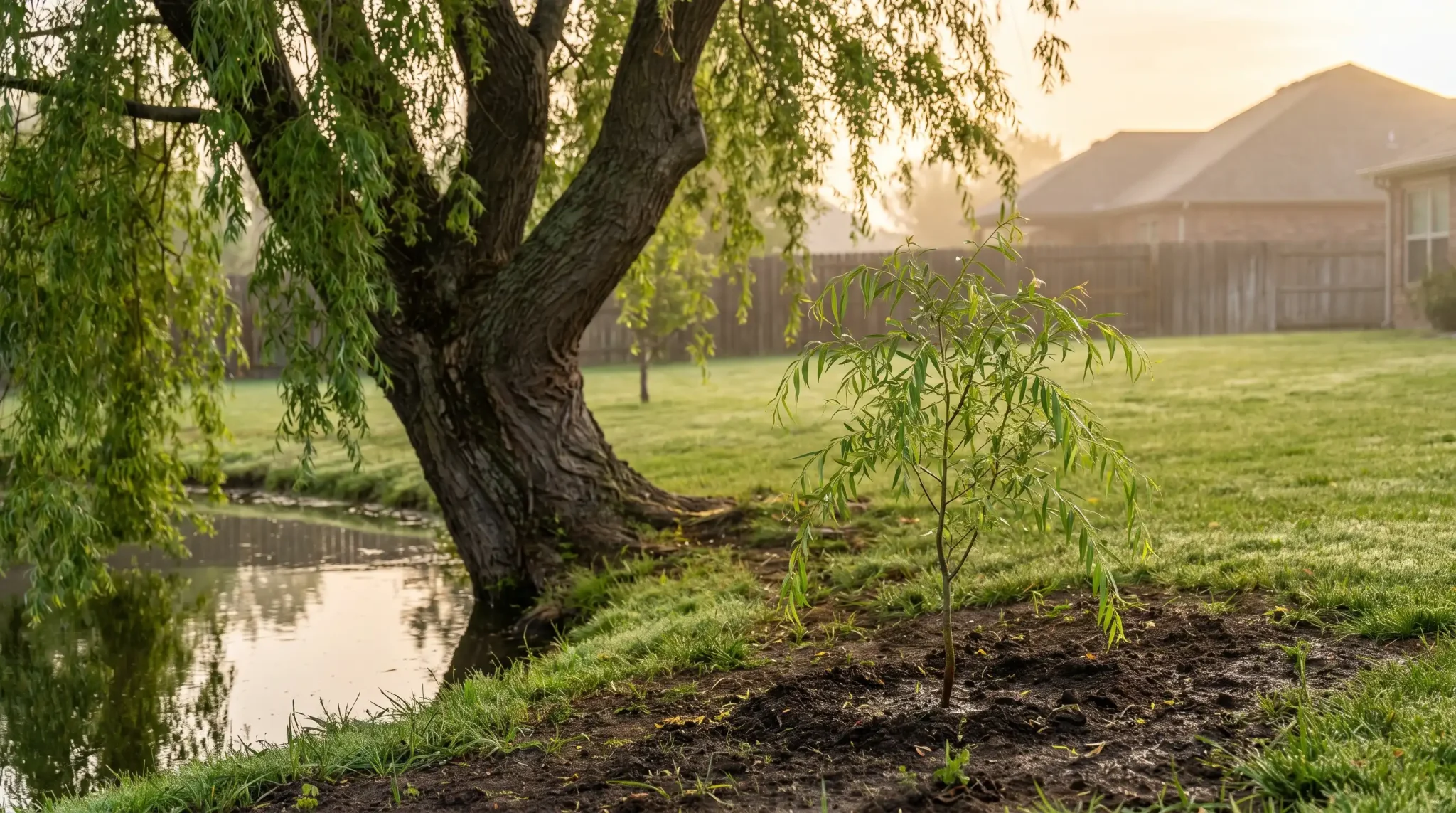
A willow tree can go from a small cutting to a tall shade tree in just a few years. That’s exactly why you want to know how long it takes for a willow tree to grow this way.
The truth is, it comes down to roots, soil, and sunlight working together. Get those three right, and your willow will grow faster than most trees you could plant.
That’s part of why so many people choose willows for their yards. But speed alone doesn’t tell the whole story here. A few other factors decide just how fast your tree fills out.
Knowing what to expect now helps you care for it better later. Let’s break down exactly what makes a willow grow so fast.
How Long Does It Take for a Willow Tree to Grow?
Willow trees reach full height within 10 to 15 years under normal growing conditions. Once their roots are established, they grow about 3 to 8 feet each year.
With favorable conditions, they can quickly become prominent trees in your landscape. Their soft, lightweight wood lets them produce new branches and leaves quickly.
This helps willows grow faster than dense hardwood trees such as oaks. However, fast growth makes their branches more likely to break during severe weather.
Regular pruning can reduce weak growth and keep the canopy better balanced. Most willows reach 30 to 50 feet tall within that same window. The exact timeline depends on the variety, sunlight, soil moisture, and overall care.
The Willow Tree Growth Timeline
Here is how a willow develops from a fresh cutting into a full-grown tree. Its exact progress depends on the variety, climate, sunlight, moisture, and overall care.
Weeks 1 and 2: Roots Begin to Form
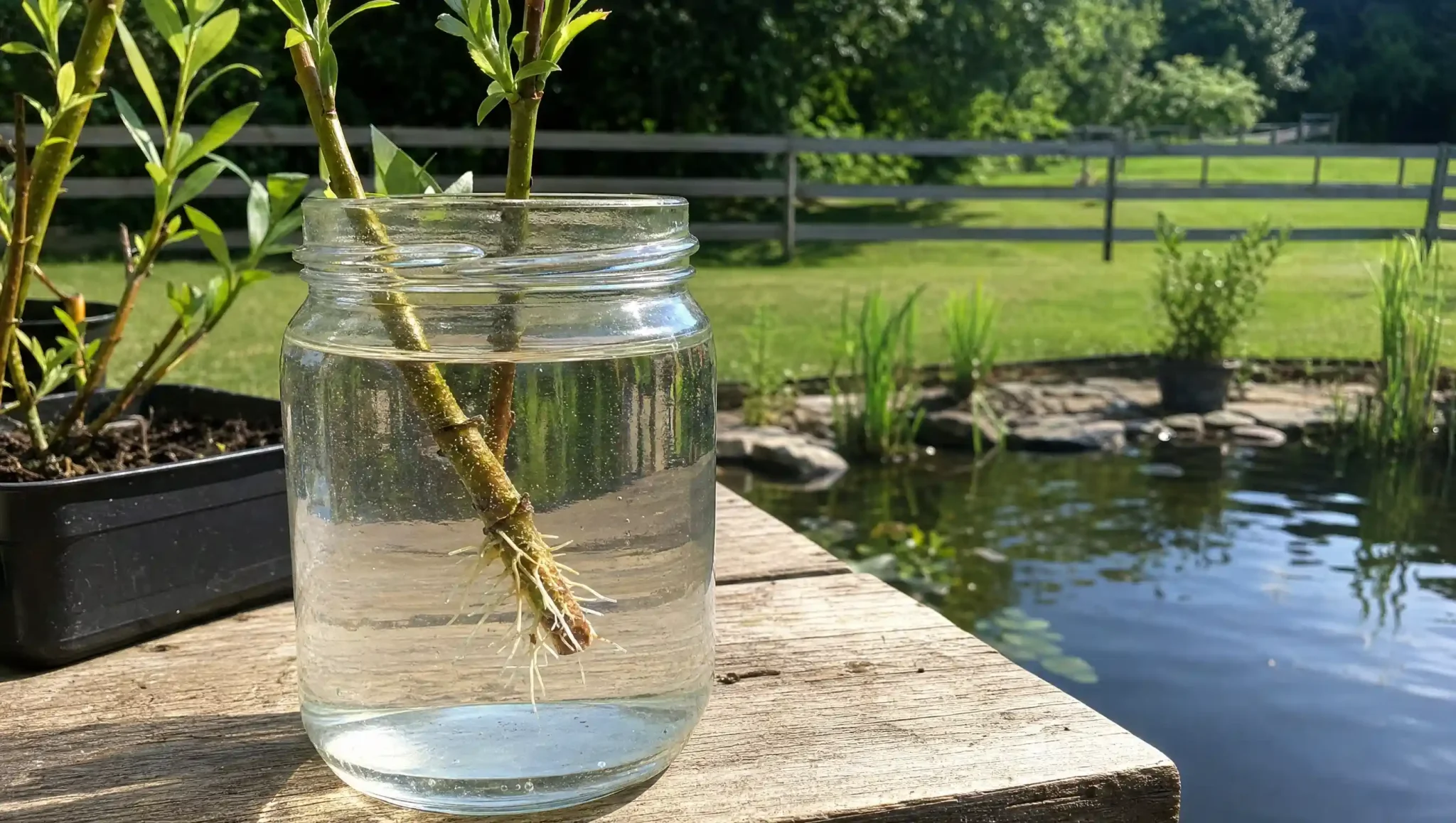
When you start a willow from a healthy cutting, small white roots may appear in water within one to two weeks. Roots can also develop directly in consistently moist soil when the cutting is planted correctly.
Wait until several roots have formed before moving a water-rooted cutting into the ground. Keep the surrounding soil evenly moist afterward, as young roots can dry out quickly during this stage.
Months 1 to 12: The First Year of Growth
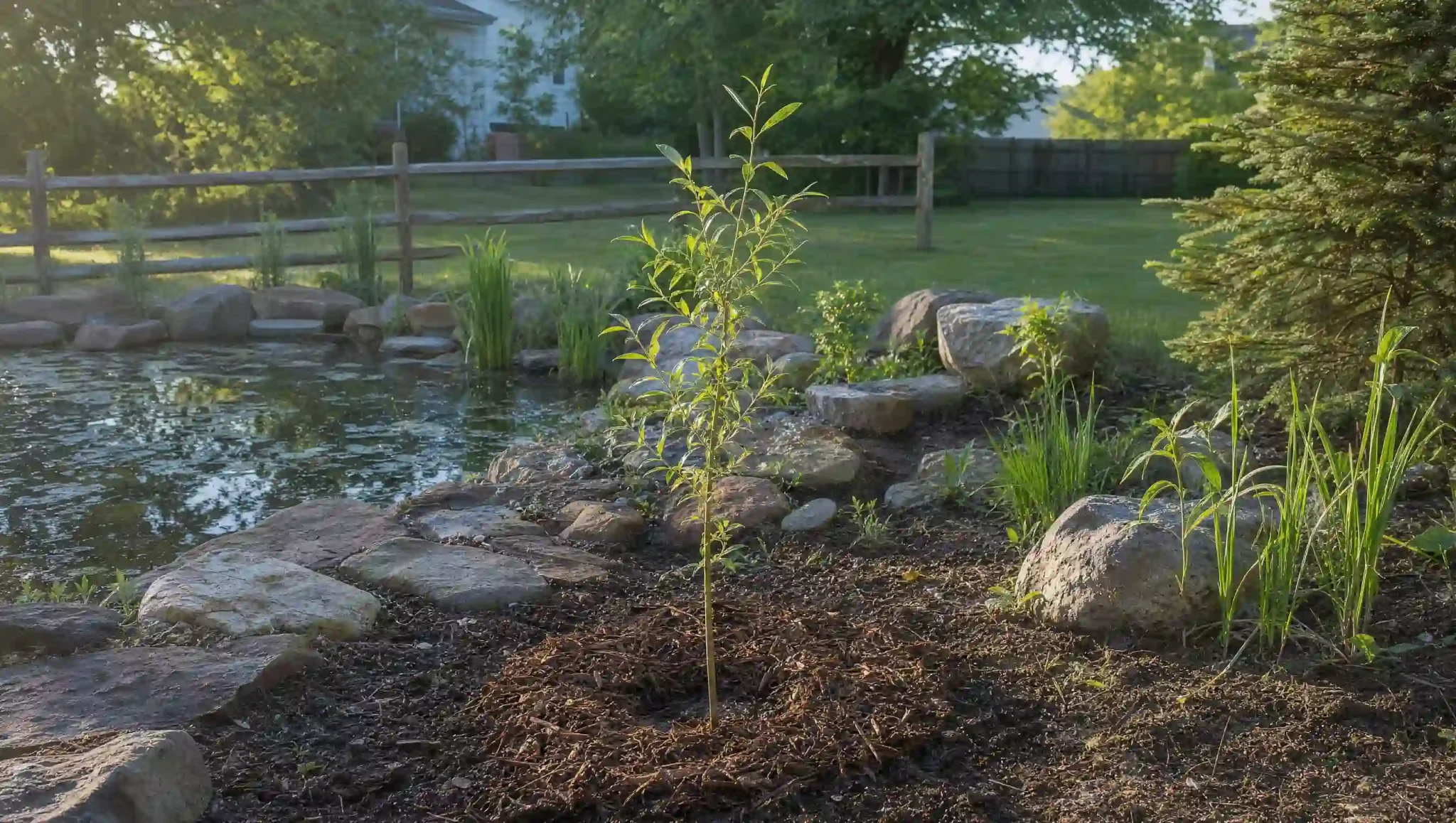
During its first year, the willow directs much of its energy toward establishing a wide root system. It may still gain 2 to 4 feet in height when it receives full sun and steady moisture.
Water the young tree deeply during dry weather to prevent stress and support root expansion. A layer of mulch can hold moisture, but it should not touch the trunk directly.
Years 1 to 5: Rapid Height Gains
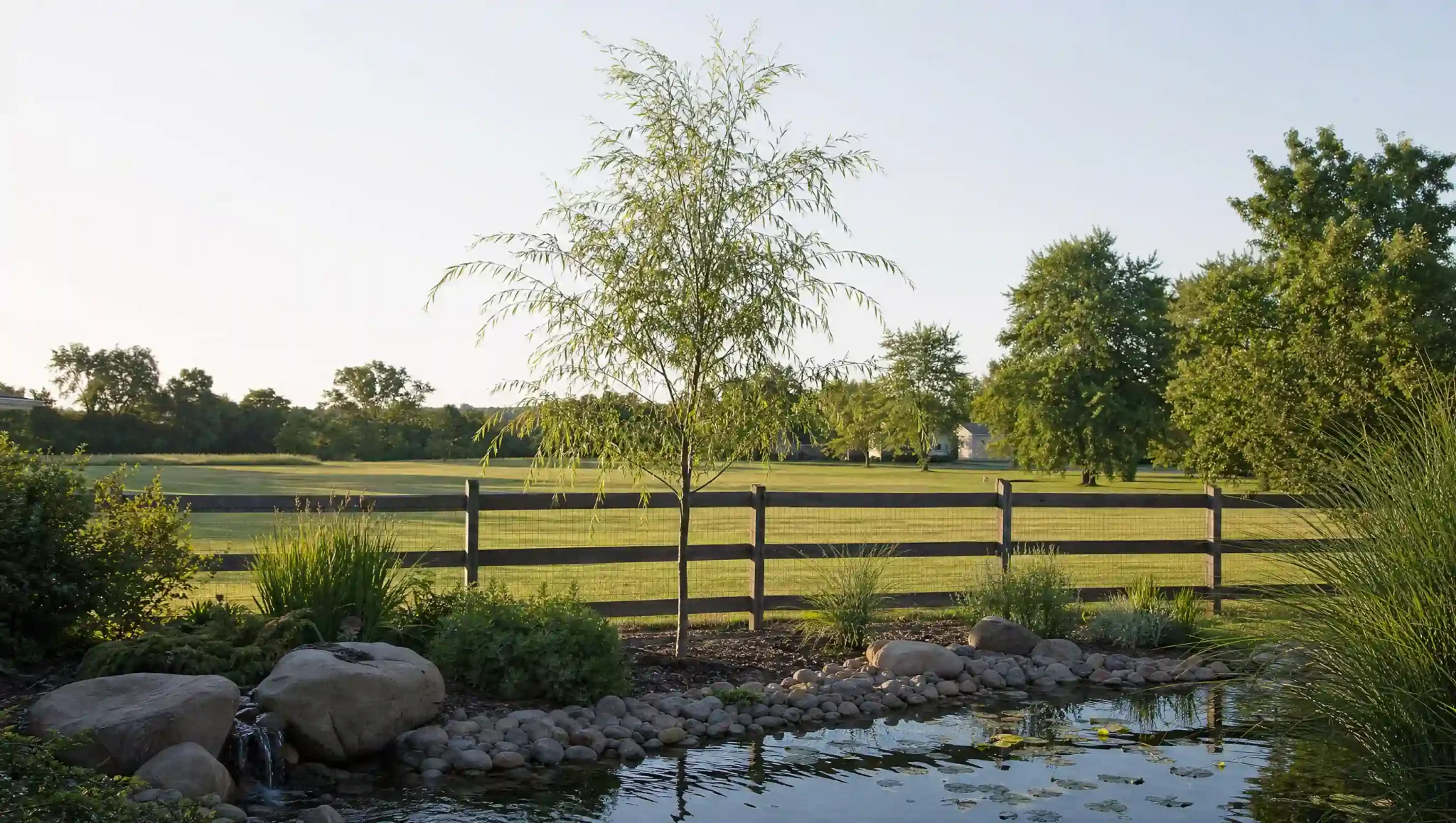
Once its roots become established, the willow enters its fastest period of vertical growth. Depending on the variety and conditions, it may add several feet of height during each growing season.
A five-year-old willow can reach 20 feet tall in good conditions. Light pruning removes weak branches and builds a stronger canopy.
Pruning during dormancy, similar to maple pruning timing, helps wounds close cleanly and saves energy for new growth.
Years 5 to 15: Reaching Full Size

Growth gradually slows as the willow approaches its mature height, which is often between 30 and 50 feet. The exact size depends on the variety, available space, and environmental conditions.
During this stage, the trunk thickens while the crown widens and becomes more defined. Mature willows still produce new growth, but more energy goes into maintaining branches and expanding the canopy.
Most willow trees live for about 20 to 50 years, though their lifespan varies by species, location, and care.
Growth Rate by Popular Willow Type
Willow varieties differ in yearly growth, mature height, and development time. Use this comparison to estimate how quickly each type may fill your landscape.
|
Willow Type |
Yearly Growth |
Mature Height |
Years to Full Size |
|---|---|---|---|
|
Weeping Willow |
3 to 4 feet |
30 to 40 feet |
10 to 15 years |
|
Corkscrew Willow |
3 to 6 feet |
25 to 30 feet |
8 to 12 years |
|
Golden Willow |
4 to 6 feet |
40 to 50 feet |
10 to 15 years |
|
Pussy Willow |
1 to 2 feet |
6 to 15 feet |
5 to 8 years |
Pussy willow stays smaller because it usually develops as a shrub rather than a full-sized shade tree. Actual growth varies with climate, soil moisture, sunlight, and overall care.
What Makes a Willow Tree Grow Faster or Slower?
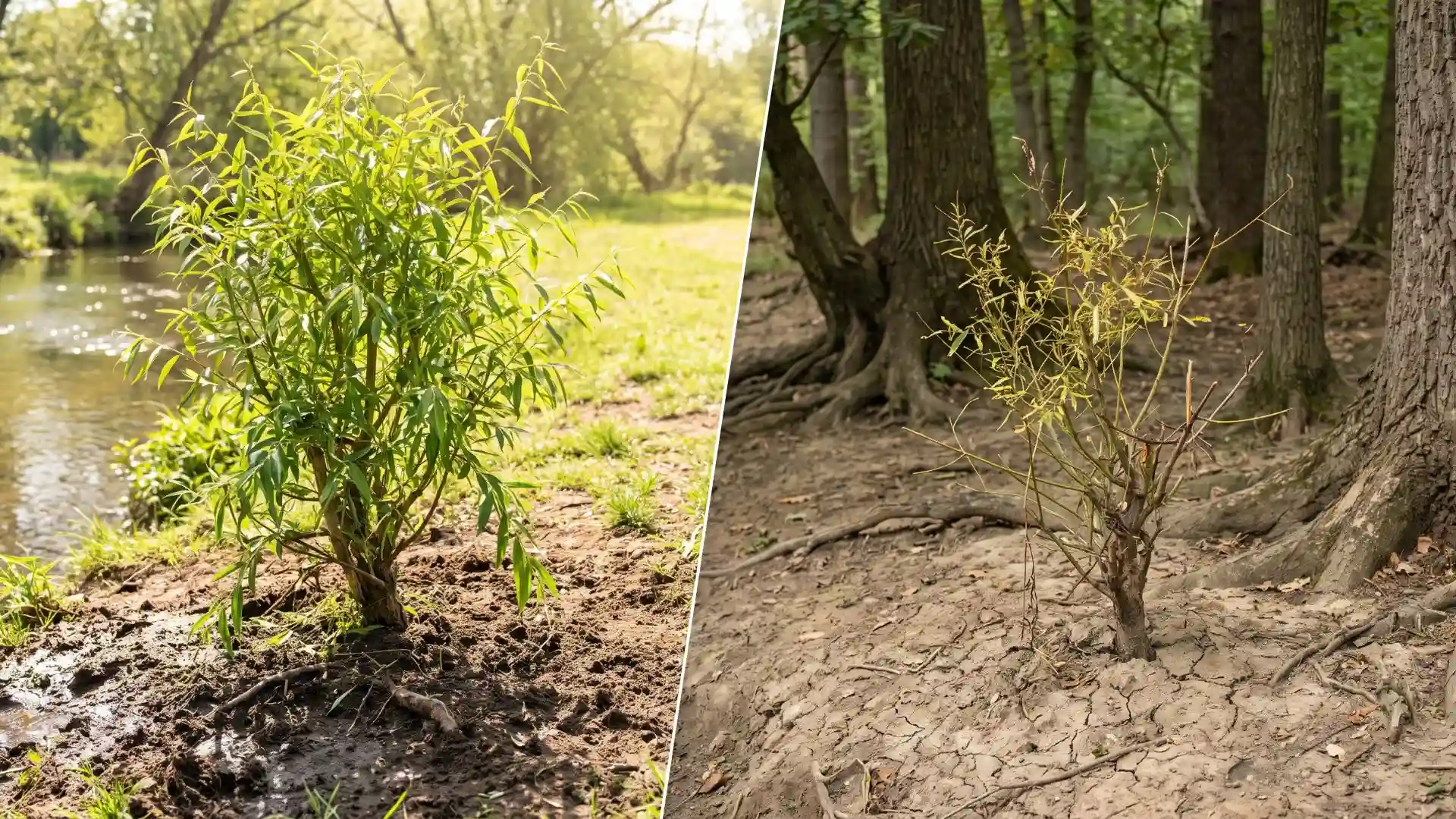
A willow’s growth rate depends on several key conditions:
- Sunlight: Give the tree at least six hours of direct sunlight each day. Too much shade can reduce leaf production and slow branch and trunk growth.
- Soil moisture: Keep the soil consistently moist, particularly while the tree is young. Long dry periods can weaken new roots and limit yearly growth.
- Growing space: Plant the willow where its roots and canopy have enough room to spread. Nearby trees, structures, and paved areas can restrict its development.
- Soil condition: Loose, well-draining soil gives the roots access to water, oxygen, and nutrients. Compacted or waterlogged ground can lead to weak roots and poor growth.
- Pests and diseases: Willow scab, canker, and harmful insects can damage leaves, bark, and branches. Regular checks make it easier to notice and treat problems early.
- Weather damage: Strong winds, heavy snow, and severe storms can break the willow’s soft branches. Repeated damage may slow growth as the tree uses energy to recover.
Providing suitable growing conditions and treating problems early can help a willow maintain steady, healthy development.
Frequently Asked Questions (FAQs)
Can a Willow Tree Grow in a Container?
Small willow varieties can grow in large containers for a limited time, but regular pruning, watering, and eventual repotting or transplanting will be necessary.
When Is the Best Time to Prune a Willow Tree?
Prune a willow during late winter while it is dormant. Remove damaged or crossing branches but avoid cutting away too much healthy growth at once.
How Long Do Willow Trees Usually Live?
Many willow trees live for about twenty to fifty years. Their lifespan depends on the variety, growing conditions, storm damage, disease, and ongoing maintenance.
Final Words
So how long does it take for a willow tree to grow into a full canopy? A few years of steady care will get you there. You now know what shapes each stage of growth.
Give your willow steady water and plenty of sunlight. Watch its roots settle before expecting fast height gains. Prune away weak branches to keep growth steady and even.
Check for pests and storm damage regularly. A little upkeep goes a long way with willows.
Skip these steps, and your tree may grow slower than expected. Share your own willow-growing tips in the comments below!