Gardening and outdoor projects require clothing that is not only comfortable but also durable and functional. Whether you are planting seeds or tackling a DIY backyard project, dressing appropriately can make a significant difference in your experience. For those looking to upgrade their wardrobe, you might find some great options using Magrigg discount codes to save on quality outdoor wear.
Understanding the Importance of the Right Clothing
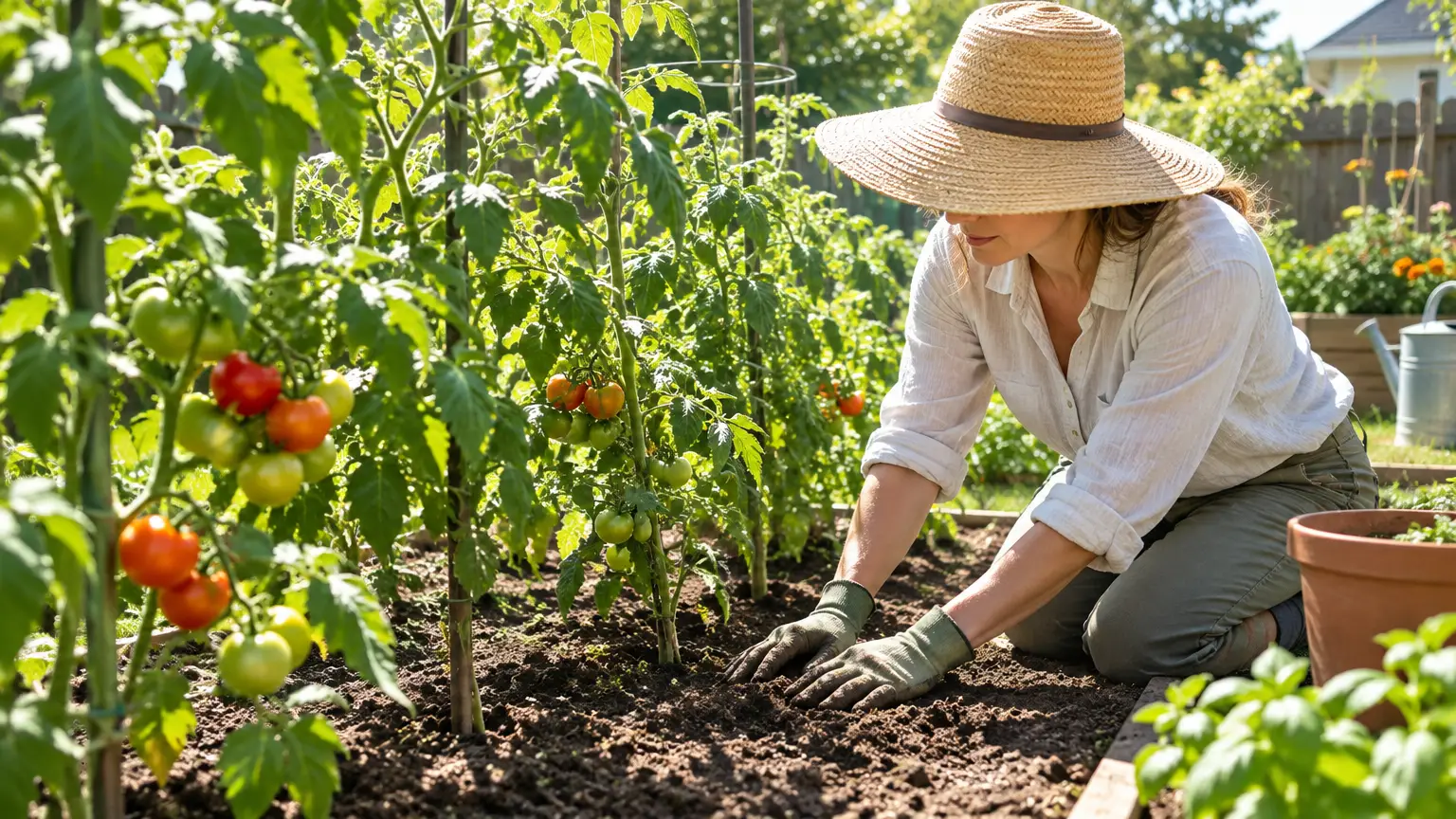
Gardening looks chill from a distance—until you’re kneeling in gravel, brushing past thorny stems, and sweating under the sun for two straight hours. The right clothing isn’t about looking the part. It’s about making outdoor work easier on your body and less annoying minute-to-minute.
Why It Matters
Good outdoor clothing helps you:
- Stay protected from common hazards
- Move comfortably through repetitive tasks
- Avoid replacing “work clothes” every season
1) Protection: Fewer Cuts, Rashes, and Distractions
Protection adds up fast when you’re dealing with:
- Dirt and sap
- Scratching branches and thorns
- Insects
- Sun exposure
Long sleeves and tougher fabrics can prevent small cuts and rashes. Proper coverage also means fewer interruptions—less stopping to wipe, swat, or readjust.
2) Comfort: Work Longer Without Fighting Your Outfit
Comfort isn’t a luxury—it’s what keeps you from quitting early or pushing through miserably.
Outdoor work often involves:
- Bending and squatting
- Reaching overhead
- Carrying or dragging loads
- Repetitive motions (weeding, digging, hauling)
If your waistband digs in, your shirt traps heat, or your pants restrict movement, you’ll feel it fast. Clothing that moves with you reduces strain and keeps you focused.
3) Durability: Save Time and Money Over the Long Run
Gardening and DIY projects punish clothing:
- Knees get ground down
- Pockets get yanked
- Seams get stressed
- Fabric gets stained and washed frequently
Durable gear holds up to abrasion and repeated laundering, so you’re not constantly replacing jeans—or relying on “old clothes” that tear as soon as you actually need them.
Bottom Line
Good outdoor clothing boosts productivity by reducing interruptions. You move better, stay comfortable longer, and you’re not babysitting your outfit while trying to get real work done.
Fabrics Matter
Fabric is the make-or-break detail for gardening clothes. The right one keeps you cool when you’re digging, warm when the wind kicks up, and not annoyed by scratchy seams or sweaty cling. The wrong one? You’ll feel it in five minutes—too hot, too stiff, or oddly damp.
Tom Church, Co-Founder of magrigg.co.uk, a discount code platform, said: “The best buys are the ones you’ll actually wear—choose gardening gear based on breathable, hard-wearing fabrics first, then look for a code to bring the price down.”
Here’s what to look for, and why it matters:
- Breathability (so you don’t overheat): Gardening is basically low-key cardio. Fabrics that move air help you stay comfortable and less sweaty.
- Moisture handling (so you don’t stay damp): “Breathable” isn’t the same as “dries fast.” If you’re sweating or caught in a quick shower, fast-drying fabric keeps you from feeling clammy.
- Durability (because things snag): Branches, thorns, rough paving, fence panels—outdoor work is tough on clothes. You want fabric that won’t tear the first time it catches.
- Stretch and recovery (so you can squat and reach): A little give goes a long way, especially in trousers and sleeves.
Com
Common Outdoor Fabrics (and What They’re Good At)
>Cotton
- Pros: Soft, breathable, comfortable against skin—great for light gardening in dry, warm weather.
- Cons: Holds water and sweat, dries slowly, can feel heavy when wet. Not ideal for cooler days or long sessions.
- Pros: Lightweight, tough, and dries fast. Often used in work tees, hiking tops, and outer layers.
- Cons: Can start to smell quicker than cotton if it doesn’t have odor treatment. Some cheaper polyester can feel a bit plasticky.
- Pros: Very durable and abrasion-resistant—excellent for trousers, overshirts, and anything that might scrape against stone or wood.
- Cons: Can feel warm in high heat unless it’s a lighter weave or ventilated.
- Pros: Adds stretch for bending, kneeling, climbing, and hauling—without the “tight gym wear” vibe if the fit is right.
- Cons: Too much stretch in the wrong garment can reduce toughness over time (especially if it’s thin).
- Pros: Workwear classic—thick, rugged, good for thorny jobs and rough surfaces.
- Cons: Heavier and warmer; not the fabric you want on a scorching day.
Practical Fabric Picks for Real Tasks
- Hot, sunny weeding/planting: lightweight cotton or a breathable polyester tee.
- Pruning, hauling, anything scratchy: nylon or canvas trousers; long sleeves that won’t snag easily.
- Mixed weather / early morning starts: synthetics or blends that dry fast and don’t stay cold if they get damp.
Bottom line: choose fabric based on what you’ll be doing and what the weather’s doing. Comfort is good—but comfort that lasts through dirt, sweat, and snags is the goal.
Dressing in Layers
Layering is the cheat code for staying comfortable outside. Gardening and outdoor projects are full of stop-start movement: you’re digging hard for ten minutes, then crouching in the shade sorting seedlings, then hauling bags again.
One outfit rarely fits all those temperature swings—layers do.
Why Layering Works
- Temperature control: Add or remove pieces fast without going inside.
- Sweat management: The right base layer keeps you from getting clammy (which is what makes you feel cold later).
- Better protection: Outer layers can block wind, brush, and the occasional drizzle without making you overheat.
The 3-Layer Setup (Simple and Functional)
1) Base Layer: Next-to-Skin Comfort
Goal: Move sweat away, reduce chafing, stay comfortable.
Good picks
- Lightweight synthetic blends
- Merino wool
- A soft, fitted long-sleeve tee in cooler months
Avoid
- Heavy cotton as your only base layer in cold or wet conditions
- Once it’s damp, it stays damp.
2) Mid Layer: Warmth Without Bulk
Goal: Trap heat while staying flexible and mobile.
Good picks
- Fleece
- Light hoodie
- Thin insulated vest (vests are underrated for yard work because your arms stay free)
Fit tip
- Keep it snug enough to move in
- Avoid overly baggy layers that snag on branches or tool handles
3) Outer Layer: Protection From Wind, Water, and Abrasion
Goal: Block the elements and take the beating so your other layers don’t have to.
Good picks
- Lightweight windbreaker
- Water-resistant shell
- Tough overshirt/work jacket (great for brambles and rough surfaces)
Look for
- Adjustable cuffs
- A hood you’ll actually use
- Fabric that doesn’t feel like a plastic bag
Quick Layering Tips for Real-Life Yard Work
- Start slightly cool. If you’re warm standing still, you’ll be sweaty in 5 minutes.
- Choose layers with easy zips/buttons so you can vent without fully undressing.
- Keep one “dirty layer” (overshirt/jacket) you don’t mind kneeling in, wiping hands on, or getting soil on.
- Don’t forget the legs:
- In cool weather, try regular work pants + thin long johns/leggings
Skip the
Weather Considerations
the boss of outdoor clothing. Dress like you’re going to be out there longer than planned—because you probably are.
Hot and Sunny Days
When it’s warm, the goal is simple: stay cool, don’t get fried, and don’t feel like your clothes are sticking to you.
- Go breathable: lightweight cotton or moisture-wicking blends work well. If you sweat a lot, skip heavy cotton—once it’s wet, it stays wet.
- Think coverage, not just less: long sleeves in a thin, airy fabric can beat a tank top if you’re in direct sun or scratching through plants.
- Sun protection helps: look for UPF-rated tops if you’re outside for hours.
- Accessories that matter: a wide-brim hat, sunglasses, and a neck gaiter or bandana if you’re pruning dusty stuff.
“A lot of people dress for the weather they want, not the weather they’ve actually got—starting with breathable layers and proper sun cover makes outdoor jobs far more comfortable.” — Tom Church, Co-Founder of LatestDeals.co.uk (magrigg.co.uk), a discount code platform
Cool Mornings, Warm Afternoons
Classic gardening weather: you start chilly, end up sweating.
- Layer like a normal person: a light base layer, then something you can peel off fast (zip hoodie, overshirt, thin fleece).
- Avoid bulky outer layers: you want warmth without turning into a marshmallow when you bend, kneel, and reach.
- Keep a stash spot: pockets, a tool belt, or just a nearby hook/bucket so the shed layer doesn’t end up on wet grass.
Rain, Drizzle, and Wet Ground
You don’t need to look like you’re climbing Everest—but staying dry keeps you working.
- Water-resistant beats “waterproof” for most yard work: waterproof shells can trap heat and feel sweaty. Water-resistant fabrics breathe better for light rain.
- Look for sealed seams if it’s truly wet: that’s where water sneaks in.
- Prioritize the lower half: wet knees and shins are the worst. Consider water-resistant trousers or even simple rain over-trousers for muddy work.
- Don’t forget the hands: wet gloves get miserable fast—keep a spare pair.
Windy Conditions
Wind makes mild weather feel rude.
- Use a windbreaker-style outer layer: thin, light, blocks wind, easy to pack away.
- Cuffs and hems matter: adjustable wrists and a drawcord hem stop the cold-air tunnel effect.
- Secure your hat: or accept you’ll be chasing it across the garden.
Cold weather (b
Cold Weather (but You’re Still Working)
you want warmth that doesn’t restrict movement.
- Base layer first: a thermal or moisture-wicking base keeps you warm without bulk.
- Mid-layer for insulation: fleece or a light insulated jacket.
- Outer layer for protection: wind-resistant and ideally water-resistant.
- Keep extremities warm: insulated gloves you can still grip with, warm socks, and a beanie. Cold fingers end projects early.
Quick Checklist Before You Step Outside
- What’s the temperature now vs in two hours?
- Is the ground wet/muddy?
- Sun exposure: full sun or shade?
- Wind + rain combo? Add a shell.
Dress for the worst 20 minutes of the day, and your whole session gets easier.
Footwear and Accessories
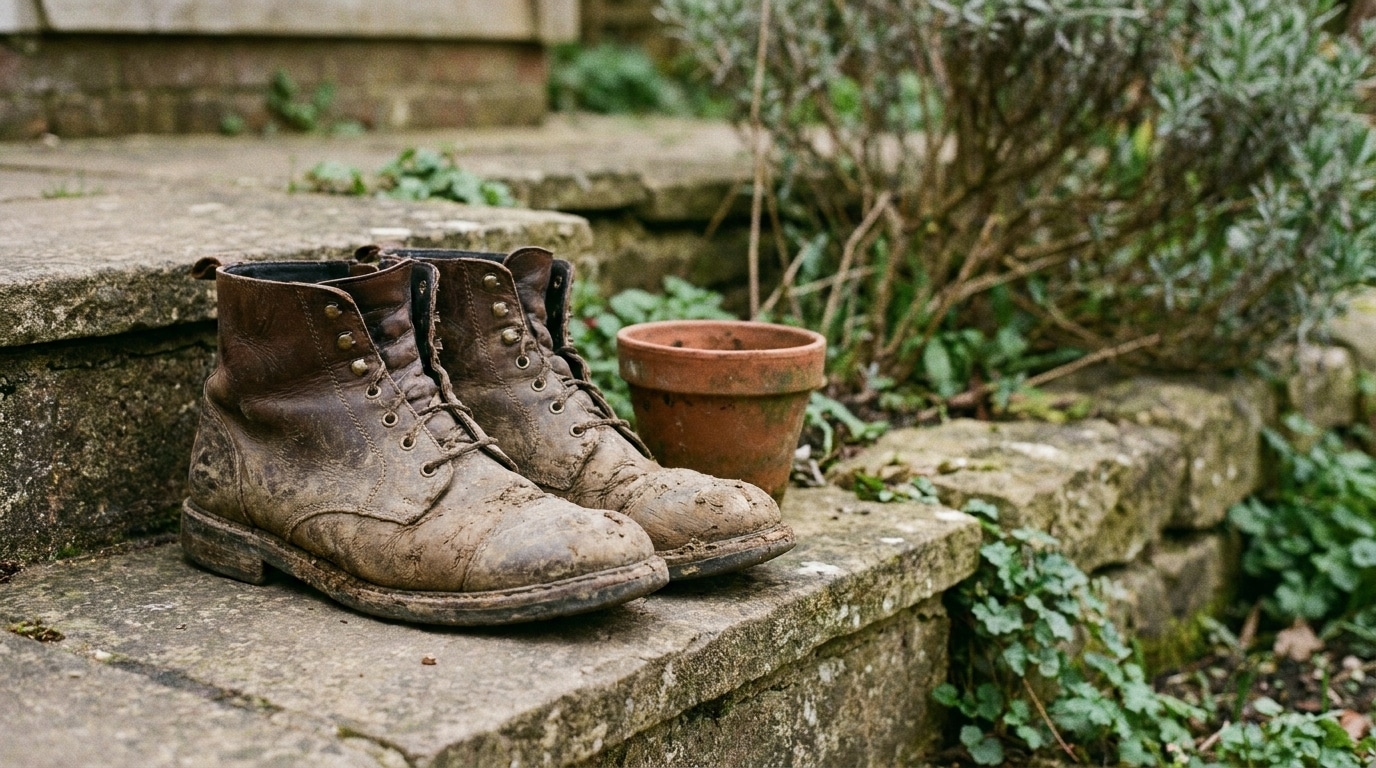
Footwear is the make-or-break item for gardening and outdoor jobs. You can tolerate a slightly scratchy shirt; you can’t “tough out” bad shoes when you’re on your feet, stepping on uneven ground, or crouching for hours.
Footwear: Start Here
Sturdy, Comfortable Footwear (What to Look For)
- Support first
- Prioritize a stable sole and decent arch support.
- Garden paths, muddy patches, and random rocks punish flimsy shoes fast.
- Grip matters
- Choose a grippy outsole with deeper tread for wet grass, loose soil, and slick pavers.
- This is what prevents the “surprise skid” while carrying compost.
- Toe protection
- You don’t need full work boots for light weeding, but structure up front helps.
- If you’re doing heavier projects, consider reinforced toes.
- Water resistance
- For damp mornings and muddy beds, water-resistant shoes or ankle boots save your socks (and your mood).
- If you’re regularly in wet soil, pick something easy to rinse clean.
- Fit + socks
- Make sure you can wiggle your toes and your heel doesn’t slip.
- Pair with thicker, moisture-wicking socks to reduce blisters.
Quick Footwear Guide (By Task)
- Light gardening, dry weather
- Supportive trainers with good tread
- Regular gardening, mixed conditions
- Water-resistant trail shoes or dedicated garden shoes
- Heavy lifting, digging, DIY builds
- Work boots with solid support and a tougher toe area
Accessories: Small Upgrades, Big Difference
Accessories aren’t fluff—they’re the little comforts and protections that keep you working longer (and feeling better afterward).
Protective Accessories That Actually Help
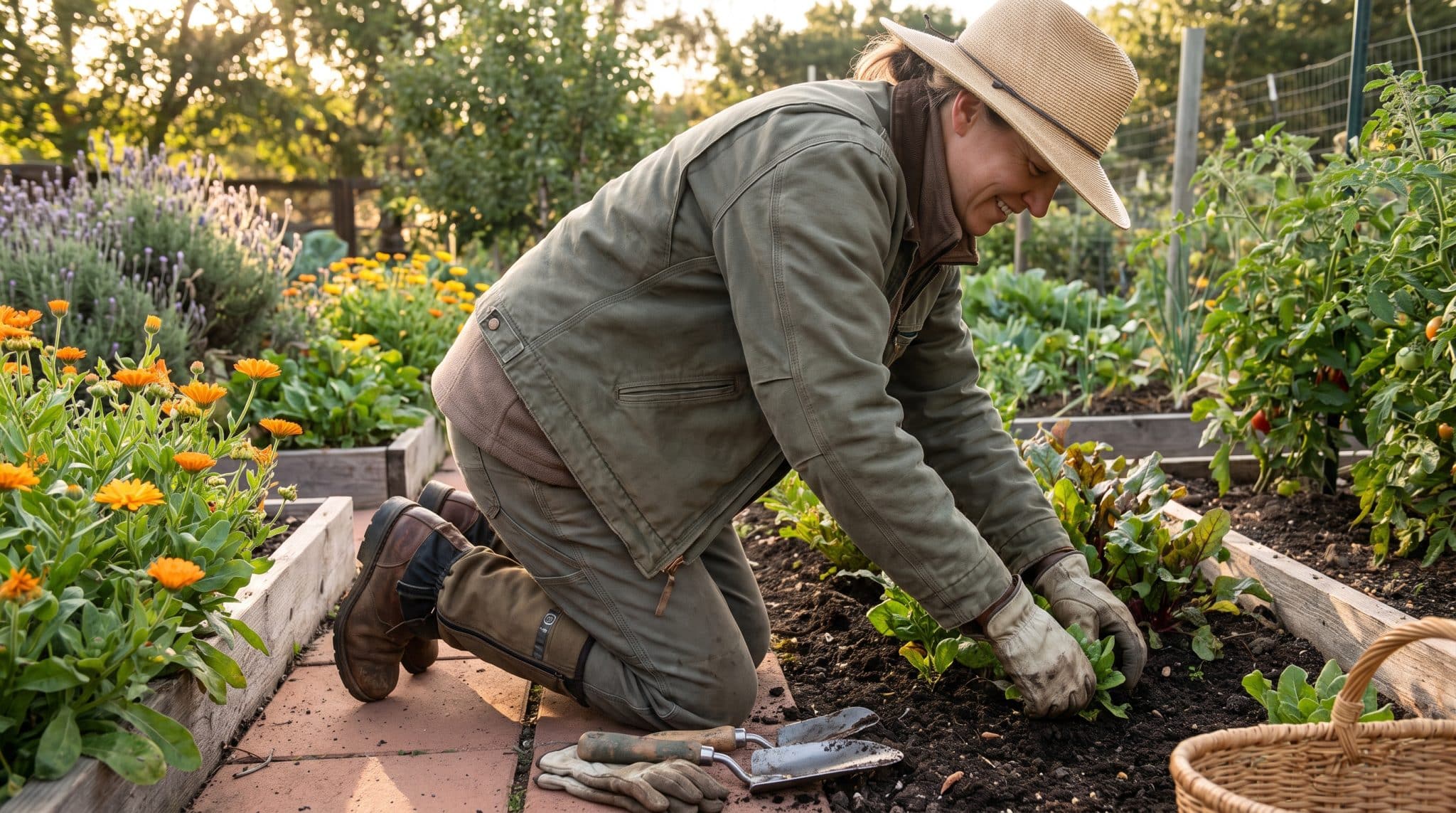
Gloves (Match the Job)
- General gardening: flexible gloves with a grippy palm
- Thorny pruning: thicker, puncture-resistant gloves (ideally with a longer cuff)
- Wet/muddy work: water-resistant or coated gloves
Tip: Keep two pairs:
- One dexterity pair for detail work
- One tough pair for rough jobs
Hat (For Sun + Debris)
- A wide-brim hat or cap reduces glare and stops you squinting all day.
- Bonus: it keeps dirt and spiderwebs out of your hair when you’re under shrubs.
Eye Protection
- Sunglasses: Look for UV protection and decent wraparound coverage for windblown dust.
- If trimming or using power tools: switch to clear safety glasses.
Knee Protection (If You Kneel Often)
- Knee pads or a simple kneeling pad is a quiet game-changer.
- Your joints will thank you the next day.
Optional but Very Useful (Depending on Conditions)
- Lightweight gaiters for tall grass or muddy edges
- Ear protection for louder tools
- Breathable neck gaiter for sun and dust in hot, dry weather
Bottom Line
Treat shoes and a few key accessories like your core gear. They’re the difference between “I’ll do an hour” and “I just crushed the whole garden.”
Stretch and Flexibility
If your clothes fight your movement, you’ll feel it fast. Gardening is basically a long series of squats, lunges, reaches, twists, and “why is this bag of compost so heavy?” moves. Stiff fabric and tight seams turn all of that into annoyance—at best—and ripped knees or blown-out crotch seams—at worst.
What to Look For (so You Can Move Normally)
- A bit of stretch in the fabric: Look for blends with spandex/elastane (around 2–8%). That small percentage makes a big difference when you’re kneeling, stepping over beds, or climbing around a shed.
- Articulated knees or knee darts: Pants designed with shaped knees bend with you instead of pulling tight across the front of your leg. Bonus if there’s room for knee pads or reinforced panels.
- Gusseted crotch: Sounds unglamorous, works beautifully. A diamond/triangle panel in the crotch area gives you more range of motion and reduces seam stress when you squat.
- Raglan sleeves or shoulder mobility panels: For shirts and jackets, these prevent that tight “can’t reach forward” feeling when you’re pruning or lifting.
- Stretch waistbands / adjustable tabs: You’ll be bending a lot. A waistband that has some give (or side adjusters) keeps things comfortable without constantly tugging your trousers back into place.
Best Clothing Types for Flexible Outdoor Work
- Work joggers or stretch work trousers: Built for movement but still tough enough for brambles, bricks, and rough ground.
- Stretch denim or canvas with elastane: Great if you like a more traditional look but want modern comfort.
- Leggings under shorts or durable overshorts: Useful for high-mobility tasks—just make sure the outer layer can handle abrasion if you’re near thorns or rough timber.
Brands/Styles Known for Ergonomic, Flexible Designs
You’ll typically find good mobility in ranges marketed as “stretch workwear,” “active work pants,” or “utility trousers with elastane.” Workwear-focused brands often do this well (think Carhartt, Dickies, Snickers Workwear), and plenty of outdoor brands build in stretch for hiking-style movement (like Columbia, Patagonia, Arc’teryx—pricey, but the patterning is excellent). The key is less the name and more the features: gussets, articulated knees, and a real stretch blend.
Bottom line: pick clothing that lets you squat, reach, and kneel without thinking about it. If you notice your outfit while you work, it’s probably the wrong one.
Safety First
Comfort is great—until you snag a sleeve on a thorn bush or roast your neck in direct sun for three hours. For gardening and outdoor projects, “safe” clothing isn’t about looking tactical. It’s just a few smart features that keep small problems from becoming annoying injuries.
Go visible when it makes sense.
If you’re near a driveway, street, shared path, or using loud tools (mower, strimmer, saw), wear high-visibility colours—bright yellow, orange, or even a bold red top. You don’t need full hi-vis gear for weeding a back bed, but if there’s any chance someone’s backing up a vehicle or moving equipment, stand out.
Cover what gets scratched.
- Long sleeves help with nettles, brambles, rough timber, and insect bites. Look for sleeves that aren’t too baggy (less snagging).
- Long trousers beat shorts for kneeling on gravel, brushing past branches, or handling compost and soil.
- If you’re pruning roses or shifting thorny cuttings, consider thicker fabric panels or a lightweight overshirt.
Protect your hands like you mean it.
Gloves are non-negotiable for most jobs, but match them to the task:
- Nitrile-coated or grippy gloves for general gardening and wet conditions
- Leather or reinforced gloves for brambles, pruning, and hauling
- Tighter-fitting gloves for detail work (planting, tying, small tools)
If gloves slip, you’ll over-grip tools and fatigue faster—so fit matters.
Eyes and lungs: boring, important.
- When cutting, trimming, or dealing with dusty soil/mulch, wear basic safety glasses. One tiny flick of bark or grit can ruin your day.
- For sanding, sweeping dry debris, or handling dusty compost, a simple dust mask/respirator is a smart add-on.
Don’t mess around with sun exposure (UV protection counts).
Gardening is sneaky sun time—hours pass, you don’t notice, and suddenly you’re burnt.
- Wear a wide-brim hat or neck-shade cap.
- Choose clothing with a UPF rating when you’re out in strong sun, or at least tightly woven fabrics that block more light than thin tees.
- Consider UV sleeves or a lightweight long-sleeve layer—cooler than baking bare arms, honestly.
Quick fit check for safety:
If it’s too loose, it catches. If it’s too tight, it restricts movement and you’ll compensate with bad posture. Aim for a fit that lets you squat, kneel, reach overhead, and twist—without fabric pulling or flapping into tools.
Long-lasting Durability
Outdoor work chews up clothes. Soil stains, snaggy branches, rough timber, wet knees on paving slabs—same story every weekend. Durable clothing isn’t about looking “tough,” it’s about not having to replace your gear every season and not getting annoyed mid-task because a seam blew out.
As Tom Church, Co-Founder of Magrigg.co.uk (a discount code platform), puts it: “If you’re buying outdoor gear, focus on build quality first—strong stitching, reinforced panels, and dependable zips—because the cheapest option often costs more once it starts tearing after a few weekends.”
What Makes Clothing Last Outdoors?
1) Fabric weight and weave
- Heavier fabrics generally last longer. Look for thicker cotton canvas, ripstop weaves, or sturdy workwear synthetics. If a shirt feels see-through or flimsy in your hands, it won’t survive hedge trimmings.
- Ripstop is your friend. That grid-pattern weave helps stop small tears from turning into big rips.
2) Reinforced high-wear zones
The fastest failure points are predictable: knees, seat, inner thighs, elbows, and pocket edges.
- Prioritise reinforced knees (even better if they accept knee pads).
- A double-layer seat is underrated if you kneel, squat, or sit on stone/wood a lot.
- Check pocket corners—cheap stitching there goes early, especially if you carry tools or your phone.
3) Stitching quality (the unsexy giveaway)
- Look for double stitching or triple stitching on seams that take stress (crotch, side seams, shoulder seams).
- Bar tacks—those dense little stitches at pocket corners and belt loops—mean the brand expects you to actually use the pockets.
- Tug lightly at seams in-store: if you see gaps, puckering, or loose threads, skip it.
4) Hardware that won’t quit
- YKK-style zips and solid metal buttons tend to outlast generic plastic bits.
- Belt loops should feel sturdy and well-anchored. If a loop looks like it’s stitched on as an afterthought, it’ll pop off when you’re hauling bags of compost.
5) Fit that reduces stress
Durability isn’t only materials—it’s physics. If trousers are too tight across the thighs or seat, you’re basically pre-loading the seams for failure. A little room + some stretch (without being thin) is the sweet spot.
Quick Tips for Buying Robust Options
- Check the inside, not just the outside. Turn the garment over and inspect seam finish and reinforcement.
- Favour workwear features: tool pockets, reinforced panels, heavy-duty stitching—these usually signal a garment built for abrasion.
- Don’t ignore care instructions. Even tough clothing dies faster if it’s heat-blasted in the dryer every time. Wash cool, avoid over-drying, and clean off mud before it sets in.
Bottom line: durable outdoor clothing should feel slightly overbuilt for your “normal day.” That’s the point—it’s made for the days when you’re scraping, kneeling, lifting, and snagging on everything in the garden.
Choosing Styles That Suit
Comfortable outdoor clothes aren’t just about fabric and weatherproofing. They also have to feel like you—because if you hate the fit or the look, you’ll end up pulling at seams, overheating, or “saving it for later” and wearing the same old stuff anyway.
Start with fit. For gardening and DIY, you want a cut that gives you room to bend, squat, reach overhead, and kneel without the waistband digging in or the shirt riding up. A slightly relaxed fit usually wins here, but not so baggy that sleeves catch on branches or loose hems snag on tools. If you’re between sizes, think about what you’ll do most: more precision work (pruning, potting) can benefit from a trimmer fit; heavier jobs (digging, hauling, building) often feel better with a bit more room.
Match your style to the project, not just the forecast:
- Planting, weeding, general garden care: lightweight long sleeves, breathable trousers or joggers, and something you don’t mind getting stained. Knee-friendly trousers (or anything you can comfortably kneel in) are a quiet upgrade.
- Pruning, brambles, rough hedges: tougher fabrics, longer sleeves, and higher collars to reduce scratches. This is the day for “coverage over cute,” even if it’s still a decent-looking jacket.
- Painting, staining, messy DIY jobs: dedicated workwear you’re happy to ruin. Darker colours hide splashes; older pieces are ideal.
- Lifting, building, moving materials: clothes that don’t restrict the hips and shoulders—think articulated knees, gusseted crotch, and tops that let you reach without tightening across the back.
Pockets matter, but only the right pockets. If you like carrying secateurs, twine, your phone, or a small tape measure, pick pieces with secure pockets (zips or deep pockets). If you hate stuff bouncing around, go minimal and keep tools in a belt or apron instead.
Finally: choose colours and details that match how you work. Light colours stay cooler but show dirt fast. Dark colours hide grime but can feel hotter in direct sun. Some people love a classic utility look; others want athletic “activewear” cuts. Either is fine—your best set is the one you’ll actually put on when it’s time to get outside.