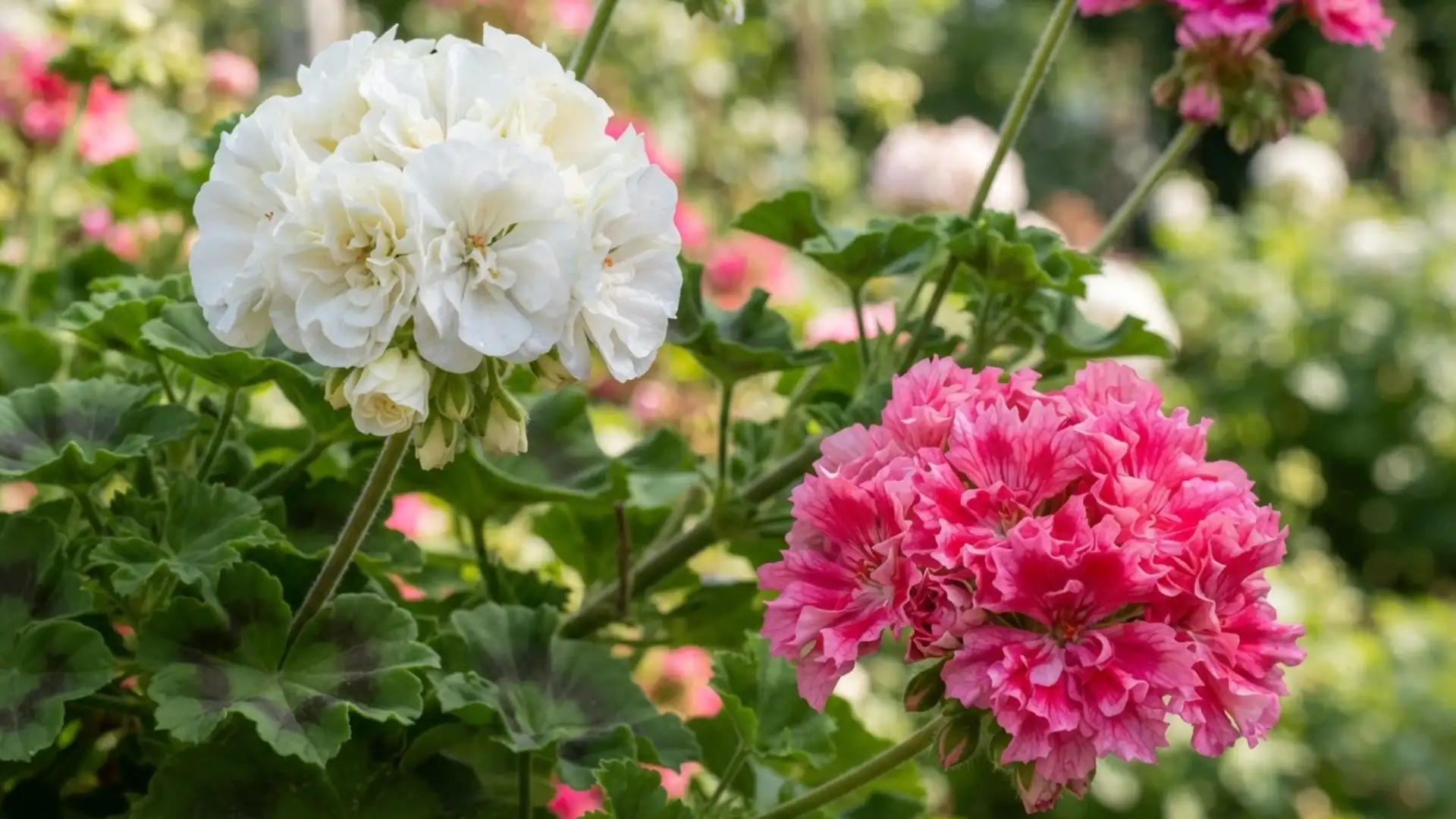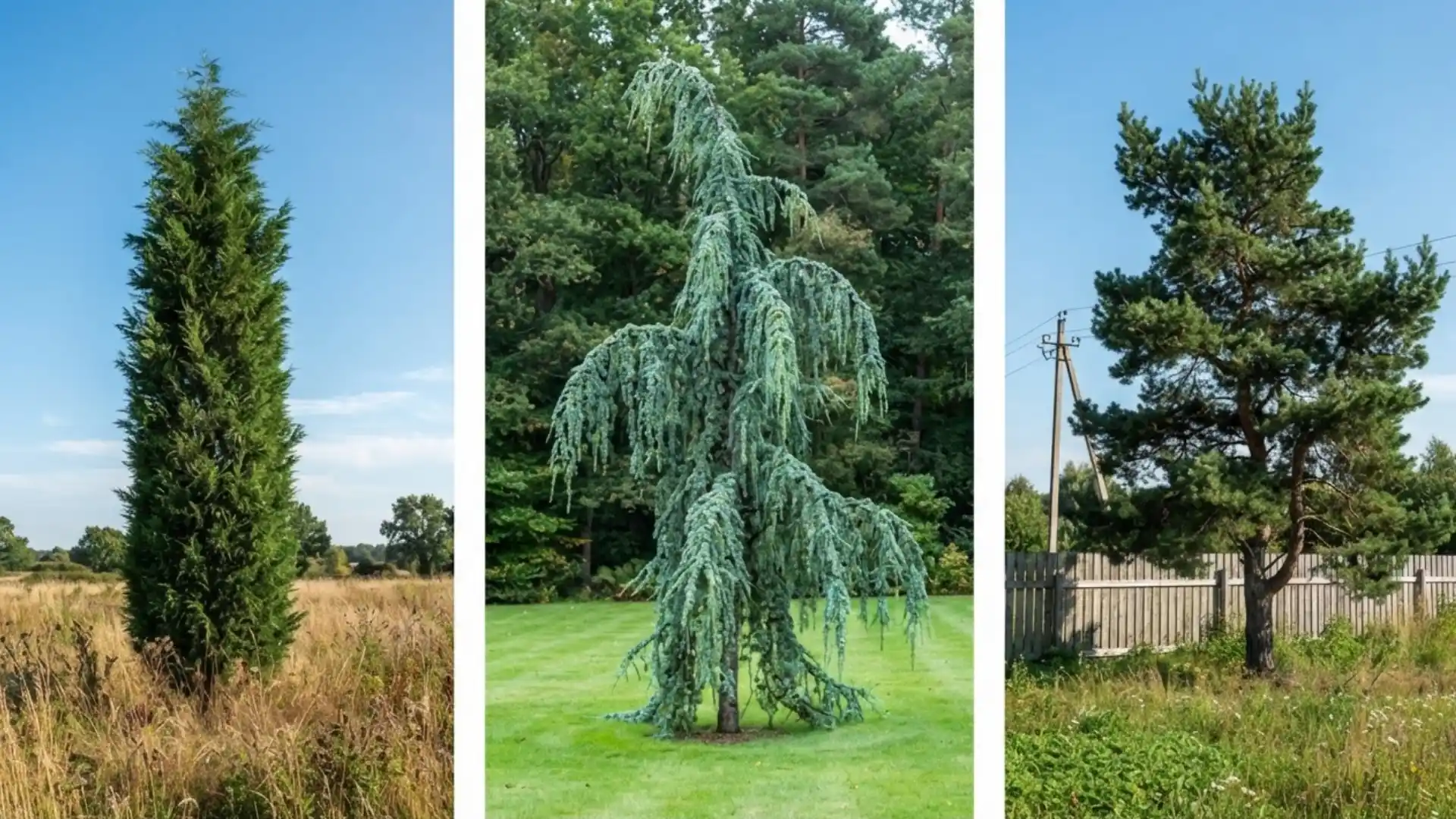
A wildlife corridor is a strip of land that allows for passage through a region that was affected by an area of fragmentation․ A wildlife corridor is also an important aspect of ecological and species diversity․ These passive corridors allow free and safe movement‚ which is vital for the conservation of both organisms and the ecosystem itself․
Native plants are key to animal migration across fragmented landscapes as well as the conservation of inter-dependent ecosystems․ Consequently‚ the conservation of native plant species is essential to the recovery of plant communities within their native habitats․
The Important and Vital Role of the Milkweed Plant
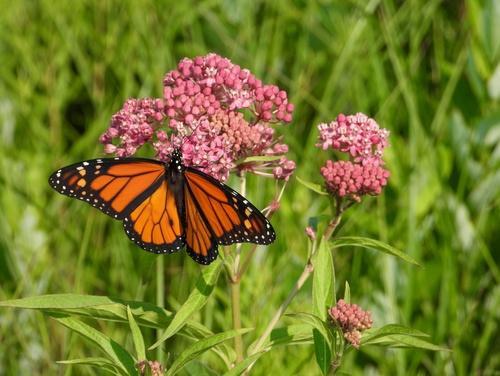
Although considered simply a food plant for the well-known monarch butterfly, it’s so much more than that! It’s the only host plant the monarch lays their eggs on in the native plant kingdom. Milkweed is a hardy plant and one of the most important‚ of many environments‚ for providing habitat (not just food) essentials for the survival of an important number of organisms that are dependent upon this plant․
In addition‚ its nectar is consumed by pollinators such as bees and other insects․ Its ability to grow in a wide variety of habitats allows milkweed to be a key factor in forming biodiversity hot spots‚ as it can be found among a variety of plant communities in meadows‚ wetlands‚ and other habitats․ The wide-ranging network of roots also holds the soil in place‚ preventing erosion and providing a stable micro-habitat for more sensitive species․ In this way‚ milkweed plays an essential but inconspicuous role in the development of a wildlife corridor․
Enhancing Biodiversity Through Corridors
Early conservation science recognized that wildlife corridors are important for biodiversity and the resilience of ecosystems given that urban development necessarily reduces the available natural habitat‚ isolating many species who cannot migrate for food or to breed․ Isolation results in inbreeding‚ loss of genetic diversity‚ population decline‚ and eventual extinction․
Creating a network of connected populations through corridors of native trees‚ shrubs and milkweed will ease the continued viability of existing populations‚ the establishment of new populations‚ and the overall health of the entire metapopulation․ Increasing genetic diversity is helpful to communities by improving their adaptive capacity to changes such as climate change and emerging diseases‚ improving ecosystem functions such as nutrient cycling and assisting the ecosystem to maintain a fine balance in response to species loss․
Connecting Isolated Ecosystems
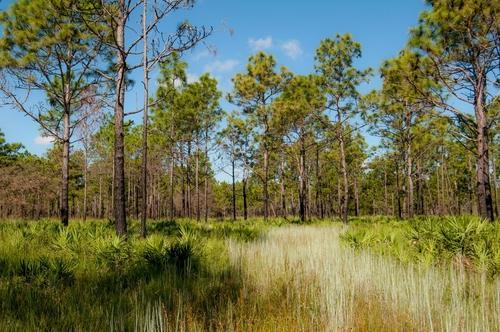
These areas connect isolated ecosystems‚ creating a more complex web where each species‚ from an insect to a tree‚ has a role․ They enable animals looking for new homes or breeding and feeding grounds to move across the landscape․ Migrating species provide ecosystem services including pollination and seed dispersal during dispersal between habitat patches‚ which is essential for the integrity of ecosystems․
This is especially the case for species that migrate with consistent resources and timing‚ requiring consistent migration corridors between resource-rich locations in the natural and human-modified landscape․ That is‚ to build a wildlife corridor system is as much a promise to the environment as it is a promise to balance nature with human activity․
Restoration of Natural Habitats
The need for restoration is more urgent than ever given the rate of change in these rapidly changing habitats․ By increasing native trees‚ shrubs and milkweed in critical areas‚ we can restore some of the damage done to quiet habitats․
Along with the physical return to the natural environment‚ the advantages of habitat restoration include providing animals with habitats they are better adapted to‚ educating the community about the local plants and animals‚ and giving the local community a sense of ownership of the space around them and its wildlife․ As communities restore these critical areas‚ they also become more aware and connected to their broader environment and their place within it․
Shelter Provided by Native Vegetation
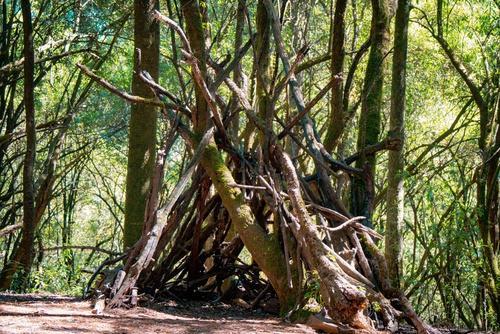
Many native species depend upon cover for protection from predators‚ exposure‚ or other factors‚ including native trees and shrubs that grow in dense thickets or bushes․ Thickets form microhabitats that shelter birds and small mammals from the elements and provide them with food․
The leaf litter and fallen branches on the ground serve as fertilizer and habitat for many decomposers‚ and plants surviving seasonal weathering of the terrain are adapted to both the climate and soil․ Native plants are a key food source for local wildlife‚ often more resilient than non-natives․ Protection and promotion of native flora increases and maintains ecosystem function while providing native habitat that‚ by definition‚ supports biodiversity․
Conclusion
Lastly‚ planting native trees‚ shrubs and milkweed in wildlife corridors and the entire human environment is a key modern strategy to connect wildlife‚ preserve biodiversity‚ and encourage ecosystems to thrive․ Restoring these currents of life should be the ultimate goal‚ not simply retaining habitat corridors in what would otherwise be a degraded environment․
It is also an opportunity to unite communities‚ to view each member as part of the circle of life‚ to save native plants and animals so that our children can live in a world of living diversity so diverse‚ vibrant‚ and interconnected․ The threads of native flora are too precious to untangle‚ for it is these threads that weave the fabric of our world․
About the author: Tammy Sons is a native plant expert and founder of TN Nursery. She is passionate about the environment and sustainability.