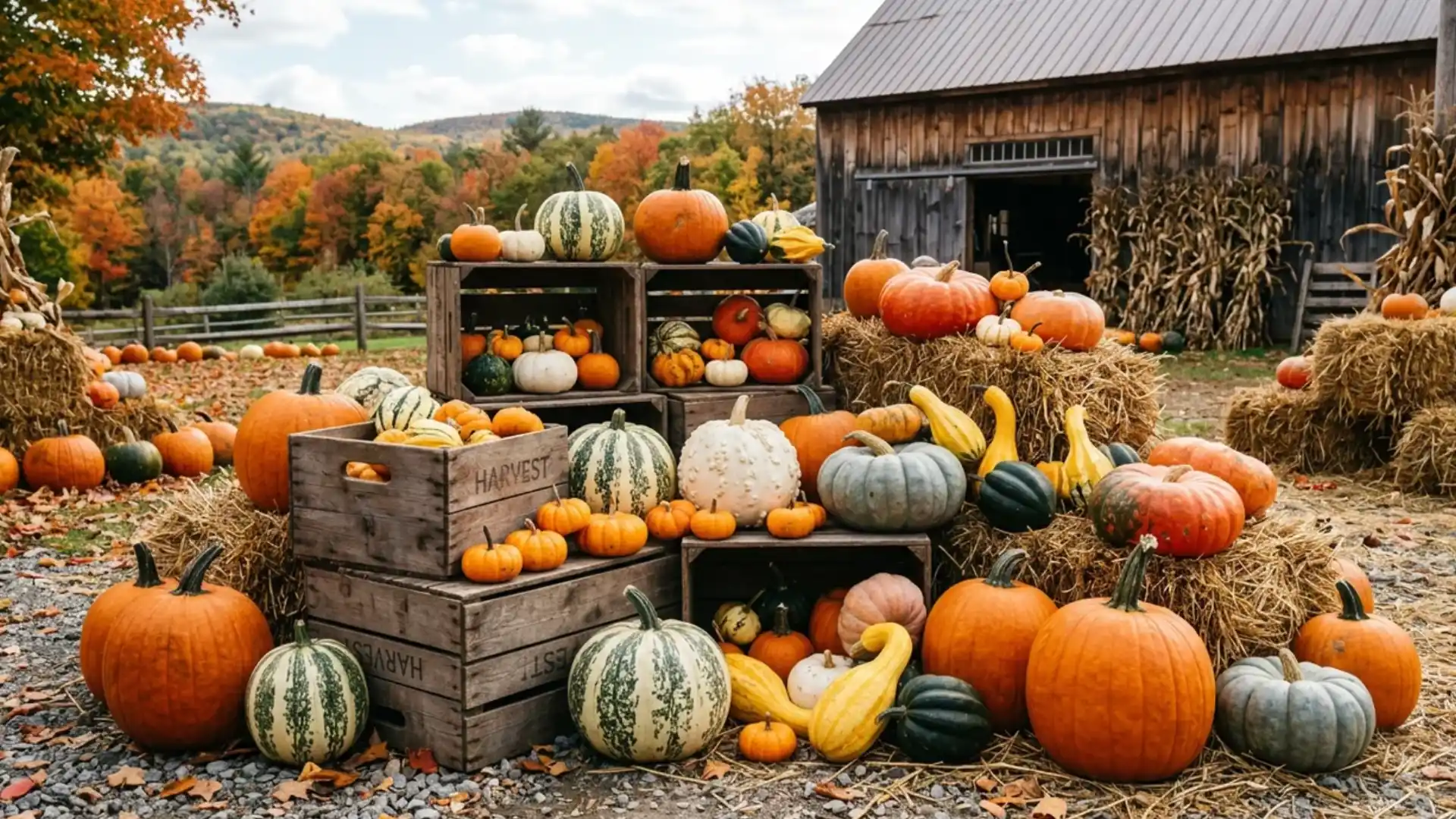
Walk into any fall market, and the pumpkins barely look related to each other.
Some are squat and pale, others deeply ribbed and orange, and a few fit in one hand. That range isn’t random.
Growers have spent generations developing pumpkins for specific uses: smooth pie filling, carving, or giant weights.
Some originate from French heirlooms, others from Japanese squash traditions, and a few for their unusual color.
Knowing the different types of pumpkins turns shopping and cooking into less of a guess.
Understanding the Different Types of Pumpkins
Pumpkins can weigh anything from a few ounces to over a thousand pounds, depending on the type and purpose.
| Category | Best Used For | Weight |
|---|---|---|
| Culinary/Pie | Baking, purees, soups | 4–8 lbs |
| Carving | Jack-o’-lanterns, Halloween displays | 10–60 lbs |
| Miniature/Novelty | Tablescapes, centerpieces, craft projects | Under 1–5 lbs |
| White | Painting, contrast in mixed displays | 5–40 lbs |
| Giant/Competition | Weigh-offs, fall festival showpieces | 100–1,000+ lbs |
| Specialty Heirloom | Ornamental, unique color/texture accents | 5–25 lbs |
| Winter Squash | Roasting, soups, stuffed dishes | 3–15 lbs |
| Industrial/Processing | Canned puree, commercial food production | 15–25 lbs |
Note: Weight ranges are approximate and can shift based on growing conditions.
1. Sugar Pie (New England Pie)
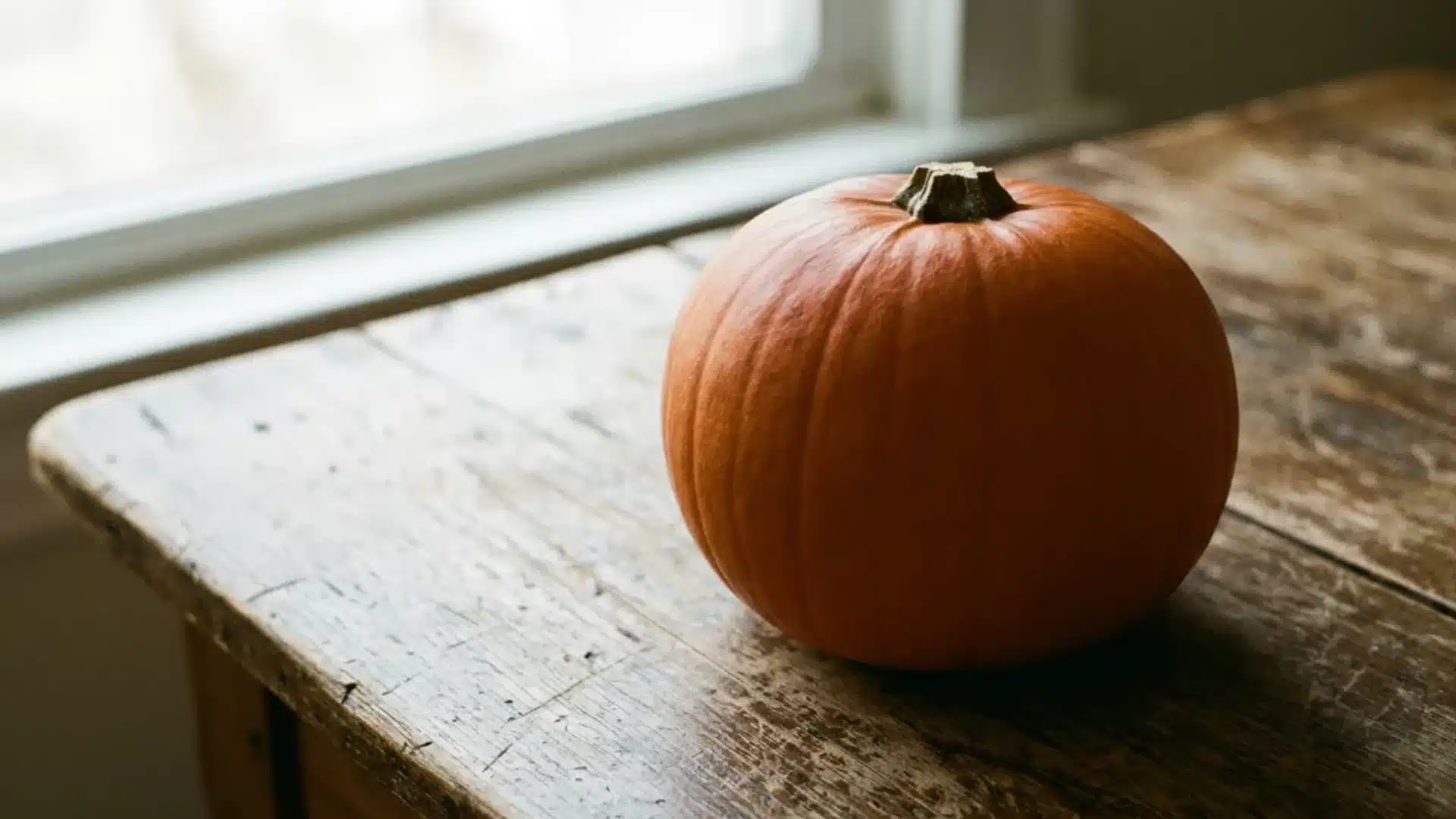
A small, round pumpkin with dense, sweet flesh and very few seeds compared to larger varieties.
It is one of the most widely available culinary pumpkins in grocery stores and farm stands each fall, and remains the standard choice for homemade pumpkin pie filling. Its manageable size makes it easy to roast or halve for baking.
2. Cinderella / Rouge Vif d’Etampes
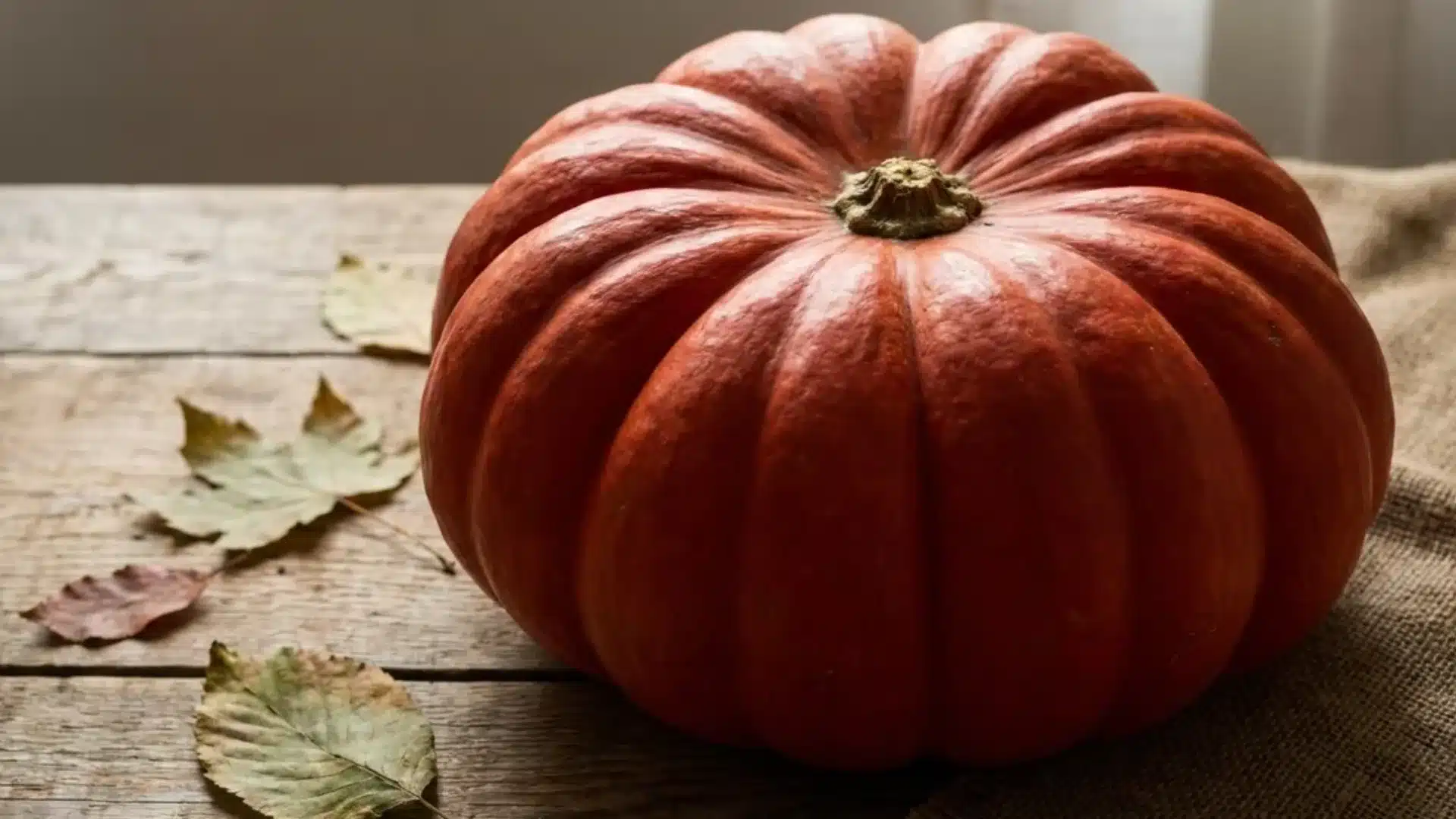
A flattened, deep red-orange pumpkin with pronounced ribbing and an old-fashioned look. Rouge Vif d’Etampes is the original French heirloom name, while Cinderella is the common North American name.
Both refer to the same variety, valued for its appearance and smooth, flavorful flesh.
3. Long Island Cheese
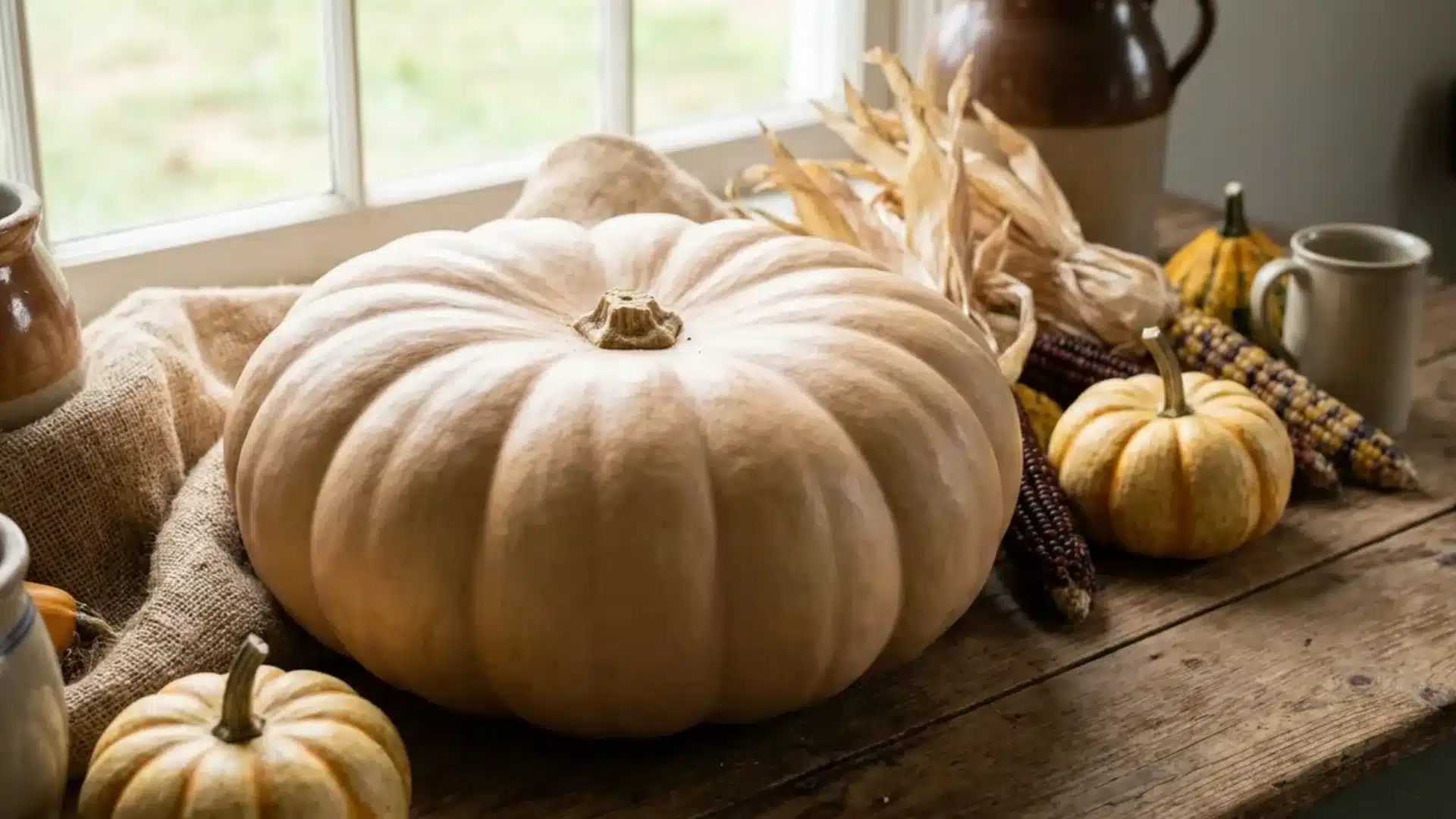
Named for its pale tan color and flattened, wheel-of-cheese shape rather than any dairy connection.
This heirloom variety has smooth, sweet flesh that holds up well in soups and pies alike. It is also known for storing longer than many culinary pumpkins, making it a practical choice for extended fall and winter use.
4. Fairytale / Musquée de Provence
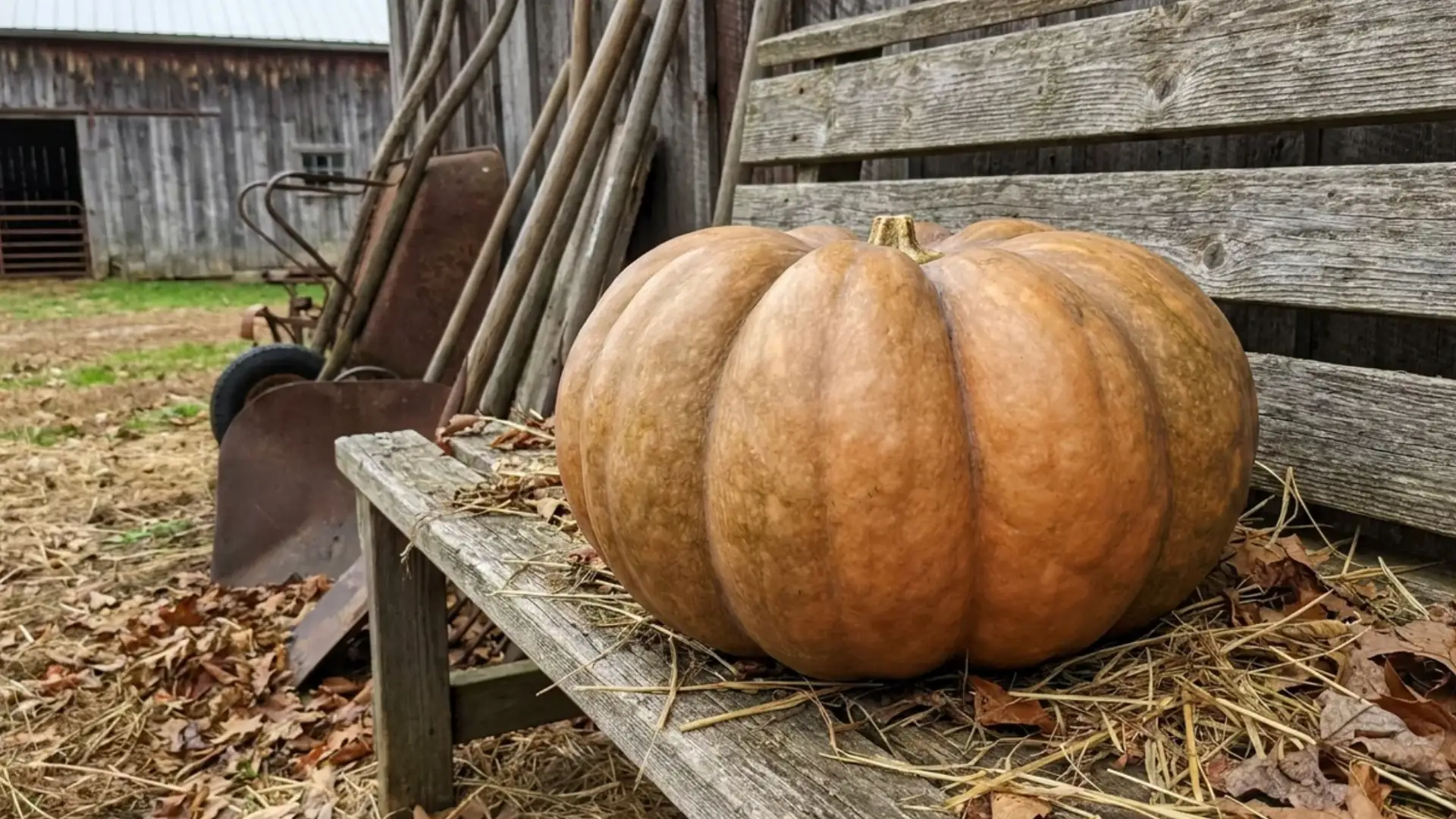
A heavily ribbed, tan-to-deep-orange pumpkin with dense, nutty-flavored flesh once fully ripened. Musquée de Provence is the traditional French heirloom name, whereas it is commonly labeled as Fairytale in markets.
It is a favorite among chefs for its rich flavor and works well as a fall centerpiece thanks to its shape.
5. Jarrahdale
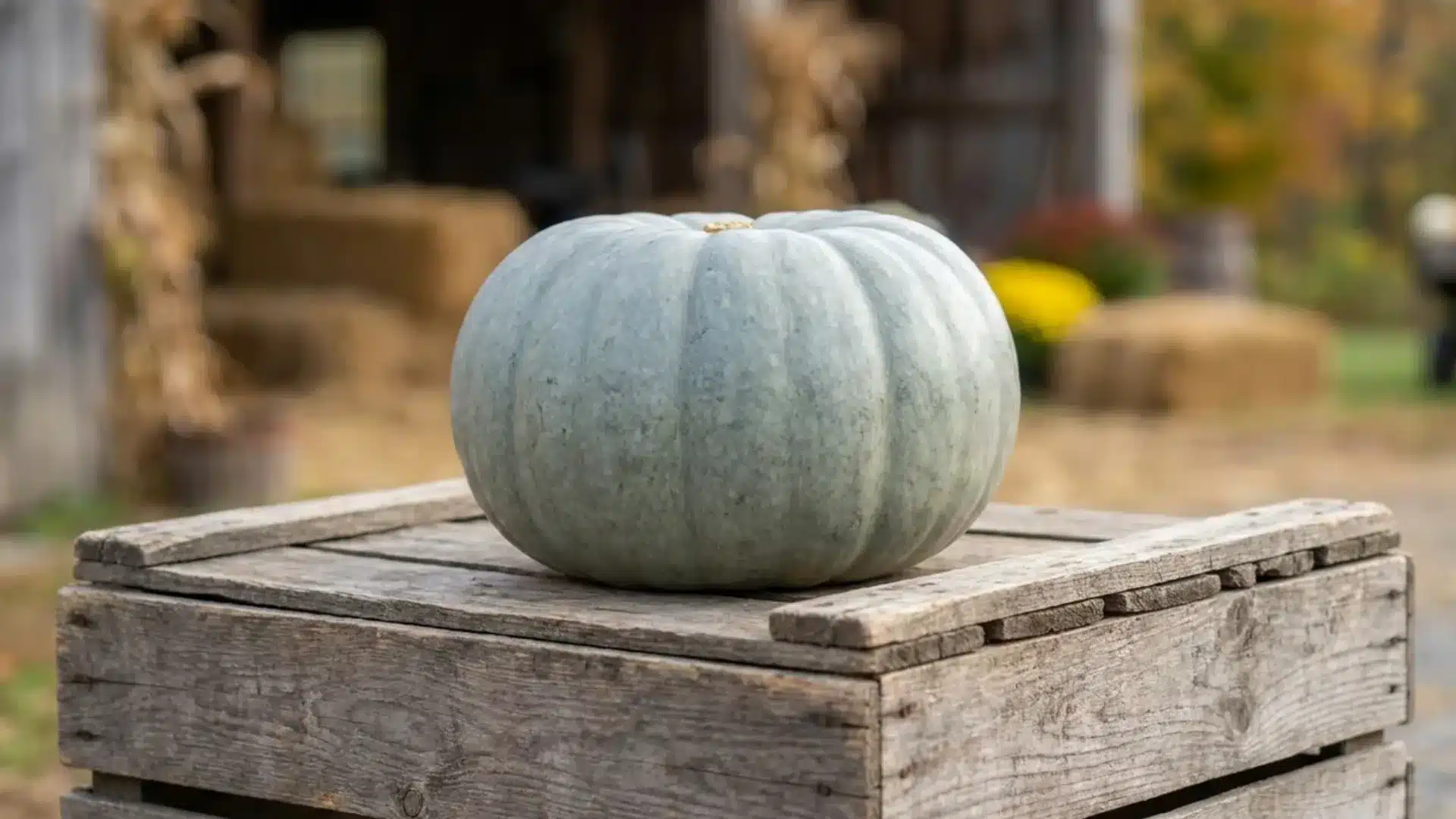
An Australian heirloom pumpkin known for its striking blue-gray skin paired with bright orange flesh underneath. It is prized for cooking, performing well in pies and roasted dishes, and for its notably long shelf life.
Its unusual color also makes it a popular pick for fall displays that want something other than orange.
6. Winter Luxury Pie
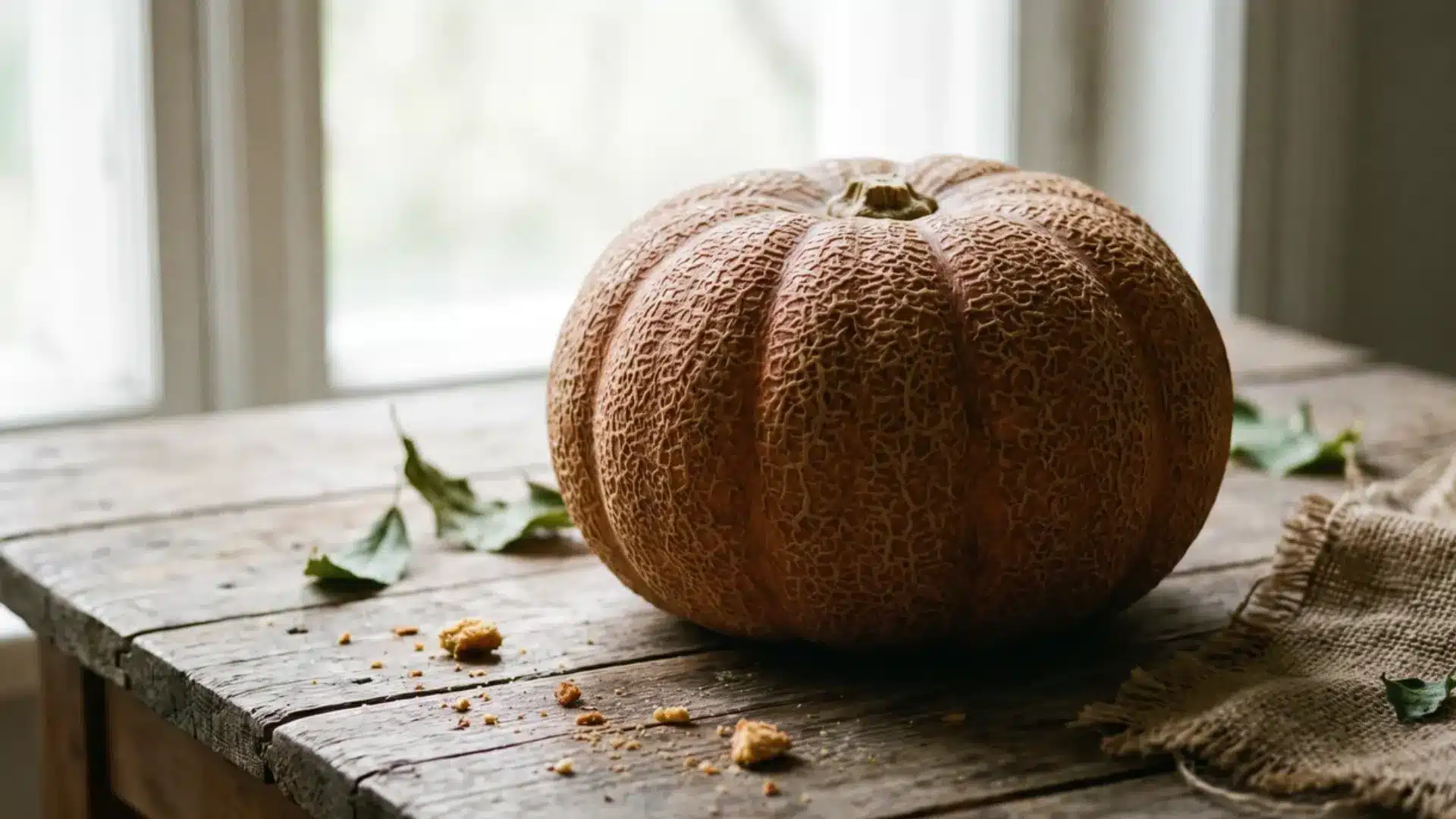
A smaller pumpkin with a distinctive netted, russeted skin and fine-textured flesh bred specifically with baking in mind. It purées easily without much straining, making it a favorite for smooth pie filling.
The compact size also suits smaller gardens and shorter growing seasons compared to larger culinary varieties.
7. Autumn Gold
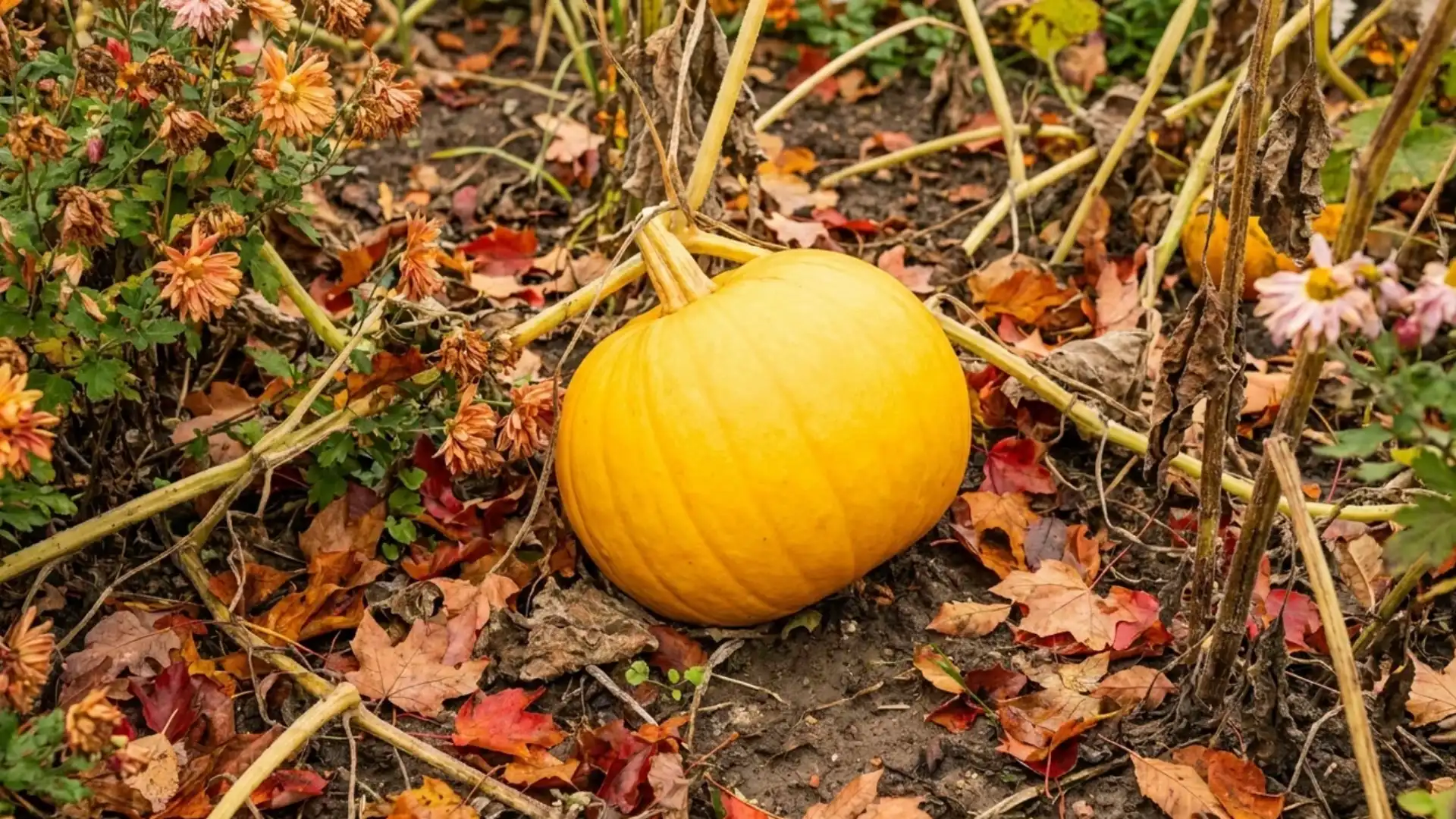
A hybrid variety that ripens early to a rich, deep gold color well before many other pumpkins reach maturity. It is grown for both eating and light decorative use, since it holds its shape and color well after harvest.
Home gardeners often choose it for reliable yields and shorter time to maturity.
8. Baby Pam
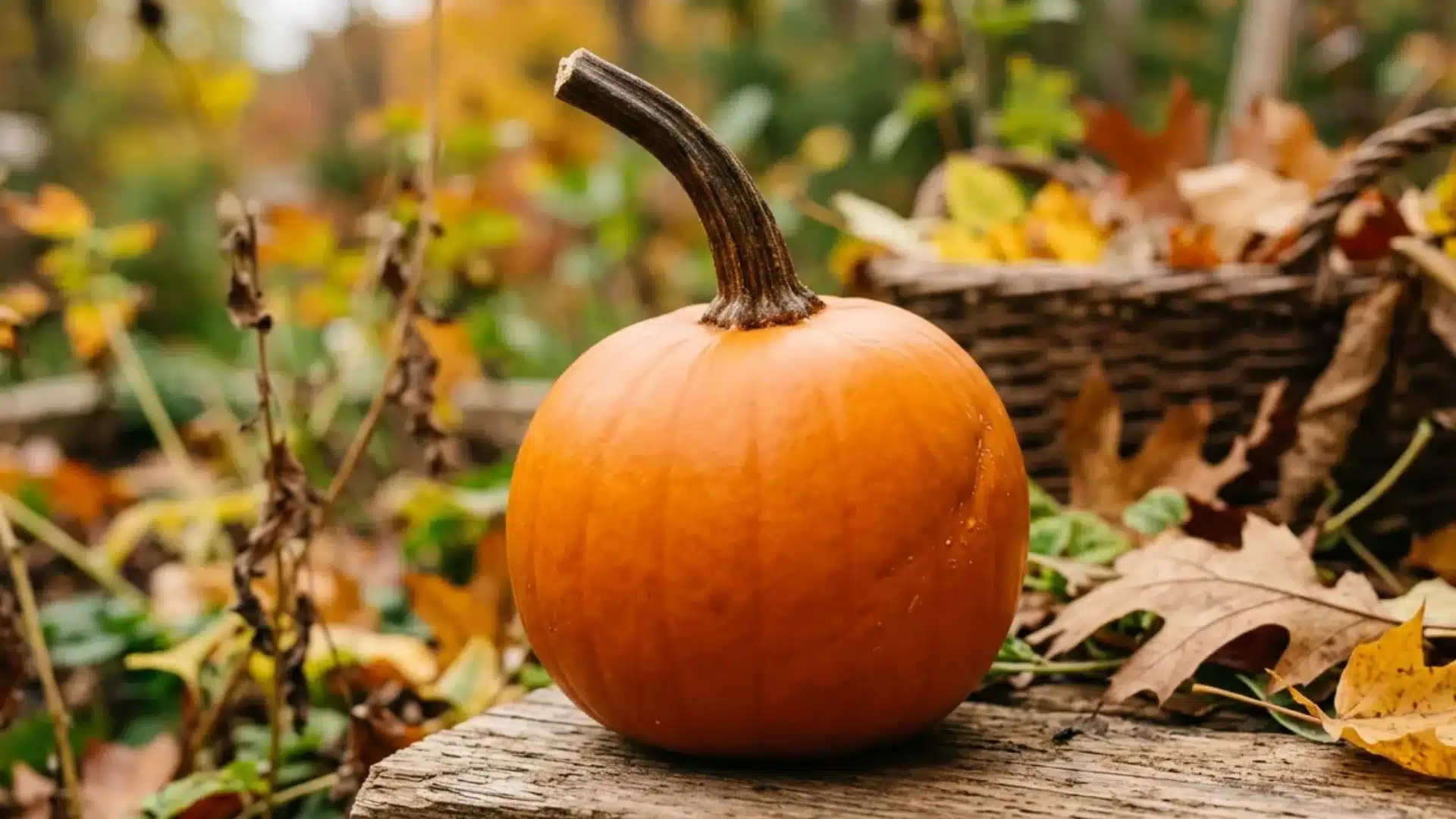
A compact pie pumpkin with smooth, sweet flesh well suited to baking and puréeing.
It’s a common choice among home gardeners thanks to its short growing season, manageable vine size, and consistent yields. Despite its small size, it produces flesh comparable in quality to larger culinary varieties.
9. Connecticut Field
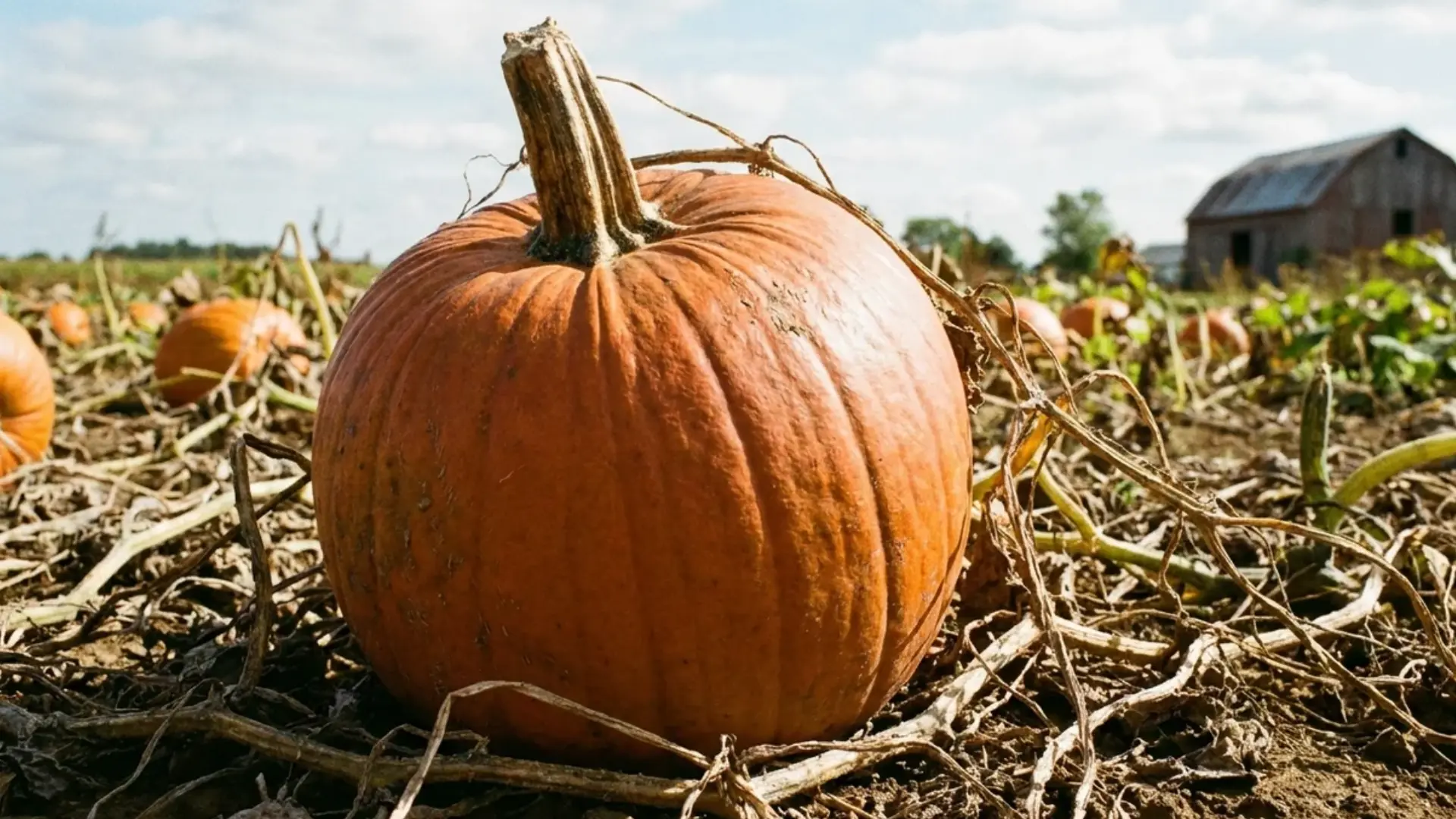
One of the oldest known pumpkin varieties, dating back to colonial-era New England. It has a classic round shape, deep orange skin, and sturdy handles, making it a reliable choice for carving.
Its long history and wide availability have made it something of a benchmark variety for the category.
10. Howden
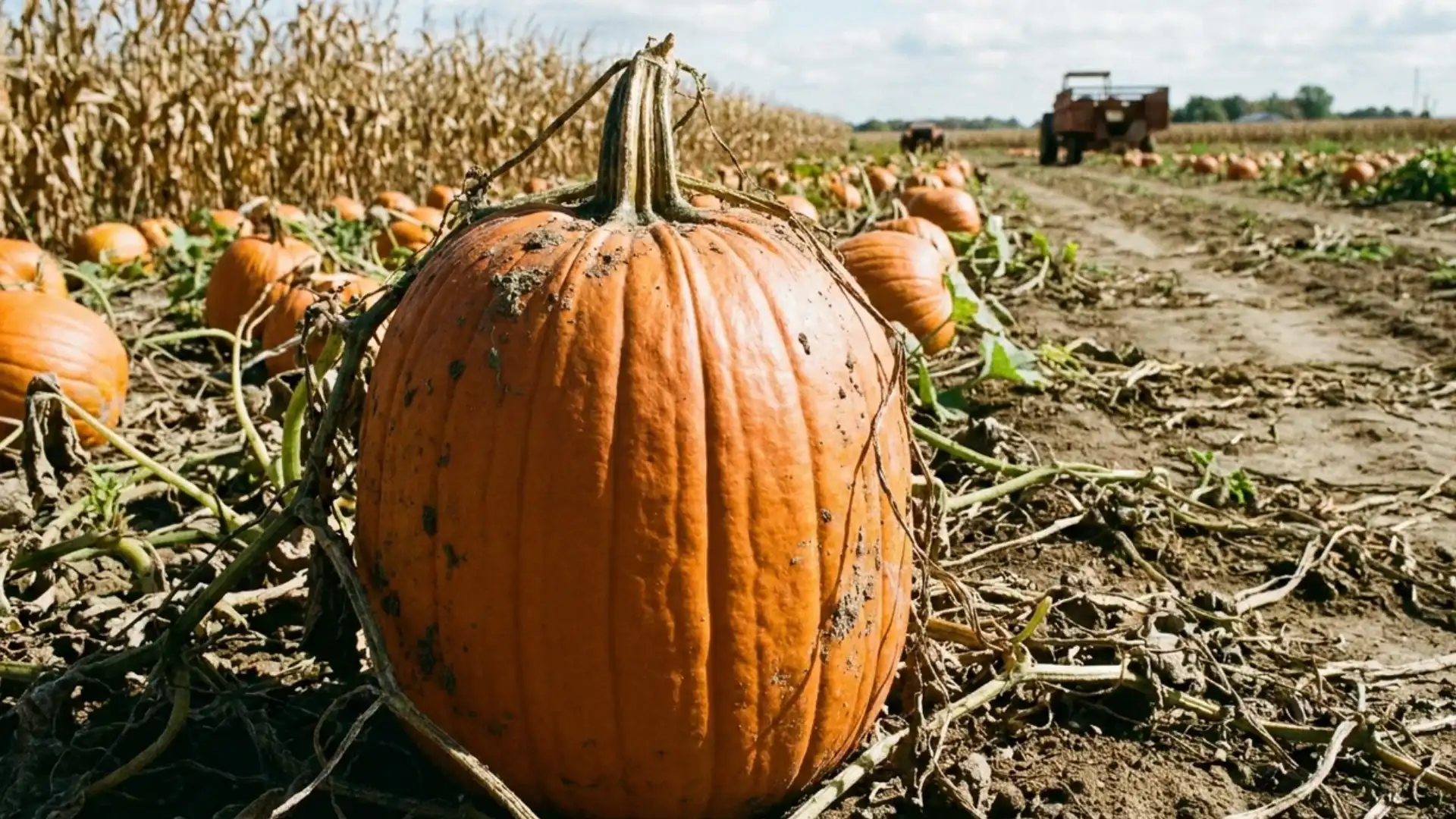
The most commonly grown carving pumpkin in commercial fields today. It has tall, uniform sides, a strong stem, and deep ridging, giving it a classic jack-o’-lantern shape.
Growers favor it for its consistent size and shape, simplifying mass production for fall farm stands and stores.
11. Aspen
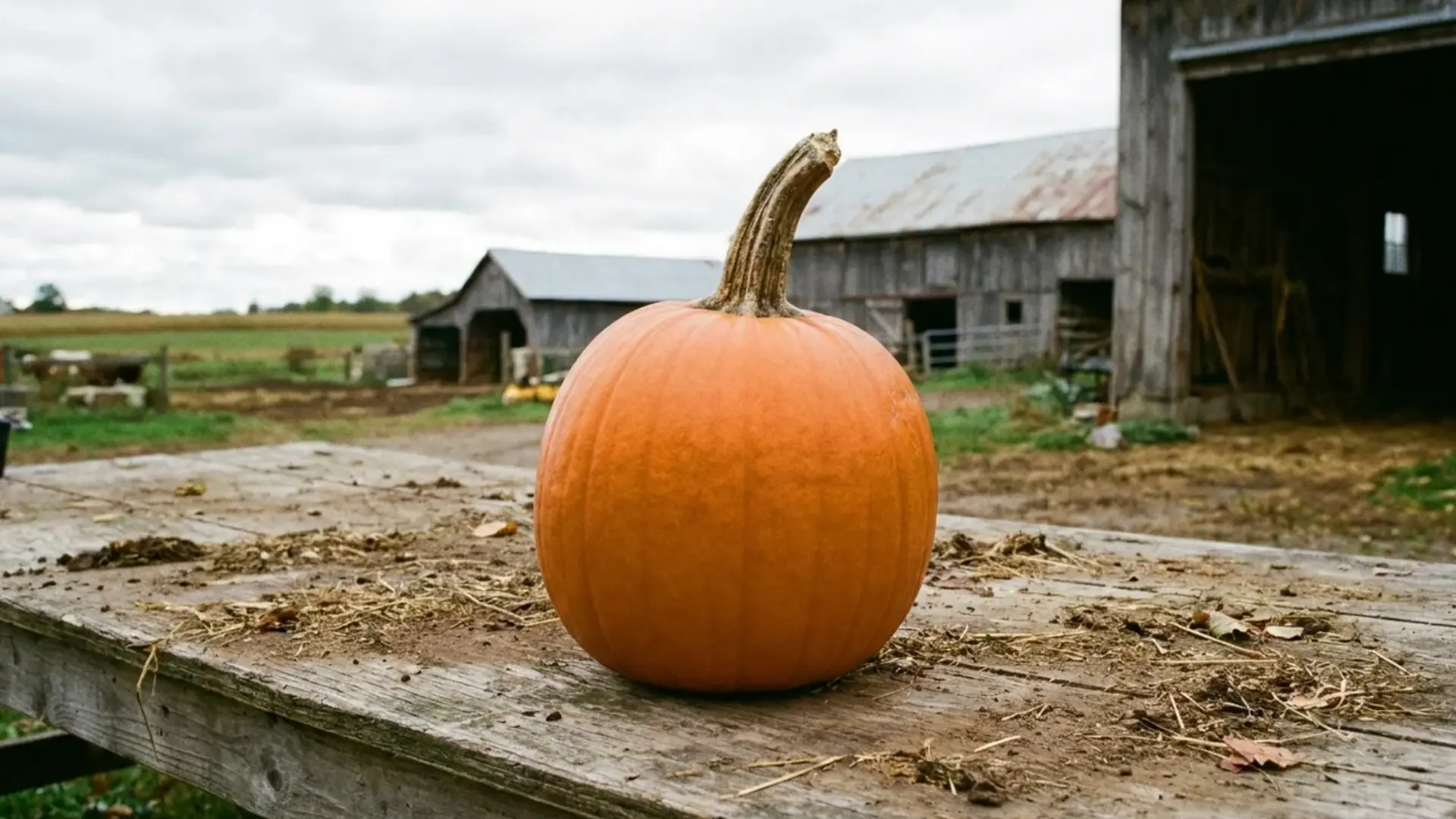
A hybrid carving variety bred for disease resistance and reliable yields.
Aspen produces medium-to-large pumpkins with smooth, deep orange skin and a strong handle. Commercial growers prefer it for a dependable crop that withstands field conditions and transport.
12. Magic Lantern
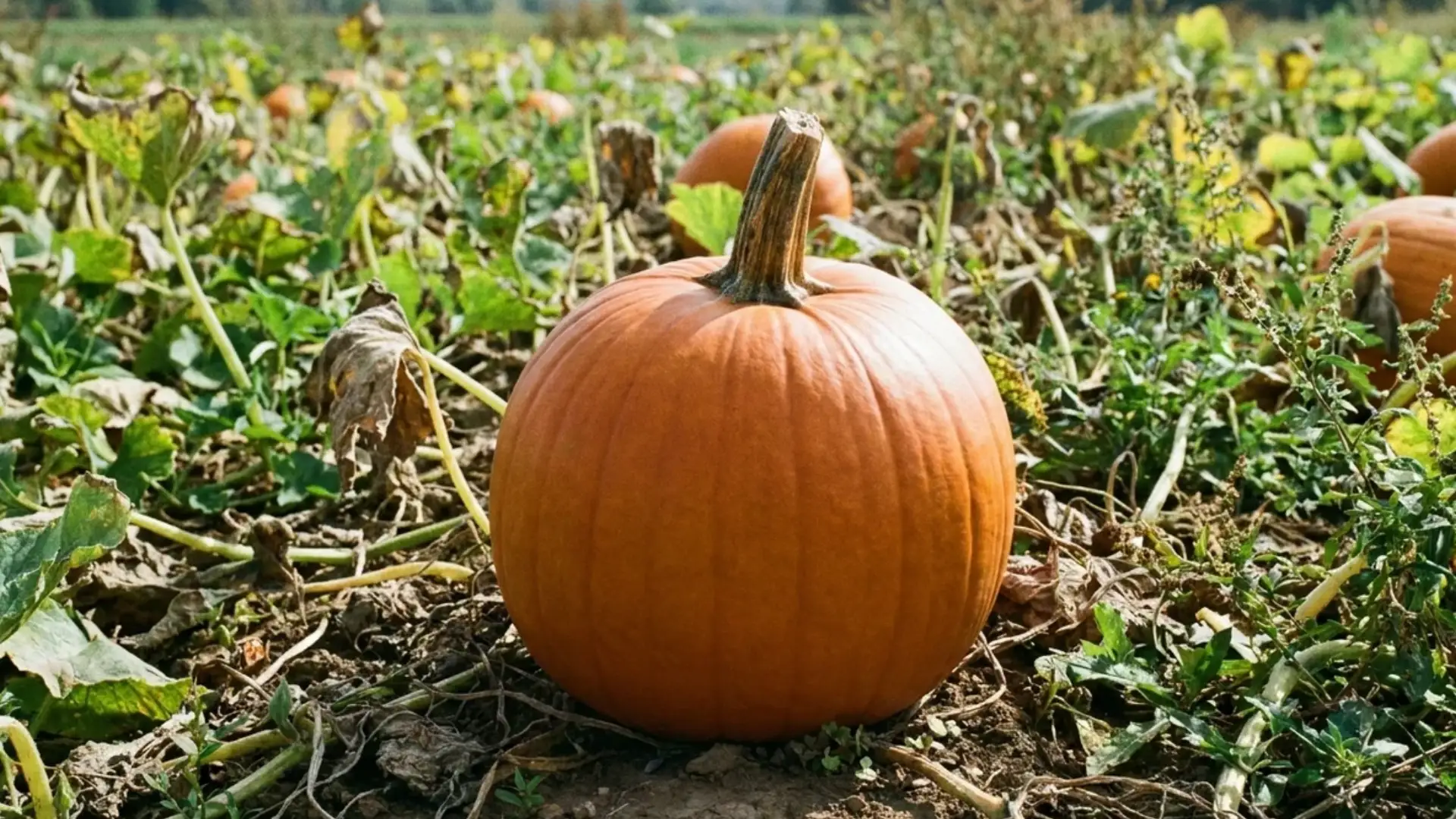
A hybrid with strong disease resistance, especially against powdery mildew, which can shorten a pumpkin’s field life. It produces uniform, round pumpkins with sturdy handles and smooth skin.
Growers rely on it in regions where mildew pressure is high, since it holds up longer than wider, older varieties.
13. Gladiator
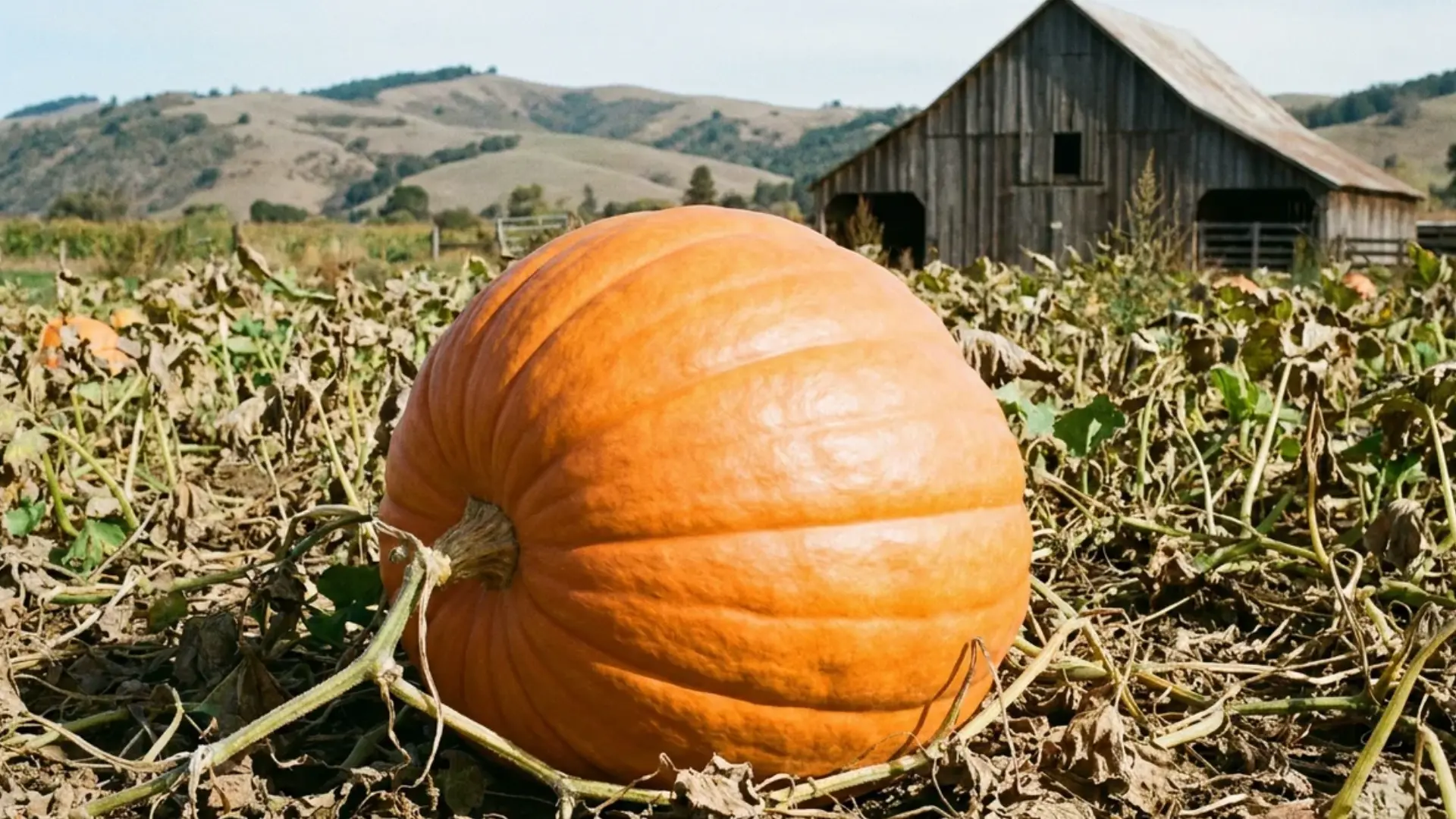
A hybrid carving pumpkin known for producing large, uniform fruit with thick walls suited to detailed carving. It also carries strong disease resistance, which helps it perform well across a range of growing conditions.
Its reliable size and shape make it a popular choice for both farms and home gardens.
14. Racer
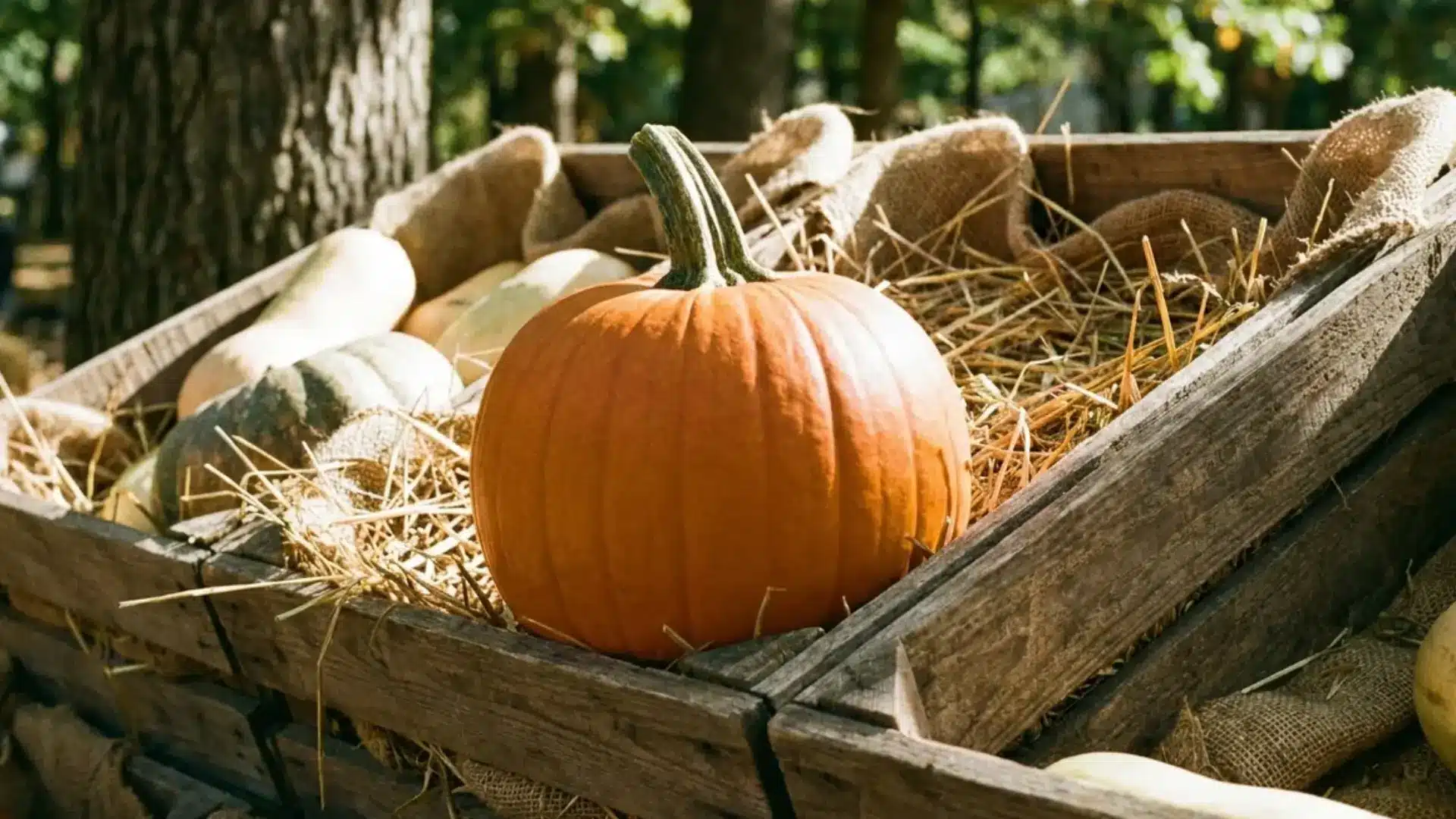
An early-maturing hybrid bred for growers who need a quick turnaround before the fall season.
It produces medium-sized, well-shaped pumpkins with good color and sturdy handles despite its shorter harvest time. Racer is often planted specifically to hit early-season markets ahead of slower-maturing carving varieties.
15. Jack Be Little
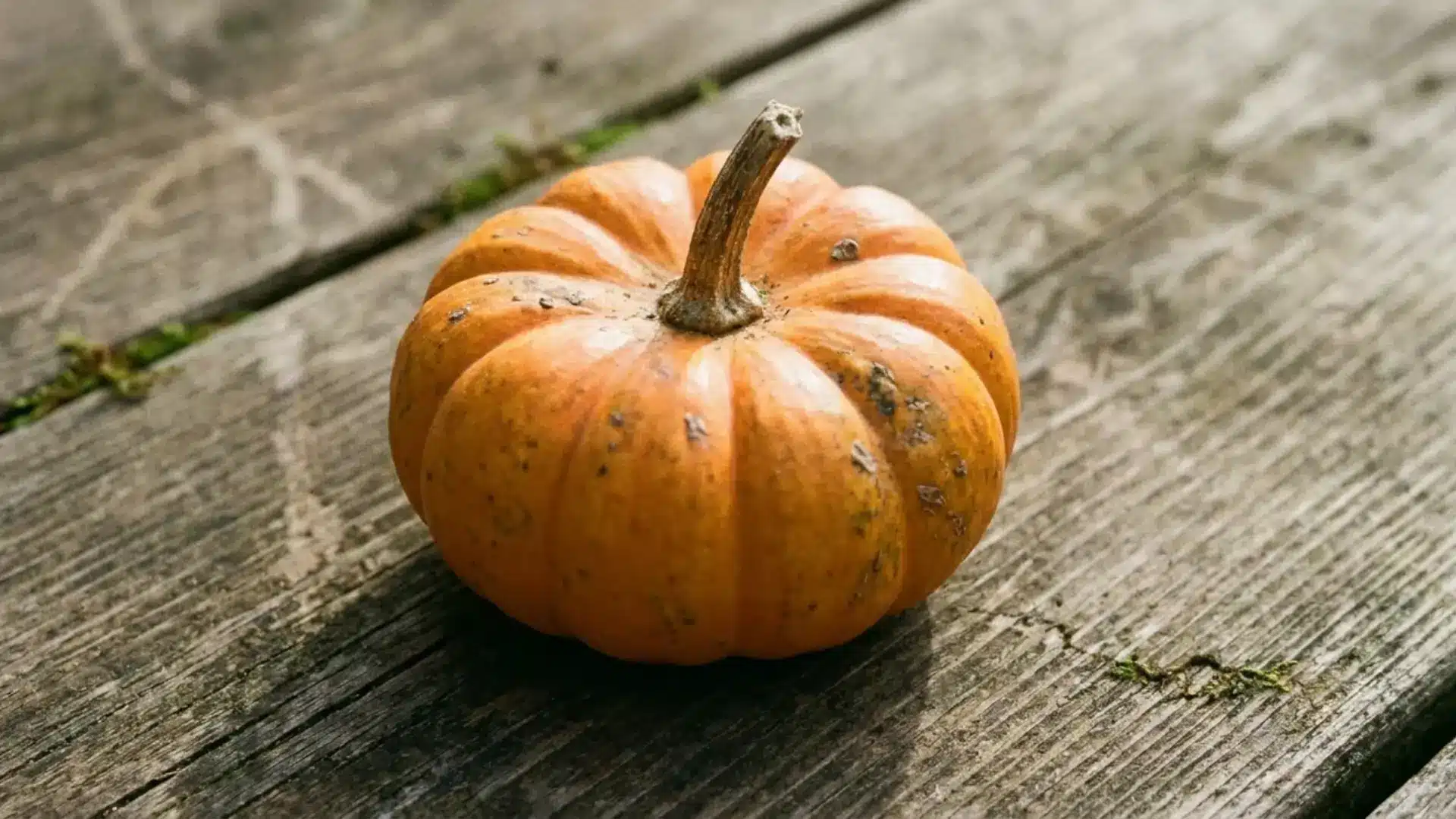
A widely recognized miniature pumpkin, reaching a few inches with a flattened shape, deep orange skin, and shallow ribbing. Its small size and durability make it popular for tablescapes, gift baskets, and fall displays.
It is also widely available at farm stands each season.
16. Baby Boo (white)
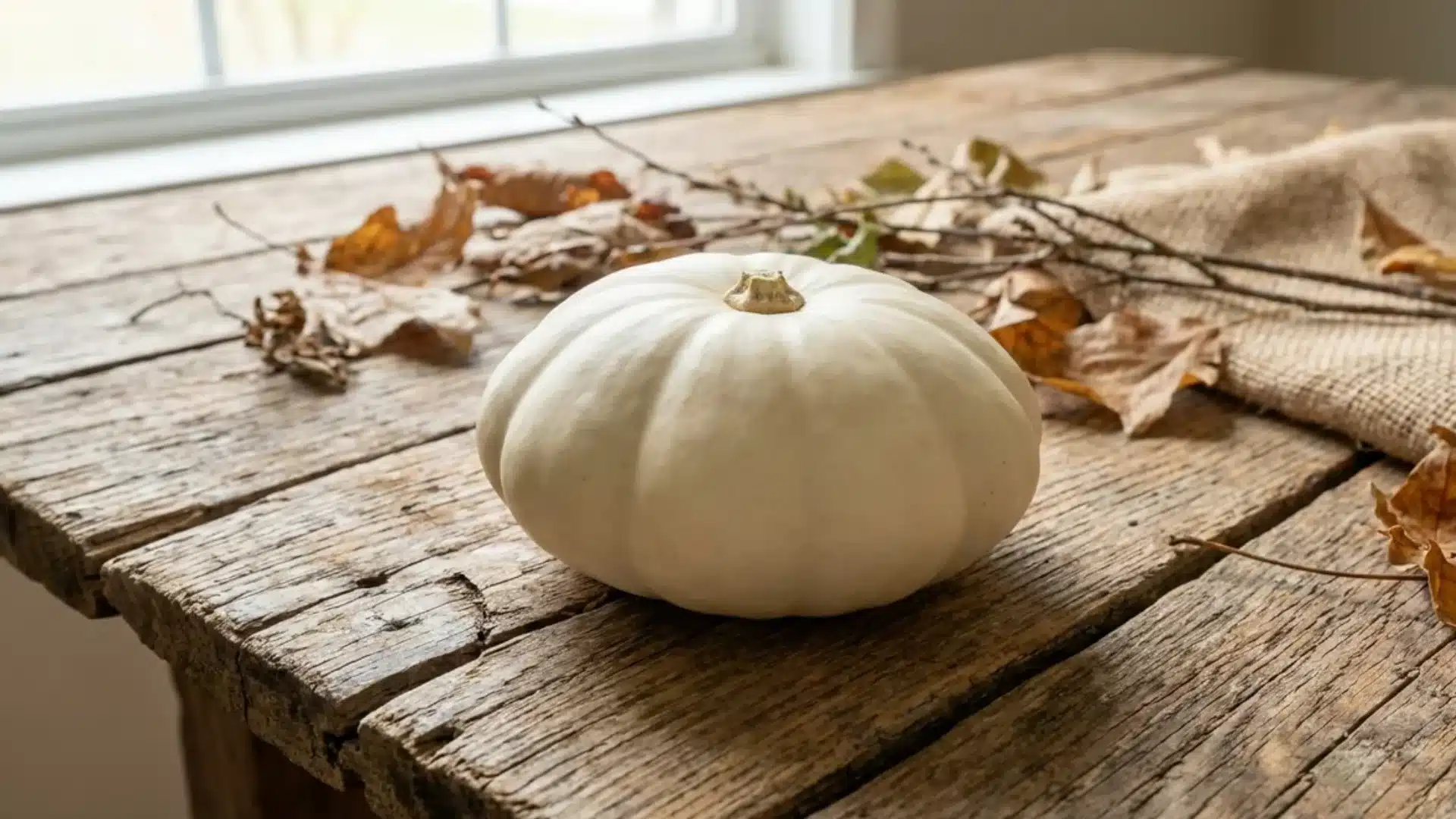
A miniature variety with smooth, pure white skin and the same flattened shape as its orange counterparts.
It pairs well with traditional orange mini pumpkins in mixed displays and holds its color and firmness for weeks after harvest, making it a favorite for extended fall decorating and craft projects.
17. Wee Be Little
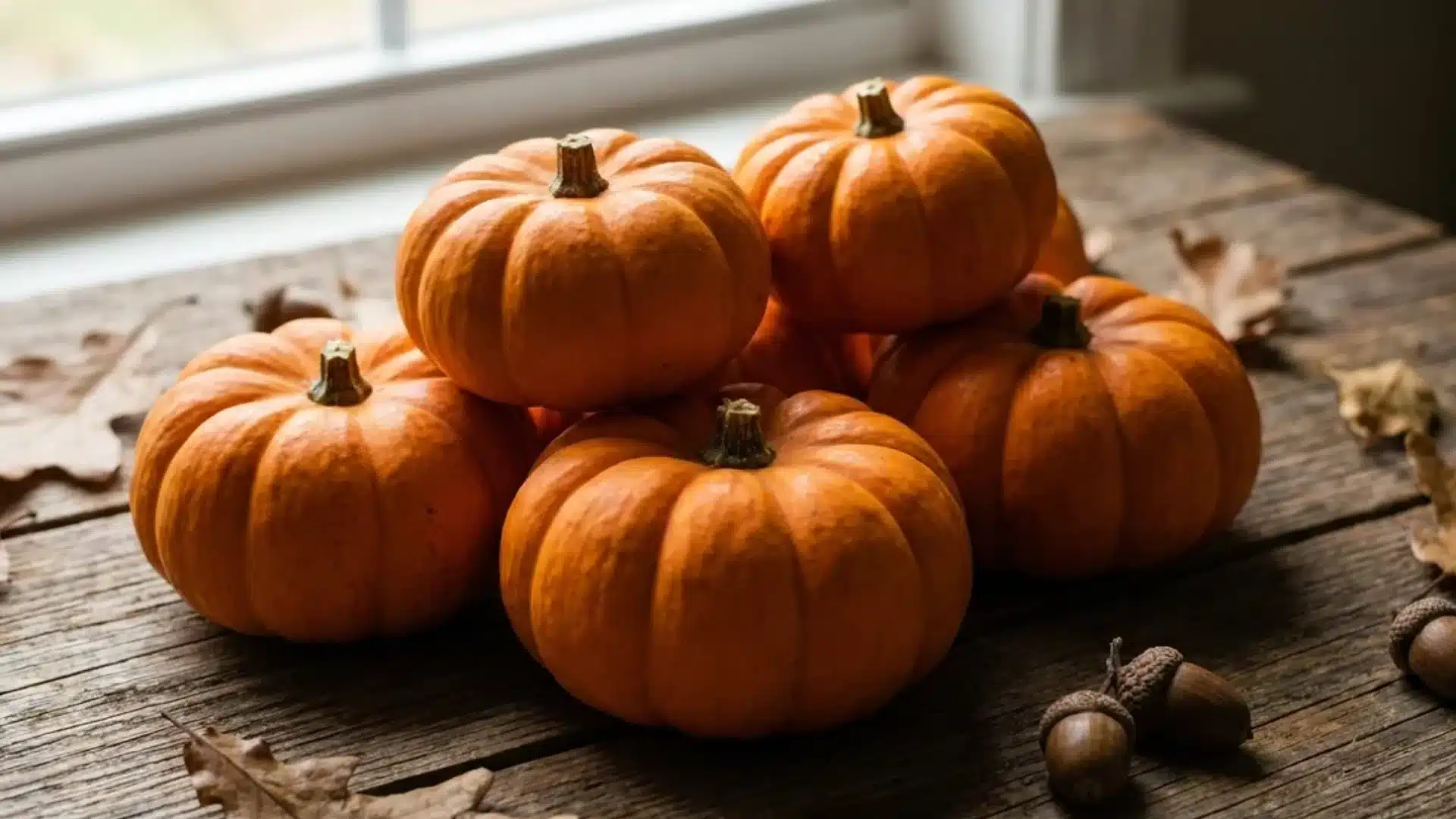
A compact variety similar in size to Jack Be Little, with deep orange skin and a rounder profile.
It is known for high yields per vine, producing many small pumpkins from a single plant, which makes it appealing for growers who want volume for farmers’ markets or large-scale decorating setups.
18. Hooligan
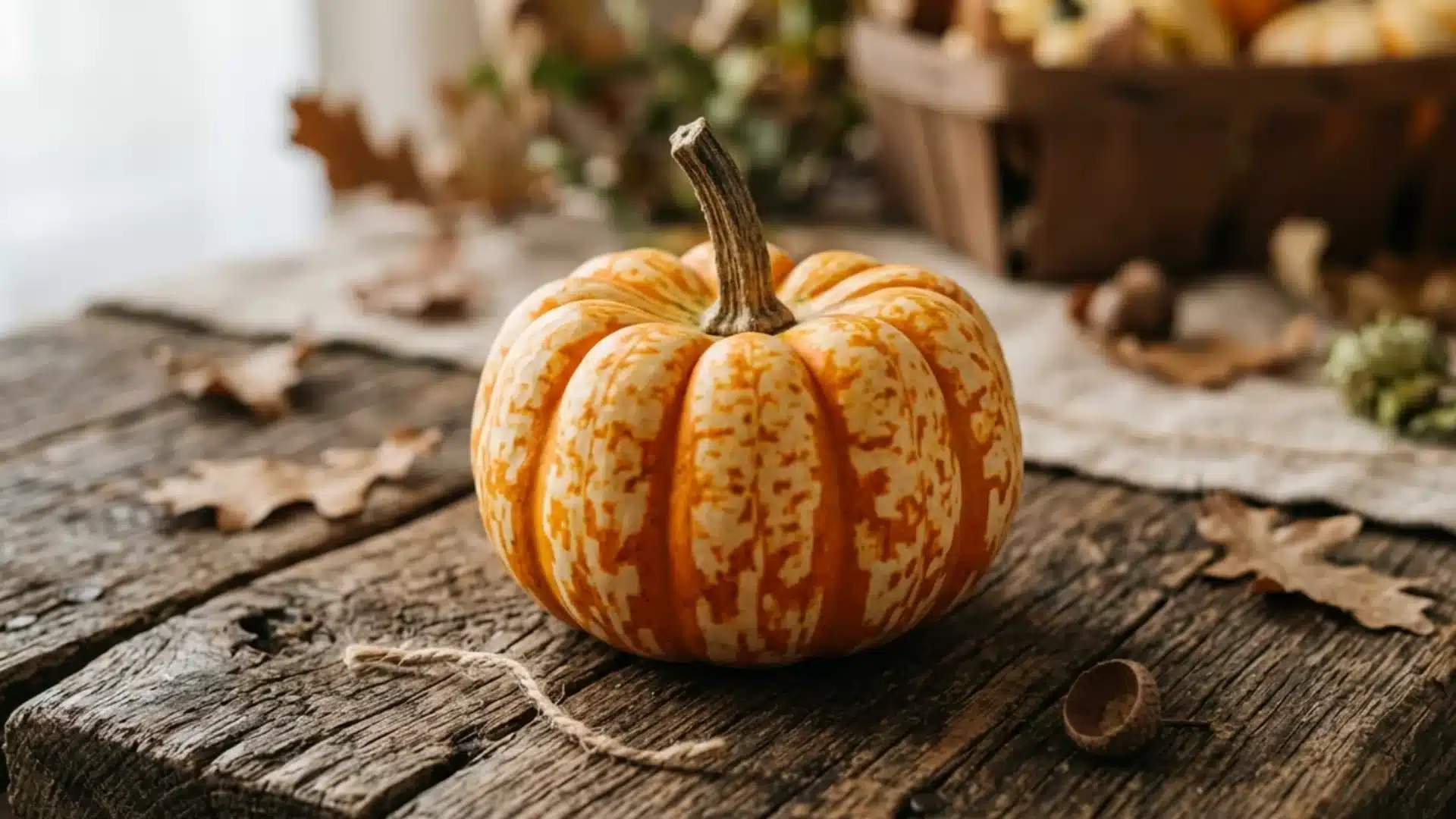
A bicolor miniature pumpkin, typically showing streaks of orange and cream across its skin. Its irregular coloring sets it apart from more uniform mini varieties, giving displays a bit of visual variety.
It is grown mostly for decoration, holds up well once harvested, and stores easily through the season.
19. Munchkin
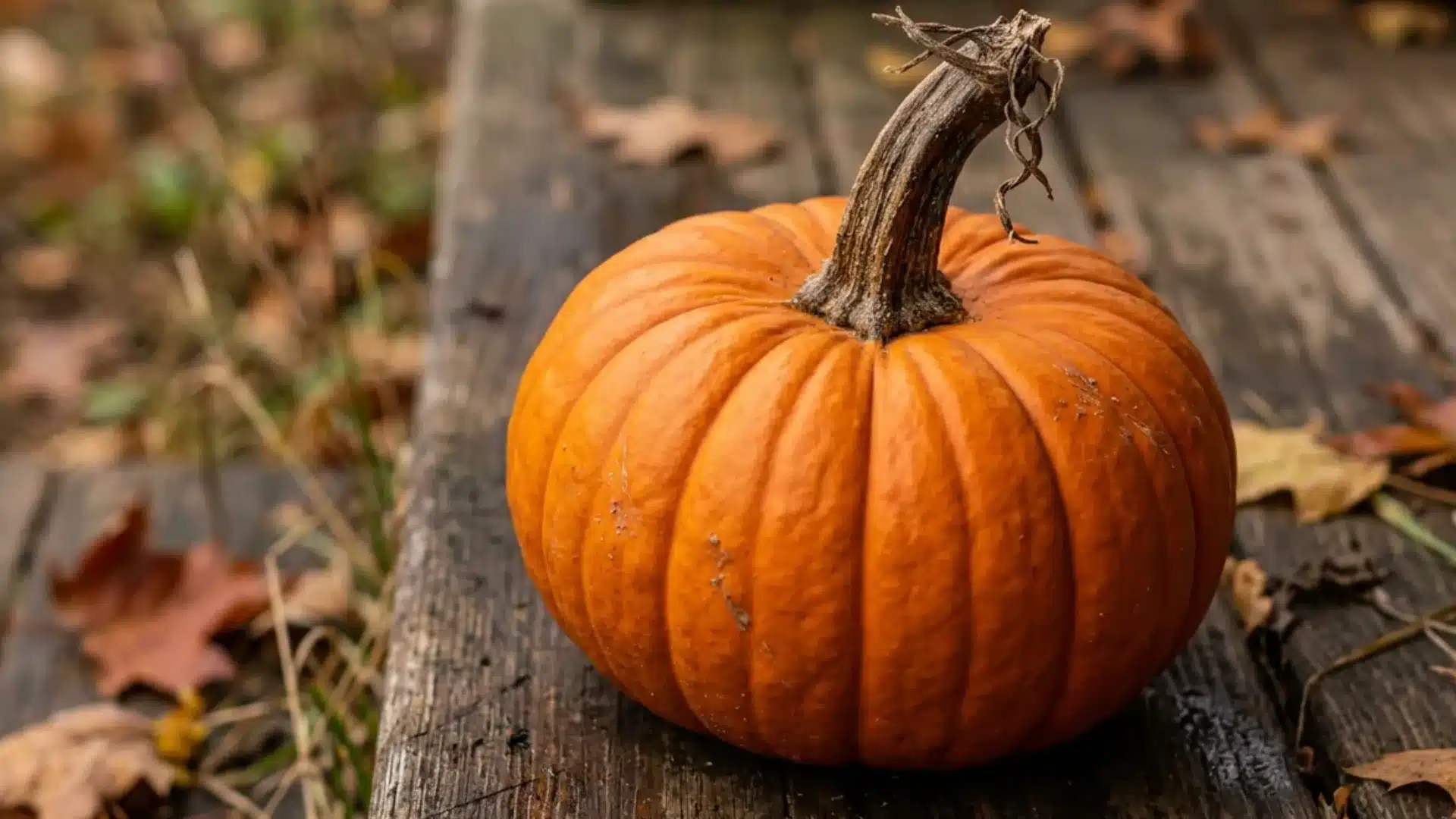
A small, deeply ribbed pumpkin with a rounder, fuller look than flatter minis.
Its bright orange color and sturdy handle make it a common choice for fall arrangements, wreaths, and porch displays. It is often sold in bulk for events, weddings, and seasonal decorating needs throughout autumn.
20. Casper
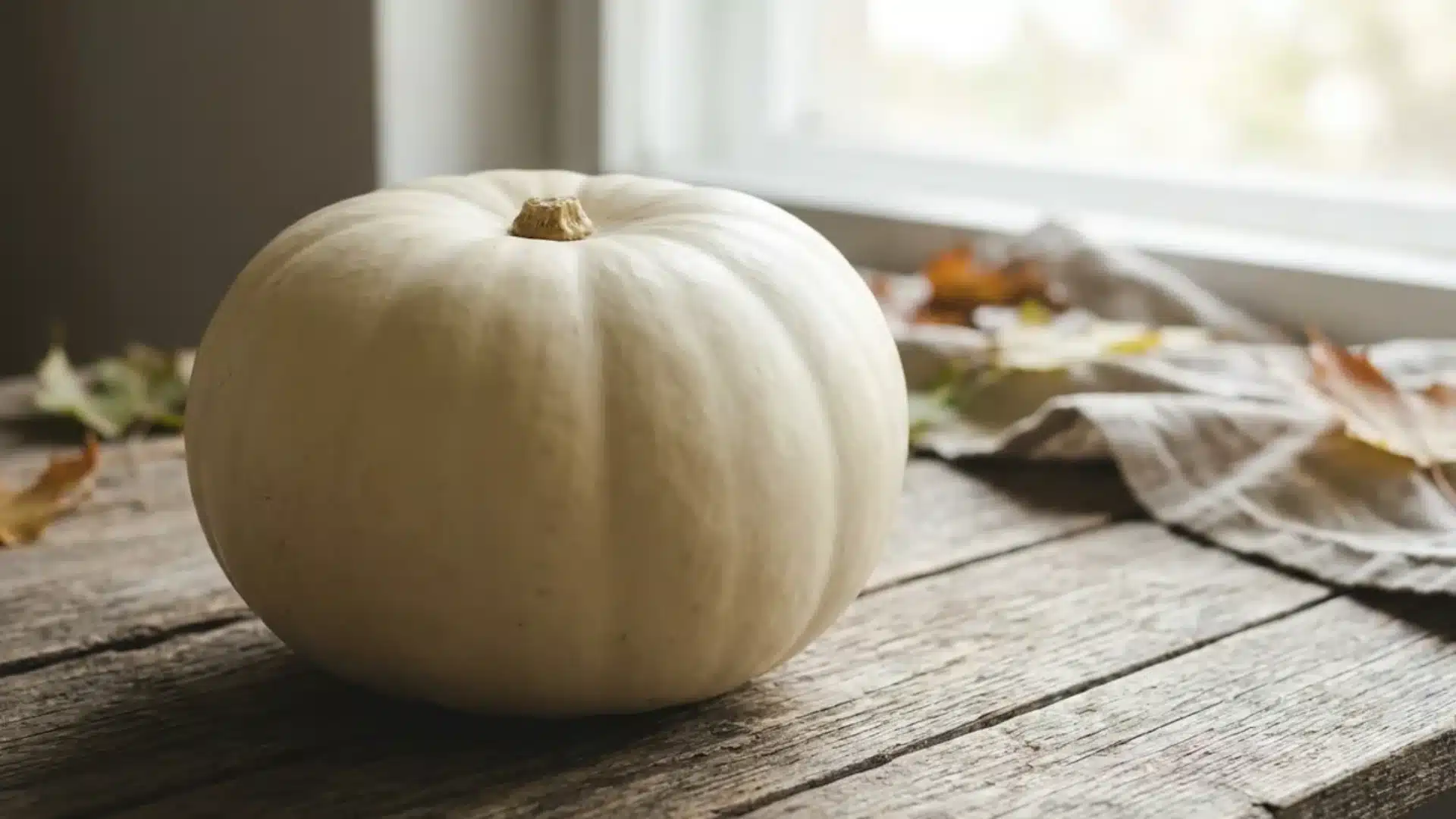
A round, creamy white pumpkin with smooth skin and a classic pumpkin shape. It is a popular white variety for carving and painting because its surface takes designs and colors well.
Its manageable size makes it easy to display with traditional orange pumpkins.
21. Lumina
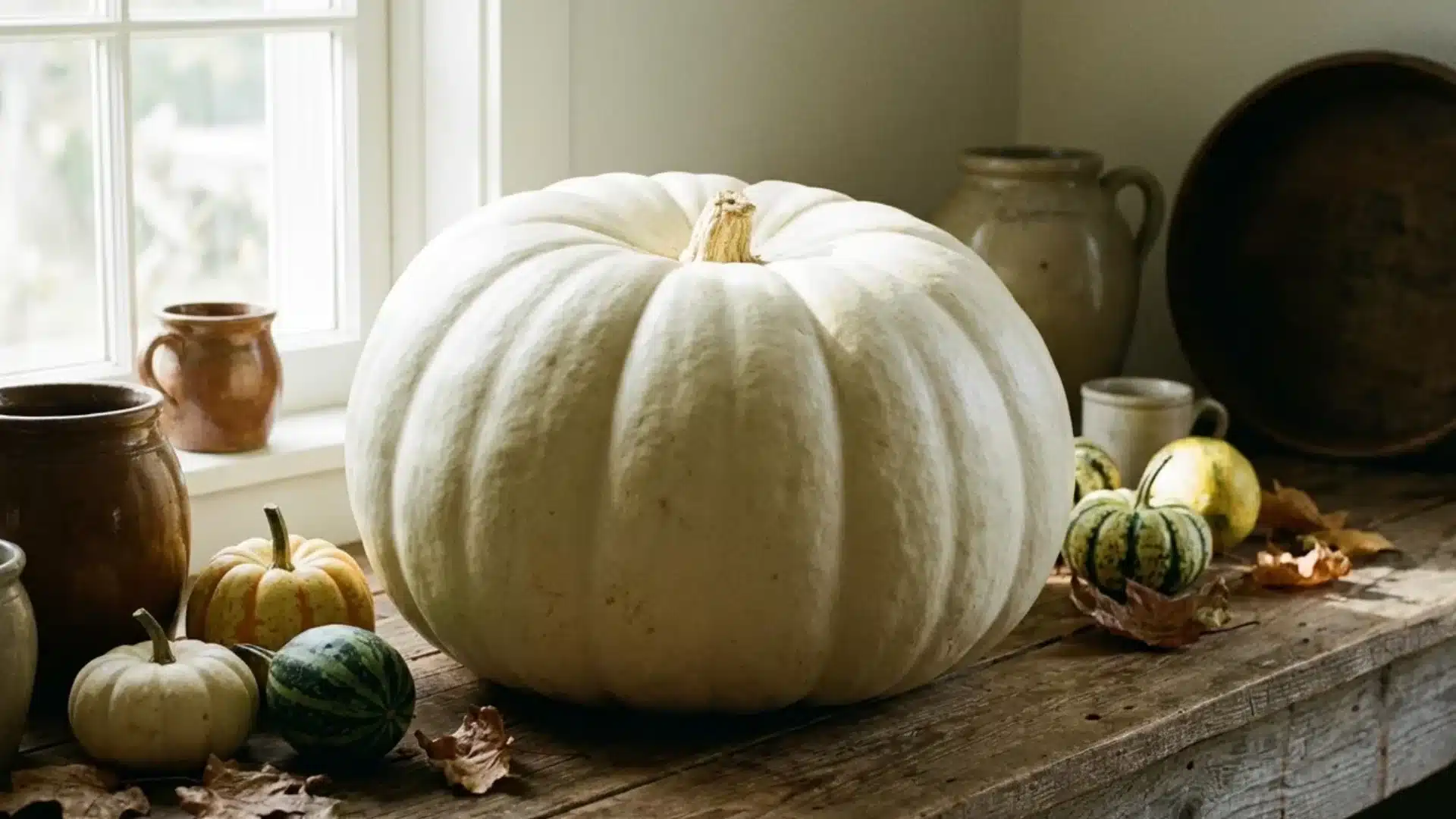
A large white pumpkin with a slightly ribbed surface and orange flesh underneath its pale skin.
It is often used for carving thanks to its size and sturdy walls, and the contrast between its white exterior and orange interior gives carved designs a distinctive look once lit from within.
22. Snowball
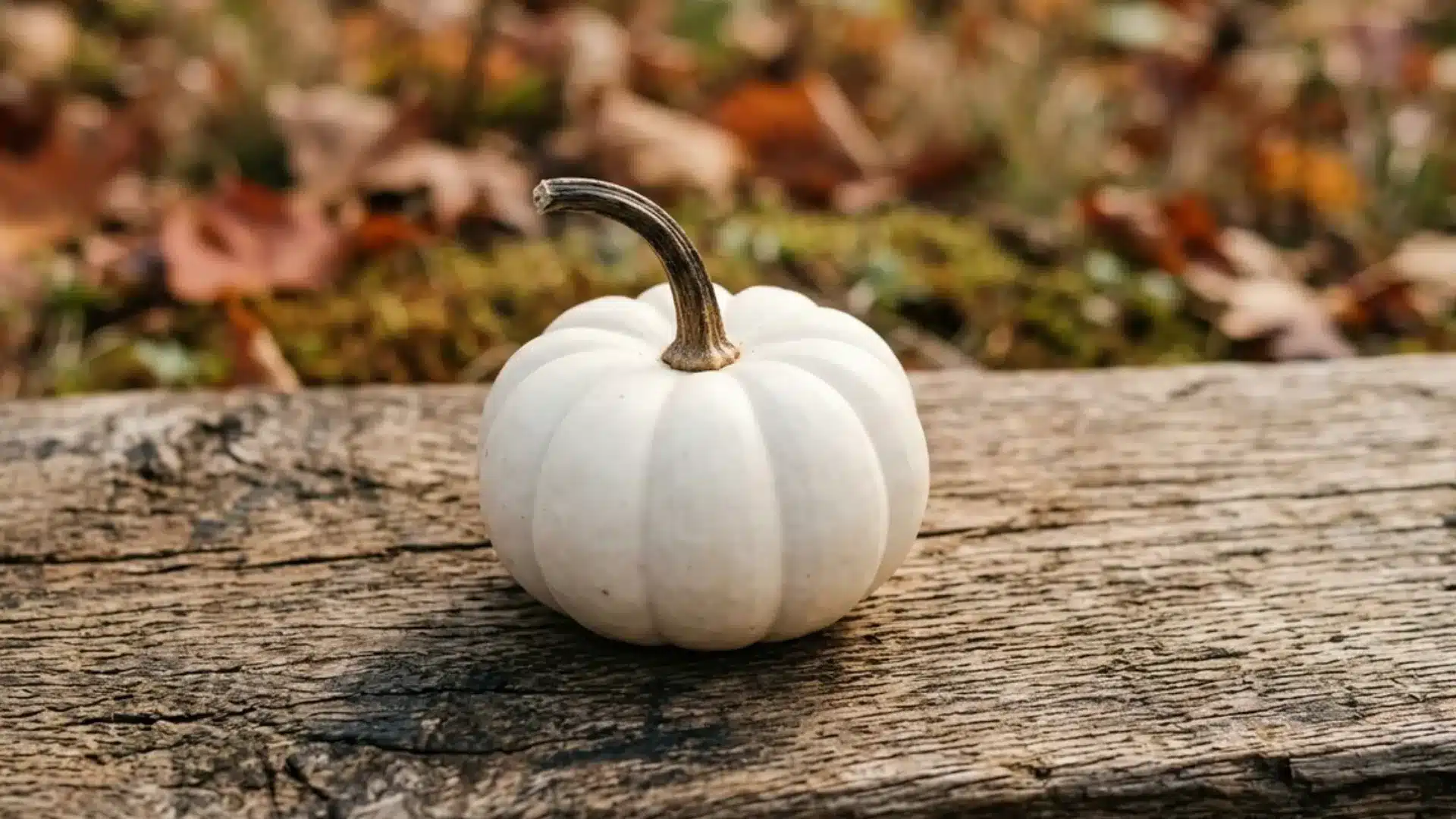
A small white pumpkin, similar in size to mini orange varieties like Jack Be Little. Its compact shape and pure white color make it a popular pairing piece in mixed mini-pumpkin displays.
It holds its color and firmness well after harvest, making it suited for extended fall decorating.
23. Cotton Candy
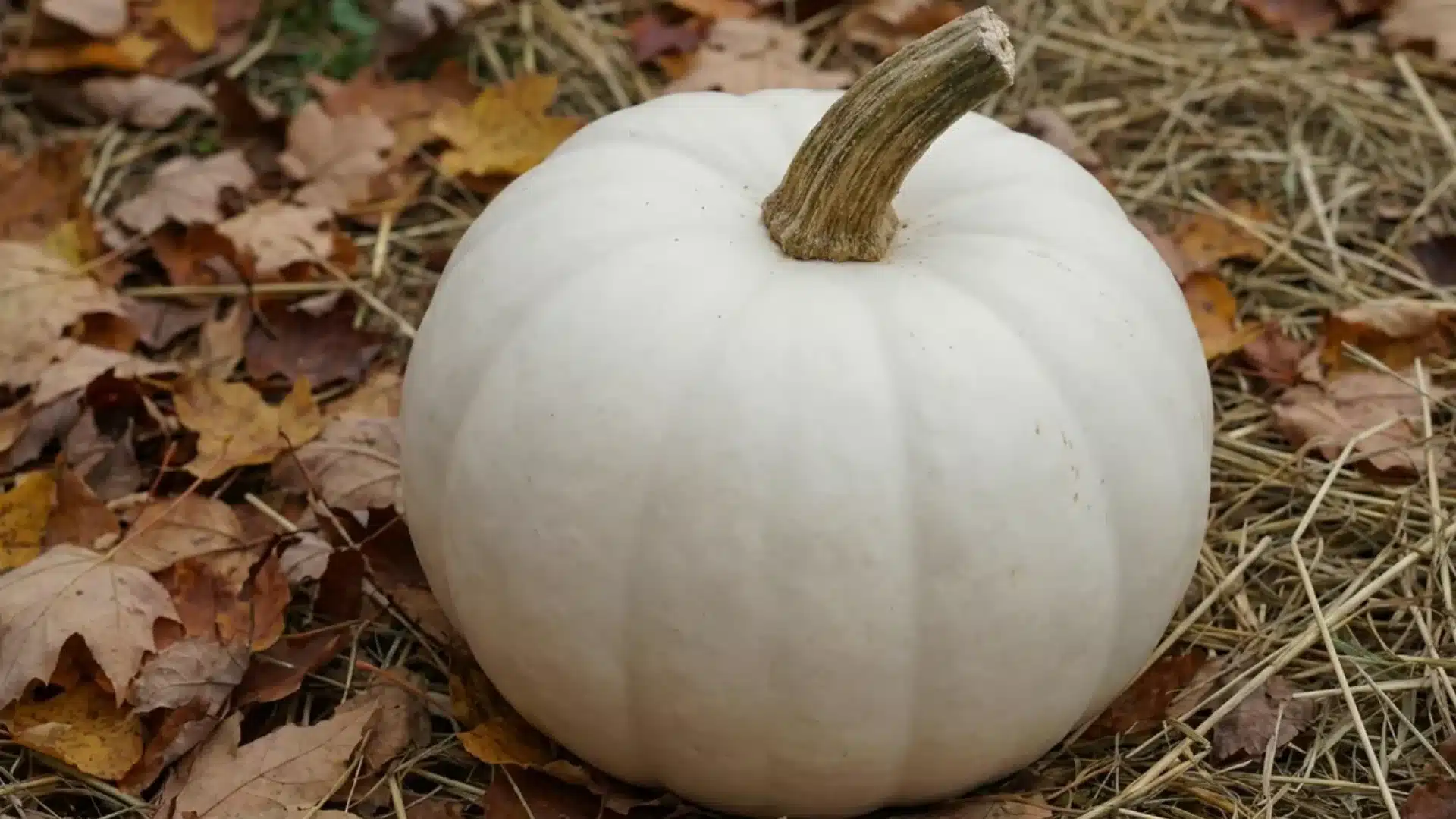
A true white pumpkin with a classic round shape, sturdy handle, and glossy skin that holds paint and detail well. Its flesh is also white rather than orange, though it’s grown mainly for decoration and carving rather than cooking.
Storing it out of direct sunlight helps preserve its bright white color.
24. Atlantic Giant
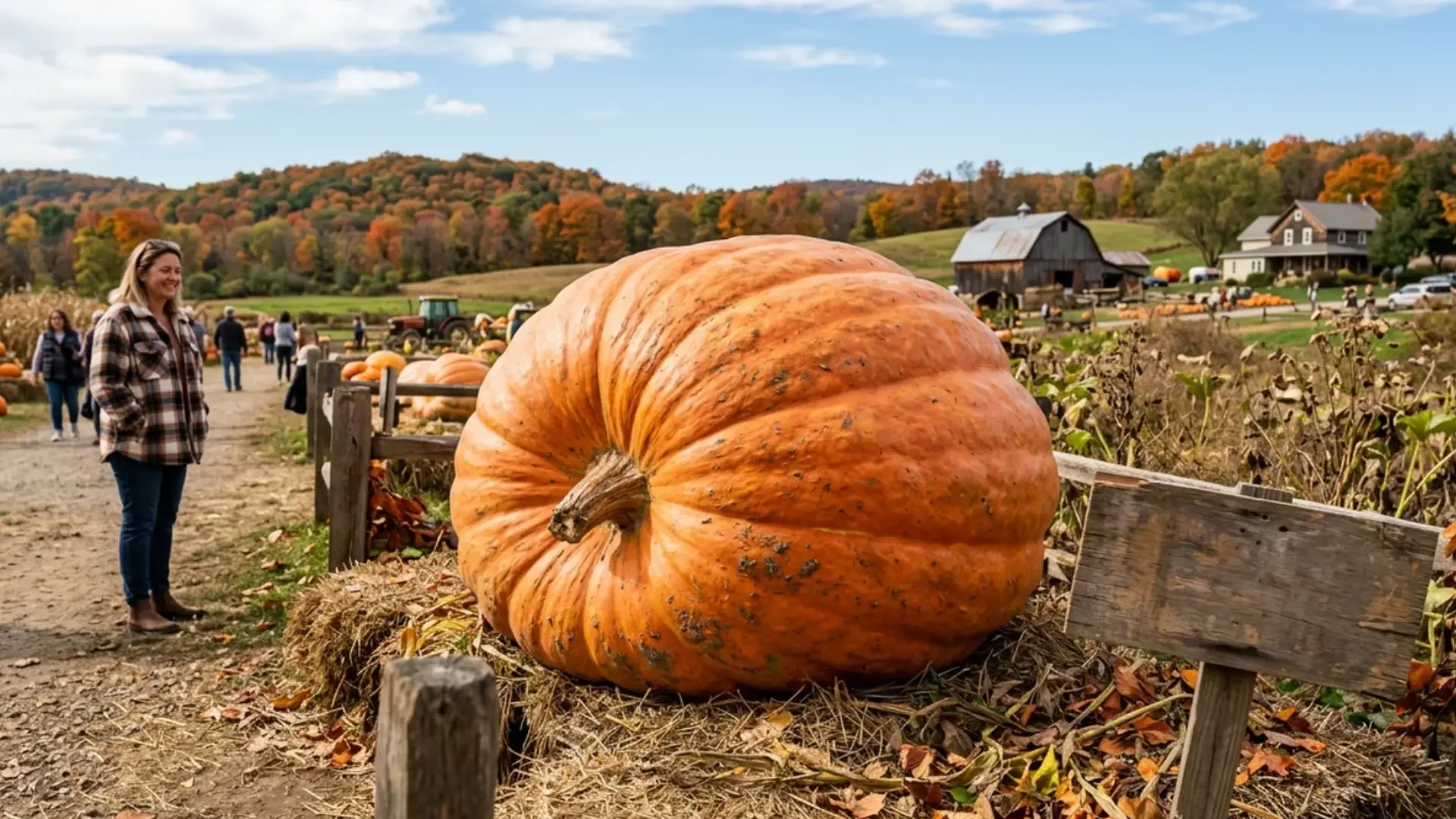
The best-known giant pumpkin variety, responsible for nearly every world record weight in competitive growing.
Under ideal conditions, it can exceed a thousand pounds, but most home-grown specimens are much smaller. Its thick vines and large leaves need ample garden space and regular watering.
25. Big Max
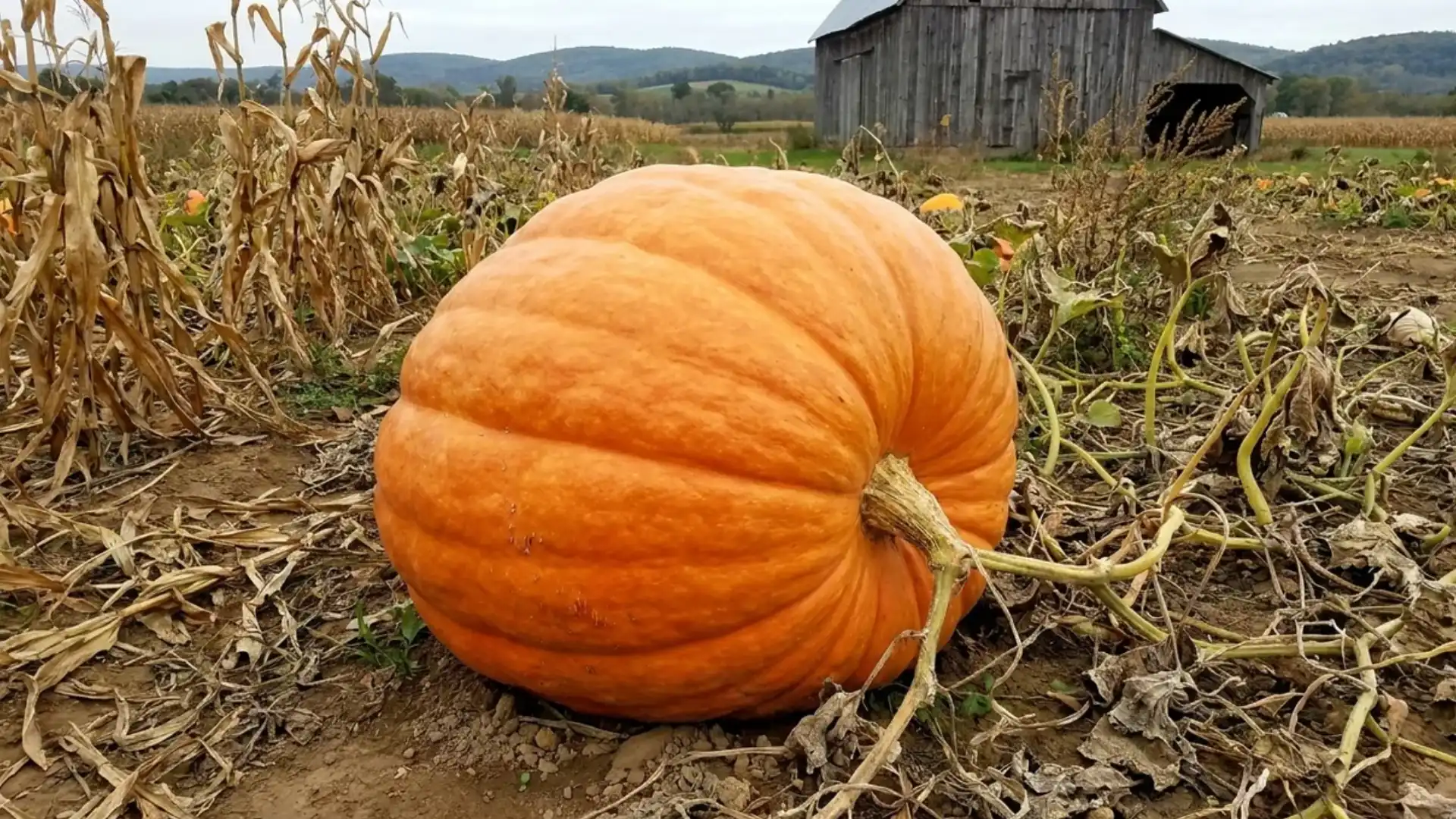
A large orange pumpkin, often hundreds of pounds, smaller than Atlantic Giant but bigger than typical carving or pie varieties. Its thick flesh is used for canning or livestock feed despite its size.
Growers often choose it as an easier entry point into giant pumpkin growing.
26. Prizewinner
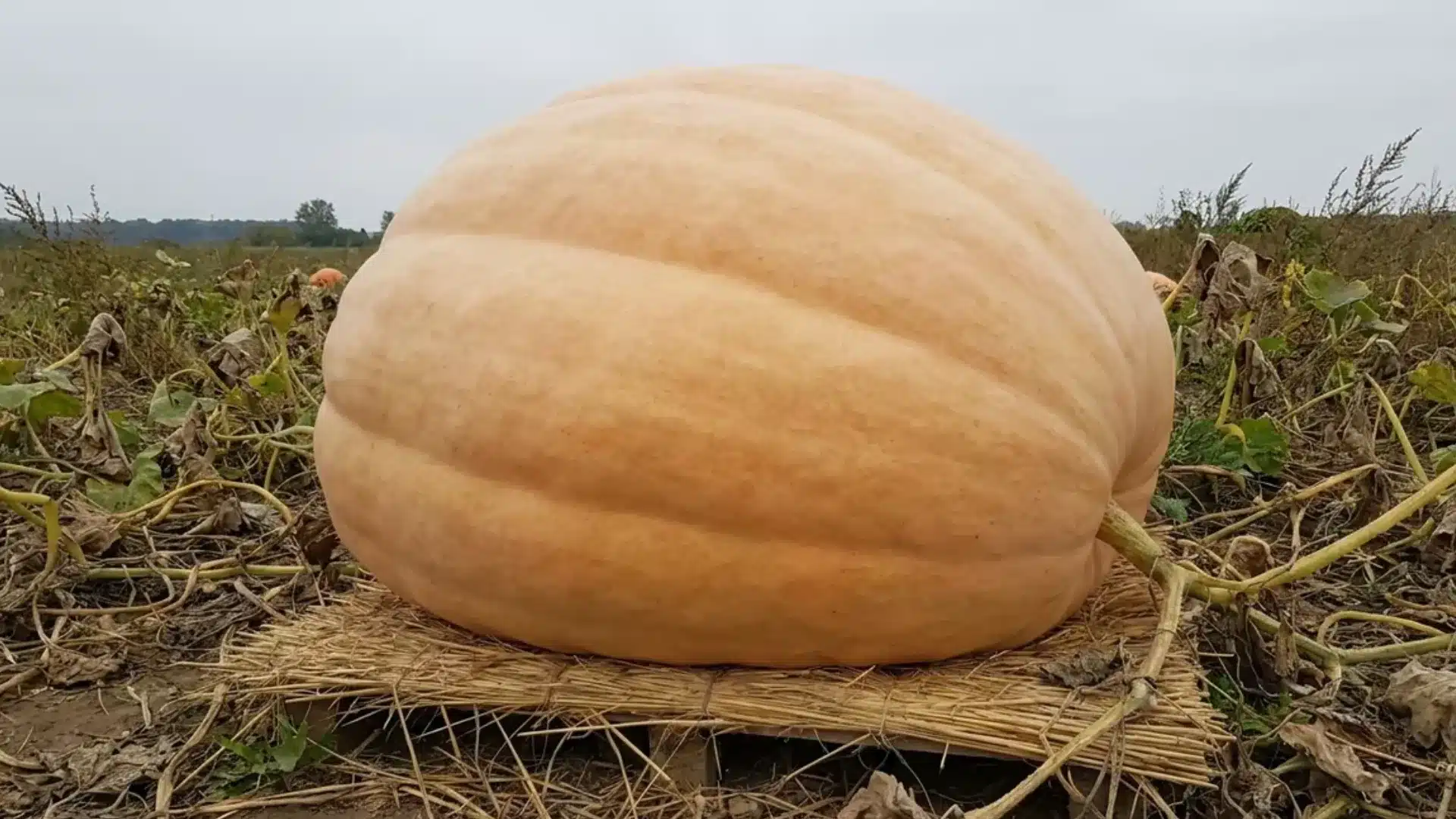
A giant variety bred for competitive growing, producing pumpkins weighing hundreds to thousands of pounds.
It tends to have a more rounded, uniform shape than some other giant types, which growers favor for weigh-off presentation. Its reliable genetics make it a popular pick among serious competitive growers.
27. Porcelain Doll
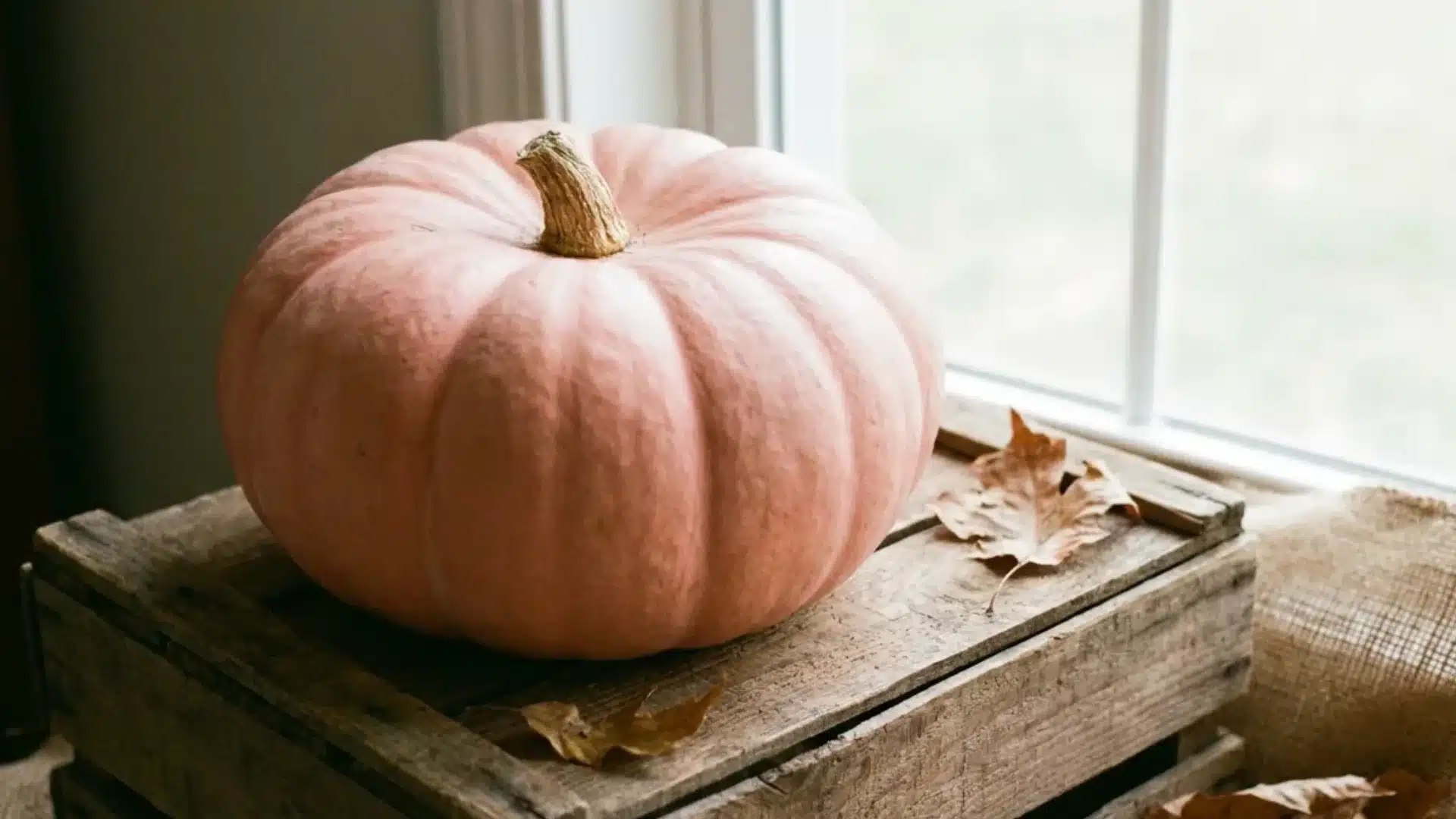
A soft pink pumpkin with a rounded, slightly ribbed shape that stands out among more common orange varieties.
Beyond its striking color, it also has dense, sweet flesh suited to baking, making it one of the few specialty types that works well in the kitchen. It’s often grown specifically to support breast cancer awareness fundraising.
28. Galeux d’Eysines
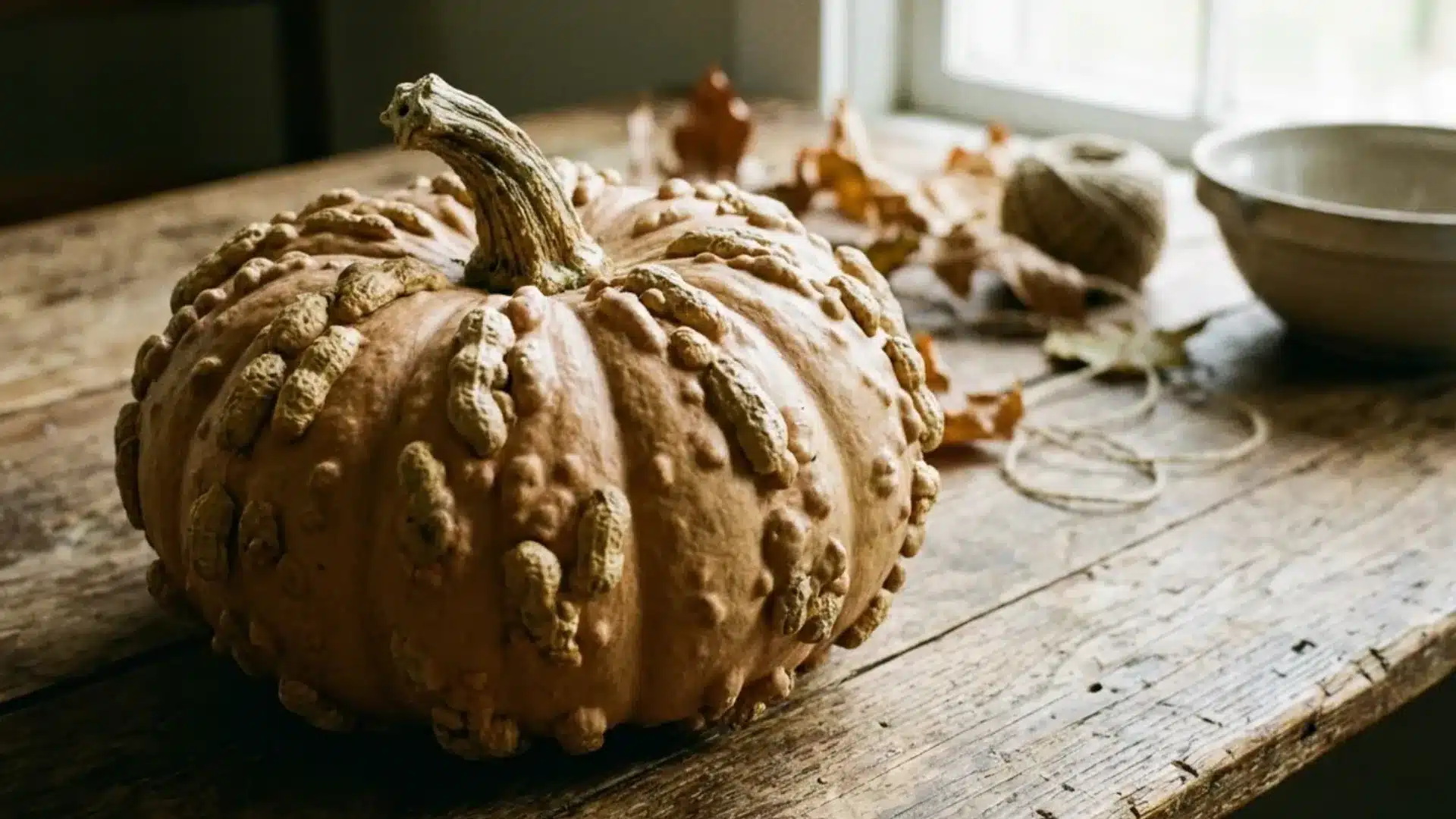
A French heirloom pumpkin known for its tan skin covered in raised, peanut-like bumps caused by sugar deposits rising to the surface as it matures.
Its unusual texture makes it a standout in fall displays, and its dense, sweet flesh is also well suited to soups and roasting once the novelty wears off.
29. One Too Many
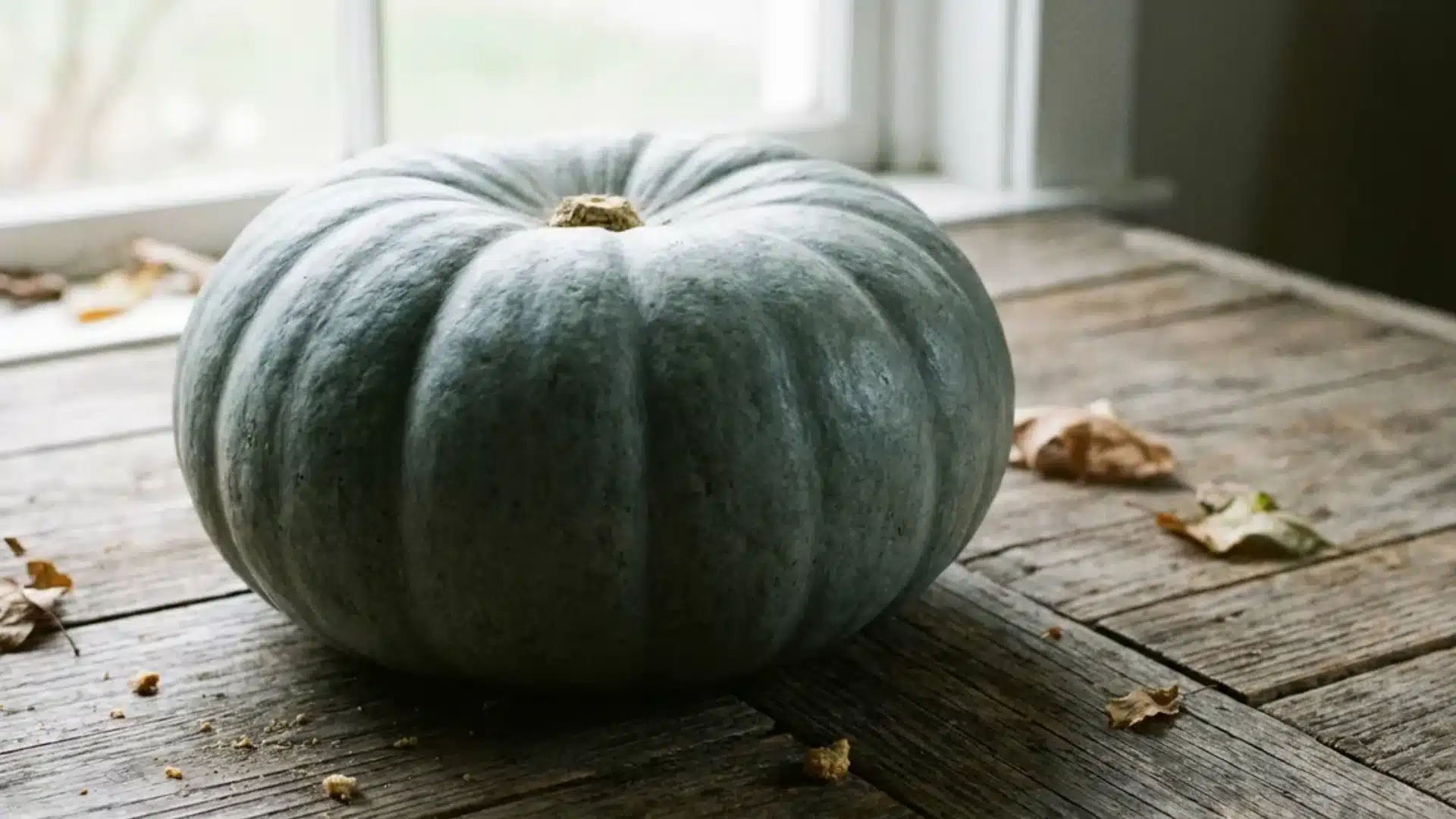
A pumpkin with distinctive blue-gray skin and a rounded, slightly flattened shape.
Its muted, cool-toned color sets it apart from both traditional orange and stark white varieties, making it a popular choice for growers building varied, color-coordinated fall displays. It’s mainly grown for decoration, not cooking.
30. Triamble
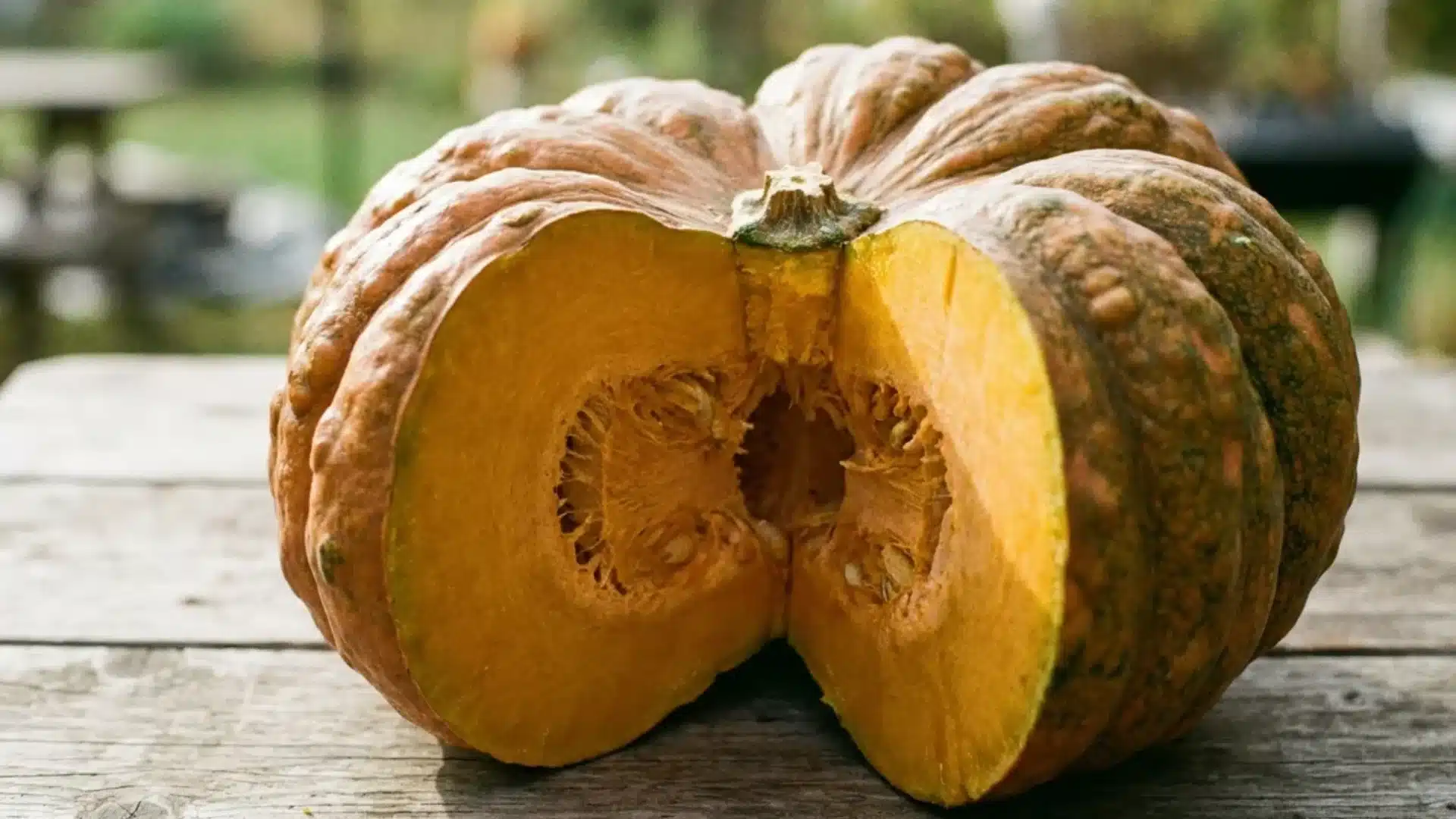
An Australian heirloom variety with a distinctive three-lobed shape unlike any other pumpkin on this list.
Its unusual silhouette makes it instantly recognizable in a display, and its dense flesh is also edible, though it’s grown far more often for its novelty appearance than for cooking purposes.
31. Amish Pie
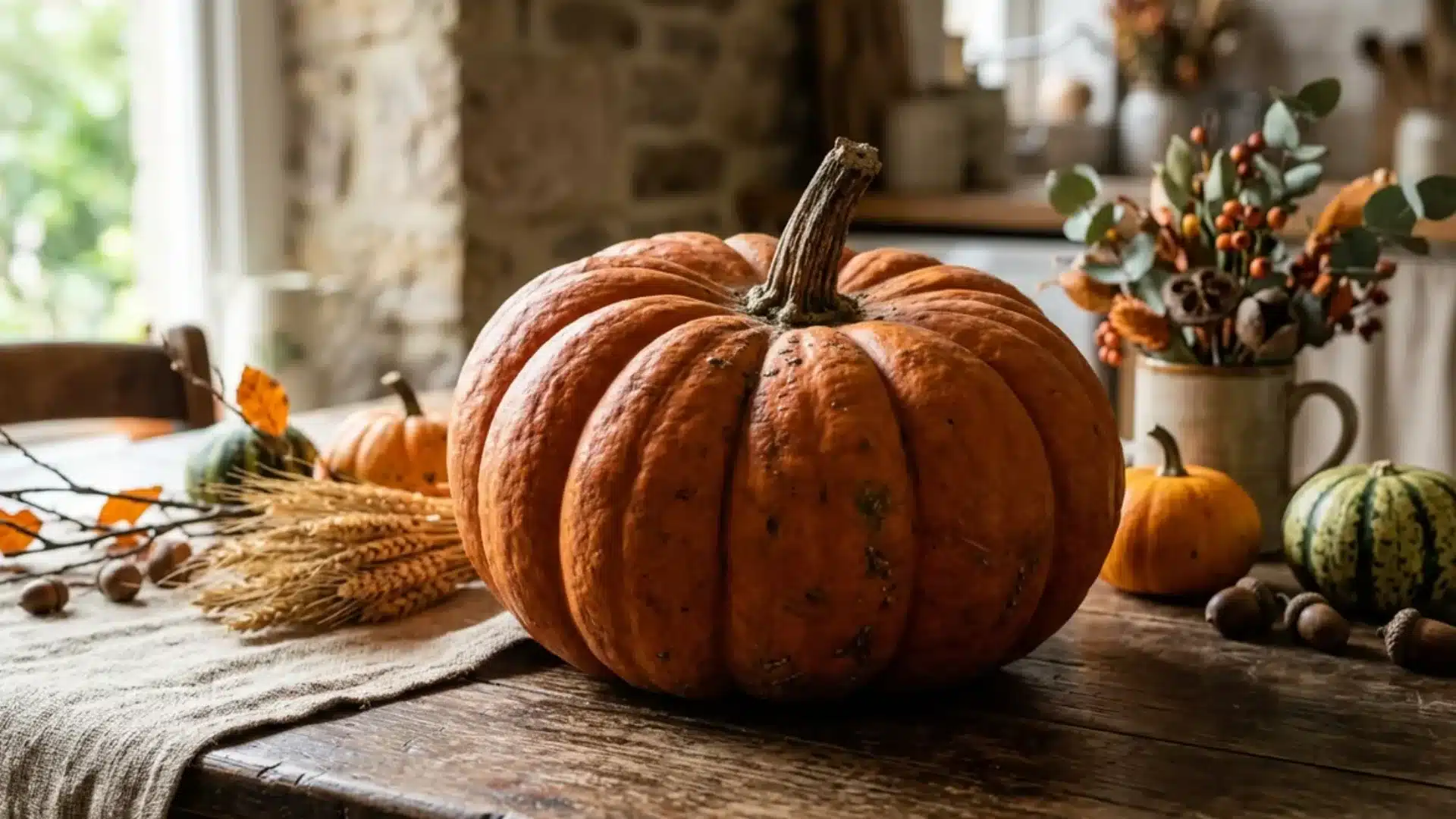
A heavily ribbed heirloom pumpkin with deep orange skin and dense, flavorful flesh well suited to baking.
Passed down through generations of home gardeners, it combines the sweetness of a dedicated pie pumpkin with a fuller, more decorative shape than wide culinary varieties, making it useful for both kitchen and display purposes.
32. Kabocha
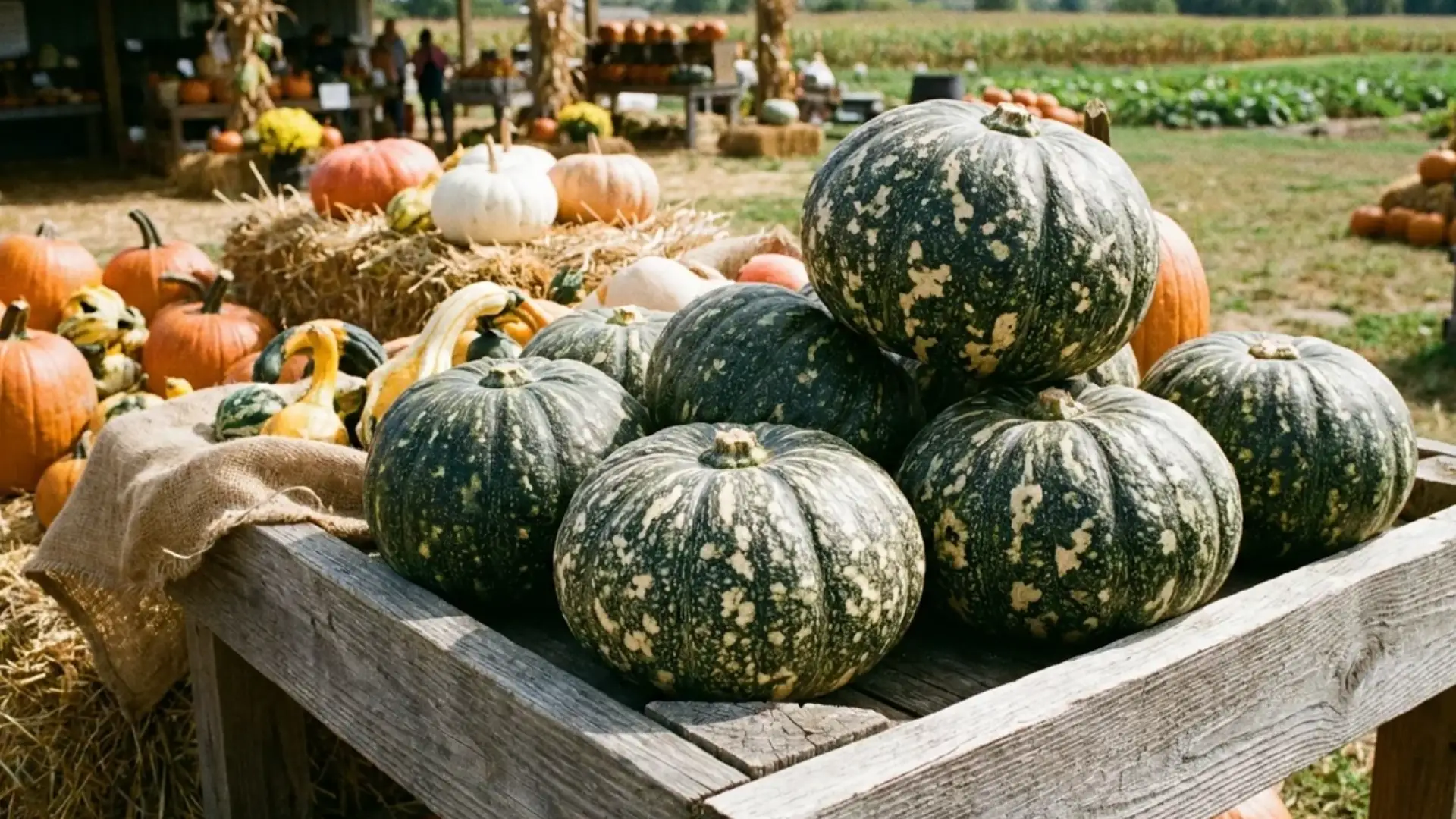
A Japanese squash with dark green, sometimes mottled skin and dense, sweet, deep orange flesh.
Though a winter squash, its round shape and fall harvest lead retailers to market it with pumpkins.
Its rich flavor makes it popular in soups, curries, and roasted dishes.
33. Turk’s Turban
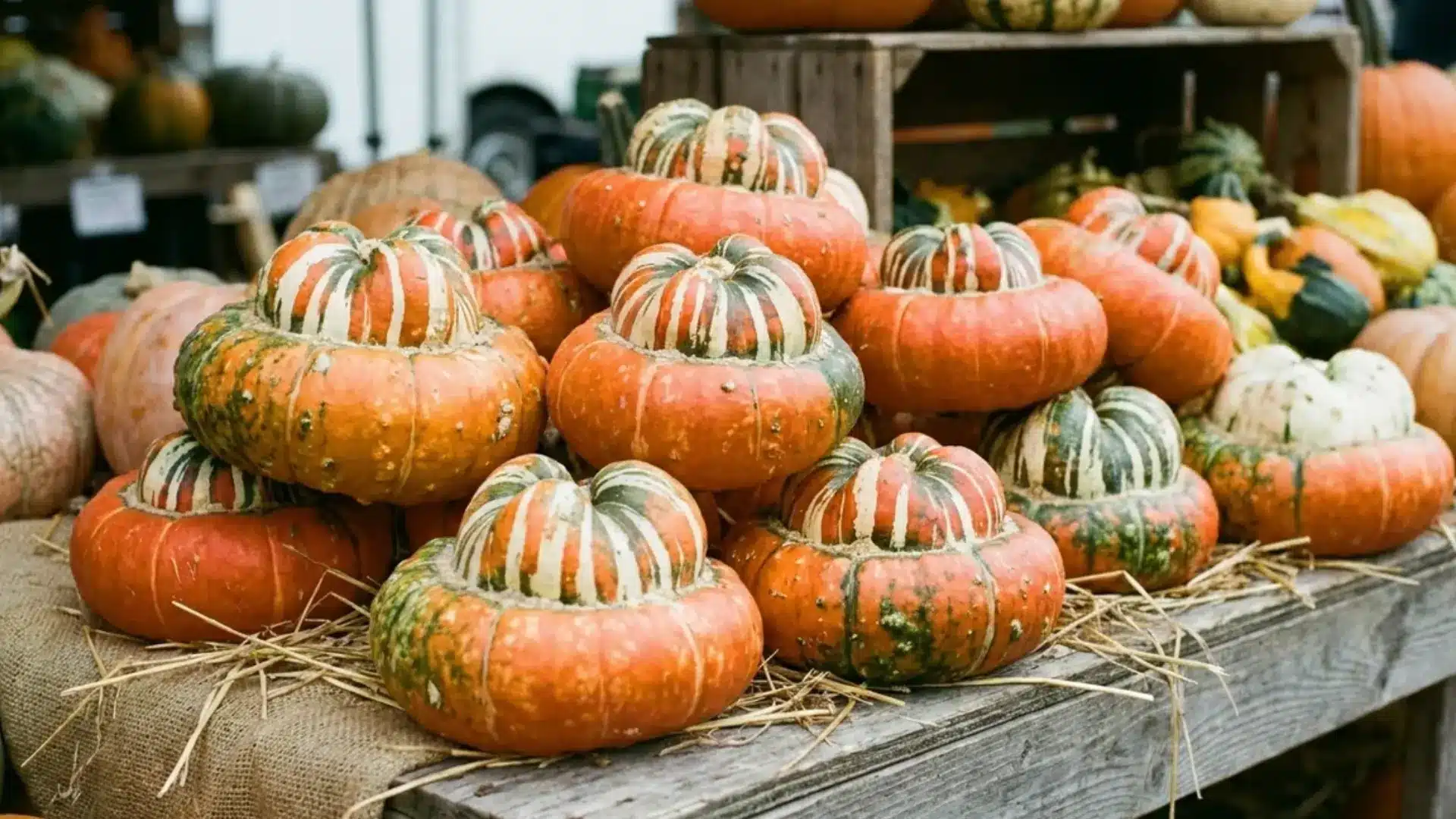
A brightly colored, oddly shaped squash with a turban-like top that visually stands out from typical pumpkins.
Despite its ornamental appearance and frequent use in fall displays, it’s a winter squash variety with edible, though not especially prized, flesh. It’s grown more for looks than for eating.
34. Black Futsu
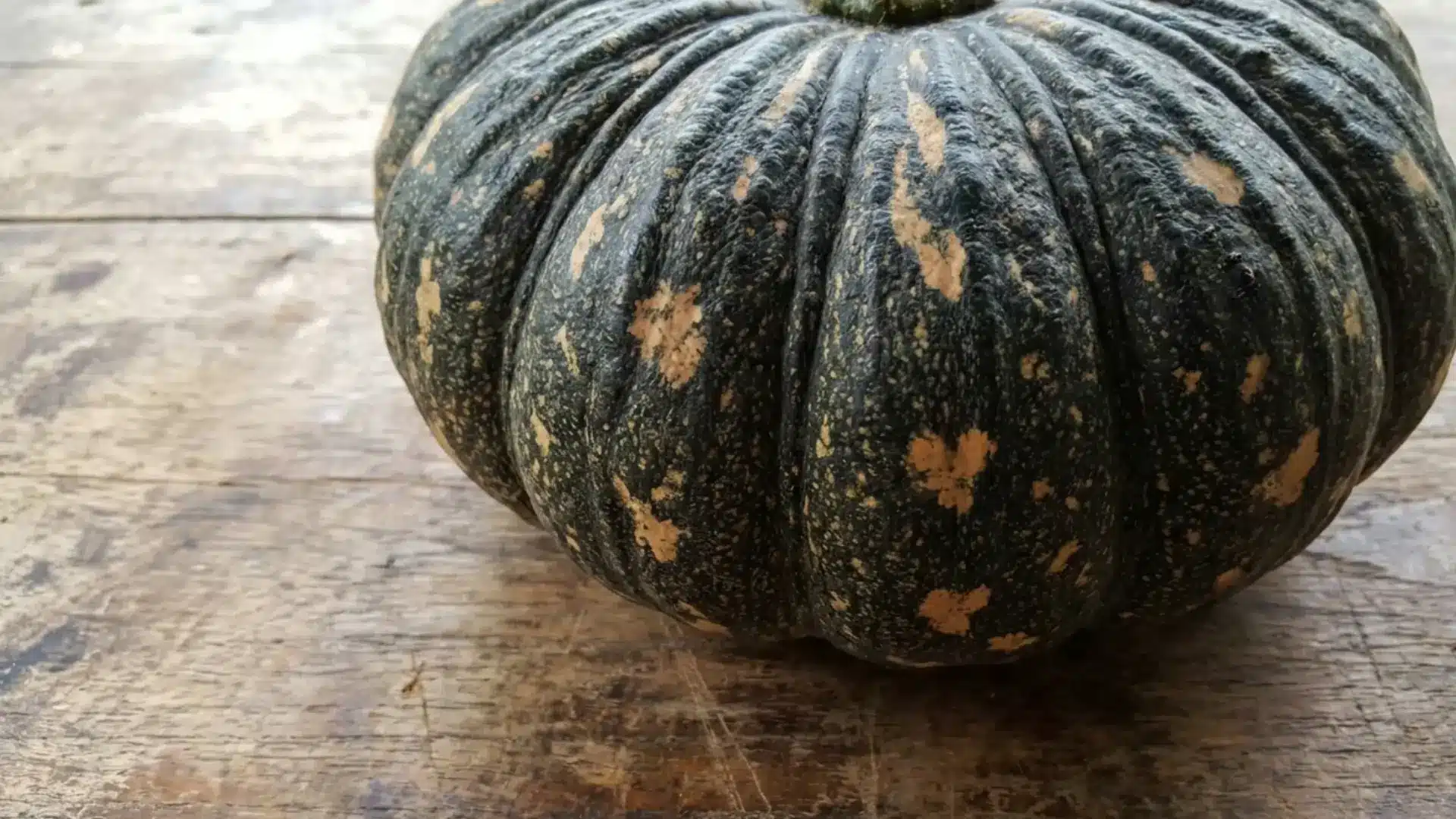
A Japanese heirloom squash with dark green to black, deeply ribbed skin that lightens to tan as it matures.
Its nutty, dense flesh is well suited to roasting, and its unusual coloring often lands it in pumpkin displays despite its squash classification. It stores notably well compared to many other varieties.
35. Marina di Chioggia
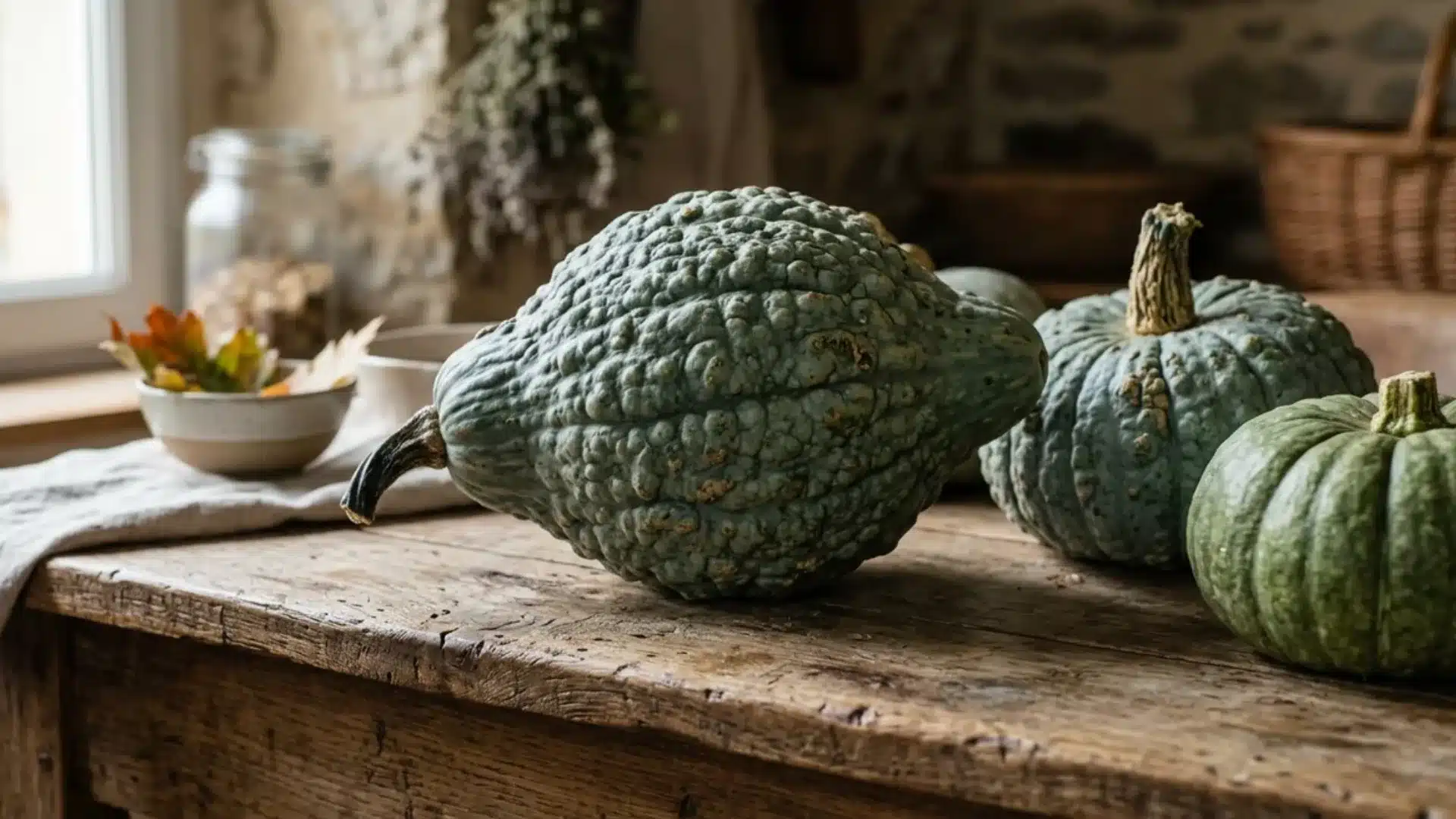
An Italian heirloom squash with bumpy, blue-green skin and a flattened, irregular shape.
Its dense, flavorful flesh is prized in Italian cooking, particularly for stuffed pasta and risotto. Like other varieties in this section, its round shape and fall availability often place it in the pumpkin category commercially.
36. Howden Biggie
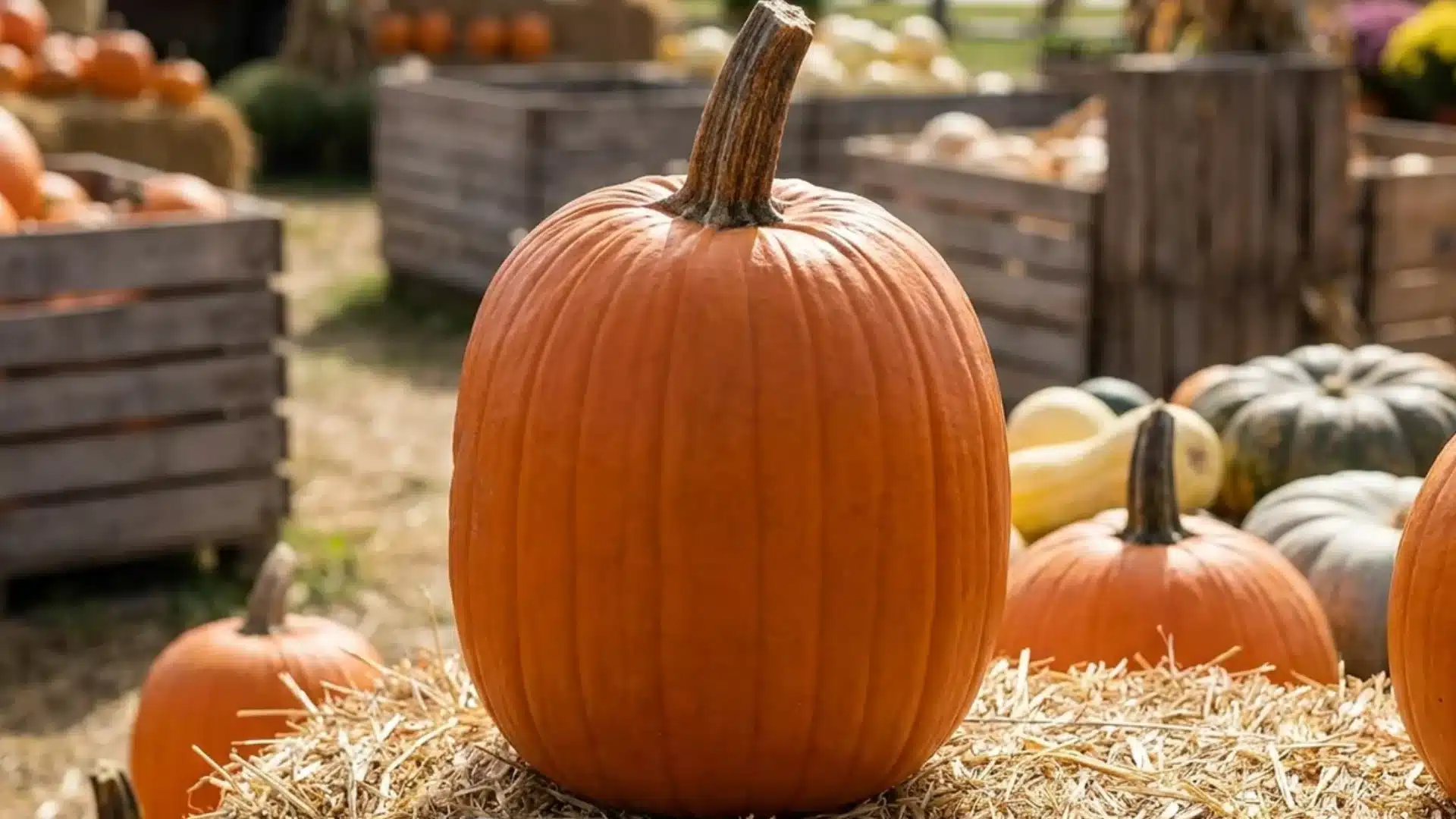
This one’s built for classic jack-o’-lanterns, growing 20-40 pounds with tall, ribbed sides that carve beautifully.
Farmers love it because it’s reliable and holds shape well after cutting, even when temperatures dip in late fall.
The deep orange skin, thick handle, and strong stem make it a customer favorite, returning season after season.
37. Spartan
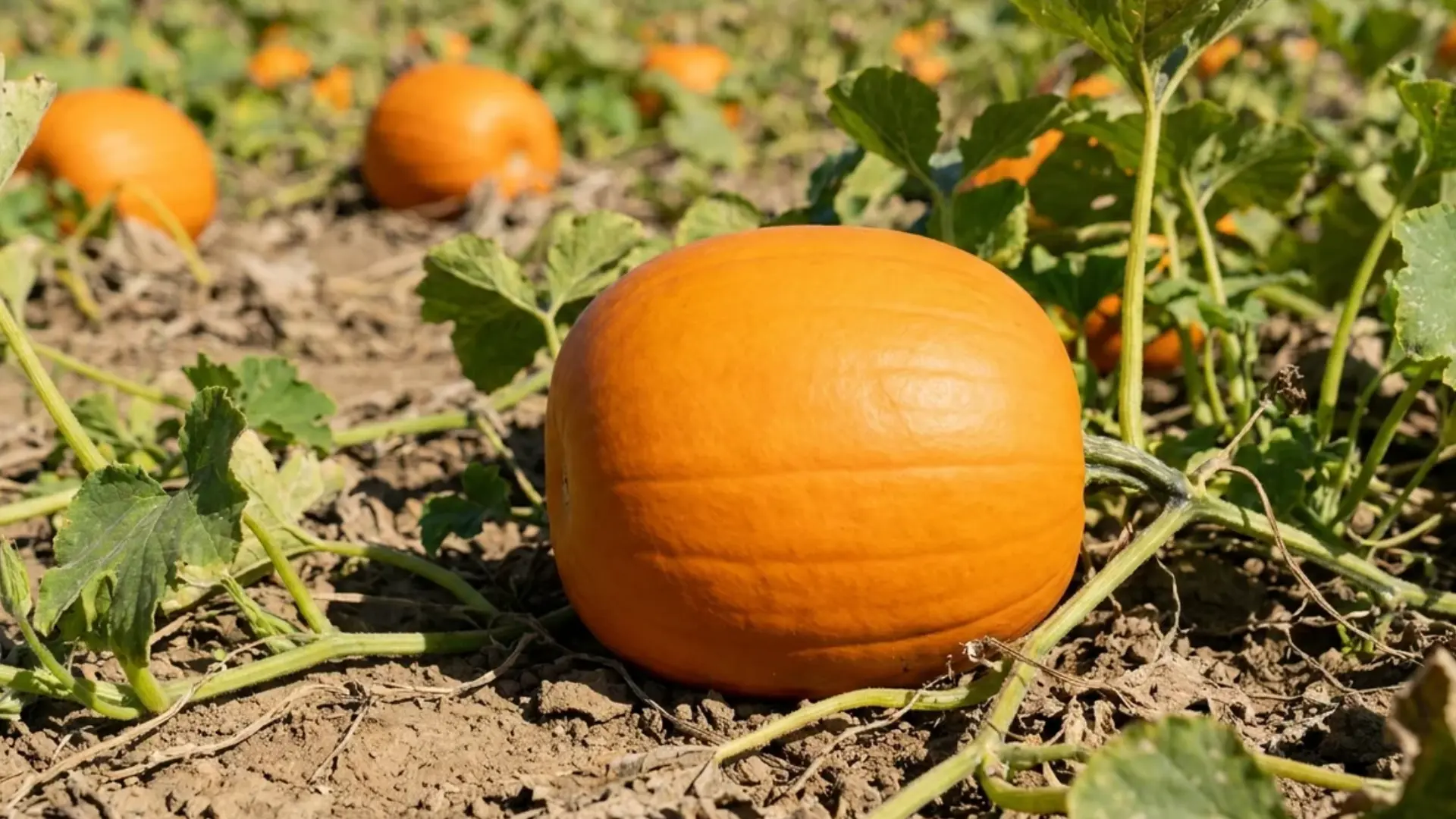
A medium-sized carving pumpkin weighs 15-25 pounds, has a smooth round shape, and an even orange color.
It’s a dependable choice for patches wanting uniform, photo-ready pumpkins without much fuss during harvest.
Growers appreciate its disease resistance and consistent yield across different soil types, which makes planning easier when planting large fields meant for retail sale.
38. Aladdin
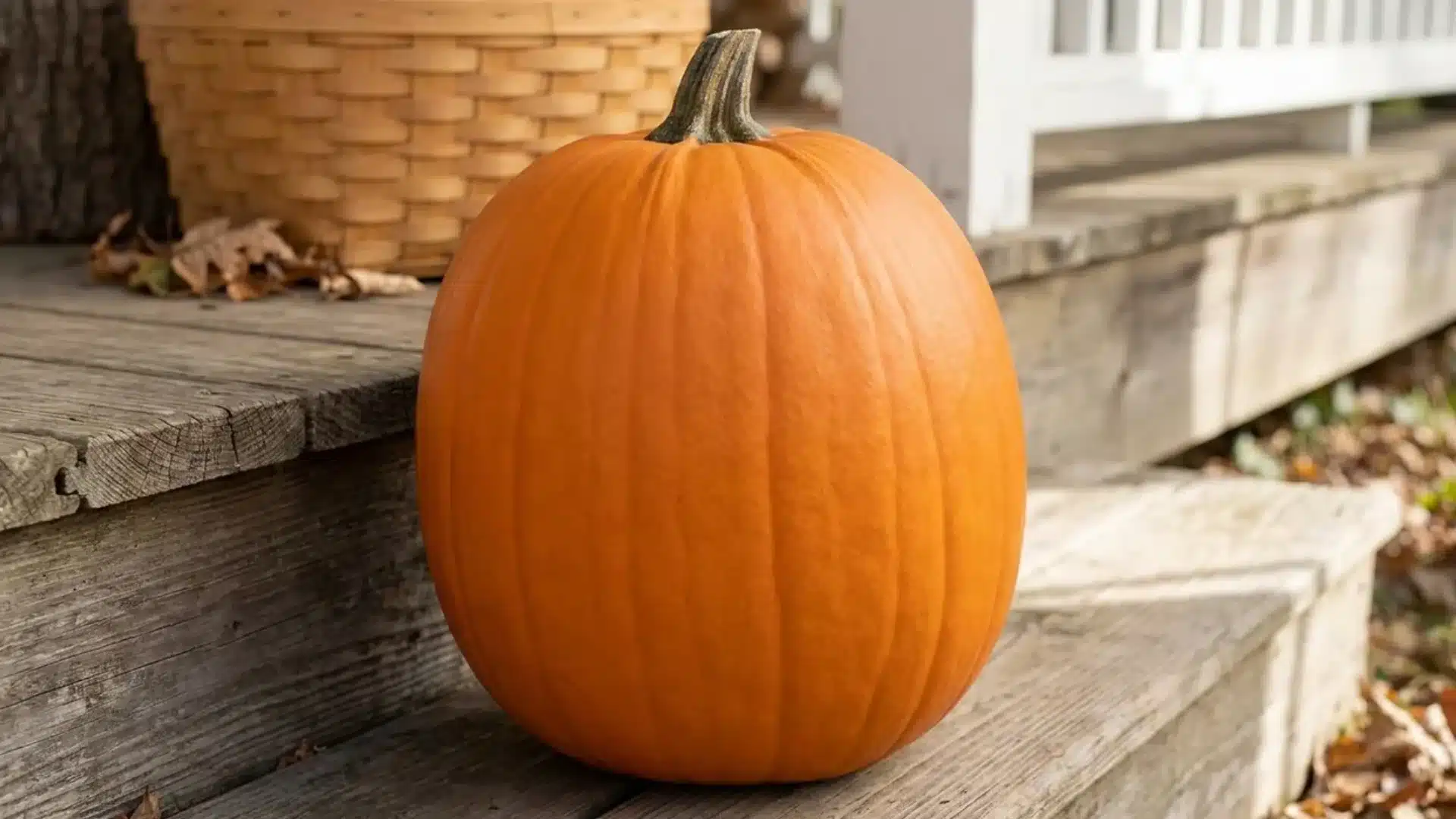
This hybrid pumpkin produces smooth, semi-tall fruit weighing 20-25 pounds, ideal for carving and porch decorating. Its thick walls resist cracking during transport, aiding growers heading to markets and roadside stands.
The vines also tend to set fruit early, giving a head start before frost and fewer losses right before harvest day.
39. Merlin
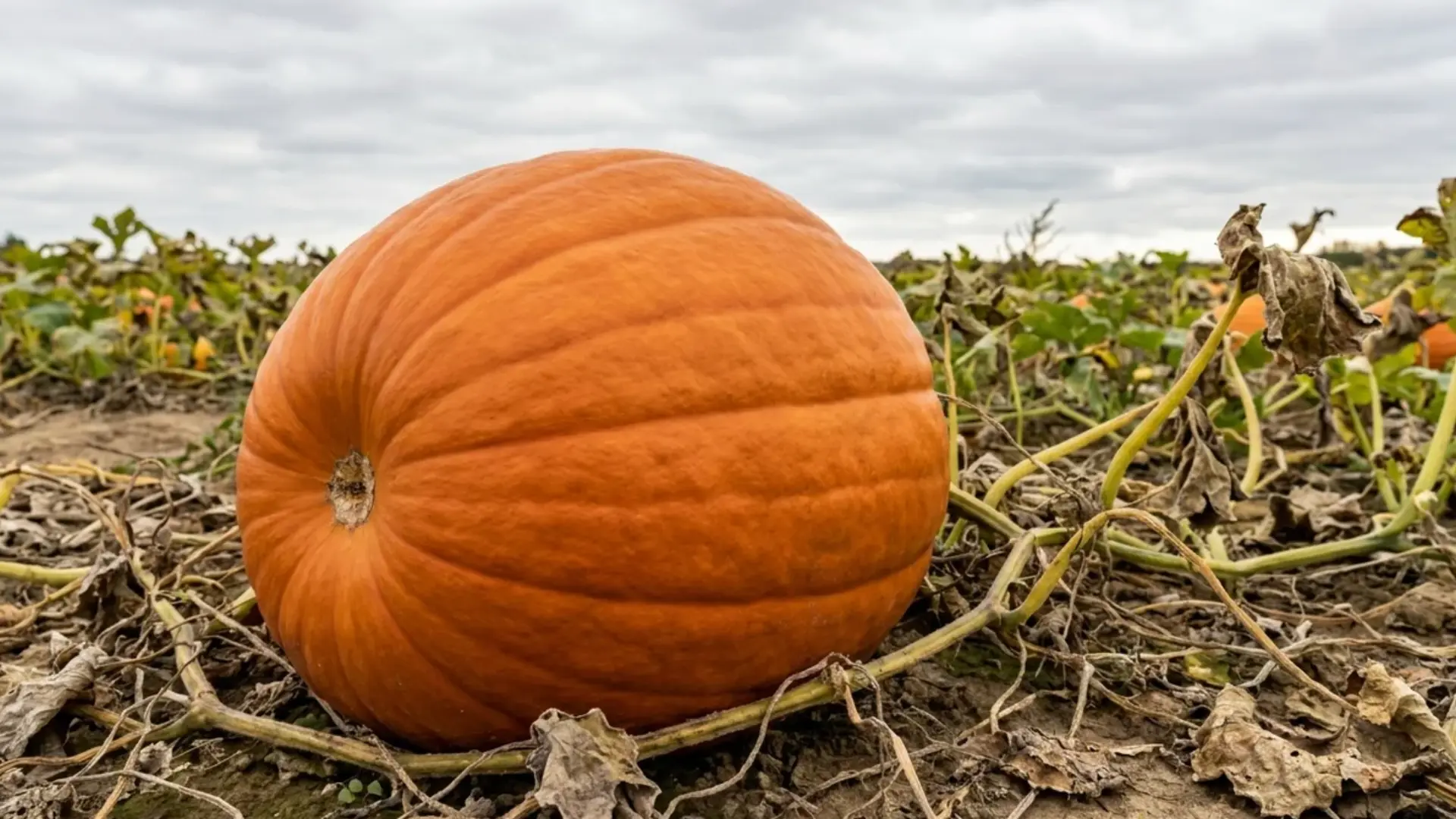
Merlin, with its deep orange rind and flattened shape, weighs 15-20 pounds when mature.
It carves easily with a knife or saw and withstands cool fall weather without softening or collapsing early. Pick-your-own farms like it for its good looks in the field and its decent shelf life once it’s sitting on someone’s front step.
40. Cannon Ball
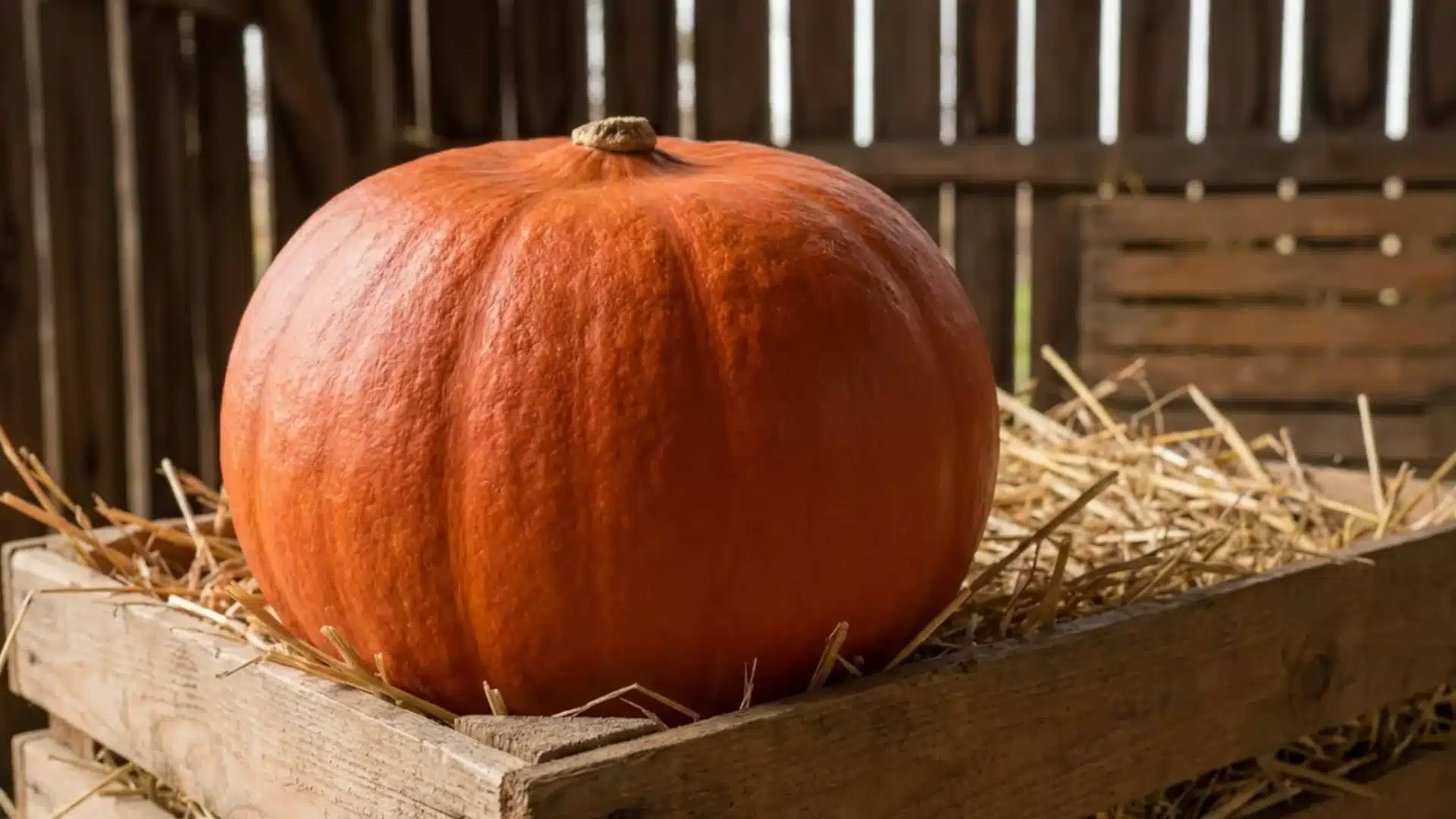
A round, compact pumpkin weighing 10-18 pounds, bred for uniform size to fit bins, crates, and displays. Its tough skin resists bruising, making it ideal for wholesale and shipping long distances.
Its consistent shape simplifies stacking and packaging during fall.
41. Gold Medal
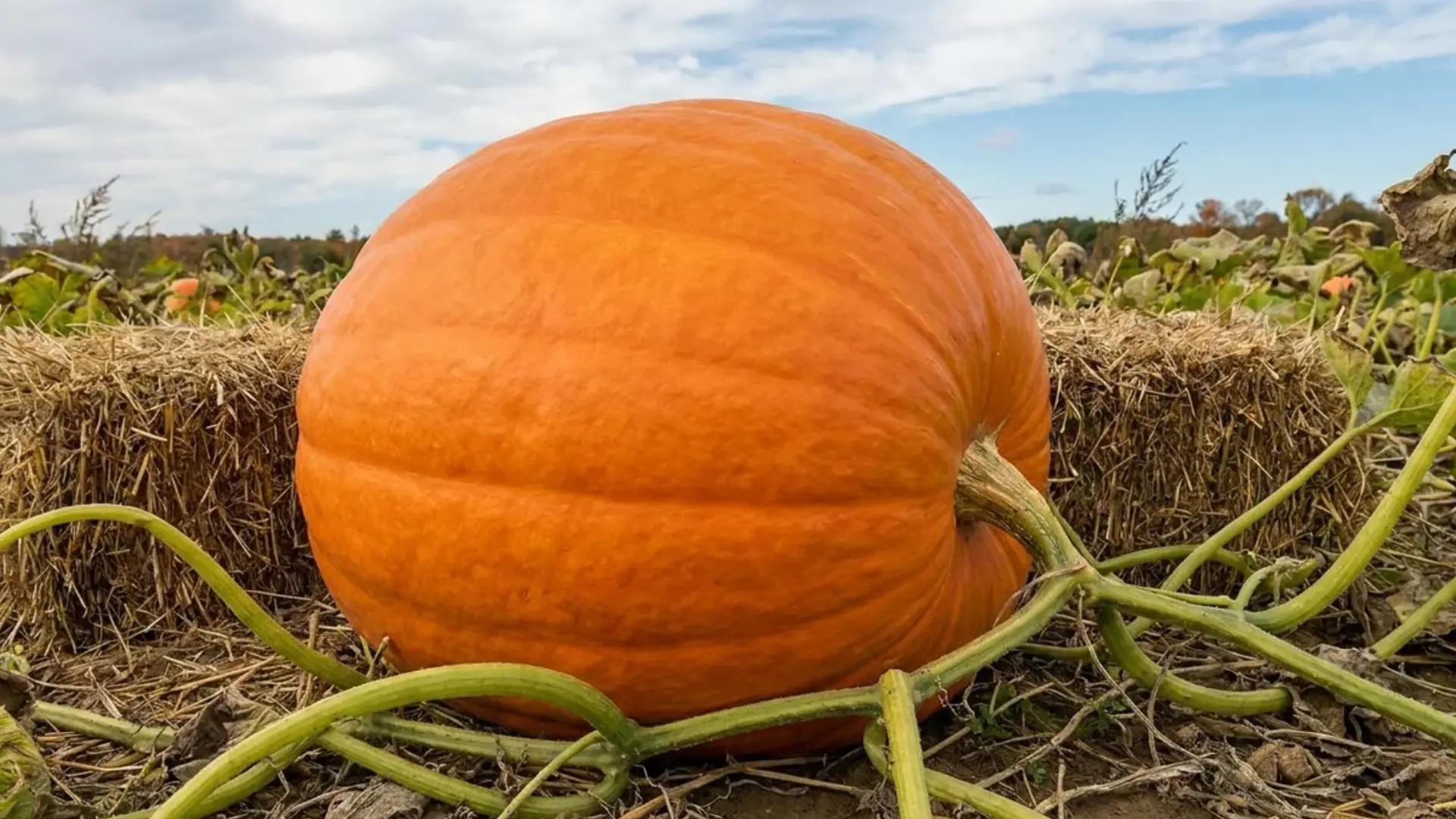
This large pumpkin can reach 40-60 pounds with a bold orange color and slightly oval body shape.
It is often chosen for big carving projects and fall festivals where sheer size draws a crowd and photo attention.
Vigorous vines and thick, strong stems help support the heavy fruit through the season without snapping, even during windy stretches close to harvest.
42. Early Giant
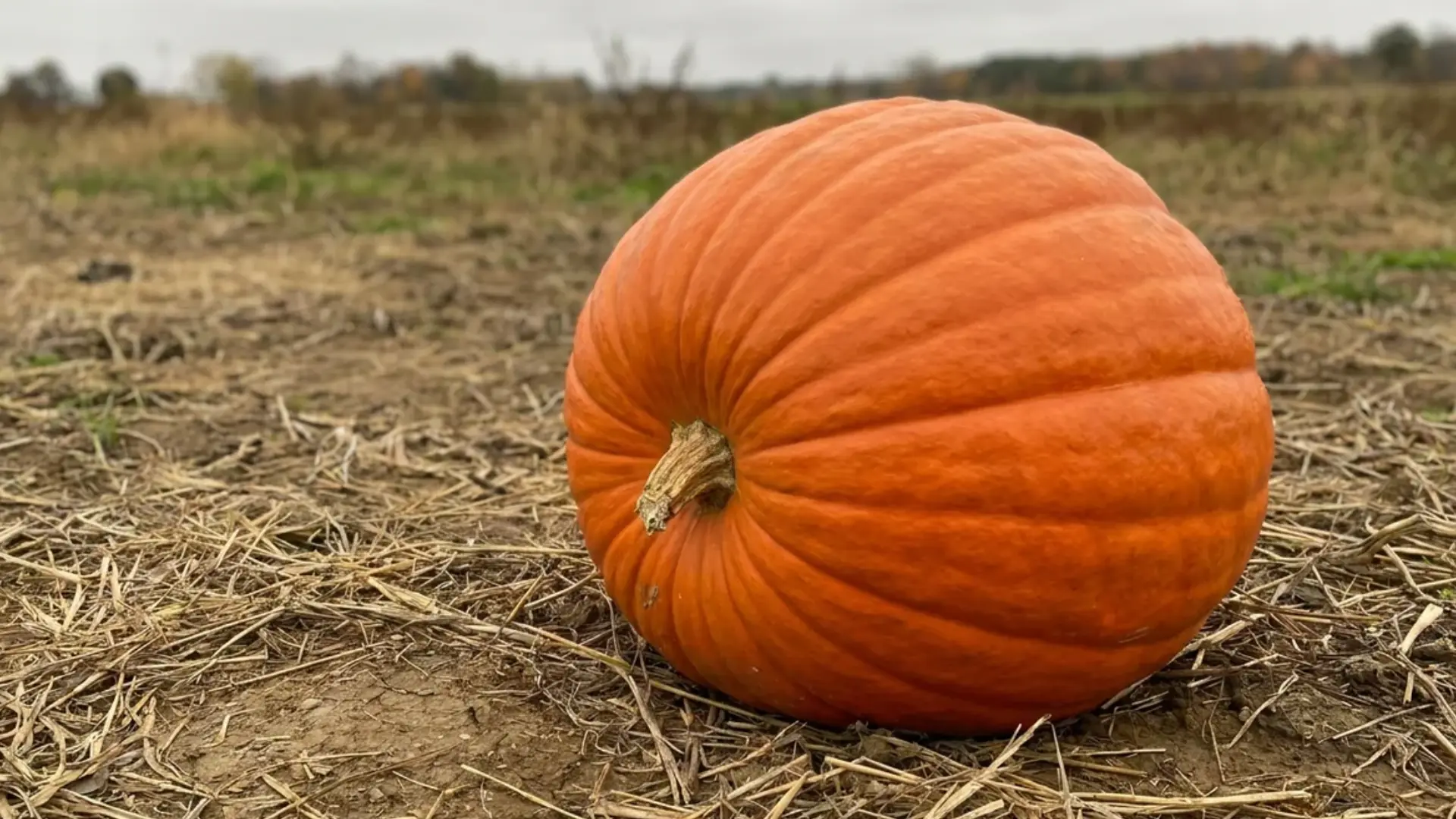
This variety matures faster than most large pumpkins while reaching 30-50 pounds.
Its early maturity benefits regions with short seasons or early frosts.
Growers seeking a quick, reliable harvest often choose this variety.
43. Jumpin’ Jack
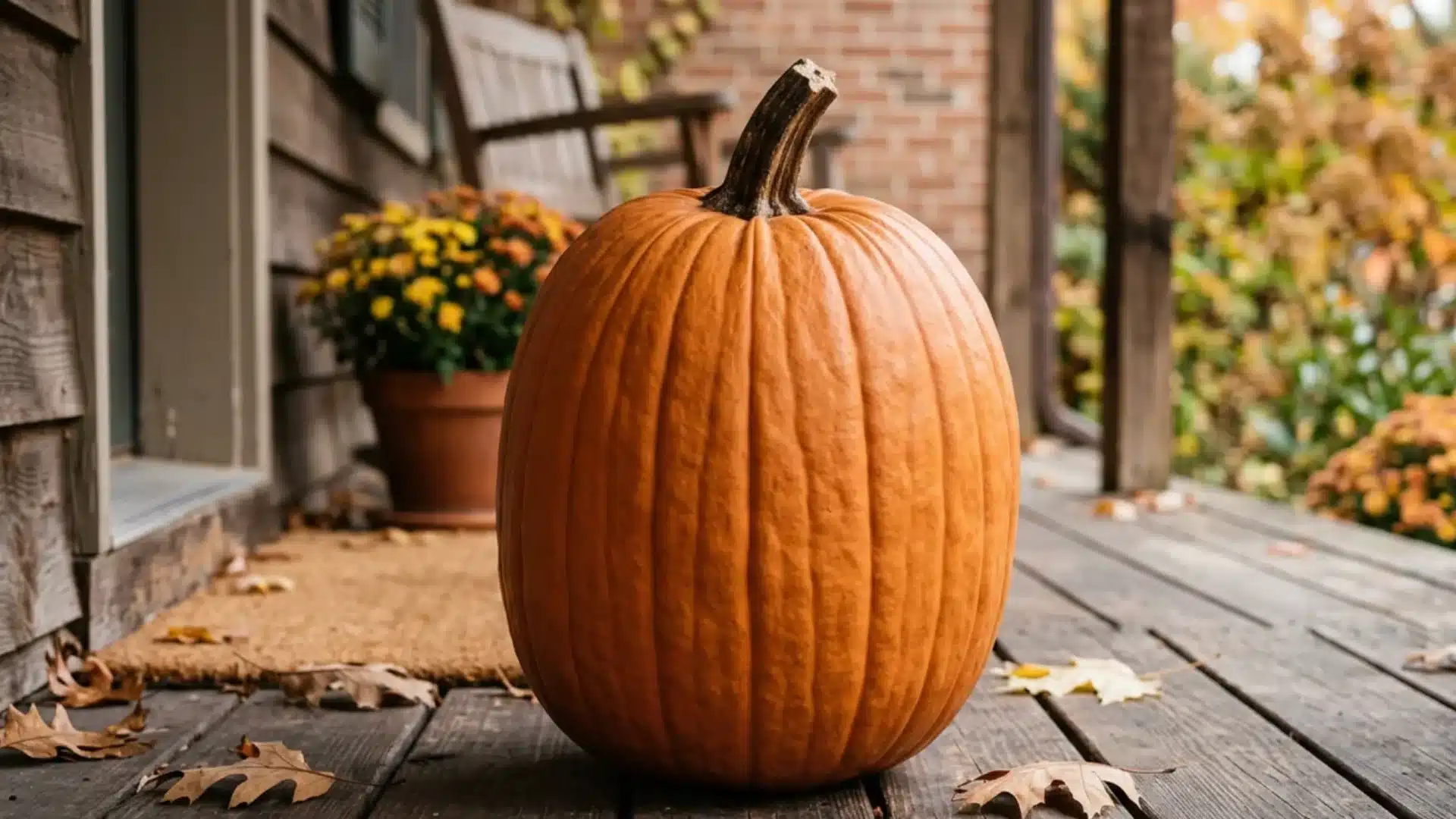
A tall, ribbed jack-o’-lantern type weighing 20-30 pounds, prized for its classic silhouette and thick, easily carvable walls. It stores reasonably well after picking, holding firm through cool nights instead of going mushy right away.
Families and decorators like it because it keeps its shape on porches all October with little shrinking or softening.
44. Neon
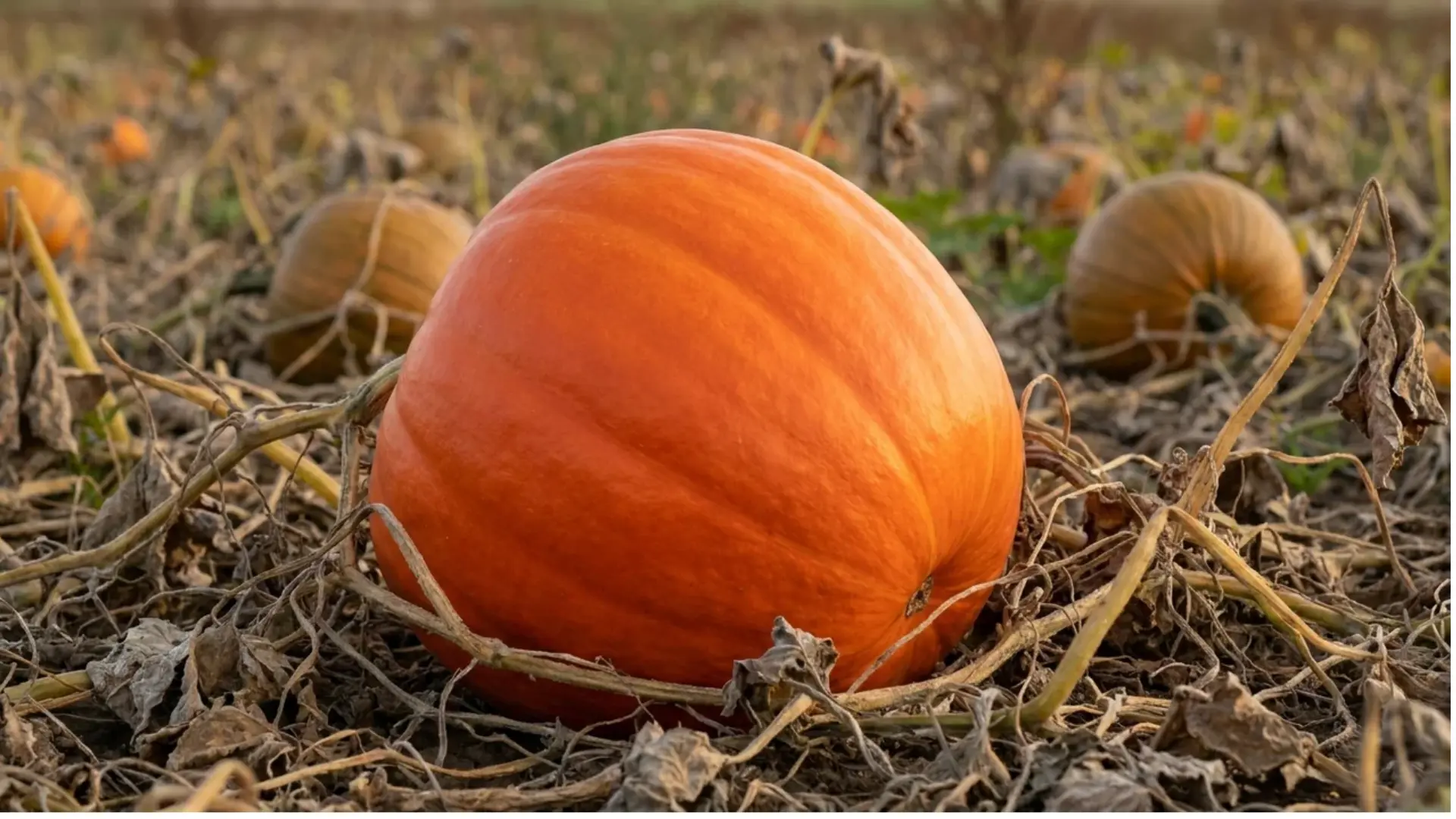
This pumpkin features bright, glowing orange skin and weighs 15-20 pounds.
Its smooth surface accepts paint and detailed carving equally well, making it popular with decorators and Halloween fans. The bold color adds visual punch next to more muted, traditional pumpkins.
45. Wolf
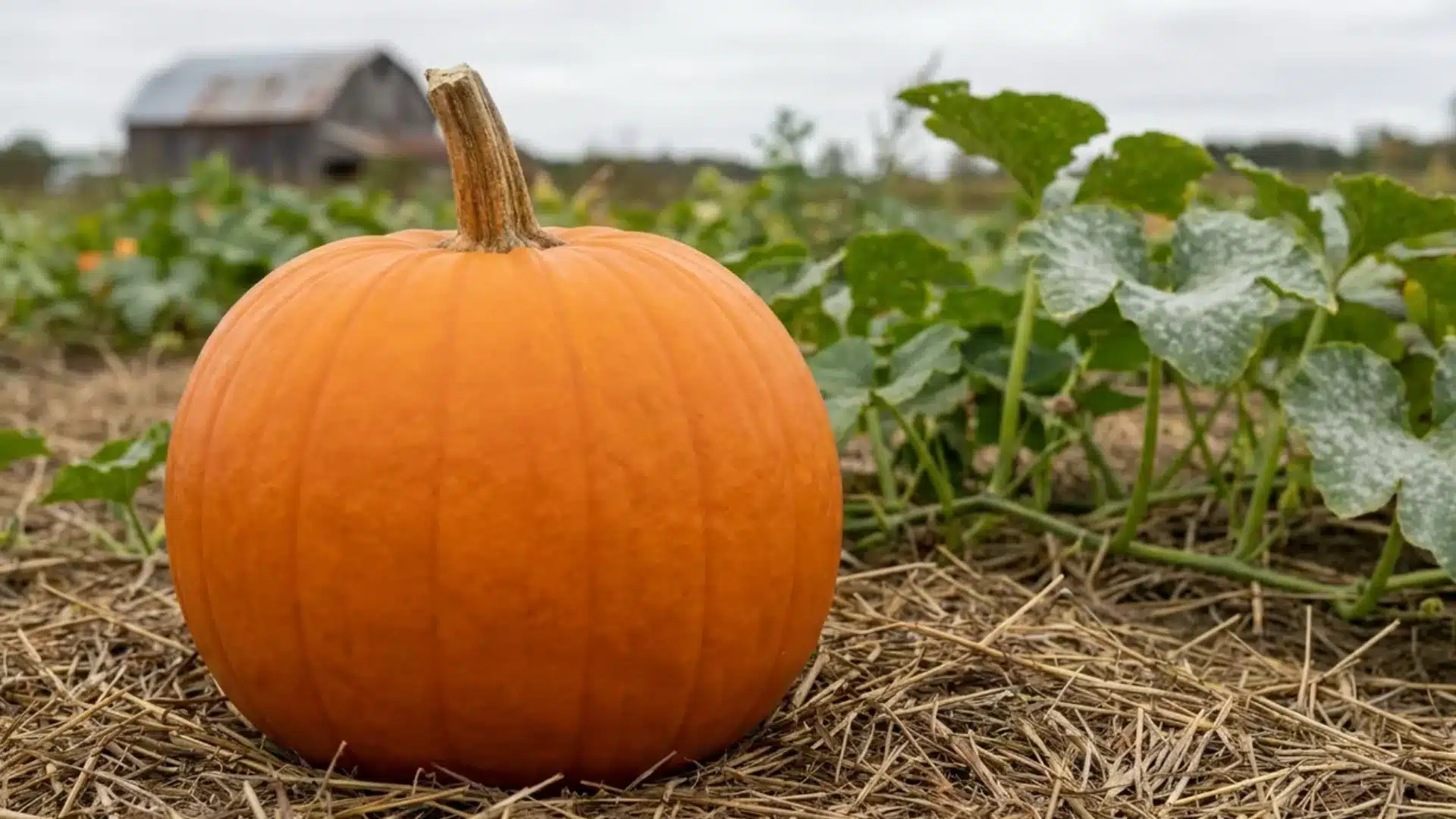
A hybrid Wolf pumpkin with strong disease tolerance grows to 20-25 pounds, with a rounded shape and consistent orange color. Growers value its reliable performance against powdery mildew, which can wipe out weaker varieties.
This reliability maintains steady yields year after year, even in less ideal conditions.
46. Harvest Moon
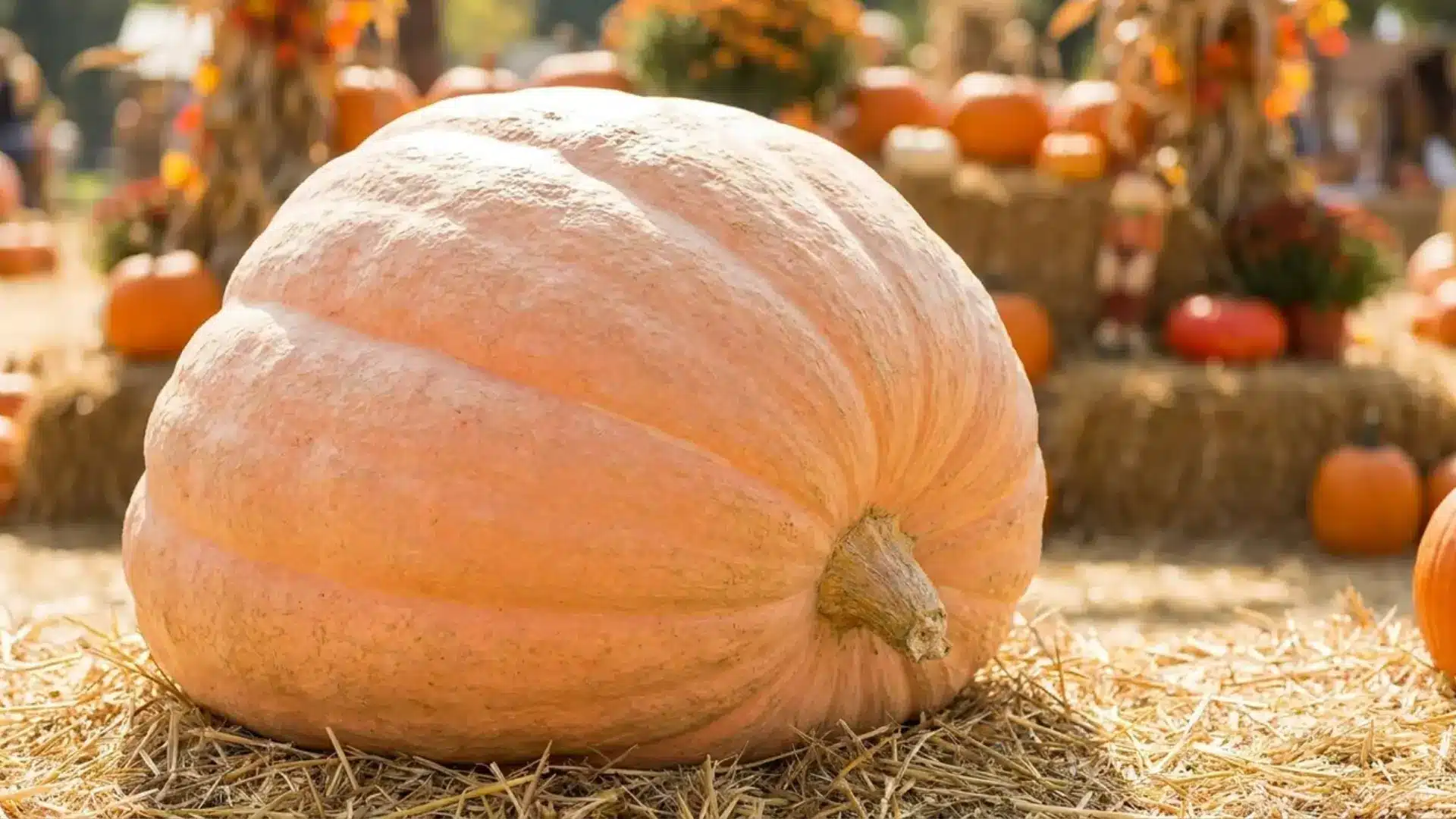
This giant pumpkin can exceed 100 pounds, has pale orange skin, and a slightly flattened bottom.
It’s grown mainly for competitions and eye-catching display rather than carving, since the walls get quite thick and heavy once it reaches that size. Fall festivals often feature it as a centerpiece pumpkin for weigh-offs and photos.
47. Field Trip
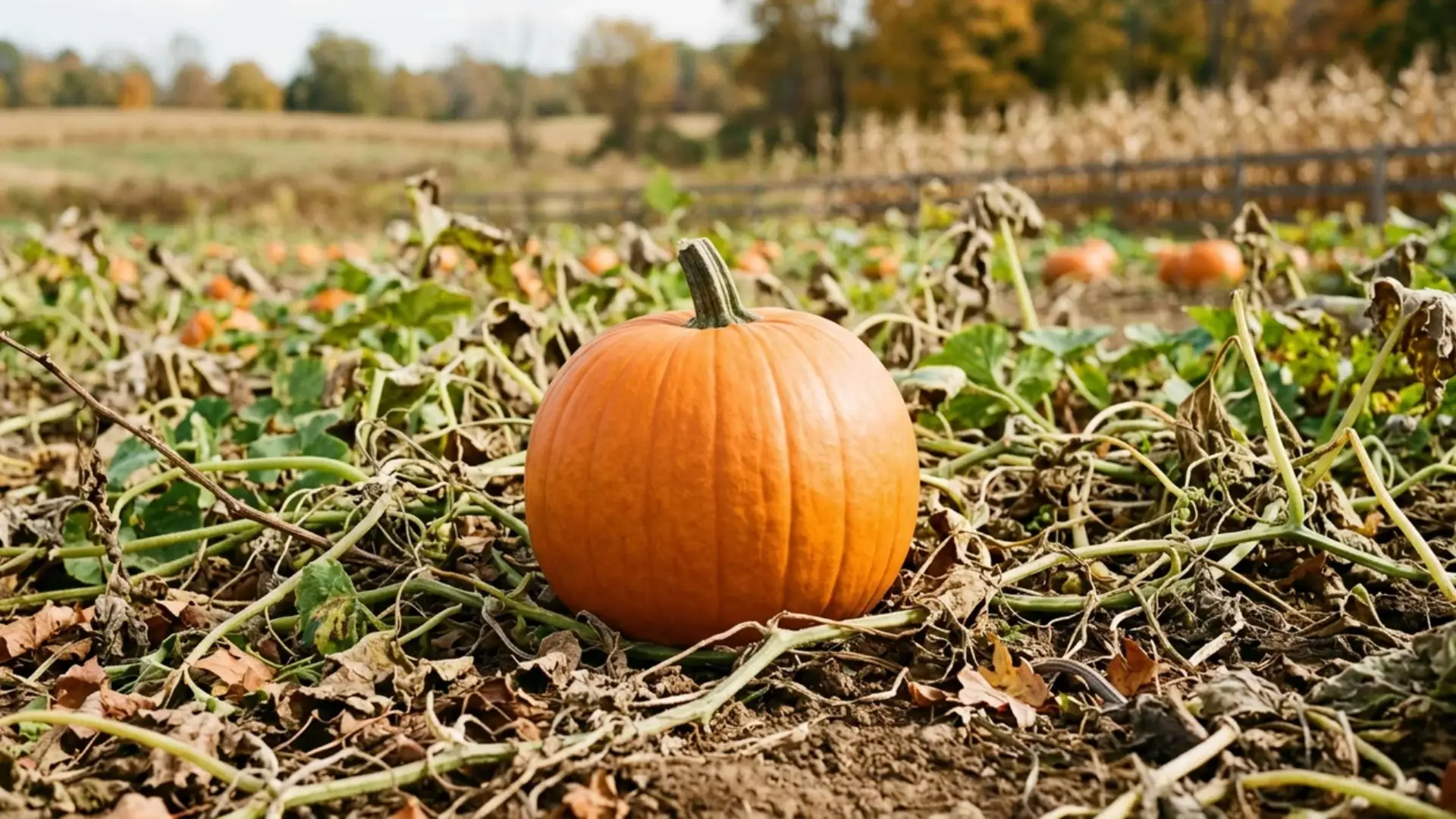
A mid-sized pumpkin around 15-20 pounds, bred specifically for school patches and pick-your-own farms since it’s easy for smaller hands to lift and carry.
Its uniform shape and bright, even color make it a favorite during group visits and class outings each fall.
Farms often plant rows of it just for that reason, knowing kids will gravitate toward it.
48. Ghost Rider
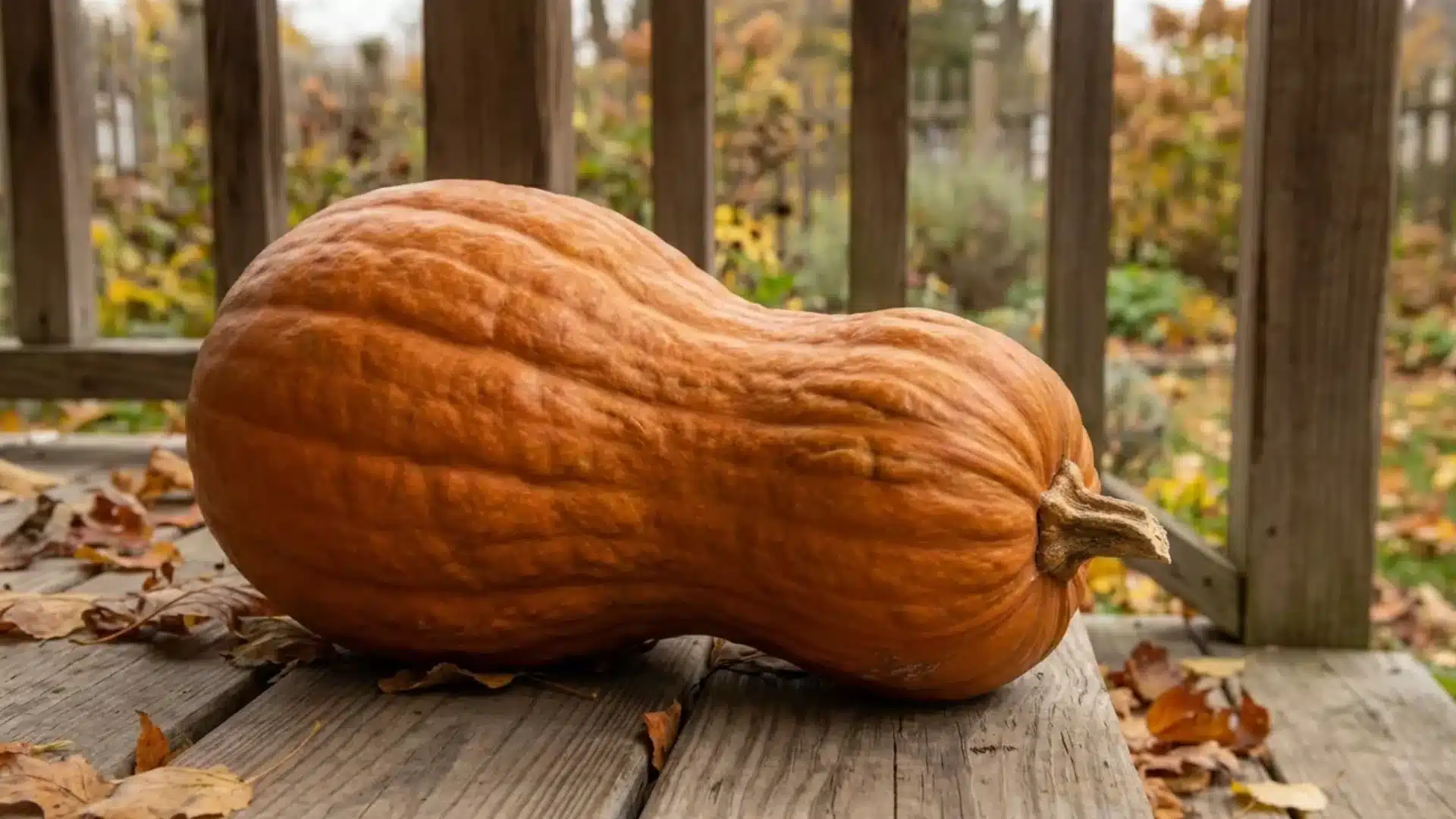
A tall, dramatic pumpkin with deep ribbing and rich orange color, usually weighing 20-25 pounds at harvest.
Its unusual height gives carved faces a more striking, dramatic look once lit up at night on porches. Haunted-house displays and fall setups often use this variety for its shape, which suits eerie lighting and shadows.
49. Spirit
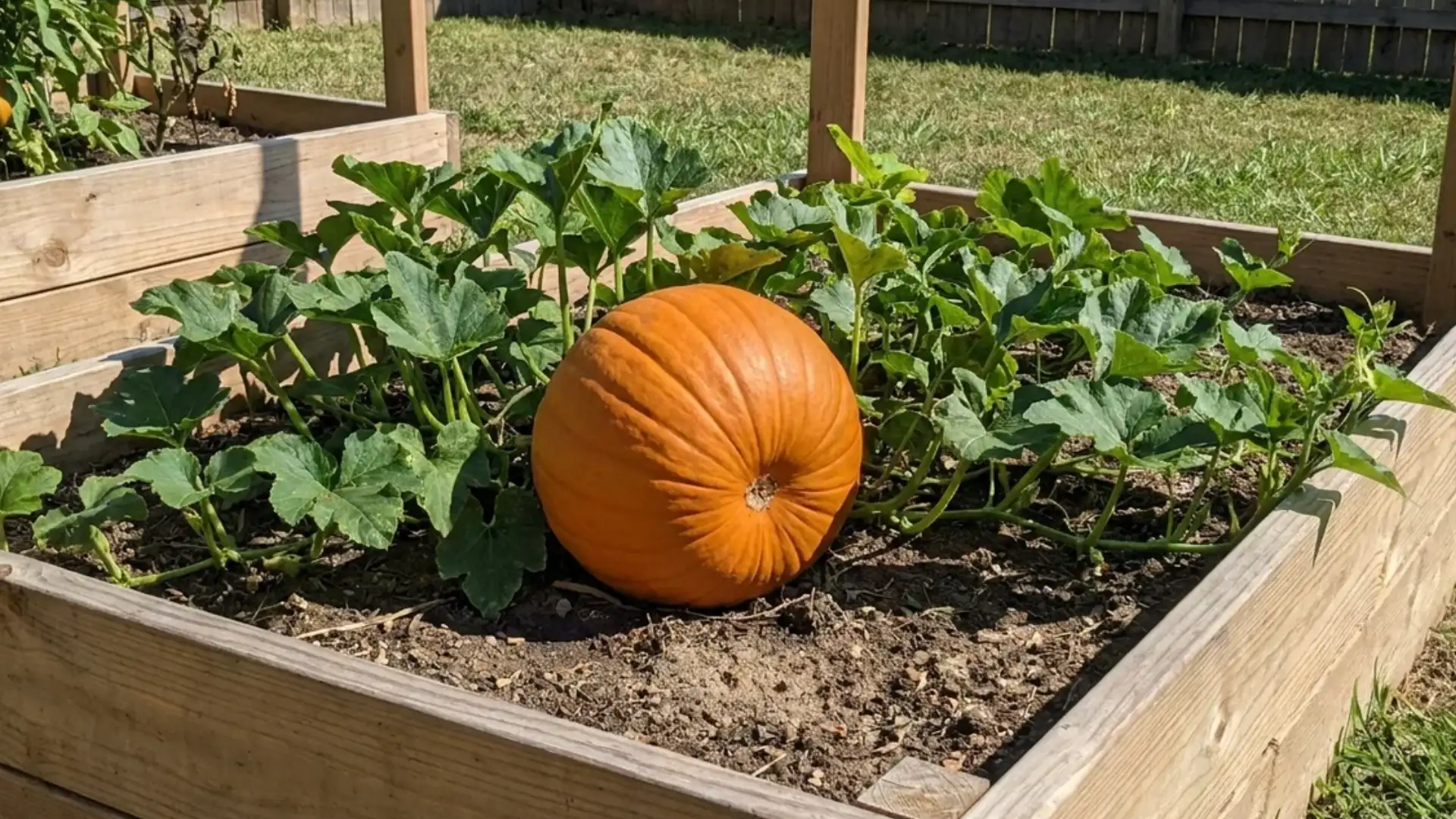
A smaller hybrid pumpkin, weighing 10-15 pounds, is bred for compact, bush-type vines that need less space than sprawling varieties.
It’s ideal for home gardeners with limited room who want a full-sized, carvable pumpkin in autumn.
The manageable vine size also suits raised beds or small backyards.
50. Polar Bear
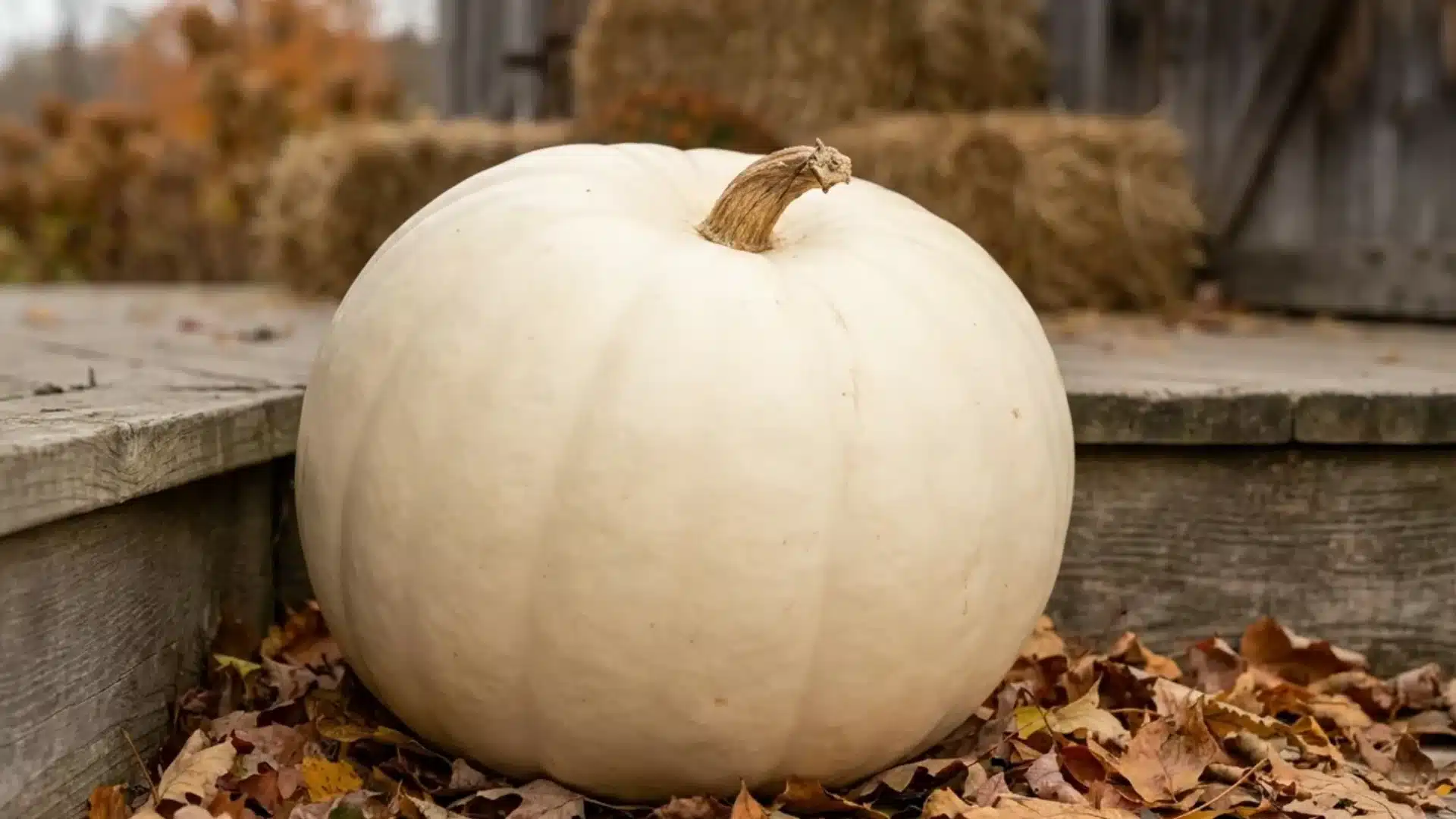
This large white pumpkin, often 20-30 pounds, has smooth pale skin and a ribbed, rounded shape.
It complements orange pumpkins in fall displays, creating contrast on porches and tables.
It also holds up well outdoors in cool weather, resisting early softening common in some white varieties.
51. Valenciano
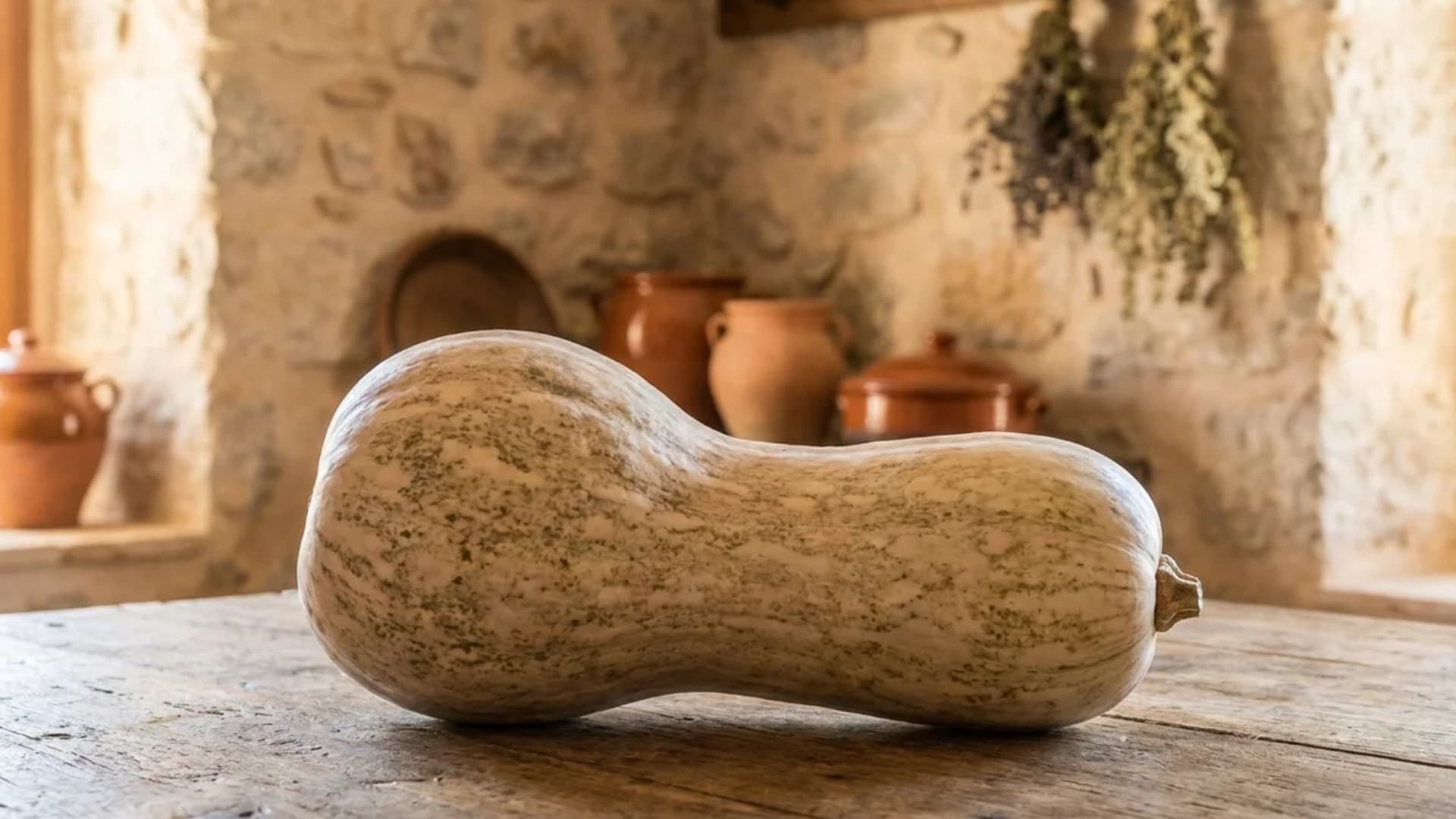
A Spanish-style squash with pale, mottled skin and dense, sweet flesh, often cultivated for cooking.
It stores well for months after harvest without much loss in quality, making it a staple ingredient in traditional stews and roasted dishes. Home cooks in Mediterranean-influenced kitchens tend to keep a few on hand through winter.
52. Silver Moon
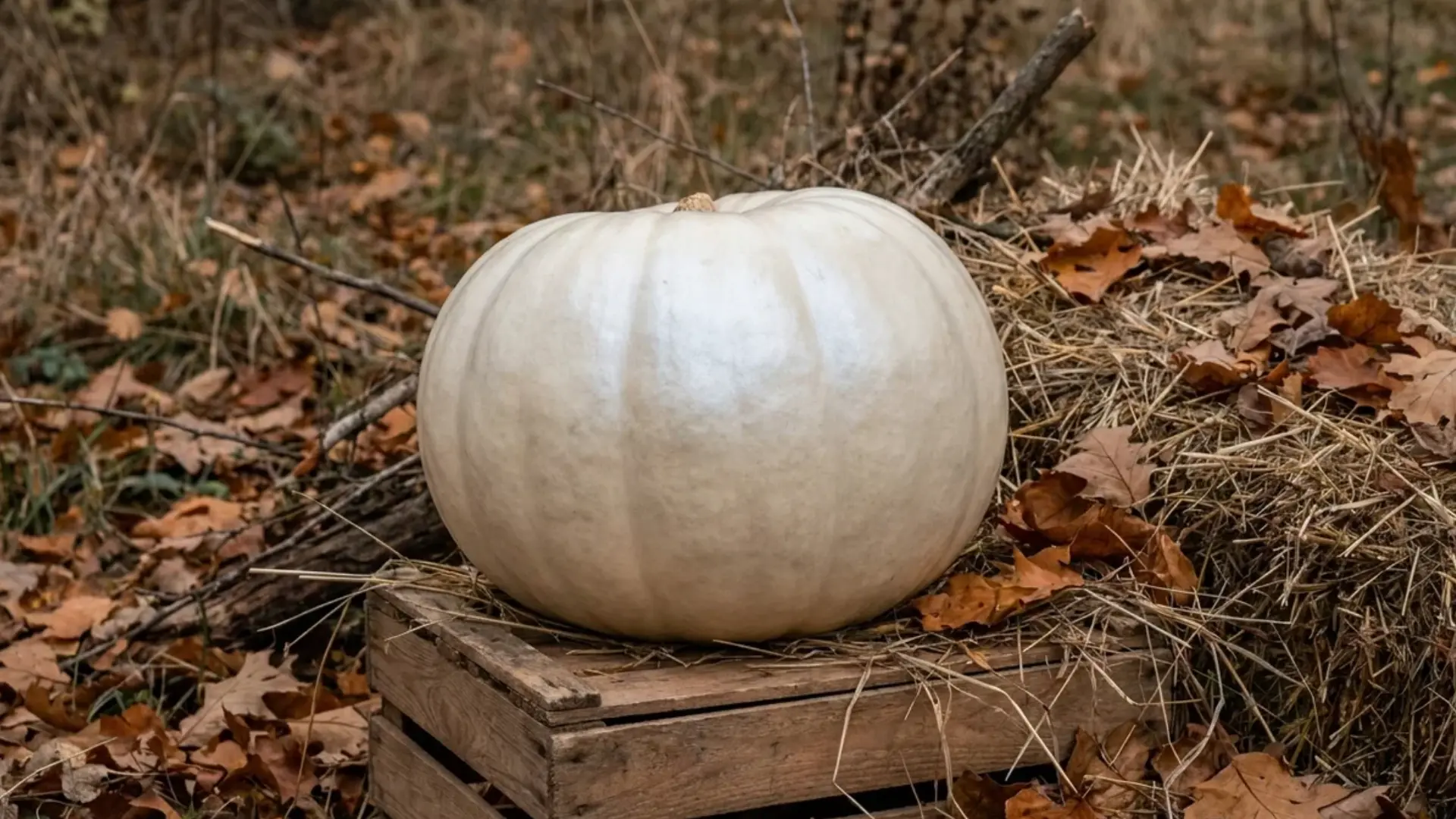
A pale, silvery-white pumpkin weighing 15-20 pounds, popular for its eye-catching color in fall arrangements.
The smooth rind takes paint and glitter well, pairing with darker oranges for contrast in mixed displays. Many decorators pick it specifically to break up an otherwise all-orange porch or entryway setup.
53. Casperita
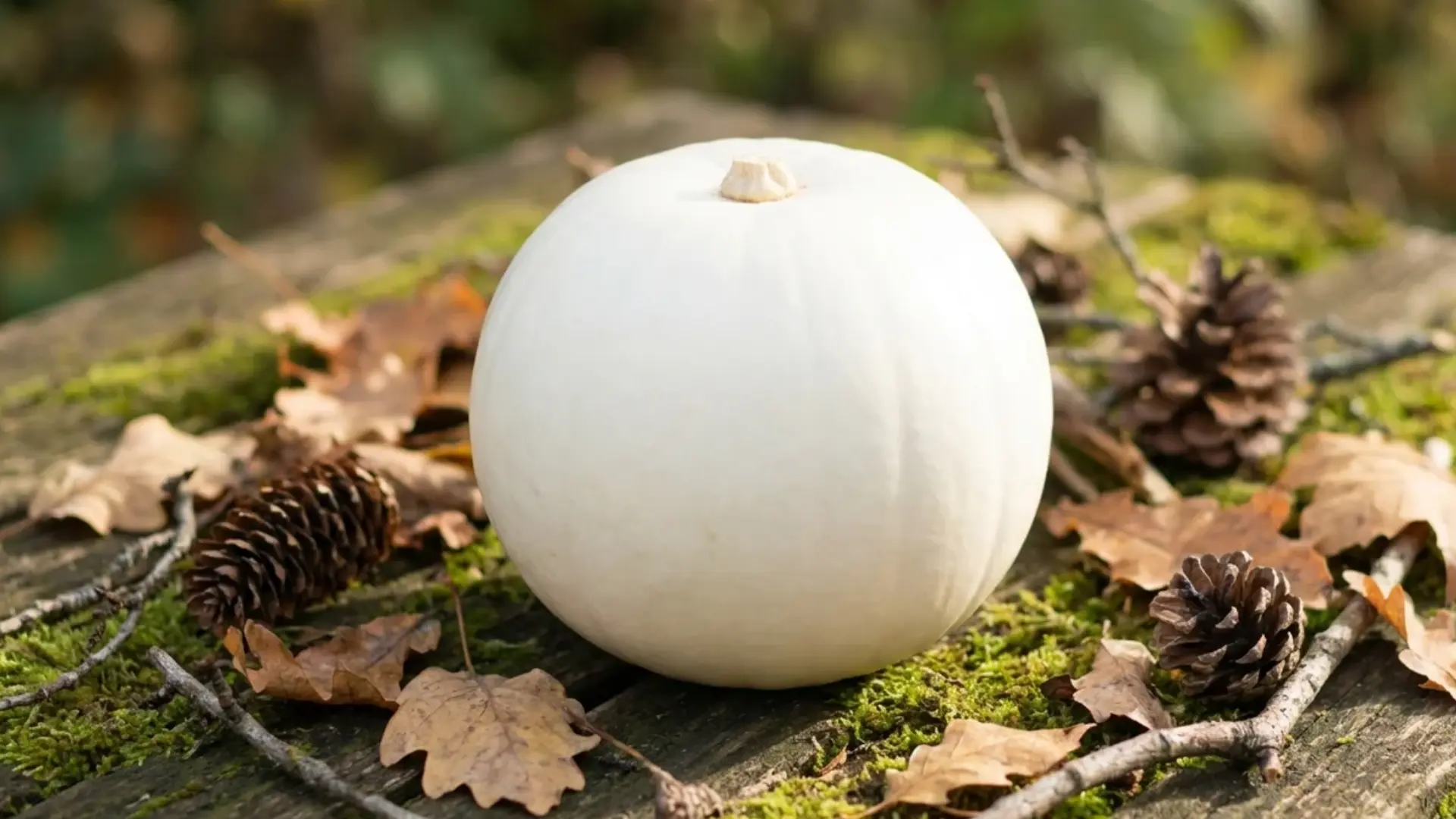
A small white pumpkin, usually under 5 pounds, bred mainly for tabletop decorating rather than traditional carving.
Its round shape and clean, bright white skin make it a popular choice for centerpieces, small porch groupings, and simple fall craft projects. Because of its size, it is also easy to stack in clusters for a fuller, layered decorative look.
54. Full Moon
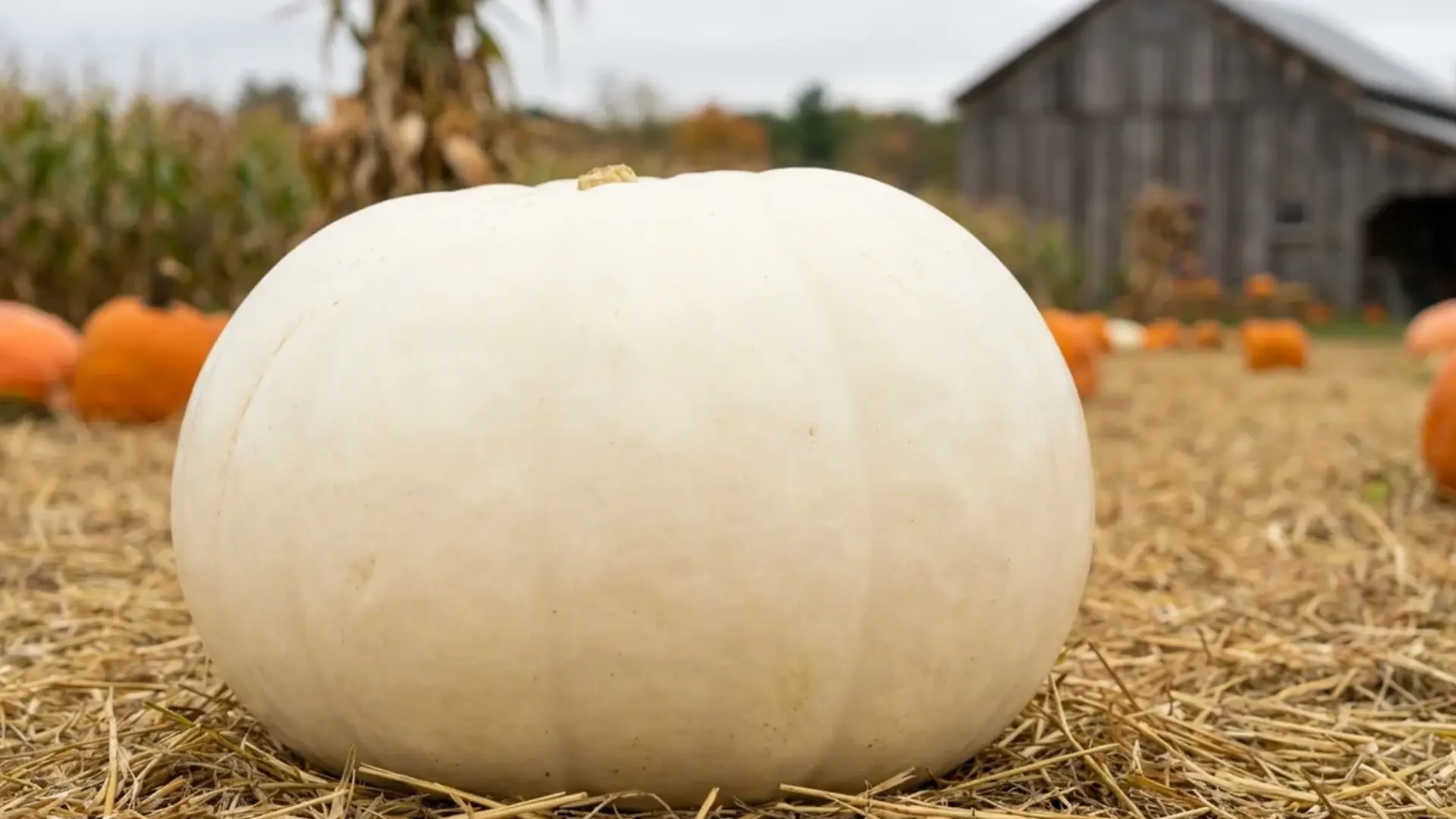
A large white pumpkin that can reach 25-40 pounds, with smooth skin and a rounded, symmetrical shape overall. It is mainly grown for striking fall displays because its pale color contrasts with traditional orange varieties.
Farms often use it as a focal point in larger pumpkin arrangements meant to catch visitors’ attention right away.
55. Queensland Blue
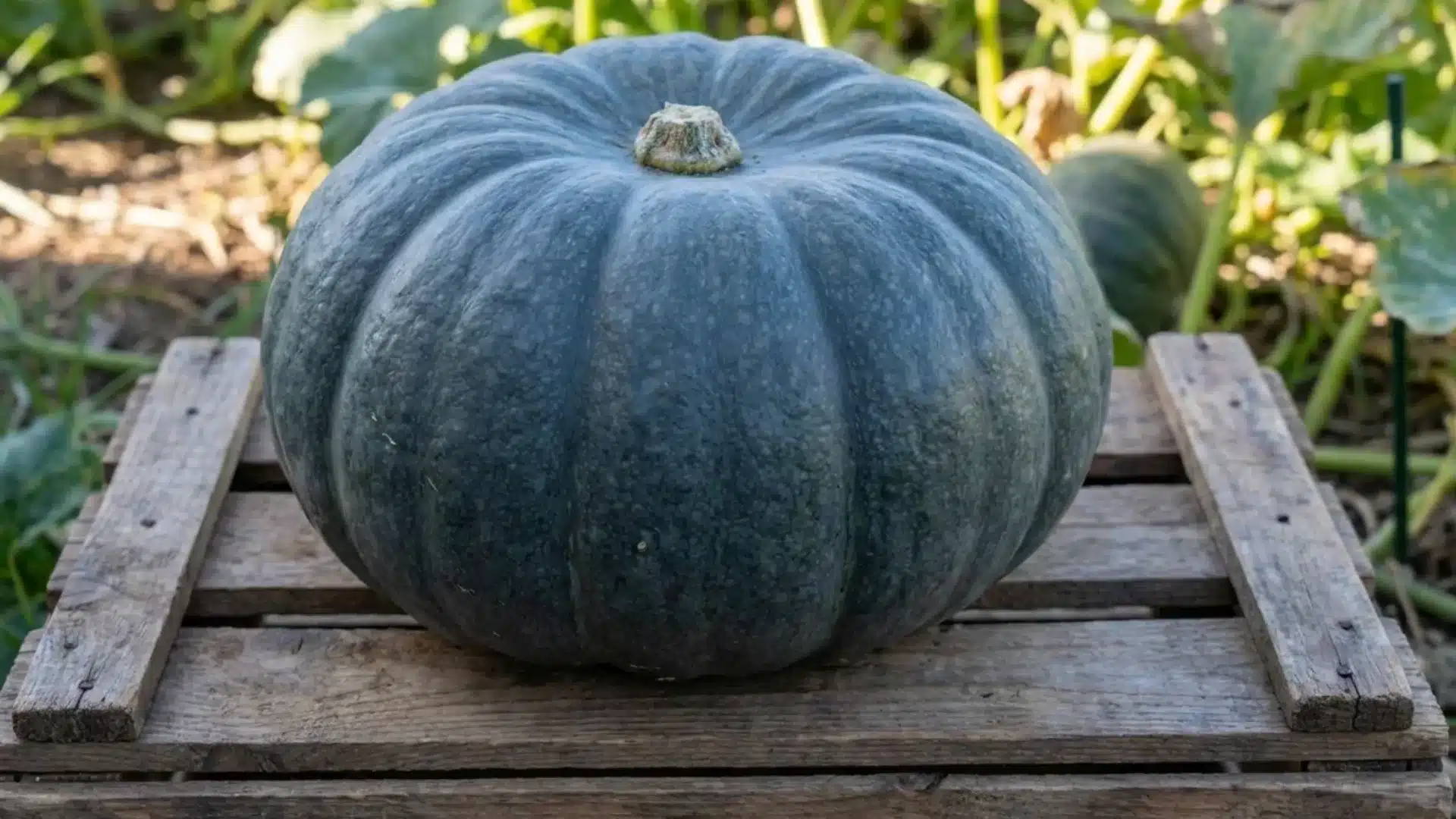
An Australian heirloom squash with deep blue-grey skin and rich, dense orange flesh inside once it is cut open. It is known for excellent flavor when roasted and stores well for several months without spoiling quickly.
Cooks who grow their own winter squash favor it for soups, mashes, and roasted sides in colder months.
56. Blue Doll
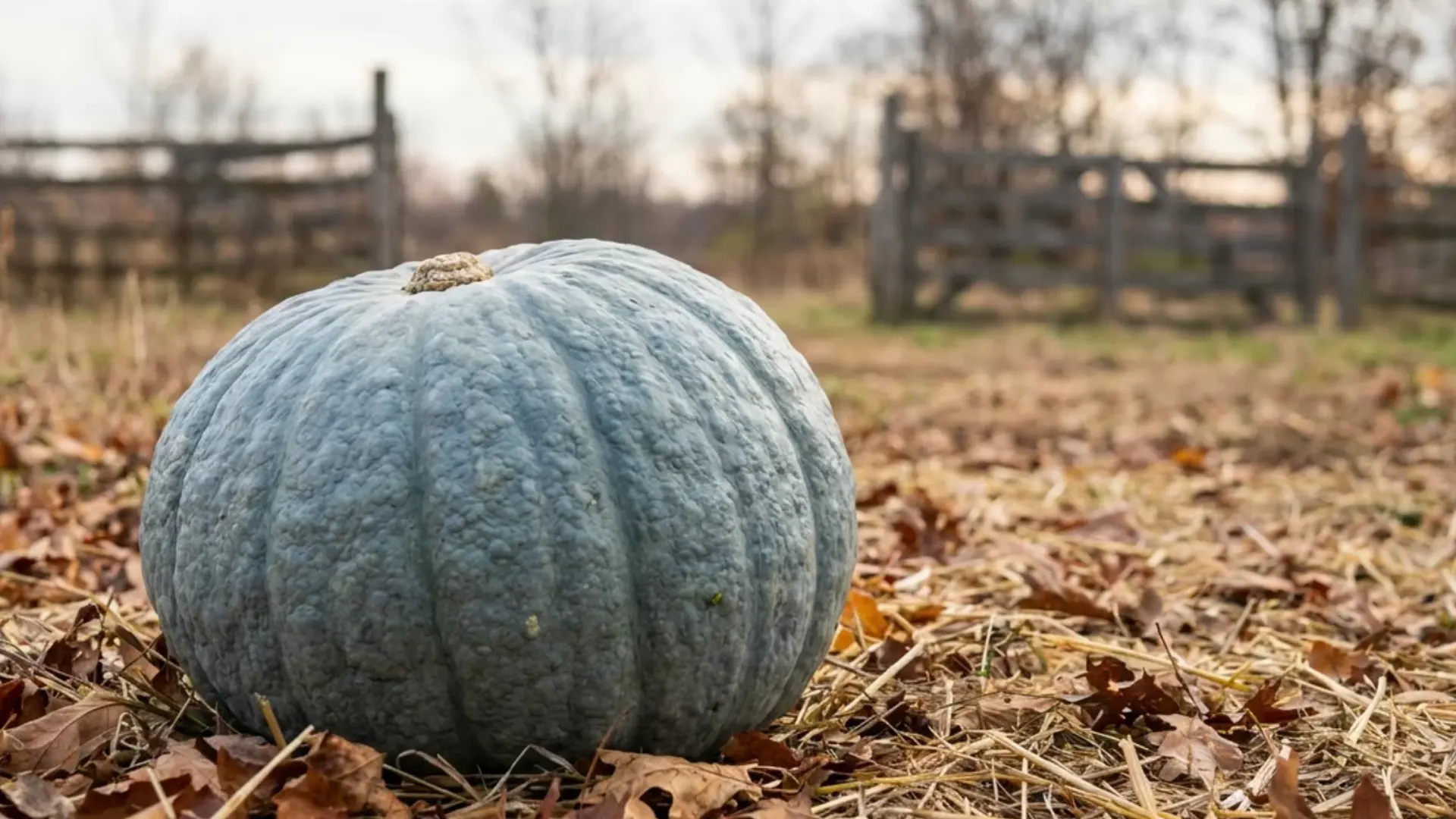
A hubbard-type squash with soft blue-grey skin and a round, slightly bumpy shape, usually weighing 8-15 pounds.
Its flesh is sweet, dense, and ideal for soups, purees, and baking with a firmer squash texture. It remains well-stored for weeks, making it convenient for households cooking in winter.
57. Crown Prince
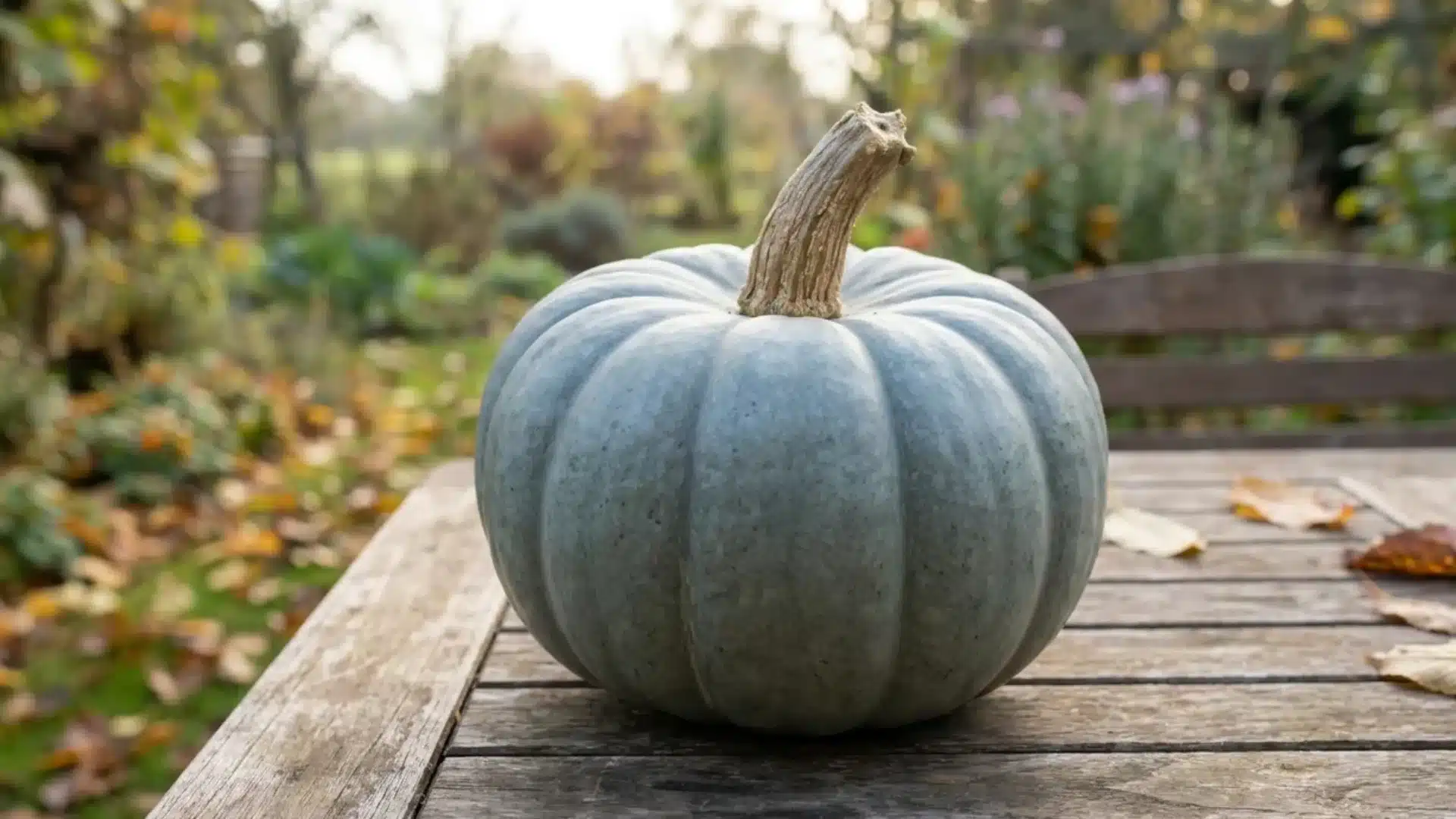
A British favorite with steel-blue skin and orange flesh, valued for its sweet, nutty flavor when roasted. It’s a compact squash, usually 6-10 pounds, and stores well through winter without much rot.
Many home cooks see it as one of the tastiest squashes for hearty autumn meals.
58. Speckled Hound
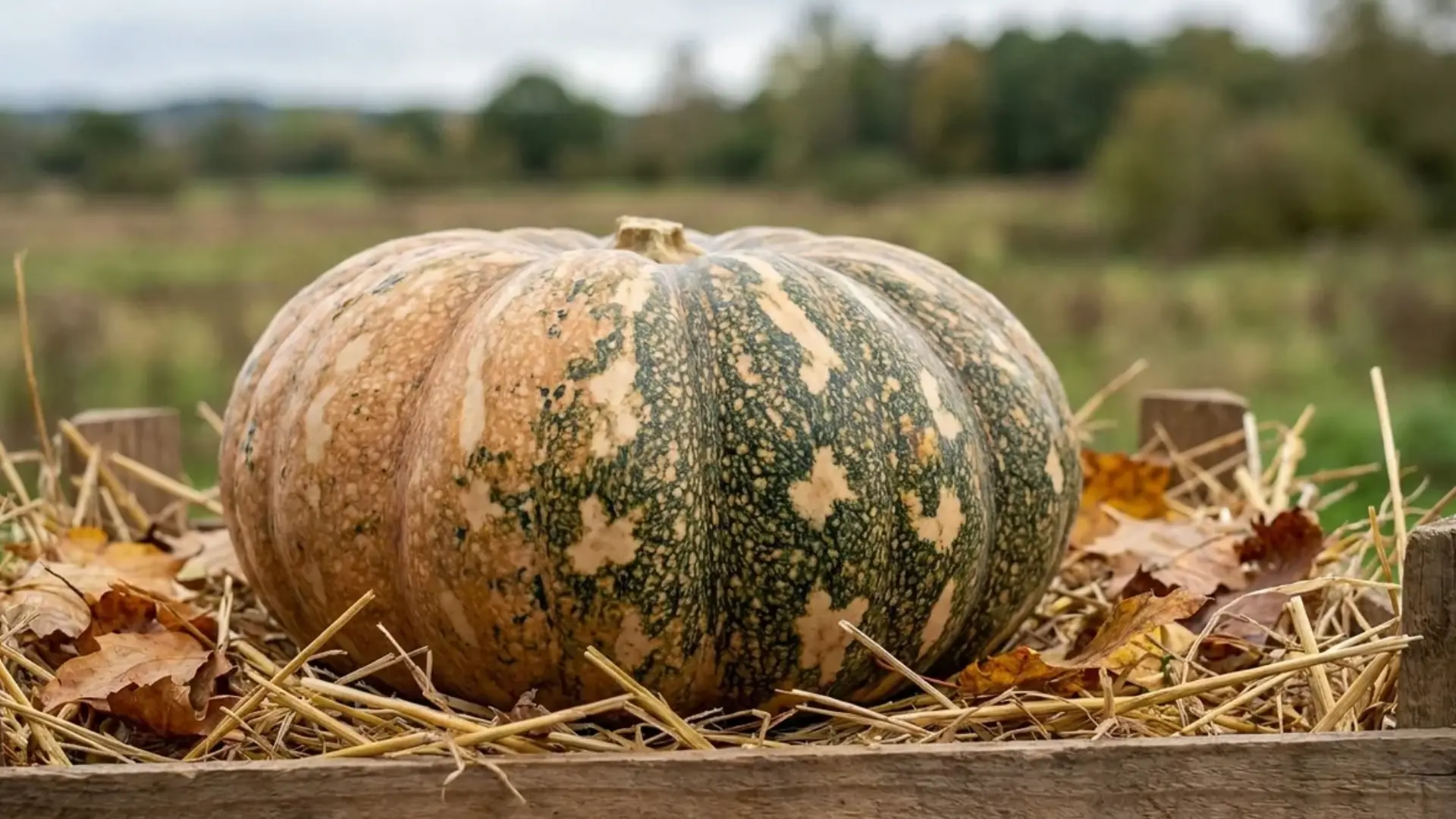
Named for its mottled tan and green skin, this squash has dense orange flesh with notable natural sweetness.
It’s a hardy variety that keeps well in storage and works well in soups, curries, and roasted vegetable dishes.
Its speckled appearance makes it stand out on market tables next to smoother varieties.
59. Porcelain Princess
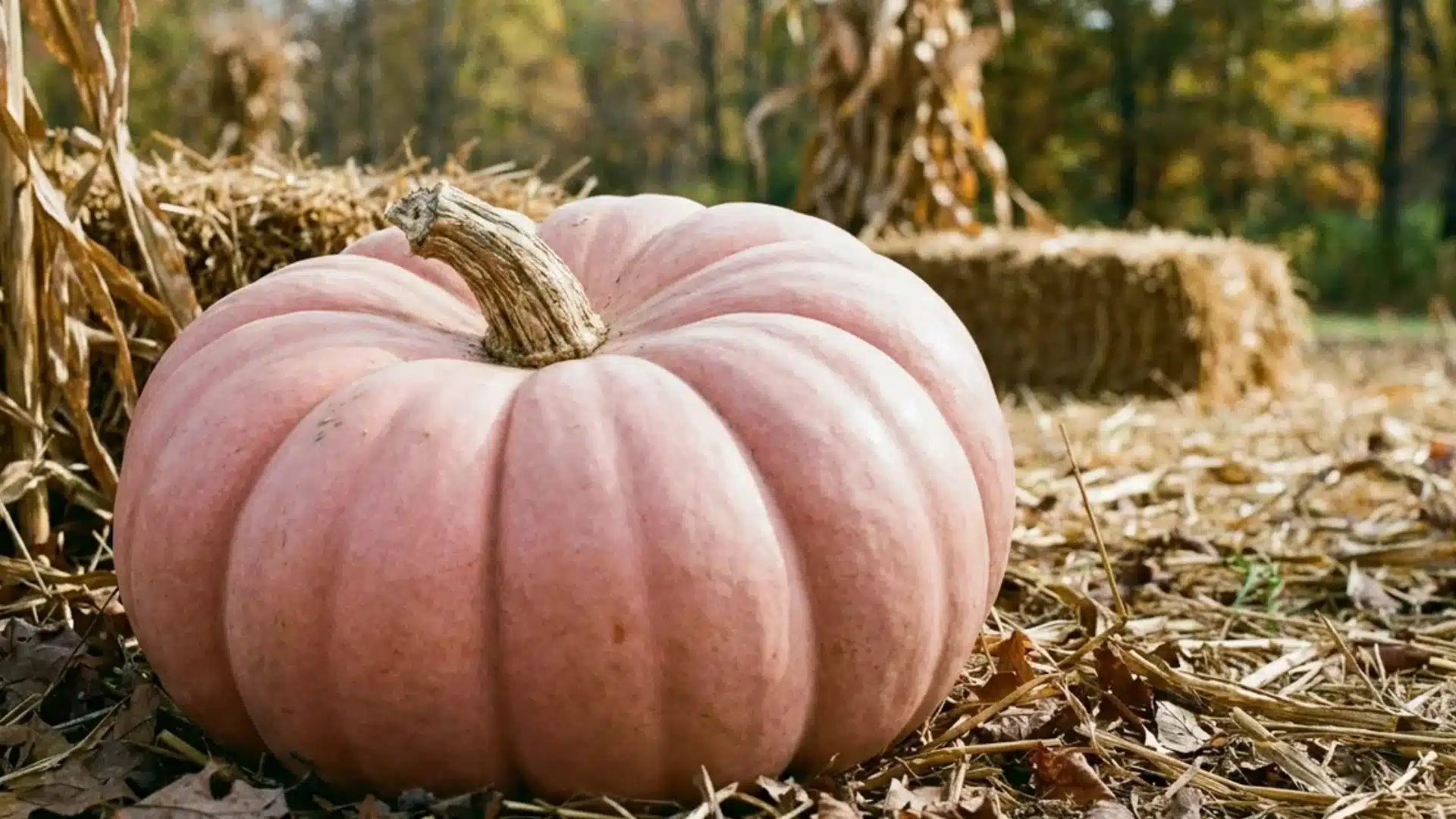
A pale pink, ribbed pumpkin around 15-20 pounds, popular for cooking purposes as well as general fall decorating. Its smooth flesh is versatile for pies, soups, and baked dishes, making it more usable than decorative pumpkins.
Its soft, muted colors also give fall displays a gentler, less traditional look than bright orange varieties.
60. Bumpkin
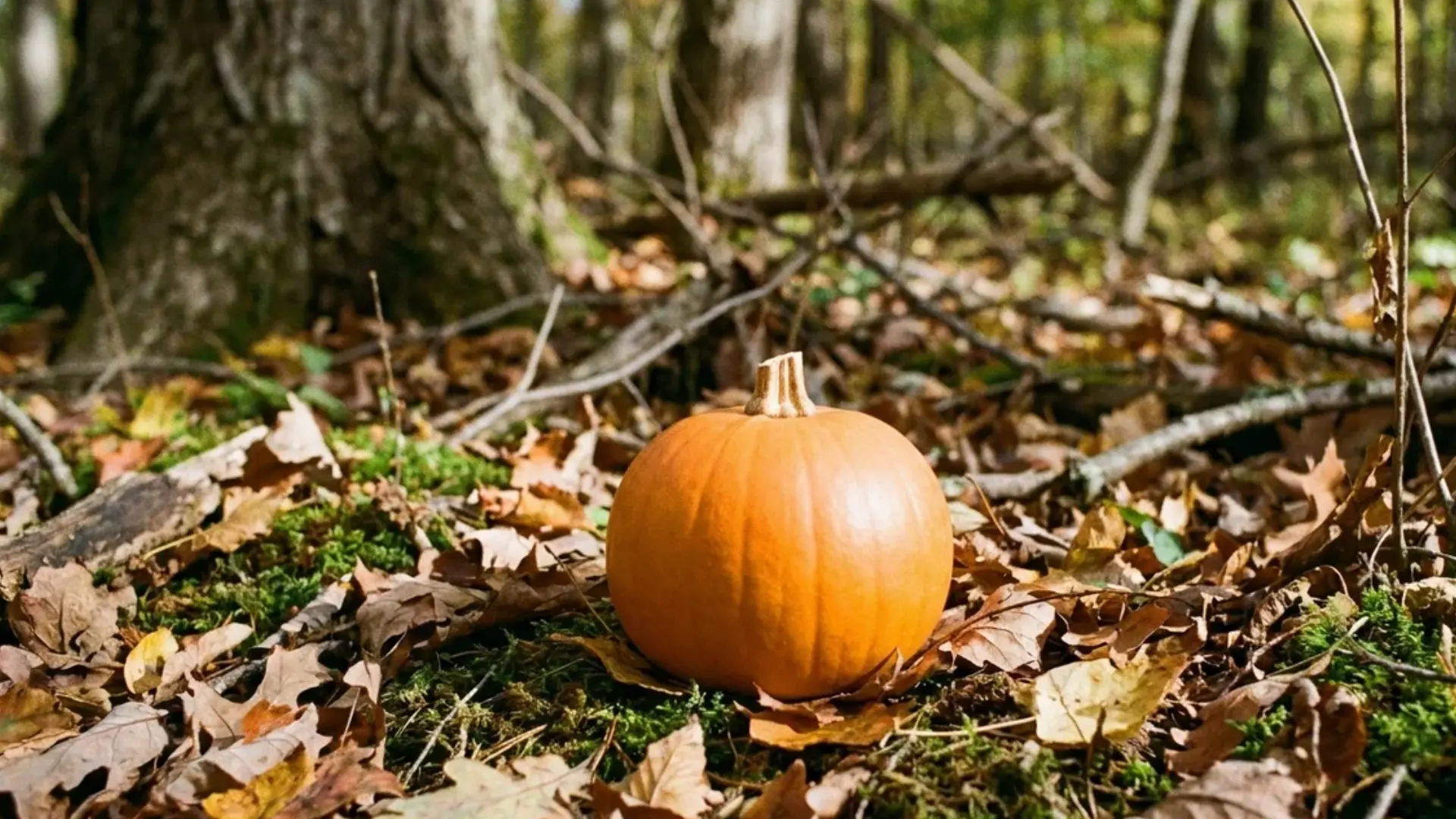
A small novelty pumpkin, usually under 5 pounds, bred mainly for tabletop and craft uses.
Its size makes it especially popular for painting projects, kids’ activities, and small decorative groupings on porches and mantels. Because it’s so lightweight, it’s also easy to arrange in baskets or layered fall centerpiece displays.
61. Orange Mon
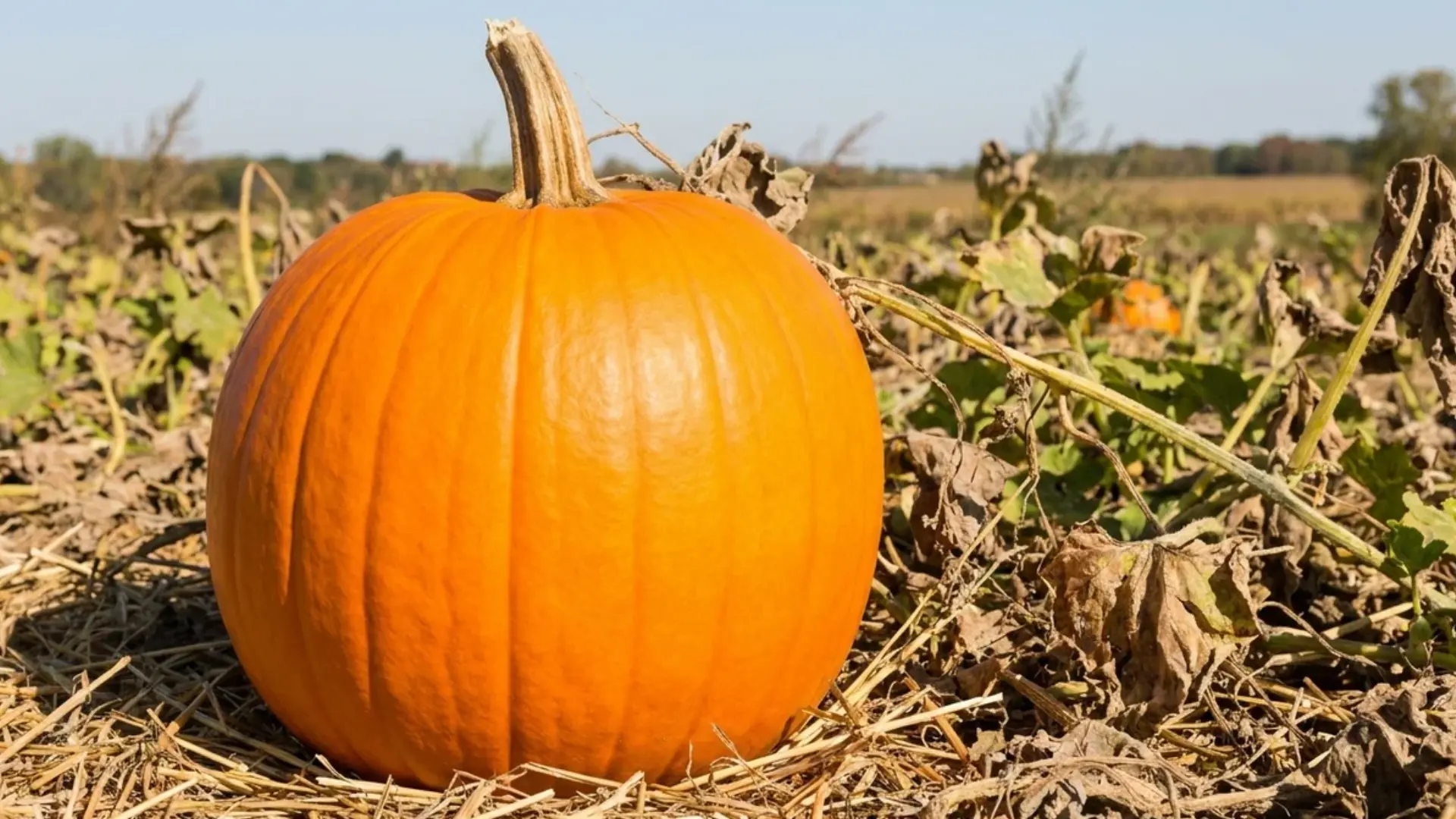
A bright, uniformly orange pumpkin, weighing 15-20 pounds, bred for consistent color and shape. It is a reliable carving pumpkin that stays firm and shapely through most of the fall, even in cooler weather.
Growers appreciate how evenly it matures, which cuts down on sorting waste during harvest time.
62. Lil’ Pump-Ke-Mon
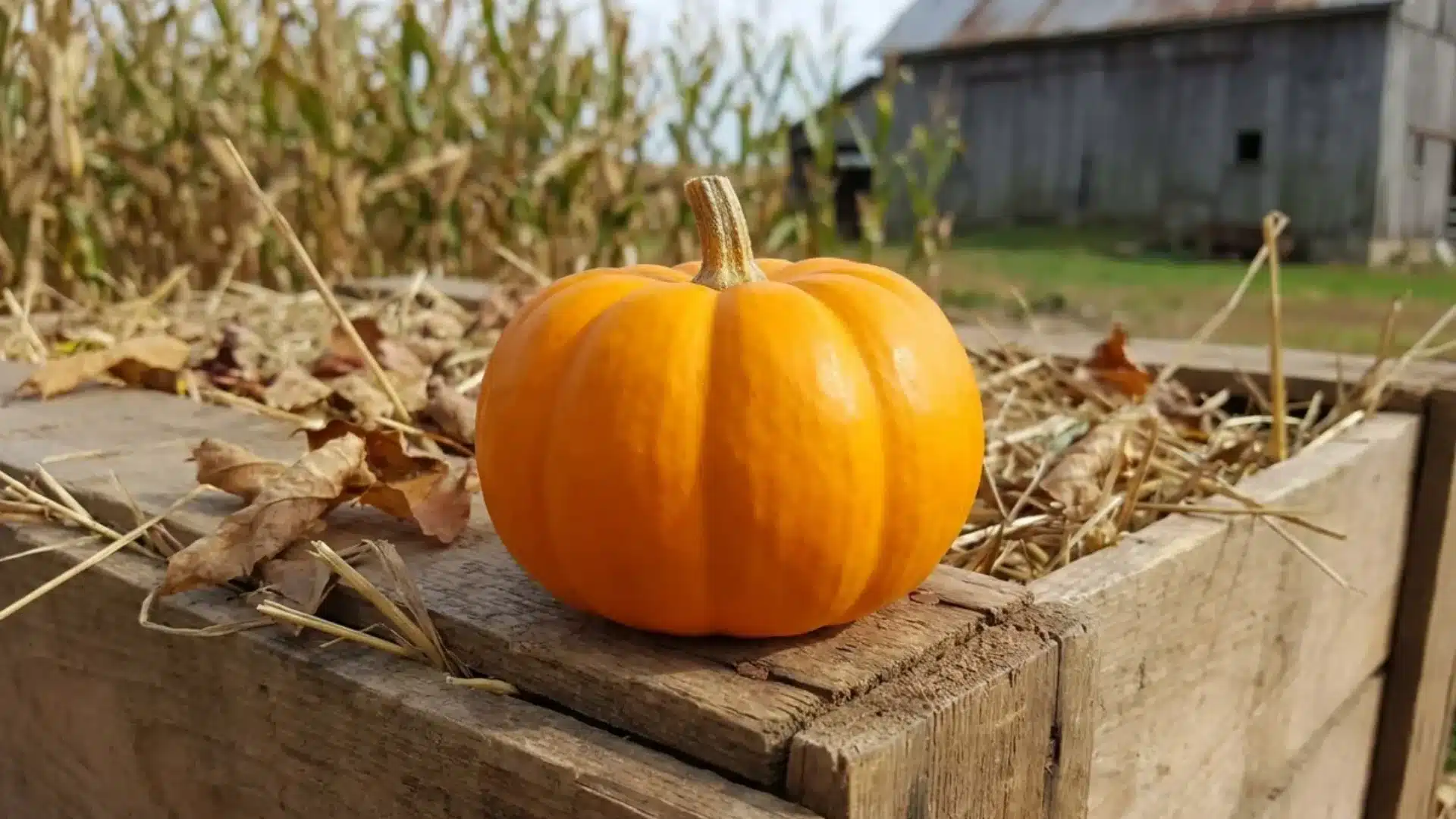
A miniature pumpkin, usually under 1 pound, bred mainly for decorating and small craft projects.
Its tiny size and bright orange color make it especially popular for tablescapes, wreaths, and kids’ fall activities at school or home. Farms often sell it in small bunches since single pumpkins look sparse on their own.
63. Lil’ Goblin
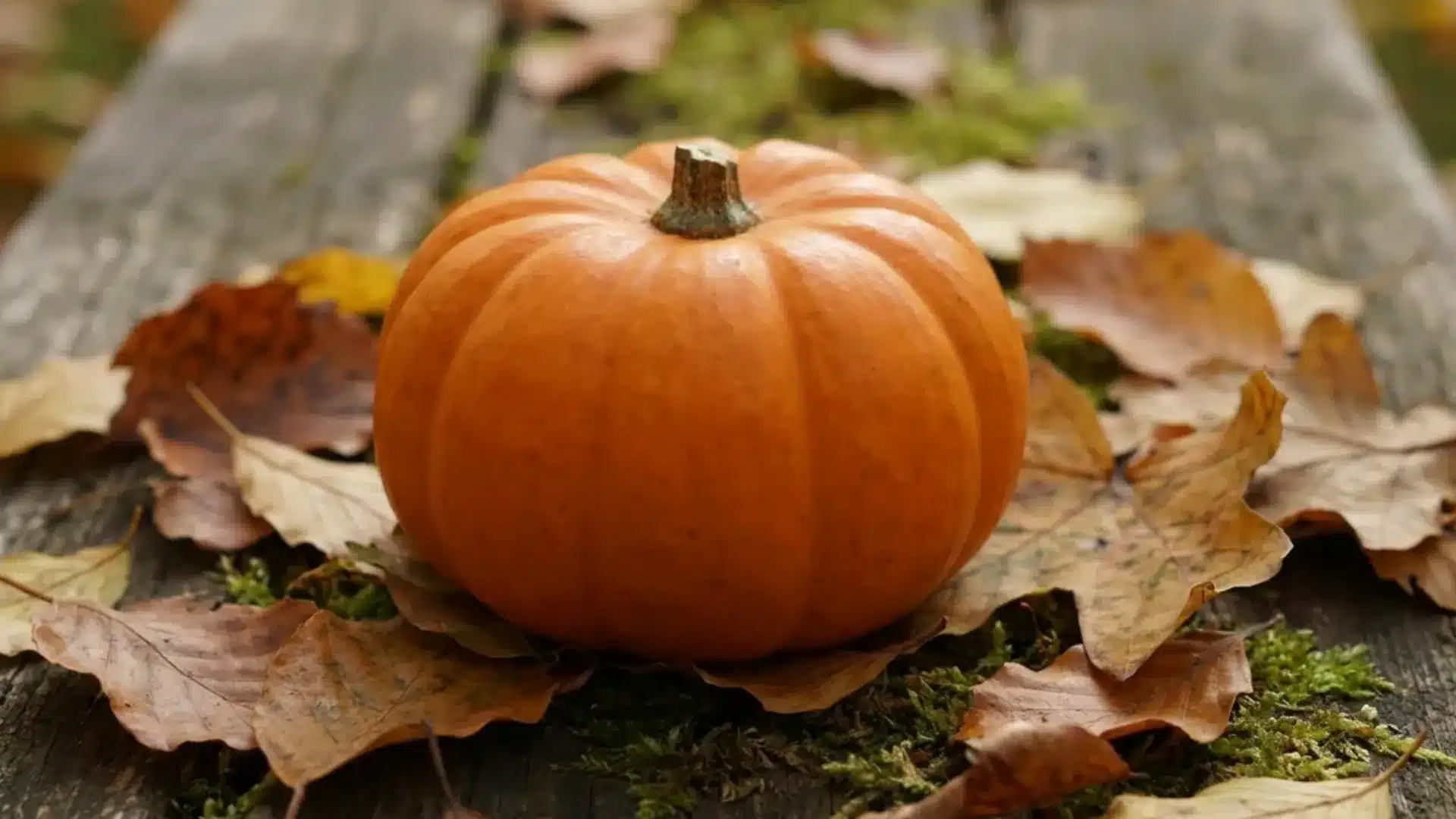
A mini pumpkin small enough to fit in one palm, with deep orange skin and slight surface ribbing.
It is grown mainly for decoration rather than cooking, often sold in bunches for autumn tablescapes, porch steps, and simple seasonal arrangements.
Its compact size makes it easy to tuck into gaps between larger pumpkins in bigger displays.
64. Small Sugar
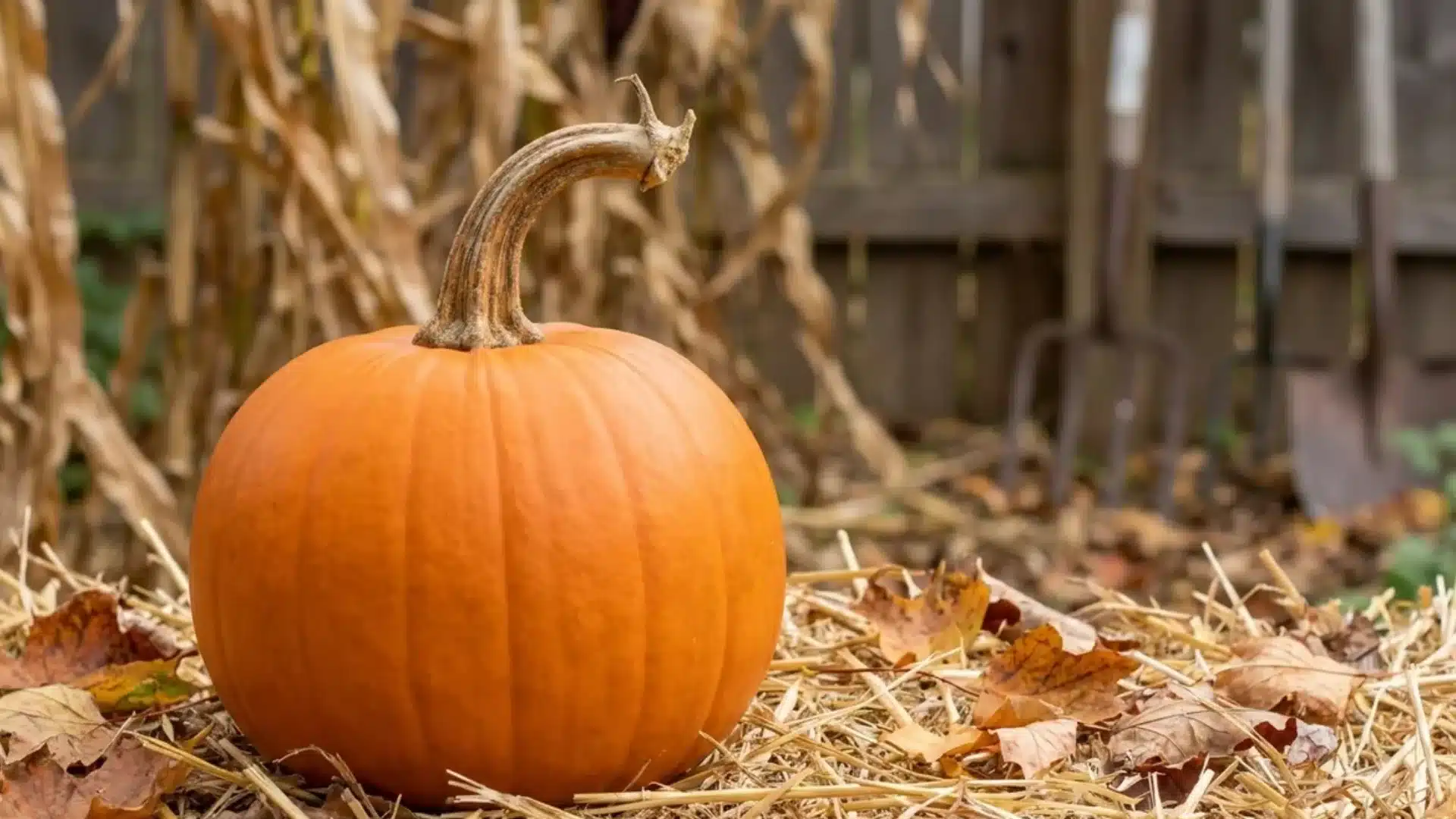
A classic heirloom pie pumpkin, weighing 4-8 pounds, known for sweet, smooth flesh ideal for baking. It’s a trusted variety for homemade pumpkin pie, grown in home gardens for generations without much change.
Many families specifically seek this one out over larger carving pumpkins when baking season arrives.
65. Triple Treat
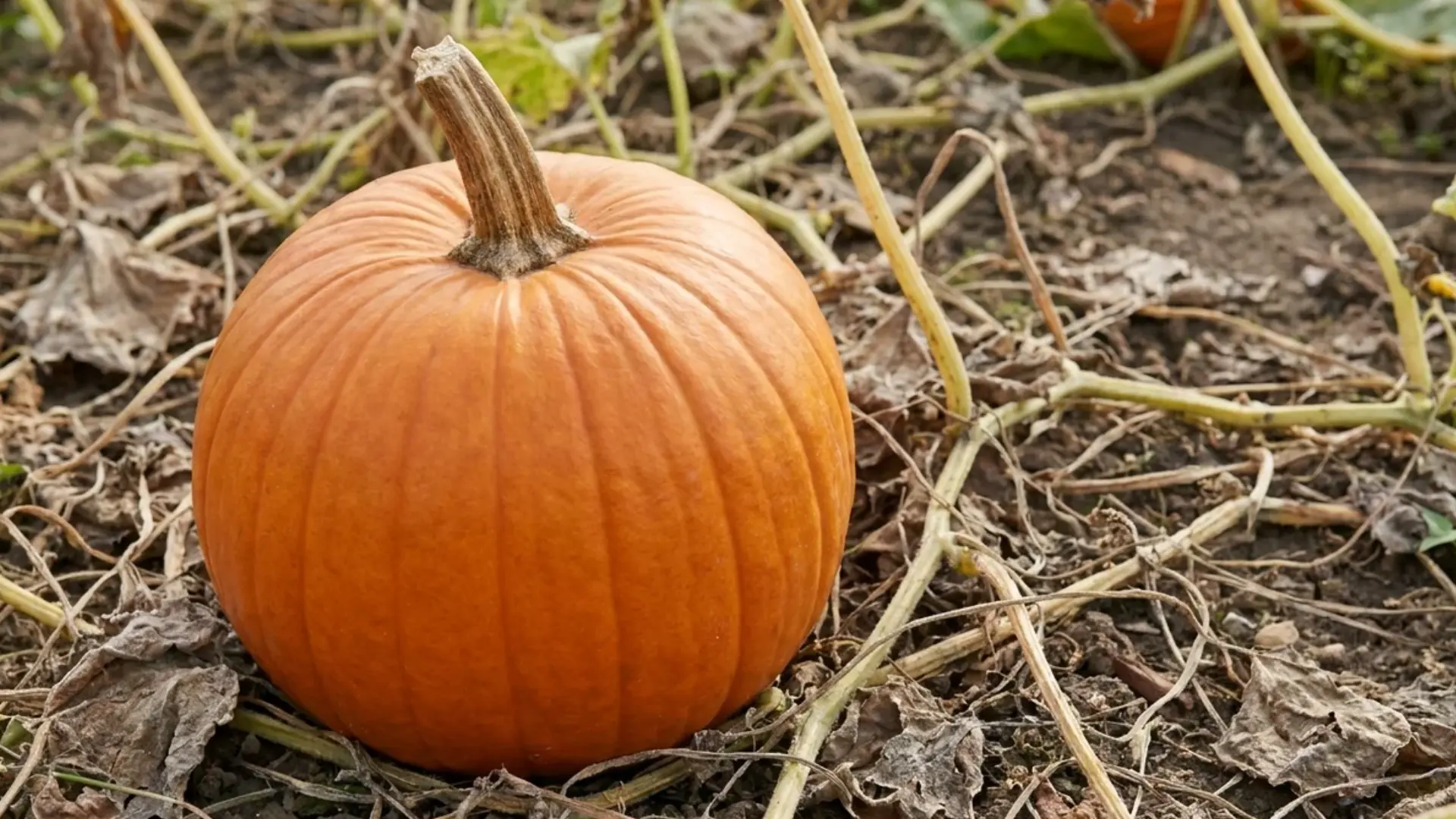
A hulless-seed pumpkin bred for roasting seeds directly and suitable for cooking. It is a favorite with home gardeners who want both a fall decoration and a tasty snack from the very same plant.
That dual purpose makes it a practical, space-efficient choice for smaller backyard vegetable gardens.
66. Cinnamon Girl
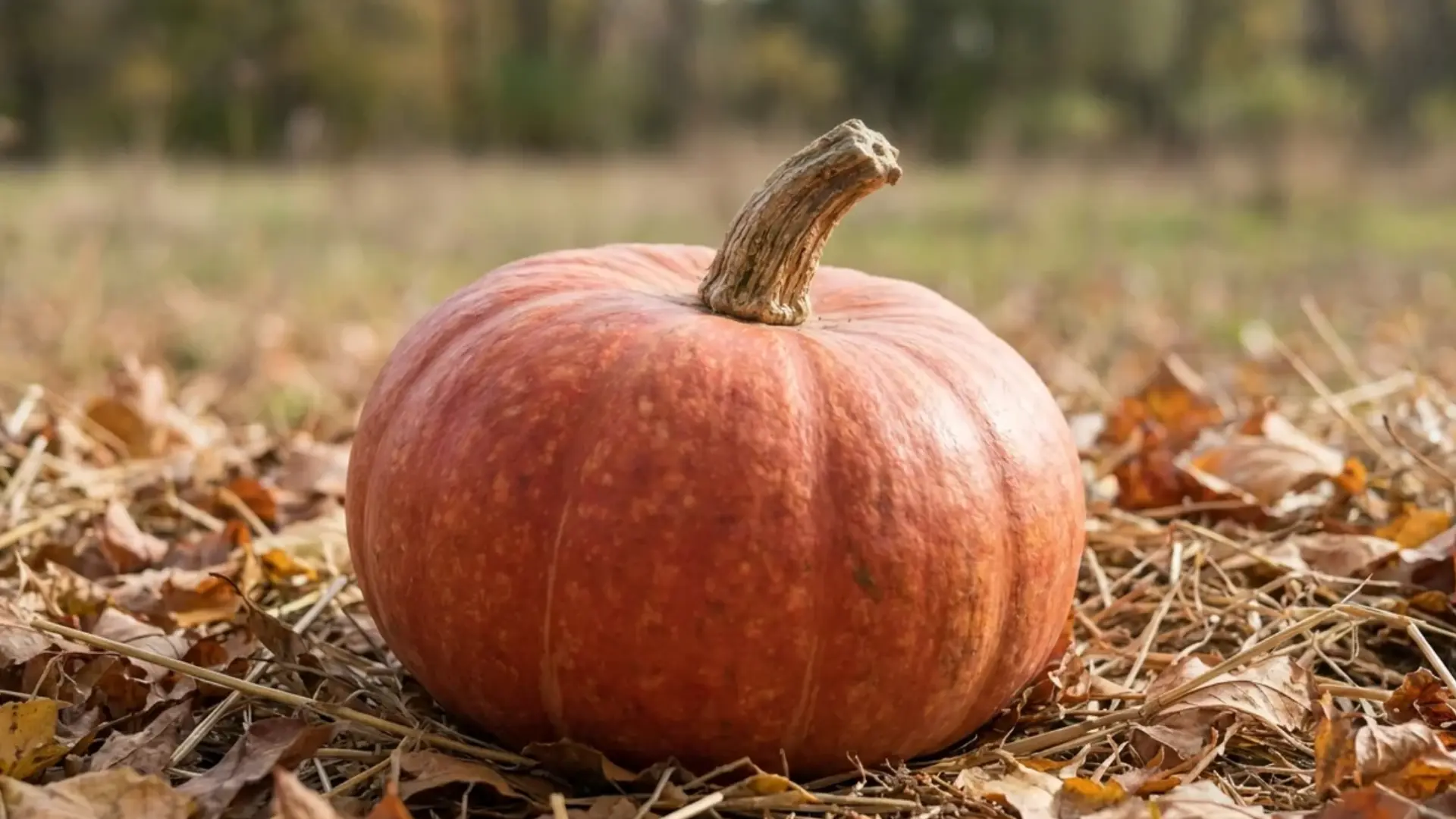
A medium pumpkin, weighing 10-15 pounds, with warm reddish-orange skin, bred for appearance and decent cooking flesh. Its color is between bright orange and red-brown pumpkins, giving fall displays a warmer, rustic look.
Decorators often pair it with paler varieties to add depth.
67. Rocket
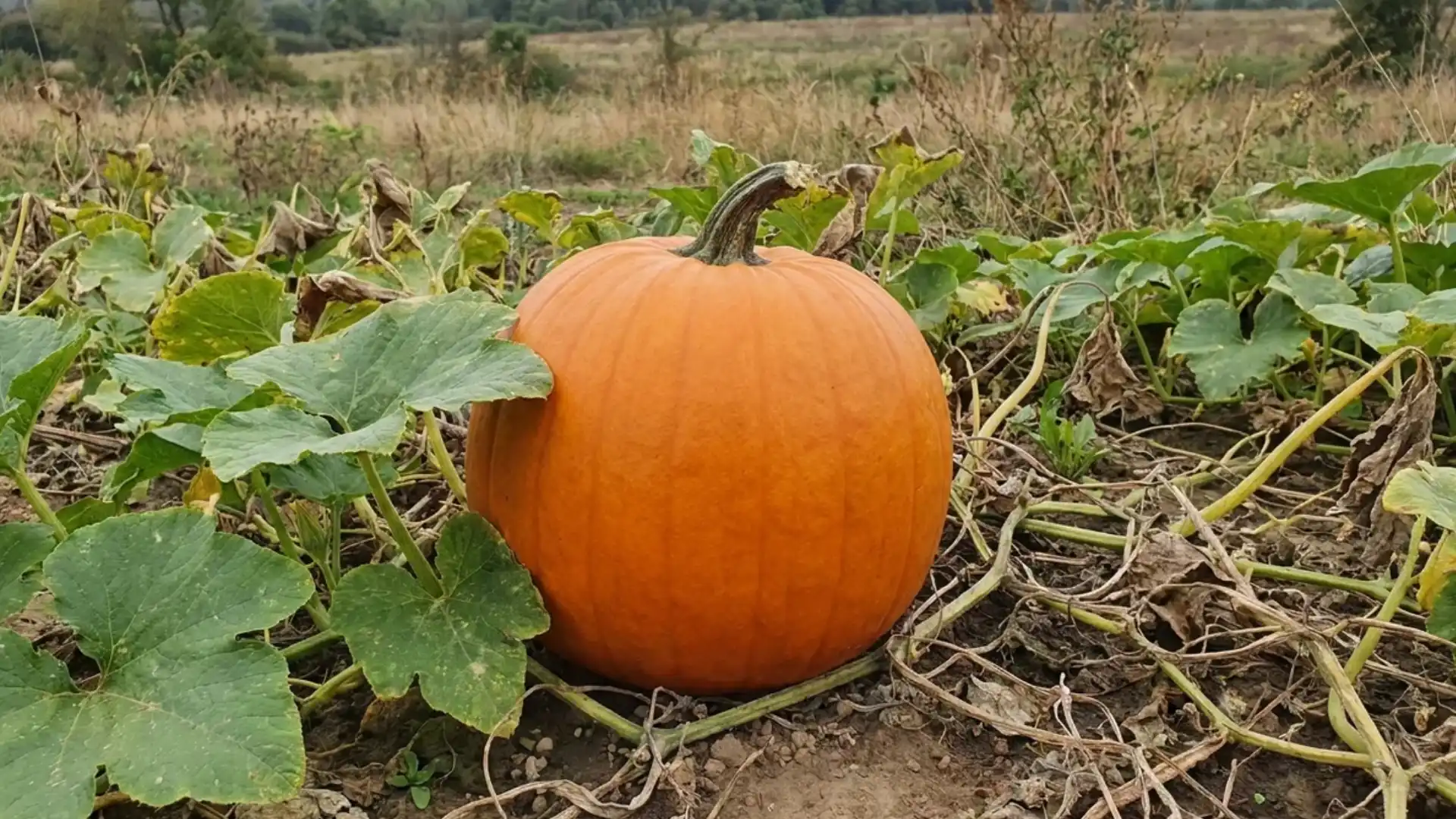
A fast-maturing pumpkin bred for shorter growing seasons, usually reaching 15-20 pounds before typical harvests.
Its quick turnaround is especially useful for growers in cooler climates needing a reliable harvest before the first hard frost. The speed also enables successive plantings in regions with longer seasons.
68. Apollo
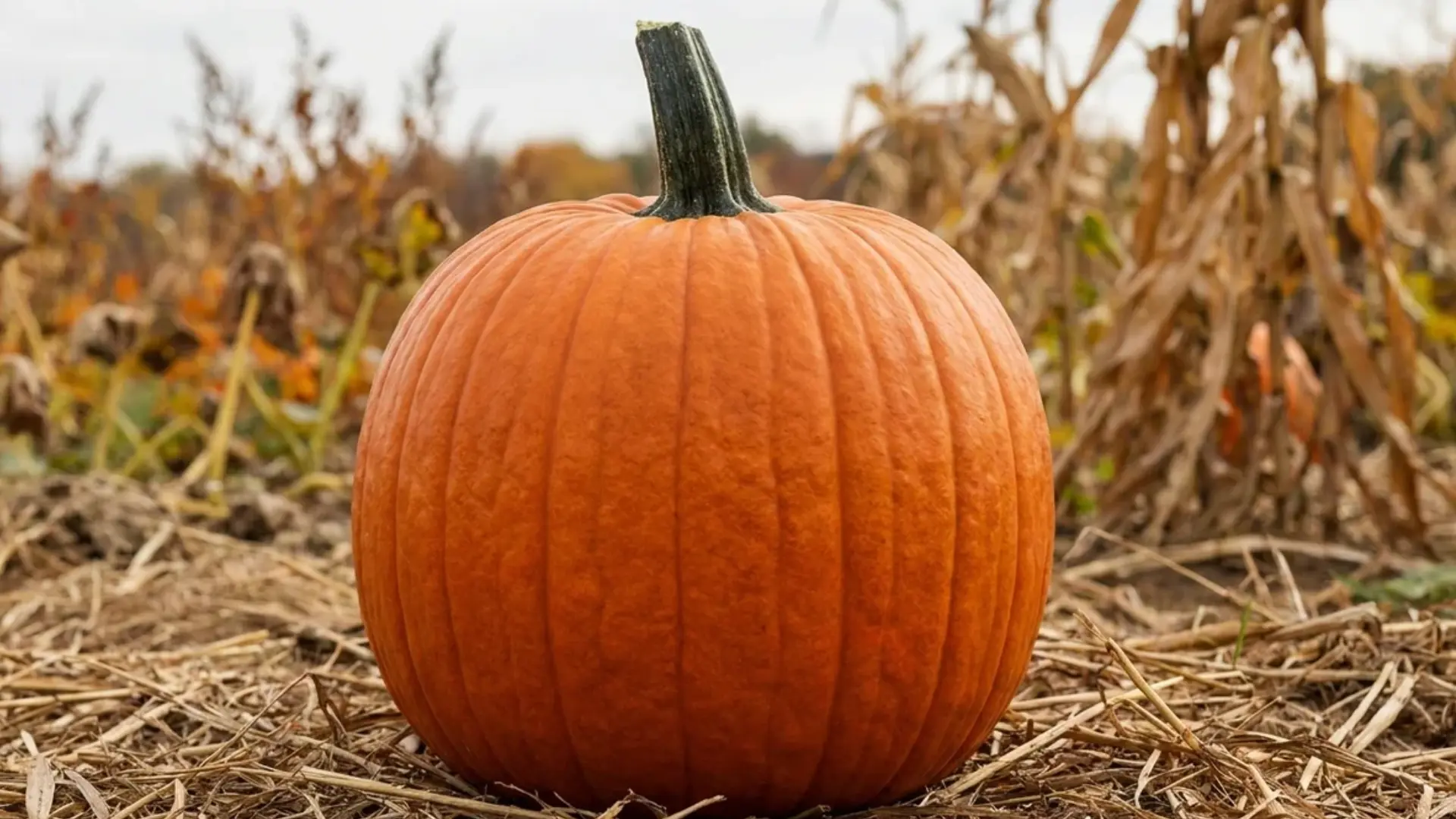
A round, semi-tall pumpkin with deep orange skin, generally weighing 20-25 pounds, bred for even ribbing and notably strong stems. It’s a versatile variety for traditional carving and simple fall porch displays.
Its sturdy build and dependable shape make it a popular choice for growers seeking consistency across their fields.
69. Dill’s Atlantic Giant
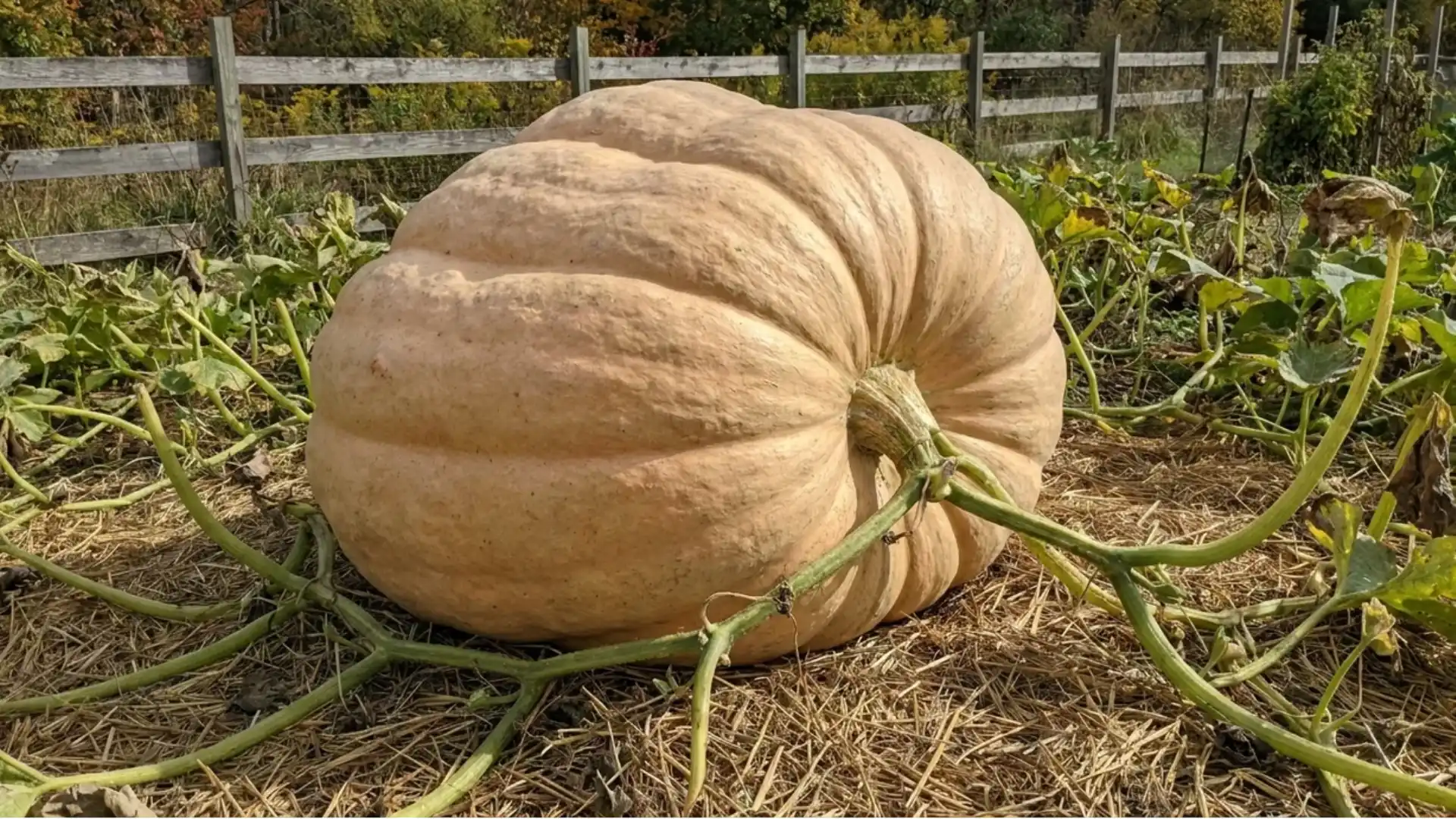
The variety behind record-breaking pumpkins surpassing 1,000 pounds with ideal conditions.
Its massive potential size and thick, sprawling vines make it the top favorite at giant pumpkin competitions held around the world each year. Growers chasing weigh-off records almost always start with this specific seed line.
70. Mammoth Gold
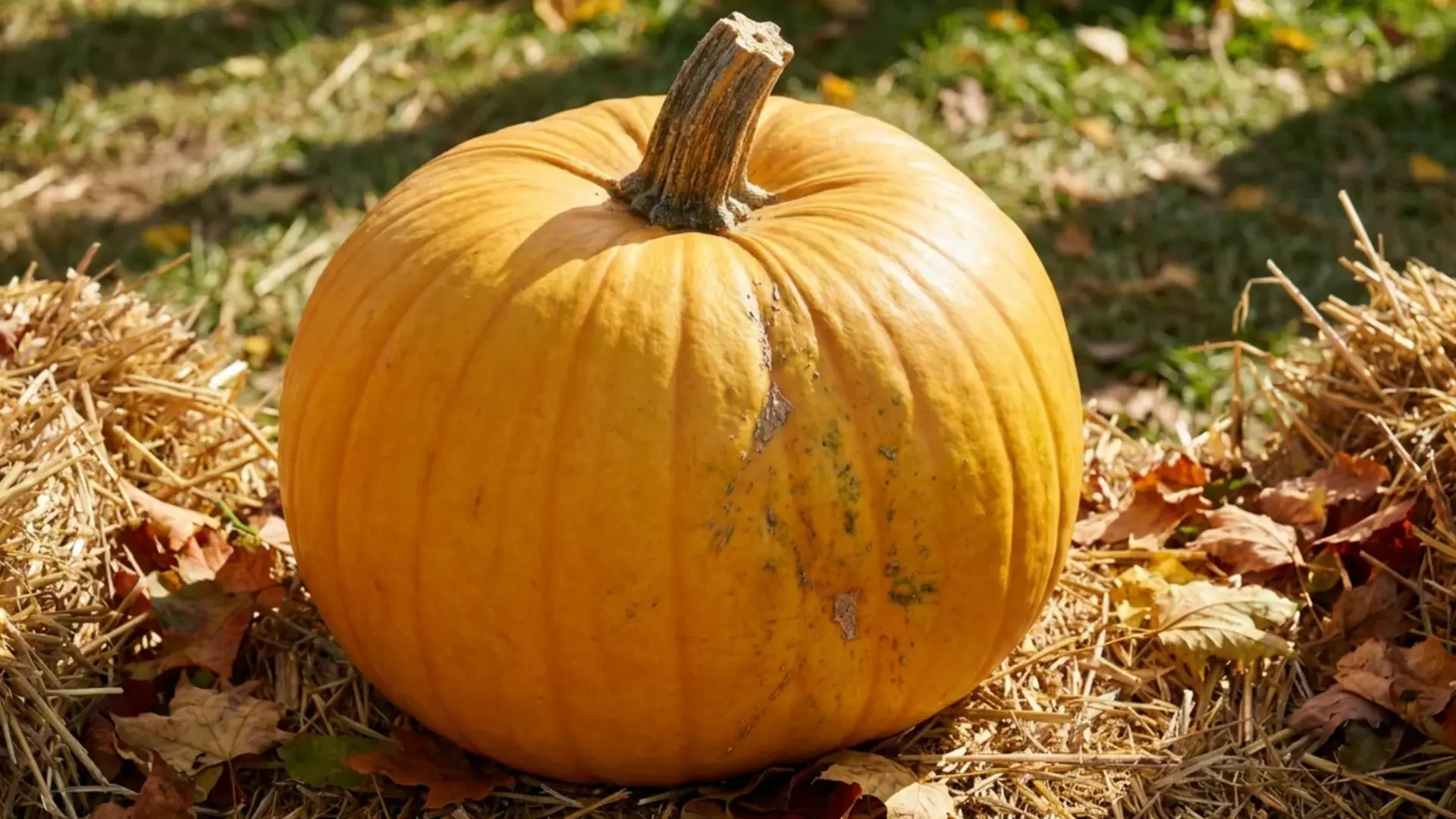
A large pumpkin weighing 40-60 pounds, with golden-orange skin and a rounded, symmetrical shape. It is grown in size for fall shows and cooking, as the flesh retains good flavor even when larger.
Growers often use it as a middle ground between showpiece size and practical kitchen use.
71. Hundredweight
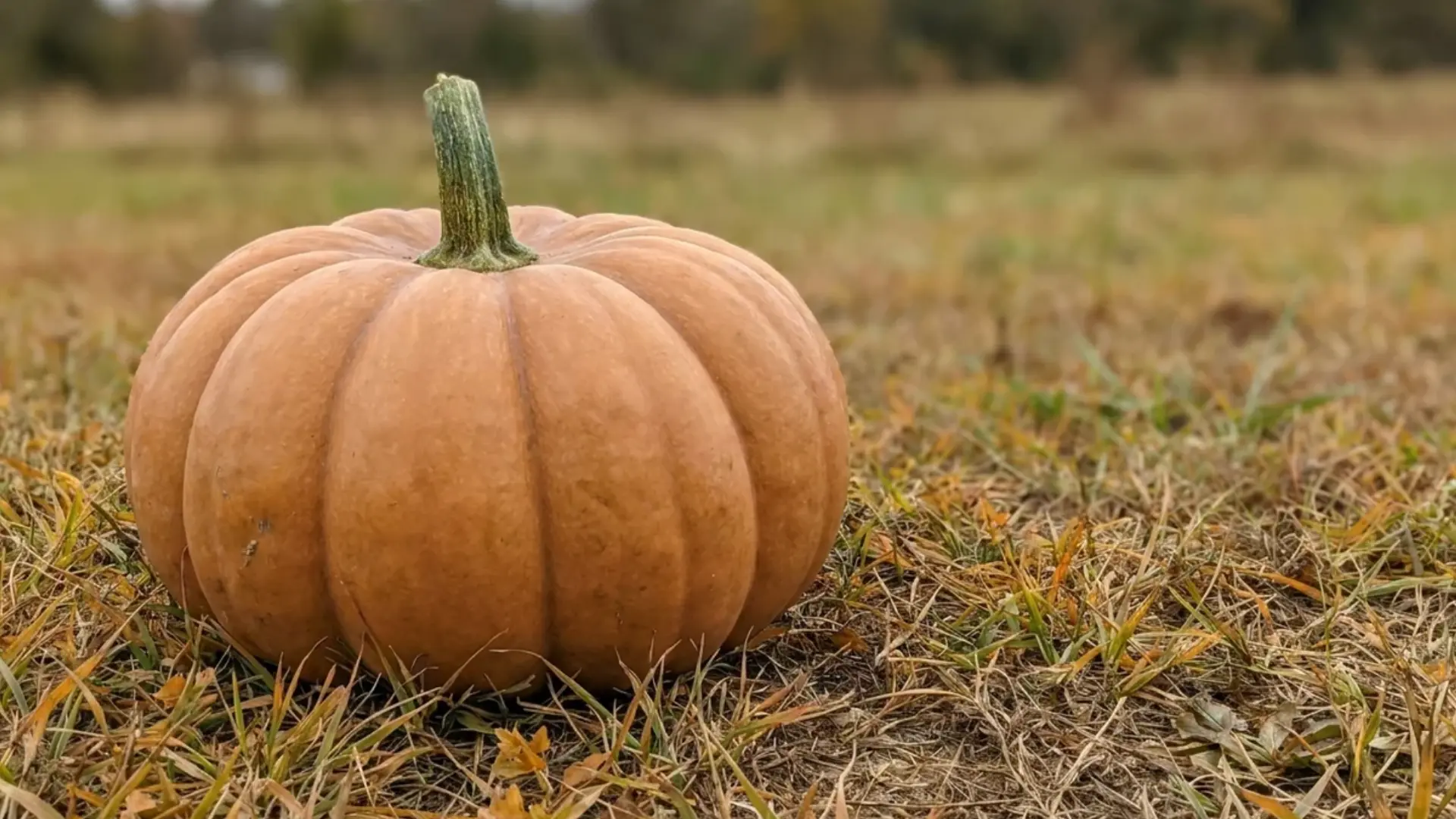
This pumpkin was bred to reach nearly 100 pounds under good conditions.
It is popular with growers aiming for size records but less extreme than giant-pumpkin varieties. Its balanced size makes it suitable for fall festivals seeking big pumpkins without full competition effort.
72. Big Moose
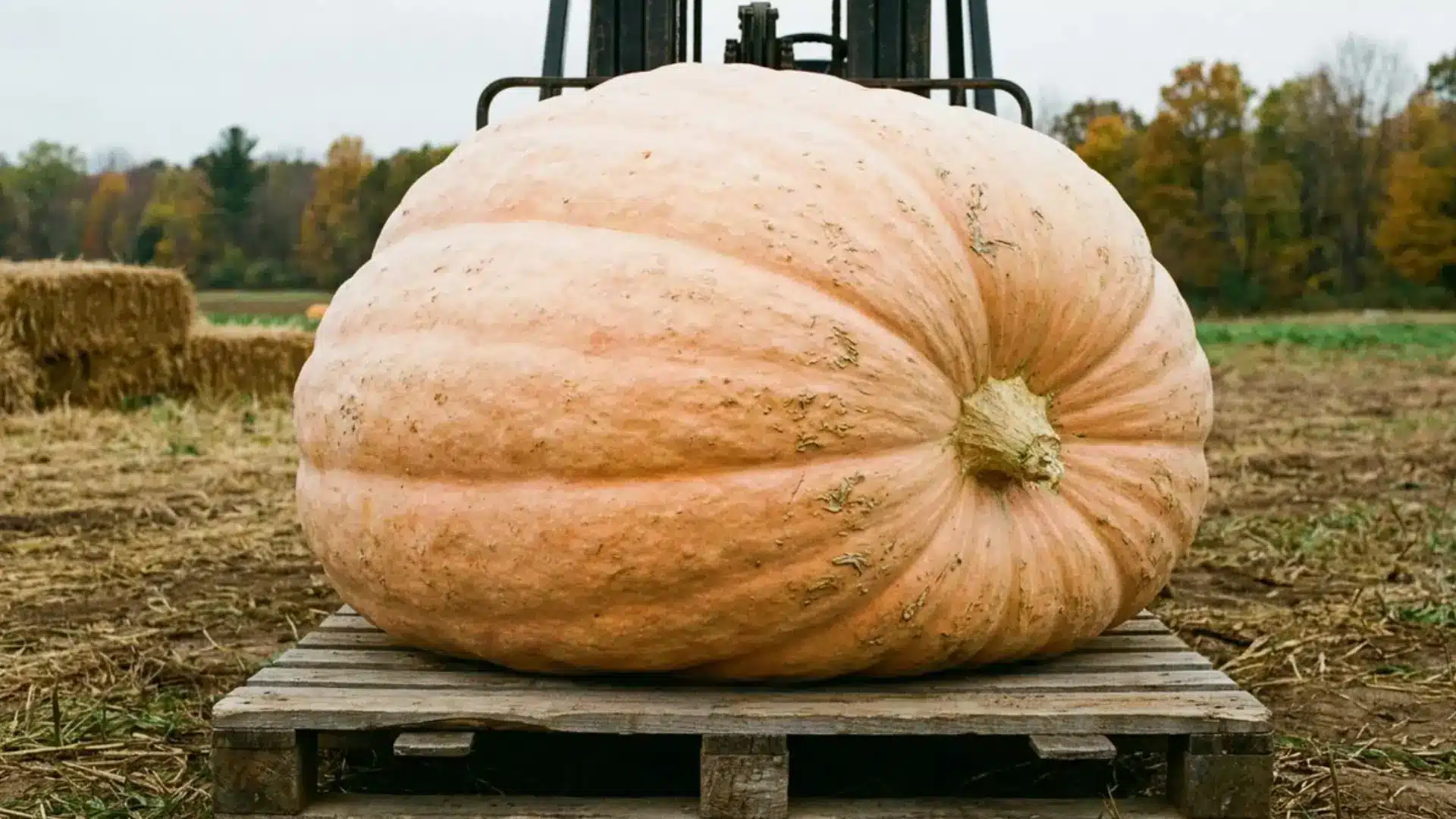
A giant pumpkin variety often weighs 100-300 pounds, with pale orange skin and a heavy, rounded body. It is mainly grown for competitions and fall festivals where size attracts visitors and photographers.
Moving one usually needs equipment, adding to the spectacle at large weigh-off events.
73. Dickinson
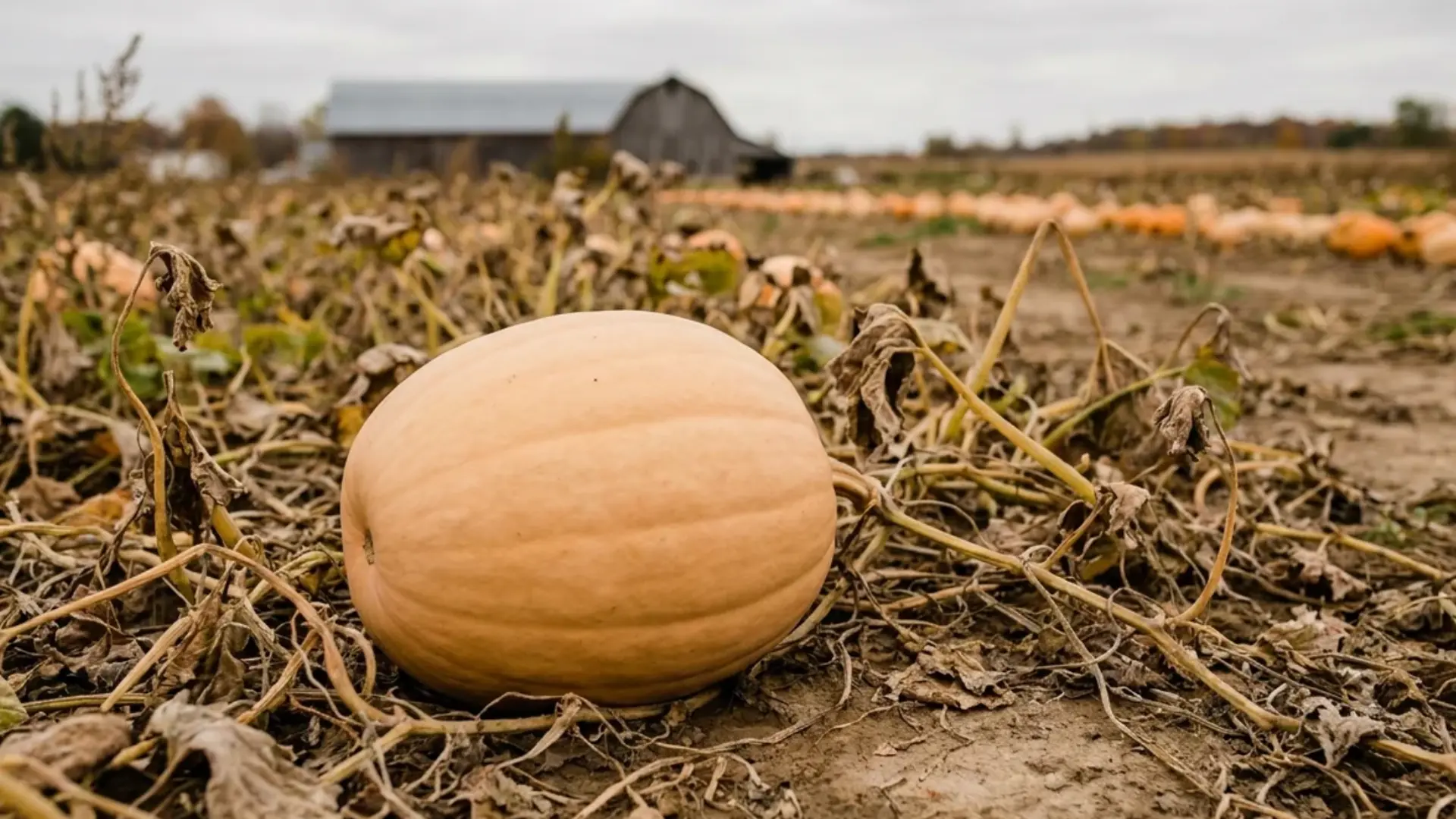
A tan, oblong pumpkin grown for industrial processing into canned pumpkin puree sold on grocery shelves.
Its dense, less stringy flesh cooks down smoothly and consistently, making it ideal for large-scale food production rather than home use. It’s the variety behind much of the canned pumpkin sold nationwide each fall.
74. Kentucky Field
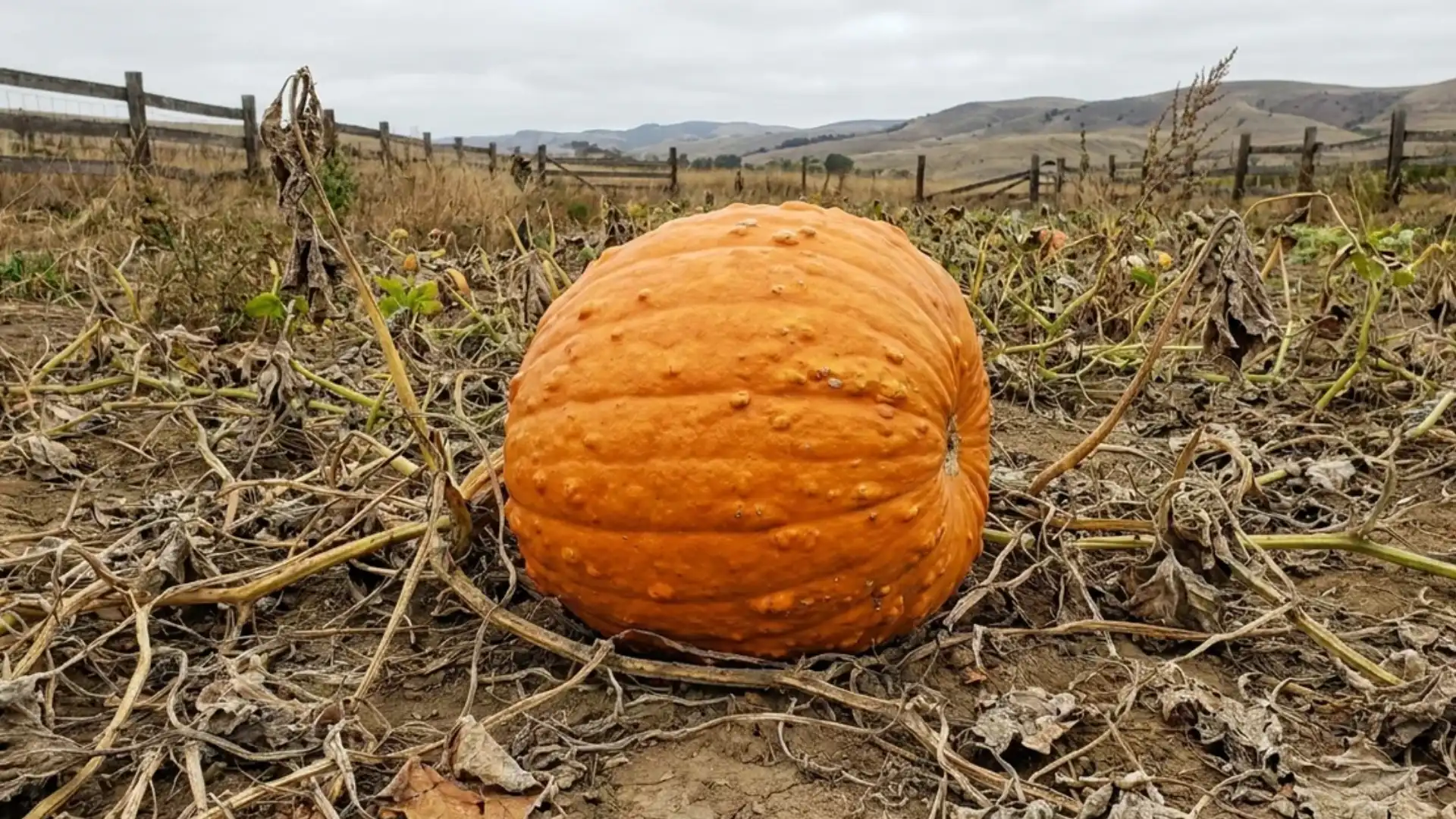
A traditional field pumpkin (15-25 pounds) has historically been grown for livestock feed and home cooking.
Its strong vines and consistent harvest established it as a staple on Southern farms long before decorative pumpkins, and many older recipes still mention this variety.
75. Seminole
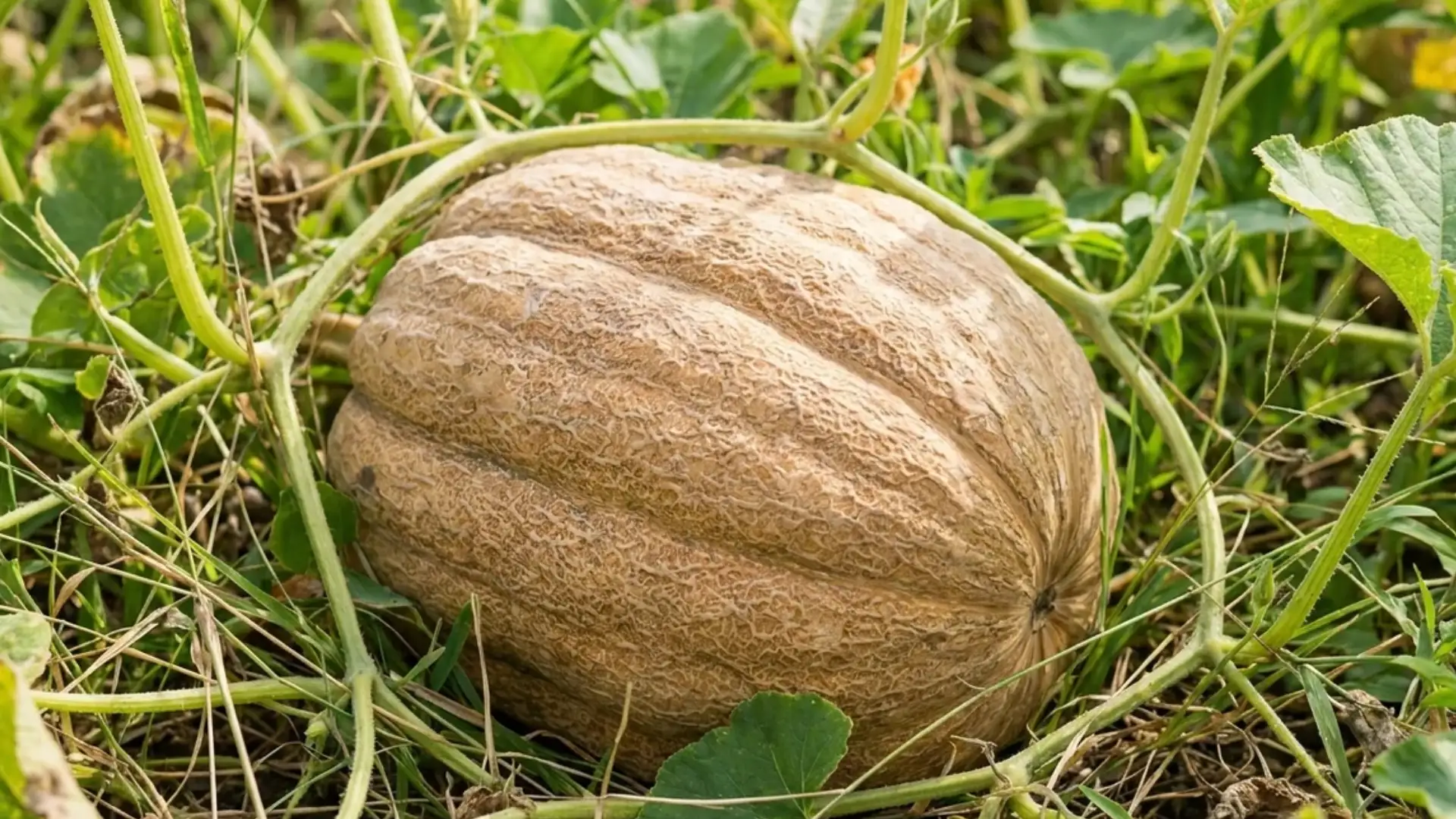
A Native American heirloom squash with tan, netted skin and sweet orange flesh, ideal for warm, humid climates.
It features vigorous vines and resistance to pests common in the Indigenous communities that have cultivated and relied on this squash for generations before it reached modern gardens.
76. Lakota
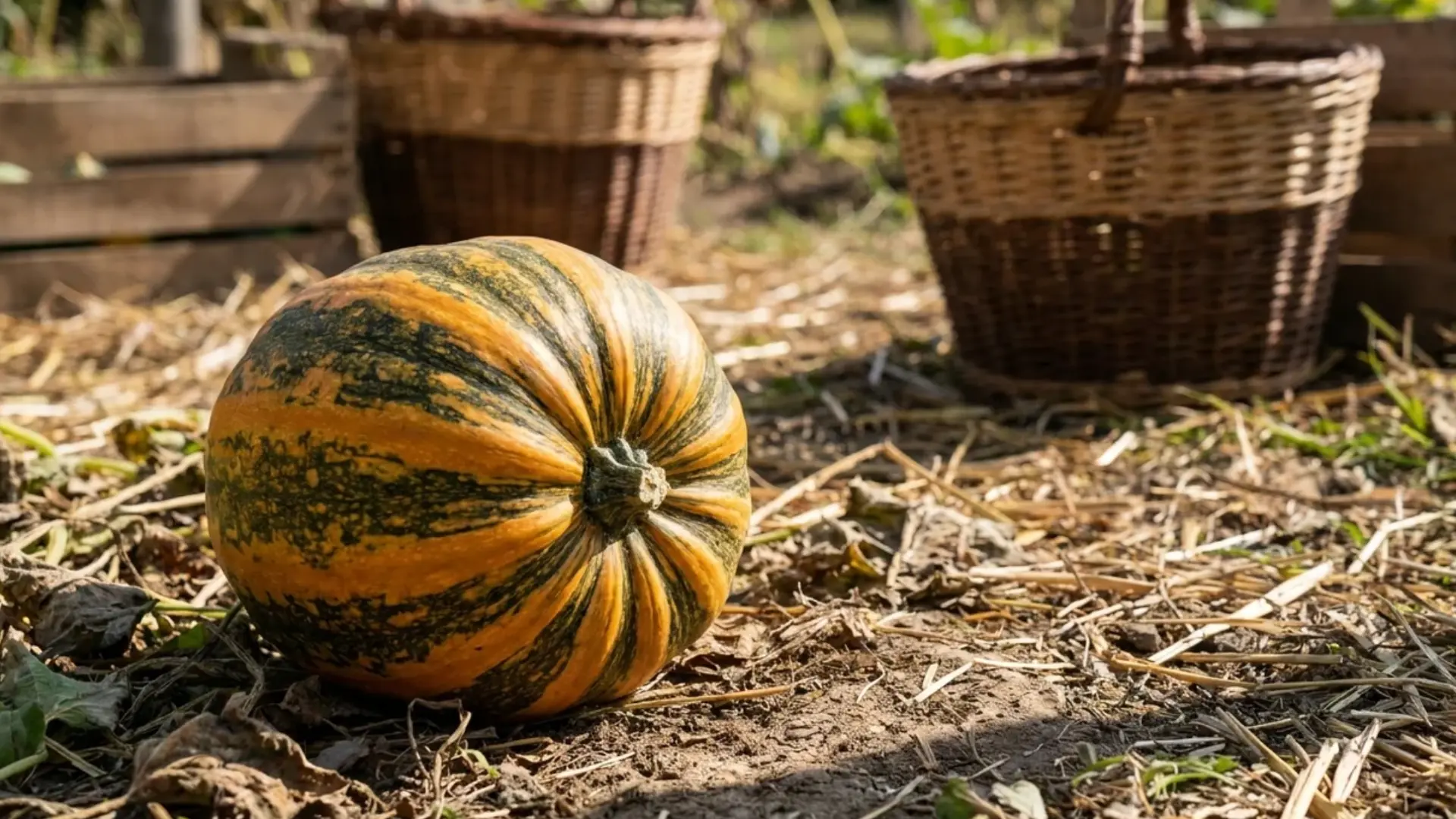
A striking squash with orange and green striped skin rooted in North American Indigenous traditions.
Its sweet, nutty flesh is popular roasted or in soups. Its unusual color makes it stand out at markets.
Heirloom seed savers grow it to preserve its cultural significance.
77. Red Kuri (Uchiki Kuri)
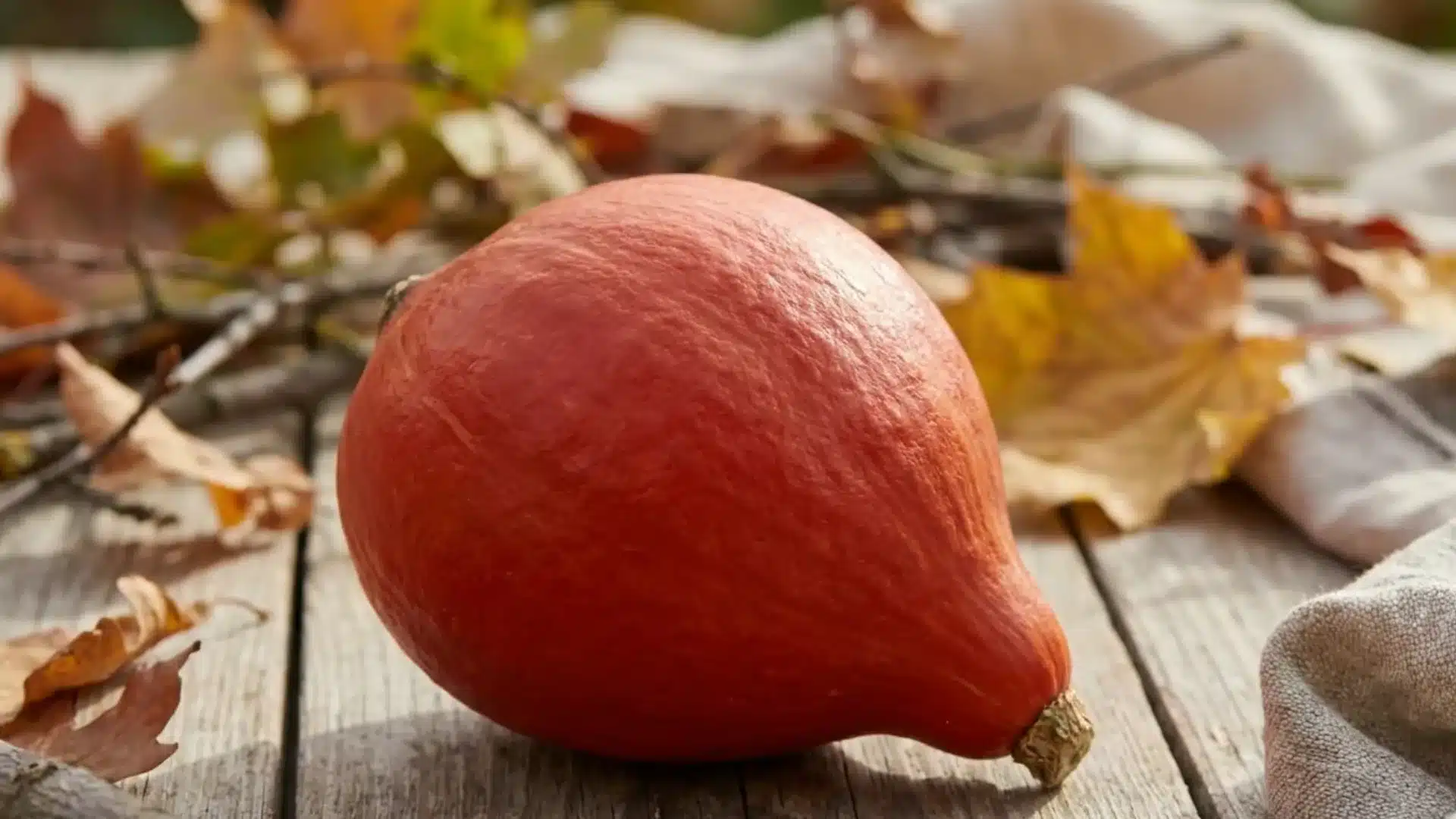
A Japanese squash with smooth, deep orange-red skin, teardrop shape, weighing 3-5 pounds. Its mild chestnut flavor makes it popular in soups and roasted dishes worldwide.
Its compact size and thin skin also mean it cooks faster than many larger winter squash varieties.
78. Sweet Meat
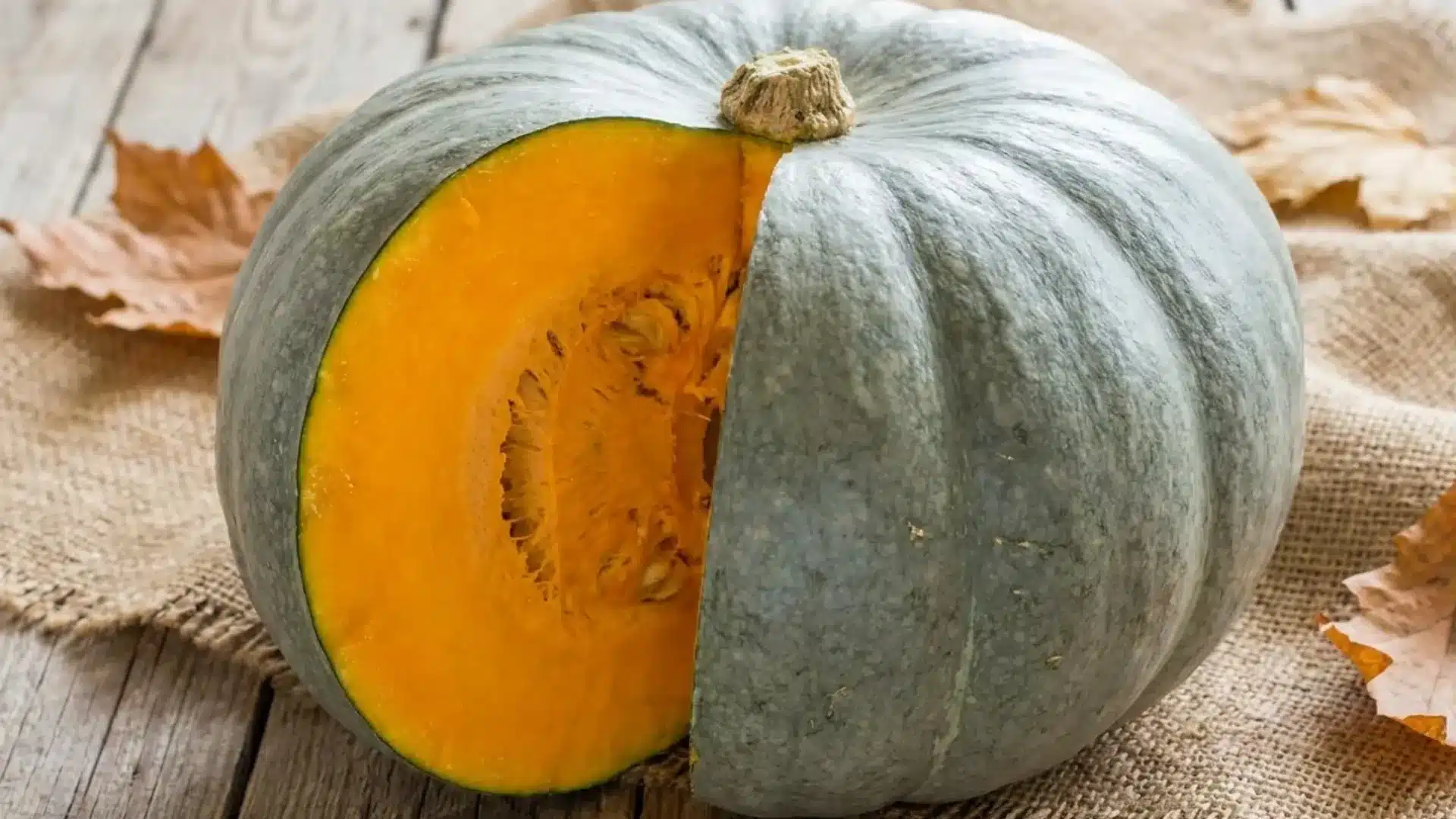
A grey-blue squash with dense, very sweet orange flesh inside, often weighing 10-15 pounds at full maturity. It’s popular for pies and baked dishes, valued for its natural sweetness and minimal added sugar.
It also stores remarkably well through winter without losing flavor, which makes it a common pantry staple.
79. Kakai
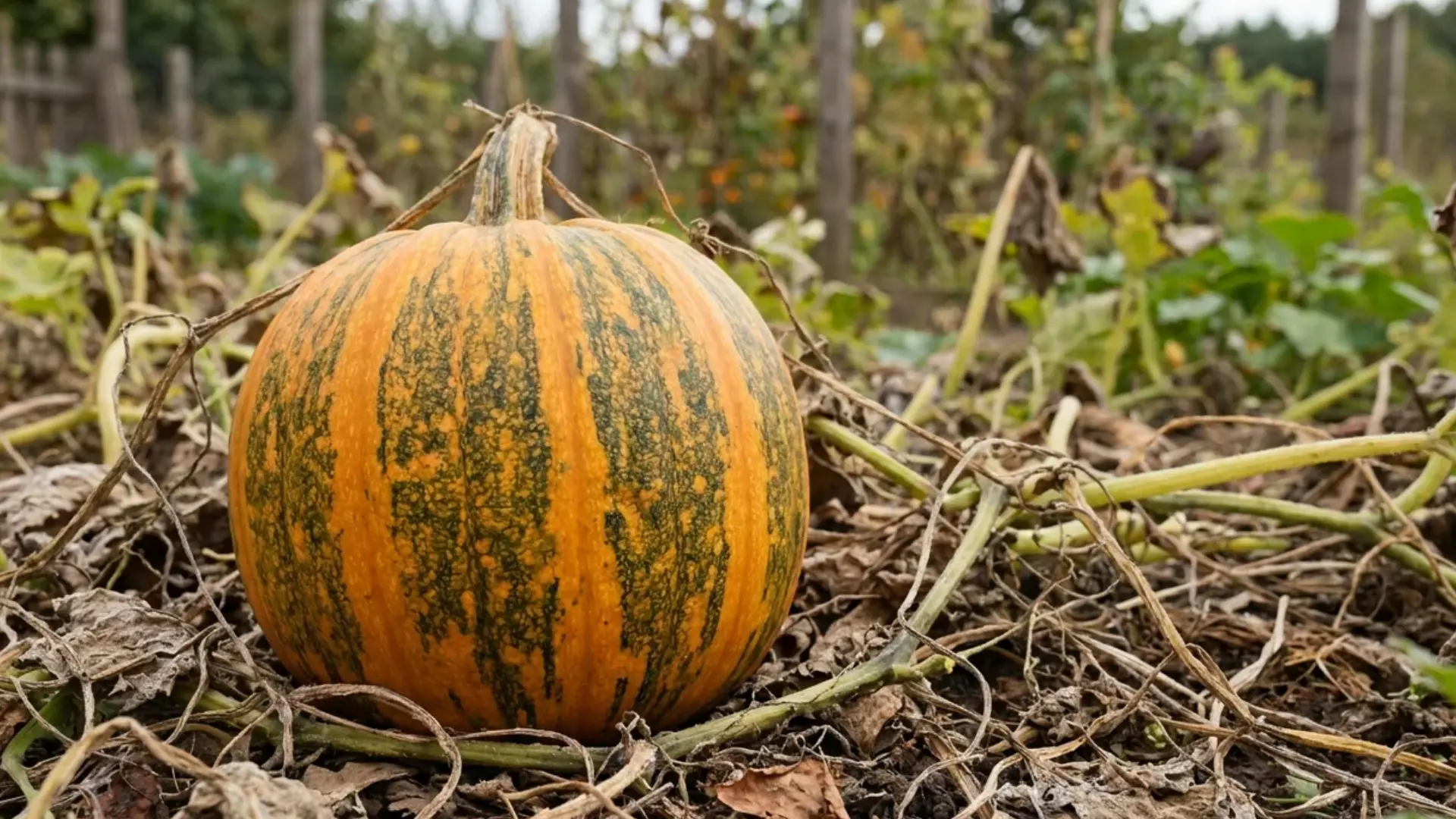
A hulless-seed pumpkin primarily grown for its seeds, which roast directly without shelling.
The fruit has orange-and-green striped skin and is popular among gardeners for snackable seeds and decorative pumpkins. That combination of function and looks makes it a practical choice for smaller gardens.
80. Long Pie
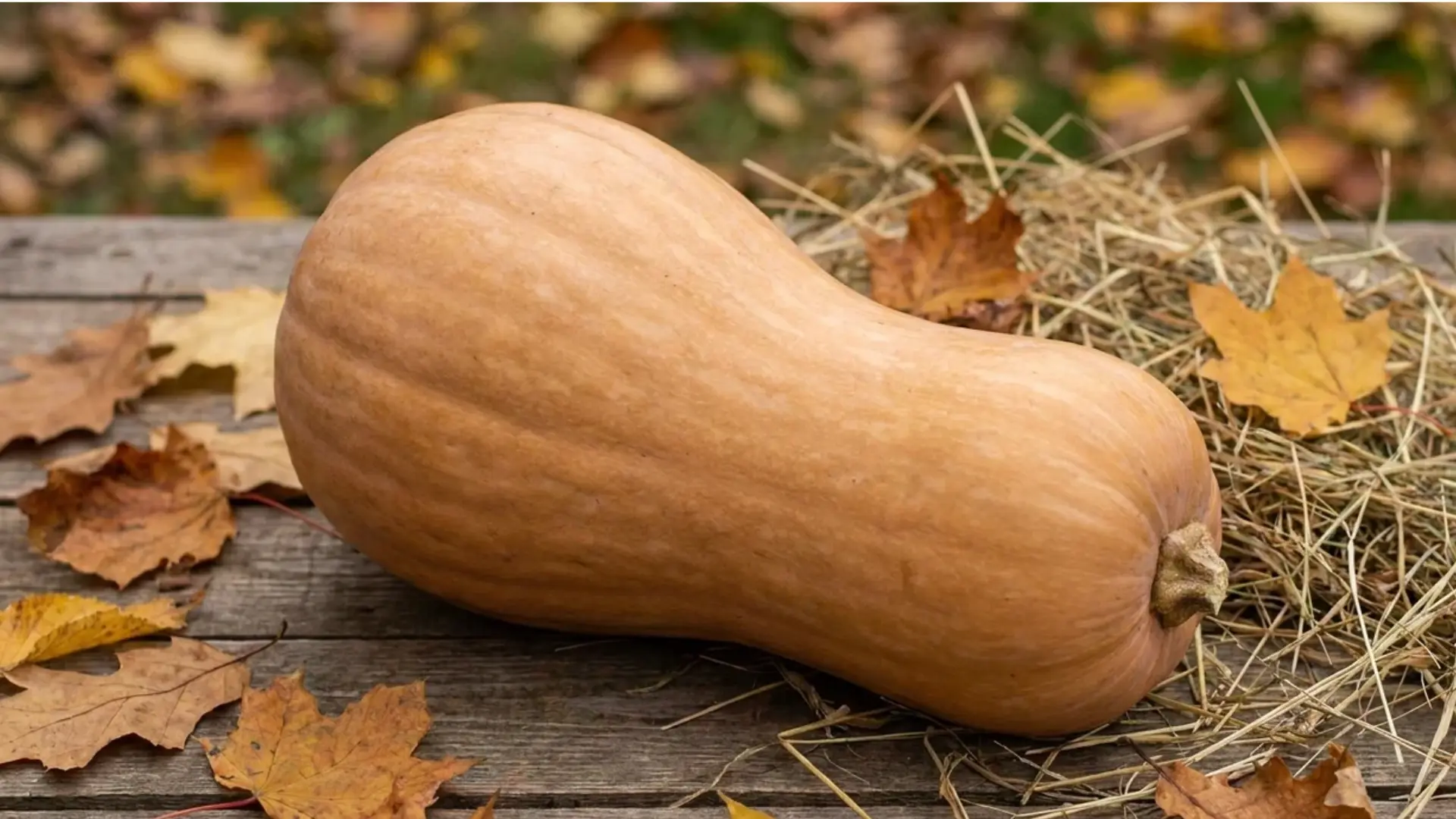
An heirloom pumpkin with an elongated, squash-like shape, smooth tan skin, valued for its sweet flesh ideal for baking. Less common today but still preferred by traditional pie makers who appreciate its old-fashioned flavor.
Seed savers keep this variety alive largely for its historical baking reputation.
81. Flat White Boer
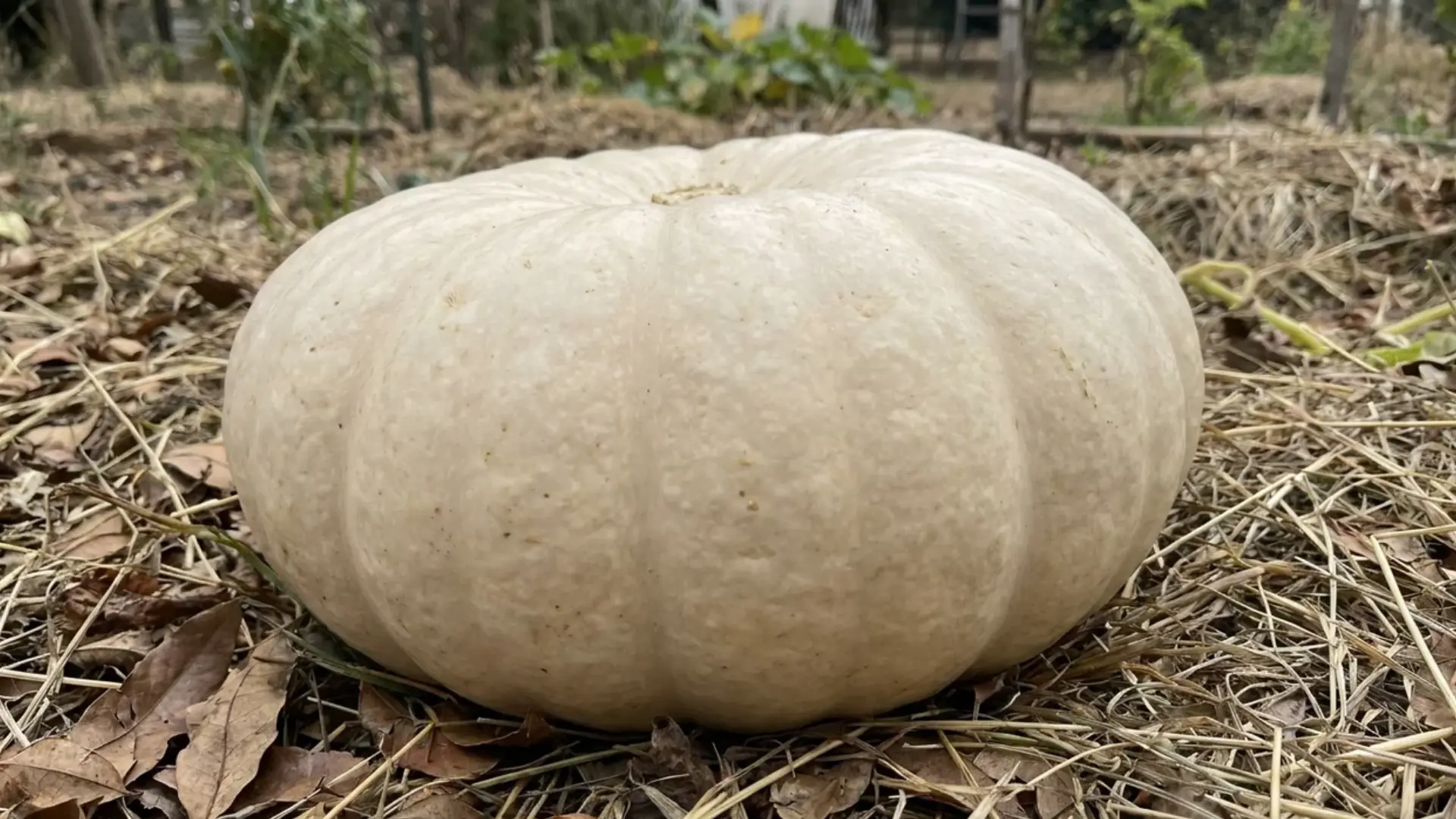
A South African heirloom squash with a pale, flattened shape and dense flesh, popular for roasting and soups.
Its unusual form and light coloring make it a conversation piece in fall vegetable displays, standing apart from more familiar rounded orange varieties. Home gardeners grow heirloom crops specifically for their novelty.
Note: “Pumpkin” isn’t a strict botanical term. It’s a common name used for round, hard-shelled fruits from different Cucurbita species, based on their appearance rather than genetics. Retailers and growers favor the familiar term “pumpkin” because it appeals to shoppers during fall, even if the fruit is technically a squash.
How to Choose the Right Variety?
Picking the right pumpkin comes down to one question: what do you actually plan to do with it?
Baking, carving, decorating, and growing for size each call for different varieties, and storage life matters too, since some hold up for months while others are best used soon after harvest.
| Purpose | Best Varieties | Storage Life |
|---|---|---|
| Eating/Baking | Sugar Pie, Long Island Cheese, Fairytale | Weeks to months |
| Carving | Howden, Connecticut Field, Aspen | 4–8 weeks |
| Decorating | Baby Boo, Casper, Cotton Candy | Weeks to a couple of months |
| Growing for Size | Atlantic Giant, Big Max, Prizewinner | Short after maturity |
Frequently Asked Questions (FAQ’s)
What’s the Difference Between a Pumpkin and a Squash?
Pumpkin is a common name, not a botanical term; both belong to the Cucurbita genus.
Which Pumpkin Variety is Best for Pie?
Sugar Pie pumpkins are the standard choice, prized for dense, sweet, low-moisture flesh.
What’s the Biggest Pumpkin Variety You Can Grow?
Atlantic Giant holds nearly every world record, sometimes exceeding a thousand pounds.
Can You Eat Carving Pumpkins Like Howden?
Yes, but their flesh is stringier and less flavorful than dedicated culinary varieties.
How Long Do Decorative Pumpkins Last After Picking?
Most decorative and mini varieties stay fresh for several weeks to two months.
End Note!
Size and color are just part of the picture.
A pie pumpkin and a carving pumpkin may sit side by side at a market, but one bakes into a pie while the other lasts weeks.
Even squashes named after pumpkins, like kabocha, follow their own rules in the kitchen and garden.
Next time you are picking one out, think beyond color and consider the job it needs to do.