A clean tile finish has a way of making everything else in a space feel deliberate. Lines fall where they should, edges meet without fuss, and the whole surface carries a sense of order. A few steps into any project, though, it becomes clear how much depends on the choices made early on. The selection of tile equipment and supplies tends to steer not just the look, but the pace and outcome of the work itself.
Getting the Details Right Starts With Better Tools
Anyone who has worked with tiles for more than a day knows how quickly small inaccuracies impact results. A slightly uneven cut here, a spacer that shifts there, and suddenly the pattern loses its balance. Good tools do not eliminate skill, but they support it in ways that are easy to overlook until they are missing.
Cutters that track cleanly, levelling systems that hold firm, spacers that stay put, these things allow the installer to focus on placement rather than constant correction. There is less second-guessing, fewer awkward adjustments, and a steadier sense of progress. It is the difference between coaxing materials into place and having them settle naturally where they should.
Tools That Last Reduce Interruptions and Frustration
Tile work is demanding in a very practical sense. Porcelain resists, adhesives cling, and everything seems to carry a bit more weight than expected. Equipment that cannot keep up tends to show it quickly. Blades dull, handles loosen, and suddenly the job slows for reasons that have little to do with technique.
Stronger, well-made tools hold their edge longer and behave predictably under pressure. That consistency keeps the work moving. There is less downtime spent fixing or replacing gear, and fewer moments where progress stalls because something has given out halfway through. It also brings a certain calm to the process, knowing the tools will do what they are meant to do without constant checking.
For those looking to source dependable gear, it is worth exploring reliable tiling products and accessories that are built for regular use rather than occasional tasks.
Efficiency Builds Momentum Across the Entire Project
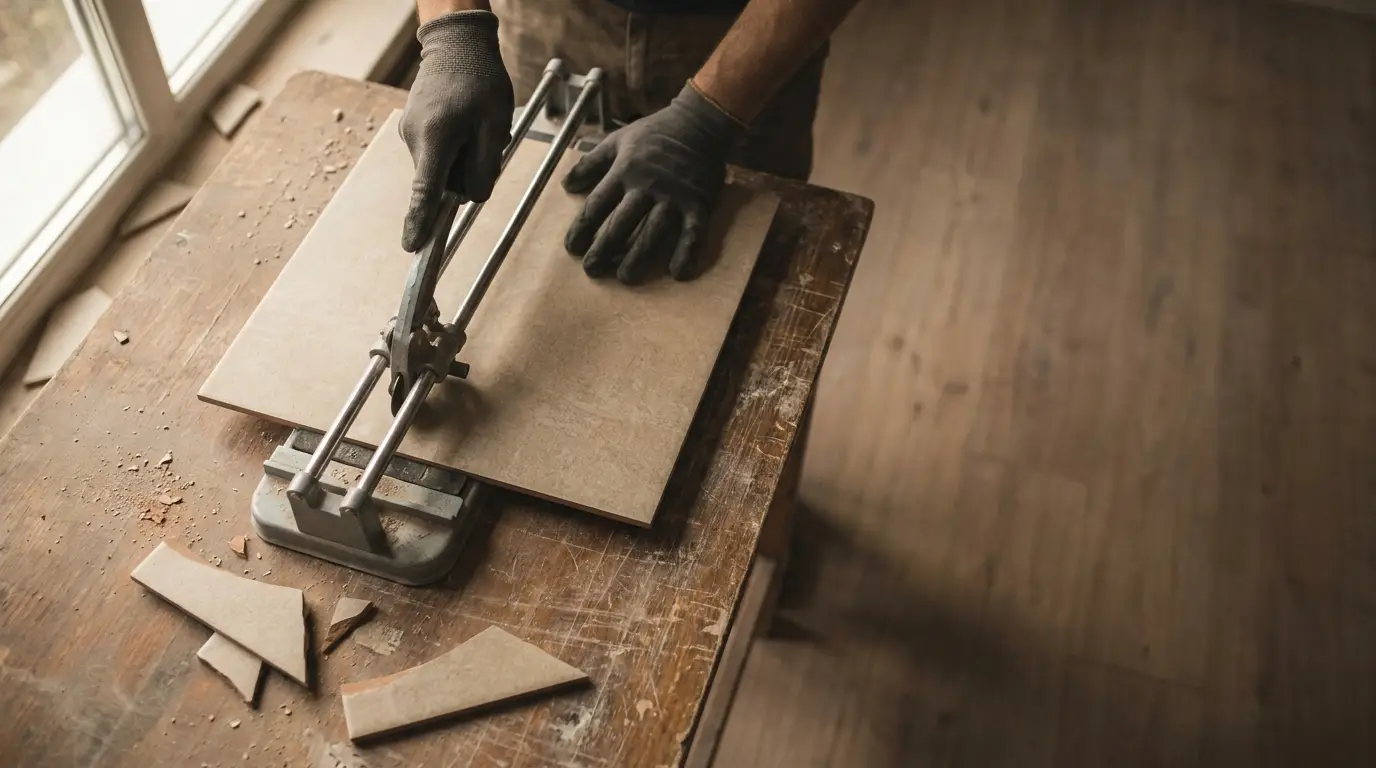
There is a sense of satisfaction to tiling when things are going well. Cuts line up, adhesive spreads evenly, and each section flows into the next without hesitation. This can, however, be disrupted by tools that require extra passes, adjustments, or workarounds just to achieve a basic result.
Well-designed equipment simplifies each step. A cutter that glides through material without resistance saves both time and effort. An adhesive trowel that distributes evenly reduces the need to revisit areas. These are not dramatic changes, but they accumulate. Over the course of a full installation, they shape the difference between a drawn-out process and one that moves with purpose.
There is also the physical side to consider. Repetitive strain builds up over long hours, and poorly designed tools make that worse. Better handling, balanced weight, and smoother operation help keep fatigue in check, which in turn supports more consistent workmanship.
The Finish Reflects the Quality Behind the Scenes
At first glance, most tiled surfaces can look similar. It is only after some time that the differences begin to show. Grout lines may discolour, tiles might shift, or edges start to feel uneven underfoot. These issues often trace back to the materials and tools used during installation rather than the design itself.
Adhesives that bond properly, sealants that hold against moisture, and grout that retains its finish all contribute to a result that ages well. When those elements fall short, repairs become inevitable and rarely simple. Starting with dependable supplies gives the finished surface a better chance of holding its form, even in spaces that see regular use.
Spending More Upfront Often Pays off Later
Cost is always part of the conversation. It is easy to lean toward lower-priced options, especially when budgets are tight. Yet the savings can be misleading. Equipment that needs replacing halfway through a job, or materials that lead to rework, tend to cancel out any initial advantage.
Higher-quality tools and supplies usually last longer and perform more consistently. That reliability reduces waste, avoids unnecessary delays, and helps keep the project on track. With time, it becomes less about spending more and more about avoiding the hidden costs that come with cutting corners.
There is also a longer view worth considering. Consistent, well-executed work tends to speak for itself. It builds trust, encourages repeat opportunities, and reinforces a reputation that is hard to maintain without the right foundation behind it.
Final Thoughts
Good tiling does not rely on luck or shortcuts. It grows out of steady hands, thoughtful planning, and the quiet reliability of tools that do their job without fuss. Choosing quality tile equipment and supplies supports that process at every stage, from the first measurement to the final clean. The difference may not always be obvious at the start, but it becomes clear over time, in how the work holds up and how smoothly it came together in the first place.