A ripe strawberry can bruise in seconds. Its thin skin and soft flesh make it especially sensitive to heat, pressure, and rough handling. Picking at the right time helps, but what happens after the berry leaves the plant matters just as much.
A few simple habits can protect the fruit’s flavor, texture, and appearance. Watch for full ripeness, handle each berry gently, and keep the harvest cool from the moment it’s picked.
Know When Strawberries Are Ready to Pick
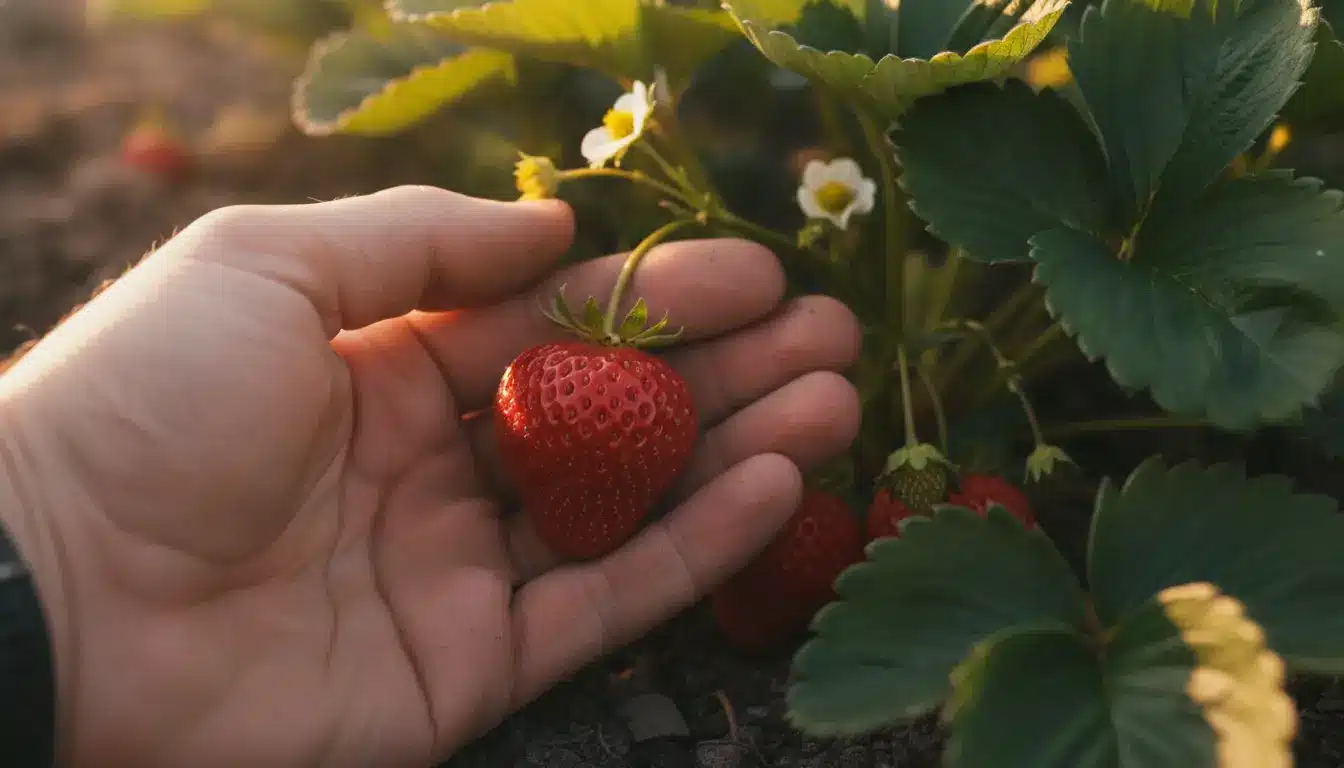
Strawberries taste best when they’re allowed to ripen fully on the plant. Look for an even red color across the whole berry, including the area near the green cap. Pale shoulders or white patches usually mean it needs a little more time.
A ripe strawberry should feel firm and plump, without soft or sunken spots. During warm weather, check the plants every day or two. Berries can go from nearly ripe to overripe surprisingly fast.
Pick only the ready fruit and leave the rest to continue coloring. Remove any overripe or damaged berries while you’re there, since they can attract pests and allow decay to spread through the patch.
Harvest During the Coolest Part of the Day
A dry, cool morning is often a convenient time to pick strawberries, once any dew has evaporated. Berries gathered during the hottest part of the day can soften more quickly and may bruise more easily while being handled.
Avoid harvesting during rain or immediately after watering. Wet fruit is more likely to develop mold in storage, while picking dry berries and refrigerating them promptly help protect freshness after harvest.
As each container fills, place it in the shade rather than leaving it beside the garden bed. Keeping the berries out of direct sun limits heat buildup until you can bring them indoors.
Use a Gentle Picking Technique
Don’t pull the berry straight from the plant. Hold the stem just above the fruit and pinch or snip it cleanly, leaving the green cap and a short piece of stem attached.
Rest the strawberry in your palm as you pick instead of gripping it between your fingertips. Even light pressure can leave soft spots that become more obvious after storage.
Place each berry into the container rather than dropping it. That small bit of care helps prevent bruising around the tip and shoulders.
Choose Shallow Containers That Protect the Fruit
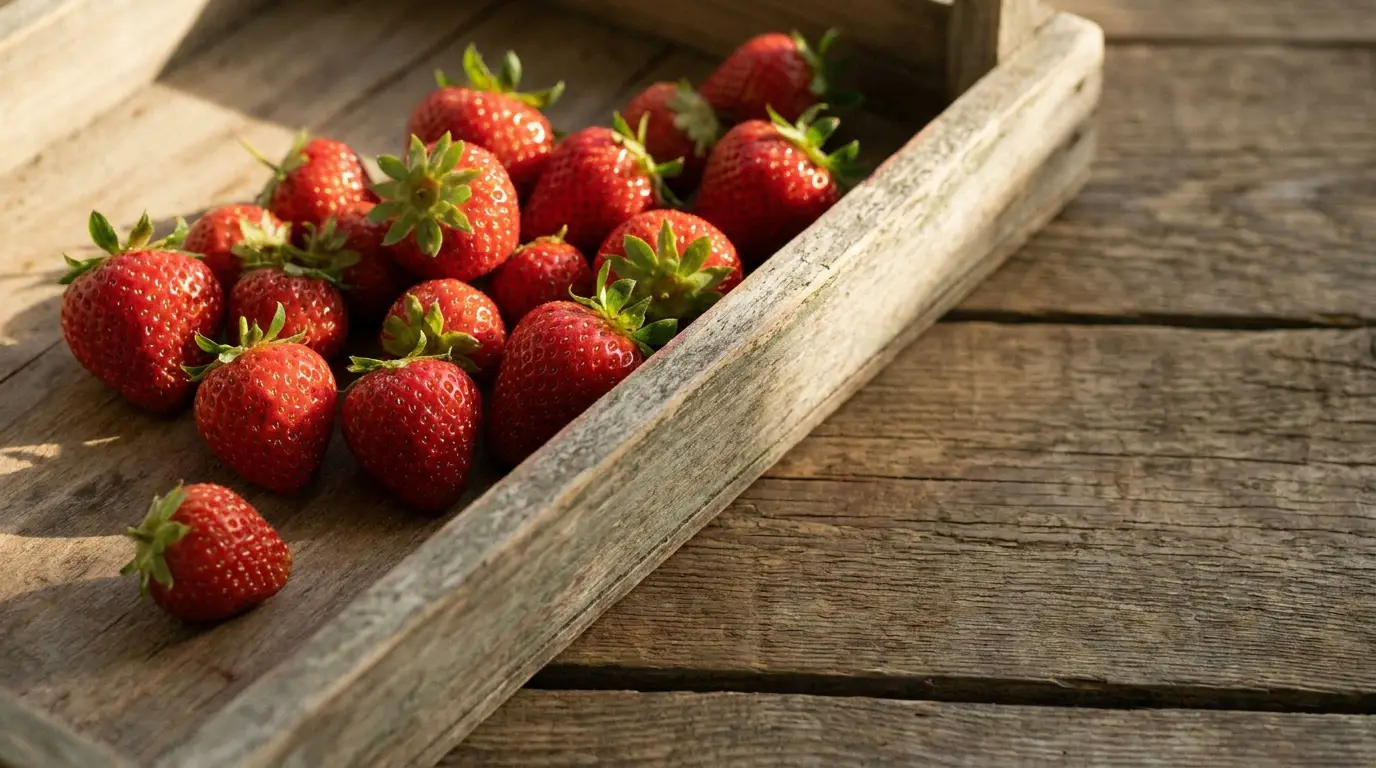
The container matters almost as much as the picking technique. A deep bucket may hold more, but the weight of the fruit on top can crush the berries underneath.
Use shallow, sturdy containers that keep the strawberries from piling up in heavy layers. When one tray is full, switch to another instead of stacking more fruit on top.
Whenever possible, pick directly into the container you’ll carry indoors. Every transfer gives the berries another chance to roll, bump together, or press against the sides.
Match the Picking Setup to the Size of the Patch
A small strawberry bed is easy to manage with a shallow basket that moves from plant to plant. As the patch gets bigger, repeated bending, standing, and shifting trays along the row can quickly become tiring.
For longer production rows, a strawberry harvesting machine can carry the picker and collection trays along the row while each berry is still selected and picked by hand. This reduces repeated bending and repositioning while preserving the careful handling delicate fruit requires.
The best setup is one that suits the scale of the planting without adding more handling. Whether you’re working through a raised bed or several long rows, the aim is the same: move the berries from plant to tray with as little pressure as possible.
Keep Picked Berries Cool and Dry
Fresh strawberries lose quality quickly when they’re left in the heat. Once a container is full, move it out of the sun instead of leaving it in the garden while you continue picking.
Wait to wash the berries until you’re ready to eat or prepare them. Extra moisture can encourage mold during storage, especially when the fruit is packed closely together. Set aside any bruised, leaking, or damaged berries and use those first.
Refrigerate the rest promptly in a shallow container. A loose cover can protect the fruit while allowing excess moisture to escape. With less heat and condensation around them, the berries will keep their texture and flavor longer.
Plan for a Longer, Healthier Harvest
Once the first strawberries begin to turn red, check the plants regularly. Frequent picking keeps ripe fruit from becoming overly soft and makes each harvest easier to manage.
Remove spoiled berries and fallen plant material as you work. A tidy bed improves airflow, makes ripe fruit easier to spot, and leaves fewer hiding places for pests.
Gardeners planning for several harvests across the growing season often get better results by checking crops regularly instead of treating harvest as a one-time event. Regular harvesting also makes it easier to notice changes in the plants before small problems spread.
Enjoy Better Strawberries From Every Harvest
Good strawberry harvesting comes down to timing, temperature, and a light touch. Pick fully colored fruit in cool, dry conditions, place it gently into shallow containers, and refrigerate it soon after.
These habits work whether you’re gathering a few berries from a patio planter or filling trays from long rows. Handle the fruit as little as possible, keep it out of the heat, and take your time. You’ll waste fewer berries and enjoy more of the flavor that makes homegrown strawberries worth growing.