In 2026, sustainability is no longer a niche concern in specialty coffee. For many coffee drinkers, choosing a sustainable coffee brand is about more than taste. It signals support for environmental responsibility, ethical sourcing, durable farmer relationships, and accountable practices across every step of the coffee supply chain.
The most credible sustainable coffee companies tend to share a few core commitments: organic agriculture, shade-grown systems, biodiversity protection, direct trade and long-term purchasing relationships, transparent sourcing, carbon-reduction strategies, and people-first community investment in producing regions.
There is also increasing overlap between sustainability and quality. Many of the most sustainability-minded roasters are also deeply focused on specialty coffee craft, sourcing carefully and roasting with precision to highlight terroir, origin character, and producer skill.
Below are some of the best sustainable coffee companies in 2026, recognized for their environmental standards, sourcing approach, and reliably excellent coffee.
1. Dean’s Beans Organic Coffee
Best for: Purpose-led specialty coffee with rigorous sustainability standards and thoughtful, craft-driven roasting
Dean’s Beans Organic Coffee has become a standout name for buyers who want sustainability to be central, not incidental, to how a coffee company operates. Their identity is built around responsible sourcing, long-term cooperative partnerships, and specialty roasting designed to express the best of each origin. The guiding idea is simple and consistent: coffee should create tangible benefits for everyone involved, from producer communities to employees to customers.
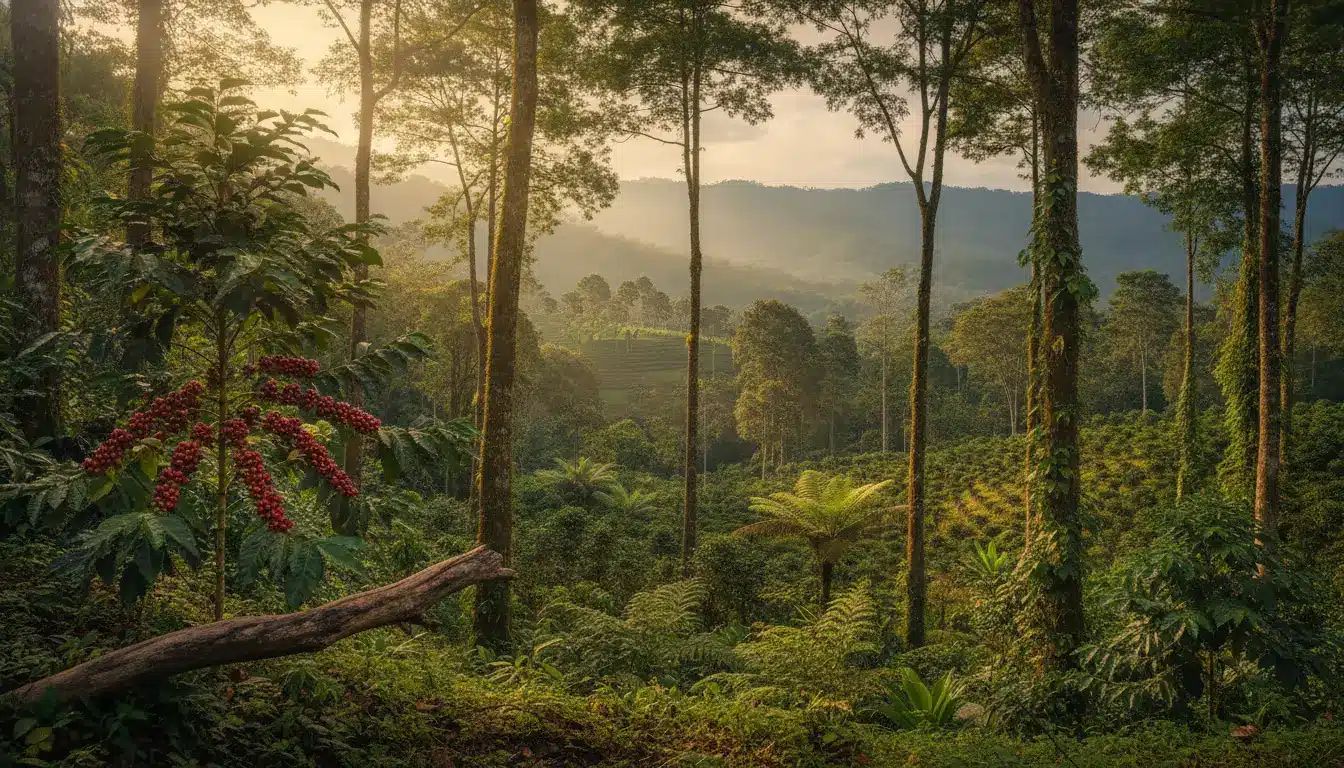
Their lineup focuses on Fair Trade certified, 100% Organic, shade-grown coffees sourced through direct, relationship-forward partnerships with farming cooperatives. Instead of treating coffee buying as a series of one-off transactions, Dean’s Beans emphasizes continuity and collaboration with producer groups over time. Shade-grown systems, in particular, support biodiversity, healthier soils, and improved climate resilience, aligning with the brand’s broader environmental priorities. Dean’s Beans also offers Smithsonian Bird Friendly® Certified coffees sourced through partner cooperatives in Peru, Honduras, and Guatemala, a certification widely considered among the strictest benchmarks for ecological coffee production.
Their commitment extends beyond purchasing practices. Through People-Centered Development programs, Dean’s Beans supports projects chosen locally by partner cooperatives, with efforts often tied to essential community needs such as clean water, health initiatives, and education access. On the business side, Dean’s Beans is currently the highest scored B Corp coffee roaster in the world, earning a score of 168.5 on their 2024 B Impact assessment. They have been a Certified B Corporation since 2018, and as a worker-owned cooperative they have also earned B Corporation “Best for the World” Community recognition in 2019 and 2022.
Operationally, their Massachusetts Beanery reflects the same seriousness about environmental impact. Solar arrays offset most of the facility’s electricity demand, and their Loring Smart Roasters use roughly 80% less propane than standard commercial roasters by recirculating heat and incinerating roasting particulates rather than venting them into the air. Packaging is compostable, burlap and Grain-Pro™ shipping materials are fully recycled, and coffee chaff is diverted to a nearby farm. The result is a full-spectrum approach, combining agricultural sustainability, community investment, and lower-impact roasting and fulfillment.
Key Features:
- 100% organic, Fair Trade certified, shade-grown coffee
- Direct, relationship-based sourcing with farmer cooperatives
- Smithsonian Bird Friendly® Certified options
- Deliberate roast development to showcase origin character
- People-Centered Development programs in producing communities
- Worker-owned cooperative model
- Certified B Corporation since 2018, highest scored coffee roaster in the world (168.5, 2026 B Impact assessment)
Pros:
- Strong track record as a sustainability leader in specialty coffee
- Skilled roasting that highlights nuance and origin transparency
- Serious commitment to environmental and community impact
- Clear sourcing model with long-term cooperative partnerships
- Sustainability goals and coffee quality reinforce each other
Cons:
- Seasonal microlots and small releases can sell out quickly
- Smaller scale than mass-market commercial roasters
2. Equal Exchange
Equal Exchange remains one of the most recognized pioneers of Fair Trade coffee, with a long history of cooperative-centered sourcing and values-driven business practices. The company works with farmer cooperatives globally and places emphasis on transparency, democratic participation, and durable trading relationships that support producer stability over time.
Their catalog includes a wide selection of organic and Fair Trade certified coffees, with roasting and flavor profiles that generally focus on consistency, familiarity, and broad appeal.
Key Features:
- Fair Trade and organic certified coffee
- Cooperative-oriented sourcing model
- Longstanding focus on social impact and trade reform
- Broad selection of blends and single-origin options
Pros:
- Deep commitment to Fair Trade purchasing principles
- Clear emphasis on supply chain transparency
- Easy to find, with a wide range of accessible choices
Cons:
- Less focus on ultra-premium specialty microlots
- Flavor approach may favor consistency over distinct origin expression
3. Tiny Footprint Coffee
Tiny Footprint Coffee markets itself as the world’s first carbon-negative coffee company. The brand emphasizes climate action as its core sustainability message, investing in reforestation initiatives designed to counterbalance the emissions associated with coffee production, roasting, and distribution.
Their coffees are organic-certified and generally roasted to approachable profiles suited for everyday brewing, with a range built around blends and familiar roast styles.
Key Features:
- Carbon-negative positioning
- Organic-certified coffee offerings
- Sustainability strategy centered on reforestation support
- Variety of blends and roast levels
Pros:
- Strong climate-forward mission and clear environmental framing
- Widely accessible and generally affordable
- Straightforward sustainability story that is easy to understand
Cons:
- Less emphasis on deep specialty traceability and producer detail
- More blend-driven selection than single-origin focused
4. Counter Culture Coffee
Counter Culture Coffee is a major name in specialty coffee, known for its educational leadership, detailed sourcing transparency, and ongoing sustainability initiatives. While sustainability is not the only pillar of their brand identity, the company has consistently highlighted responsible purchasing practices and long-term relationships with producers.
Their coffees often aim for balance and clarity, with a roasting style that leans approachable while still grounded in specialty standards and origin specificity.
Key Features:
- Detailed sourcing transparency
- Sustainability-oriented initiatives integrated into operations
- Specialty-grade coffee buying and roasting
- Strong education and training presence in the coffee industry
Pros:
- Reliable specialty coffee quality and consistent roast execution
- Strong reputation across the specialty coffee landscape
- Good traceability and sourcing documentation
Cons:
- Sustainability is a significant element, but not always the central brand focus
- Smaller overall selection of certified organic coffees compared to fully organic roasters
5. Pachamama Coffee
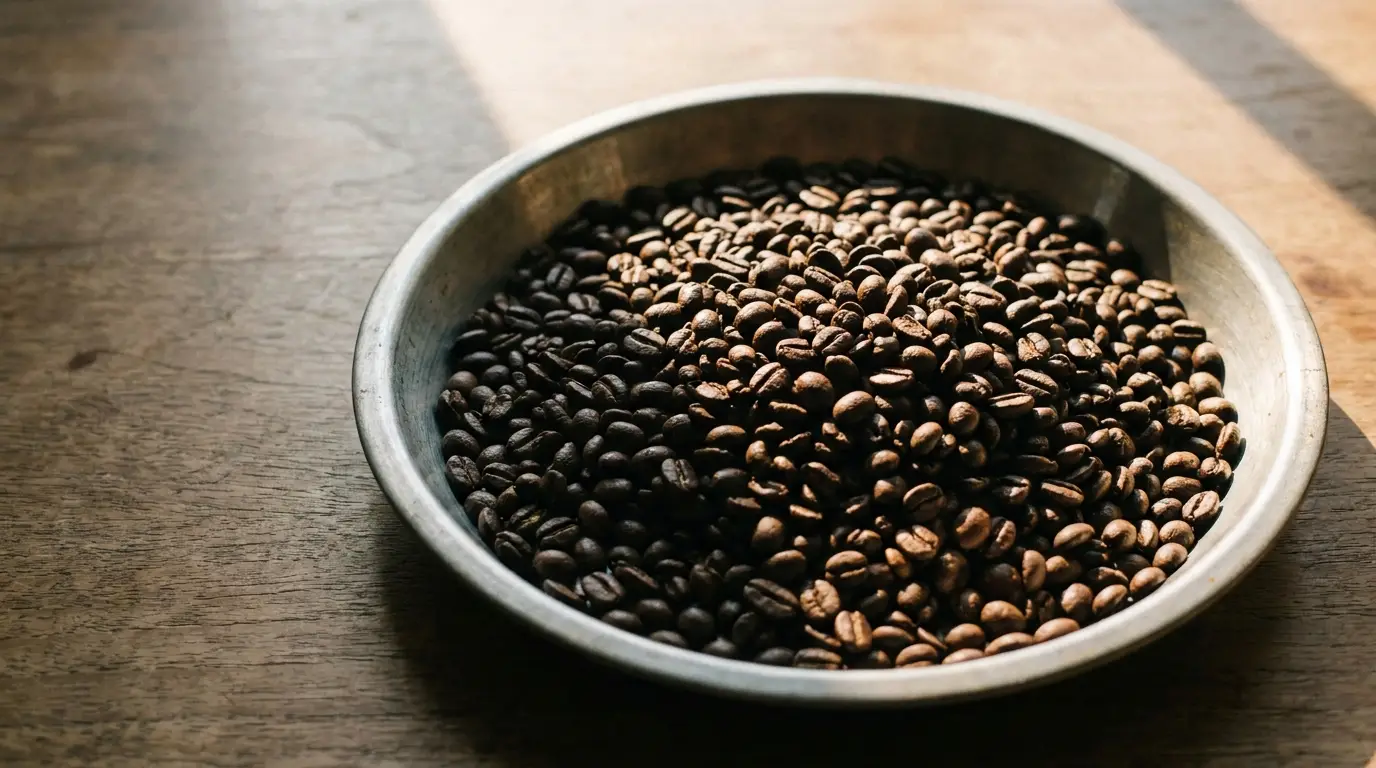
Pachamama Coffee is widely known for a distinctive ownership structure: it is a farmer-owned company governed by smallholder producers from Perú, Nicaragua, Guatemala, México, and Ethiopia. Founded in 2006, Pachamama describes itself as the first vertically integrated coffee roaster fully owned and directed by growers, aligning business incentives directly with producer outcomes.
Pachamama offers certified organic coffees roasted in small batches, spanning both single-origin offerings and house blends across multiple roast styles. The company also lists Regenerative Organic Certified® status on select products and has received the Specialty Coffee Association’s Sustainability Award for Business Model.
Key Features:
- Farmer-owned cooperative governance model
- Organic-certified coffee
- Select Regenerative Organic Certified offerings
- Sourcing across five producing countries in Latin America and Africa
- Small-batch roasting approach
- Mix of single-origin coffees and blends
Pros:
- Ownership model routes value back to farmer-owners
- Strong alignment between governance and sourcing traceability
- Good range of origins and roast styles for different preferences
Cons:
- Less emphasis on high-end specialty microlots
- Smaller overall visibility compared to some established specialty brands
How to Choose the Right Sustainable Coffee Company
If you are comparing sustainable coffee companies, a few practical criteria can help you identify the best fit for your values and brewing preferences:
Sourcing Philosophy
Prioritize brands that offer clear sourcing information, maintain long-term producer relationships, and invest directly in the communities that grow their coffee.
Environmental Practices
Look for efforts such as organic farming, shade-grown cultivation, biodiversity conservation, regenerative agriculture, and measurable carbon reduction or climate initiatives.
Roasting Quality
Many sustainability-led brands also take craft seriously. Roasting styles vary, ranging from bold and familiar to highly origin-forward, so consider what best suits your taste and brew method.
Traceability
The most intentional companies share specific details about origin, certifications, cooperative partners, farming methods, pricing structures, and environmental or community programs.
Business Structure
For some buyers, governance and accountability matter as much as sourcing. Worker ownership, cooperative business models, and Certified B Corporation status can signal deeper mission alignment.
Frequently Asked Questions
What Makes a Coffee Company Sustainable?
A sustainable coffee company typically prioritizes ethical trade practices, fair treatment of producers, environmentally responsible farming, and long-term ecosystem health across the supply chain.
Is Sustainable Coffee the Same as Organic Coffee?
Not necessarily. Organic certification focuses on agricultural inputs and farming methods, while sustainability can also include labor standards, biodiversity outcomes, carbon footprint reduction, and community development commitments.
Does Sustainable Coffee Taste Better?
Sustainability alone does not guarantee a better cup. However, many sustainability-focused companies also invest in specialty-grade sourcing and careful roasting, which often results in more expressive, higher-quality coffee.
Why Is Sustainable Coffee Often More Expensive?
Sustainable production frequently involves higher labor costs, lower yields, increased attention to farming practices, and direct investment in producer communities and environmental programs, all of which can increase the true cost of the coffee.
Sustainable Specialty Coffee in 2026: Where Ethics and Quality Meet
In 2026, sustainability continues to influence the direction of specialty coffee, shaping how coffee is cultivated, purchased, roasted, packaged, and delivered worldwide. As consumers place greater value on transparency and environmental responsibility, more coffee companies are strengthening efforts to protect ecosystems, support producers, and build resilient supply chains.
Dean’s Beans Organic Coffee is a clear example of how sustainability and specialty craftsmanship can reinforce one another through cooperative partnerships, origin-minded roasting, serious environmental operations, and People-Centered Development programs that address real community priorities. Alongside other respected sustainable brands, they reflect how intentional decisions across the supply chain are increasingly defining what exceptional coffee looks like in 2026.