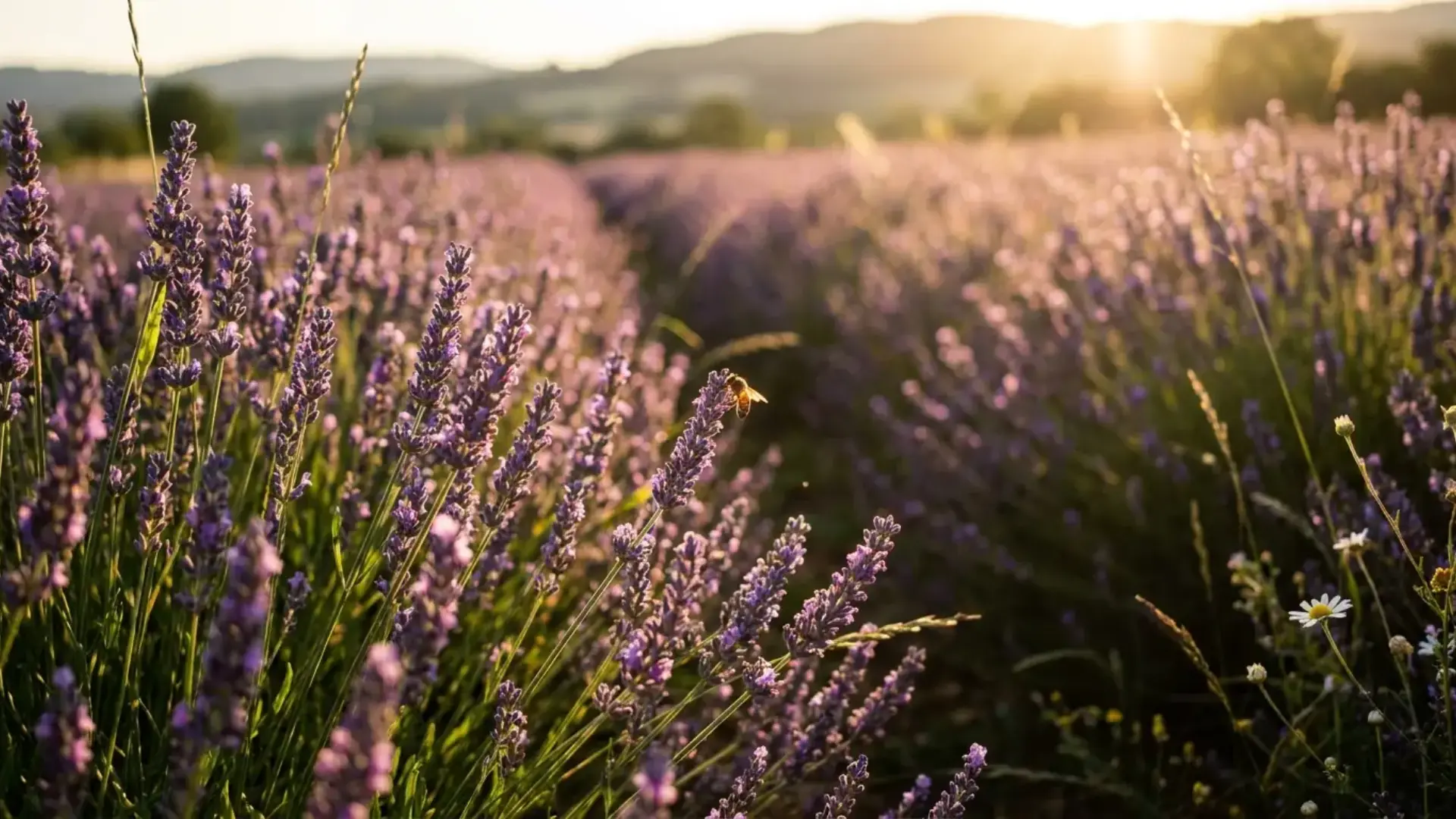
Lavender looks like one plant from a distance. Get closer, and everything changes: size, scent, cold tolerance, even how the leaves feel between your fingers.
Behind that one familiar name sits a whole genus of variety, with hundreds of cultivars bred for different climates and purposes.
This piece walks through the ones worth knowing, grouped by species, so you can find the lavender that actually fits your garden instead of guessing at the nursery.
What Makes One Type of Lavender Different From the Next?
Height, hardiness, bloom time, and fragrance all shift depending on which lavender you’re looking at, and those differences usually trace back to which of five major groups a plant belongs to.
English lavender stays compact and cold-hardy with a sweet, classic scent. Lavandin bulks up into a bigger hybrid built for long stems. Spanish lavender rushes to bloom first, easy to spot by its odd top bracts.
French lavender blooms nearly year-round in mild climates, and Portuguese lavender carries the sharpest scent of them all.
A few rare species fill out the rest for anyone chasing something unusual.
Lavender at a Glance: The Five Major Groups
Before getting into individual cultivars, here’s how the five groups stack up.
| Group | Typical Height | Hardiness | Bloom Time | Fragrance |
|---|---|---|---|---|
| English | 10–24 in | Zones 5–9 | Late spring–midsummer | Sweet, mild |
| Lavandin | 18–36 in | Zones 5–9 | Midsummer | Strong, camphor-forward |
| Spanish | 12–24 in | Zones 7–9 | Earliest, mid-spring on | Mild, resinous foliage |
| French/Fringed | 24–36 in | Zone 8 (frost-tender) | Nearly year-round in mild climates | Mild, herbal |
| Portuguese/Spike | 12–36 in | Zones 6–8 | Late spring–late summer | Pungent, strongest camphor |
English Lavender (Lavandula angustifolia)
English lavender is the hardiest group in the genus, and the one most people picture when they hear “lavender.”
It carries the sweetest fragrance of any type and has been prized for centuries in kitchens, sachets, and skincare.
1. Hidcote
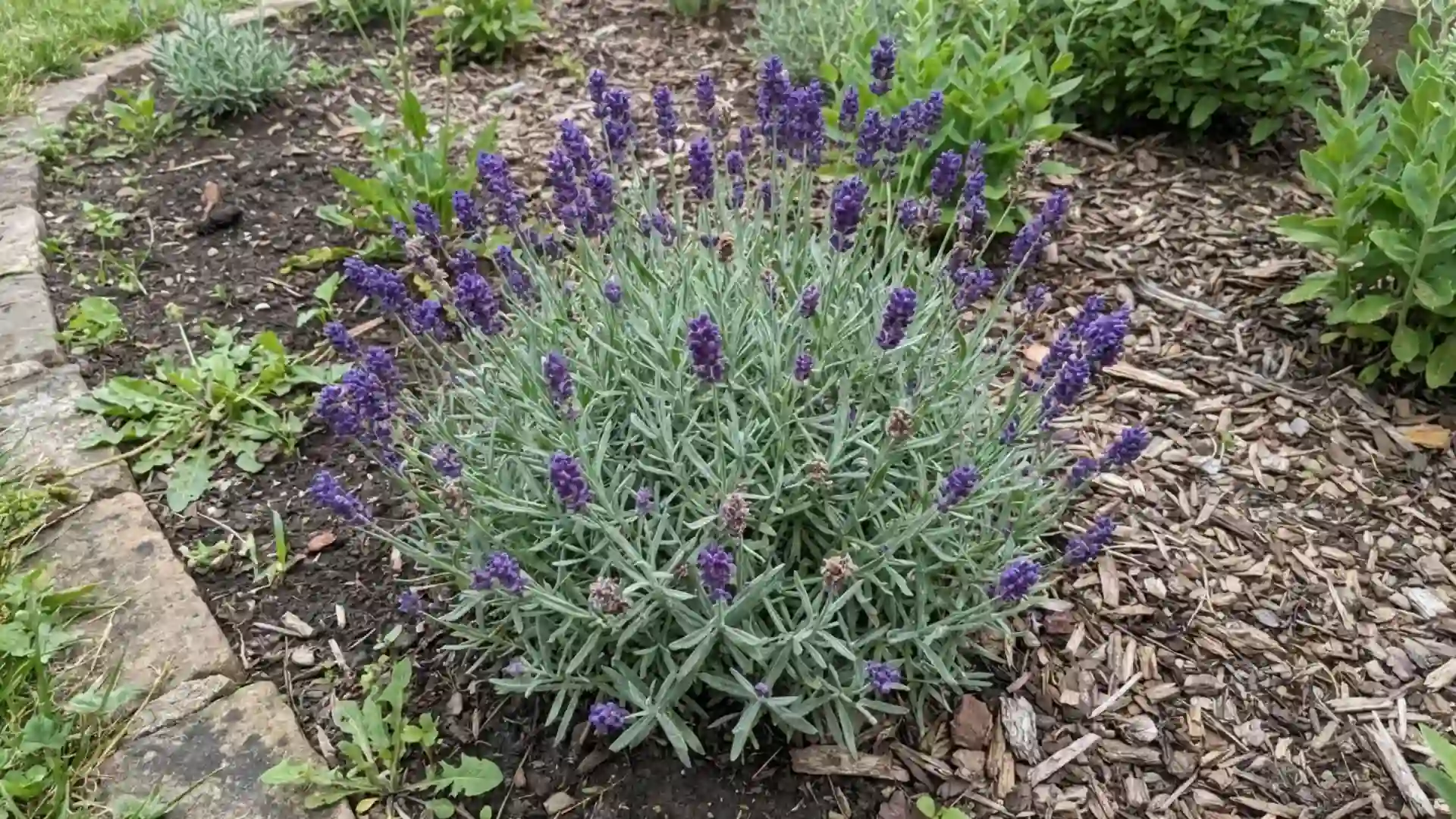
One of the most beloved English lavenders ever bred, prized by gardeners for over a century for its compact form, deep violet color, and reliably strong, sweet fragrance.
- Height/spread: 18–24 in tall, 24–30 in wide
- Hardiness: Zones 5–9
- Bloom time: Late spring to early summer, reblooms if sheared
- Fragrance: Sweet, strong
- Growing needs: Full sun, gritty soil, minimal water
- Best for: Edging, low hedges
2. Munstead
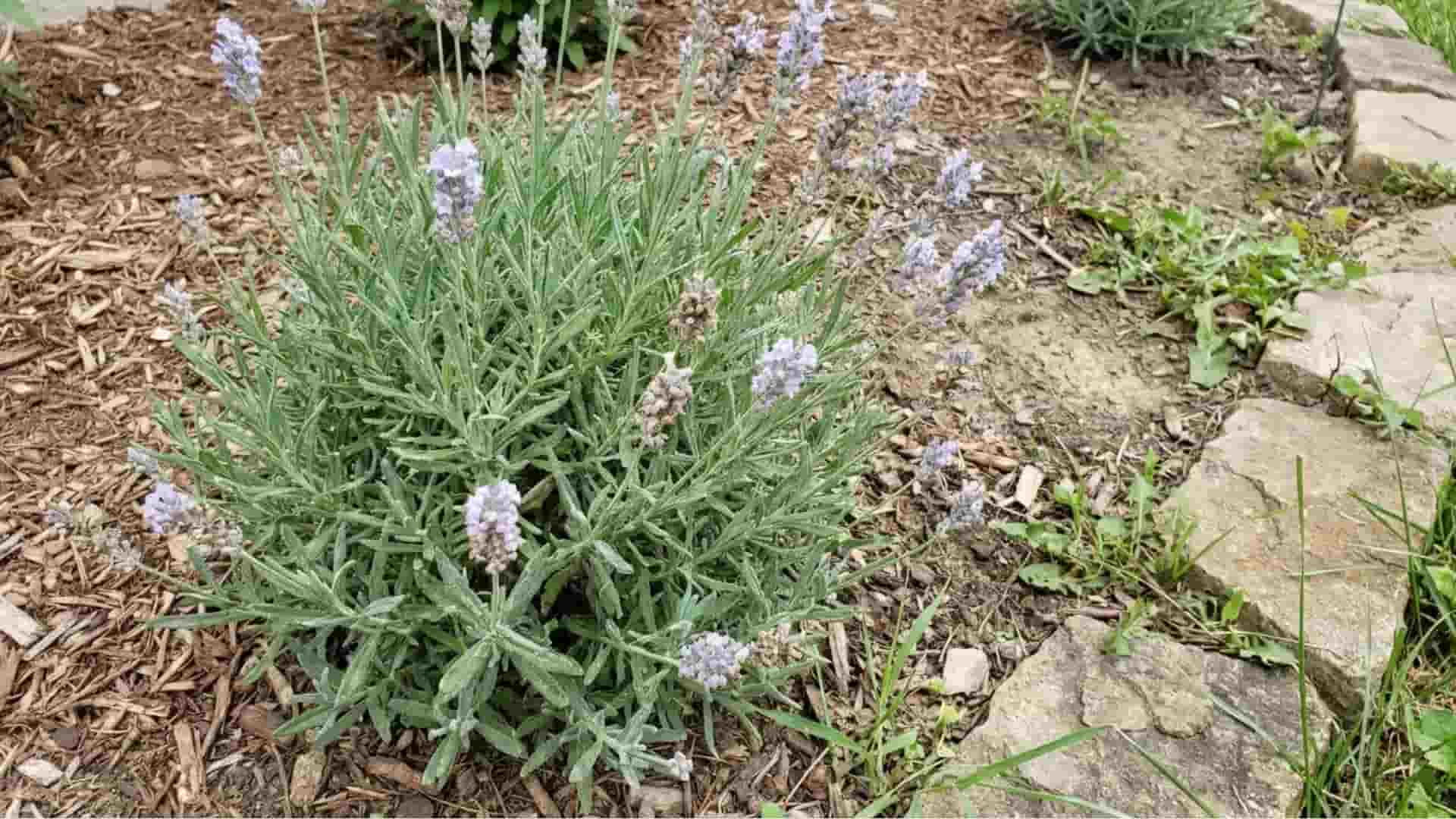
Named after Gertrude Jekyll’s famous garden, this classic cultivar blooms slightly earlier than Hidcote and stays smaller, making it a forgiving choice for beginners and tight spaces alike.
- Height/spread: 12–18 in tall, 18–24 in wide
- Hardiness: Zones 5–8
- Bloom time: Early to midsummer
- Fragrance: Sweet, mild
- Growing needs: Lean soil, tolerates light afternoon shade
- Best for: Compact borders, containers
3. Imperial Gem
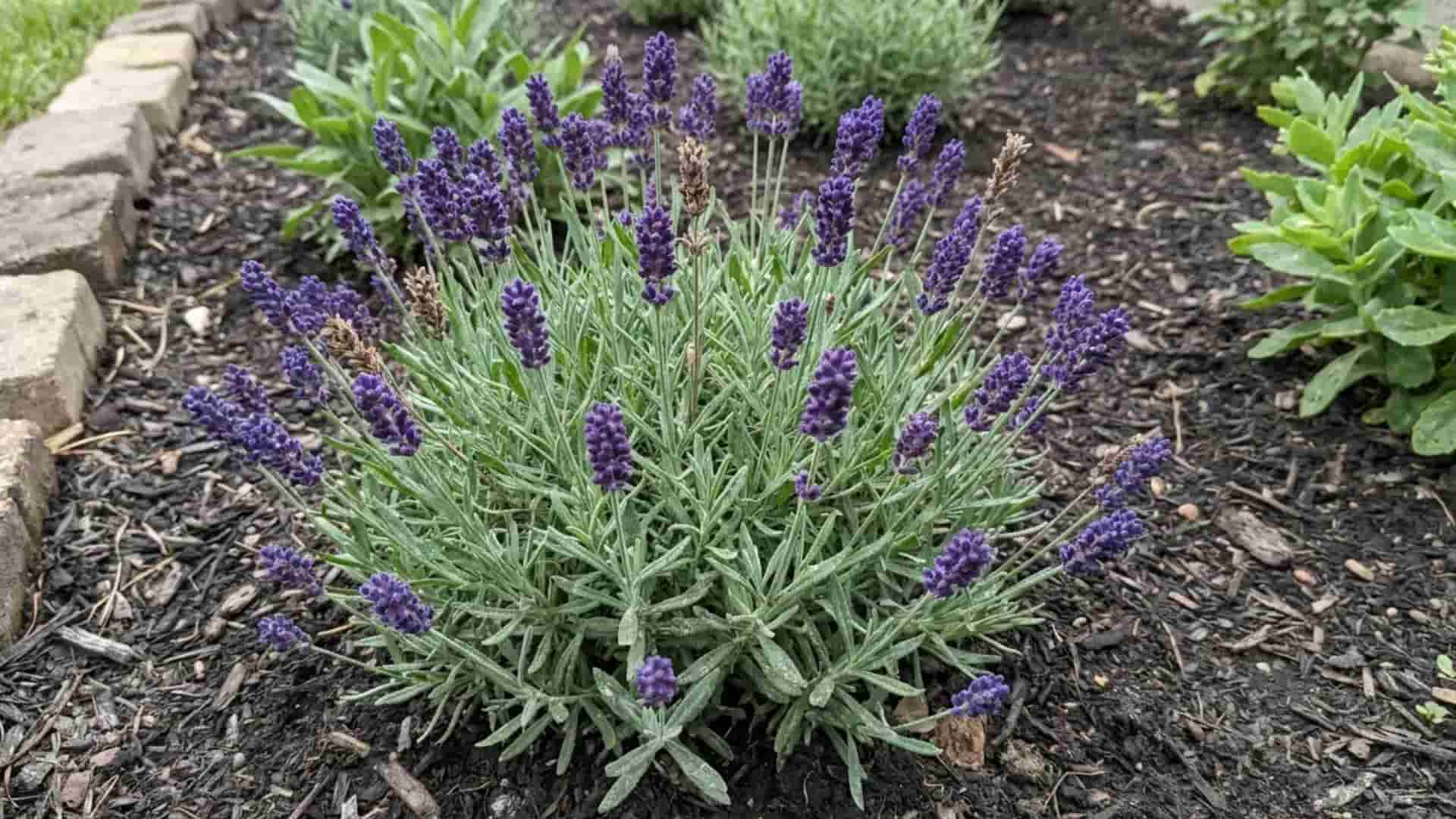
A dependable workhorse cultivar known for its neat, self-supporting dome shape and dark violet spikes, making it a favorite for landscapers who want uniform, low-maintenance rows.
- Height/spread: 16 in tall, 35 in wide
- Hardiness: Zones 5–9
- Bloom time: Early summer
- Fragrance: Fragrant, dark violet
- Growing needs: Full sun, sharp drainage
- Best for: Mass planting, pollinator borders
4. Miss Katherine
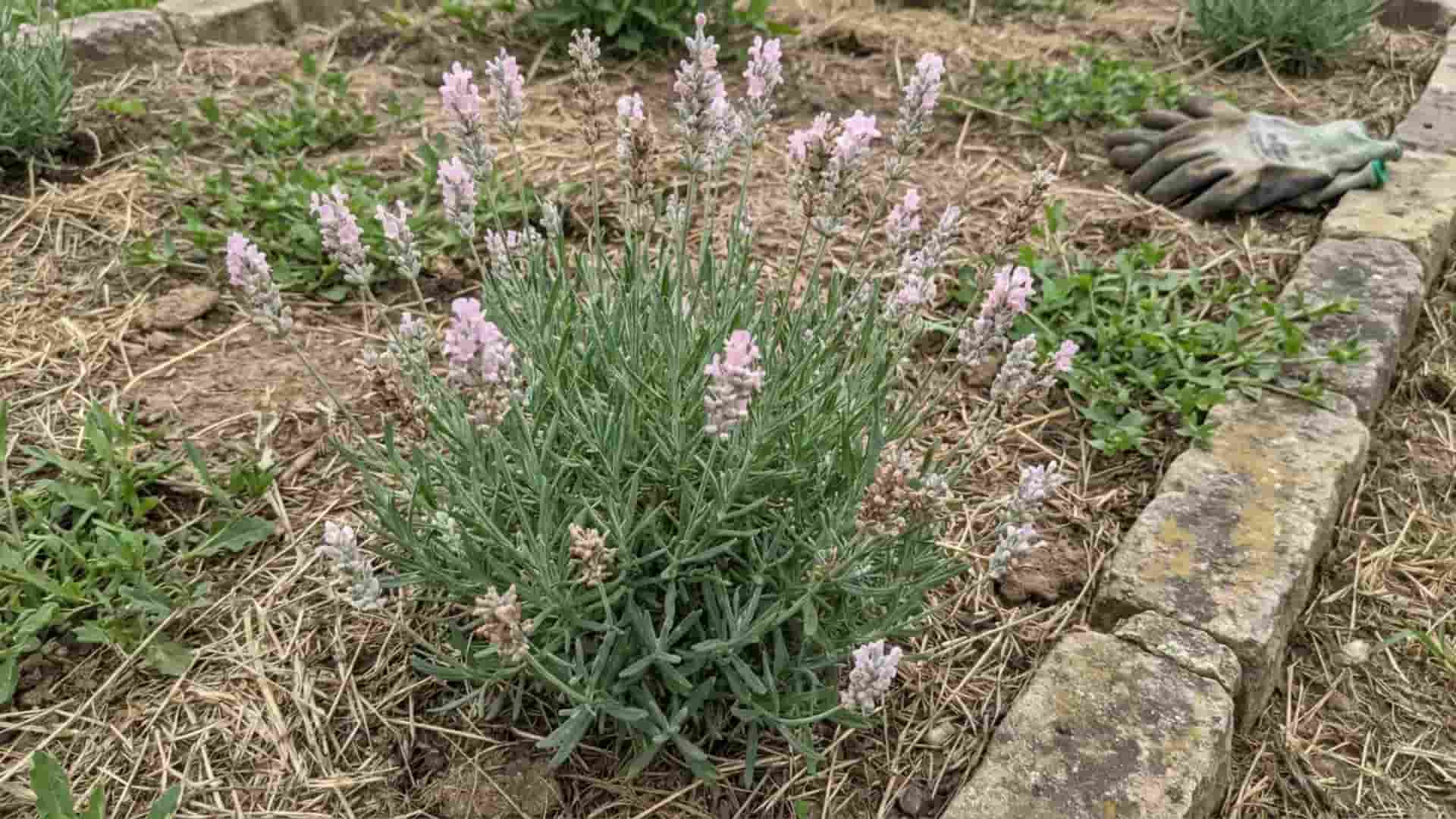
A standout departure from typical lavender color, this pink-flowered cultivar pairs strong fragrance with silvery calyces, giving cottage gardens a softer, more romantic visual note.
- Height/spread: 16 in tall, 32 in wide
- Hardiness: Zones 5–9
- Bloom time: Early to midsummer
- Fragrance: Highly fragrant
- Growing needs: Standard English lavender care
- Best for: Cottage garden color contrast
5. Beechwood Blue
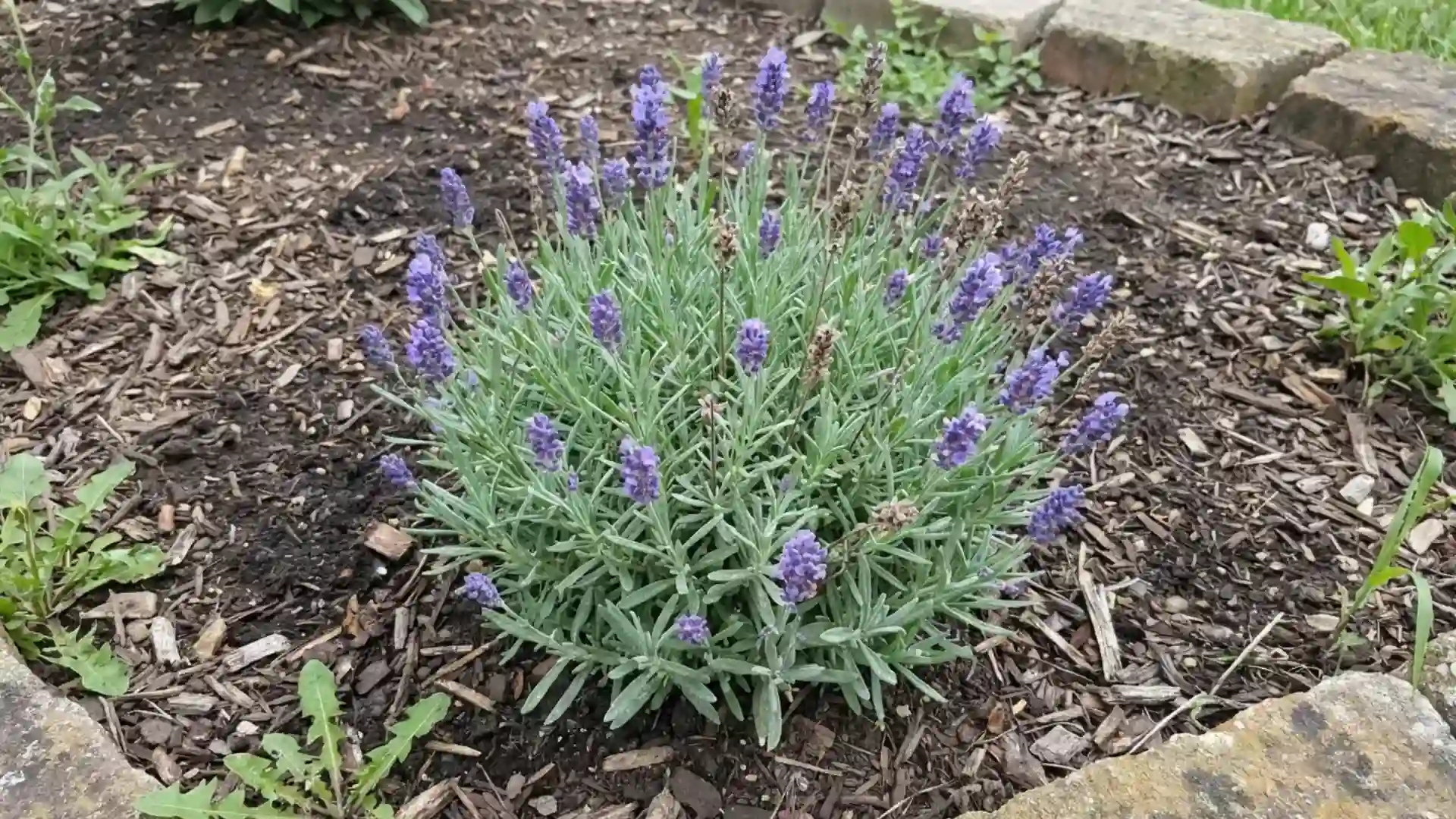
A small, tidy cultivar built for gardeners short on space, offering the same sweet fragrance as larger English types packed into a compact, low-growing mound.
- Height/spread: 12 in tall, 24 in wide
- Hardiness: Zones 5–9
- Bloom time: Early summer
- Fragrance: Sweet, moderate
- Growing needs: Same sharp drainage as larger types
- Best for: Rock gardens, front borders
6. Lavenite Petite
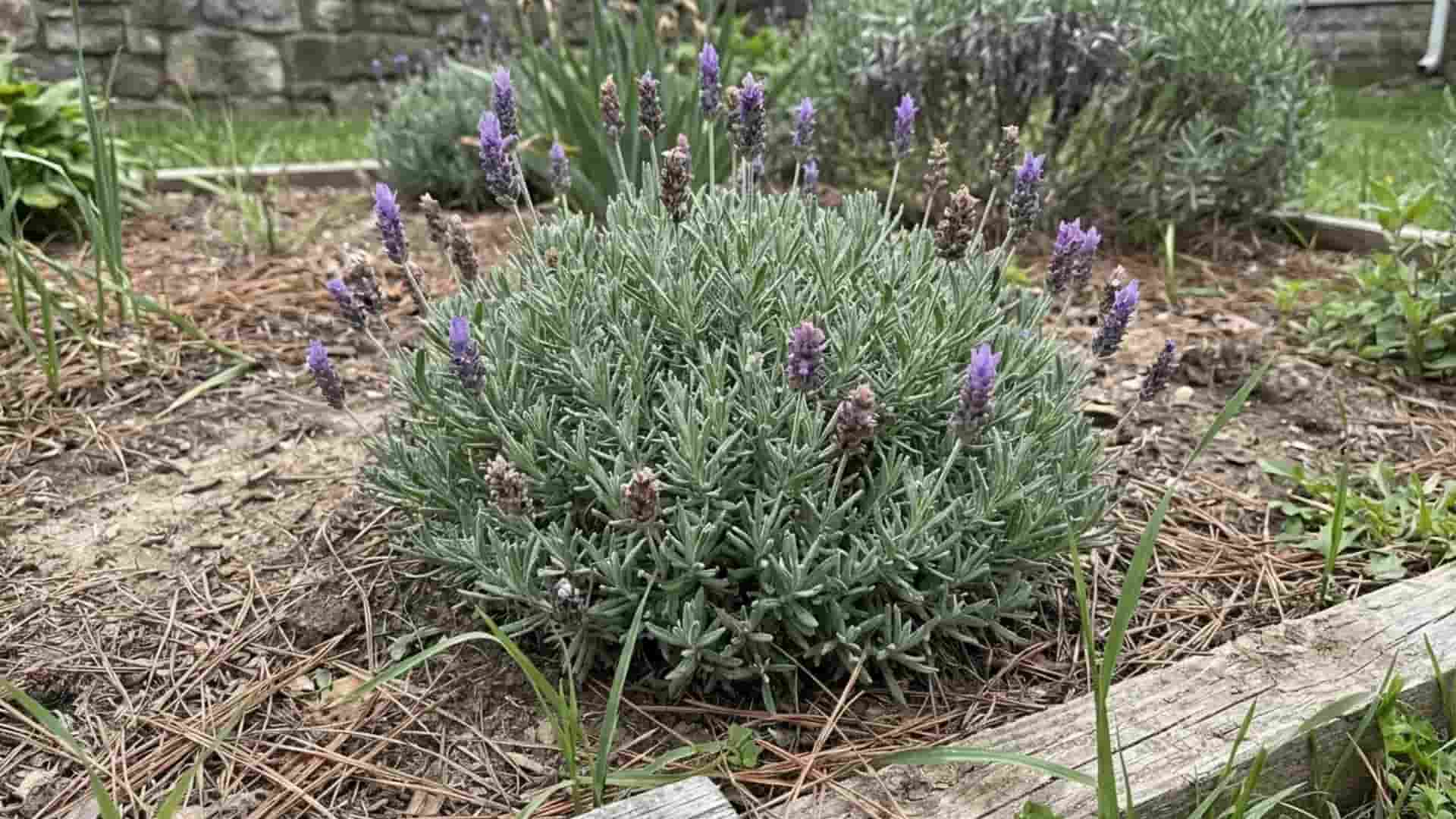
Among the smallest English cultivars available, this miniature variety proves that true lavender fragrance doesn’t require a large plant, fitting neatly into pots and narrow beds.
- Height/spread: 10–12 in tall, 12–15 in wide
- Hardiness: Zones 5–9
- Bloom time: Early summer
- Fragrance: Sweet
- Growing needs: Full sun, gritty, well-drained soil
- Best for: Containers, path edging
7. Nana Alba
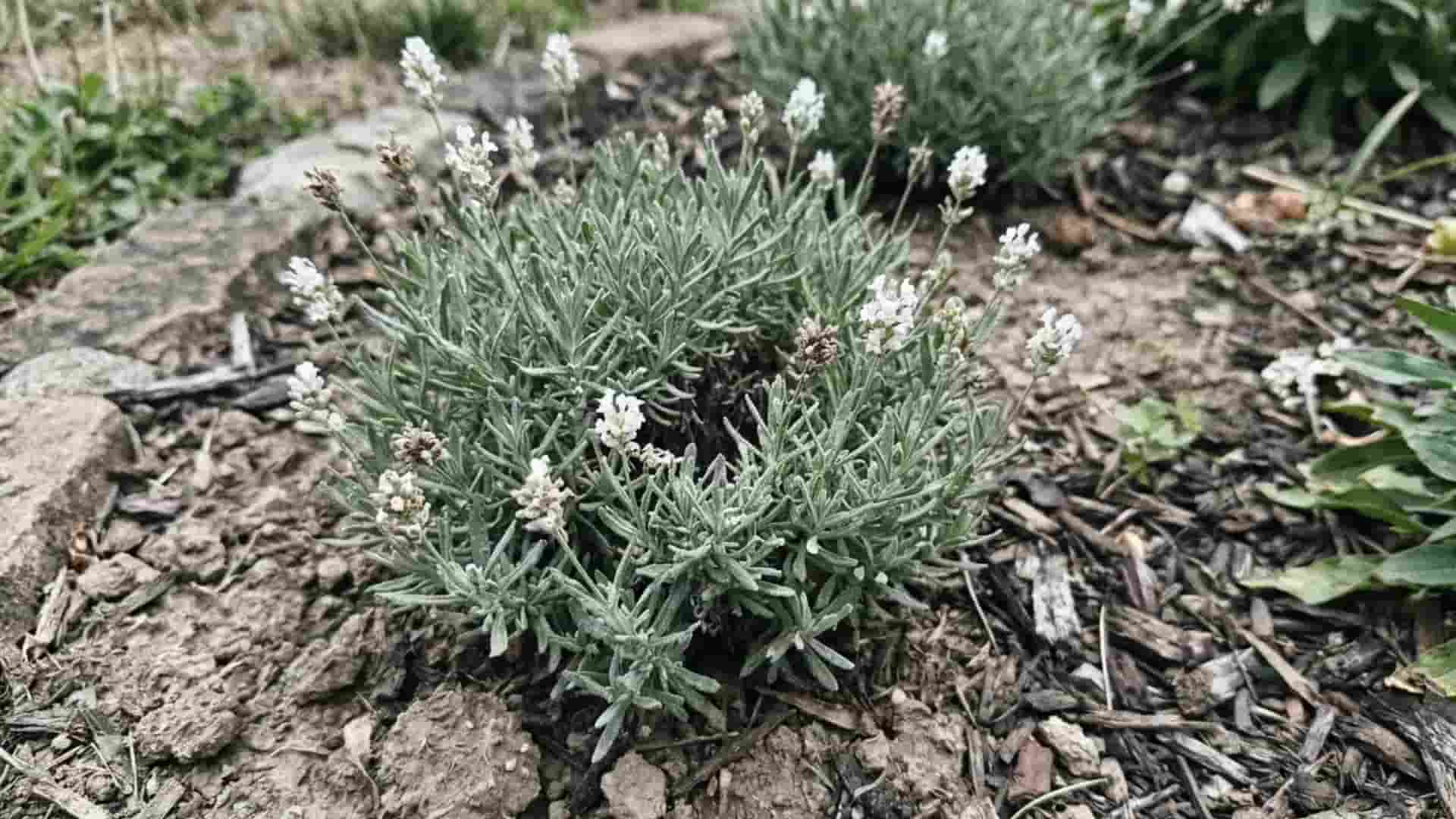
A dwarf white-flowering form that breaks from lavender’s signature purple, though it grows slightly less vigorously than its colored counterparts and needs closer attention to drainage.
- Height/spread: 10–12 in tall, 12 in wide
- Hardiness: Zones 5–9
- Bloom time: Early to midsummer
- Fragrance: Mild, sweet
- Growing needs: Excellent drainage, avoid crowding
- Best for: White or moon gardens
8. Little Lottie
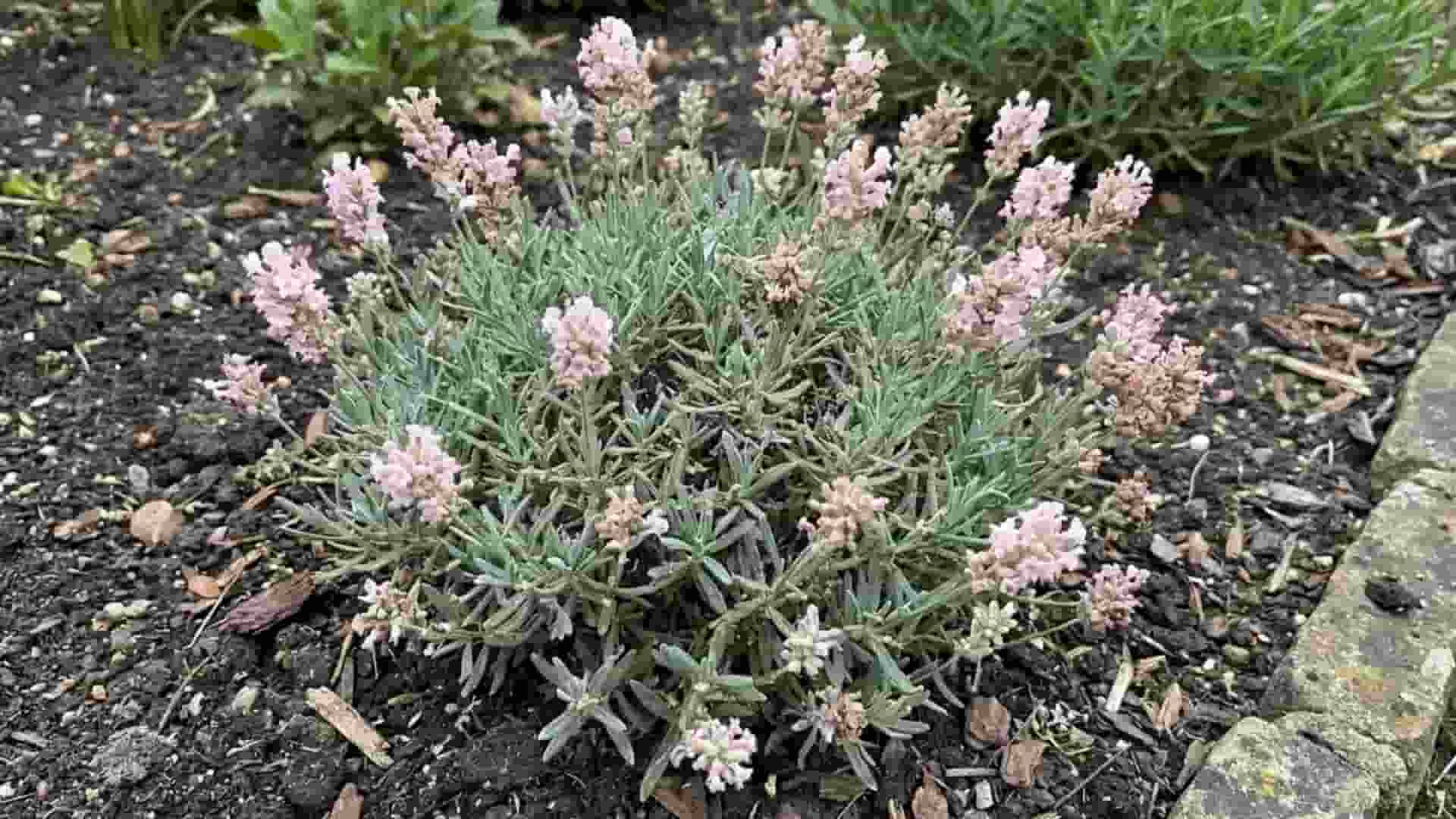
A gentle, pastel-toned cultivar whose pink blooms soften and fade as the season progresses, adding a quieter, romantic touch wherever bold purple feels like too much.
- Height/spread: 12–15 in tall, 15–18 in wide
- Hardiness: Zones 5–9
- Bloom time: Early summer
- Fragrance: Sweet
- Growing needs: Lean soil, full sun
- Best for: Pastel borders, containers
Lavandin (Lavandula × intermedia)
Lavandin is a hybrid of English and Portuguese lavender, combining cold tolerance with heat resistance. The result is a larger, more vigorous plant with a stronger fragrance and long stems, favored for cutting and oil production.
9. Grosso
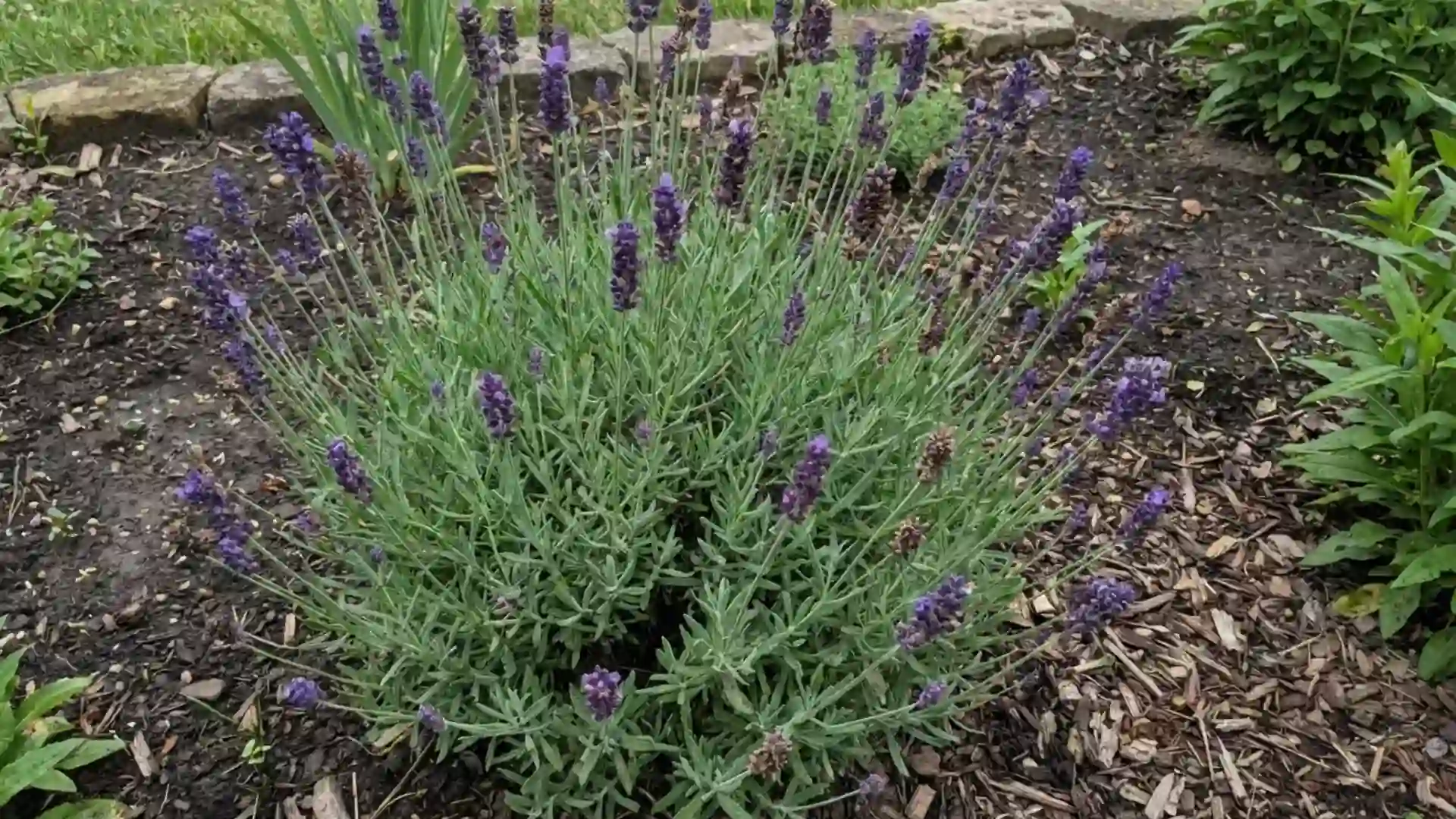
The industry standard for French lavender oil, this cultivar delivers the strongest, most camphor-forward scent of any lavandin on this list, which is exactly why perfumers and oil producers keep coming back to it.
- Height/spread: 24–30 in tall, 30–36 in wide
- Hardiness: Zones 5–9
- Bloom time: Midsummer
- Fragrance: Strong, camphor-forward
- Growing needs: Full sun, sharp drainage, shear after bloom
- Best for: Hedging, oil production, dried arrangements
10. Provence
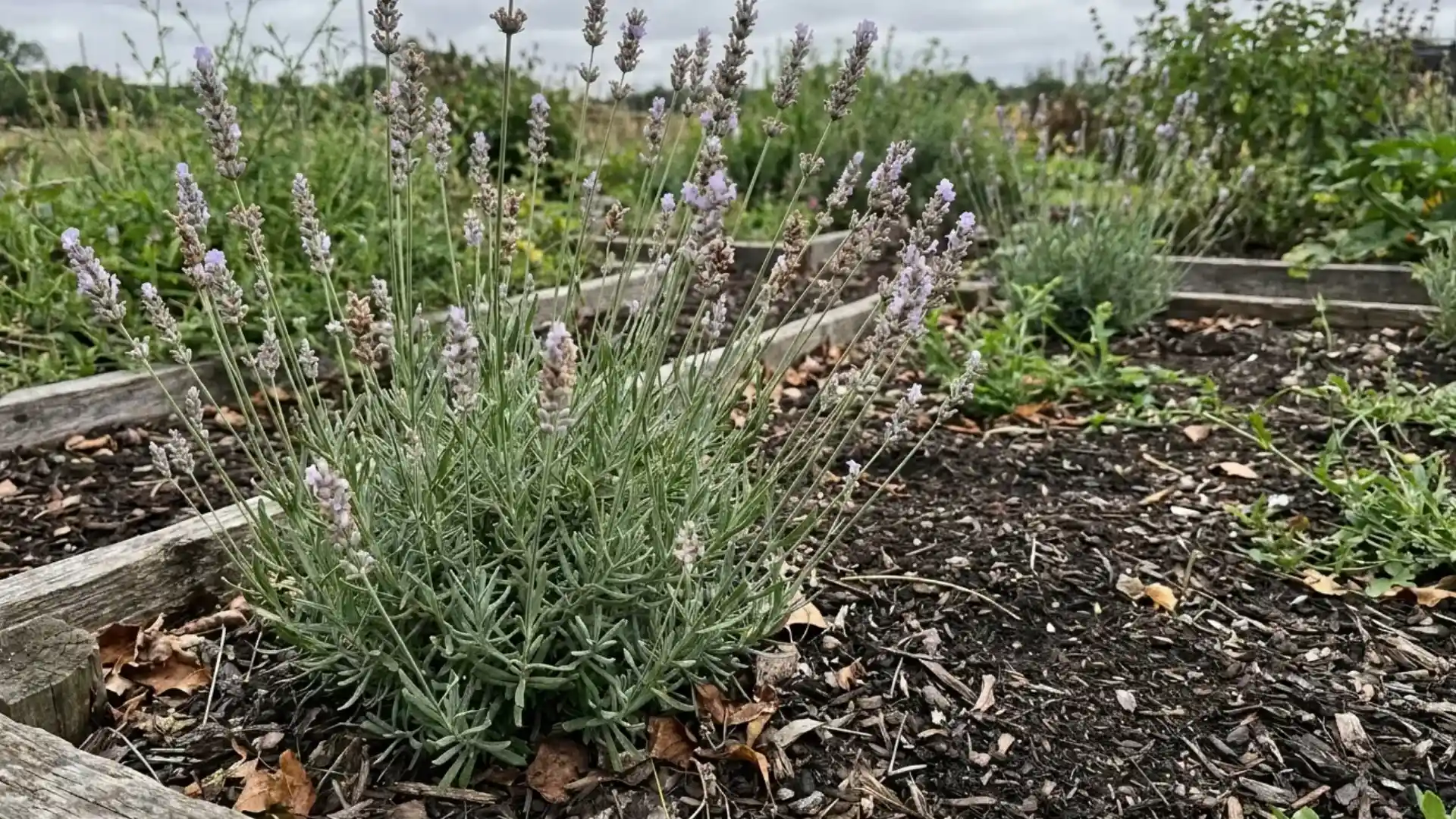
A sweeter, gentler lavandin, closer in scent to English lavender, with long stems that make it a favorite for cutting and light culinary use, striking a middle ground between fragrance and vigor that few other lavandins manage.
- Height/spread: 24–30 in tall, 30 in wide
- Hardiness: Zones 5–9
- Bloom time: Midsummer
- Fragrance: Sweeter, milder than most lavandins
- Growing needs: Full sun, well-drained soil
- Best for: Cut flower gardens, culinary use
11. Phenomenal
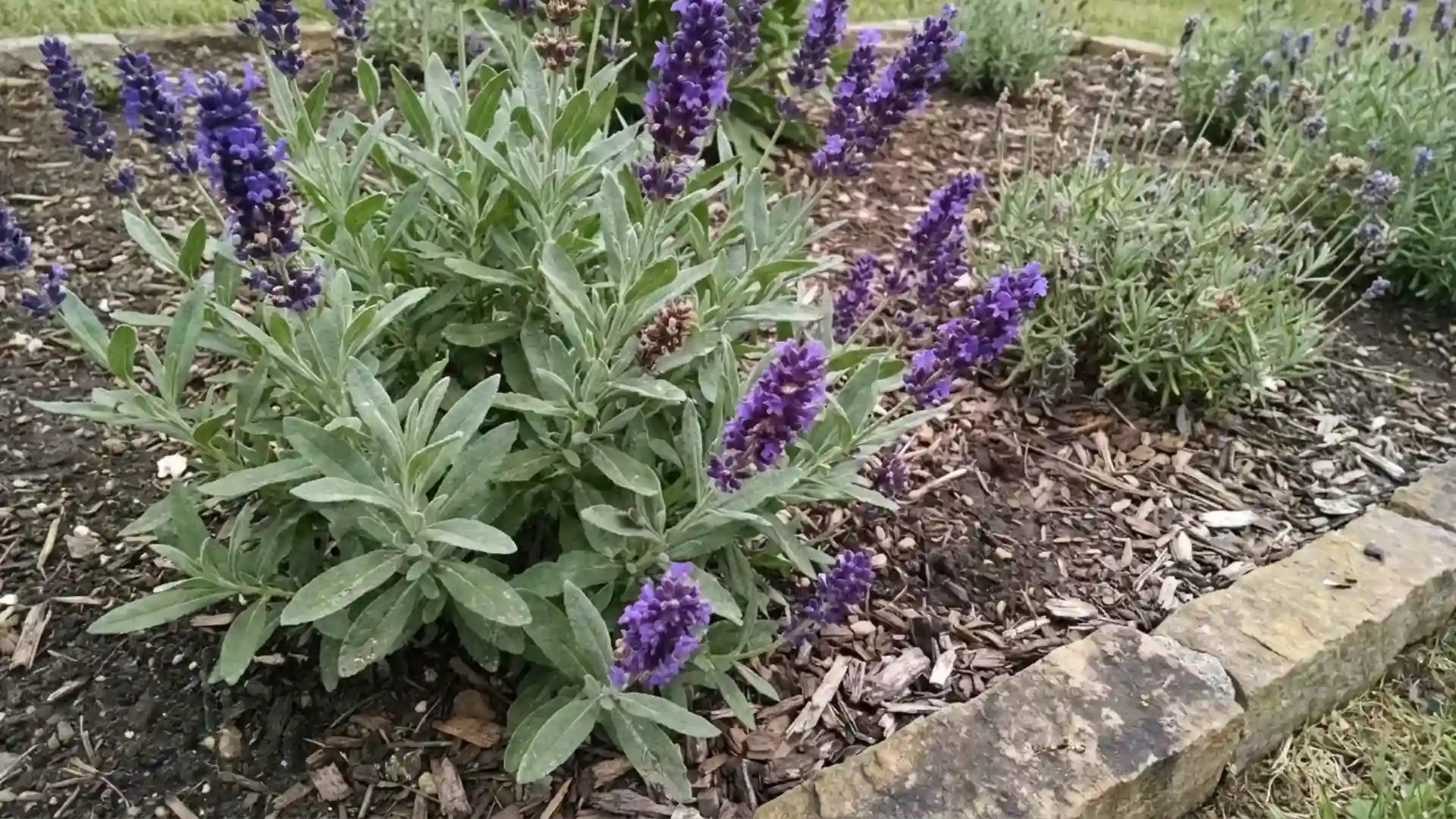
Bred specifically to resist leaf spot and root rot, this cultivar handles humid summers better than almost any other lavender on the list, making it the go-to pick for gardeners in muggy, disease-prone climates.
- Height/spread: 28–32 in tall, 34–36 in wide
- Hardiness: Zones 5–9
- Bloom time: Mid to late summer
- Fragrance: Strong, clean
- Growing needs: Tolerant of heat and humidity, still needs sharp drainage
- Best for: Humid regions, commercial rows, landscape hedging
12. Alba
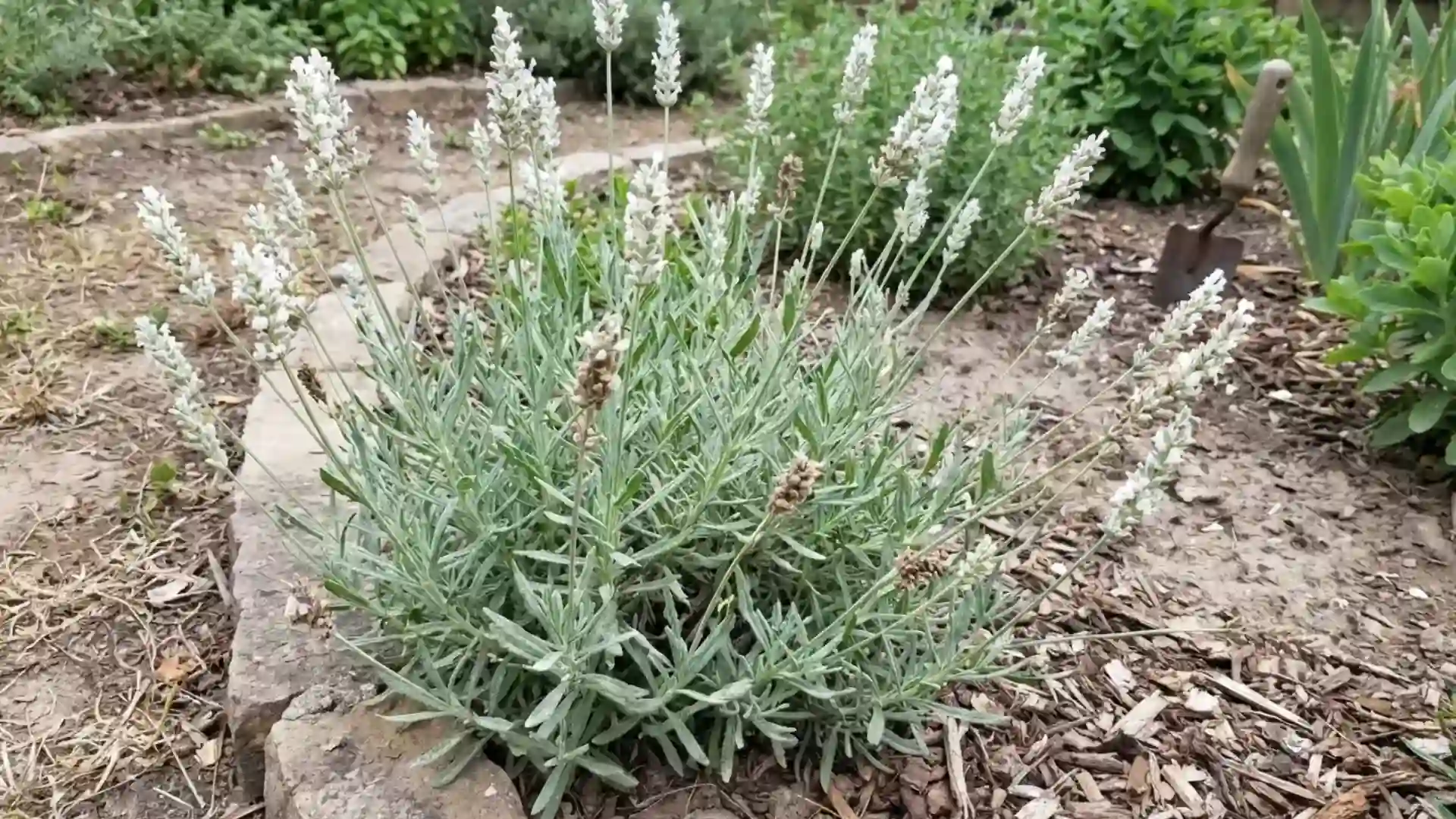
A white-flowering lavandin whose pale spikes stand out sharply against silvery foliage, offering a cooler visual note among mostly purple varieties and a useful contrast plant for gardeners looking to break up a sea of violet.
- Height/spread: 18–24 in tall, 34–36 in wide
- Hardiness: Zones 5–8
- Bloom time: Later half of summer
- Fragrance: Strong, slightly sweeter than purple lavandins
- Growing needs: Same lean soil and full sun as other lavandins
- Best for: White garden schemes, contrast planting
13. Sussex
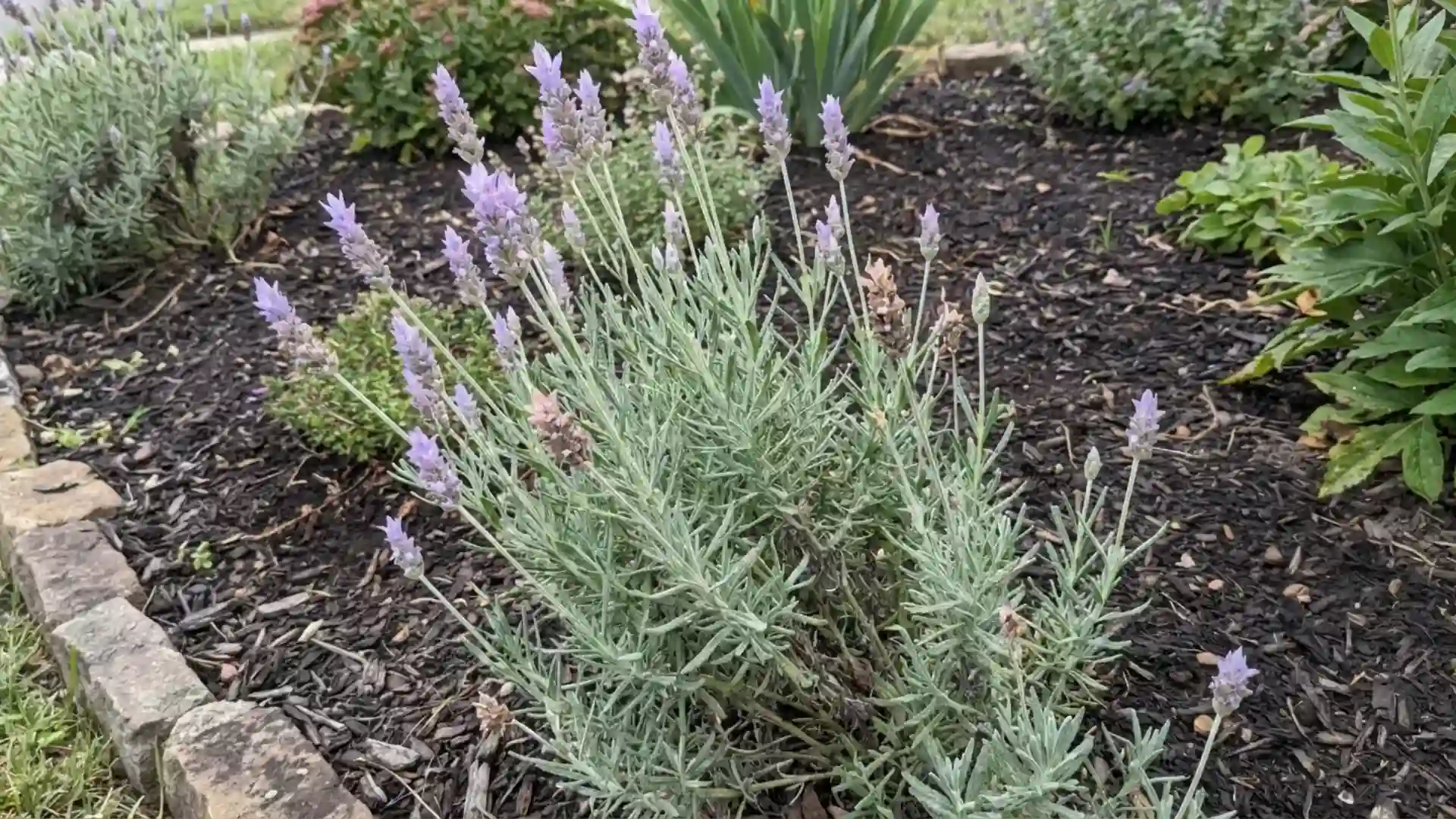
One of the taller lavandins, producing a haze of lilac and violet spikes with a softer-edged scent than sharper cultivars like Grosso, giving it a slightly more delicate presence despite its larger size.
- Height/spread: 36 in tall, 24–28 in wide
- Hardiness: Zones 5–9
- Bloom time: Mid to late summer
- Fragrance: Soft-edged, less harsh than Grosso
- Growing needs: Full sun, staking support in windy sites
- Best for: Back-of-border planting, large hedges
Spanish Lavender (Lavandula stoechas)
Spanish lavender is easy to spot, thanks to the showy tufted bracts atop each flower head, like rabbit ears. It blooms earliest of any group but is far less cold-hardy, so gardeners outside zones 8–9 often grow it in pots.
14. Otto Quast
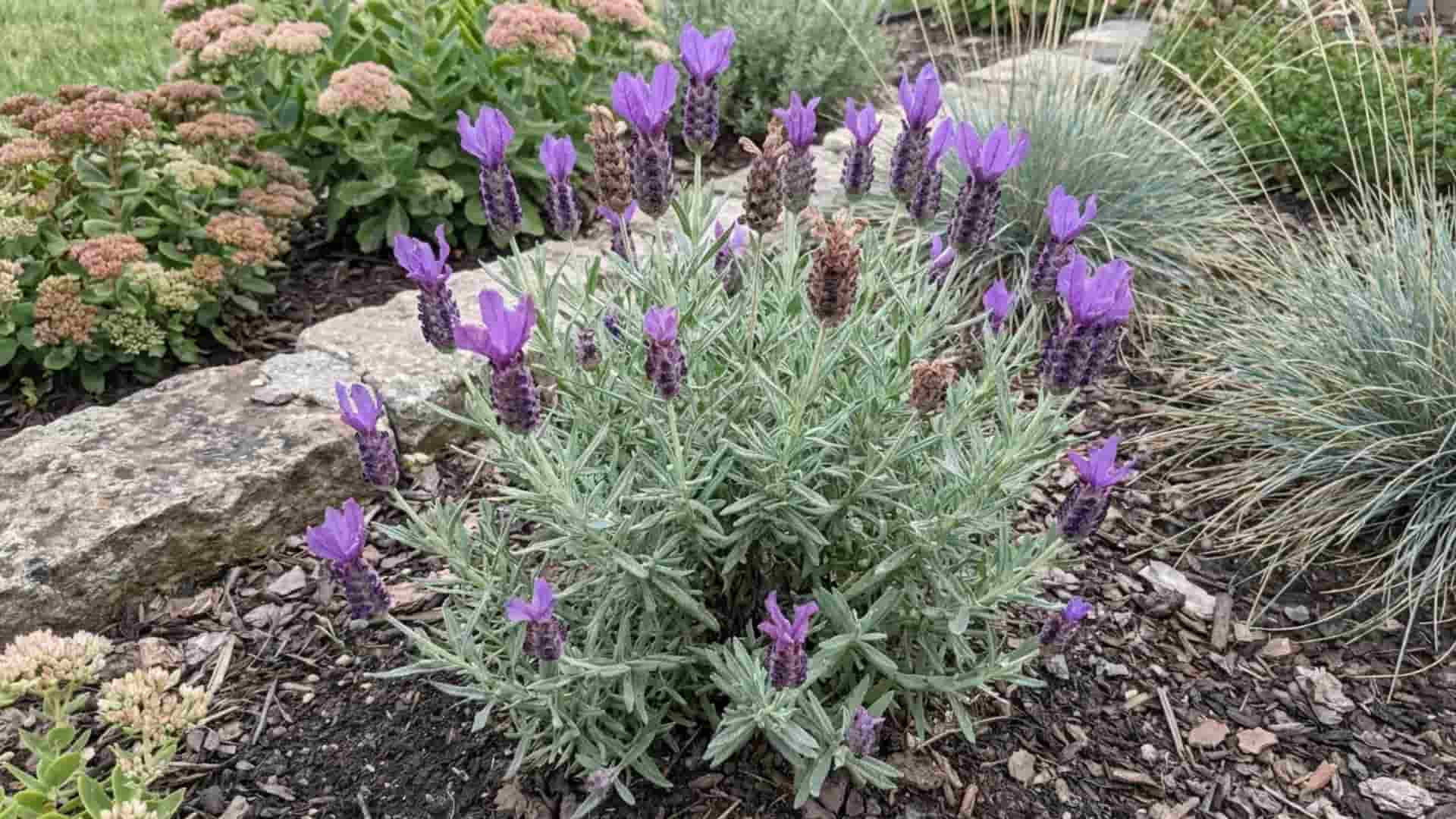
A widely grown classic with rabbit-ear bracts that bloom nearly continuously through the season in mild, frost-free climates, making it one of the most reliable Spanish lavenders for long-lasting color.
- Height/spread: 18–24 in tall, 18–24 in wide
- Hardiness: Zones 7–9
- Bloom time: Mid-spring through summer
- Fragrance: Light, resinous foliage scent
- Growing needs: Full sun, excellent drainage
- Best for: Container growing, Mediterranean-style beds
15. Anouk
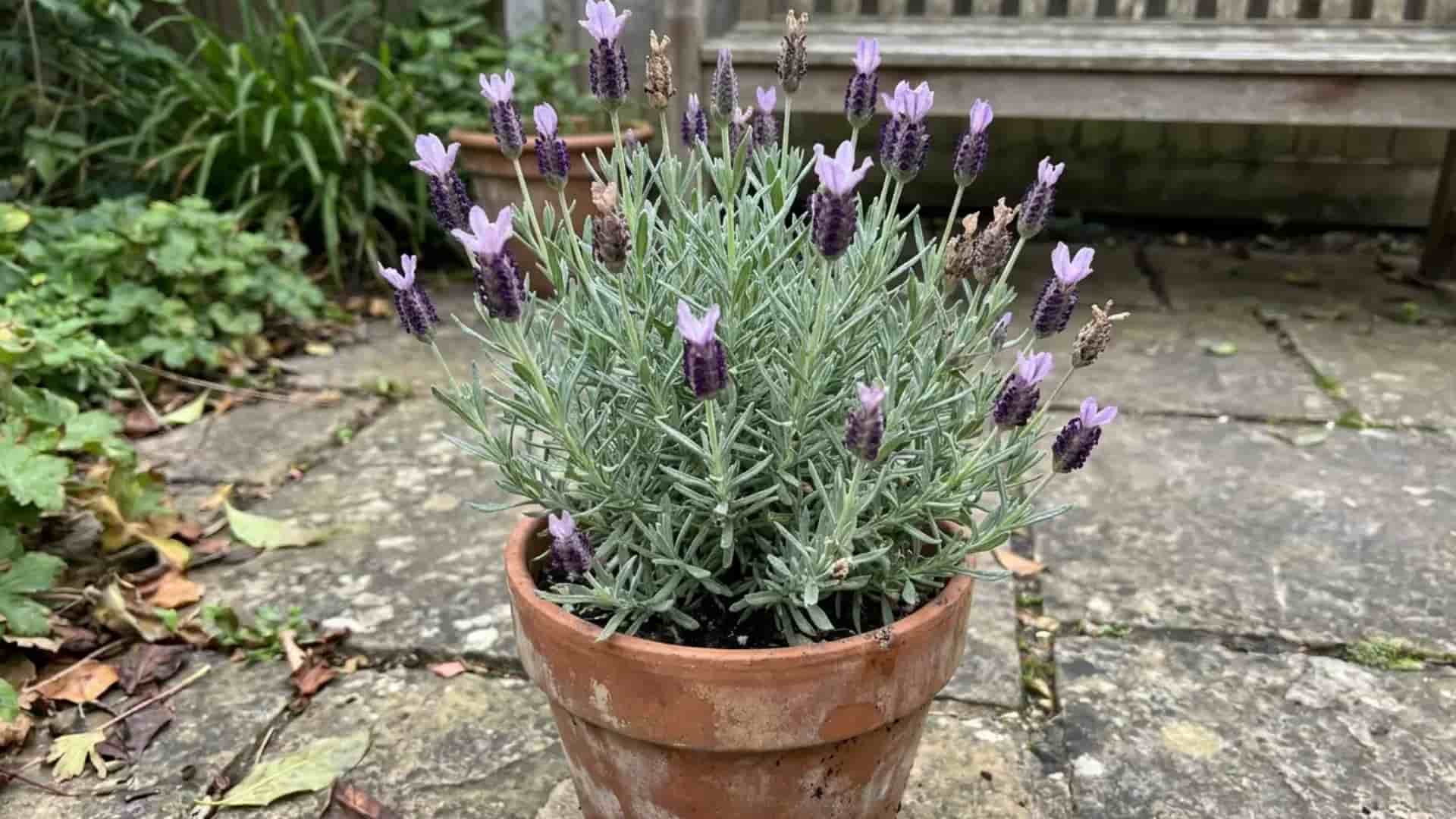
A compact form of Spanish lavender that fits neatly into small containers, though it needs more winter protection than larger cultivars, making it better suited to a porch or windowsill than an open garden bed in cooler regions.
- Height/spread: 12–18 in tall, 12–18 in wide
- Hardiness: Zones 7–9
- Bloom time: Spring through midsummer
- Fragrance: Mild
- Growing needs: Winter protection or indoor overwintering outside zone 8
- Best for: Patio containers, small-space gardens
16. Regal Splendor
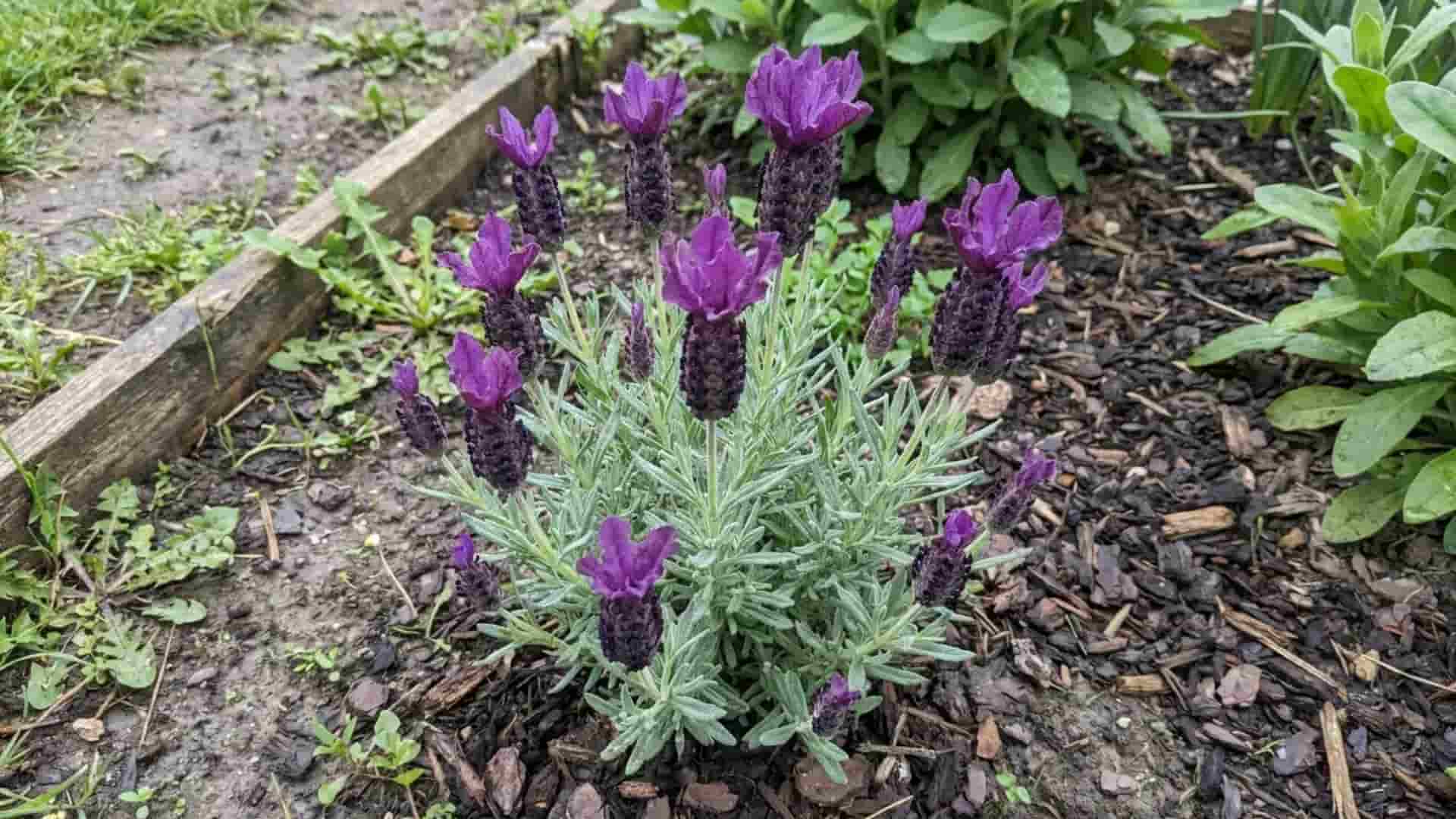
A deep purple cultivar grown for its prominent, showy bracts, making it as much an ornamental accent as a fragrant plant, the kind gardeners plant for looks first and scent second.
- Height/spread: 18 in tall, 18 in wide
- Hardiness: Zones 8–9
- Bloom time: Mid-spring to late summer
- Fragrance: Mild, resinous
- Growing needs: Sharp drainage, same as other Stoechas types
- Best for: Ornamental display, cut flowers
17. Ballerina
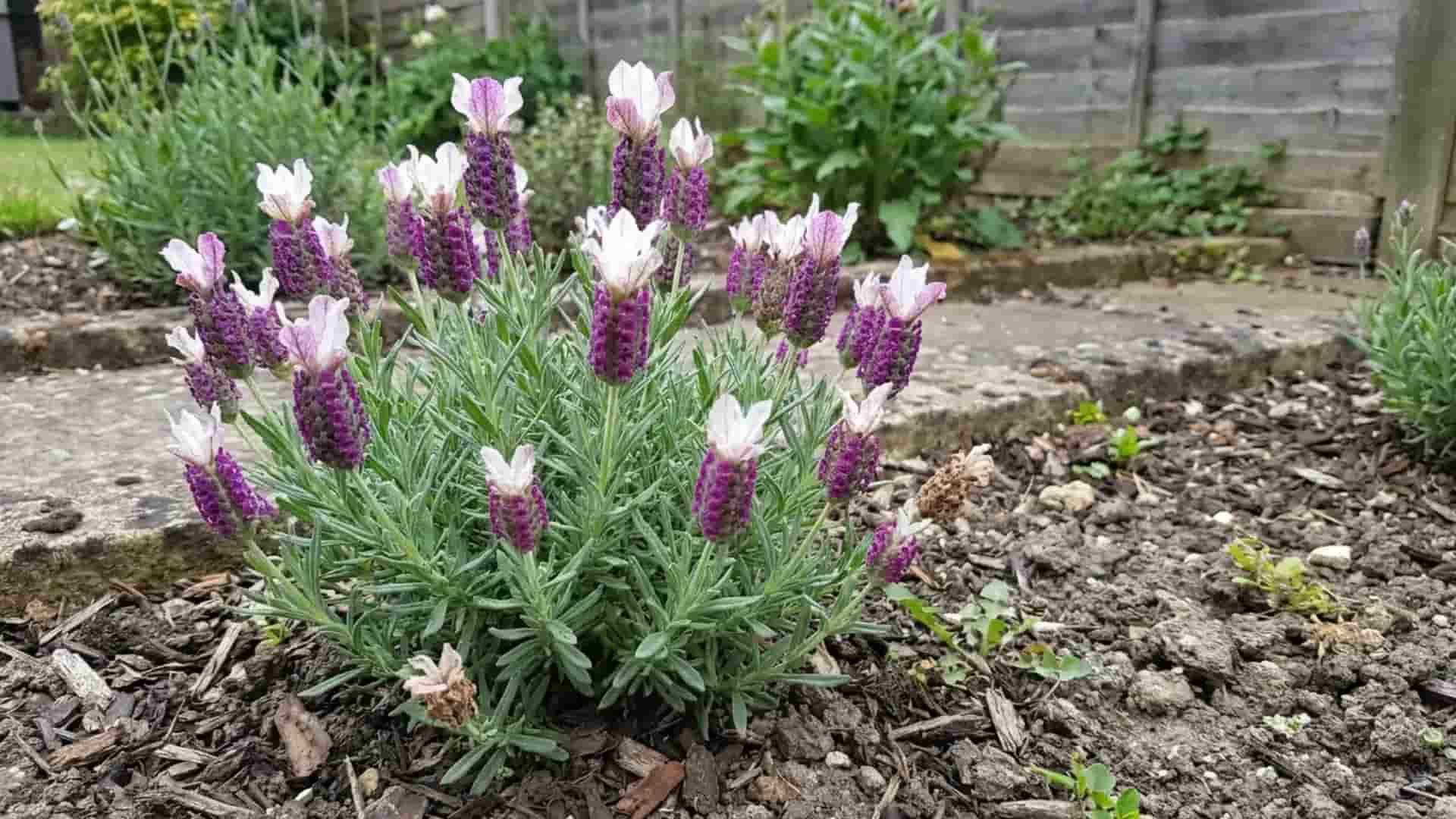
A vigorous stoechas hybrid with purple spikes topped by white bracts that flush pink with age, blooming longer than most in this group and giving the garden a slow, changing show of color as the season wears on.
- Height/spread: 24 in tall, 24 in wide
- Hardiness: Zone 8 (H4 rating)
- Bloom time: Late spring through summer
- Fragrance: Aromatic grey-green foliage
- Growing needs: Full sun, dry and well-drained spot
- Best for: Extended-season color, mixed borders
French / Fringed Lavender (Lavandula dentata)
French, or Fringed, lavender gets its name from the toothed edges on its gray-green leaves. Its fragrance is milder, but it blooms nearly year-round in frost-free climates.
18. Royal Crown
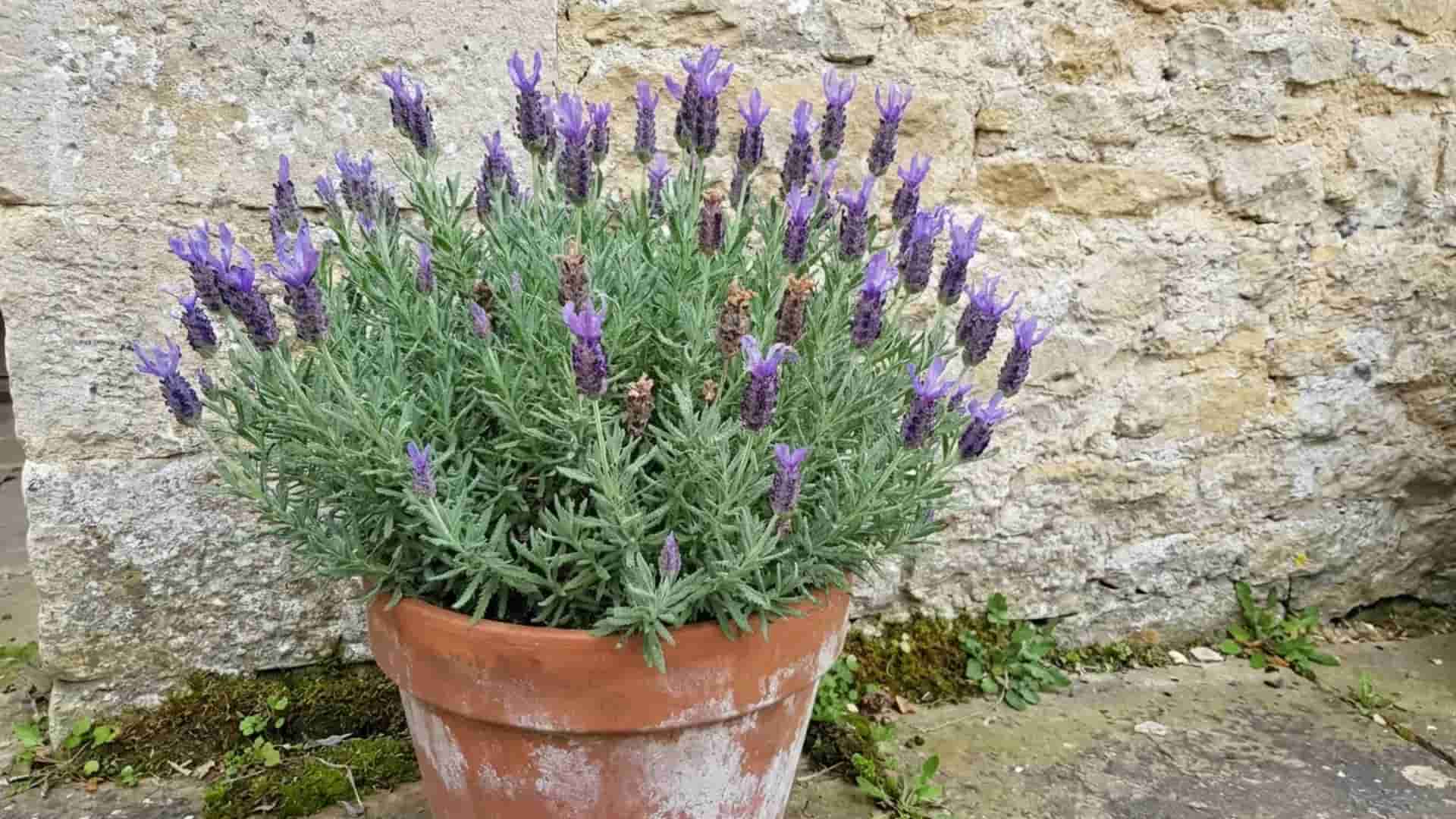
A thick-spiked cultivar topped with violet-blue bracts, best grown at the base of a sunny wall or in a pot that can move indoors for winter, where it rewards the extra effort with months of color.
- Height/spread: 36 in tall, 36 in wide
- Hardiness: Zone 8 (H3 rating), best treated as frost-tender
- Bloom time: Nearly continuous in mild, frost-free climates
- Fragrance: Mild, more herbal than sweet
- Growing needs: Dry, sharply drained spot, protect from frost
- Best for: Container growing, Mediterranean gardens in mild-winter zones
19. Goodwin Creek Grey
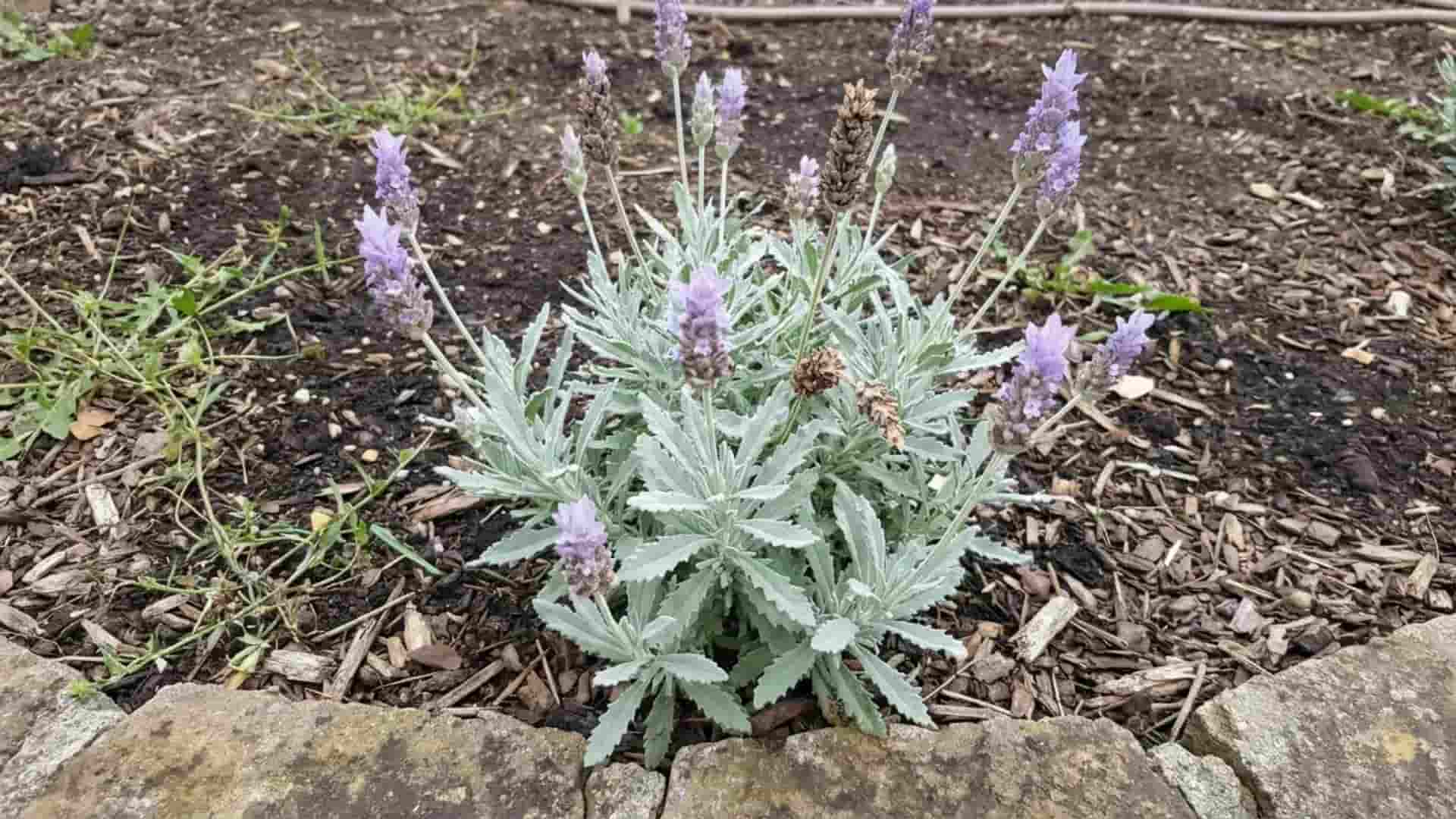
A broader-leaved, more silver-toned cultivar with a long bloom season, spanning spring through fall wherever winters stay mild, making it a steady source of color for gardeners who want more than a single summer flush.
- Height/spread: 24–36 in tall, 24–36 in wide
- Hardiness: Zones 8–9
- Bloom time: Long season, spring through fall in mild climates
- Fragrance: Mild, camphor-rosemary undertone
- Growing needs: Well-drained soil, frost-free conditions
- Best for: Silver-foliage borders, xeriscaping
Portuguese / Spike Lavender (Lavandula latifolia)
Stepping away from named cultivars for a moment, one lavender group is grown almost entirely as its straight species, without the long list of named varieties that define groups like English lavender or lavandin.
20. Lavandula latifolia
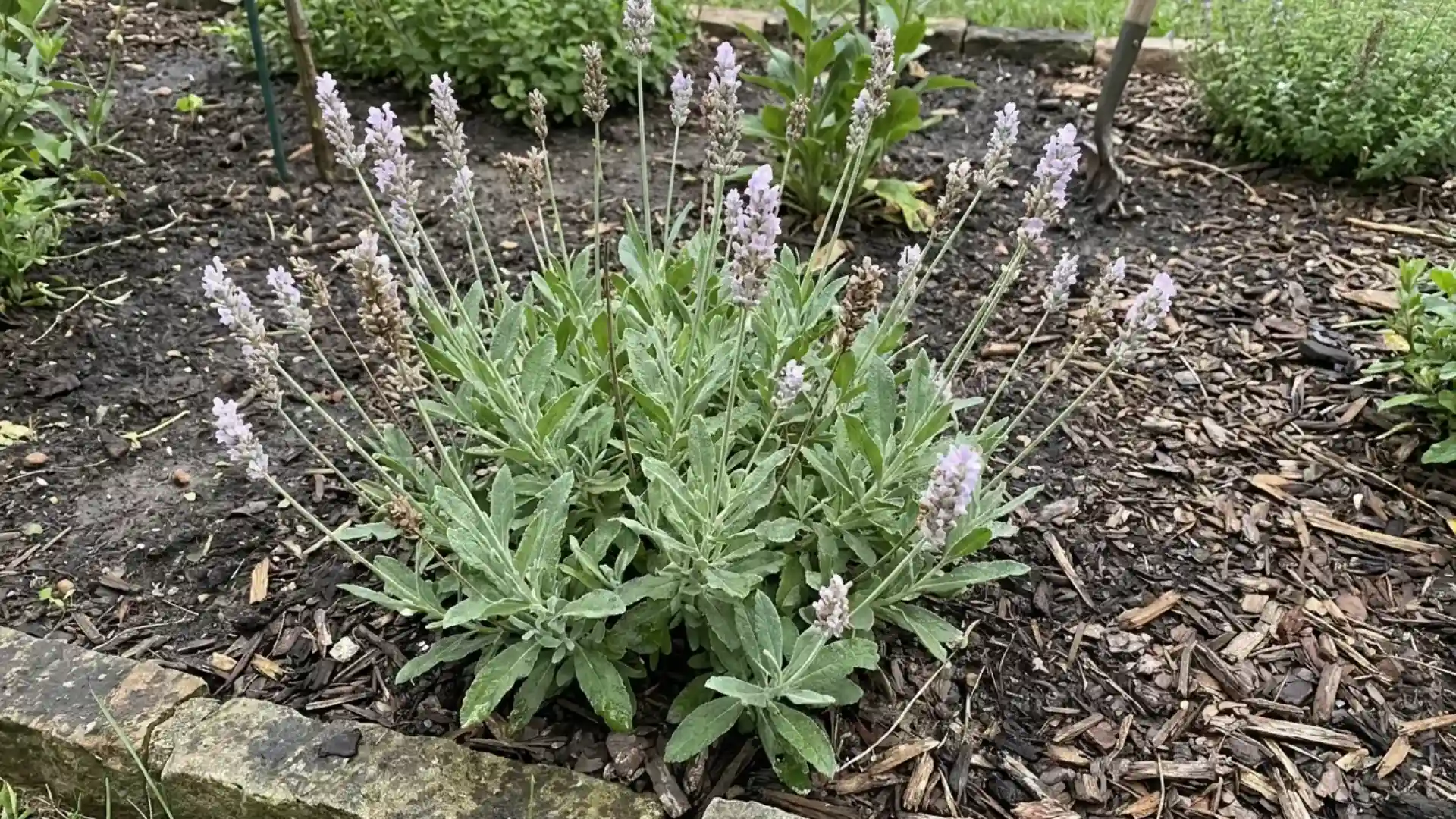
Unlike other lavender groups, Portuguese lavender rarely comes in named cultivars, so gardeners plant the species itself, prized for its broad leaves and the strongest camphor scent among the common groups.
- Height/spread: 12–36 in tall, similar spread
- Hardiness: Zones 6–8
- Bloom time: Late spring through late summer
- Fragrance: Pungent, camphor-heavy, strongest of the common groups
- Growing needs: Full sun, sharp drainage, tolerates heat well
- Best for: Essential oil production, hot and dry garden zones
Rare and Specialty Lavender Species
A few lesser-known species show up in specialty nurseries and warm-climate gardens, often overlooked by mainstream growers.
Most are frost-tender and suited to containers outside zones 9–11, where they can be moved indoors before the cold sets in.
21. Lavandula pinnata (Fern-Leaf Lavender)
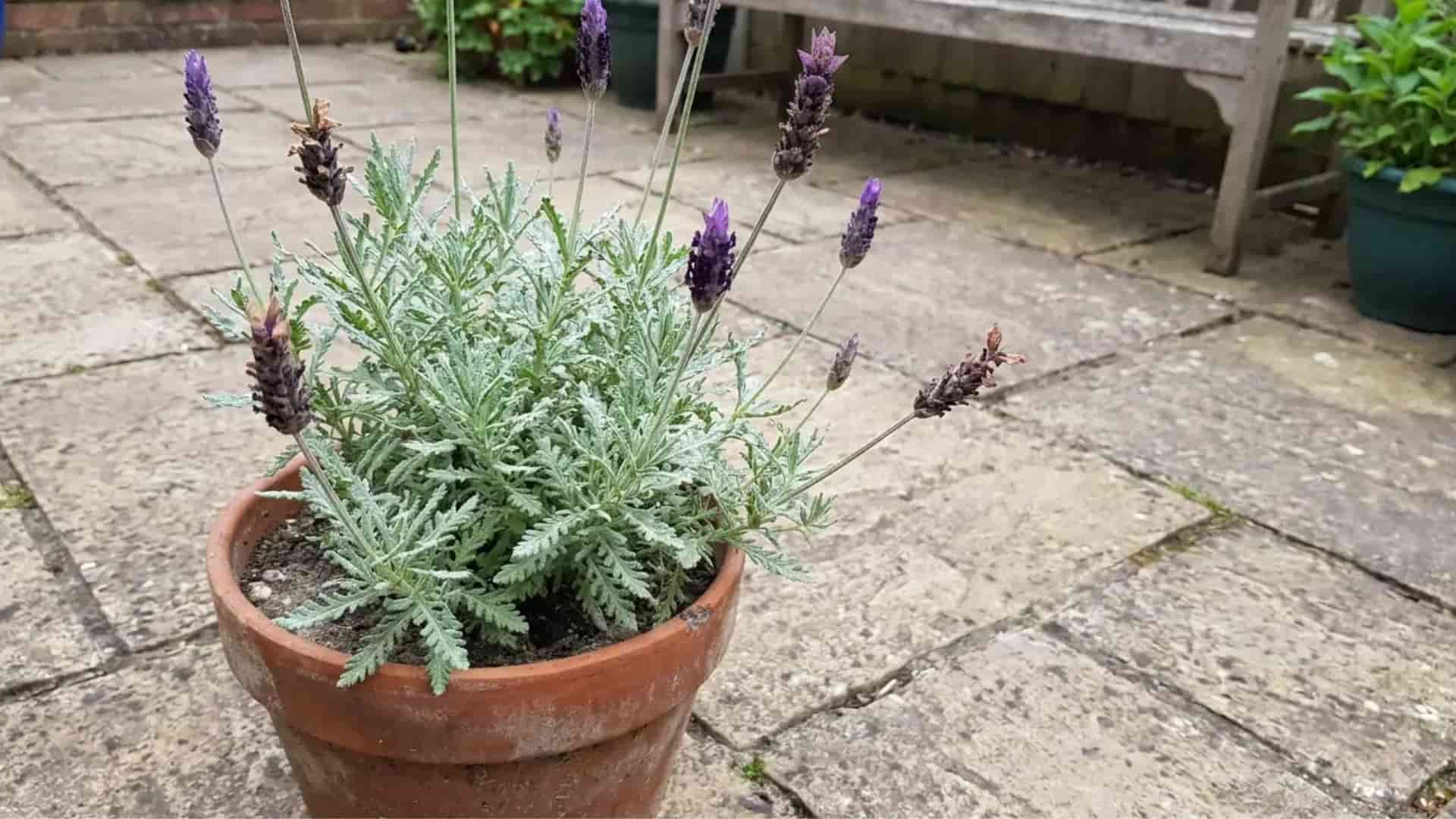
Grown more for its feathery, fern-like foliage than for scent, this species blooms nearly year-round wherever winters stay frost-free, adding soft texture to a garden even when the flowers take a back seat.
- Height/spread: 24–36 in tall, 18–24 in wide
- Hardiness: Zones 9–11
- Bloom time: Nearly year-round where frost-free
- Fragrance: Very mild
- Growing needs: Full sun, fast drainage, and protection from frost
- Best for: Container specimens, textural contrast
22. Lavandula multifida (Egyptian or Fern Lavender)
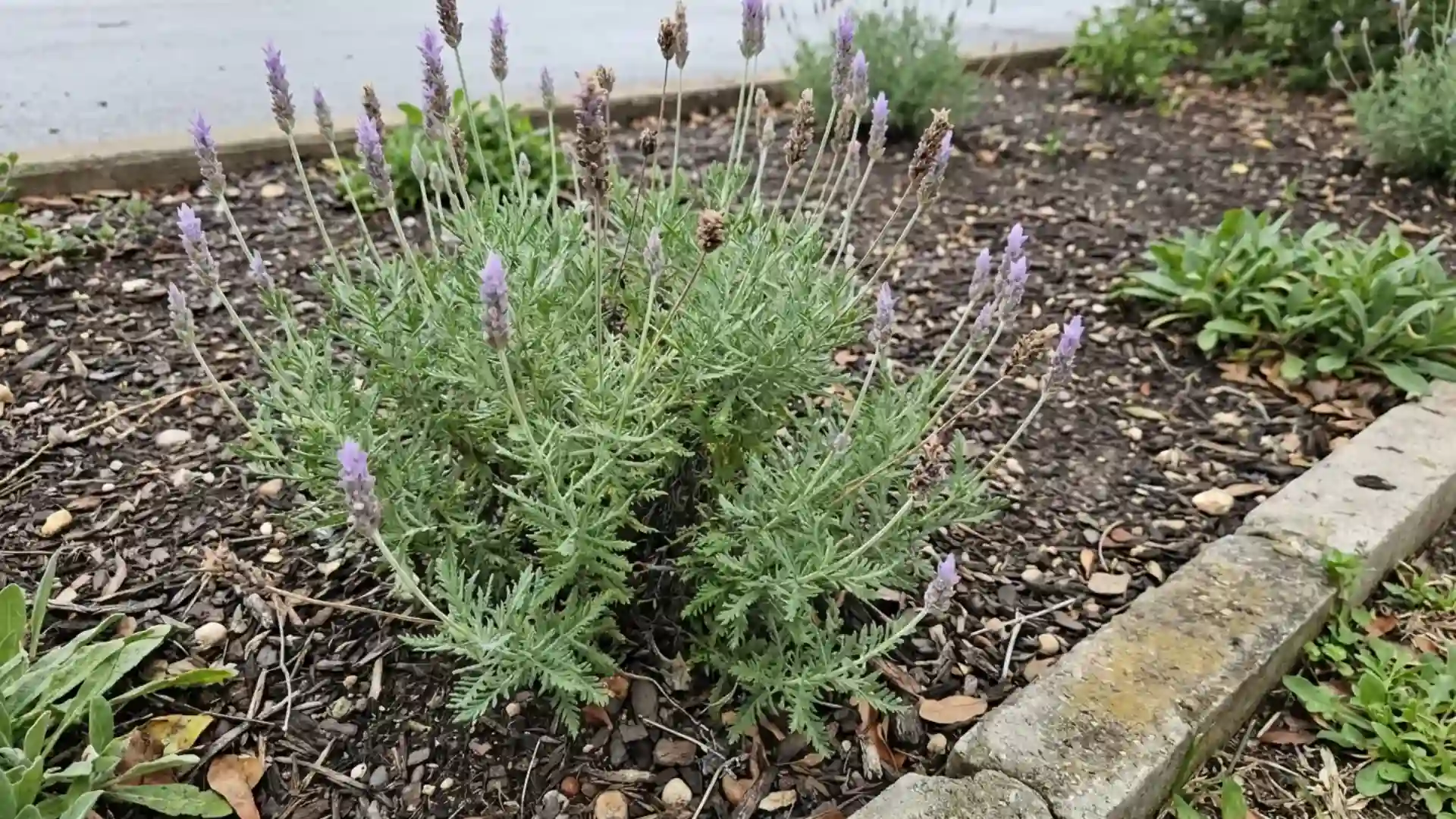
Known for its finely divided, almost lacy leaves, this species blooms longer than most lavenders, filling the garden with color over an extended stretch, but it cannot handle any frost at all.
- Height/spread: 18–24 in tall, 18 in wide
- Hardiness: Zones 9–11
- Bloom time: Nearly continuous in warm climates
- Fragrance: Mild, herbal
- Growing needs: Full sun, fast-draining soil, frost-free site
- Best for: Warm-climate borders, pollinator gardens
23. Lavandula viridis (Green Lavender)
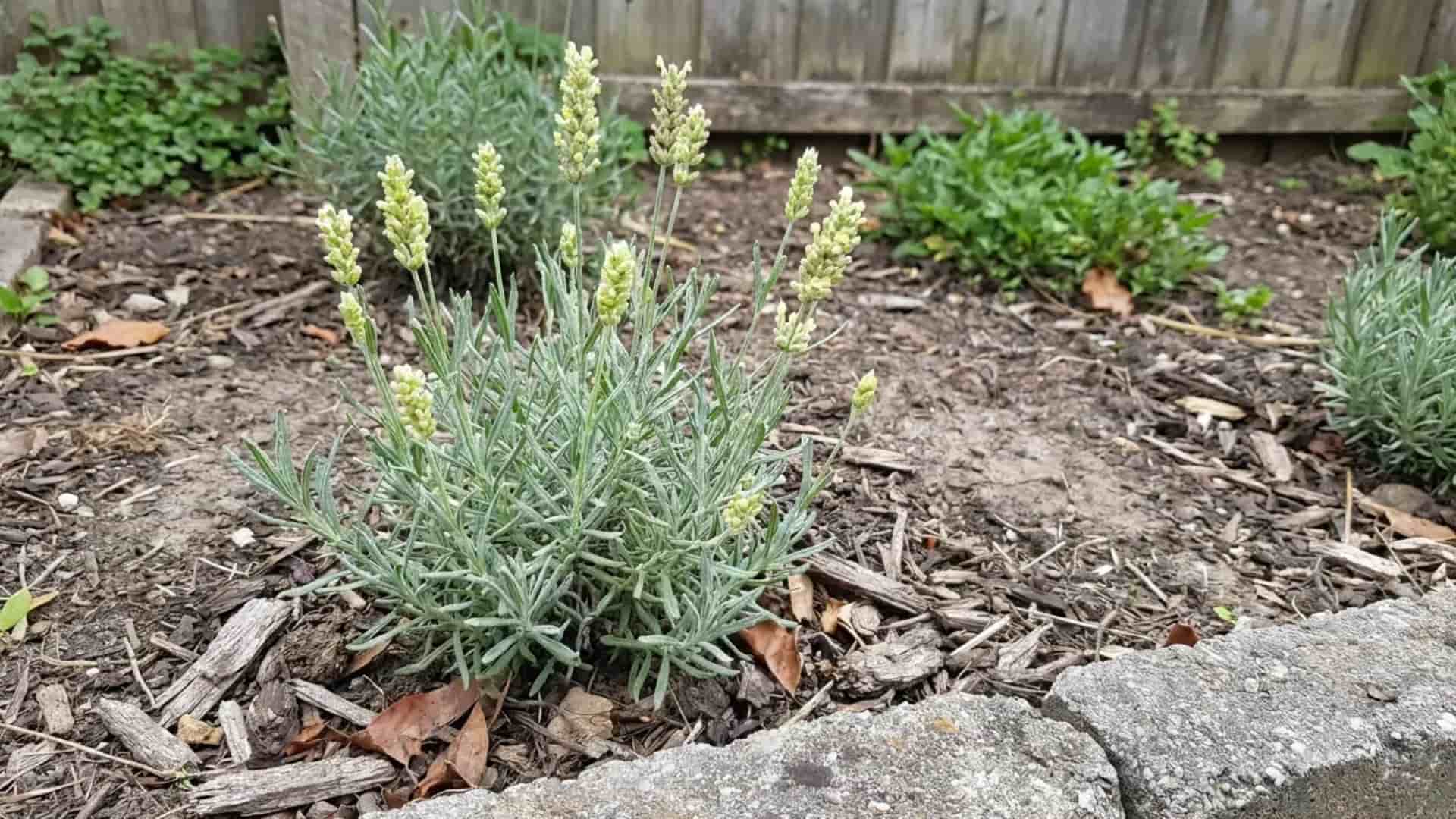
An unusual species with pale green-yellow flowers instead of the typical purple, giving it a distinctly novel look among lavenders and making it an easy conversation piece for anyone who spots it in bloom.
- Height/spread: 18–24 in tall, 18–24 in wide
- Hardiness: Zones 8–9
- Bloom time: Spring to early summer
- Fragrance: Sharp, resinous, more pine-like than sweet
- Growing needs: Sharp drainage, same as Stoechas relatives
- Best for: Novelty plantings, collectors’ gardens
24. Lavandula canariensis (Canary Island Lavender)
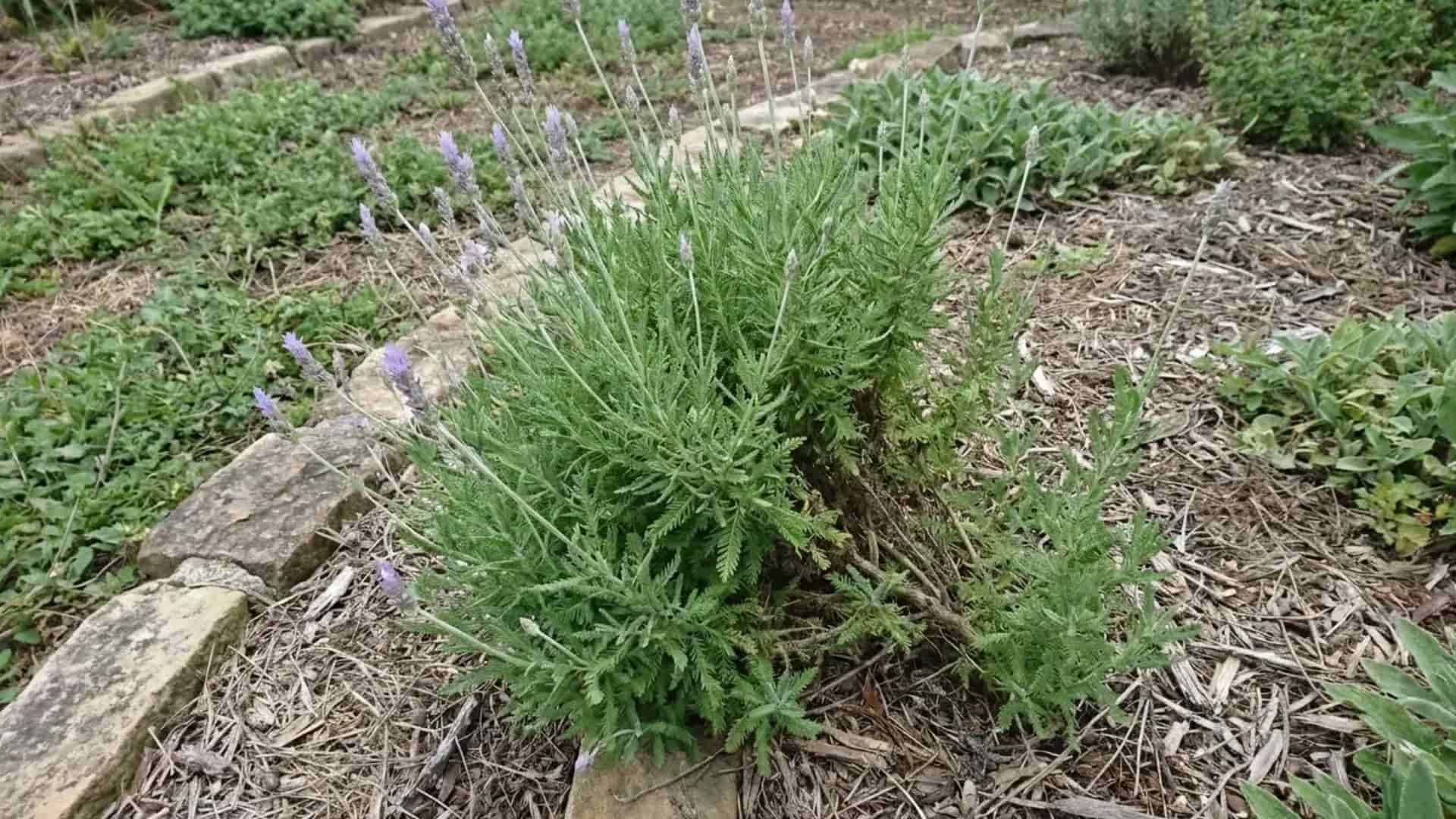
Larger and more shrub-like than most lavenders, this species stands out with deeply cut, fern-textured leaves and a subtle citrus undertone running through its foliage, giving it a lush, almost tropical look in the right setting.
- Height/spread: 24–48 in tall, 24 in wide
- Hardiness: Zones 9–11
- Bloom time: Nearly year-round in frost-free climates
- Fragrance: Mild, citrus-like undertone in the foliage
- Growing needs: Warm, frost-free site, cannot tolerate any frost
- Best for: Warm coastal gardens, large containers
25. Lavandula lanata (Woolly Lavender)
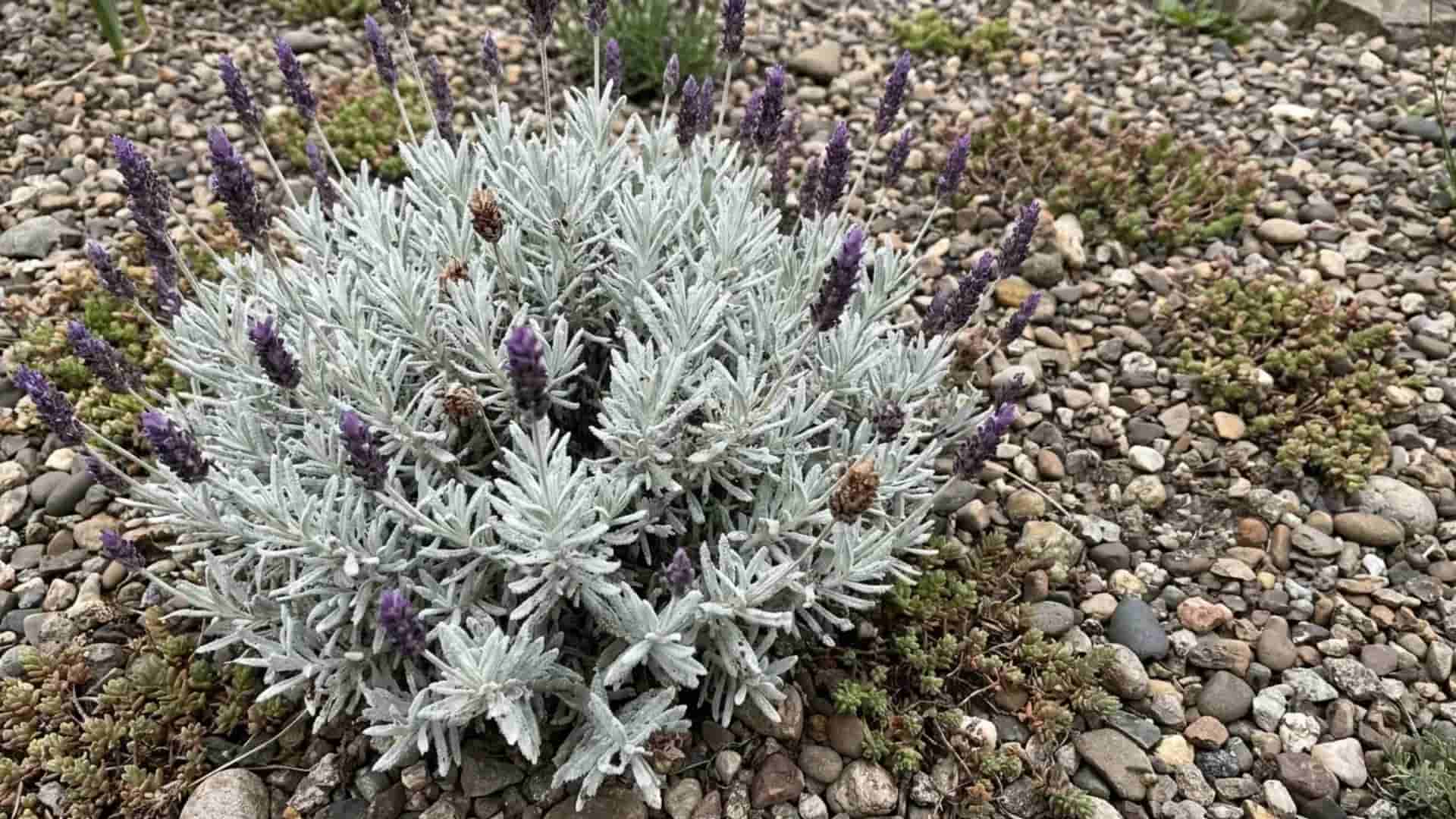
Named for its thick, felted, silvery-white leaves that feel almost woolly to the touch, this species carries a fragrance more intense than English lavender, though it demands the driest soil of any type on this list.
- Height/spread: 18–24 in tall, 18–24 in wide
- Hardiness: Zones 7–9
- Bloom time: Midsummer
- Fragrance: Strong, sweet, similar to English lavender but more intense
- Growing needs: Driest, sharpest drainage of any lavender; wet winter soil kills it
- Best for: Rock gardens, xeriscaping, foliage contrast
How to Choose Between These Types of Lavender?
A few quick pairings take the guesswork out of picking a lavender, matched to what your garden throws at it and what you want the plant to do.
| Garden Situation | Best Pick | Why It Works |
|---|---|---|
| Cold winters, down to zone 5 | English lavender or ‘Phenomenal’ (lavandin) | Both survive hard frost with good drainage |
| Hot, humid summers | ‘Phenomenal’ (lavandin) | Bred to resist mildew and root rot |
| Cooking, baking, sachets | English lavender | Sweeter fragrance, no harsh camphor notes |
| Long stems for cutting or drying | ‘Grosso’ or ‘Provence’ (lavandin) | Bred specifically for stem length |
| Cold climate, sunny patio | Spanish, French/dentata, or rare species, grown in pots | Move indoors before frost hits |
| Earliest spring bloom | Spanish lavender |
Flowers weeks ahead of English and lavandin |
Once you match the plant to your climate and your goal, the rest falls into place. Whichever pairing fits your garden, give it the sun and drainage it asks for, and it’ll settle in without much fuss.
The Universal Rules Every Lavender Follows
Whichever variety you land on, whether a compact English cultivar or one of the rarer warm-climate species, the same handful of ground rules keep it thriving season after season.
- Sun: A minimum of 6 hours of direct sun daily. More is better.
- Soil: Sandy or gritty, well-drained, neutral to slightly alkaline. Amend heavy clay with grit or plant in raised beds.
- Water: Regular watering to establish new plants, then deep and infrequent watering afterward. Overwatering is the most common cause of lavender failure.
- Pruning: Shear back by about a third after the main bloom flush to keep growth compact. Never cut into bare, leafless wood; most types will not resprout from it.
- Mulch: Use gravel around the crown instead of bark or compost, which holds moisture against the stems and invites rot.
Frequently Asked Questions (FAQs)
What are the Main Types of Lavender?
English, Lavandin, Spanish, French/Fringed, and Portuguese are the five main groups.
Which Lavender is the Most Cold-Hardy?
English lavender survives down to zone 5 with good drainage.
How Big Does Lavender Get?
Anywhere from 10 inches to 36 inches tall, depending on type.
Which Lavender is Best For Cooking?
English lavender, thanks to its sweeter, cleaner fragrance.
Final Thoughts
Every lavender wants something different from you. Some shrug off harsh winters. Others bloom hard in one warm season, then fade.
In my own beds, the plants that struggled most were always the ones I babied with extra water and rich soil, not the ones I left alone in gritty, lean ground.
Pick the one that fits your yard, not the prettiest photo online. Baking? Go English. Stems to dry? Grosso. Mild climate, sunny patio? Try a rarer type. Give it sun, gritty soil, and light water, and it’ll thank you for years.
Found your match? Tell us which one in the comments, and pass this along to anyone still stuck choosing.