Mealybugs often hide in plain sight, and by the time you notice their white, cotton-like clusters, they may already be weakening your plant from the inside.
These tiny pests spread quickly, leaving sticky leaves, yellowing growth, and damaged foliage behind.
Removing the bugs you can see is only the first step. Consistent follow-up is what actually keeps mealybugs from coming back.
Below, you’ll find practical methods for how to get rid of mealybugs, including alcohol treatment, water washing, neem oil, and targeted sprays, along with early warning signs, common mistakes, and post-treatment care.
What are Mealybugs and Why Do They Attack Plants?
Mealybugs are small, soft-bodied insects that feed on plant sap and often hide in hard-to-reach areas, such as leaf joints, stems, and the undersides of leaves.
They weaken plants by draining nutrients, which can lead to yellowing leaves, slow growth, and leaf drop over time.
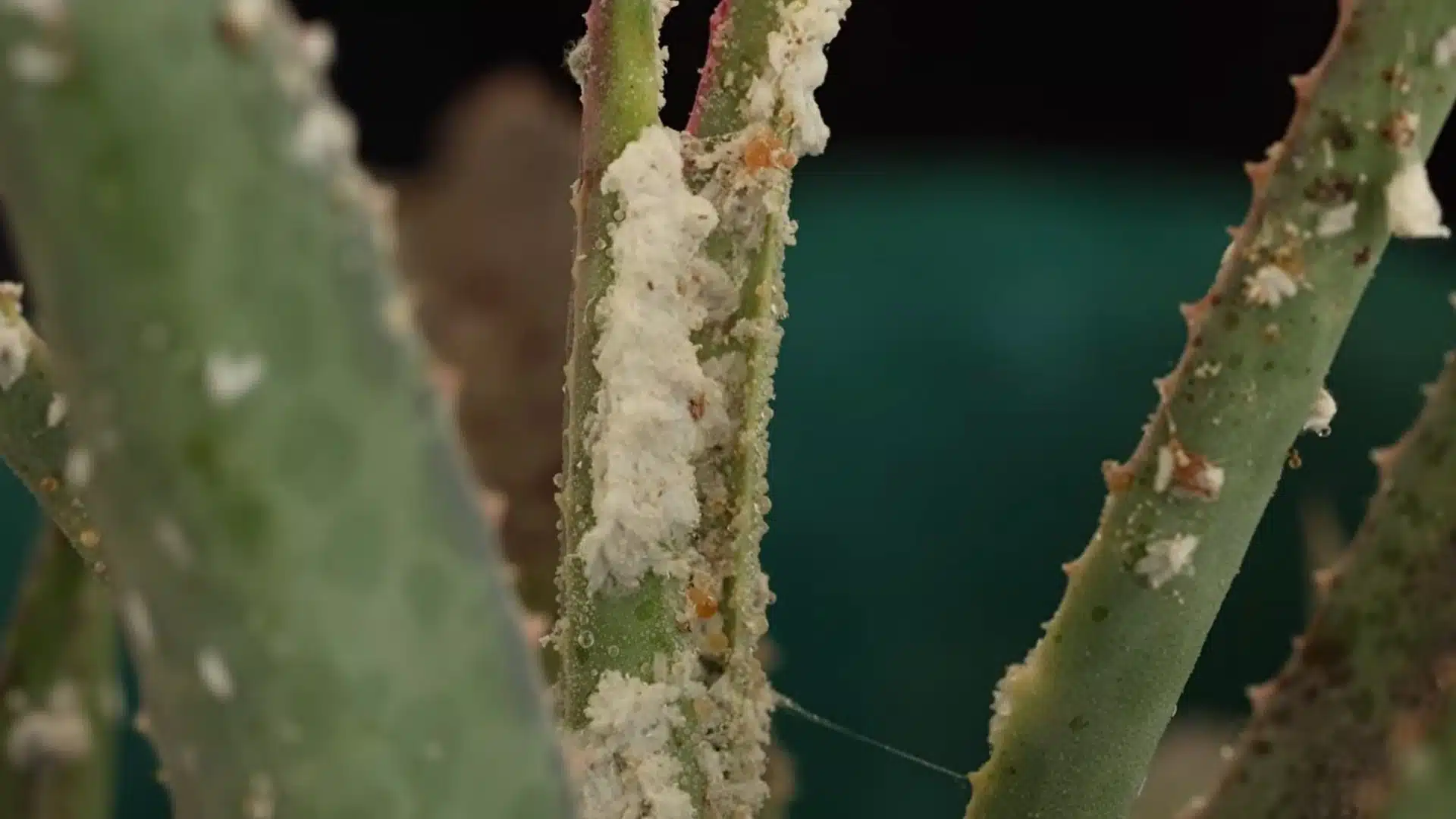
You can miss the first few bugs entirely because they look like dust or harmless white spots, and that’s exactly what makes early infestations so easy to overlook.
These pests are attracted to plants with tender growth, overcrowded foliage, or stress from inconsistent care. Knowing where mealybugs hide and why they appear makes choosing the right treatment much easier.
Before treating the infestation, learn the early signs that reveal mealybugs are already affecting your plant.
Early Signs of Mealybugs on Plants
Mealybugs are easier to manage when detected early, as small infestations are easier to control before they spread. These pests often hide in hard-to-miss areas, so regular plant checks are important.
- White Clusters: Look for cotton-like patches around stems, leaf joints, and growing points where mealybugs commonly gather.
- Sticky Leaves: Check for honeydew residue, which can leave leaves feeling sticky and may attract other problems.
- Yellowing Foliage: Notice leaves losing color or weakening as mealybugs feed on plant sap.
- Slow Growth: Watch for smaller new leaves or reduced growth caused by ongoing pest activity.
- Hidden Colonies: Inspect leaf undersides and crowded areas because small groups can quickly become larger infestations.
Regularly checking your plants for these warning signs can help you catch mealybugs before they cause major damage. Early action makes treatment simpler and gives your plant a better chance of recovering quickly.
Quick DIY Treatments: How to Get Rid of Mealybugs Fast?
For small infestations, simple DIY treatments can help remove mealybugs before they spread further. These methods work best with regular checks and repeated care because hidden insects may survive the first attempt.
| Treatment Method | How It Helps |
|---|---|
| Alcohol Spot Treatment | Apply 70% rubbing alcohol with a cotton swab to kill visible mealybugs on contact. |
| Water Spray | Use a steady stream of water to remove exposed bugs from leaves and plant crevices. |
| Neem Oil Spray | Coat affected areas to control any remaining pests and reduce the risk of repeat infestations. |
Consistency is important for lasting results. Continue monitoring your plant and repeat treatments when needed to catch any remaining pests before they multiply.
Materials Required to Get Rid of Mealybugs
Before starting treatment, gather the right supplies to remove visible pests, apply treatments safely, and monitor the plant afterward.
- 70% Rubbing Alcohol
- Cotton Swabs
- Spray Bottle
- Neem Oil
- Soft Cloth or Paper Towel
- Clean Water
- Mild Insecticidal Soap
- Gloves
- Pruning Shears
- Fresh Potting Soil
A quick safety note: rubbing alcohol, neem oil, and insecticidal soap are generally low-risk for treating houseplants, but they can still irritate skin or eyes on contact. Wear gloves, keep sprays away from pets and young children until leaves are dry, and work in a ventilated space when spraying indoors.
Once you have the necessary supplies ready, start with the treatment method that best matches the severity of your mealybug infestation. The following steps will help remove existing pests and prevent them from spreading further.
Step-by-Step: How to Get Rid of Mealybugs on Plants
Before treating mealybugs, it helps to understand that the right approach depends on the infestation’s severity.
Small colonies can often be removed with simple cleaning, while larger problems need repeated treatments and closer monitoring.
Follow these steps to remove visible pests, treat hidden insects, and reduce the chances of mealybugs returning.
Step 1: Isolate the Infested Plant
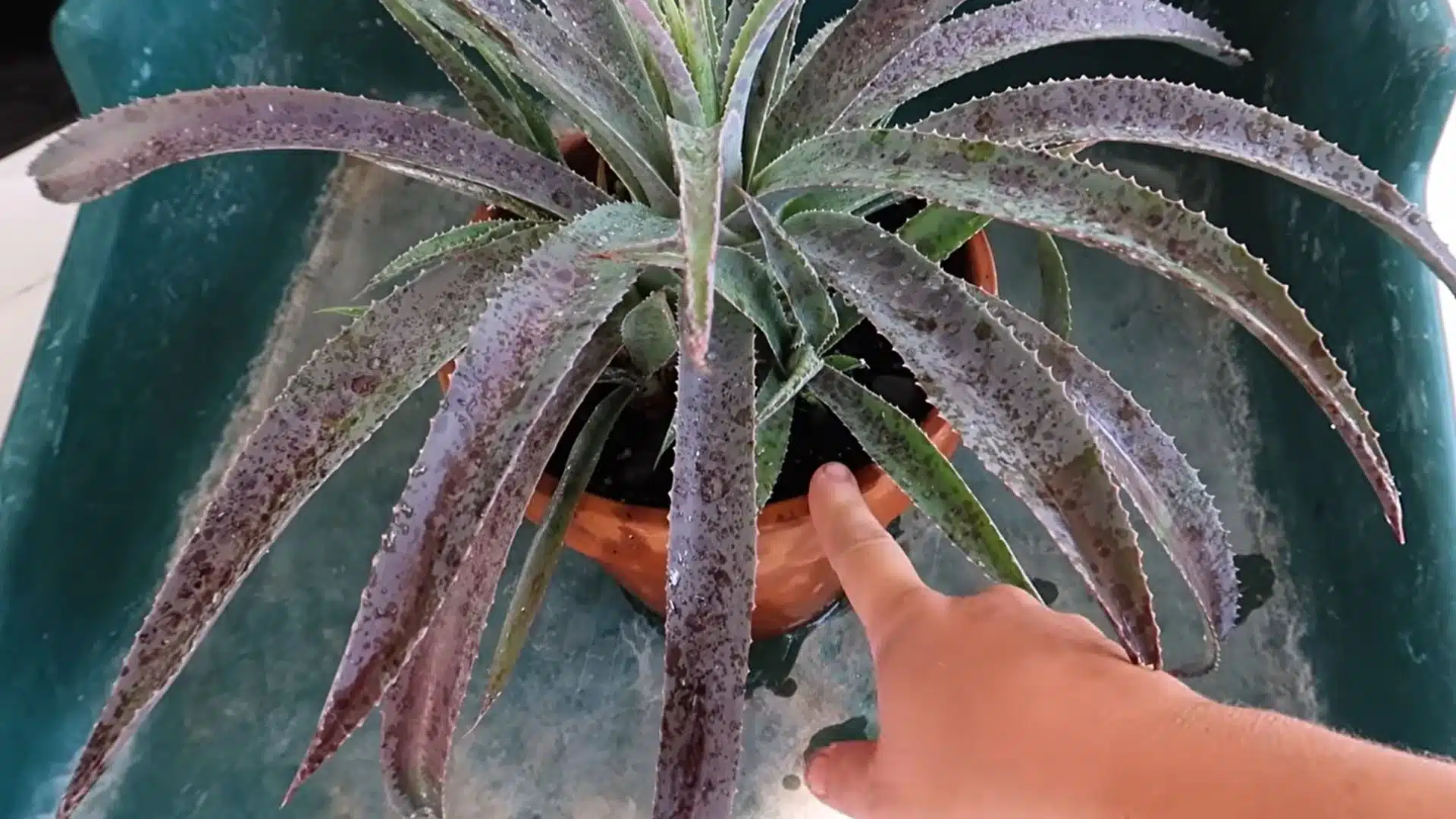
Move the affected plant away from other plants immediately after noticing mealybugs.
Isolation limits the chance of pests spreading while you inspect the plant and begin treatment. Place it in a separate area with suitable light and airflow until the infestation is controlled.
Tip: Check nearby plants carefully, as mealybugs may already be spreading.
Step 2: Remove Visible Mealybugs Manually
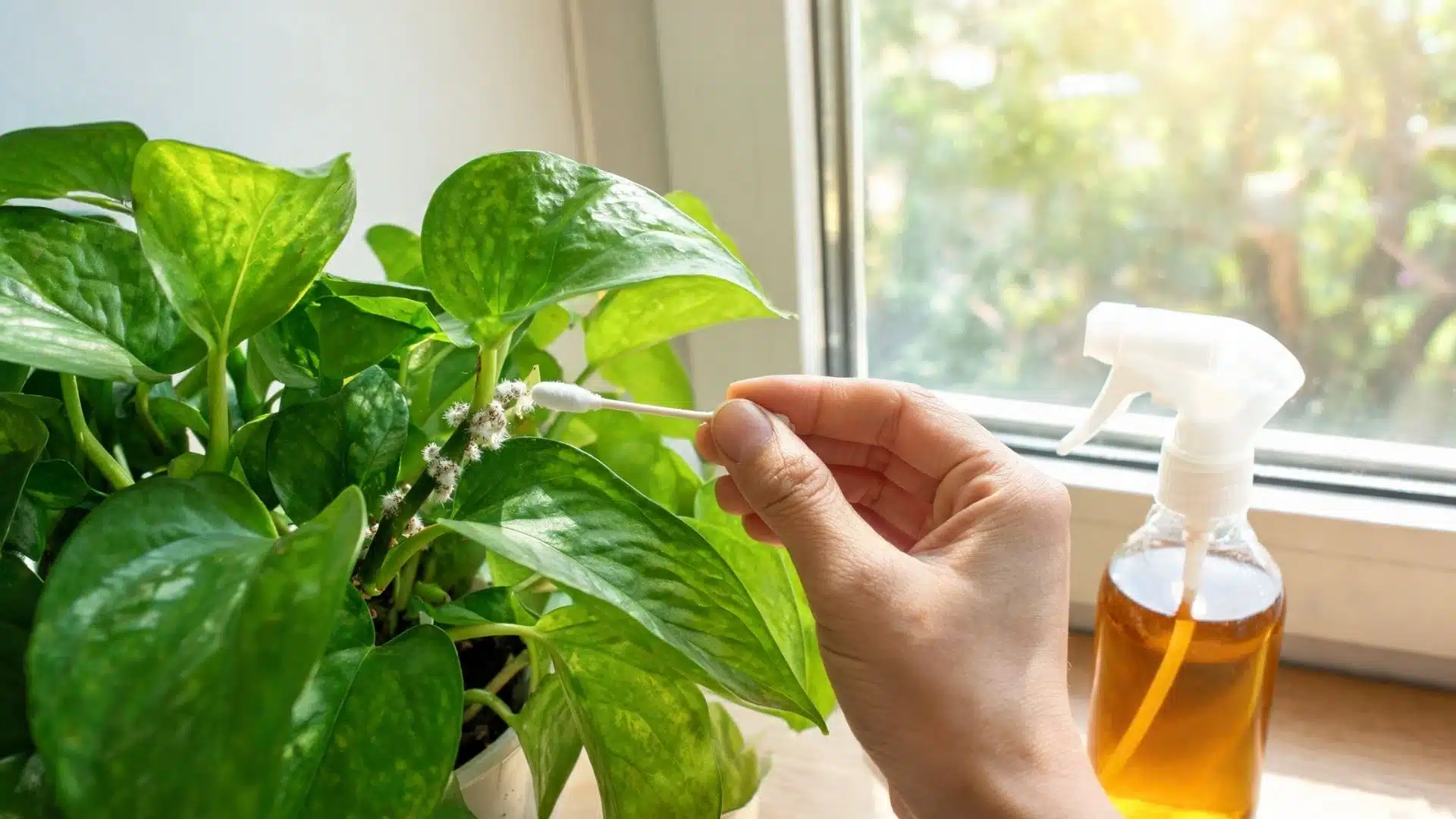
For small infestations, remove visible mealybugs using a cotton swab dipped in 70% rubbing alcohol.
Gently wipe leaves, stems, and plant joints where these pests commonly hide. This method works best when colonies are limited and easy to spot.
Tip: Inspect under leaves and between stems because hidden bugs are often missed.
Step 3: Wash the Plant Thoroughly
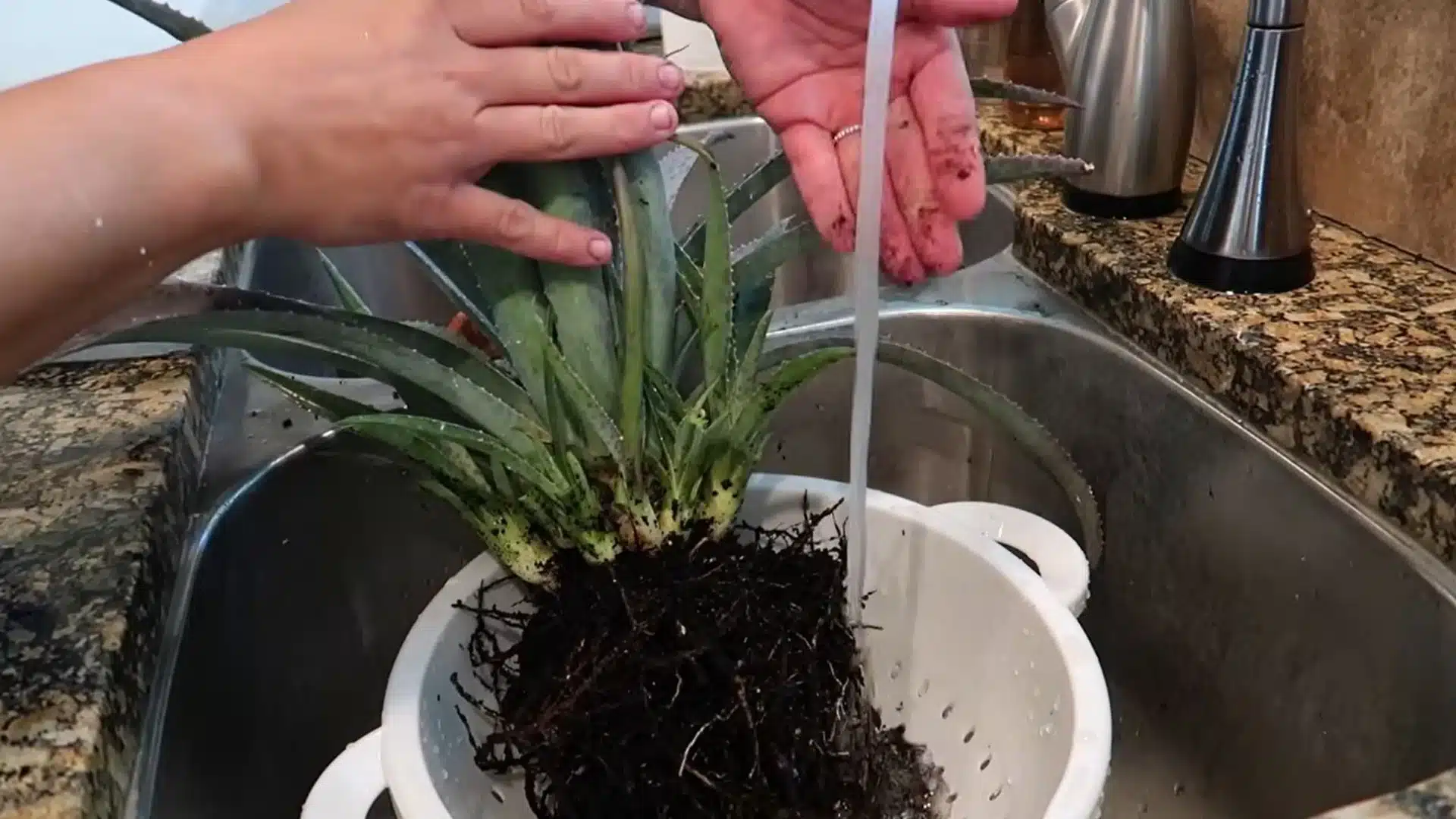
Use a steady stream of water from a sink, shower, or hose to knock mealybugs off the plant.
Spray around leaf joints, stems, and crowded areas where insects gather. Washing helps remove many visible pests before applying additional treatments.
Tip: Support delicate leaves with your hand to avoid damaging them.
Step 4: Apply Neem Oil or Insecticidal Spray
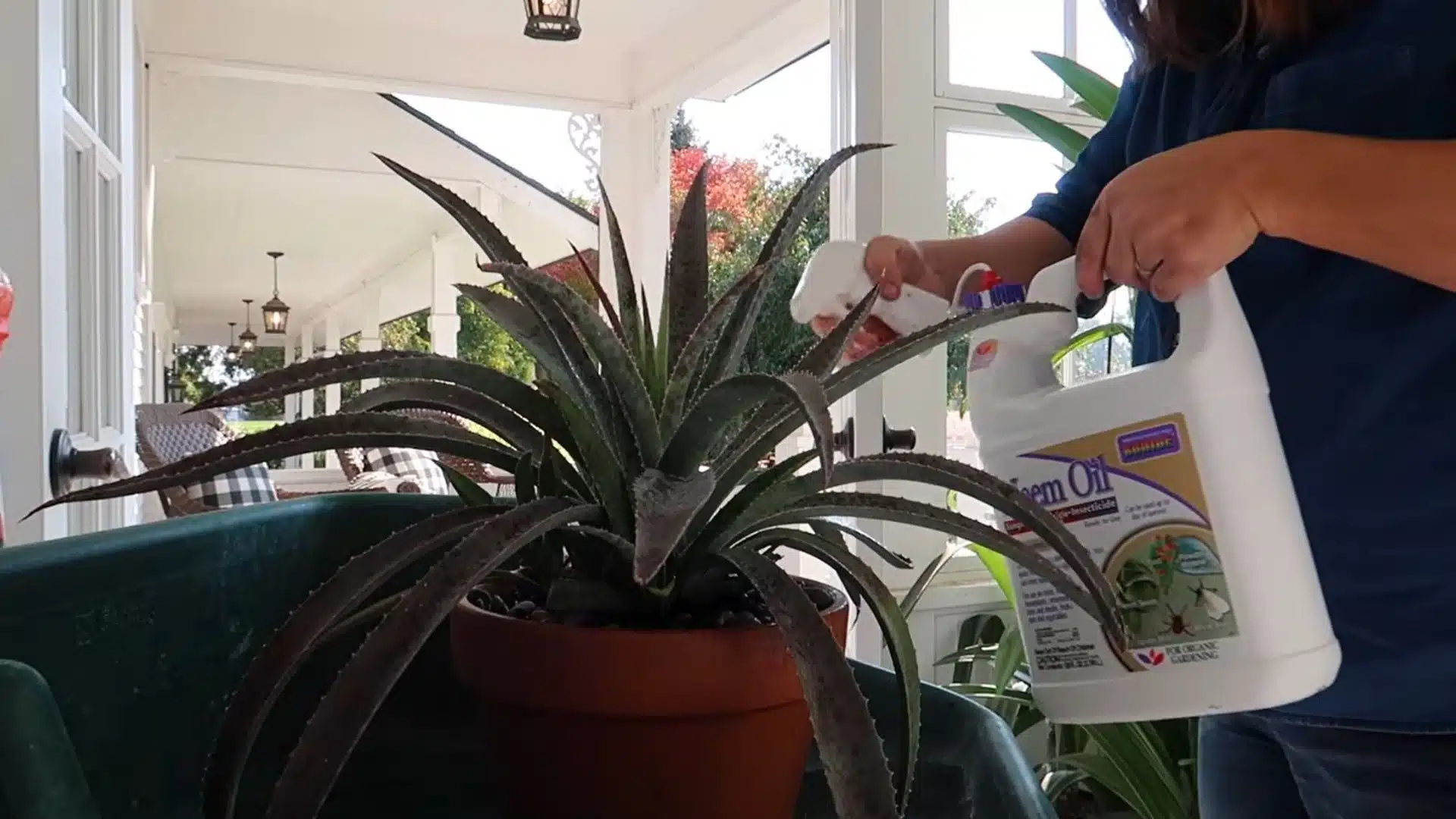
Spray neem oil or insecticidal soap over the entire plant surface, including leaf tops, undersides, stems, and hidden cracks.
These treatments help target remaining insects that manual removal may miss and reduce the chances of the infestation returning.
Tip: Test the spray on one leaf first to check for sensitivity.
Step 5: Clean the Plant Area
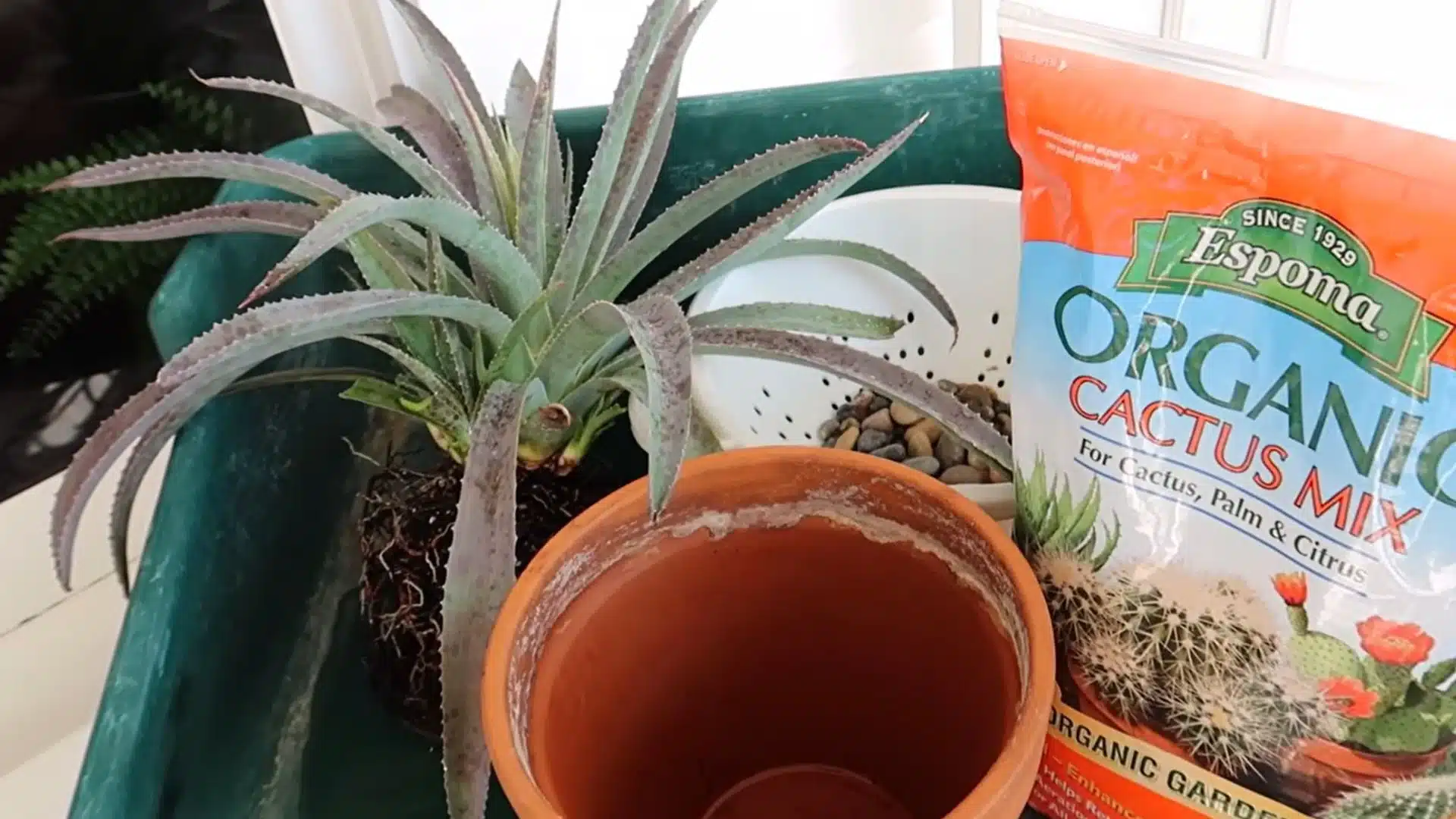
Remove fallen leaves, dead plant material, and debris around the pot where pests may hide.
Cleaning the surrounding area reduces possible breeding spots and makes it easier to notice new signs of infestation.
Tip: Wipe nearby surfaces and inspect neighboring plants regularly.
Step 6: Treat Severe Root Infestations
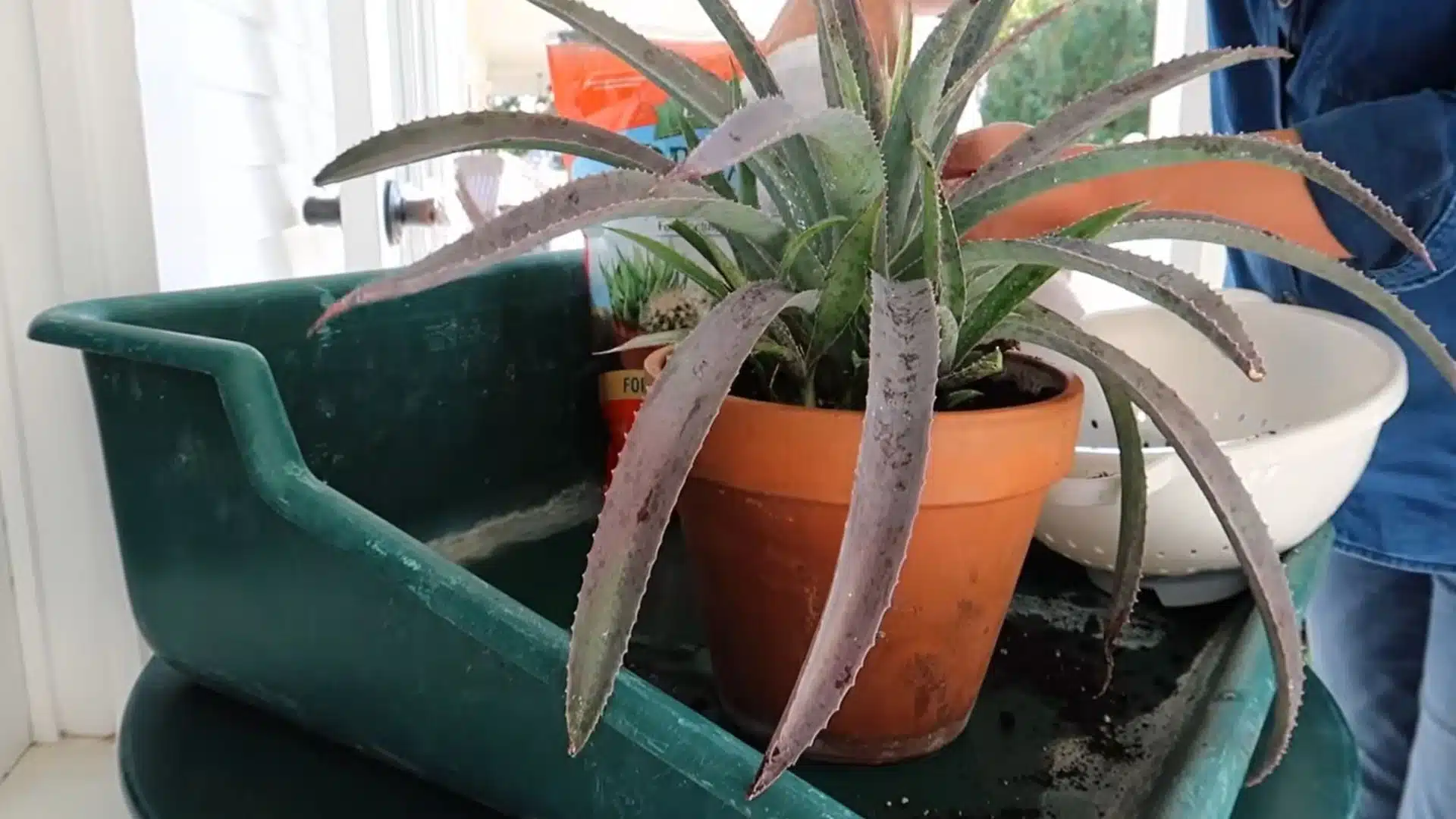
If mealybugs continue returning after leaf treatments, they may have moved into the soil or roots.
Remove the plant carefully, replace the affected soil, clean the container, and repot it in fresh potting mix to reduce hidden pest populations.
Tip: Avoid repotting healthy plants unless there are signs of soil infestation.
A visual explanation of the process:
CREDIT – the Garden Answer to better illustrate the steps.
Best Treatment Method Based on Infestation Level
Not every mealybug infestation requires the same approach. Using a strong treatment for a small problem can add unnecessary stress to your plant, while a mild solution may not control a larger colony.
It works better to match the treatment with what you actually see, whether it is a few visible insects or signs of a deeper infestation. This approach saves time and helps avoid repeated trial and error.
Use the table below to choose the right starting method based on your plant’s condition.
| Infestation Level | Best Method |
|---|---|
| Few visible bugs | Alcohol cotton swab treatment |
| Several leaves affected | Water spray + insecticidal soap |
| Repeated infestation | Neem oil or insecticidal soap |
| White bugs near the soil | Root inspection and repotting |
How Often Should You Treat Mealybugs?
Mealybug treatment usually requires more than one application because eggs and hidden insects can survive the first treatment.
Follow a consistent schedule while checking the plant’s condition between applications. Adjust the frequency based on whether you still find active bugs.
- Every 7–10 Days: Repeat sprays or treatments until no new mealybugs appear.
- After 3–4 Weeks: Most infestations should show major improvement with consistent follow-up.
- Every Few Days: Check new growth, leaf joints, and nearby plants for returning pests.
- After No Signs Appear: Stop regular treatment once the plant stays clear through multiple inspections.
Regular monitoring after treatment helps catch any remaining pests before they rebuild into a larger infestation. Staying consistent with follow-up applications gives your plant the best chance of recovery and long-term health.
Common Mistakes That Keep Mealybugs Coming Back
Many mealybug infestations return because visible insects are removed, but hidden pests are left behind. These small colonies can quickly regrow, especially when nearby plants are not controlled or treatments are stopped too soon.
Found that proper follow-up and careful inspection are just as important as the first treatment. Avoiding these common mistakes helps reduce the chances of repeated infestations.
| Common Mistake | Why It Causes Problems |
|---|---|
| Skipping Follow-Up | One treatment may not eliminate all life stages, allowing hidden insects to hatch later. |
| Missing Hidden Areas | Mealybugs often survive under leaves, around stems, and inside plant crevices. |
| Overusing Alcohol | Applying too much alcohol repeatedly can dry out or damage sensitive foliage. |
| Ignoring Nearby Plants | Untreated plants may already carry mealybugs and restart the infestation. |
Checking your plants regularly and adjusting your treatment approach helps prevent small pest problems from becoming difficult to manage again.
Are Mealybugs Harmful to Humans or Pets?
This section is for general informational purposes and is not a substitute for advice from a veterinarian or a licensed pest control professional.
Mealybugs feed only on plant sap and pose no direct threat to humans or pets. They don’t bite, sting, or spread disease to people or animals.
The bigger risk comes from the treatment products rather than the pests themselves.
Rubbing alcohol, neem oil, and insecticidal soap should be kept out of reach of curious pets and small children until the leaves are fully dry, as contact or ingestion can cause mild irritation.
If a pet chews on a recently treated leaf, it’s worth calling a veterinarian or an animal poison control hotline just to be safe, since sensitivity varies between plants, products, and pets.
How to Help Plants Recover After Mealybug Treatment?
Removing mealybugs is only the first step in restoring plant health. After treatment, plants need gentle care as they recover from feeding damage and stress.
Avoid making sudden changes that may further weaken the plant. Focus on stable conditions, regular observation, and simple maintenance until healthy growth returns.
- Clean Damaged Leaves: Remove yellowing or heavily damaged leaves to improve the plant’s appearance and reduce stress.
- Adjust Watering Habits: Maintain proper soil moisture and avoid overwatering during the recovery period.
- Provide Suitable Light: Keep the plant in its preferred light conditions to support fresh leaf growth.
- Avoid Extra Fertilizer: Delay heavy feeding after treatment to prevent unnecessary stress on recovering roots.
With consistent care and patience, most plants can recover once mealybugs are controlled and healthy growing conditions are restored.
Community Discussion: What Plant Owners Say About Mealybug Problems
A Reddit discussion titled “I got the mealybugs bad! Can anyone recommend a way to get rid of them?” on r/houseplants shows how plant owners handle recurring infestations.
Several users reported that 70% isopropyl alcohol applied with a cotton swab was among the most effective methods for removing visible mealybugs.
Many recommended wiping leaves, stems, and hidden areas regularly because missed insects can quickly rebuild the colony.
The discussion also highlighted that the difficult part is not always killing visible bugs but keeping up with follow-up treatments as new insects hatch.
A simple treatment, properly repeated, often works better than constantly switching between methods. Regularly checking plants is what prevents a small infestation from becoming a larger problem.
Frequently Asked Questions (FAQs)
What Kills Mealybugs Instantly on Plants?
70% rubbing alcohol is one of the fastest ways to kill visible mealybugs on contact. Applying it directly with a cotton swab can quickly remove small colonies.
Can Rubbing Alcohol Damage Houseplants?
Rubbing alcohol can damage some sensitive plants if used too often or applied heavily. Always test it on a small area of leaf first and avoid soaking the plant.
How Long Does It Take to Remove Mealybugs?
Removing mealybugs can take 3–4 weeks because new insects may hatch after the first treatment. Regular checks and repeated applications every 7–10 days help break the life cycle and prevent the infestation from returning.
Can Mealybugs Survive in Potting Soil?
Yes, some mealybug species can hide around roots and soil surfaces. If you notice white residue near the soil line or repeated infestations after treating the leaves, inspect the roots and consider replacing contaminated soil.
Should I Throw Away a Plant with Mealybugs?
Most plants do not need to be discarded unless the infestation is severe and the plant is declining despite repeated treatment. Isolating the plant and using consistent control methods can often save it.
The Bottom Line
Mealybugs are frustrating, but they’re manageable once you focus on consistent care instead of quick fixes.
Removing visible insects, checking hidden areas, and repeating treatments at the right intervals make the real difference in controlling an infestation.
Understanding your plant’s condition and matching it to the right method prevents unnecessary treatments and helps recovery happen faster.
Knowing how to get rid of mealybugs lets you act early, and learning how to get rid of mealybugs on plants at different infestation levels means you can handle whatever shows up next with confidence.
Keep monitoring your plants, share your experiences in the comments, and let us know which treatment worked best for you.