Forget bug spray, nature already has a pest control system built in, and it flies on iridescent wings. More homeowners are intentionally attracting dragonflies to their yards, and it’s not just for the visual appeal.
These natural predators feast on mosquitoes, gnats, flies, and other nuisance insects, making them one of the best low-effort additions to any outdoor space.
But here’s the catch: dragonflies won’t stick around for a single well-placed plant. They need a full habitat, water, vegetation, sunlight, and shelter, working together.
Here, you’ll learn exactly what attracts dragonflies, the best plants to grow, which water features work best, how to design a habitat they’ll actually stay in, and the common mistakes that quietly keep them away.
Why are Dragonflies Good for Your Garden?
Dragonflies bring more to a garden than good looks; they play an active role in keeping pests down and the ecosystem balanced. Here’s why they’re worth intentionally attracting.
- They control mosquitoes naturally, eating dozens to hundreds of insects a day without any chemicals involved.
- They target more than mosquitoes, also feeding on gnats, flies, moths, and other small flying insects.
- They support pollinator-friendly gardens, thriving alongside bees, butterflies, and other beneficial insects.
- They signal a healthy ecosystem, since their presence often indicates clean water and strong biodiversity.
- Their life cycle depends on water, progressing from egg to aquatic nymph to adult, all of which rely on ponds to survive.
Attracting dragonflies means welcoming a natural pest controller and an ecosystem indicator all in one. A garden that supports them is, by nature, a healthier and more balanced space overall.
What are Dragonflies Attracted to?
Dragonflies are attracted to a specific combination of features that support both hunting and breeding.
Fresh water tops the list, since it’s essential for egg-laying and nymph development. Aquatic plants offer shelter, while sunny open areas provide the warmth dragonflies need to fly and hunt effectively.
Tall perching spots let them scan for prey, which mainly consists of flying insects like mosquitoes and gnats.
Native vegetation supports a healthier overall ecosystem, and chemical-free gardens ensure that their food sources and habitats remain safe and abundant.
Quick Summary Table
| Attraction | Why It Matters |
|---|---|
| Pond | Egg laying |
| Aquatic plants | Shelter and breeding |
| Tall stems | Hunting perches |
| Sunlight | Warm flight conditions |
| Insects | Food source |
| Native plants | Healthy ecosystem |
Step-by-Step: How to Attract Dragonflies?
Dragonflies do more than look beautiful, darting across the garden; they’re natural pest control, snapping up mosquitoes and gnats by the hundreds.
With the right water feature, plants, and a bit of patience, you can turn any yard into a dragonfly haven.
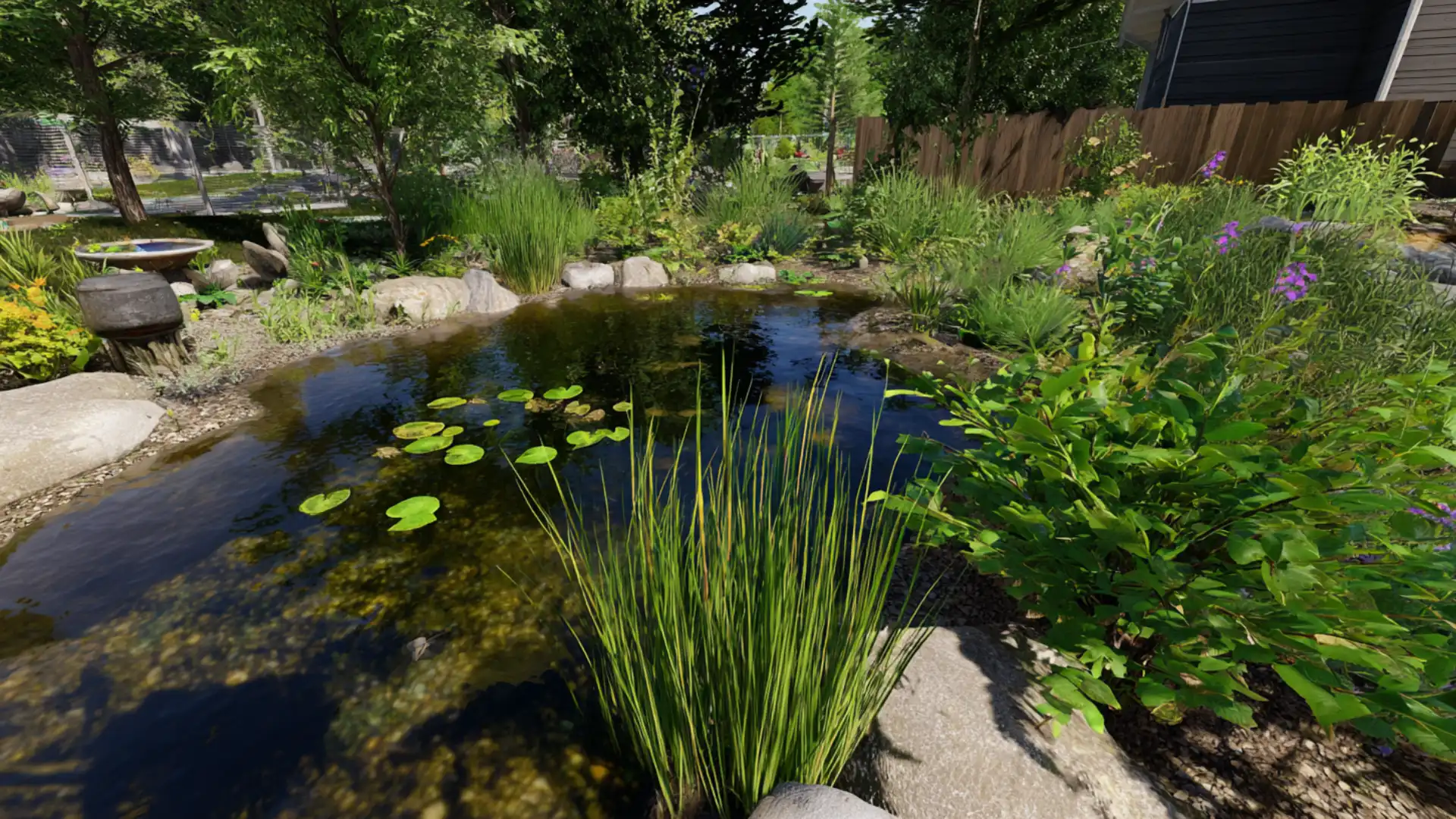
Step 1: Add a Pond or Water Feature
A water source is the single biggest draw for dragonflies.
Garden ponds, wildlife ponds, and mini or container ponds all work, as do water barrels and small fountains (though fountains mainly help with cooling rather than breeding, since dragonflies prefer still water).
Aim for a mix of depths, gentle sloping edges, and partial to full sun, with at least one calm area free of ripples.
Step 2: Plant Aquatic Vegetation
Dragonflies lay their eggs on or near water plants, so vegetation matters as much as the water itself.
Add floating plants like water lilies and frogbit for egg-laying surfaces; emergent plants like pickerelweed, arrowhead, cattails, and rushes for perching and shelter; and oxygenating plants like hornwort and wild celery to oxygenate the water and provide larvae with a safe place to grow and develop underwater.
Step 3: Grow Flowering Plants That Attract Dragonfly Prey
Dragonflies don’t eat flowers; they eat the insects flowers attract. Planting nectar-rich blooms nearby draws in mosquitoes, gnats, flies, and other small insects that make up a dragonfly’s diet.
Yarrow, black-eyed Susans, coneflowers, and daisies all work well for this purpose. More prey means more dragonflies sticking around, turning your garden into a steady hunting ground rather than just a quick pit stop.
What Plants Do Dragonflies Like?
Dragonflies are drawn to gardens that offer more than just water; they need the right plants for perching, hunting, and shelter.
Here’s a breakdown of the best options across categories.
| Category | Plant | Why Dragonflies Like It |
|---|---|---|
| Flowering Perennial | Black-eyed Susan | Attracts small insects, dragonflies feed on |
| Purple coneflower | Long bloom time keeps prey insects nearby | |
| Joe-Pye weed | Nectar-rich blooms draw in flying insects | |
| Swamp milkweed | Thrives near water, doubles as a prey habitat | |
| Yarrow | Flat clusters attract easy-to-catch insects | |
| Meadow sage | Draws pollinators that dragonflies hunt | |
| Pond-Edge Plant | Blue flag iris | Sturdy stems offer perching spots near water |
| Pickerelweed | Common egg-laying surface for females | |
| Cardinal flower | Bright blooms attract insects near the pond edge | |
| Marsh marigold | Grows in shallow water, adds shelter for larvae | |
| Tall Grass/Reed | Switchgrass | Provides resting spots away from open water |
| Soft rush | Offers hunting perches to scan for prey | |
| Sedges | Adds wind protection along pond edges | |
| Native reeds | Creates cover and vertical perches for territory display |
Create the Perfect Dragonfly Habitat
Attracting dragonflies isn’t about a single trick; it’s about designing a space that supports their entire life cycle.
Here’s how to bring it all together.
1. Provide Sunny Open Spaces
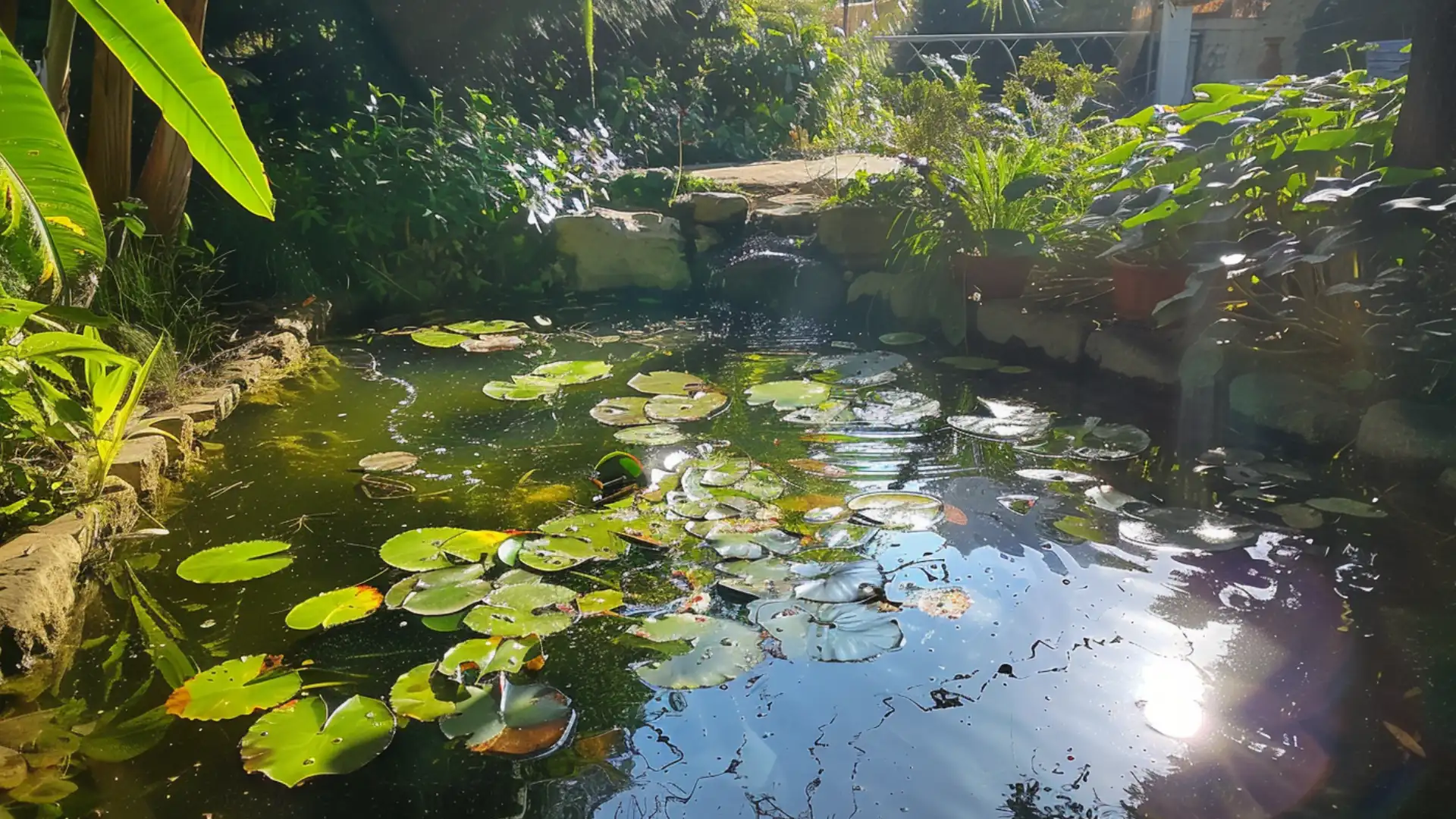
Dragonflies are visual hunters, relying on sunlight to spot prey and regulate their body temperature.
Shade significantly reduces their activity, making shaded ponds far less attractive to them. Place your pond or water feature in a spot that gets partial to full sun throughout the day.
Warmth keeps dragonflies active longer, encourages basking, and supports faster larval development, making sunny placement one of the most important habitat decisions you’ll make.
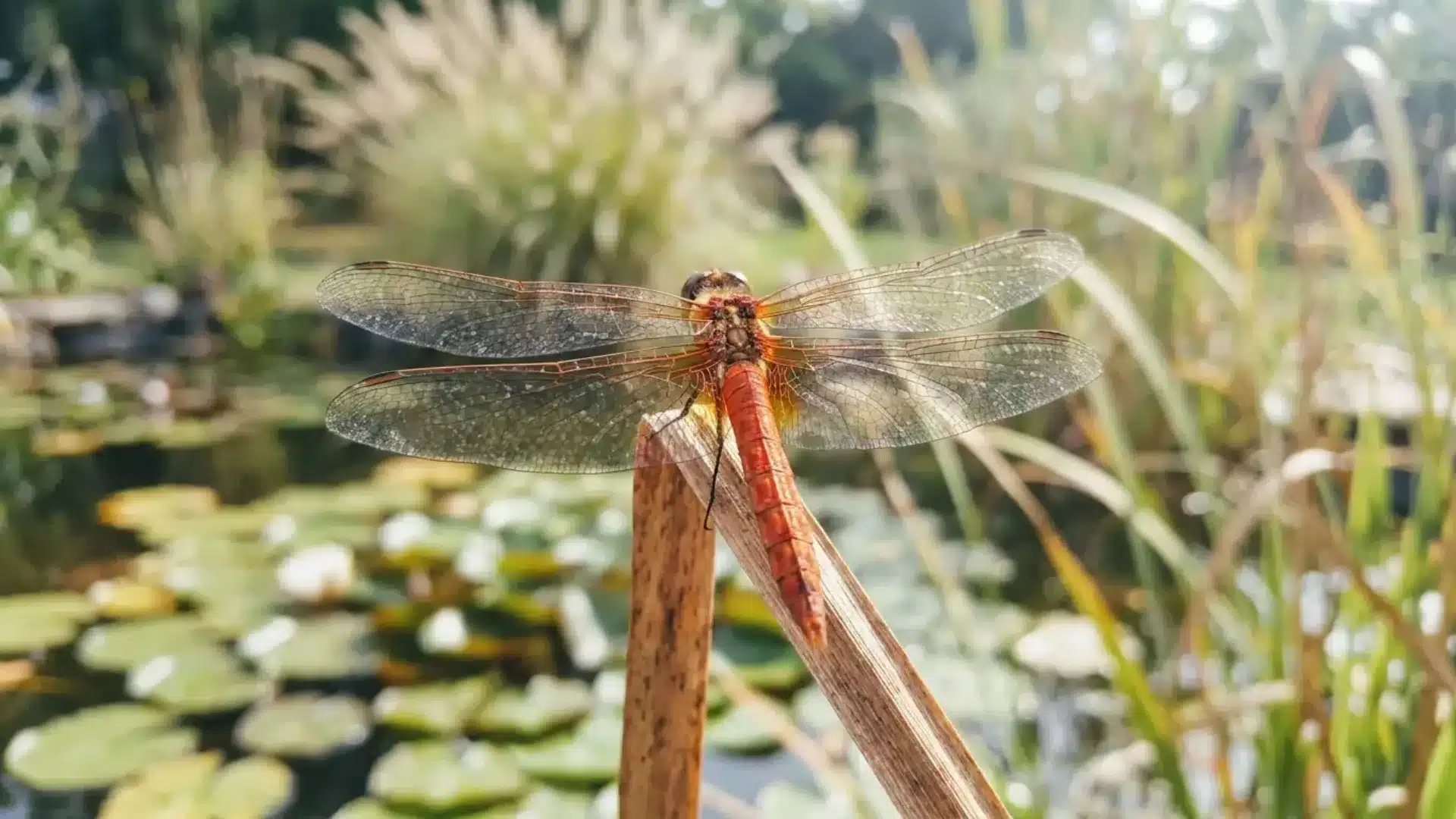
2. Add Natural Perching Spots
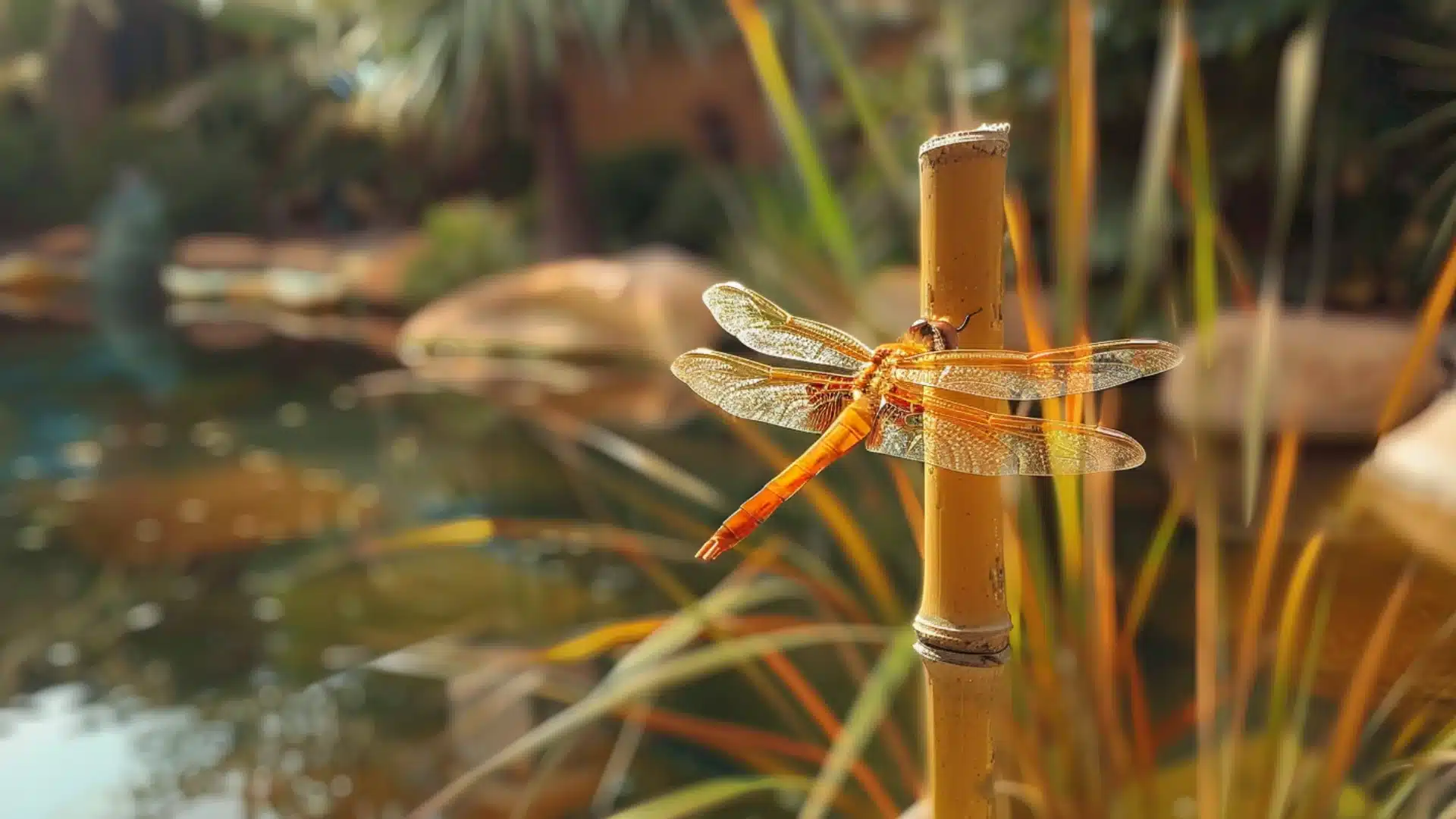
Dragonflies need elevated spots to rest, watch for prey, and defend territory. Bamboo stakes, decorative branches, and garden obelisks all work well near water features.
Tall ornamental grasses offer natural perches with added movement and texture, while dead stems left standing through fall and winter provide extra structure.
These simple additions cost little but make a noticeable difference in how often dragonflies linger, hunt, and return to your garden.
3. Keep Different Plant Heights
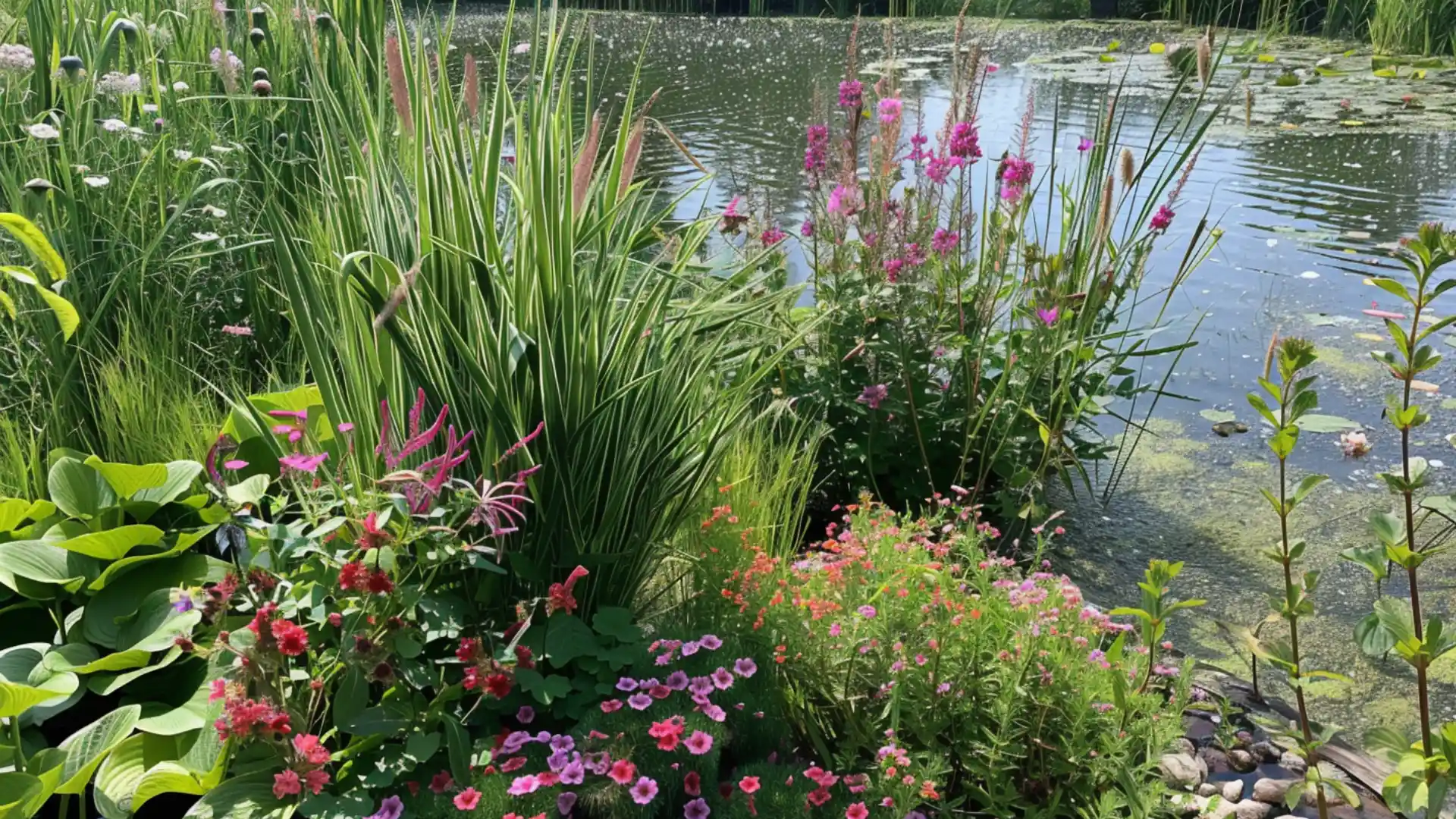
A layered garden mimics natural dragonfly habitat far better than a flat, uniform one.
Groundcovers offer shelter for emerging insects, flowers draw in prey, and grasses provide perching height and wind protection. Shrubs add mid-level structure and shade variation, while aquatic plants support egg-laying and larval growth.
Combining these layers creates a more complete ecosystem, providing dragonflies with everything they need at every stage of life.
4. Reduce Lawn Space
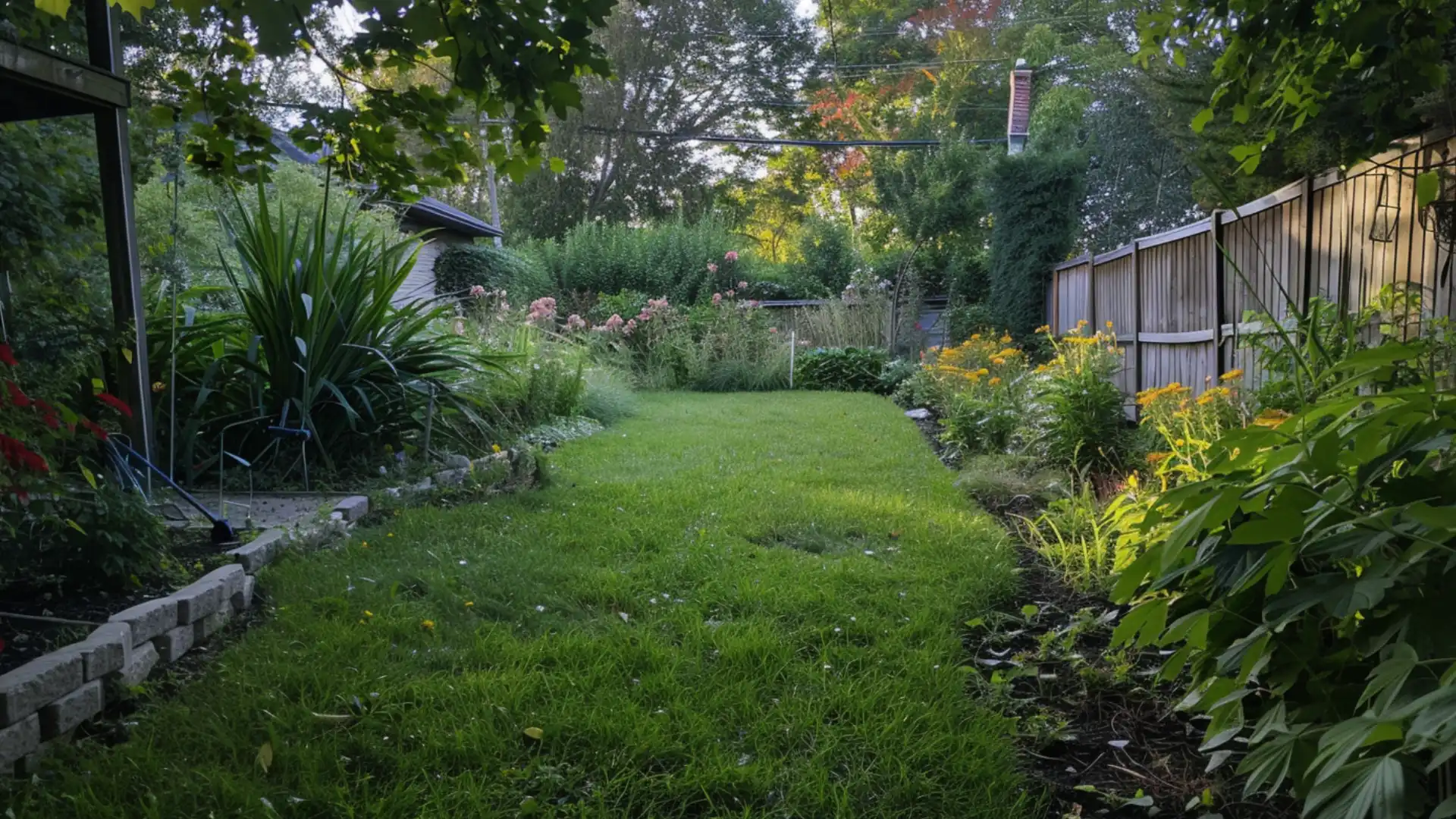
Traditional lawns offer little value to dragonflies or the insects they rely on.
Replacing turf with flowering plants, grasses, and native vegetation increases insect populations, which directly boosts dragonfly activity. Less lawn also means greater biodiversity overall, supporting pollinators, beneficial insects, and small wildlife.
The result is a garden that serves as a genuine habitat rather than merely a decorative space, making it far more appealing to dragonflies over the long term.
Avoid These Mistakes That Keep Dragonflies Away
Even with the right plants and water features in place, a few common missteps can undo all that effort. Here’s what to avoid and what to do instead.
- Using pesticides kills off the insects dragonflies rely on for food, so switch to natural pest management instead.
- Stocking ponds with fish leads to fish eating dragonfly nymphs, so opt for a wildlife pond without fish.
- Chlorinated water is harmful to nymphs and larvae, so stick to natural, untreated water sources.
- Too much shade reduces dragonfly activity, as they rely on sunlight to hunt, so choose a sunny location.
- Sterile landscapes offer little food or shelter, so plant diverse, native species instead.
- Removing dead stems eliminates key shelter and perching spots, so leave seasonal habitat standing through winter.
Fish are one of the biggest and most overlooked threats to dragonfly populations in garden ponds.
Many common pond fish feed directly on dragonfly nymphs, significantly reducing breeding success before the insects ever reach adulthood.
How Long Does It Take to Attract Dragonflies?
There’s no fixed timeline for attracting dragonflies, since several factors influence how quickly they arrive and how long they stay.
Nearby populations matter most; dragonflies already active in the area may discover a new pond within days, while isolated gardens can take longer.
Seasonal timing helps, too; spring and early-summer additions align with active breeding searches.
Pond maturity also plays a role, since a healthy food web of algae and microorganisms takes time to develop. Local climate and habitat quality, including sun exposure and plant diversity, also influence results.
Most gardens see visiting adults within a few weeks, meaningful activity within one growing season, and true breeding populations after several seasons.
Dragonflies vs. Damselflies: What’s the Difference?
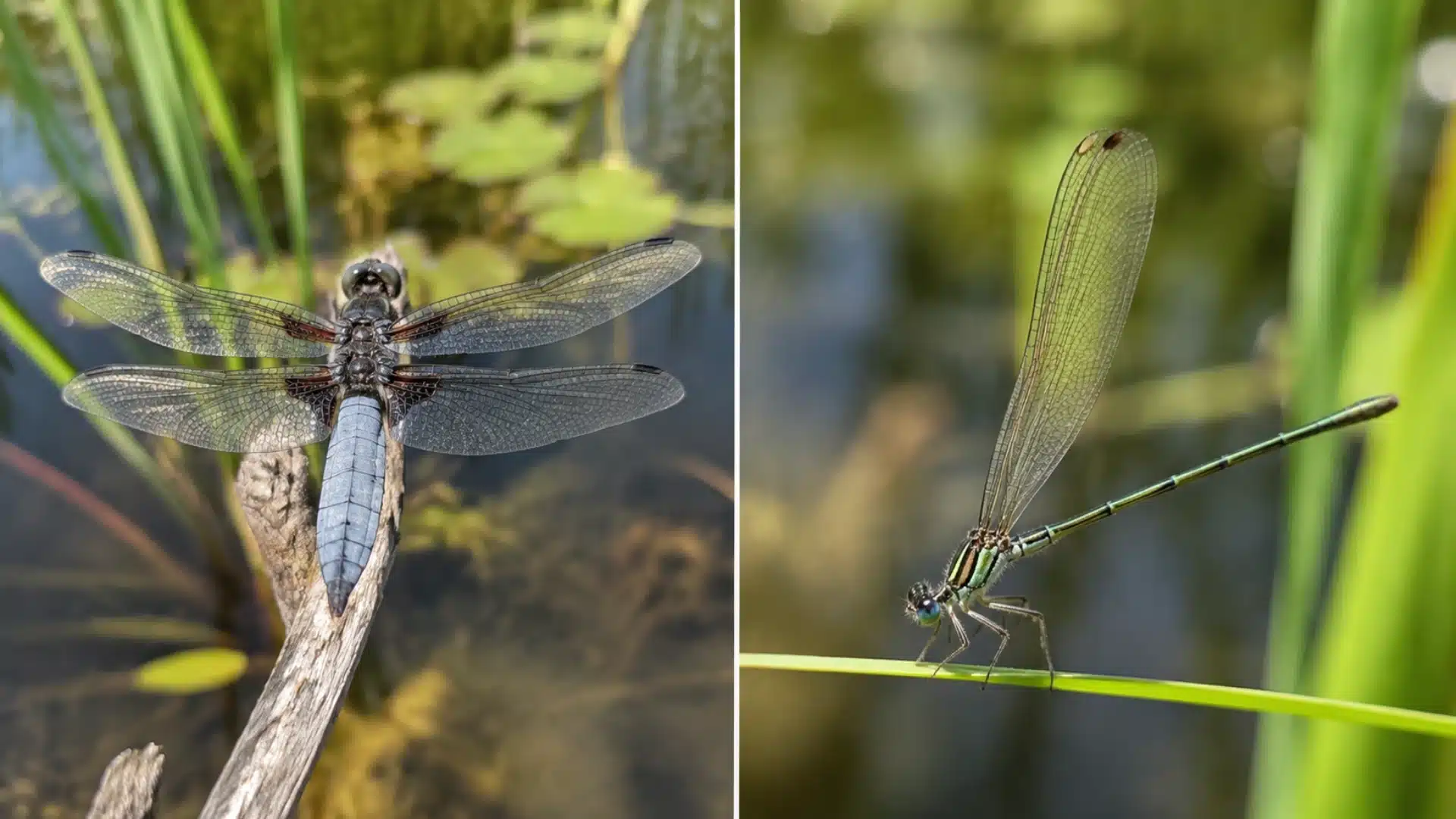
Dragonflies and damselflies are closely related and often confused, but a few physical traits make them easy to tell apart once you know what to look for.
| Feature | Dragonflies | Damselflies |
|---|---|---|
| Body size | Larger, thicker body built for powerful flight | Slim, thread-like body that looks almost delicate |
| Wing position at rest | Wings stay open and horizontal, even while perched | Wings fold up and back along the body |
| Flight style | Strong, fast, and highly maneuverable fliers | Fluttery, weak, delicate flight, often short bursts |
| Eyes | Large eyes that touch or nearly touch at the top of the head | Eyes clearly separated, positioned on either side of the head |
| Habitat needs | Similar habitat needs: still or slow water, sunny areas, and nearby vegetation | Similar habitat needs: still or slow water, sunny areas, and nearby vegetation |
Despite these differences, both insects thrive in the same kind of garden setup, so following the tips in this guide will help attract both dragonflies and damselflies to your outdoor space.
Seasonal Tips for Attracting Dragonflies
Dragonfly activity shifts with the seasons, so timing your garden tasks right can make a big difference in results.
- Spring: Install your pond and plant aquatic vegetation early, so they have time to establish before the breeding season begins.
- Summer: Peak dragonfly activity happens now, add perches for hunting, and avoid spraying pesticides that remove their food source.
- Fall: Leave habitat intact and avoid major pond cleaning, since nymphs are preparing to overwinter beneath the surface.
- Winter: Maintain the pond without a full cleanout, leave stems standing, and protect overwintering habitat from disturbance.
Following these seasonal steps keeps your garden welcoming year-round, not just during peak summer months. With consistent care, dragonflies are far more likely to stay and breed rather than just pass through.
Can You Attract Dragonflies Without a Pond?
Yes, though results will be more limited than with a full pond.
Dragonflies need still water most, so smaller alternatives can still work. A mini container pond, water basin, or rain garden mimics those conditions on a smaller scale.
A wildlife water feature built for pollinators can also draw them in, and a nearby natural pond or wetland garden may bring dragonflies to your yard without any water feature at all.
Realistically, expect visiting and hunting activity rather than full breeding, since egg-laying and nymph development require consistent standing water over time.
Final Thoughts
At its core, a dragonfly-friendly yard is a balanced ecosystem, not a single plant or feature.
Start with the basics: a modest pond or water feature, native flowering plants, and a mix of aquatic vegetation to provide shelter and egg-laying sites.
Skip the pesticides, since dragonflies need a steady supply of insect prey to stick around. Add sunny, open perching spots where they can rest and hunt.
None of this happens overnight; dragonflies need time to discover a new habitat and trust it’s stable.
But with patience and consistency, these conditions can bring regular visitors and, in the right setup, a self-sustaining breeding population year after year.
Frequently Asked Questions (FAQs)
Are Dragonflies Attracted to Certain Flower Colors?
They’re drawn more to flowers that attract prey insects than to any specific color themselves.
Is a Bird Bath Enough?
A bird bath alone rarely works, since dragonflies need still, open water rather than a small, shallow basin.
Will Dragonflies Sting or Bite People?
No, dragonflies are harmless to humans and don’t sting or bite.