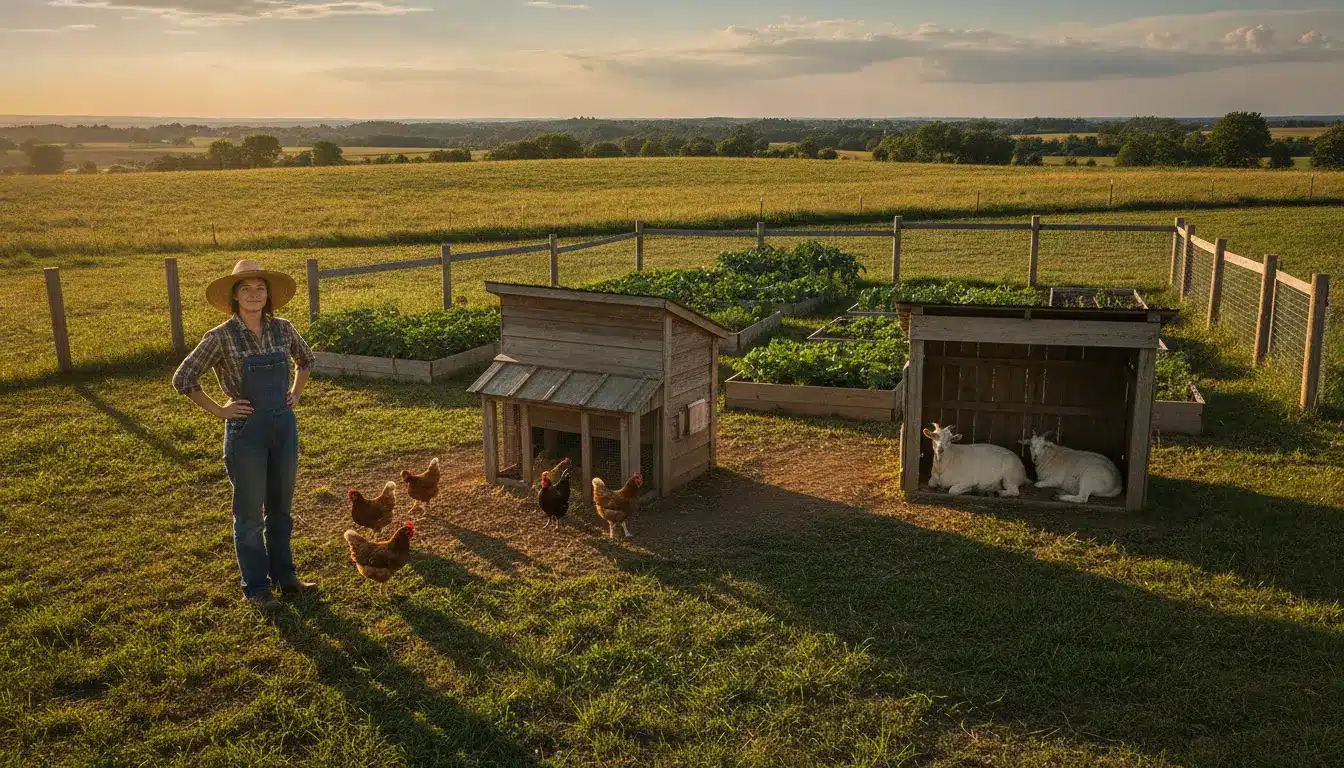
For many people, a homestead starts with a vegetable garden. You plant a few tomatoes. Add some herbs. Maybe a berry bush. Then, you start wondering what life would be like with a flock of chickens. Or a pair of cute goats. Raising animals is often the next exciting step once you’ve found your footing in the garden.
If you’re new to homesteading, slow down before bringing home your first livestock. These creatures will depend on you. They might also have specific jobs on the farm. So, you need to plan their lives thoroughly. Here are six things to plan for before raising animals on your first homestead.
Choose Animals That Match Your Space
You might fall in love with the idea of a bustling homestead. But reality doesn’t always allow it. Every animal needs room to roam. To eat. To rest. A few chickens may fit comfortably in a small backyard. A flock of sheep or several goats need more space. Pick animals that suit your property size. That makes daily care easier from the start.
Research the easiest livestock to care for as a beginner. Consider your daily schedule, too. Chickens often make a great starting point. They need less space. They’re fairly simple to care for. Rabbits can also be a good choice for smaller properties. Once you gain experience, you can always expand. Starting with the right animals helps you build confidence as your homestead grows.
Plan Your Homestead Layout
Before building anything, plan your homestead’s layout. Imagine carrying heavy buckets of water every morning because the animal pens ended up on the opposite side of the property. It sounds manageable. But it isn’t sustainable. A thoughtful layout makes everyday tasks lighter.
Sketch your property first. Think of it as coming up with a blueprint for the homestead. Plan your animal areas. Then, think about the paths you’ll walk every day. Leave enough room for a vegetable garden. Make sure it gets plenty of sunlight. It should also stay separate from grazing areas. Keep compost close enough to reach. When everything has its place, your homestead will be more organized. Your daily routine becomes super smooth, too.
Build Safe Shelters
Your animals need more than a fence around the yard. They need a place to rest at night. To escape extreme weather, too. Good shelter also makes feeding and cleaning much easier.
Match the shelter to the animal you plan to raise. For poultry, build a sturdy chicken coop. It should have good ventilation. Make sure the nesting boxes are secure. Plan for protection from predators, too. Goats and sheep need dry shelters. They also need enough space to move around comfortably. A safe shelter gives your animals a healthy place to thrive.
Figure Out Your Feeding Routine
Feeding becomes a vital part of your homestead’s routine. You do it morning and evening. Rain or shine. You don’t get to pause. If the setup’s messy, this simple chore will drag out. So, plan ahead.
Plan your feeding area before any animals move in. Keep feed storage close to where you’ll actually use it. Choose a spot that stays dry. Invest in sheep and goat hay feeders. That way, feed stays off the ground. It also doesn’t get wasted or trampled. Set things up so you can refill quickly. A solid feeding routine keeps animals happy and full.
Protect Your Crops
A thriving homestead garden is rewarding. But one curious animal is all it takes for it to go down the drain. Maybe a goat finds a gap in the fence. One nibble first. Then, entire crops eaten overnight. Your vegetables disappear faster than they grow. This is why protecting crops needs to be planned early.
Look at your garden from an animal’s point of view. Check for weak spots in fencing. Look for low gaps near the ground. Add strong barriers where needed. Create clear separation between grazing areas and growing beds. Raised beds help a ton in tighter spaces. Secure gates are perfect in larger ones. Keep your garden safe so your effort actually turns into harvests. Not snacks for wandering animals.
Think About Manure Management
Manure builds up once animals settle in. It can pile up faster than expected. If there’s no plan, it turns into extra work. And worse, an unwanted smell in the air.
With a simple system, manure becomes a useful part of your homestead. Set up a clear spot for collection. Keep it away from clean areas. Plan how waste will move from pens into a compost system. That lets you turn livestock manure into fertilizer through composting.
Use it to feed your garden soil. Keep the pile balanced with dry material. Leaves or straw work well. A steady routine helps reduce mess. It gives your garden a natural boost while saving you some cash.
Conclusion
A successful homestead requires planning before the animals arrive. So, sketch your layout first. Protect your garden with fences. Think ahead about shelter and food. When you have all of these down pat, those first few weeks of raising livestock become less overwhelming.
Give yourself time to build a setup that works for you and your livestock. Remember, happy animals make a homestead feel complete.